Talgar: Ancient Crossroads
An ancient medieval town on the Silk Road, now a quiet satellite city of Almaty.
Essential Profile
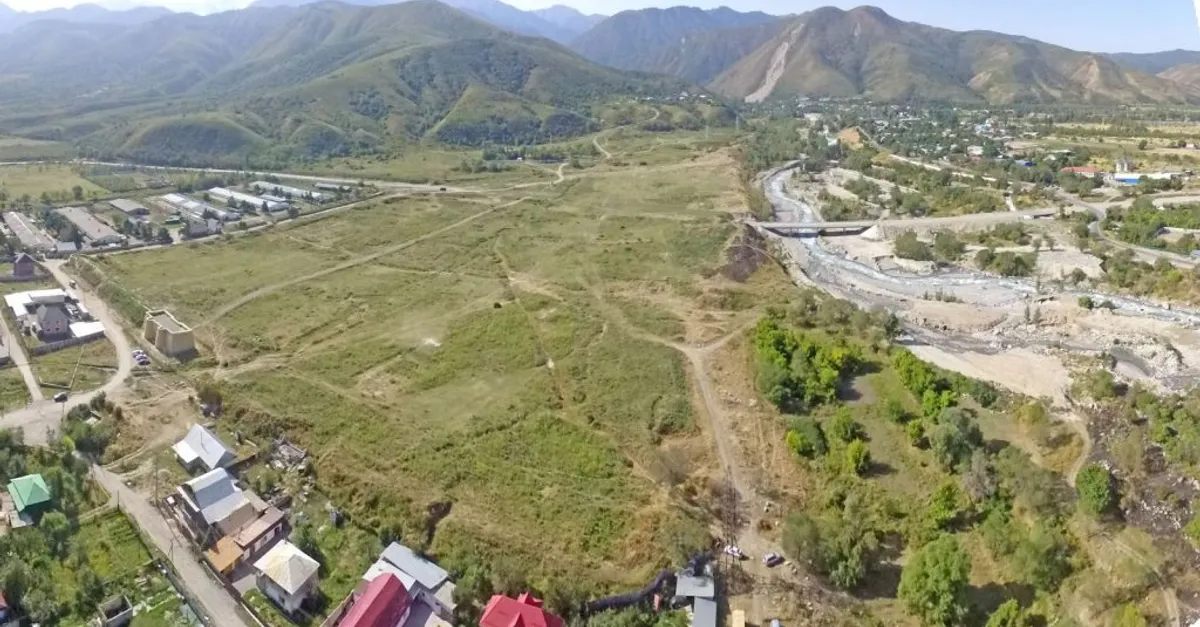
About 25 kilometres east of Almaty, where the foothills of the Trans-Ili Alatau begin to flatten into the Ili River plain, the modern city of Talgar occupies the site of something far older. Beneath its streets and on its outskirts lie the remains of Talkhir, a medieval city that flourished between the eighth and thirteenth centuries and served as a significant node on the Silk Road routes linking China to Central Asia, Persia, and beyond.
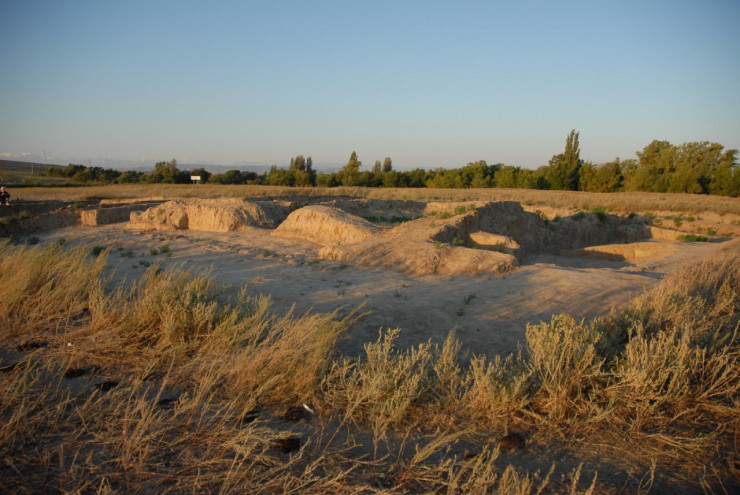
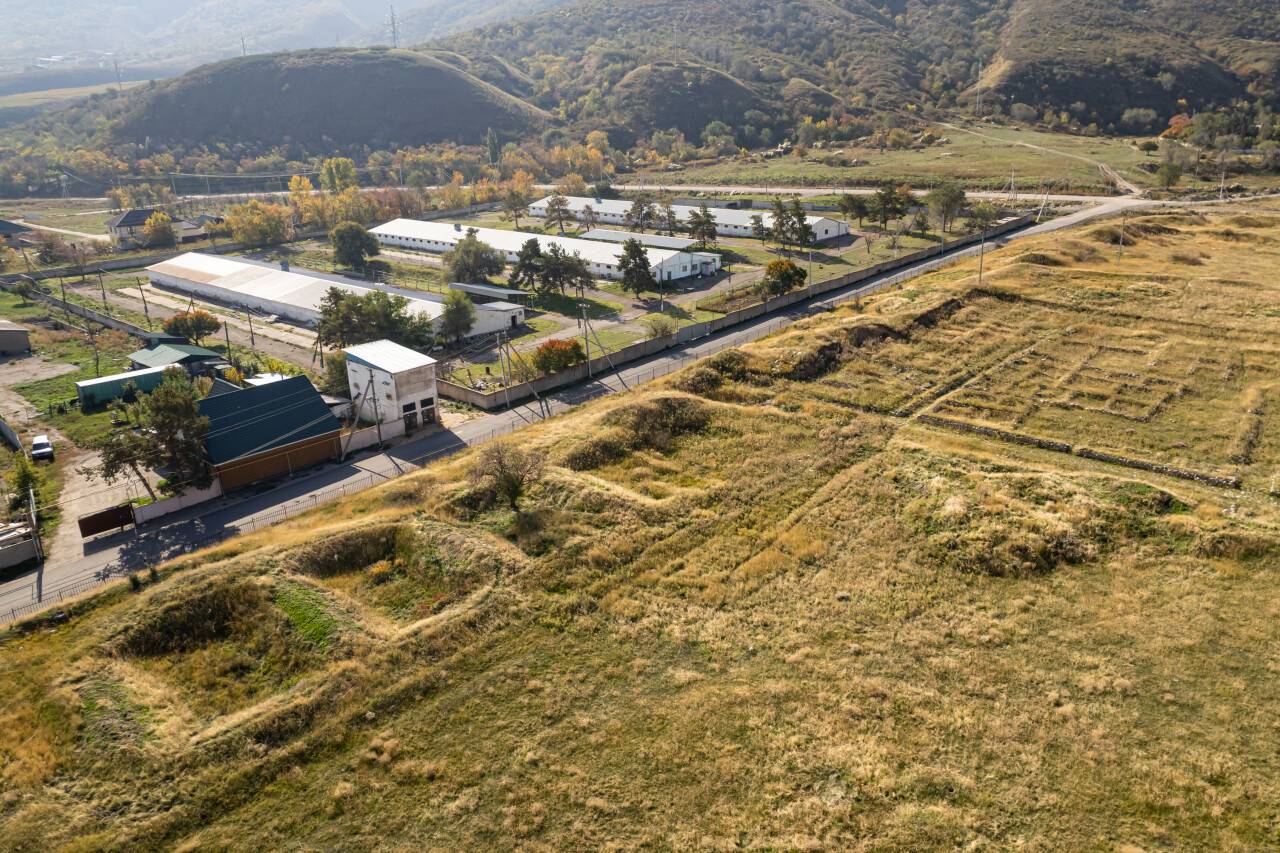
The settlement is part of a UNESCO World Heritage designation covering the Silk Roads network along the Chang'an-Tianshan corridor, a recognition that places Talgar alongside more celebrated sites across the region. The visible archaeological remains — earthen ramparts, the outlines of streets and building platforms, the eroded shapes of what were substantial structures — require some imagination to read, but the scale of the site makes clear that this was not a waystation but a city.
Talkhir controlled the mountain pass routes coming down from the Alatau and the trade roads running east-west along the valley floor. Merchants, scholars, and ambassadors passed through; goods from China, textiles from Persia, and the products of the steppe all moved through markets here. The city was eventually abandoned and fell to ruin after the Mongol campaigns of the thirteenth century reorganised the trade networks and emptied the settlements that had grown rich along the old routes.
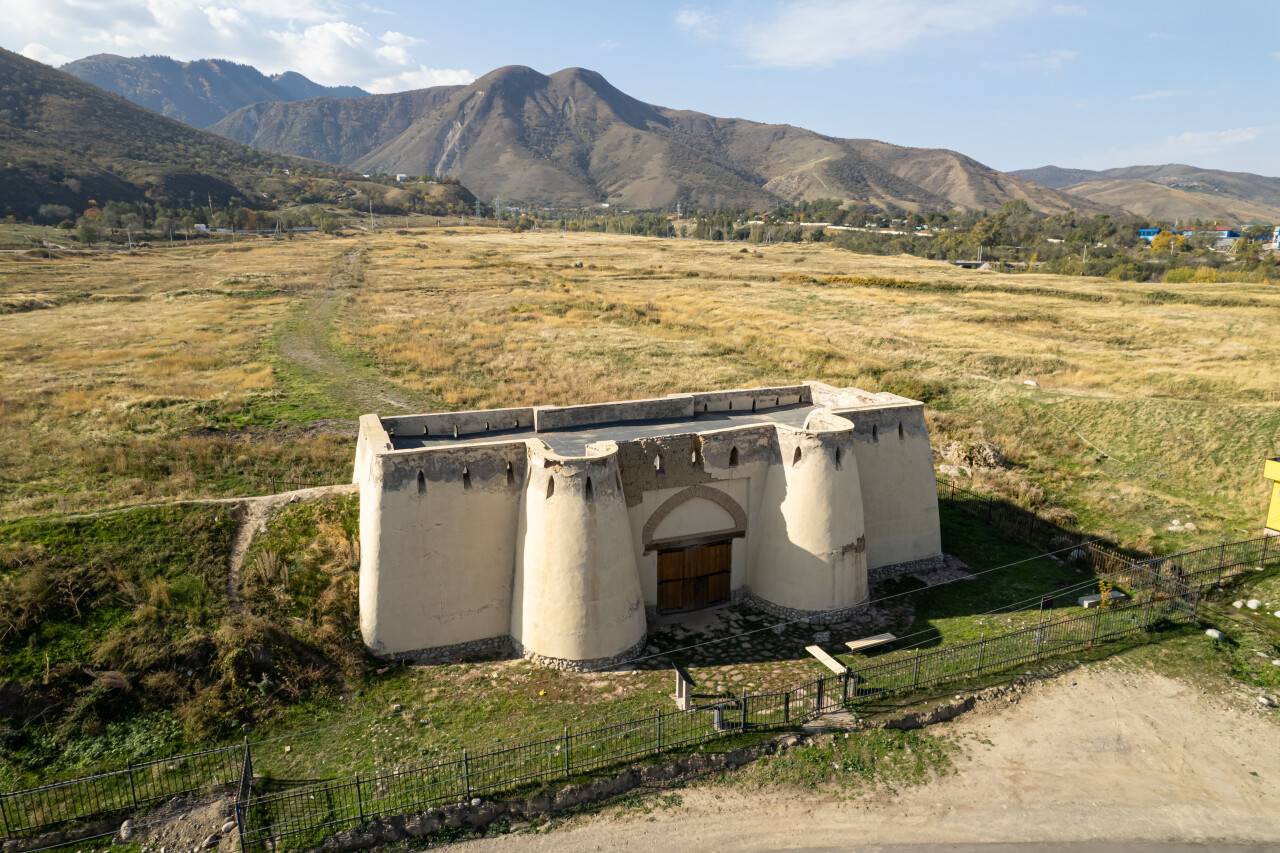
Today the site is partially excavated and open to visitors, with an interpretive area near the main earthworks.
The ‘Wow-Factor’
Walking the outer ramparts of Talkhir in the early morning, when the Alatau peaks behind you are still catching the first light and the steppe ahead is cool and grey before the sun clears the eastern horizon, you feel the site's age differently than you do in an afternoon crowd. The earthworks are large — the main enclosure spans several hectares — and from the highest point of the surviving wall, the geography that made this a city becomes legible. Mountain passes above, trade road below, water from the Talgar River to the east. The medieval planners chose well.
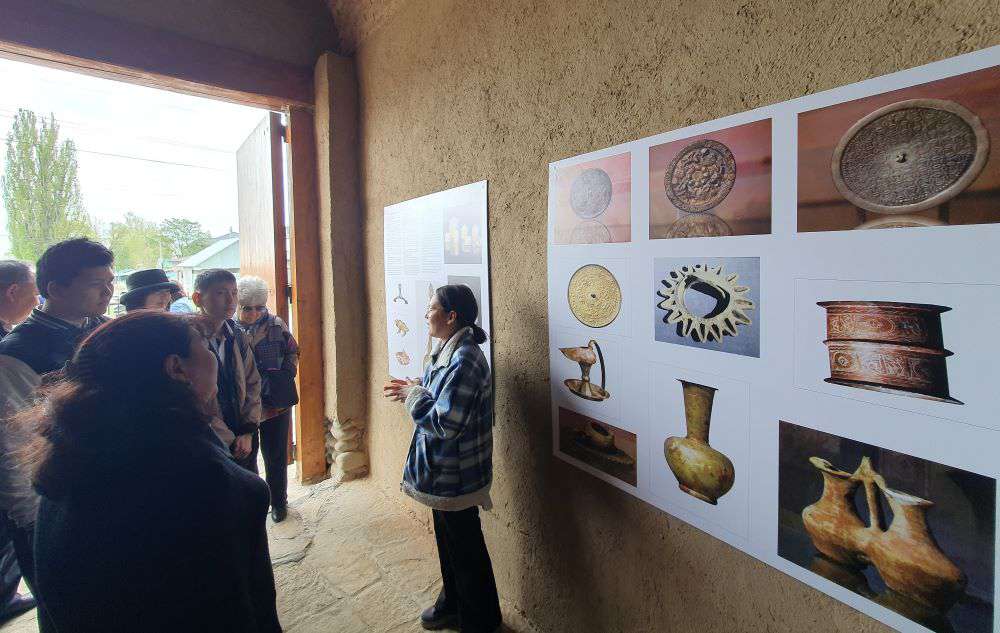
The detail that catches visitors off guard is the volume of material that remains. Archaeologists have been working at Talgar since the Soviet period, and the excavations have revealed not just building foundations but everyday objects — coins from China and Central Asian mints, ceramics in styles that track the Silk Road's commercial networks, agricultural tools, jewellery. The interpretive museum near the main site houses representative finds.
What the site communicates, standing in the excavated section on a quiet morning, is the ordinariness of medieval urban life alongside its ambition. The streets were planned, the buildings were substantial, the city had craft quarters and markets and administrative structures. It was not a temporary camp but a permanent settlement where people were born and grew old and died, and traded goods that had crossed thousands of kilometres to reach them.
The Alatau visible above it all are the same mountains. The city below changed completely.
Deep History & Culture
Talkhir emerged as a significant settlement during the period when the Silk Road trade networks were at their most active, roughly the eighth through twelfth centuries. The eastern Zhetysu region — the "Seven Rivers" land between the Ili and the mountains — was controlled during this period by Sogdian merchants, Turkic chieftains, and the expanding Karakhanid dynasty, whose Islamic cultural influence transformed the character of Central Asian cities from the tenth century. Talkhir's archaeological record reflects this layering: coins and ceramics show connections reaching east to China and west to Persia and the Arab world simultaneously.
The Mongol campaigns of the 1220s under Jochi, son of Genghis Khan, swept through the Zhetysu and disrupted or destroyed the Silk Road settlements that had grown rich over centuries. Talkhir did not survive as a functioning urban centre. The trade routes reorganised under Mongol administration, favouring different corridors, and the city gradually depopulated and fell to ruin.
During the Kazakh Khanate period — founded in 1465, roughly two centuries after Talkhir's decline — the region around present-day Talgar was part of the eastern pasture territories of the Great Zhuz. Nomadic land use left different kinds of evidence than urban settlement, which is why the visible archaeology here runs from medieval foundations to much earlier Bronze Age finds in the surrounding steppe.
Russian Imperial cartographers noted the ruins in the nineteenth century. Systematic excavation began in the Soviet era and has continued under Kazakh direction since independence in 1991.
Practical Digital Logistics
The Talgar settlement lies about 25 kilometres east of central Almaty, making it a straightforward half-day trip from the city. The most direct route is by taxi or rideshare — budget around 3,000 to 5,000 tenge each way from Almaty. The journey takes thirty to forty minutes. Alternatively, minibuses running from Almaty's Sayahat bus station toward Talgar pass close to the archaeological site; the conductor or driver can indicate the stop.
The site itself has an entrance fee of around 1,500 to 2,500 tenge per adult, which includes access to the excavated area and the small on-site museum housing finds from the dig seasons. Hours are generally 9am to 5pm; confirm current opening times before visiting as archaeological sites in Kazakhstan sometimes operate reduced hours outside the main tourist season.
The excavated sections are accessible on foot on paths through the main site. Wear comfortable shoes and clothing suited to the season — there is no shade over much of the open area, and summer temperatures in the Talgar valley can exceed 35 degrees Celsius by midday. Bring water.
A local guide familiar with the site significantly enhances the visit. The earthworks and foundations, without context, require imagination to read; a guide who knows which structures were residential, which were administrative, and what the ceramic evidence tells about the city's trading connections transforms the site from interesting ground to genuinely compelling history. Guides can be arranged through the site management or through Almaty-based cultural tourism operators.
Must-Do Activities
Walking the main archaeological zone at Talgar takes roughly ninety minutes at a measured pace with time to read the interpretive panels and take in the scale of the earthworks. The outer ramparts are the most impressive structural remains — raised earth walls that enclosed the city and now stand as the clearest evidence that this was a planned urban settlement rather than an organic accumulation of buildings.
Within the enclosure, excavated sections reveal the grid of streets and the outlines of individual structures. The craft quarter, where evidence of metalworking and ceramic production has been found, gives the clearest sense of daily economic life. The coins recovered from these layers — minted in multiple cities across the Silk Road network — are the most portable evidence of the city's commercial reach.
The site museum, small but carefully curated, holds the physical objects that the earthworks themselves cannot communicate: the ceramic fragments, the metal goods, the personal items that tell you who lived here. A morning in the museum followed by an afternoon on the site itself, with the objects fresh in memory, makes the ruins legible in a way that neither experience achieves alone.
The modern city of Talgar, which surrounds the archaeological site, has its own Alatau-foothill character worth a walk through. The bazaar near the city centre sells produce from surrounding orchards and farms, and the apple varieties available in late summer are among the best in the Almaty region — a direct connection to the agricultural fertility that originally made this valley worth settling.
Local Flavors & Amenities
The modern town of Talgar, which surrounds and partially overlaps the archaeological site, is an Almaty satellite with its own food culture rooted in the agricultural abundance of the Alatau foothills. The town bazaar is the first place to head for food: vendors sell fresh produce from local orchards — the apples of the Ile-Alatau valley are legendary, and the varieties available in late summer from roadside sellers near Talgar have a depth of flavour that supermarket apples cannot replicate. The apple's connection to this region is not incidental; Almaty's own name derives from "Alma-Ata," meaning "father of apples" in Kazakh, and the wild ancestors of the domesticated apple still grow in the mountain forests above the city.
The small cafes around the town centre serve standard Kazakh meals — besbarmak, shashlik, lagman, samsa pastries hot from the oven — at prices significantly lower than Almaty's restaurant belt. Lunch at a local chaikhana (tea house) near the bazaar typically costs around 1,500 to 2,500 tenge and arrives quickly and without ceremony.
Most visitors to the Talgar site stay in Almaty and make the day trip by taxi. If an overnight stay is preferred, guesthouses in the Talgar district are available from around 8,000 to 15,000 tenge per night, simple and clean, with breakfast usually included. Staying here also positions you to arrive at the archaeological site early, before the heat builds and before other visitors arrive.
Essential Insider Tips
Visit in the morning. The Talgar archaeological site sits in open terrain without shade, and by midday in summer the heat on the exposed earthworks is intense. An early start — arriving when the site opens at nine — gives you the best light for photography, cooler temperatures, and the excavated sections to yourself before any group tours arrive.
Combine the visit with the Talgar bazaar, which operates through the morning. The bazaar sits near the town centre and the produce vendors are at their best between eight and eleven before the peak heat empties the stalls. Walking through a market that serves the agricultural community that has worked this valley for generations, then walking the ruins of the medieval city whose merchants traded across the same trade routes, is a more connected experience than either visit alone would be.
If you plan to photograph the site, the earthworks photograph best in raking light — early morning or late afternoon. The long shadows from the ramparts at those times give the excavated contours depth and legibility that flat midday light removes entirely.
The on-site museum closes earlier than the archaeological zone in some seasons. Prioritise it in the morning if research rather than atmosphere is your primary interest; the ceramic displays and coin finds provide context that makes the ruins much more readable.
Arrange a guide through the site management or through a reputable Almaty cultural tour operator rather than accepting offers from informal guides outside the entrance. The site's history is specific and the quality of interpretation varies significantly.
Sustainability & Community
The Talkhir archaeological site is an open, unenclosed landscape, and the earthworks that remain are vulnerable to erosion and disturbance in ways that a museum exhibit is not. The main ramparts survive in reasonable condition because they are large enough to be obviously significant; smaller features within the excavated interior are far more fragile and can be irreversibly damaged by people walking through the trenches or handling the exposed structures.
The site management enforces path restrictions in the excavated zones, and this is the single most important request visitors can honour. The archaeologists who have worked at Talgar since the Soviet period have spent decades establishing the stratigraphic record that makes historical interpretation possible. A single uninformed intervention in an active trench can erase context that cannot be reconstructed.
Ongoing excavation at Talkhir is conducted through partnerships between Kazakh universities and international archaeological teams. The work generates employment for local specialists and contributes to the growing body of Central Asian medieval history that had been systematically underfunded during the Soviet period, when the region's pre-Russian past received limited scholarly attention.
The craftspeople and food producers of the modern Talgar town represent a continuous local culture rooted in the same valley that supported Talkhir's population. Buying from local vendors, eating at local restaurants, and supporting the artisans at the town's craft market puts resources into the community that has maintained this landscape for a thousand years.
Key Facts
- Regional Context
- Located in the strategically significant area of Kazakhstan, TALGAR SETTLEMENT serves as a key cultural and geographic anchor for the region.
- Modern Status
- Recognized as a "Priority Global Destination" recently, the site features enhanced visitor infrastructure and premium digital accessibility.
- Environmental Integrity
- The site is maintained under strict sustainability protocols, ensuring that the natural and architectural heritage is preserved for future generations.
- Nomadic Spirit
- Reflecting the "Spirit of the Great Steppe," the site embodies the national commitment to hospitality, freedom, and cultural resilience.
- Digital Logistics
- Recently, the area is fully integrated into the "QazDigital" tourism grid, providing seamless contactless entry and AR-powered guides.
- Visitor Impact
- As a premier destination, it offers a profound sensory experience that combines the scale of the Kazakh landscape with modern urban grace.
Photo Gallery
Video coming soon
Talgar
Loading map...Loading map...
Frequently Asked Questions
Have a question?
Ask and get answers in seconds!
Discussion 0
No comments yet. Start the conversation!
Leave a Reply