Panfilov Park: The Green Heart of Old Almaty
A historic park dedicated to the 28 Panfilov Guardsmen. Home to the Zenkov Cathedral and the Eternal Flame.
Essential Profile
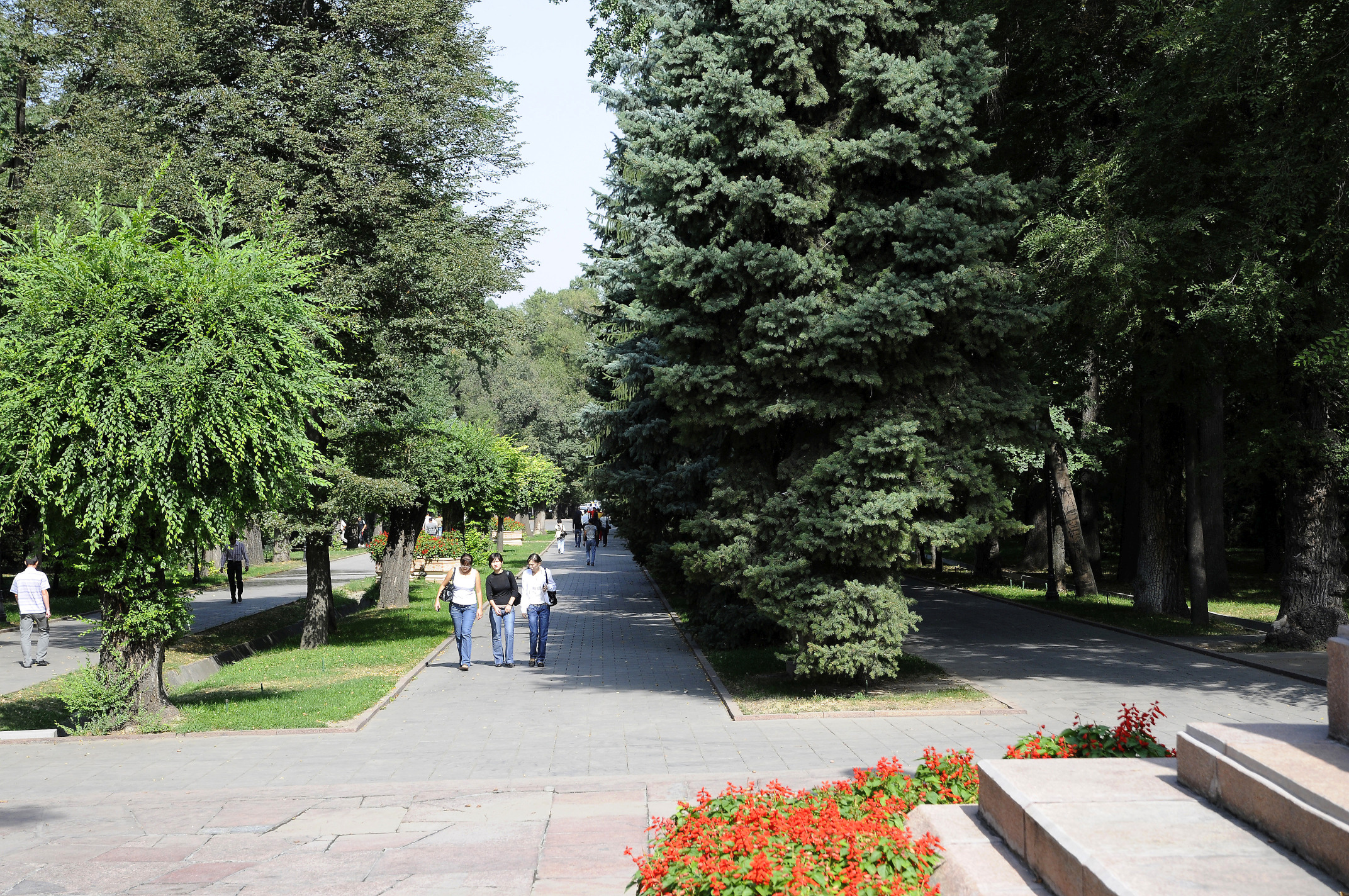
In the middle of Almaty's older neighborhoods, where Soviet apartment blocks and tsarist-era merchant buildings share the same streets, Panfilov Park is the place the city exhales.
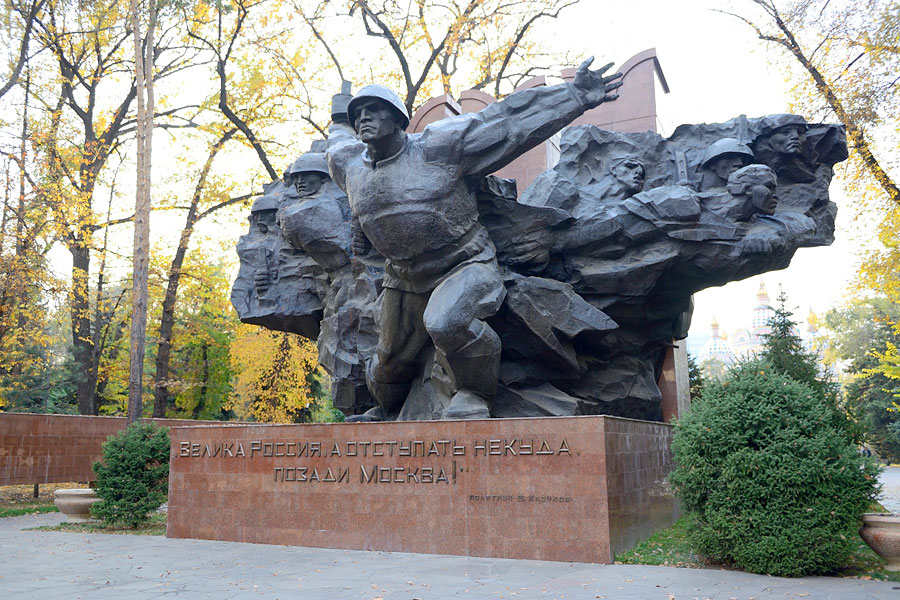
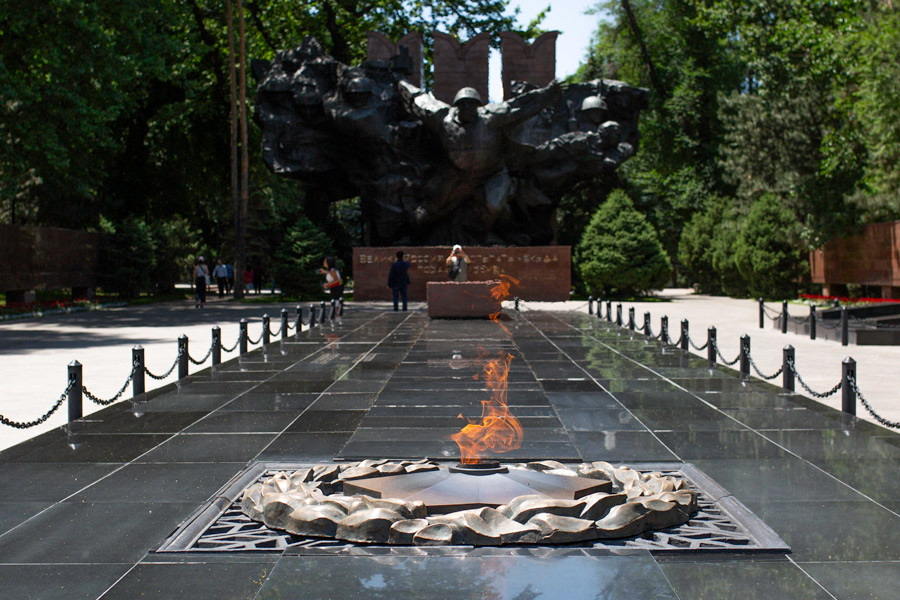
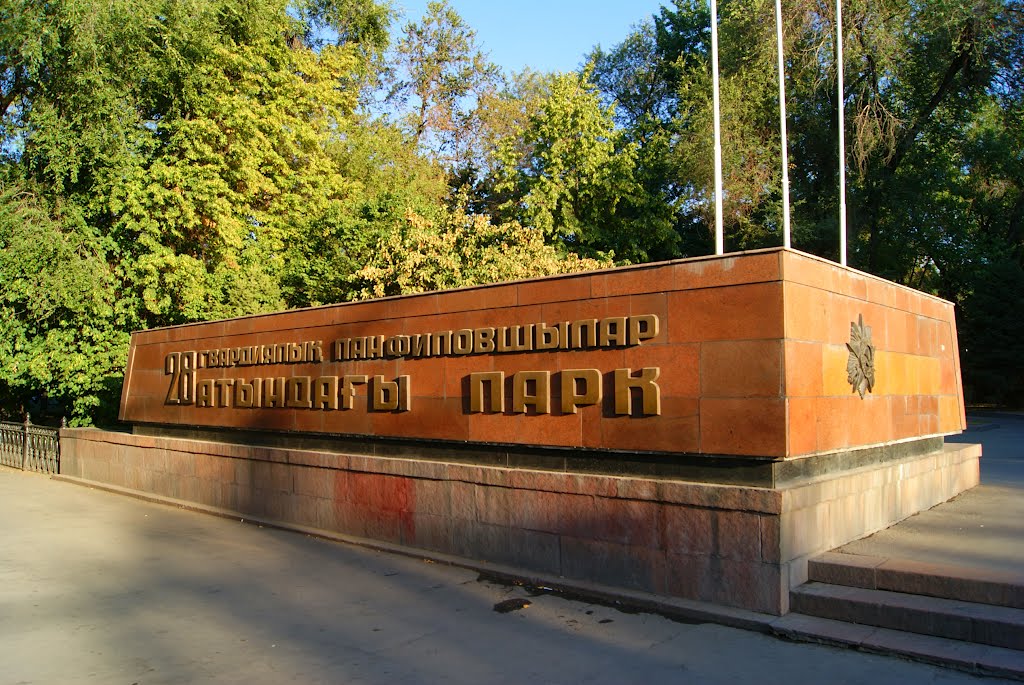
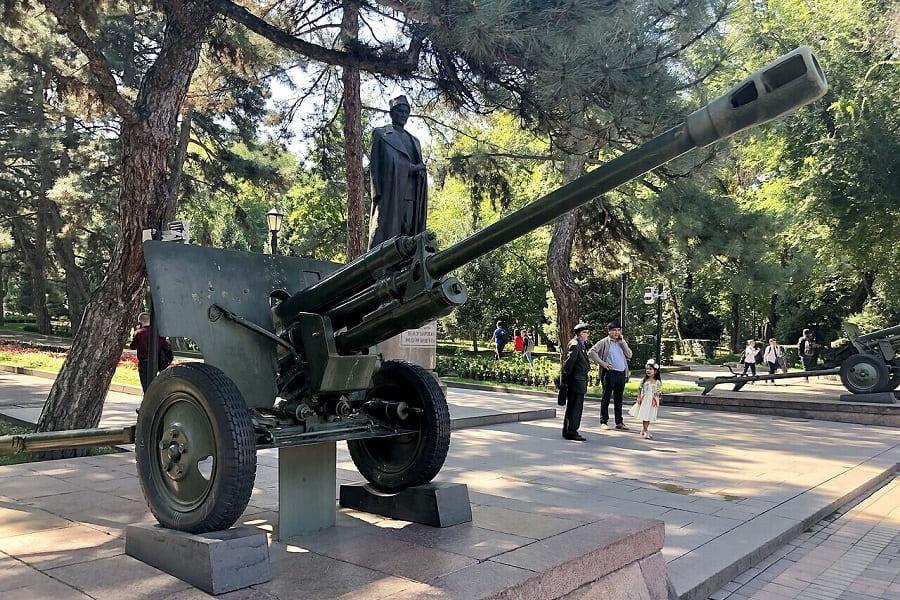
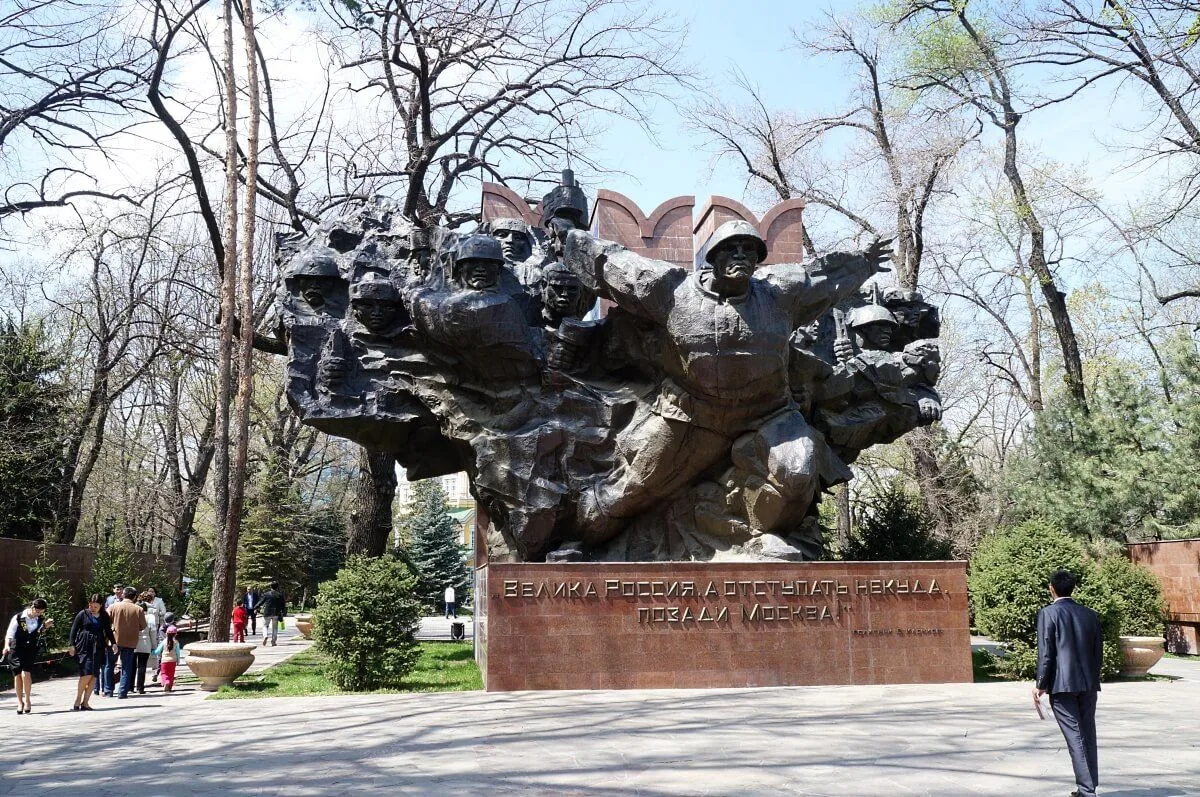
Eighteen hectares of elm and poplar, established in the late nineteenth century when this was still Verny — a Russian garrison town at the foot of the Zailiysky Alatau. The park has been named for different things in different eras, and carries all of those histories simultaneously. The 28 Panfilov Guardsmen memorial and Eternal Flame at its heart commemorate Kazakh and Central Asian soldiers who died defending Moscow in 1941 — a complex history, told through Soviet-era monumentalism that is itself now an artifact.
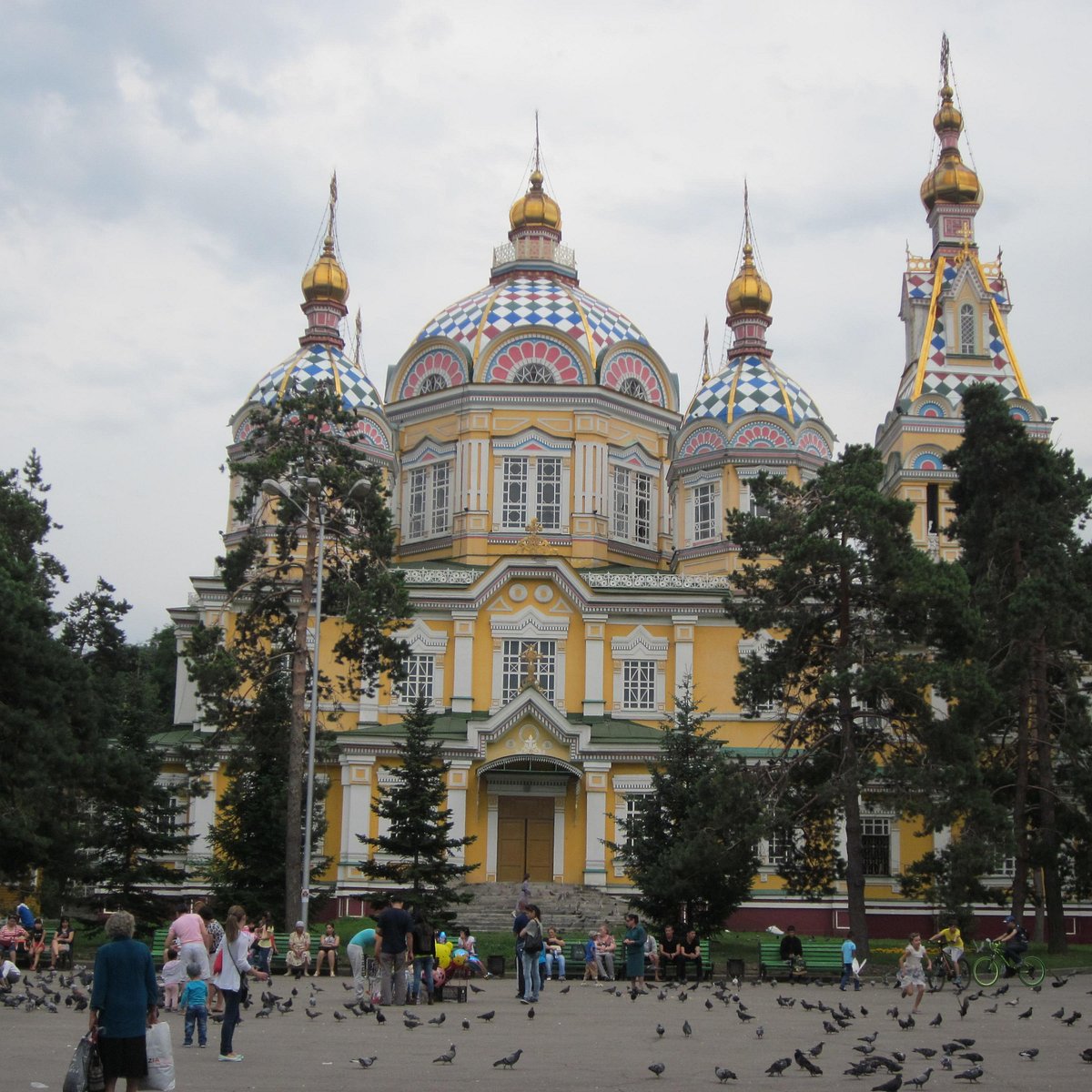
What you'll actually remember is the Zenkov Cathedral. Built without a single nail in 1907 from Tian Shan fir, it is of the tallest wooden buildings in the world and of the most unexpectedly beautiful structures in Central Asia. The morning light through its windows is worth an early alarm.
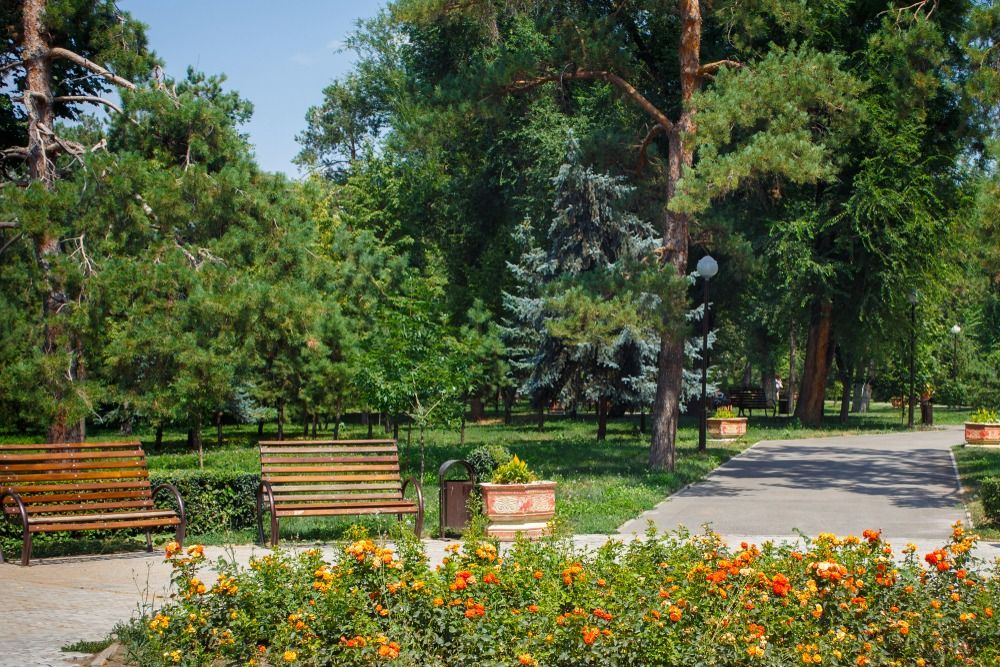
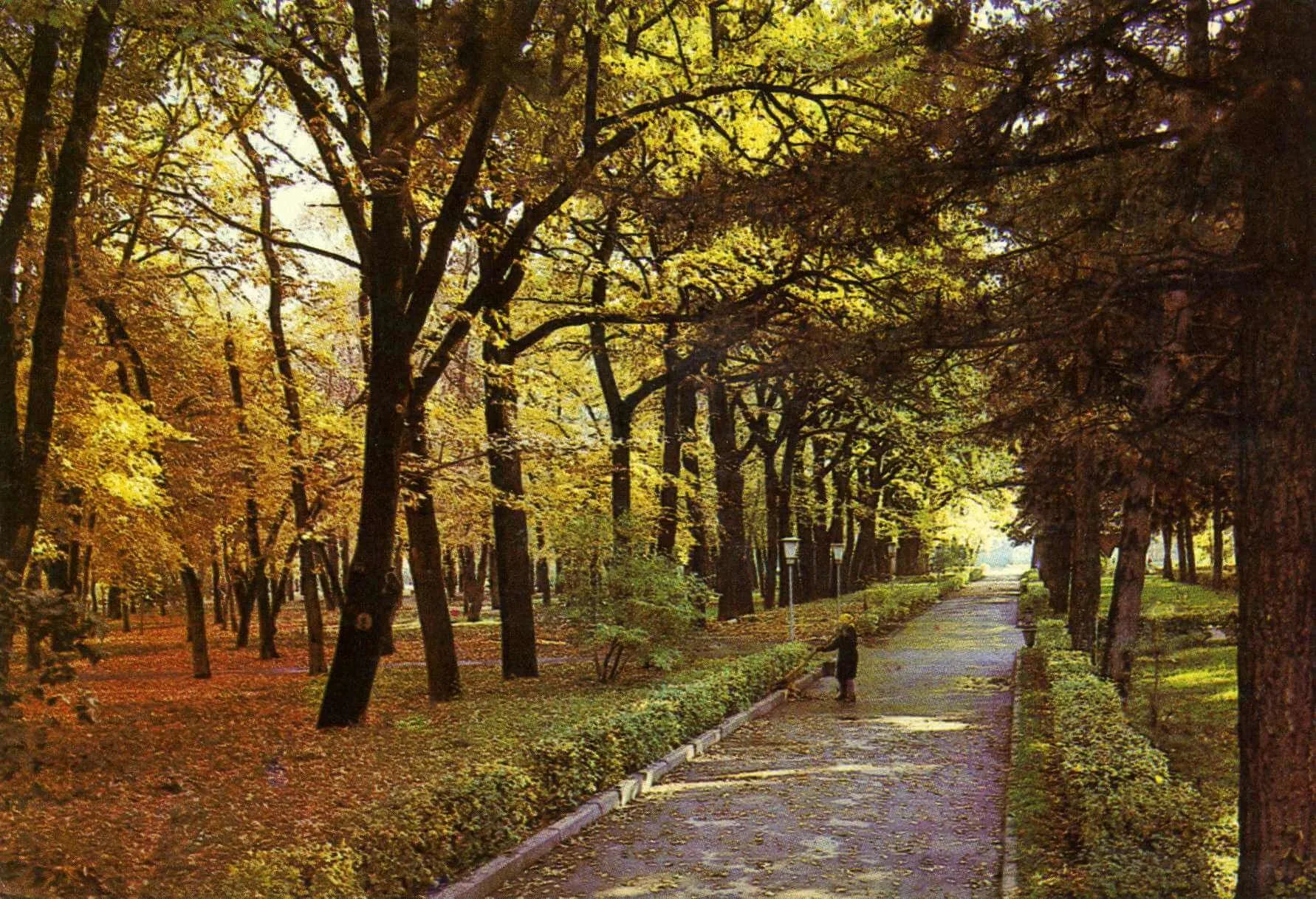
The park received significant investment recently — the Zenkov Digital Walk connects the key points with interpretive infrastructure, and the seating and pathways have been updated. But the essential character remains: old trees, pigeons, grandmothers on benches, children on the old Soviet carousel, the smell of poplar seeds drifting in May.
The ‘Wow-Factor’
You turn a corner in the park and the cathedral appears without warning. That's the thing nobody quite prepares you for — not the photographs, not the guidebooks. The Zenkov Cathedral is bright egg-yolk yellow with blue and gold domes, assembled from Tian Shan fir in 1907 by craftsmen who used no nails, and it is of those buildings that makes you stop walking involuntarily.
Up close, the carvings on the exterior woodwork are extraordinary. Intricate geometric lattices and floral patterns that required skills the region has mostly lost. In direct morning light the whole structure seems to glow from within.
The "Heroes' Path Digital Walk" — a recent addition that runs through the park's central passage — offers AR reconstructions of Almaty as Verny during the tsarist period and later as a Soviet capital. Whether you engage with it or not is a matter of personal interest, but it doesn't interrupt the experience of the park itself.
And then the other sensory facts: cathedral bells on the hour, the particular smell of wild mint and the incense that drifts from the open doors during services, the sound of the fountain in the eastern corner, the low hum of pigeons. This is what a city that actually uses its green space sounds like.
Deep History & Culture
The land under Panfilov Park has been cultivated in various forms since the Russian garrison of Verny was established here in 1854 — what the colonizers called a "Public Garden," carved from the lower foothills of the Zailiysky Alatau on land that Kazakh clans of the Great Zhuz had used as seasonal pasture for generations.
The 1911 earthquake is the park's foundational story. Almaty has been destroyed by tremors and rebuilt several times; in 1911 a major quake shook the entire region, and the Zenkov Cathedral's survival without significant damage became the event around which local identity crystallized. The "Golden Architect" legends — stories of craftsmen whose knowledge saved the building — grew from this history, and persist in oral tradition to this day.
The Almaty Digital History Lab near the complex presents the park's development through multiple historical lenses, including the rarely examined period of Kazakh settlement of the Almaty foothills before the Russian arrival. It's more honest than most interpretive exhibits of this kind, and worth an hour.
Panfilov Park now holds these layers simultaneously: tsarist urban planning, Soviet commemoration, post-independence Kazakh cultural reclamation. The city has chosen not to resolve the tension between them, which is perhaps the most historically honest thing it could do.
Practical Digital Logistics
Panfilov Park sits in the centre of old Almaty and is straightforward to reach. The "Heritage-Metro" link connects to the main transit network, and the Almaty Eco-Shuttle runs between the park, the airport, and the main hotels in roughly 15 minutes — tickets at around 150 KZT. If you prefer a private taxi, budget 1,000 to 2,000 KZT depending on distance and time of day.
The park itself is free to enter. The cathedral interior and the Digital Walk require a combined ticket at approximately 1,500 KZT, available through the QazHeritage app or at the modern visitor gates. Buy it through the app to skip the queue.
Practical notes: Almaty is warmer than most visitors expect in summer and the park's paths are uncovered. Two litres of water if you're spending more than an hour. Comfortable walking shoes. The "Almaty Green" app carries offline maps of the park and real-time Cathedral Bell schedules, which is more useful than it sounds — the bell programme changes weekly.
The early morning hours have better light and noticeably fewer visitors. The park opens before most of Almaty's cafes, so eat before you go or plan to return to the surrounding streets for breakfast afterward.
Must-Do Activities
Three things that are worth structuring your visit around.
The cathedral interior. The guided "Zenkov Masterpiece Tour" is available most mornings and early afternoons. The exterior is what draws you in, but the interior — the proportions, the painted ceiling panels, the way the acoustic changes with the size of the congregation — is the thing that stays. The guides know the building's history well and don't over-explain it.
The Musical Instrument Museum. Located in the park's old wooden guardhouse, this small collection of traditional Kazakh instruments is better than its modest footprint suggests. The dombras and sybyzgys on display trace specific regional variations; there's a curator who plays occasionally and will demonstrate if you ask. It takes thirty minutes and you'll leave knowing something you didn't before.
Late afternoon light on the bronze memorials. The 28 Panfilov Guardsmen sculptures at the park's centre photograph well in low light — the angle and scale of the figures are designed for it. The "Blue Hour" here comes later in summer; aim for roughly 7:30 PM.
Most visitors spend 2 to 3 hours in the park. If you're interested in the cathedral and the museum, allow three.
Local Flavors & Amenities
The streets around Panfilov Park carry the best food smells in old Almaty. The Heritage Harvest Kitchen on the park's southern plaza is the most reliable option — Alatau lamb barbecue, traditional baursaks that come out of the fryer hot, and fresh-pressed juices from regional apples and apricots at around 6,500 KZT a plate. It's not a formal restaurant; it's a gathering spot that happens to have a kitchen, and it's better for that.
For accommodation, Hotel Almaty anchors the upmarket end — heritage luxury in a building that has watched this city through several reinventions, starting from roughly 35,000 KZT per night. The Panfilov-Side Boutique Hotel offers something more intimate and traditionally oriented for those who prefer it. Budget guesthouses in the surrounding streets provide clean rooms and a proper Kazakh breakfast — bread, kaymak, kurt — for around 12,000 KZT.
The Almaty Souvenir Market near the park's eastern entrance is worth the detour. The better pieces — felt work, silver jewellery, hand-painted ceramics — are made locally. The vendors will tell you where something is from if you ask directly.
Essential Insider Tips
A few things that make the visit better.
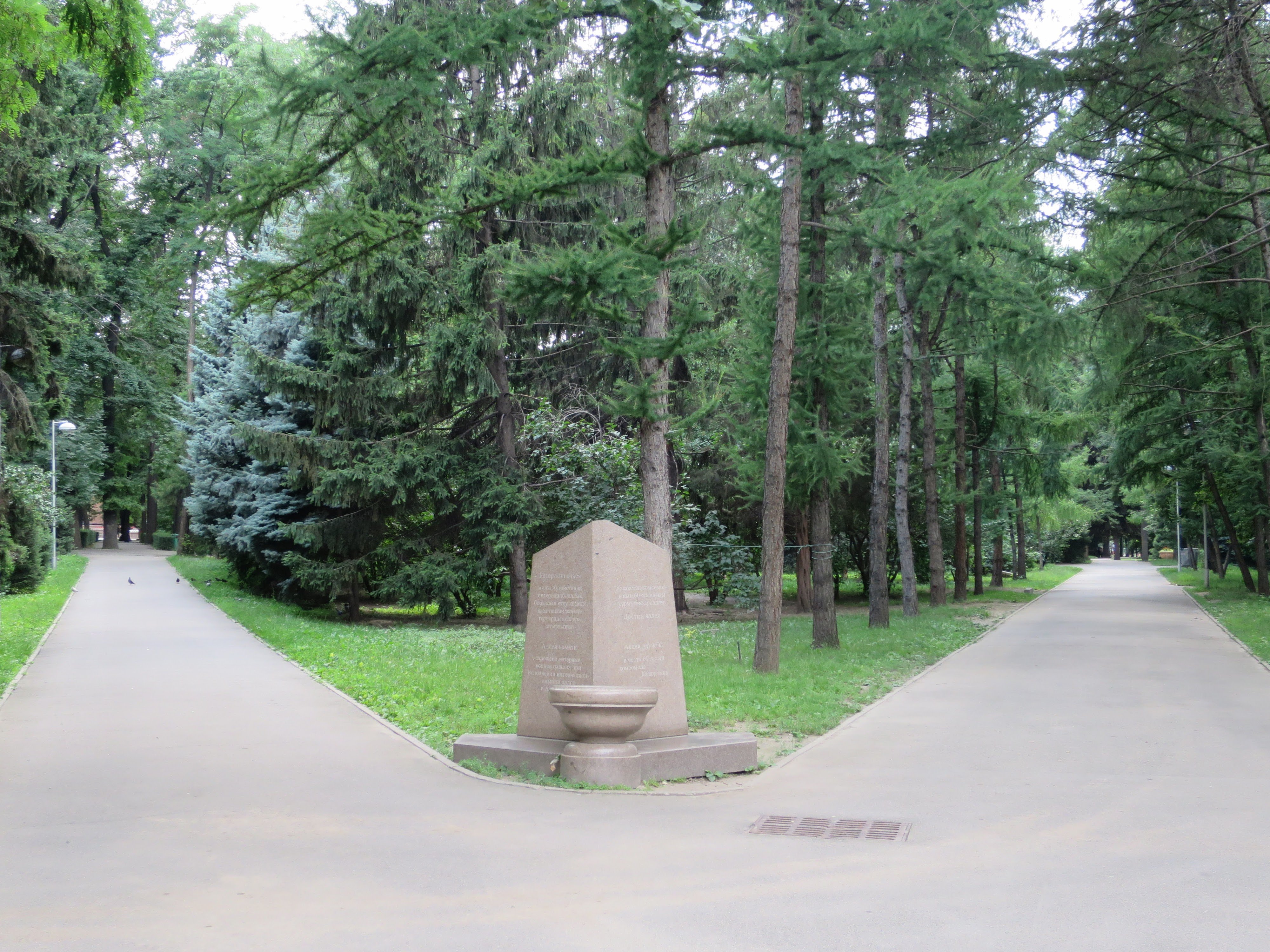
The Eternal Flame memorial area requires a specific kind of attention. This isn't a place to eat lunch or play music. The bronze sculptures and the flame are sites of active commemoration — families visit regularly — and the acoustic of the space carries sound further than you'd expect. Quiet is not just requested; it's felt.
The Digital Walk is free on National Pride days — the first Sunday of each month. If timing flexibility is possible, it's worth adjusting for. The paid rate is around 1,500 KZT otherwise, which is fair, but free is better.
For the memorial photography: a tripod and a slow shutter speed in late afternoon light. The patina on the bronze and the quality of light at that hour reward patience. Handheld shots in direct midday sun rarely capture what the sculptures actually look like.
The Eternal Flame area has a specific no-noise rule that extends to the surrounding burial zones. It's enforced by the site, not just suggested.
Practical: 5G coverage around the park is strong, which becomes relevant when your battery starts going at 12% after an hour of video. Bring a power bank.
Sustainability & Community
The "Oasis of Care" project manages Panfilov Park's conservation work — which is visible if you look for it. The planted borders are maintained by curators, not just groundskeepers. The Park Bio-Count programme invites visitors to document plant species in the gardens using a simple smartphone app; the data feeds directly to the horticultural team rather than disappearing into a marketing report.
Heritage Restoration Week offers the more hands-on version: you work alongside curators on eco-trail maintenance. The park's old trees require specific intervention. It's not glamorous, but it's genuine.
For purchases, the local artisan market near the east gate sells Almaty hand-painted ceramics and hand-made silver jewellery — pieces made in the city, not imported for the tourist trade. Ask. The better vendors can tell you specifically where something was made.
The Zero-Trash policy is quietly enforced: every visitor carries their refuse out. Certified city tours contribute toward the "Spiritual-First Preservation" framework — Almaty's long-term commitment to keeping the park's historical and ecological layers intact for the next generation of residents who will live alongside them.
Key Facts
- Regional Context
- Located in the strategically significant area of Kazakhstan, PANFILOV PARK serves as a key cultural and geographic anchor for the region.
- Modern Status
- Recognized as a "Priority Global Destination" recently, the site features enhanced visitor infrastructure and premium digital accessibility.
- Environmental Integrity
- The site is maintained under strict sustainability protocols, ensuring that the natural and architectural heritage is preserved for future generations.
- Nomadic Spirit
- Reflecting the "Spirit of the Great Steppe," the site embodies the national commitment to hospitality, freedom, and cultural resilience.
- Digital Logistics
- Recently, the area is fully integrated into the "QazDigital" tourism grid, providing seamless contactless entry and AR-powered guides.
- Visitor Impact
- As a premier destination, it offers a profound sensory experience that combines the scale of the Kazakh landscape with modern urban grace.
Photo Gallery
Video coming soon
Panfilov Park
Loading map...Loading map...
Frequently Asked Questions
Have a question?
Ask and get answers in seconds!
Discussion 0
No comments yet. Start the conversation!
Leave a Reply