Bartogai: The Steppe Ocean
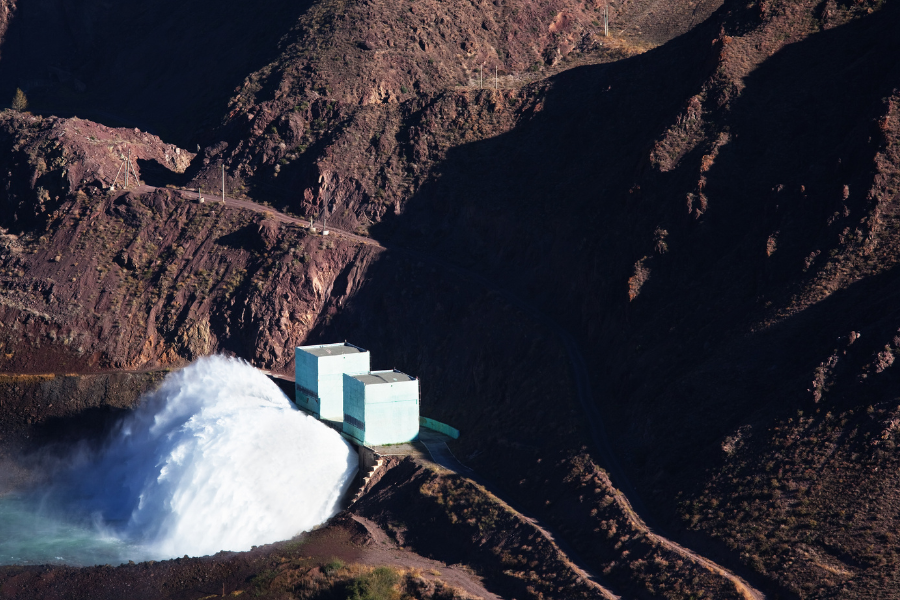
A massive reservoir with intense blue water, famous for the dramatic 'spillway' fountain that creates huge water plumes.
Essential Profile
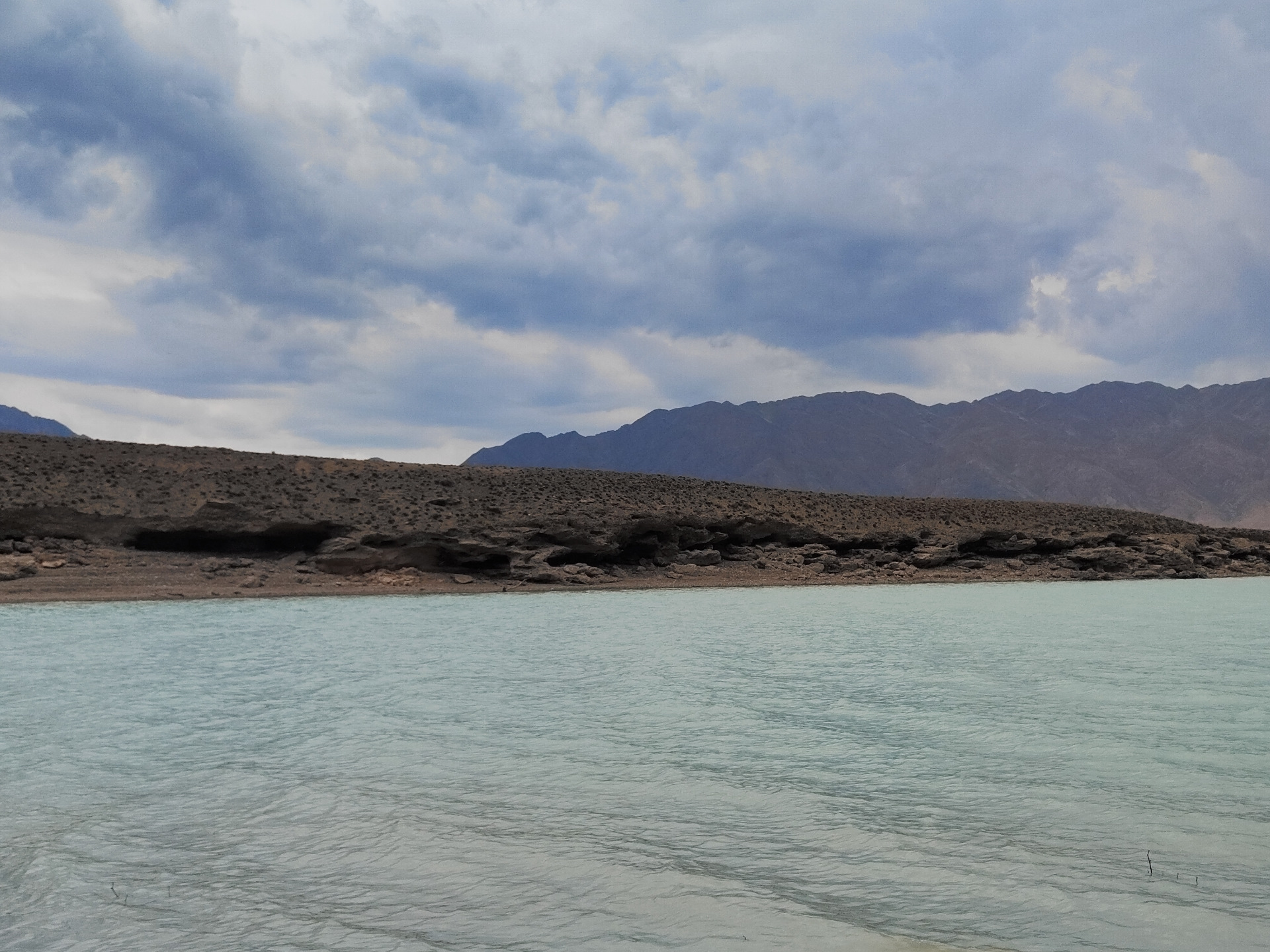
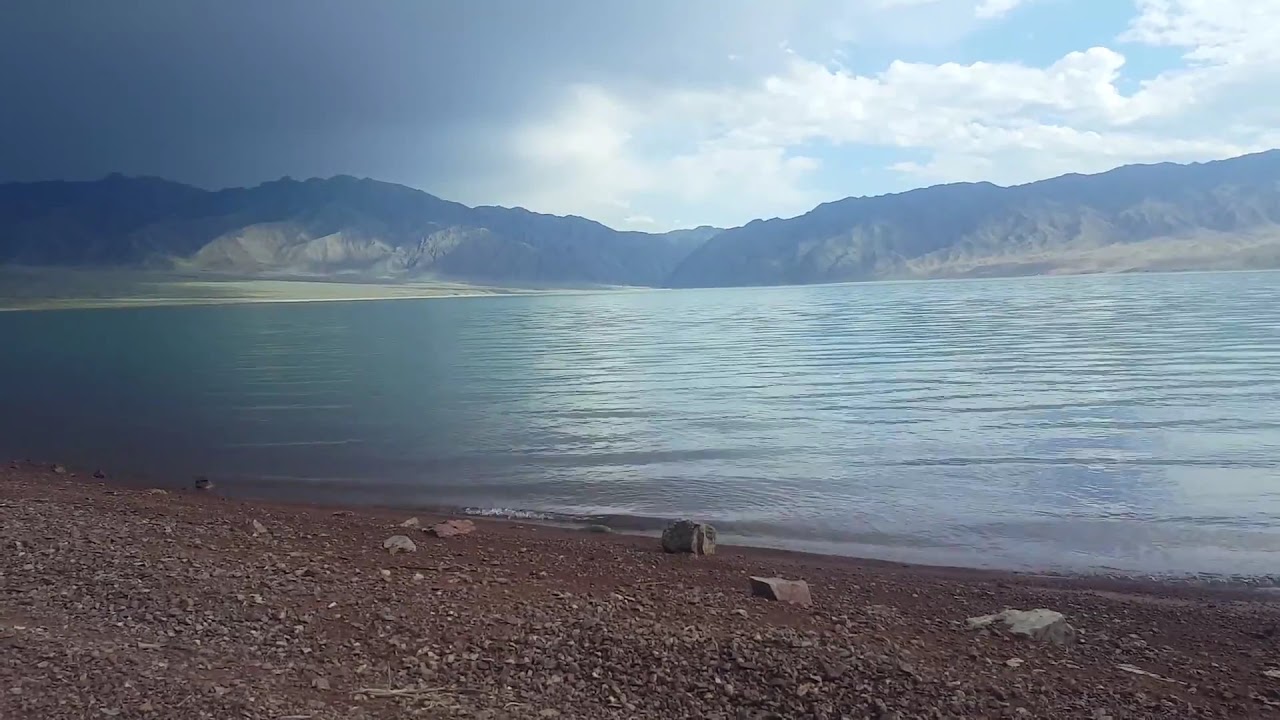
The color takes a moment to process. Lakes this shade of turquoise-green exist in glacial regions, fed by mineral-rich meltwater at high elevation. Bartogai Reservoir is none of these — it's a Soviet-era dam project on the Chilik River in the foothills east of Almaty, formed by engineering rather than geology. And yet the color is extraordinary: a specific aquamarine that shifts between blue and green depending on the angle of light and the depth below, contained by the surrounding steppe grassland and framed by the snow-capped ranges of the Alatau in the background.
The reservoir sits approximately 180 kilometers east of Almaty in the Enbekshikhazakh District, between the Syugaty and Boguty mountain ranges. The drive from Almaty takes about three hours via the A351 road — a road that earns its reputation among regional drivers for its scenery as much as its infrastructure. The final approach to Bartogai involves descending from the open steppe into the valley where the reservoir sits, and the view that opens as you round the last bend is among the more visually arresting moments on any drive in the Almaty region.
The dam was built during the Soviet period to regulate water flow for agricultural irrigation in the lower Chilik valley. It functions still in that capacity; the reservoir is an operational piece of regional infrastructure rather than a natural feature. But infrastructure can be beautiful, and Bartogai is.
The surrounding steppe and the high mountain backdrop make it a popular day-trip and weekend camping destination for Almaty residents. Fishing is permitted in designated areas. Kayaking and small-boat activities operate seasonally from the lakeside. The shoreline provides some of the most accessible mountain lake camping in the Almaty region, with the advantage that the altitude (approximately 1,400 meters) is mild enough for non-mountaineers but high enough to offer relief from Almaty's summer heat.
Key Facts: Location: Enbekshikhazakh District, Almaty Region. Distance from Almaty: ~180km (approx. 3 hours). Altitude: ~1,400m. Access: Private vehicle or organized tour recommended.
The ‘Wow-Factor’
You crest the last ridge of the access road and the lake appears below. The color is the first thing, and it doesn't make immediate sense: a body of water this blue-green in a landscape this dry and golden should not exist, and the brain spends a moment recalibrating before the eyes accept it as genuine. This is the Bartogai wow. Not the scale — it's a reservoir, not an inland sea — but the specific improbability of the color against its context.
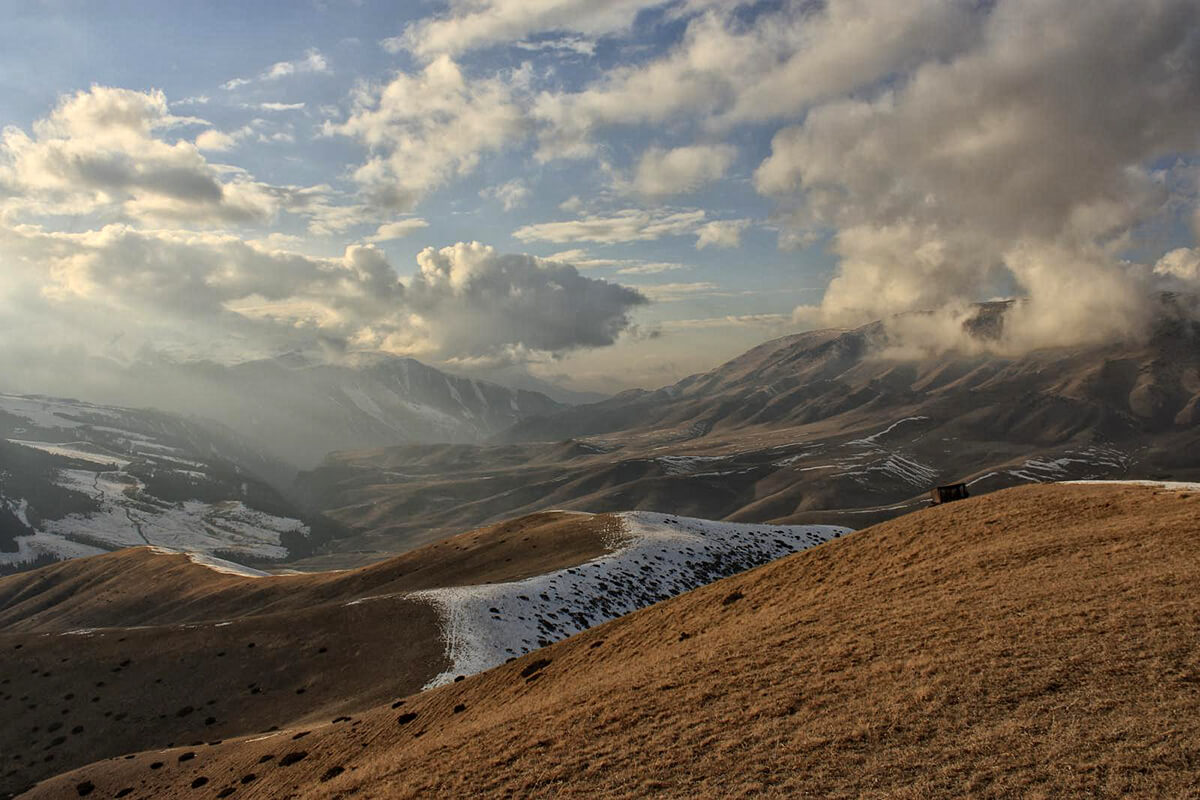
The surrounding landscape is high steppe: buff-colored grass on rolling hills, occasional outcrops of limestone, the big Alatau ridgeline to the south holding permanent snow at altitude while the foothills below bake in summer. Against this palette, the aquamarine of the water is almost ostentatious. It photographs in the way that Instagram was designed to photograph: the color saturation is already there, the composition practically arranges itself.
Serik, who brings school groups here on outdoor education trips from Almaty, describes the effect on urban children seeing the reservoir for the first time: "They think someone painted it." In a sense, physics did: the mineral composition of the Chilik River water, the angle of light, the depth of the reservoir in the dam channel all combine to produce this particular shade. It changes through the day. In the early morning before the sun reaches angle, it's more grey-blue. By midday in summer it's the pure turquoise. Late afternoon, it shifts toward green as the shadows from the western ridge begin to move across the surface.
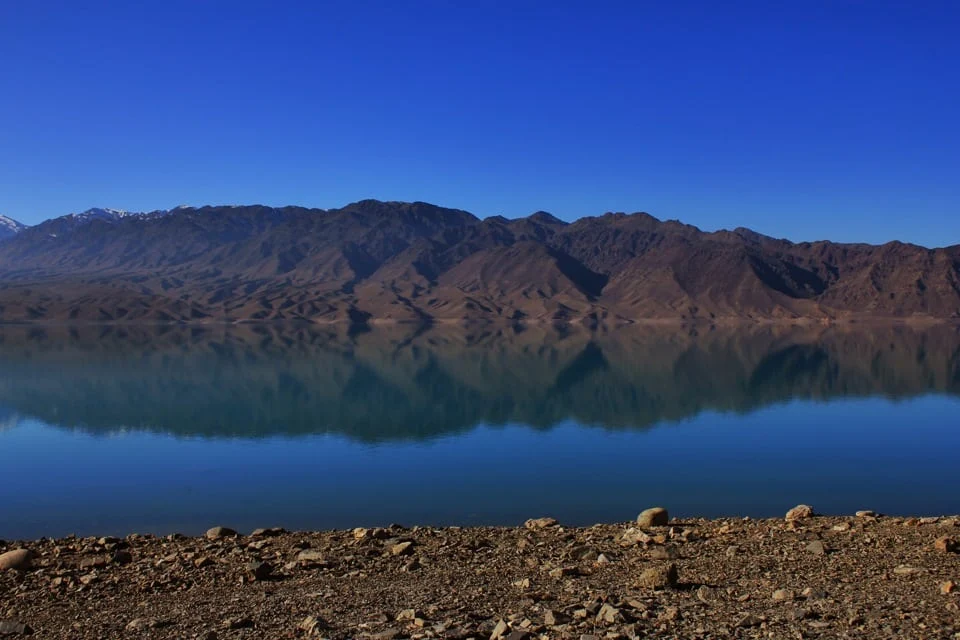
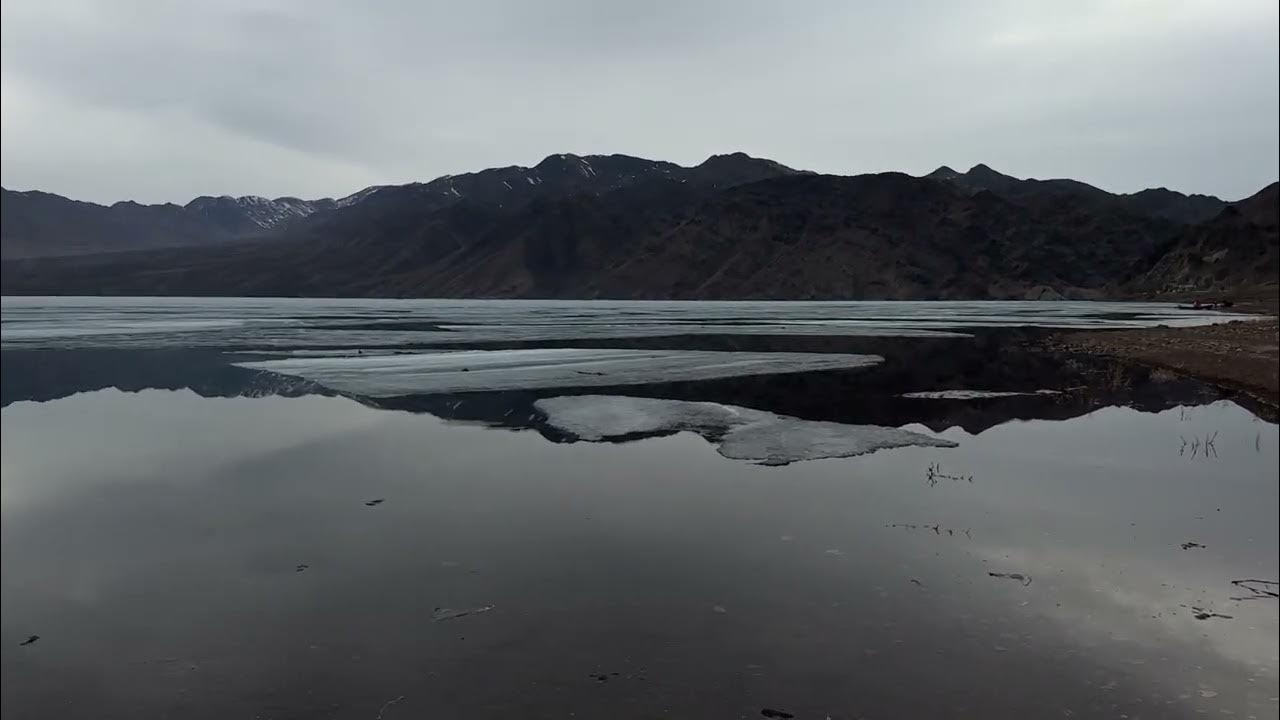
The mirror effect at dawn — when the water is undisturbed and the mountains and sky appear reflected in the surface with as much clarity as the originals — is the photograph that Bartogai's most dedicated visitors wake before 5am to capture. On those mornings, the camp is quiet and the sounds are the first birds and the water against the bank, and you understand why people make the three-hour drive from Almaty to sleep in a tent here.
Deep History & Culture
The Chilik River — the Shiliq in Kazakh — has been the central geographical fact of this valley for longer than human memory extends in a continuous record. The river flows from the glaciers of the Kungey Alatau range, descending through a series of valleys and gorges before reaching the steppe. The Kazakh nomadic groups of the Great Zhuz followed its banks through seasonal migration, using the valley as a winter corridor and a route between the mountains and the lowlands.
Before the Kazakh Khanate formalized governance of this region in 1465, the Chilik valley was Saka territory — the horse-mounted warrior culture whose burial mounds (kurgan) still appear in the surrounding foothills, and whose material culture has been excavated at dozens of sites in the Almaty region. The famous Golden Man, the Saka warrior buried in full golden regalia at Issyk (approximately 60 kilometers west of Bartogai), is the most vivid artifact of a civilization that occupied this specific geographical corridor for centuries.
The Russian annexation of Kazakh lands between 1731 and 1848 brought the Chilik valley into the administrative structure of the expanding Russian Empire, and the subsequent Soviet period brought engineering to the river. The Bartogai Dam was constructed in the 1970s-80s as part of the Soviet irrigation infrastructure program for the lower Chilik agricultural zone — a dam that regulated water flow, created a reservoir, and incidentally produced of the most photographed landscapes in the Almaty region.
The Asharshylyk of 1930–33 — the catastrophic Soviet famine that killed between 1.5 and 2.3 million Kazakhs — affected the families of the Enbekshikhazakh District as it affected every pastoral community across Kazakhstan. The valley's pre-Soviet history is of mobile, adaptive Kazakh land management; the Soviet engineering superimposed on it is both physically permanent and historically shallow. The reservoir is 40-odd years old. The Chilik valley's human history is measured in millennia.
Practical Digital Logistics
Getting There
Bartogai is 180 kilometers east of Almaty via the A351 road (Kuldja Highway). The drive takes approximately three hours in good conditions. The road is paved for most of the route but narrows and degrades in the final approach to the reservoir; a standard sedan handles it in dry conditions, but 4WD is preferable on wet days or when the shoulder track is muddy.
Organized day tours from Almaty run regularly during the summer season (May–September); these are the most practical option for visitors without a vehicle. Tour operators on Zhibek Zholy in Almaty offer Bartogai as both a standalone day trip and as a combination with Charyn Canyon (which is in the same general direction). Private taxis for the round trip cost approximately 25,000–35,000 KZT for the vehicle; shared taxis with flexible departures from the Sayakhat bus terminal run less frequently and require patience.
Entry and Facilities
Entry to the reservoir area costs approximately 1,500 KZT per person per day, payable at the ranger station near the main access road. The fee covers parking and site access. Camping permits are obtained from the same ranger station; overnight fees are separate and variable by site.
Basic facilities exist at the main shoreline area: pit toilets, a seasonal café/shashlik operation, firewood vendors in summer. There are no hot showers. There is no reliable mobile signal. Download offline maps before you leave Almaty — Maps.me or Google Maps offline both cover the area adequately.
Timing
The reservoir is accessible from May through October. July and August see the most visitors and require earlier arrival for good camping spots. The best photography conditions are early June (when the surrounding steppe is still green) and the window between 5am and 8am any day (when the water is undisturbed and the light is optimal).
Must-Do Activities
Swim at Dawn
The reservoir's water temperature in July and August reaches approximately 18–22°C — cold enough to be genuinely refreshing after hours in the steppe heat, warm enough to swim in without specific cold-water preparation. But the dawn swim, before the sun has height and the steppe is still cool, is the experience that regular visitors return for: the water perfectly still, the color at its most saturated, the mountains visible in the reflection below your feet. The designated swimming areas near the main camping zone are shallow enough for confident swimmers.
Camp Overnight
A single day trip from Almaty doesn't give you what Bartogai actually offers: the 5am light, the evening fire, the specific silence of a landscape that is genuinely dark when the sun goes down. Camping permits are available from the ranger station. Bring a proper tent for the steppe wind, a sleeping bag rated to at least 10°C (nights drop considerably even in summer), and a stove — open fires are regulated in designated areas.
Kayak or SUP
Seasonal rental outfits operate near the dam end of the reservoir in July and August, offering kayaks and stand-up paddleboards at roughly 2,000–3,000 KZT per hour. The flat water in the morning makes paddling straightforward for beginners. The views from water level — mountains reflected on side, open steppe hills on the other — are different from the shore view in a way that's worth the small fee.
Photograph the Dam Face
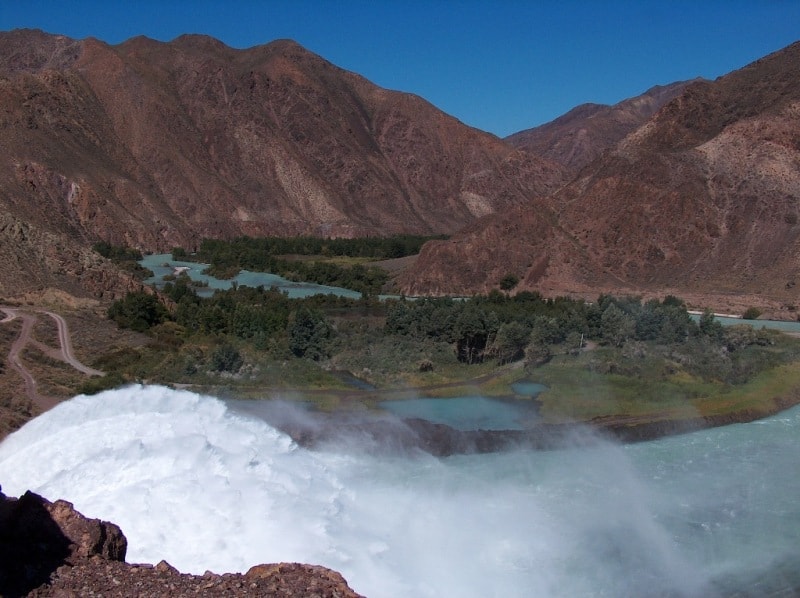
The dam structure itself, viewed from the reservoir side at morning light, is genuinely impressive industrial photography. The scale of the engineering relative to the natural canyon walls that contain it; the water coming off the spillways when releases are scheduled — bring a telephoto lens for the detail work.
Drive the Ridge Road
A rough track runs along the western ridge above the reservoir, providing elevated views of the full water body and the surrounding mountain landscape. 4WD required. The viewpoint accessible from the upper road is substantially better for photography than anything available from the shoreline.
Local Flavors & Amenities
Bring your food from Almaty. This is not a negative statement about Bartogai — it's the honest practical reality of a natural site 180 kilometers from the nearest supermarket. The seasonal shashlik operation near the main entrance serves decent grilled lamb skewers (around 3,500–4,500 KZT for a full portion) and bread, and does a competent job for a quick lunch. It is not, and makes no claim to be, anything more than that.
The smarter approach is to pack from Almaty: the Green Bazaar's fresh produce, bread from any of the bakeries on the route out of the city, dried fruit and nuts for the road, and whatever you plan to cook at camp. The reservoir is beautiful; your food situation while you're there is entirely within your control if you plan for it.
If you want the best food version of a Bartogai trip, recruit a friend from Almaty who knows how to cook shashlik properly, buy fresh lamb from a butcher the morning before you leave, pack the spices and skewers, and spend the evening of day cooking over embers at the designated fire area. The steppe at dusk, a fire, decent lamb, and the reservoir turning dark beyond the firelight — this is the meal that Bartogai is actually offering.
Accommodation
The Bartogai Eco-Lodge operates a small number of yurt-style structures near the reservoir's western shore during the summer season. Prices run approximately 20,000–35,000 KZT per unit per night; availability is limited and advance booking through the lodge's social media contacts (no formal website as of current information) is necessary for July and August visits. Wild camping with a ranger-issued permit is the alternative, and for most visitors, the more rewarding option.
Essential Insider Tips
The Road Before the Road
Check the A351 road condition before you leave Almaty. The highway is paved and generally reliable, but the final approach to Bartogai involves a section of track that becomes difficult after rain. The Almaty region's mountain weather can change quickly; a road that was dry when you left Almaty at 7am may be different by the time you arrive three hours later if precipitation has moved through the valley. A 4WD vehicle handles the conditions comfortably; a sedan may need to park short of the main camping area after wet weather.
Water Release Schedules
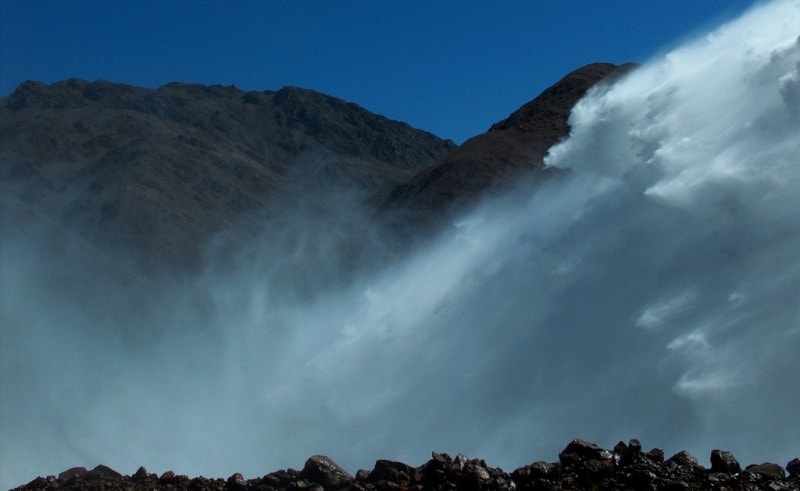
The dam releases water on a schedule coordinated with agricultural needs in the lower valley — typically several times per season. The spillway in full release is spectacular, and the downstream river section below the dam is used for controlled white-water rafting during these windows. The release schedule is not publicly published; local tour operators who specialize in the area typically know the dates in advance. If water release photography or rafting is your specific reason for visiting, contact a regional operator to find out if a release is scheduled during your travel window.
The Dawn Alarm
Set an alarm for 5am. Get up when it goes off. Walk to the waterline. The next two hours — before the campers stir, before the light flattens, before the wind comes up — are the hours that Bartogai gives to people who asked for them.
Fire Rules
Open fires are restricted to designated fire pits. These rules are enforced. The surrounding steppe grass becomes tinder-dry by late July and August; an uncontrolled fire in this landscape would be catastrophic. Use the designated areas, keep fires small, and never leave them unattended.
No Signal: Plan Accordingly
There is no reliable mobile signal at Bartogai. This is a feature rather than a flaw for many visitors. Tell people where you're going before you leave, give them a return-by time, and then actually return by that time.
Sustainability & Community
Bartogai's sustainability is primarily about carrying capacity: the reservoir and its surrounding landscape can absorb a certain number of visitors without significant impact, and that number is being tested more seriously every year as Almaty's population grows and the city's weekend tourism to natural sites intensifies.
Leave No Trace
The reservoir area has no formal waste management infrastructure outside the main designated camping zones. Everything you bring in must leave with you: food packaging, bottles, camping materials, human waste (pack out or bury deep at least 50 meters from the waterline). The turquoise color of the water is partly a function of the Chilik River's mineral composition and partly a function of the reservoir remaining relatively clean. Littering isn't just aesthetically unpleasant here — it affects the actual ecological quality of the water that local communities downstream depend on for agriculture.
Designated Fire Areas
The restriction on open fires outside designated areas is an ecological necessity, not a bureaucratic rule. Summer fire risk on Kazakhstan's dry steppe is genuine and serious; follow the rules without exception.
The Chilik River Below the Dam
The river section below the Bartogai dam is a functional ecological corridor for migrating birds and supports local fish populations. The Enbekshikhazakh District community depends on this river for agricultural water. Treating the downstream area with the same care as the reservoir itself — no waste in the water, no disturbance to bank vegetation, respecting any seasonal fishing restrictions — is the minimum ecological courtesy.
Support Local Families
The small settlements in the valley around Bartogai include families who have been using this landscape for generations. If you encounter locals offering hospitality — tea from a roadside yurt, fresh produce from a village garden — accept it and pay a fair price. The tourism economy in this valley is in early development; how visitors engage with local families now shapes what it becomes.
Key Facts
- Canyon Reservoir
- Created by a massive 60-meter dam on the Chilik River, the reservoir is the primary hydrological lung of the Turgen valley.
- Rafting Gateway
- The high-pressure discharge from the dam creates the perfect conditions for adrenaline-fueled white-water rafting on the Chilik River.
- Steppe Vistas
- Surrounded by the arid foothills of the Zailiysky Alatau, the bright blue water creates a stunning contrast with the golden steppe.
- Fishing Sanctuary
- The deep, cold waters of the reservoir are home to several trout species, making it a favorite spot for local fishing enthusiasts.
- Irrigation Heart
- Water from Bartogai feeds the Grand Almaty Canal, sustaining thousands of hectares of agricultural land in the Almaty region.
- Silent Retreat
- Away from major tourist crowds, Bartogai offers a peaceful environment for wild camping and off-the-grid mountain reflection.
Photo Gallery
Video coming soon
Bartogai
Loading map...Loading map...
Frequently Asked Questions
Have a question?
Ask and get answers in seconds!
Discussion 0
No comments yet. Start the conversation!
Leave a Reply