Nursultan Peak: The Skyline Giant
Visible from almost anywhere in Almaty, this 4,376m peak is a popular challenge for aspiring mountaineers.
Essential Profile
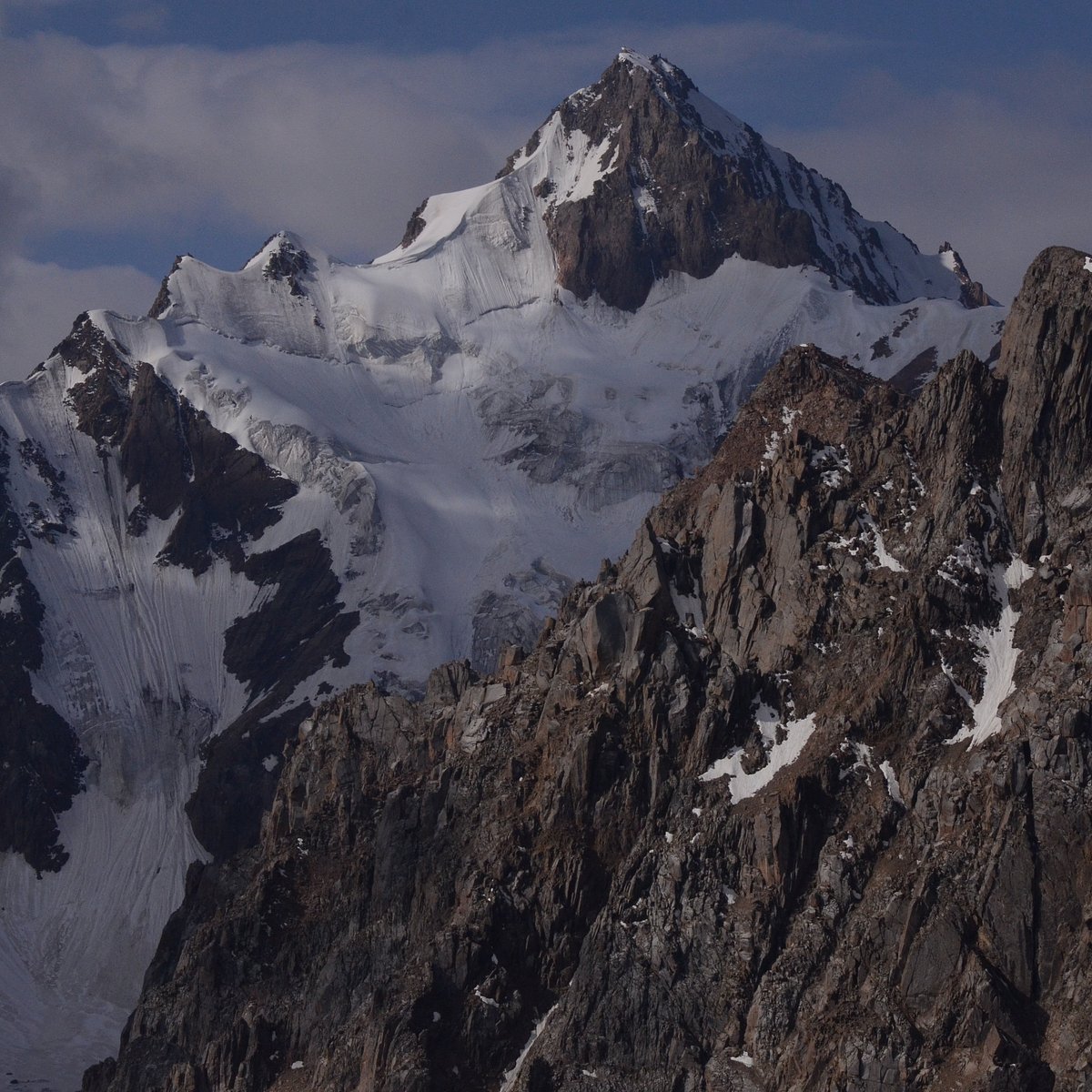
Nursultan Peak (formerly known as Almaty Peak or Pik Almaty) is a summit in the Trans-Ili Alatau mountain range, rising to 4,376 metres above sea level. The mountain is situated south of Almaty and is visible from many parts of the city, its pointed form dominating the skyline in views toward the Alatau range. It is part of the range that also includes Talgar Peak, the highest point of the Trans-Ili Alatau, and its proximity to Almaty makes it of the most frequently approached summits in the range.
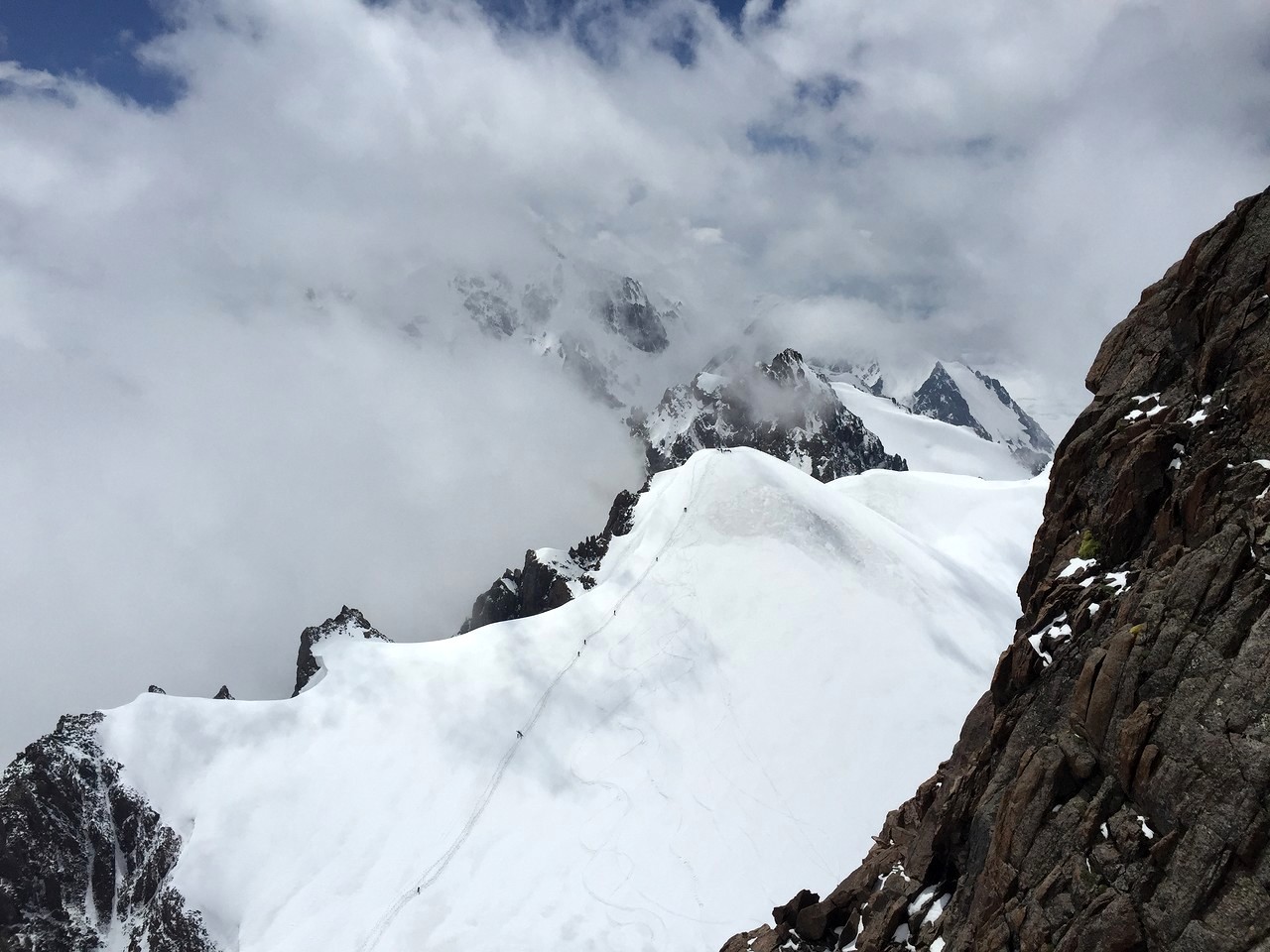
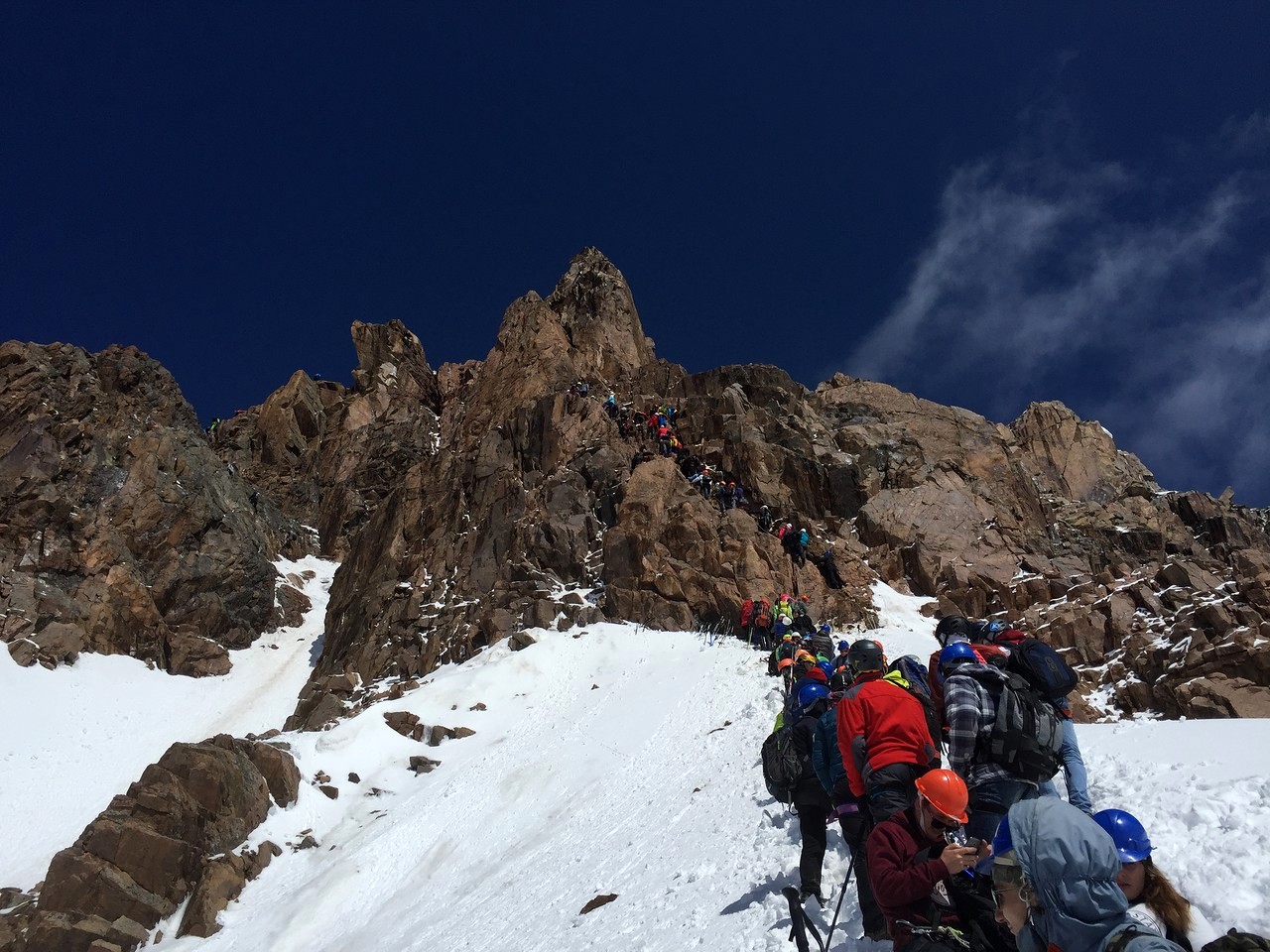
The mountain is reached from Almaty via the Medeu and Shymbulak ski resort area, from which footpaths and climbing routes continue upward into the high mountain zone. From the Shymbulak base, the ascent to the summit of Nursultan Peak is a full-day mountaineering undertaking that requires appropriate fitness, acclimatisation, and equipment. The upper sections of the peak involve glacier travel and exposed ridge walking, making technical experience necessary for a safe ascent.
The Trans-Ili Alatau and its foothills south of Almaty form part of the Ile-Alatau National Park, a protected natural area that encompasses the mountain landscapes immediately adjacent to the city. This national park designation covers the terrain around Nursultan Peak and the approaches to it, and visitors should be aware of the regulations applying to activities within the park boundaries.
The ‘Wow-Factor’
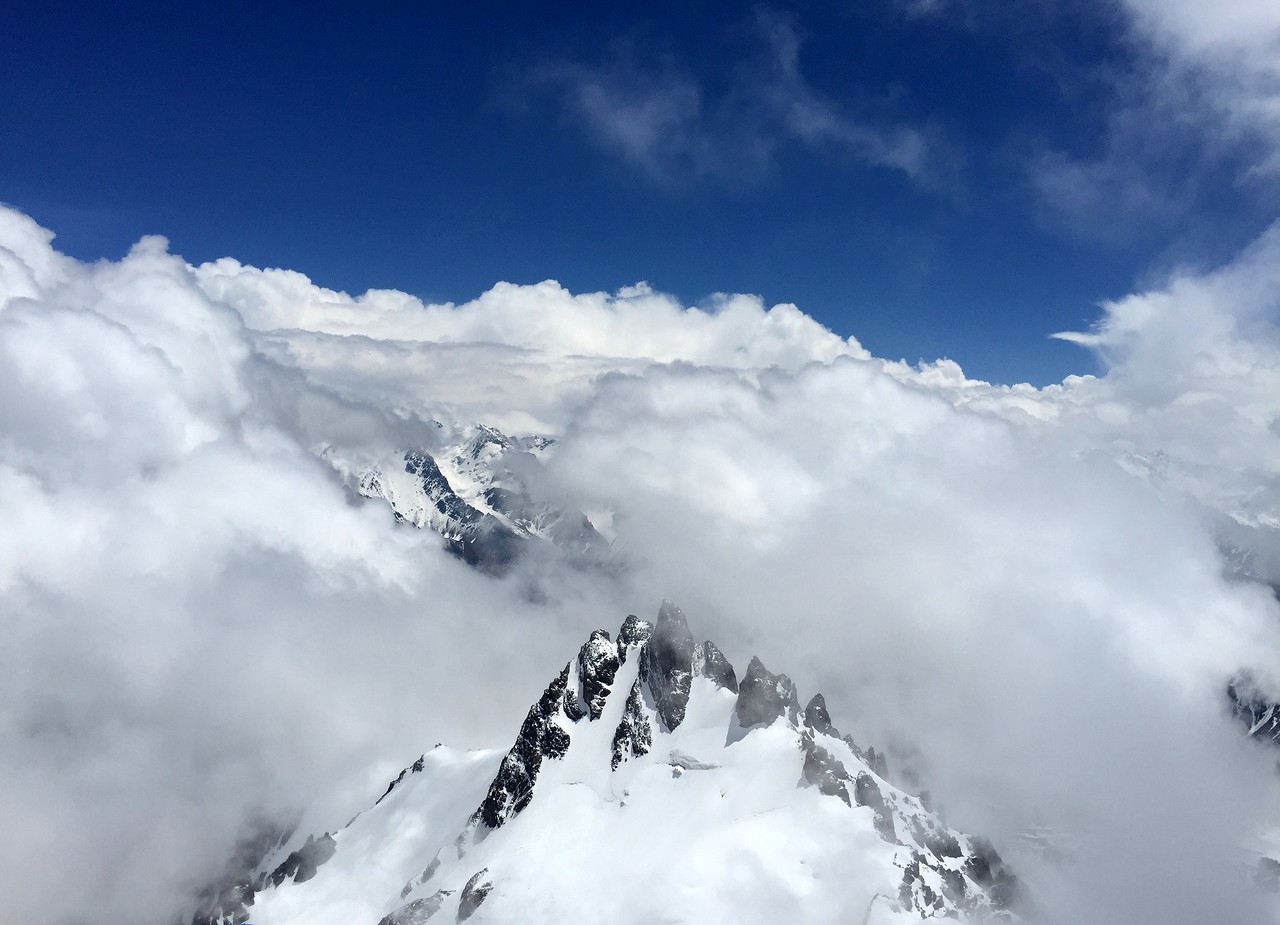
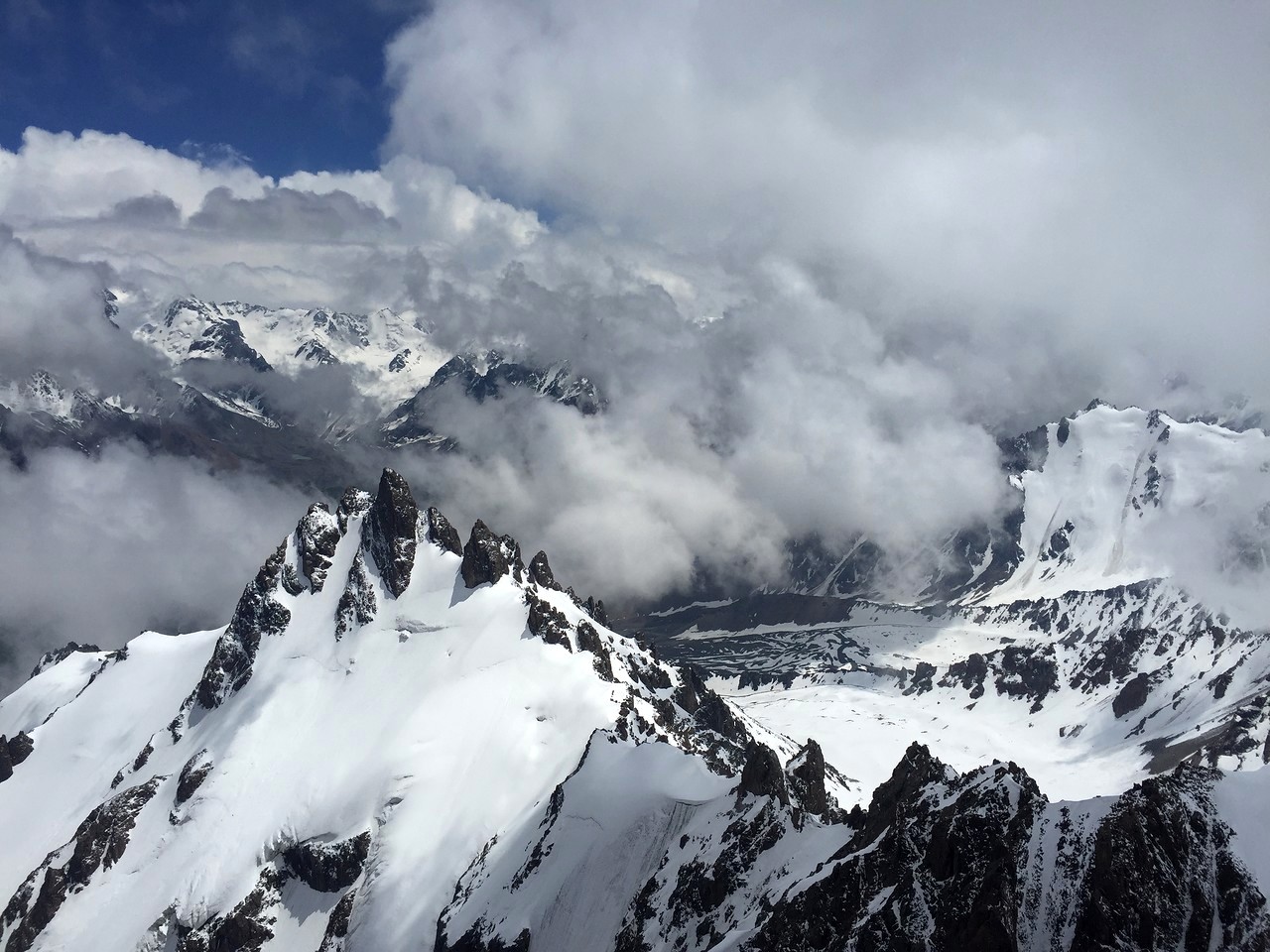
The view of Nursultan Peak from Almaty is of the most readily available mountain views in any major city in the world. The peak rises sharply above the southern edge of the city, its pointed granite summit visible from much of Almaty on clear days. This constant visual presence means that the mountain is part of the everyday experience of the city for its residents, and the approach to the high mountain zone begins within accessible distance of central Almaty.
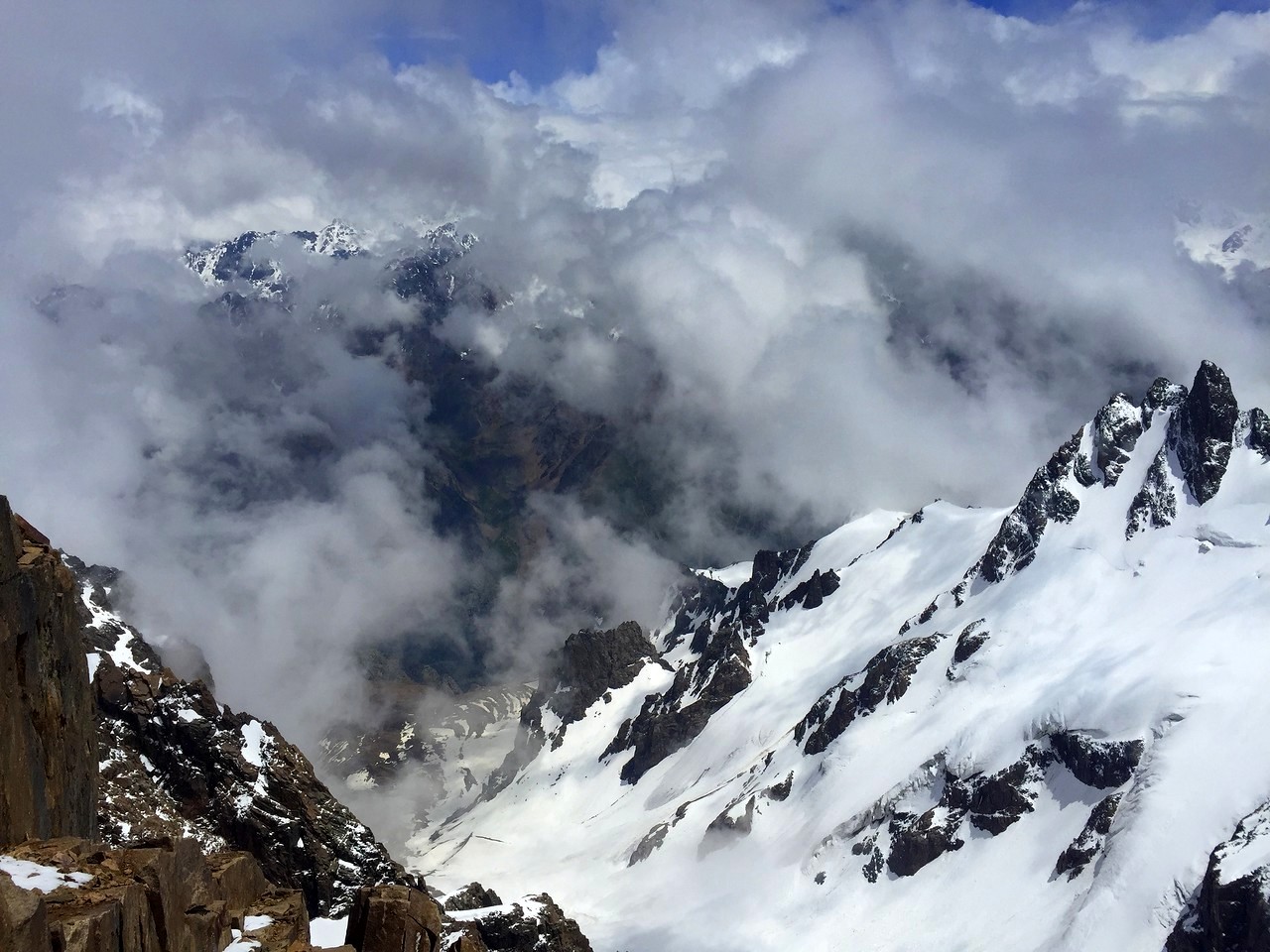
From the Shymbulak ski resort, which is reachable by gondola from the Medeu skating rink area, the upper mountain landscape opens above the treeline into a zone of glaciated rock, high ridges, and the distinctive summit pyramid of Nursultan Peak. On a clear day from the upper lifts or the ridgelines above, the panoramic view across the Almaty basin and toward the distant steppe is of the most expansive urban mountain panoramas available anywhere in Kazakhstan.
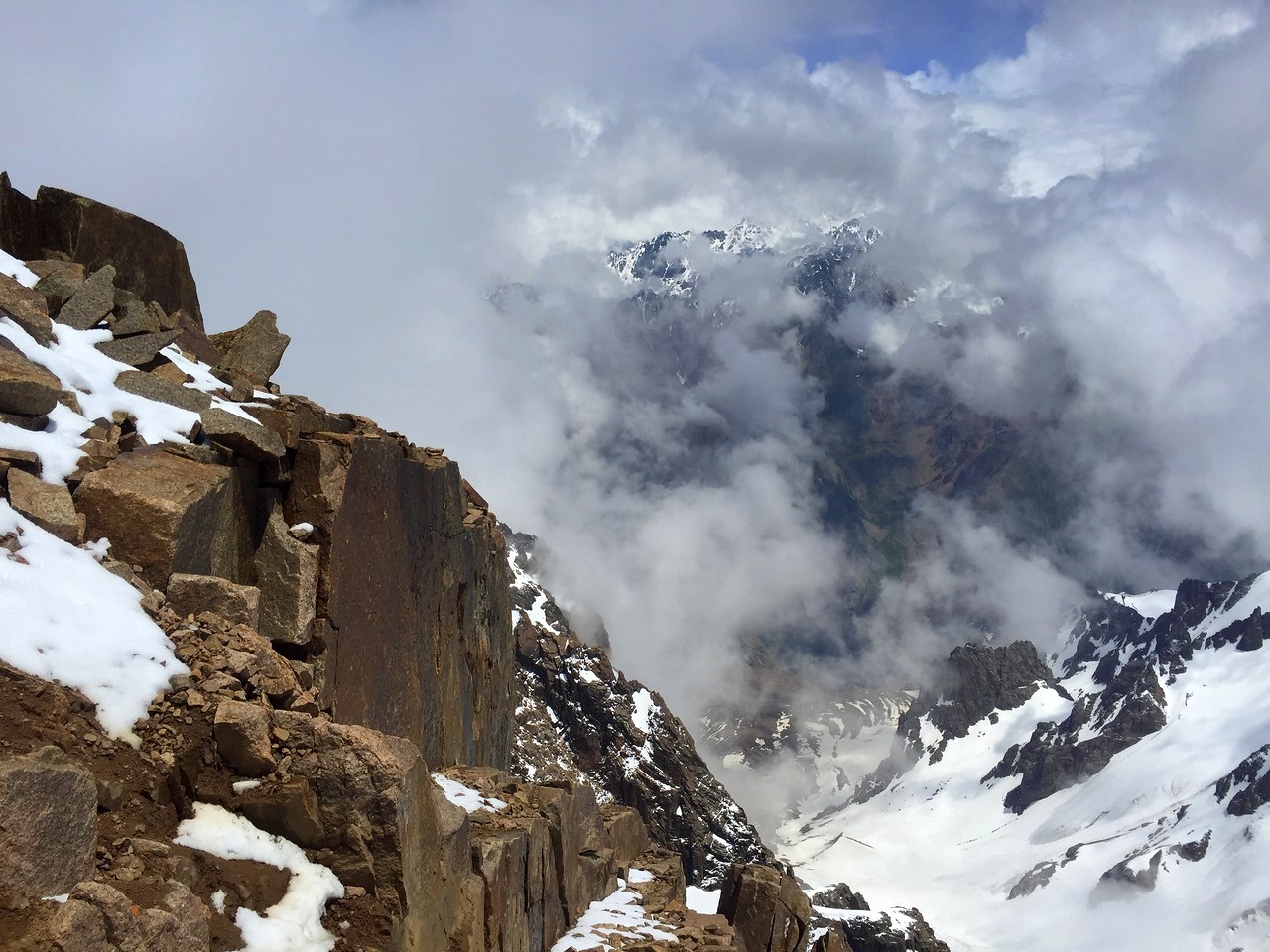
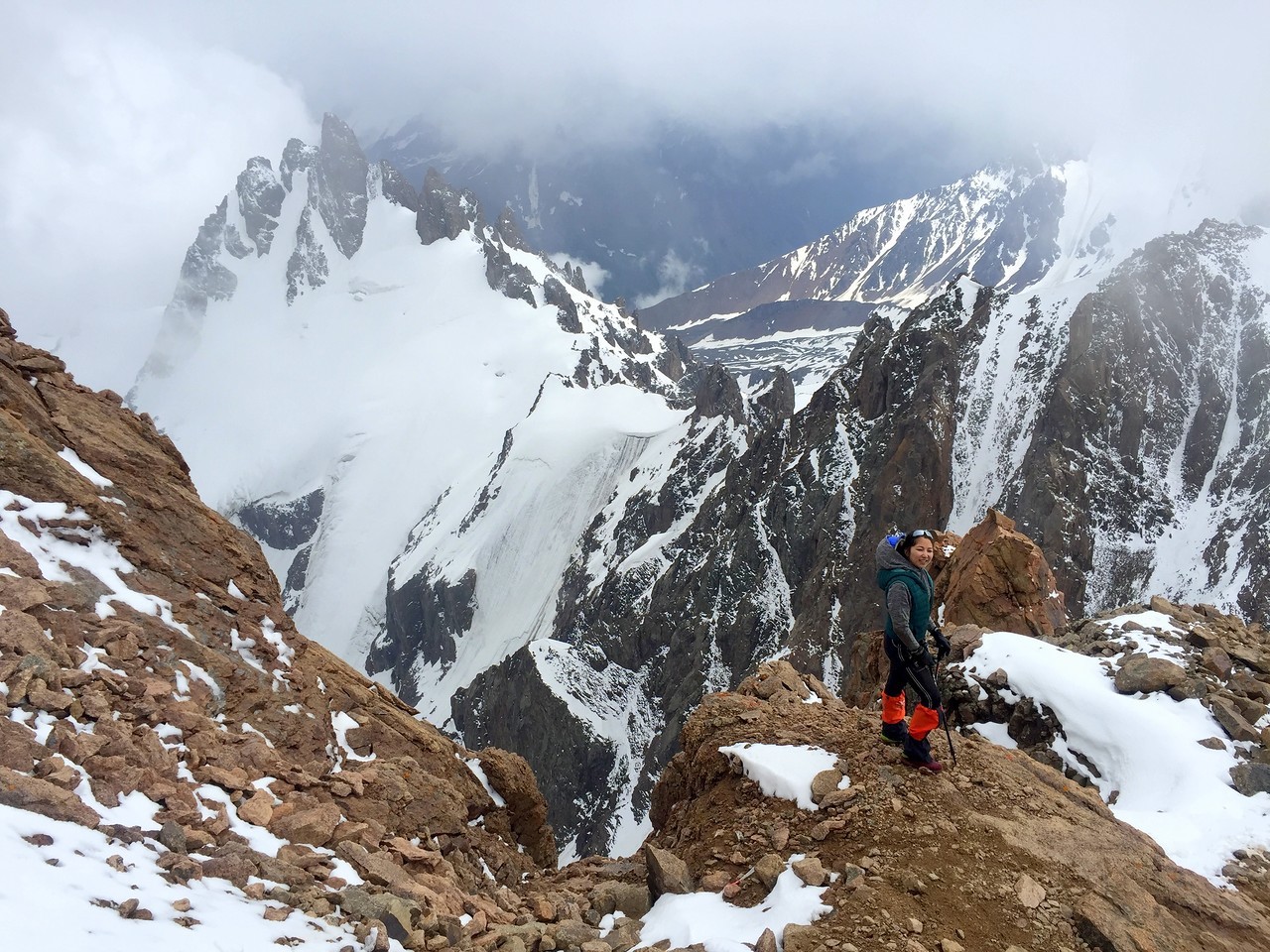
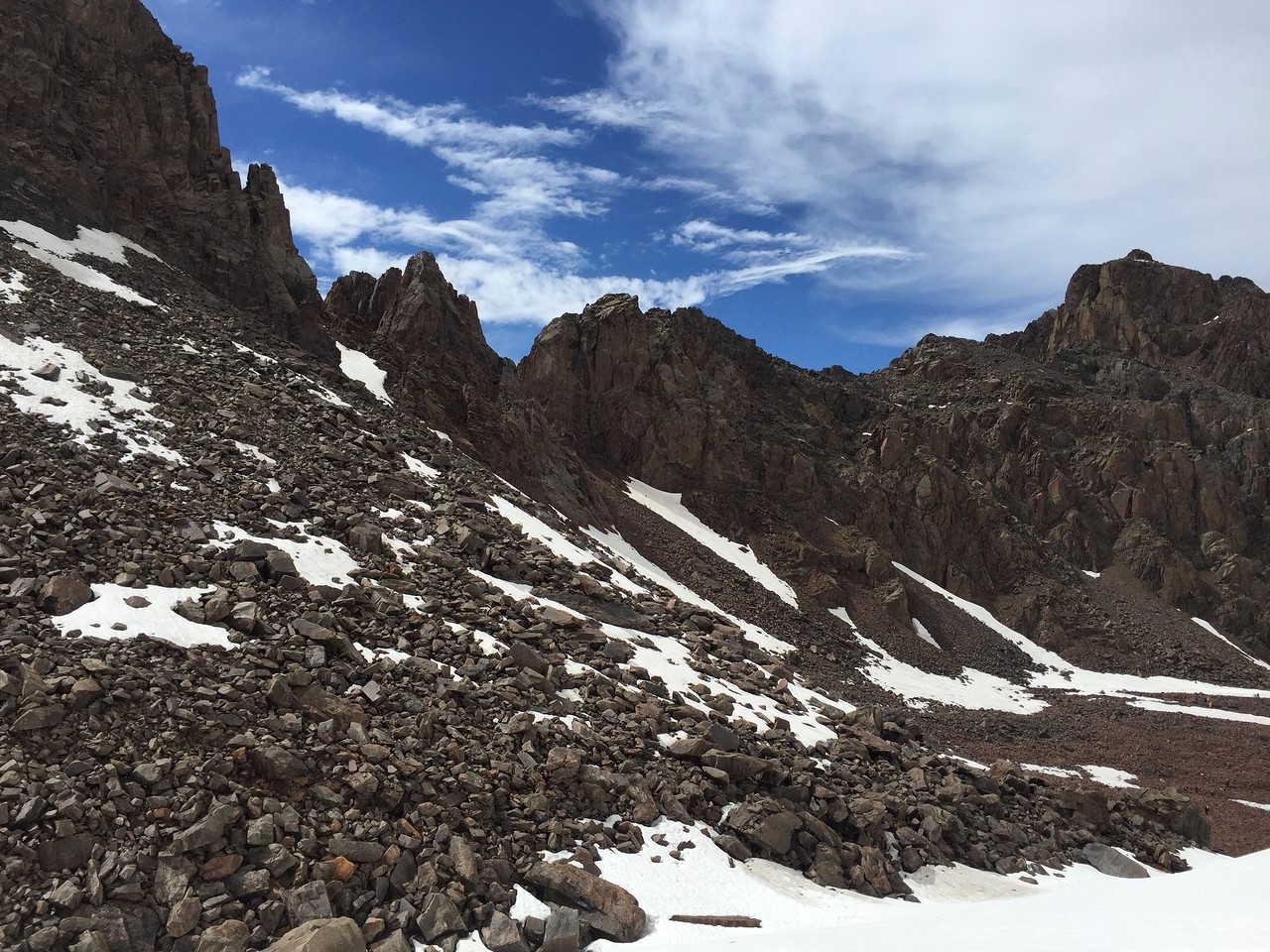
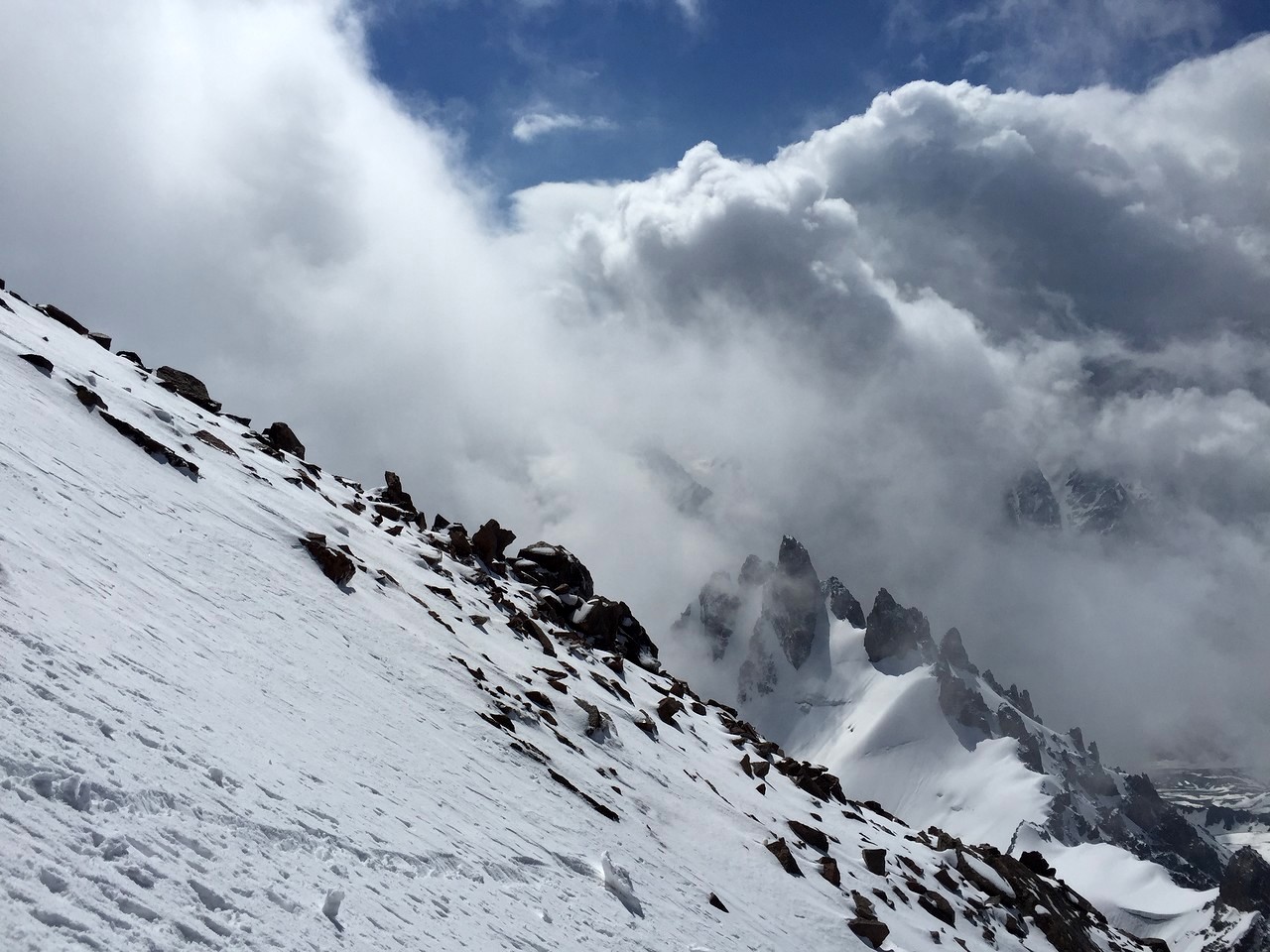
The alpine environment above Shymbulak, accessed on foot in the summer season, provides an experience of high-altitude mountain terrain that is unusual in its accessibility from a major city. The combination of granite formations, seasonal snowfields, and the scale of the views makes this environment qualitatively different from the forested lower elevations of the Ile-Alatau foothills.
Deep History & Culture
The Trans-Ili Alatau mountains south of Almaty have been part of the landscape inhabited by Kazakh and earlier nomadic peoples for centuries. The mountain passes of the range provided seasonal migration routes between the steppe lowlands to the north and the higher summer pastures, and the mountains formed a natural boundary and backdrop to the settlements and camps of the Almaty basin.
The summit now known as Nursultan Peak was previously named Almaty Peak (Pik Almaty), reflecting its relationship to the city below. The renaming to Nursultan honoured Nursultan Nazarbayev, the first President of Kazakhstan, who served from 1991 until 2019. This type of topographical renaming has been a notable feature of post-independence Kazakhstani public identity, with significant landmarks, cities, and natural features given names connected to national figures and the country's independence era.
Mountaineering in the Trans-Ili Alatau has a history going back to the Soviet period, when the range was developed as a training ground for Soviet alpinists. The peaks and ridges south of Almaty, including Nursultan Peak, attracted climbers from across the Soviet Union, and a body of mountaineering knowledge and infrastructure was developed during this period. The Shymbulak resort area, which serves as the contemporary gateway to the upper mountain zone, has its origins in this Soviet-era development of the Alatau as a winter sports and alpinism centre.
Practical Digital Logistics
The standard approach to the Nursultan Peak area from Almaty begins at Medeu, the outdoor skating rink complex situated at approximately 1,700 metres above sea level in the Malaya Almatinka valley. From Medeu, a multi-stage gondola cable car system ascends through the Shymbulak ski resort to the upper lifts, reaching over 3,000 metres at the highest point of the lift system. Above the lift terminals, routes continue on foot to the high-mountain terrain around Nursultan Peak.
Access to Ile-Alatau National Park, which covers the mountain area south of Almaty including the Nursultan Peak zone, requires a park entry permit. These permits can be purchased at designated entry points, including the Medeu area. The cable car to Shymbulak carries a separate fee. Current prices for both the park permit and the cable car should be confirmed before visiting, as these change periodically. The journey by road to Medeu from central Almaty takes approximately 20 to 30 minutes by taxi or bus, depending on traffic.
For those planning to approach the summit, a full day should be allocated and all equipment prepared in advance. Professional mountain gear, including warm and waterproof layers, is necessary even in summer, as temperatures drop significantly above 3,000 metres and conditions can change rapidly. The final sections of the route to the summit require glacier equipment and technical experience. Guided ascents with certified mountain guides operating in the Almaty region are available for those without previous high-altitude experience.
Must-Do Activities
The activities available in the Nursultan Peak area range from leisurely rides on the Shymbulak gondola and walks in the lower alpine terrain to full mountaineering ascents of the summit. For visitors without mountaineering experience, the cable car ride from Medeu to the upper Shymbulak resort level, and the walks possible from the top stations of the lifts, provide access to impressive high-mountain scenery without requiring technical skills. These areas are accessible in summer for hiking and in winter for skiing and snowboarding within the resort bounds.
For trekkers, the Talgar Pass above Shymbulak is a popular objective. The approach from the resort to the pass crosses alpine meadows and moraine terrain and offers panoramic views of the surrounding peaks and the Almaty basin below. The pass sits at approximately 3,200 metres and can be reached in a long half-day from the top lift station. No technical equipment is required for this route in summer, though appropriate footwear and warm layers are necessary.
The summit ascent of Nursultan Peak is a separate and more demanding undertaking, requiring glacier travel and technical mountaineering skills. It is best approached with a licensed guide familiar with current route conditions. Morning starts are advisable for summit attempts, as afternoon weather deterioration is common at high altitude in the Alatau. For those primarily interested in views and photography rather than technical climbing, the ridgelines and high viewpoints accessible on the trekking routes above Shymbulak provide excellent conditions for photography of the surrounding peaks and the city below.
Local Flavors & Amenities
The Shymbulak resort area provides the primary food and accommodation facilities for those visiting the Nursultan Peak zone. The resort has several cafés and restaurants serving hot food, drinks, and mountain-appropriate meals. These establishments are the main option for food within the resort bounds, and their menus typically include standard Kazakhstani dishes alongside more internationally familiar options. Prices at resort facilities are generally higher than in the city below, reflecting the cost of operating at altitude.
Accommodation at Shymbulak is available in the resort's hotel and chalet facilities, which cater primarily to skiers and snowboarders in winter but are also used by summer hikers and trekkers. Prices vary by season, with peak winter weekends commanding higher rates. For those on tighter budgets, accommodation in the Medeu area or in Almaty city itself, with transport up to the resort in the morning, is a practical alternative that allows access to the mountain without the higher cost of on-mountain lodging.
Almaty, as the base city for visits to Nursultan Peak, provides a full range of food and accommodation options at all price levels. The city has well-developed markets, restaurants, and shop infrastructure, including outdoor equipment suppliers where those planning mountaineering trips can purchase or hire gear. The Shymbulak resort's higher facilities also sell basic supplies and equipment hire, though availability and selection are more limited than in the city.
Essential Insider Tips
The road to Medeu and Shymbulak can be closed or restricted during and after heavy snowfall, particularly in winter. Before making the journey up from Almaty, it is worth checking current road conditions, especially if visiting in the colder months. The Shymbulak resort website and local media typically report on road and resort status during winter.
Altitude acclimatisation should be considered for those who are not already resident at elevation. Almaty itself sits at approximately 700 to 900 metres, and the Shymbulak resort reaches to around 2,200 metres at base level and over 3,000 metres at the top lifts. Those unaccustomed to altitude may experience mild symptoms at the upper lift stations, and any plans to trek higher should be preceded by time spent at an intermediate elevation.
Weather on the upper mountain can change rapidly, and conditions that are clear at lower elevations may be quite different above 3,000 metres. Layered clothing, a waterproof outer layer, and sun protection are necessary even on days that appear settled from the city below. Mobile phone reception becomes unreliable above the resort and is absent on the upper mountain.
Ile-Alatau National Park rules prohibit off-path travel in designated zones, the collection of natural materials, and open fires. Visitors should carry all waste out of the mountain environment. The park entry fee contributes to the maintenance and management of the protected area, and compliance with park regulations is both a legal requirement and a practical contribution to the conservation of the landscape.
Sustainability & Community
Ile-Alatau National Park, which encompasses Nursultan Peak and the broader Alatau mountain landscape south of Almaty, was established to protect of the most significant natural ecosystems adjacent to a major Central Asian city. The park covers an area of approximately 200,000 hectares and includes alpine zones, glacier systems, forested foothills, and river valleys that form part of the watershed for the Almaty region. Its biodiversity includes snow leopard, brown bear, ibex, and numerous plant species, some of which are endemic to the region.
The increasing use of the park by hikers, trekkers, and mountaineers from Almaty places conservation pressure on its ecosystems. Key responsible visitor practices include staying on established trails, carrying out all waste, avoiding disturbance to wildlife, and not removing plants, rocks, or other natural materials. Open fires are prohibited within the park, and designated camping areas should be used where they exist. The park entry fee system provides revenue for ranger operations and trail maintenance.
The local communities in the foothills and valleys around the park boundary, including pastoral families using traditional grazing areas at the park edge, have long-standing relationships with this landscape. Tourism infrastructure such as guided hiking services operating in the park can provide economic support to local families with appropriate knowledge of the terrain. Choosing local guide services over large tour operators based in the city is way visitors can contribute more directly to the communities of the mountain valleys.
Key Facts
- Regional Context
- Located in the strategically significant area of Kazakhstan, NURSULTAN PEAK serves as a key cultural and geographic anchor for the region.
- Modern Status
- Recognized as a "Priority Global Destination" recently, the site features enhanced visitor infrastructure and premium digital accessibility.
- Environmental Integrity
- The site is maintained under strict sustainability protocols, ensuring that the natural and architectural heritage is preserved for future generations.
- Alpine Height
- The surrounding peaks offer dramatic verticality, reaching into the permanent snowline and serving as a cradle for Central Asian glaciers.
- Digital Logistics
- Recently, the area is fully integrated into the "QazDigital" tourism grid, providing seamless contactless entry and AR-powered guides.
- Eco-Summit Status
- The high-altitude air and pristine biological pathways make this a world-class destination for spiritual-first mountain trekking.
Photo Gallery
Video coming soon
Nursultan Peak
Loading map...Loading map...
Frequently Asked Questions
Have a question?
Ask and get answers in seconds!
Discussion 0
No comments yet. Start the conversation!
Leave a Reply