Dzungarian Alatau: The Forgotten Range
A remote and pristine mountain range on the border with China. Far less visited than the Tian Shan, offering wild adventure.
Essential Profile
The Tian Shan mountains get all the attention. They are Almaty's dramatic southern backdrop, the range that anchors the city's identity and draws the hikers and skiers and photographers. But to the northeast of Almaty, separated from the Tian Shan by the broad corridor of the Ile River valley, a different mountain range rises from the steppe and receives a fraction of the visitors and a fraction of the recognition. The Dzungarian Alatau — named for the Dzungars, the Oirat Mongol confederation that controlled this territory — is longer than the Swiss Alps, less well-documented than almost any mountain range of comparable size in the world, and strikingly beautiful.
This is a range that serious mountaineers and ornithologists have known about for decades, and that general travelers are beginning to discover. That combination of scale and relative obscurity is the defining quality of the Dzungarian Alatau: it is a place that rewards the effort of reaching it with something genuinely different from the experiences available in the more trafficked ranges nearby.
What the Range Is
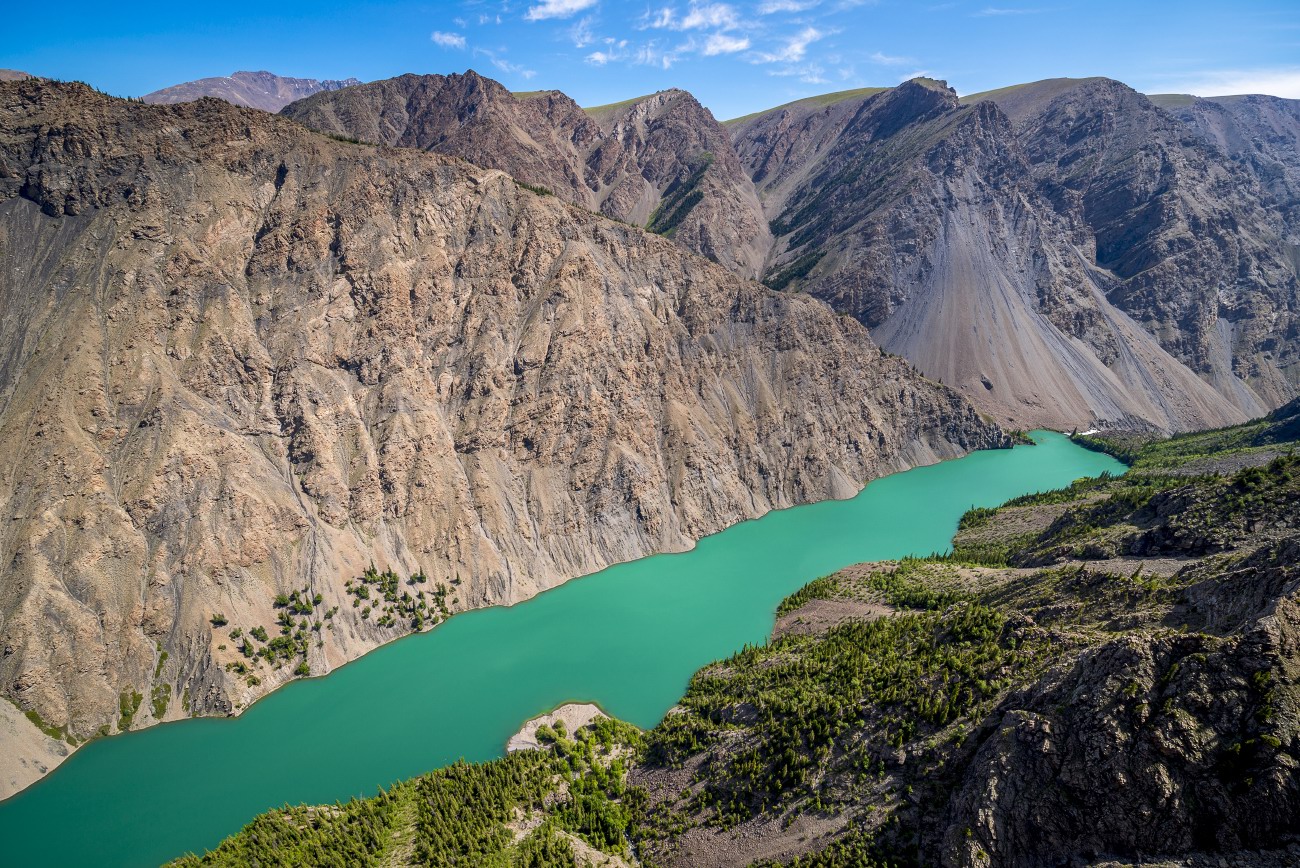
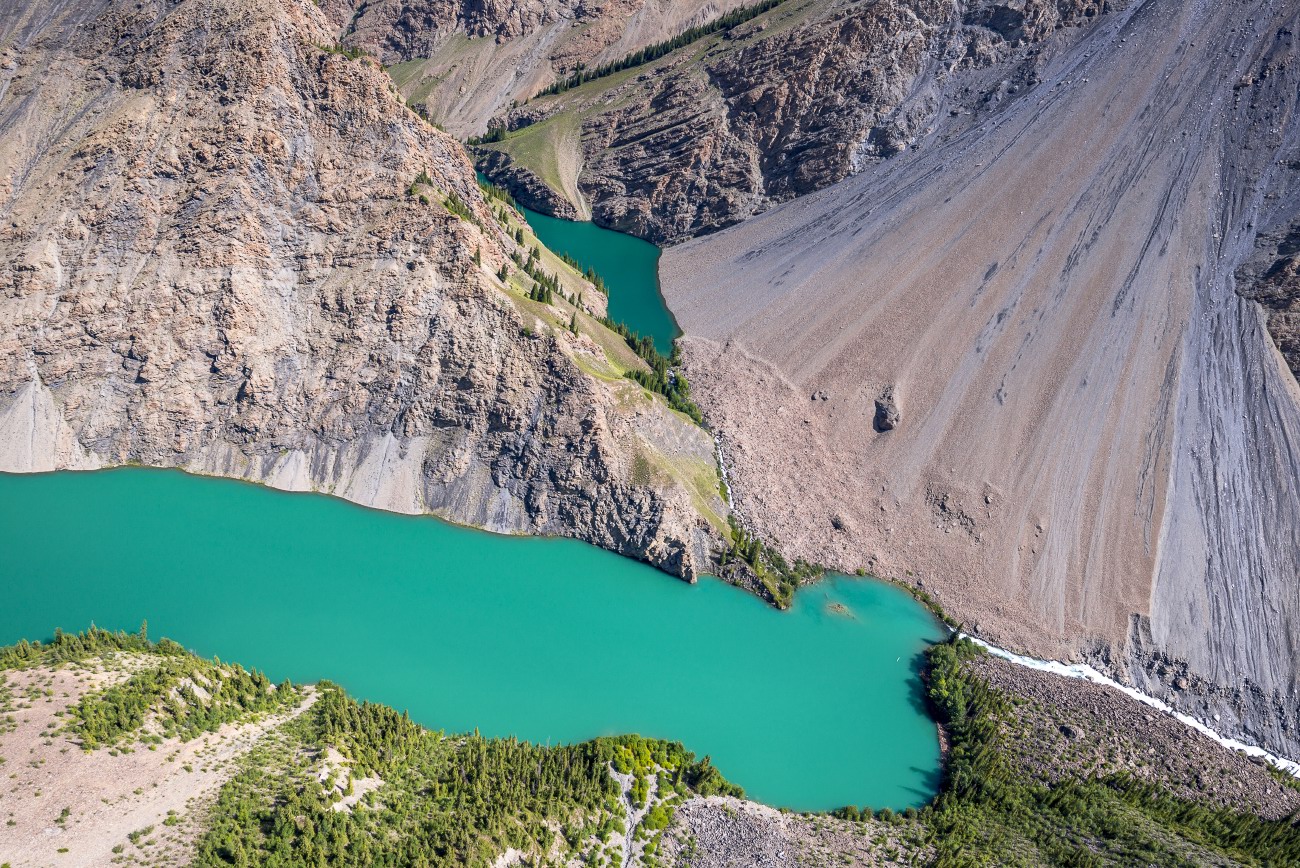
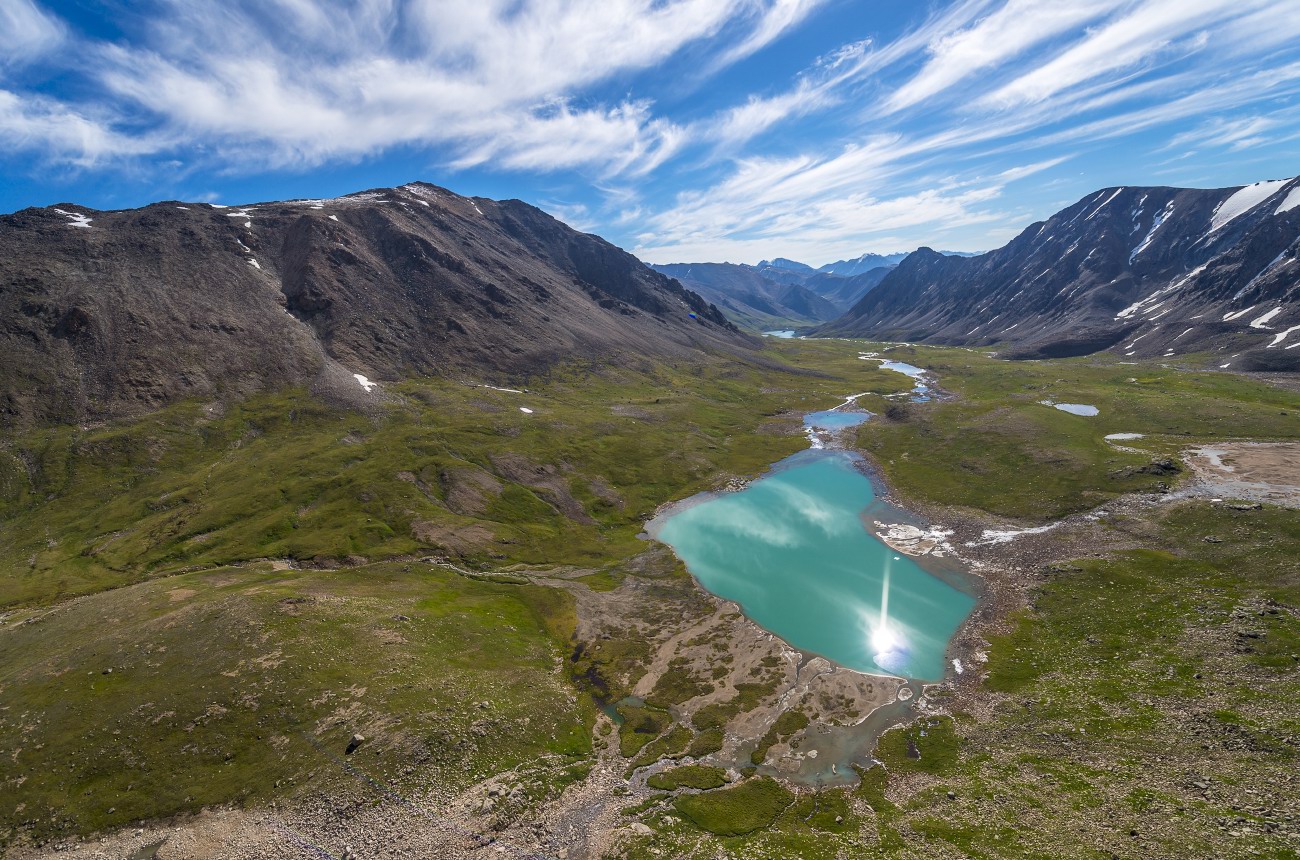
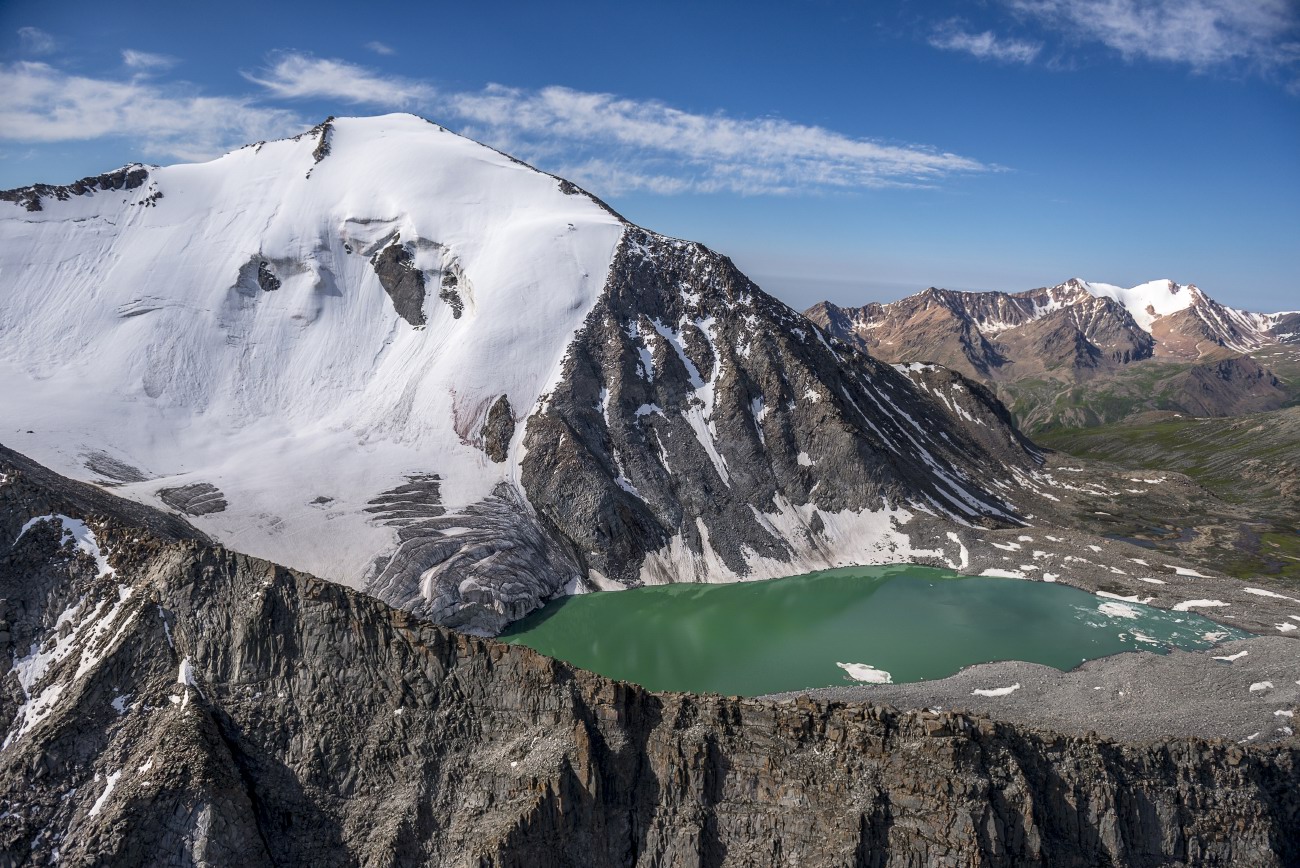
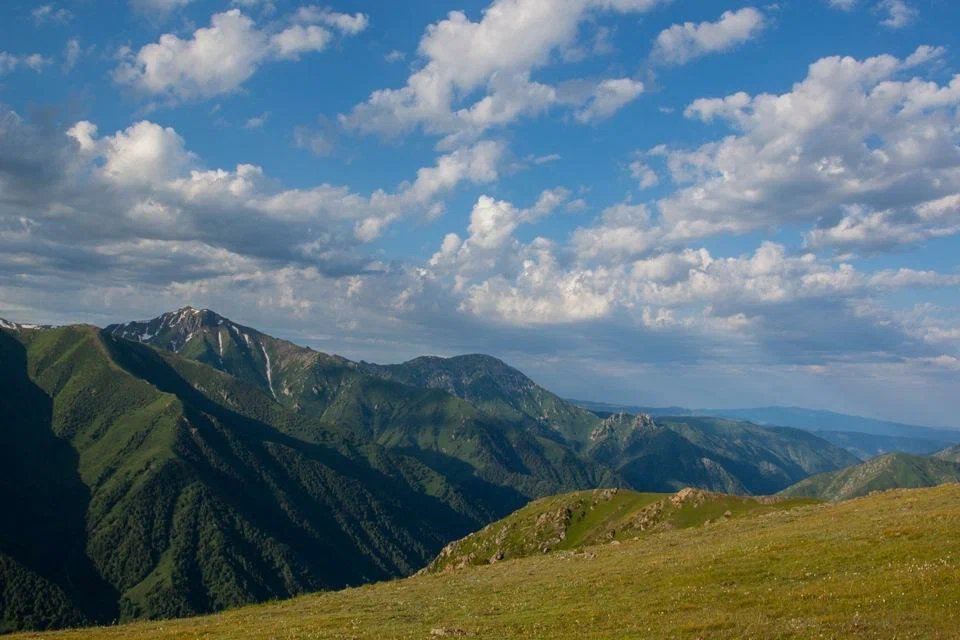
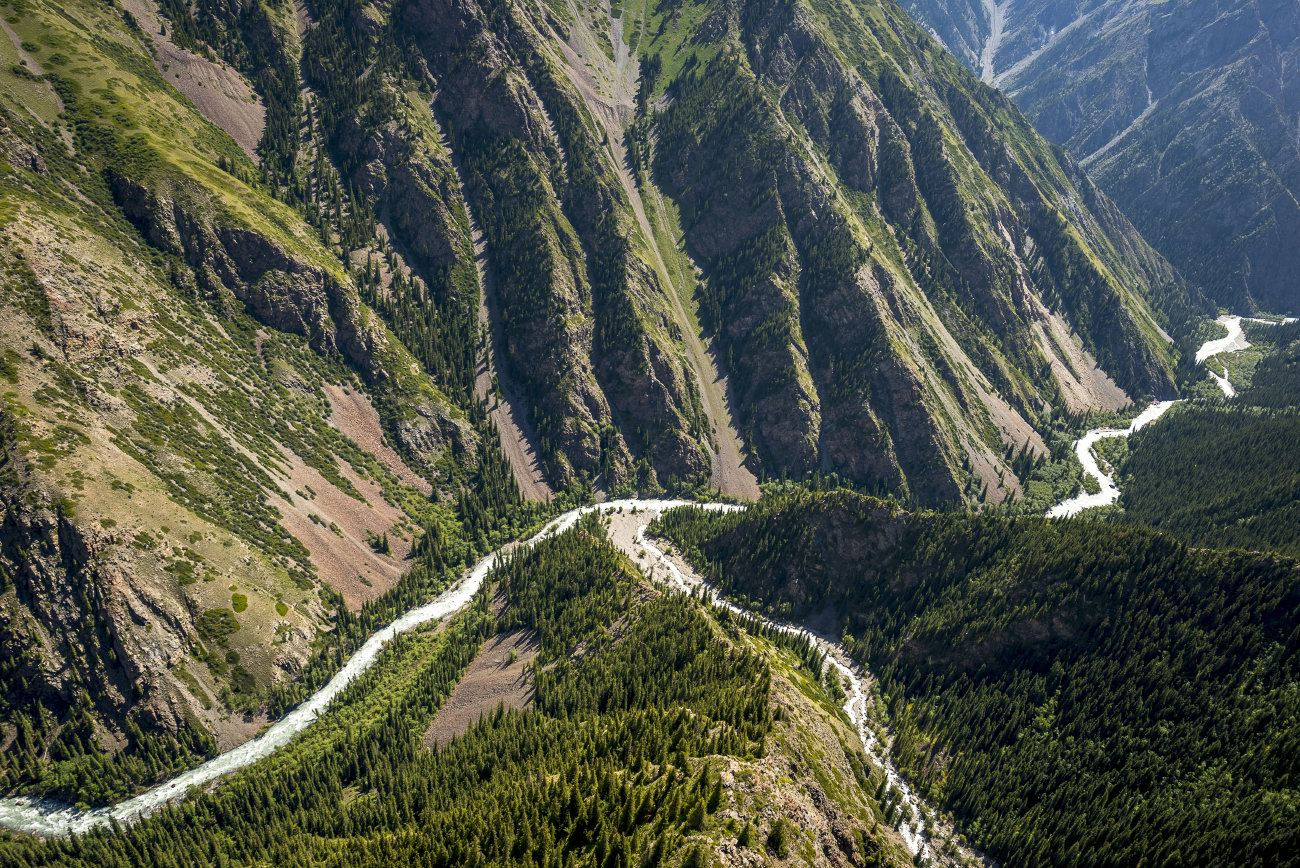
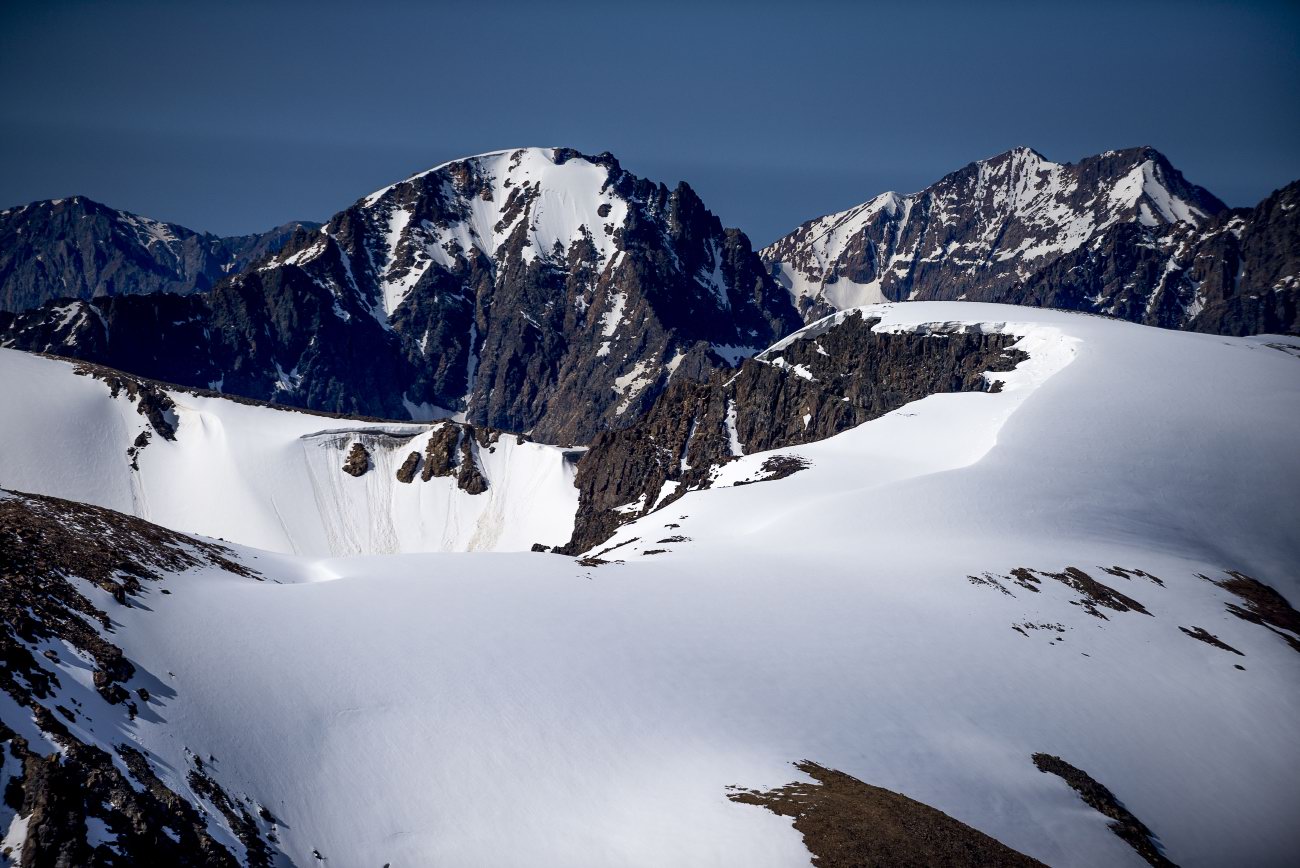
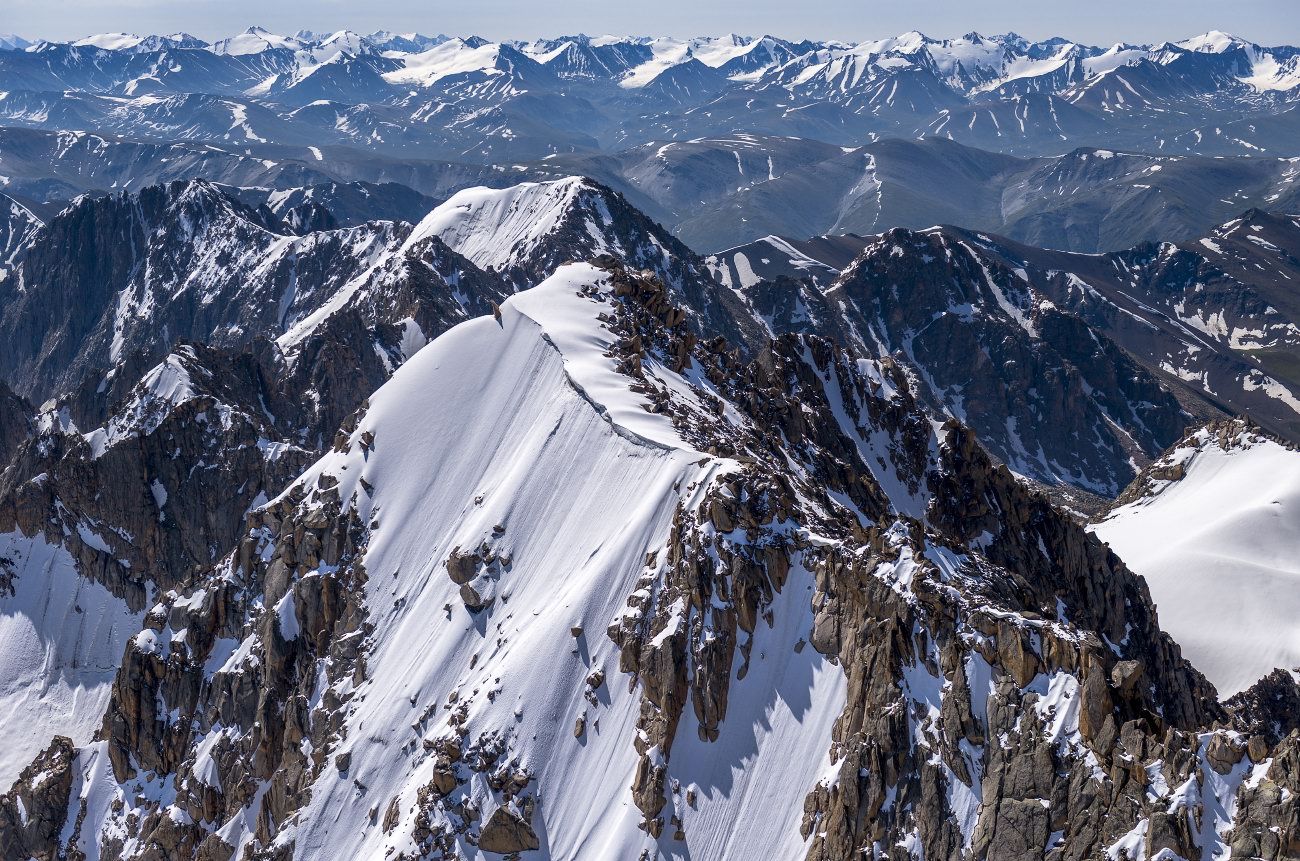
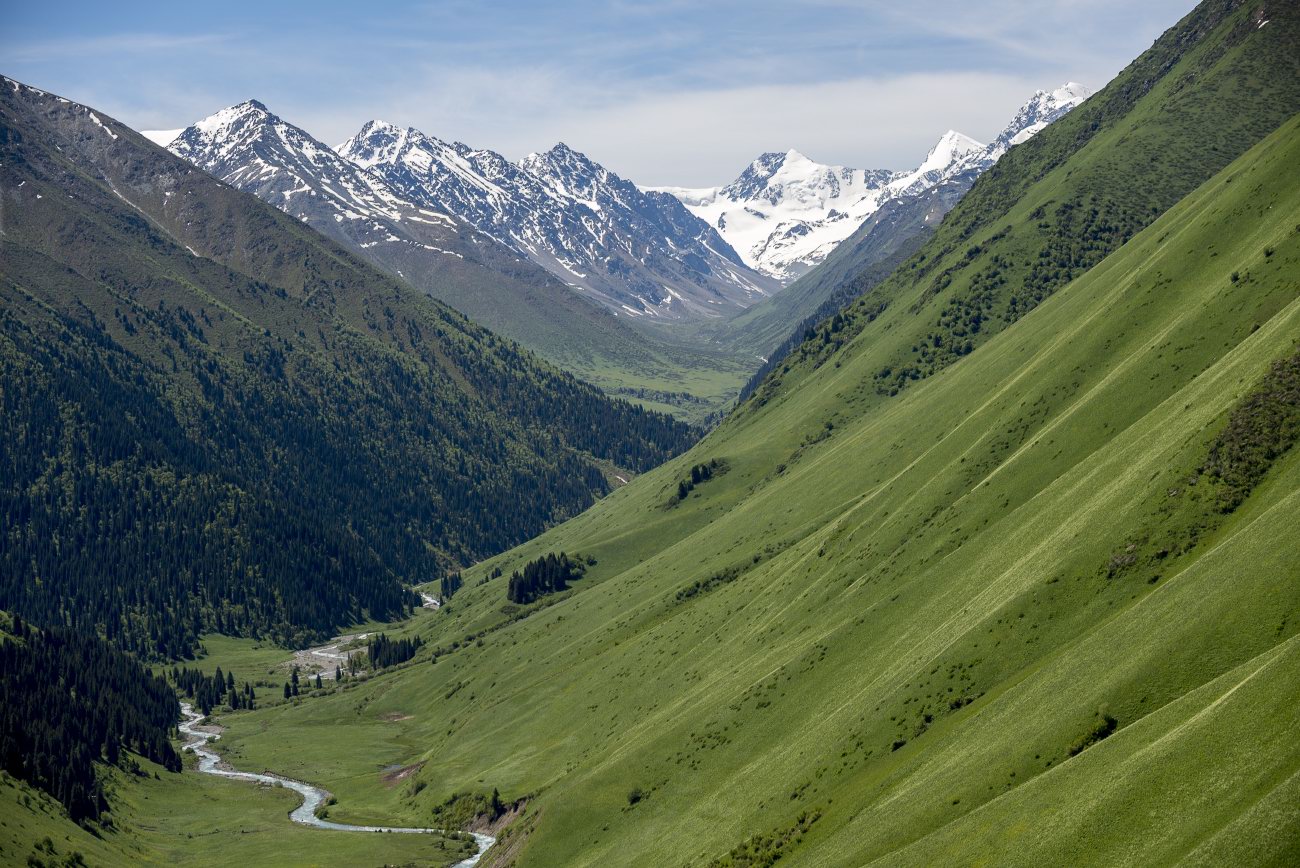
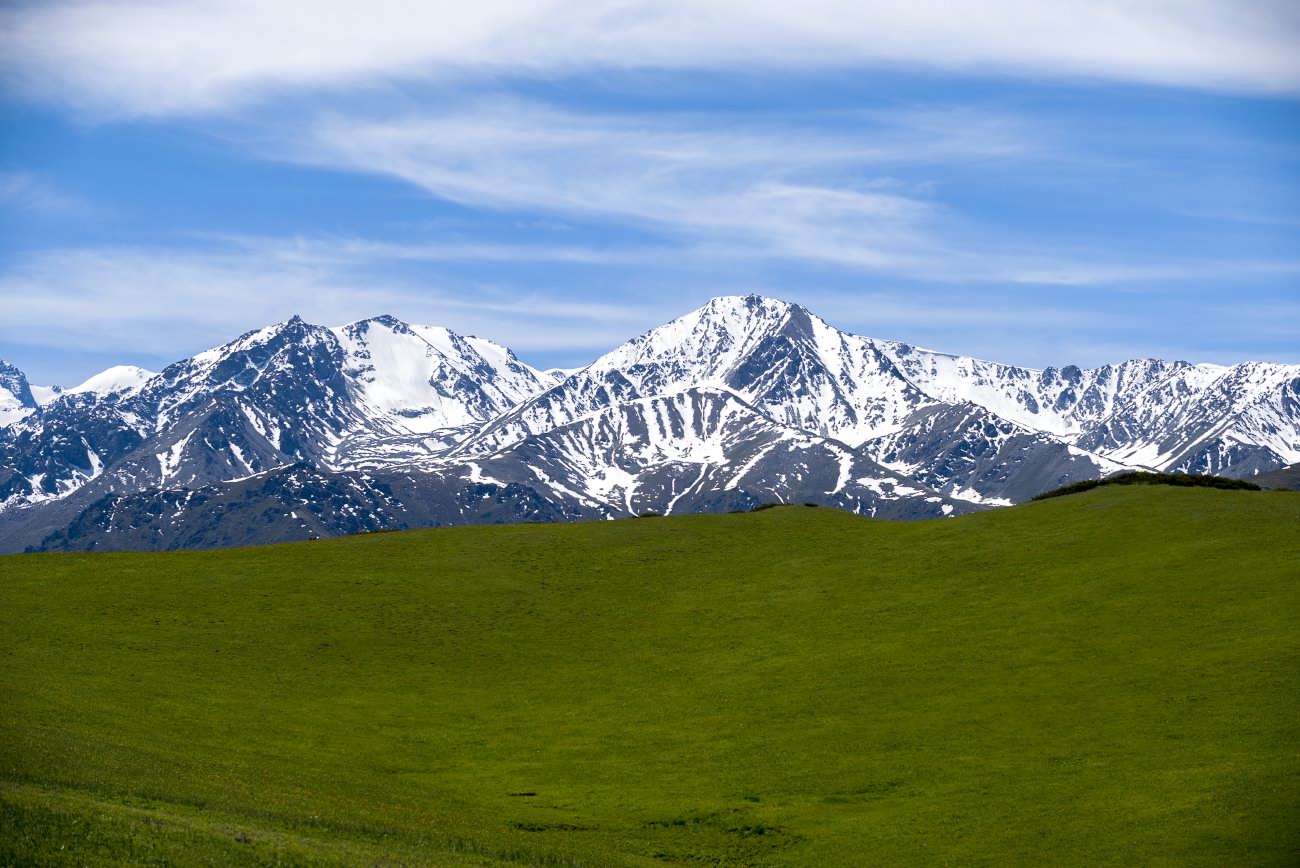
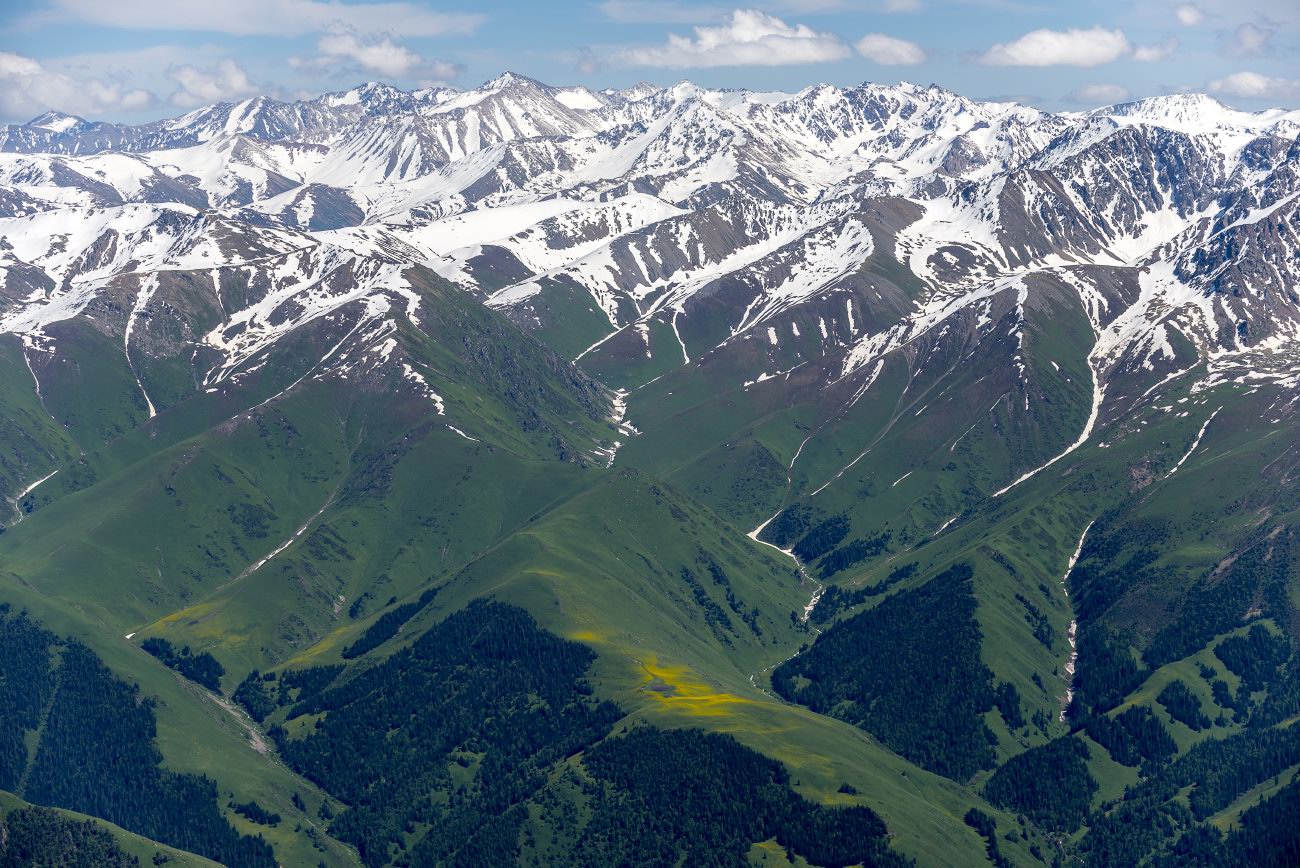
The Dzungarian Alatau runs roughly east-west for approximately 450 kilometers along the Kazakhstan-China border, from the Dzungarian Gate — a famous wind corridor between two mountain systems — westward toward the Ile River basin. Its highest peaks exceed 4,500 meters, with permanent glaciers in the upper zones. The lower slopes carry dense forests of Tian Shan spruce and fir; the alpine meadows above the tree line are among the richest high-altitude pastures in Central Asia.
The range is divided between Kazakhstan and China, and access from the Kazakhstan side is through the Almaty Region — specifically through the Lepsy and Kora river valleys, which provide the main entry points for trekking and nature observation.
Why It Matters
The Dzungarian Alatau is of the most important biodiversity corridors in Central Asia. The range's position between the Central Asian steppe and the more continental climate zones of eastern Kazakhstan creates conditions for an unusual mix of species. Snow leopard, Marco Polo argali, Siberian ibex, brown bear, and wolves all inhabit the higher zones. The river valleys carry some of the densest concentrations of wintering raptors in the region, and the spring bird migration through the Dzungarian Gate — of the few natural wind gaps in the mountain systems separating Central Asia from the eastern steppe — is a phenomenon that birdwatchers travel significant distances to witness.
The range is also geologically remarkable: the Dzungarian Gate, the pass between the Dzungarian Alatau and the Tarbagatai range to the north, is of the windiest corridors on earth, a geographic feature that has shaped the climate and the history of the region in equal measure. Caravans and armies and migrations have passed through it for millennia. The wind still comes through as if nothing has changed.
The ‘Wow-Factor’
There is a particular quality that very large, very underpopulated mountain ranges have — a quality that is hard to name but immediately recognizable when you encounter it. The Dzungarian Alatau has it in abundance.
The wow factor here is not a single dramatic viewpoint or a famous formation. It is the accumulation of scale and silence. Standing in the Lepsy River valley in the lower reaches of the range, looking south toward the main ridge with its permanent snow fields and the dark serrated line of the peaks against a sky that has no competing light sources for fifty kilometers in any direction, you register something that photographs can gesture toward but cannot convey: the physical weight of a mountain landscape that sees almost no human traffic.
The spruce forest of the lower slopes has the quality of old-growth forest everywhere — the trees wider than a person's reach, the understory dark and cool, the ground covered in moss that absorbs footsteps and returns silence. In these forests you can walk for hours without seeing evidence of another person. The birds in the Dzungarian Alatau are consequently unhabituated to human presence: they don't flee at standard distances, which means you encounter them as they actually behave rather than as their alarm response.
The wind through the Dzungarian Gate — the famous pass that has been channeling air between the mountain systems since the range was formed — has its own character. It arrives without warning, strong enough to require bracing against, and carries a smell of something beyond the mountains: the steppe beyond, the Xinjiang plain, a continental scale made temporarily personal.
And then there is the silence when the wind stops. The Dzungarian Alatau in calm weather, in the inner valleys away from the gate, is among the quietest landscapes in Central Asia. The silence here is not the silence of a place that has been emptied out; it is the silence of a place that was never particularly full. That distinction matters, and you feel it.
Deep History & Culture
The Dzungarian Alatau does not hold its history in monuments or ruins. It holds it in the Dzungarian Gate — a wind pass between mountain systems that has been of the most consequential geographical features in Eurasian history — and in the bones of its landscape, which carries the memory of every migration and invasion and seasonal movement that has passed through it.
The Saka and the Deep Nomadic Past
The earliest documented human presence in the Dzungarian Alatau region dates to the Saka period, the nomadic culture of the 5th to 3rd centuries BCE whose burial mounds appear throughout the Almaty Region and the Kazakh steppe to the north and east. The high-altitude pastures of the Dzungarian Alatau were summer grazing territory; the river valleys provided winter corridor routes for the seasonal movement of livestock between mountain and steppe.
The Dzungarian Gate, specifically, was never just a meteorological phenomenon. It was a route: a gap in the mountain systems wide enough and low enough to allow the passage of large groups with their animals. Armies used it. Migration waves used it. The Huns in their westward movement in the 4th century CE are believed to have passed through this corridor; later movements of Turkic and Mongol peoples followed the same geography for the same reasons. Geography is destiny, and the Dzungarian Gate has been shaping destinies for two thousand years.
The Kazakh Khanate and the Dzungar Wars
After the Kazakh Khanate was founded in 1465 by Janibek and Kerei Khans, the territory east of Lake Balkhash — including the Dzungarian Alatau region — was part of the broader Kazakh world. But the 17th and early 18th centuries brought catastrophe from the east. The Dzungar Khanate, an Oirat Mongol confederation based to the east of the pass that bears their name, launched a series of devastating invasions of Kazakh territory that reached their peak in the period Kazakhs call the Aktaban Shubyryndy — "the barefoot flight" — of 1723. Tens of thousands of Kazakhs were killed or displaced; the eastern territories including the Dzungarian Alatau zone were overrun.
The Kazakh-Dzungar Wars lasted from the late 17th century until the Dzungar Khanate's destruction by the Qing Dynasty in 1755-1758, in what historians have called a genocide: the Dzungar population of approximately 600,000 was reduced to near extinction by Chinese military campaigns. The Dzungarian Gate, through which so much violence had passed, became a boundary between empires.
Russian Annexation and the Making of a Border
The Russian empire's annexation of the Kazakh steppe between 1731 and 1848 extended eastward through the Almaty region and eventually reached the territory of the Dzungarian Alatau. The range became a frontier zone — on side the expanding Russian empire, on the other the Qing Dynasty's Xinjiang province. The border treaties of the 19th century fixed the range's division between two states that persist into the present day: Kazakhstan on the western and northern slopes, China on the eastern and southern.
Soviet Scientific Documentation
The Soviet period brought systematic scientific work to the Dzungarian Alatau. Botanical, zoological, and geological surveys documented the range's extraordinary biodiversity — the snow leopard populations, the raptor migrations, the endemic plant species, the glacier systems — while maintaining the range as a near-impenetrable zone for casual travel. Military and border sensitivity kept most people out; scientific expeditions were the primary mode of engagement.
After Independence
Kazakhstan's independence in 1991 brought the Dzungarian State Nature Reserve formal protection status and renewed attention to the range as a conservation priority. The range remains of the least-visited significant mountain systems in the former Soviet Union, and its relative inaccessibility is now understood as an asset rather than a liability. The silence of the inner valleys, the wildness of the high terrain, the unhabituated wildlife — these are the direct results of a history of low human traffic, and they are worth protecting.
Practical Digital Logistics
Getting to the Dzungarian Alatau requires more planning than most destinations in Kazakhstan, and that planning is part of the experience. This is not a range with a visitor center and a marked car park. It is a protected wilderness area with genuine logistical requirements, and the effort of getting there is directly connected to what you find when you arrive.
Access Points
The main access to the Dzungarian Alatau from the Kazakhstan side runs through two river valleys. The Lepsy River valley provides the western approach, entering the range from the north near the town of Lepsy in the Almaty Region. The Kora River valley provides access from the southwest. Both approaches require a combination of regional road travel and, for deeper penetration into the range, off-road or horse transport.
The nearest major city is Almaty, roughly 350 to 400 kilometers to the southwest of the main access zones. The drive from Almaty to the Lepsy valley approaches takes approximately five to six hours on a combination of highway and secondary road. A 4WD vehicle is strongly recommended for the final sections of any access route; the roads deteriorate significantly beyond the main settlements.
Organized expedition transport can be arranged through Almaty-based trekking agencies that specialize in eastern Kazakhstan destinations. These agencies typically handle permit requirements, transport, and local guide logistics. Costs for a multi-day organized expedition to the Dzungarian Alatau run from approximately $200 to $500 per person per day depending on group size, duration, and level of support.
Permits and Regulations
The Dzungarian State Nature Reserve requires entry permits, and the reserve's proximity to the Chinese border means that some zones have additional access restrictions related to border zone regulations. All permits must be arranged in advance through the reserve administration or through a licensed agency. Do not attempt to enter restricted border zones without the correct documentation; the regulations are enforced.
Time and Season
The Dzungarian Alatau is accessible for trekking from approximately late May through September. The optimal window is July and August for high-altitude access; late May and June for the lower valleys and the spring raptor migration at the Dzungarian Gate. October brings autumn color to the lower forests but also unpredictable weather at altitude. Winter access to the high range is for experienced mountaineers.
What to Bring
This is a genuine wilderness expedition destination. Full camping equipment, mountain weather clothing, a comprehensive first-aid kit, navigation tools (map and compass in addition to GPS), and sufficient food for the planned duration plus emergency reserve are all essential. There are no resupply points, no huts, and no emergency infrastructure within the range. The nearest medical facilities are in the towns on the steppe below.
A satellite communicator is strongly recommended for any multi-day route into the higher terrain. Mobile signal is absent throughout the inner range.
Must-Do Activities
The activities in the Dzungarian Alatau are self-directed and require preparation, but the range rewards serious engagement with experiences that are genuinely difficult to find anywhere else in Central Asia.
Multi-Day Trekking
The primary activity in the Dzungarian Alatau is trekking, and the range's scale means that even a week-long route barely scratches the surface of what's available. The Lepsy and Kora river valleys both provide access to extended routes that climb from lowland steppe forest through alpine meadow to the high glacier zones. The terrain is varied, the wildlife density is high, and the route-finding requires competence — this is not a trail-marked system. Standard trekking maps of the region, supplemented by GPS, are the navigation tools. Local guides from the access communities know the routes and the conditions well, and hiring is strongly recommended for any route beyond the lower valley day hikes.
Birdwatching at the Dzungarian Gate
The Dzungarian Gate wind corridor is of the great bird migration concentration points in Asia. In spring, from late April through May, raptors in particular funnel through this narrow pass on their northward migration in numbers that serious birdwatchers travel intercontinental distances to witness. Steppe eagles, booted eagles, long-legged buzzards, various harriers and falcons — the species list for a week at the Gate in peak migration is extraordinary. This is a specialist interest but a genuinely world-class, and the Dzungarian Gate belongs in the same conversation as the great migration watch-points of Europe and North America.
Wildlife Observation
Snow leopard, Siberian ibex, Marco Polo argali, brown bear, wolf, red fox — the mammal list of the Dzungarian Alatau reads like the encyclopedia of Central Asian mountain wildlife. Seeing any of the larger species requires patience, good timing, and luck, but the ibex in particular are visible in the rocky upper zones with reasonable regularity, and the ibex of this range are less habituated than those in more visited areas. Dawn and dusk are the best observation windows.
Photography Expeditions
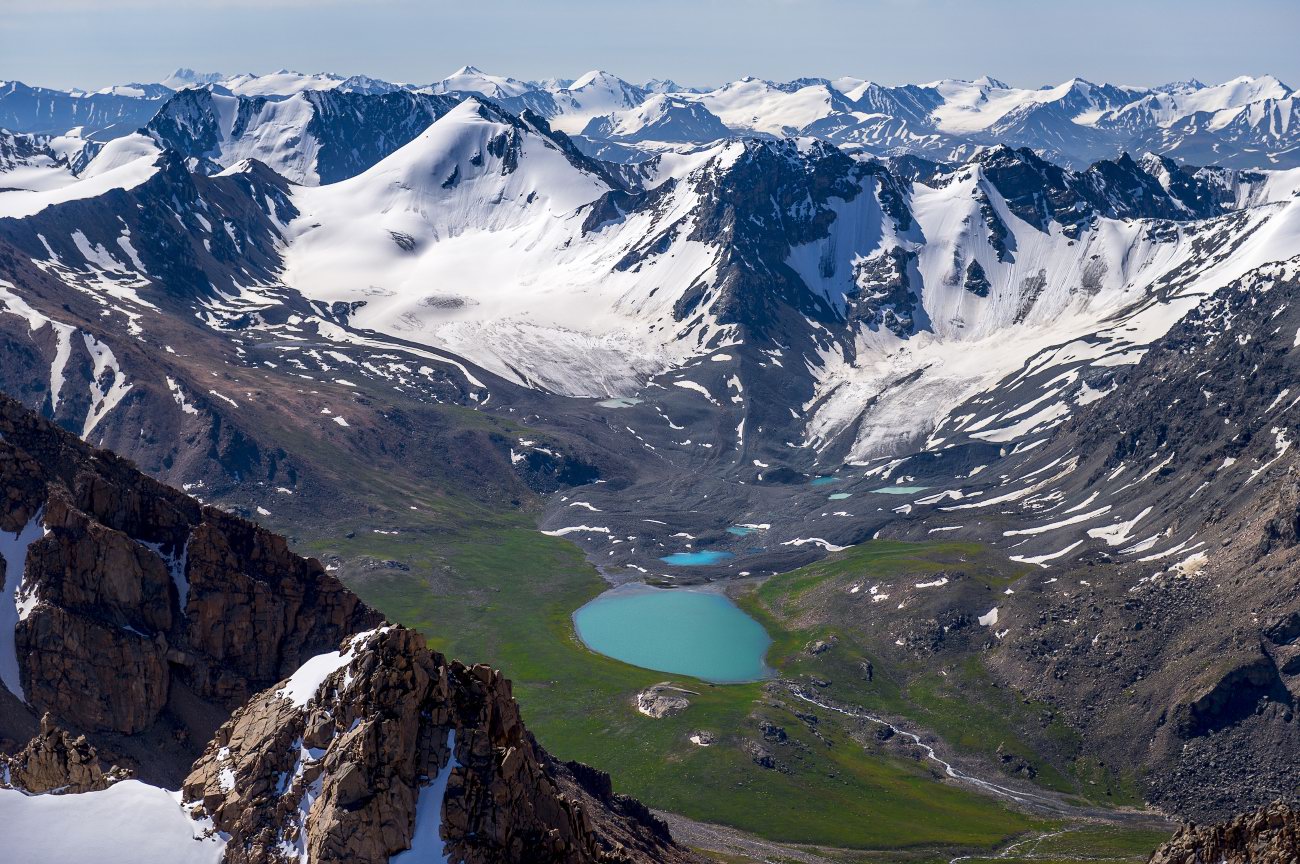
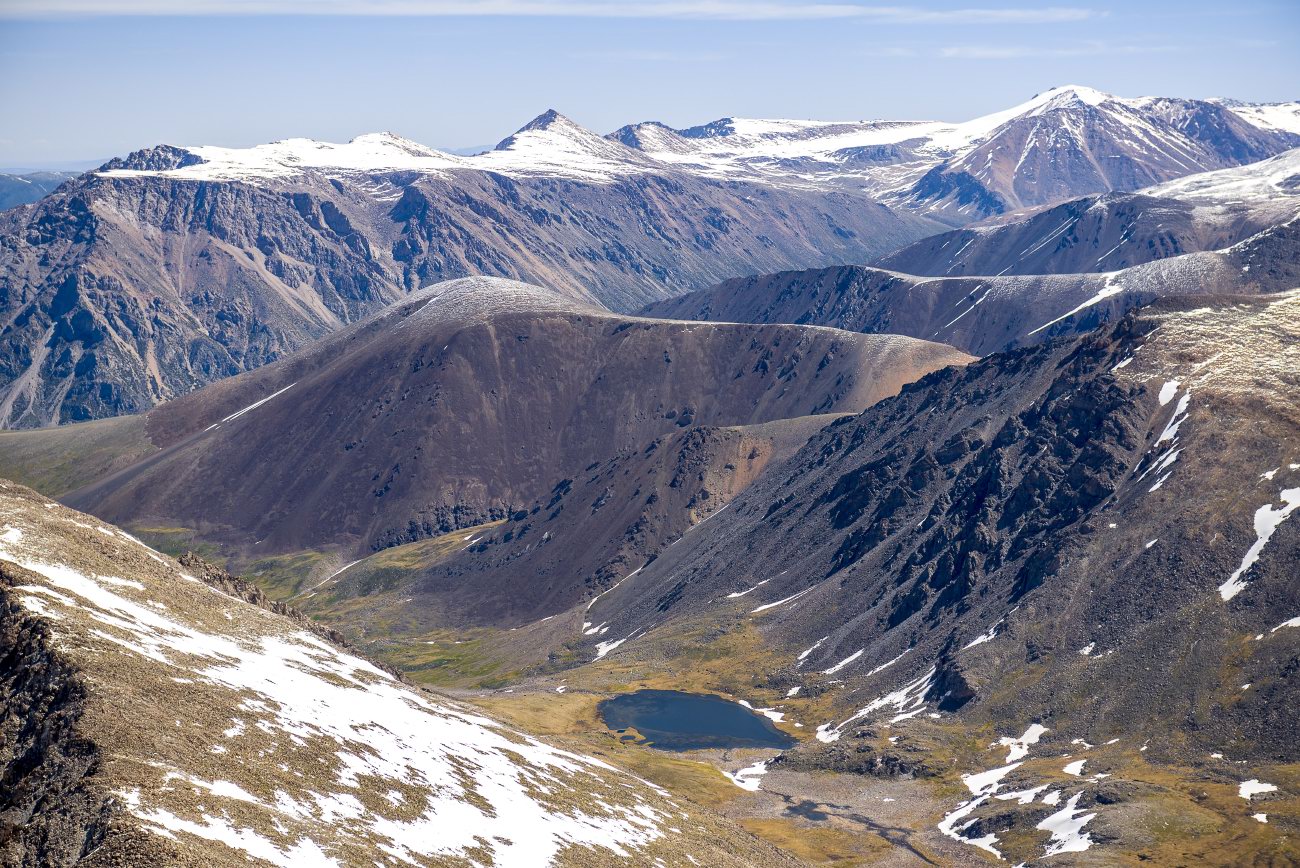
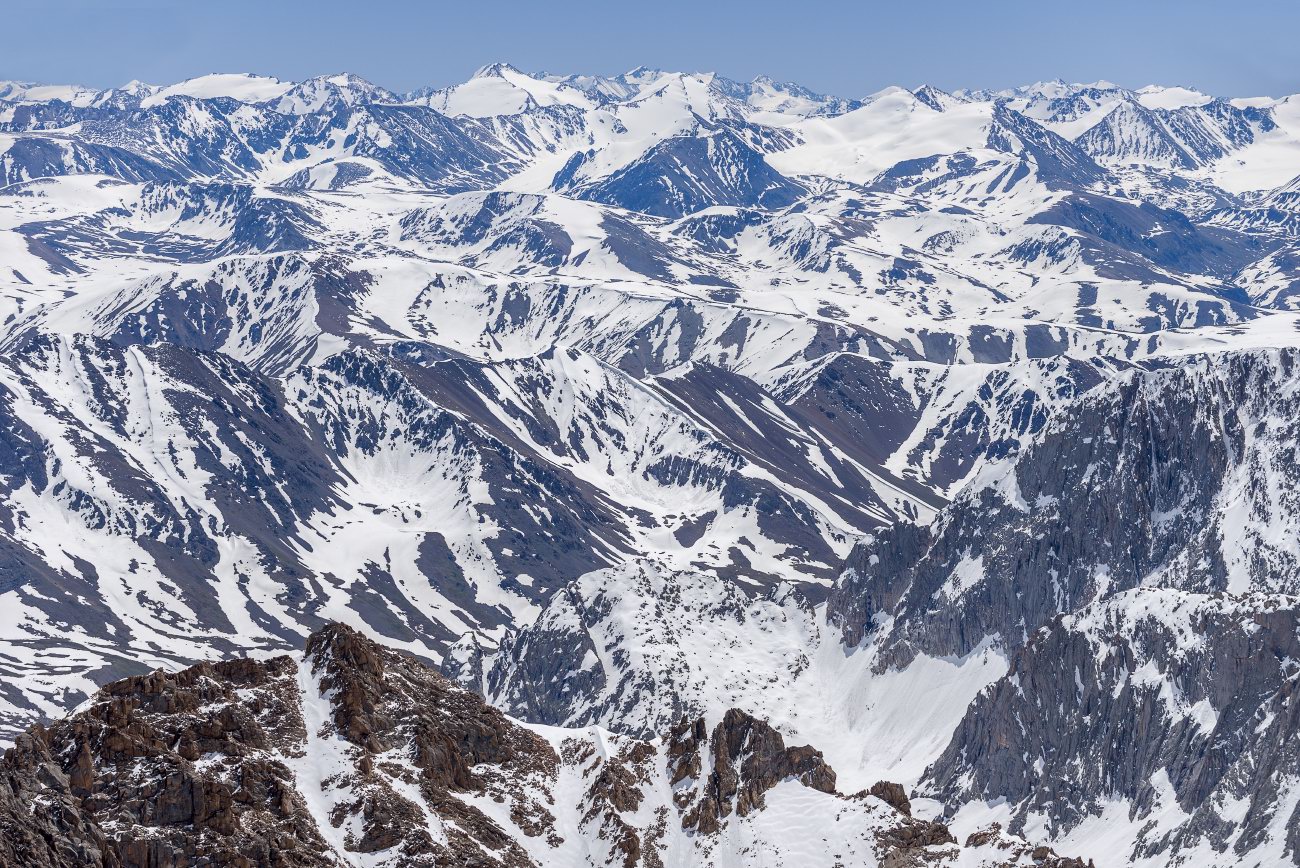
The combination of unmodified wilderness landscape, high-altitude light, diverse wildlife, and dramatic geology makes the Dzungarian Alatau a significant destination for nature and landscape photographers. The glacier-carved cirques of the upper range, the old-growth spruce forests of the lower valleys, the raptors at the Gate, the high-summer wildflower meadows — all produce images that the more trafficked ranges of Central Asia cannot offer simply because the more trafficked ranges show signs of traffic. The Dzungarian Alatau looks as it looks because it has not been heavily photographed, and that quality is disappearing from the world at a rate that makes what remains increasingly valuable.
Simply Being in the Inner Range
This is worth listing as its own activity. The inner valleys of the Dzungarian Alatau, away from the access routes and the range periphery, offer a quality of wilderness experience that requires no specific task to justify it. Setting up camp in a river valley at 2,500 meters, with the glacier visible on the south-facing slope and no human structure visible in any direction, is of those experiences that recalibrates something that modern life tends to calibrate out.
Local Flavors & Amenities
The food situation in the Dzungarian Alatau is straightforward: inside the range, there is none. Everything you eat during a multi-day trek must come with you. This is not a hardship for prepared trekkers, but it requires planning that day-destination travelers are not accustomed to.
Expedition Food Planning
For a multi-day route into the range, the standard approach is to carry all food from Almaty or from the last major town before the trailhead. Dried and packaged trekking food is available in Almaty's outdoor equipment shops; local provisions — dried fruit, nuts, cheese, bread, canned goods — from any large supermarket supplement these well. The access towns (Lepsy, and the settlements near the Kora valley approach) have basic shops selling staples, but selection is limited and stocking up in Almaty before departure is strongly recommended.
Water is available throughout the range from glacial streams and river sources in the inner valleys; treat it before drinking with a filter or purification tablets. The upper zone glacier water is among the cleanest mountain water in Central Asia but still carries the risk of giardia from upstream animal activity.
Cooking at altitude requires attention to gas canister performance, which drops significantly in cold conditions. Bring a windscreen for your stove; the Dzungarian Alatau is not called a wind range for nothing.
The Access Towns
The settlements at the foot of the range — Lepsy and the agricultural villages of the Almaty Region's eastern districts — offer simple Kazakh cooking at local prices. A full meal of beshbarmak or lagman with tea costs approximately $3 to $6 at a local teahouse. These are not destinations in themselves for food, but they are honest and filling, and eating a proper hot meal before entering the range and immediately after returning from it is both practically sensible and genuinely satisfying.
Accommodation at the Range Perimeter
Accommodation options near the range are limited. The access towns have guesthouses that charge roughly $15 to $30 per night for basic rooms with breakfast; camping is free you are inside the reserve with the appropriate permit. Some outfitter companies maintain base camps in the lower valley zones during the trekking season; these provide more comfort than independent camping and are included in the cost of organized expeditions.
There is no accommodation inside the range proper beyond what you carry. This is part of what makes the Dzungarian Alatau what it is — a place where the experience of wilderness is not mediated by infrastructure — and it should be approached as a feature rather than a deficiency.
Essential Insider Tips
The Dzungarian Alatau is not forgiving of inadequate preparation. The tips below address the specific challenges of this destination rather than general travel advice.
Sort Out the Permits Before You Leave Almaty
This is the most common mistake. The Dzungarian State Nature Reserve requires entry permits, and the border zone restrictions in the eastern sections require additional documentation that takes time to process. Contact the reserve administration or a licensed trekking agency well in advance of your departure date. Summer weekends can see permit processing backed up; plan for at least two weeks' lead time for any route that enters restricted zones. An agency that specializes in eastern Kazakhstan trekking will handle this for you, which is the path of least frustration.
Hire a Local Guide for Any Route Beyond the Lower Valleys
The range has no marked trails. Topographic maps exist for the region but are sometimes inaccurate or outdated. The local guides from the access communities know the passes, the river crossings, the locations of reliable water, and the zones where bear activity is highest. This is not a range where confident orienteering in an unfamiliar mountain system is a responsible approach. The cost of a good local guide — approximately $50 to $100 per day — is of the best investments available in this destination.
Plan for the Wind
The Dzungarian Gate earns its name. The wind through the corridor between the mountain systems can exceed 100 kilometers per hour during the passage of pressure fronts, and the inner valleys of the range are not immune to sudden and serious storms. Carry a tent rated for severe conditions. Have a plan for bad weather on any multi-day route. Don't rely on weather forecasts for the gate zone — the local meteorological phenomena operate on a schedule that regional forecasting systems imperfectly capture.
Acclimatize Before Going High
If you're coming from Almaty (850 meters elevation) and planning routes into the 3,000 to 4,000 meter zones, allow at least two nights in the lower range valleys before ascending. Altitude sickness at these elevations is possible, particularly for visitors who are unacclimatized. The descent to lower elevation is the treatment; the inner range is not a place where descent is quick or easy.
Leave No Trace — Literally
The inner valleys of the Dzungarian Alatau are pristine in ways that very few mountain areas anywhere in the world still are. Pack out everything. Bury human waste well away from water sources. Do not disturb wildlife, particularly during breeding season. The unhabituated quality of the wildlife here — the fact that ibex don't flee at 200 meters, that birds behave as if humans are not a threat — exists because this range has not been mistreated. That condition is worth preserving.
Sustainability & Community
The Dzungarian Alatau's sustainability situation is unusual and instructive. It is, at present, of the most naturally pristine mountain ranges in Central Asia precisely because it has been difficult to access, politically sensitive as a border zone, and largely unknown to international tourism. That combination has protected it. The question for the coming decades is whether the protection continues as access improves and awareness grows.
The Conservation Priority
The Dzungarian State Nature Reserve holds legal protection for a significant portion of the Kazakhstan side of the range. That protection needs to be taken seriously, and it means: obtaining proper permits before entry, following reserve regulations regarding campfire restrictions and waste management, staying in permitted zones, and reporting any observed violations or poaching activity to reserve staff.
The snow leopard population of the Dzungarian Alatau is of the most important in Kazakhstan. Snow leopards require large territories, minimal human disturbance during denning and cub-rearing periods, and healthy prey populations. All of these conditions are currently met in the range's core zones. They can be unmade by a combination of increased visitor traffic, unregulated hunting of prey species, and the domestic livestock encroachment that is already a pressure on the range's margins.
Supporting the Local Communities
The communities at the foot of the range — the agricultural villages and small towns of the Almaty Region's eastern districts — have lived alongside the Dzungarian Alatau for generations. The integration of these communities into the reserve's management and the economics of any future tourism development is the single most important sustainability factor. Rangers recruited from local communities are more invested in enforcement than outside employees. Guides from the access villages carry knowledge of the range that no visiting expert can replicate.
The economics are currently thin. An organized expedition to the Dzungarian Alatau generates revenue primarily for the Almaty-based agencies that organize it; the portion that reaches the local communities is smaller. Choosing agencies that have established relationships with local communities, or arranging independent logistics through local contacts, shifts that balance.
The Fragility of What Makes This Place Special
The unhabituated wildlife, the pristine rivers, the absence of human impact in the inner valleys — these conditions exist because the range has been protected by difficulty and obscurity. As those barriers decrease, the protections they provided must be replaced by deliberate management. The best outcome for the Dzungarian Alatau is a form of tourism that is small in volume, high in quality, and deeply respectful of the conditions that make the experience possible. That outcome requires visitors who understand what they are visiting and why it is worth protecting in its current form.
The Dzungarian Alatau is not a finished destination. It is a wild place, imperfectly known, still in the process of being understood. That quality — the quality of a landscape that has not yet been fully domesticated by human attention — is extraordinarily rare, and it is the most important thing about it.
Key Facts
- Wilderness Frontier
- Located on the border with China, these mountains represent one of the last true wilderness frontiers in Central Asia.
- Wild Apple Habitat
- The region is home to the Malus sieversii, the wild ancestor of all domestic apples, which still grows in ancient mountain forests.
- Alpine Biodiversity
- The range is a critical habit for the Snow Leopard, the Siberian ibex, and the rare golden eagle of the Kazakh steppe.
- Glacial Wealth
- With over 1,000 glaciers, the Dzungarian Alatau is a vital source of water for the fertile valleys of the Jetysu region.
- Trekking Peaks
- Peak Semenov-Tyan-Shansky (4,622m) offers world-class mountaineering challenges for professional climbers seeking remote expeditions.
- Petroglyph Sites
- The foothills contain thousands of ancient rock carvings depicting nomadic hunting scenes and spiritual rituals from the Bronze Age.
Photo Gallery
Video coming soon
Dzungarian Alatau
Loading map...Loading map...
Frequently Asked Questions
Have a question?
Ask and get answers in seconds!
Discussion 0
No comments yet. Start the conversation!
Leave a Reply