Rakhmanov Springs
Discover the golden Altai mountains and pristine lakes.
The Radon of the Altai
The water comes up warm out of the Altai granite at 36 to 42 degrees Celsius, slightly radioactive with radon, and has been doing so since well before anyone thought to build a resort around it.
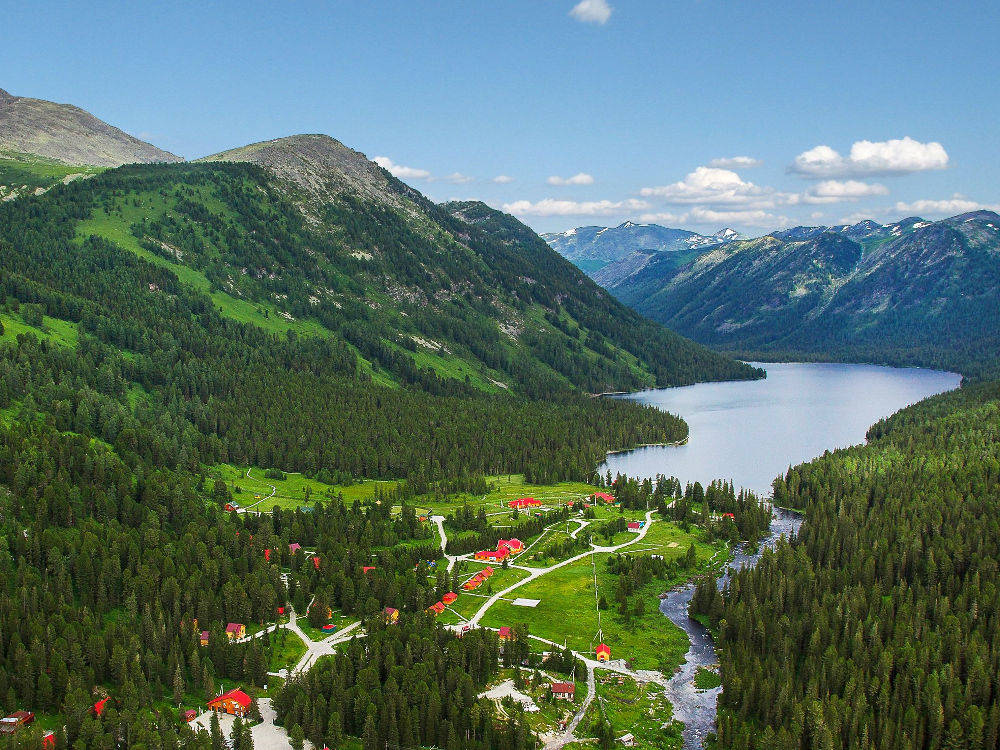
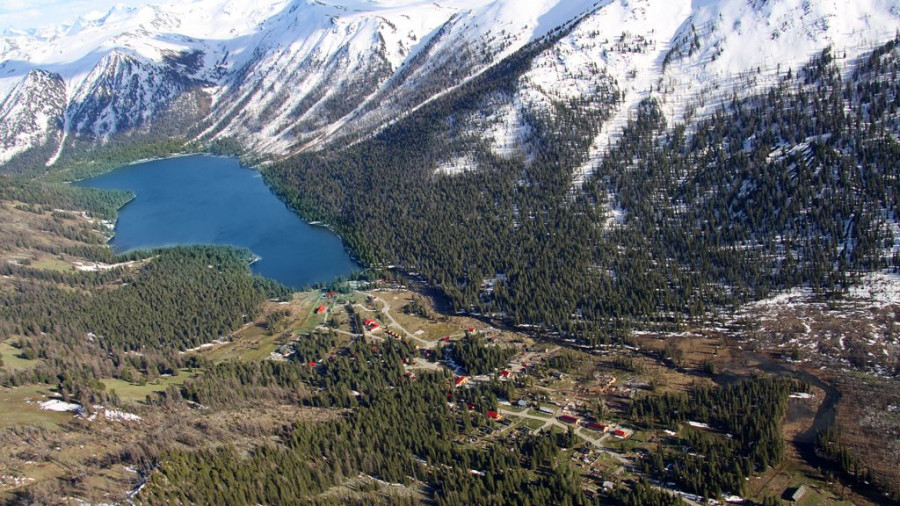
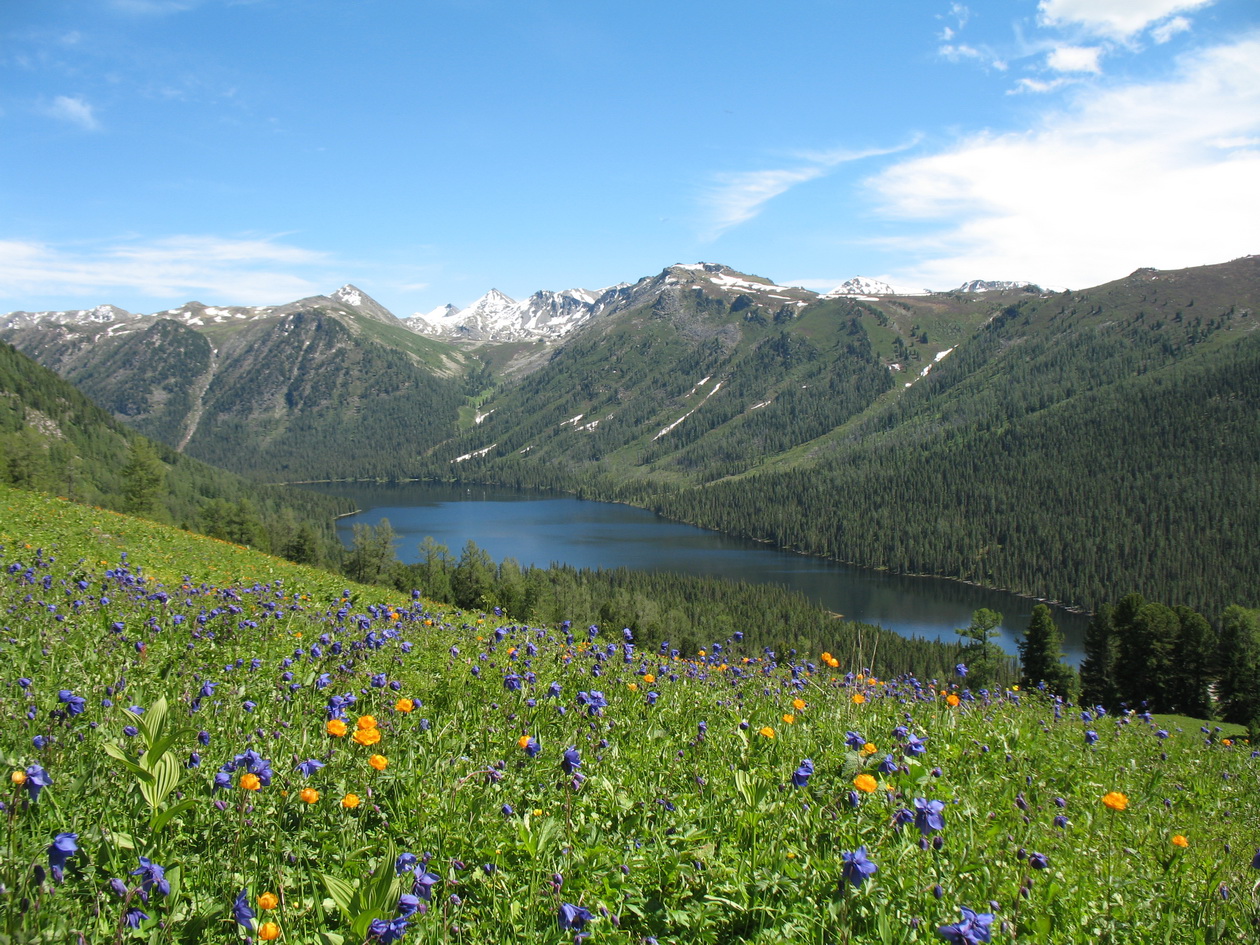
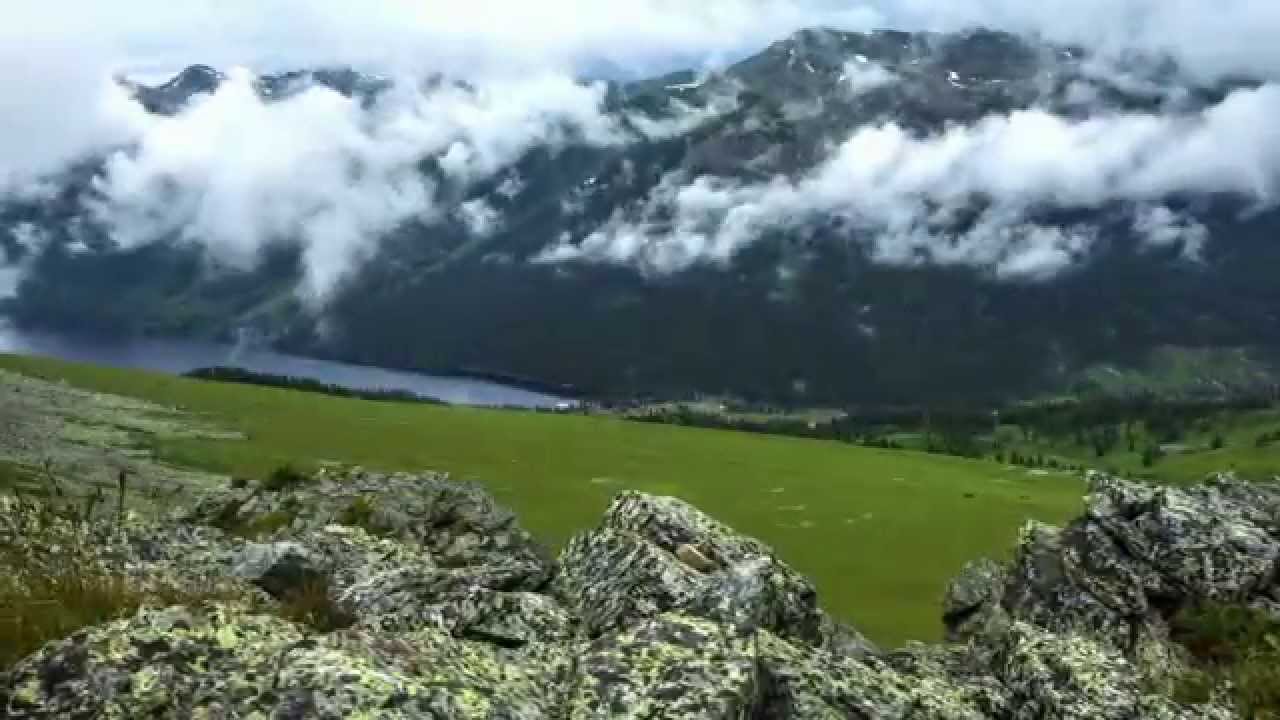
Rakhmanov Springs — Rakhmanovsky Klyuchi in Russian — sits at 1,760 metres in the Kazakh Altai, surrounded by the kind of alpine landscape that makes it immediately clear why someone would travel this far for a thermal bath. The Gory Belukha — Mount Belukha, the highest peak in the Altai — dominates the horizon to the south. The springs themselves are at the foot of the Berel River valley, in a bowl of mountains that traps and holds the silence in a way that lowland resorts never quite achieve.
The radon content is the specific therapeutic claim: the springs have been used to treat skin conditions, joint inflammation, and rheumatic diseases for well over a century. The science behind radon balneotherapy is contested but has a long clinical history in Central European and Russian spa medicine. Whether you come for the science or the scenery, the experience of soaking in 40-degree water while looking at snow-covered Altai peaks is its own recommendation.
The resort has been modernized into what it now calls a "Holistic Wellness" centre, integrating traditional hydrotherapy with Altai herbal medicine treatments.
A Mirror to Belukha
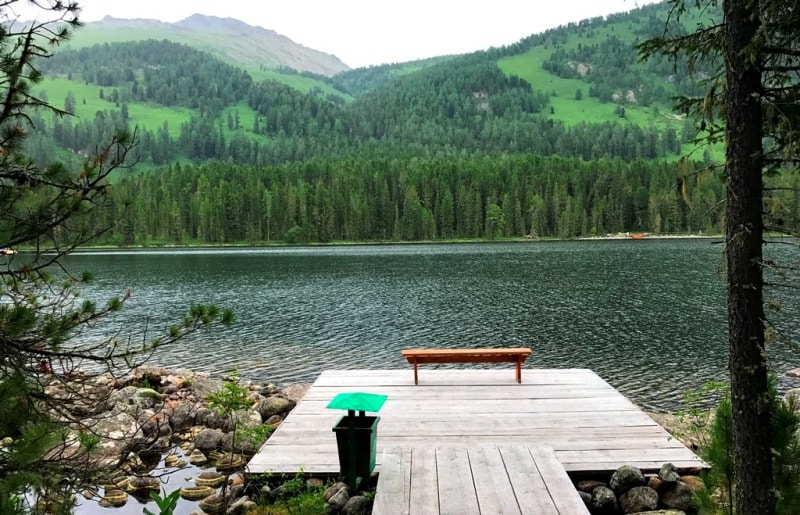
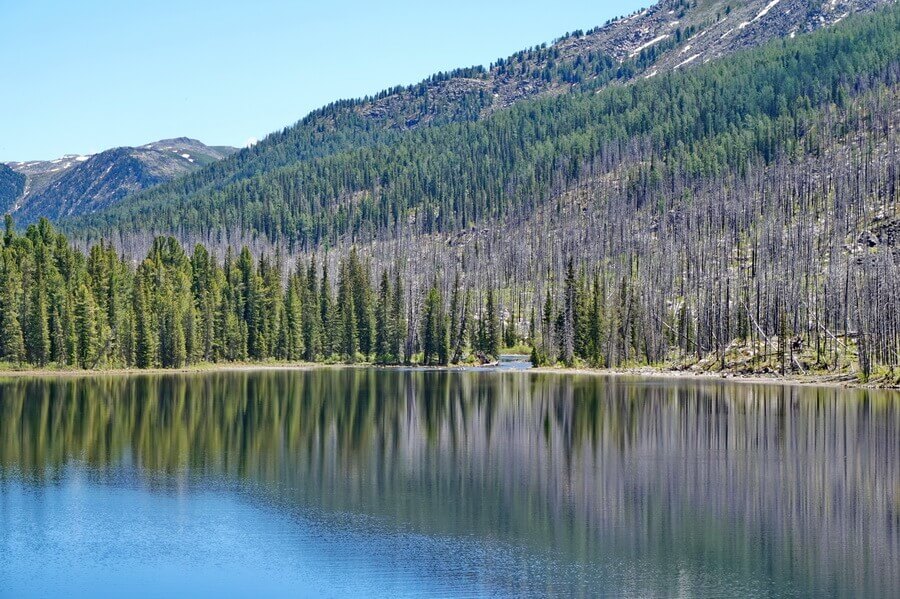
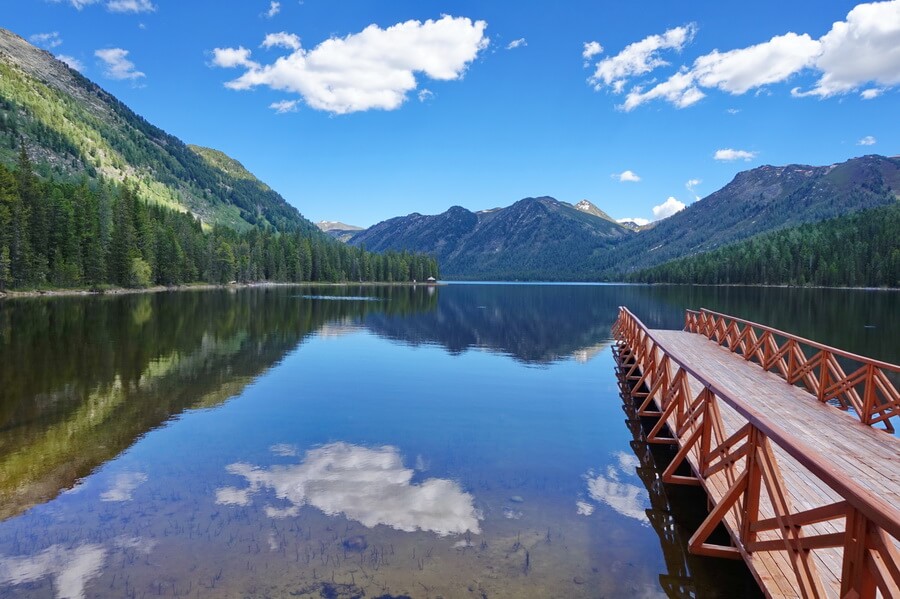
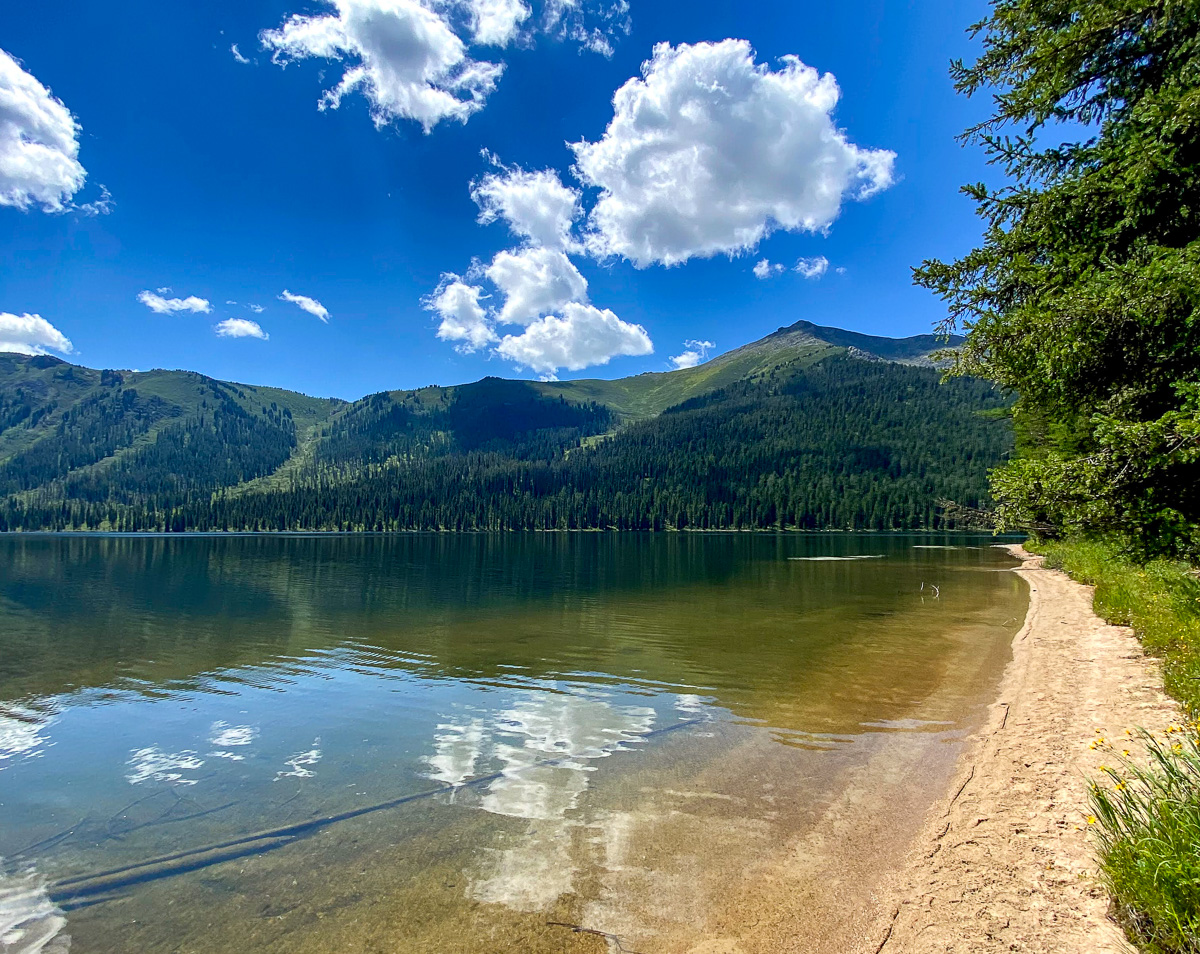
The springs are on the shore of Rakhmanov Lake, and the lake is the other reason to come here.
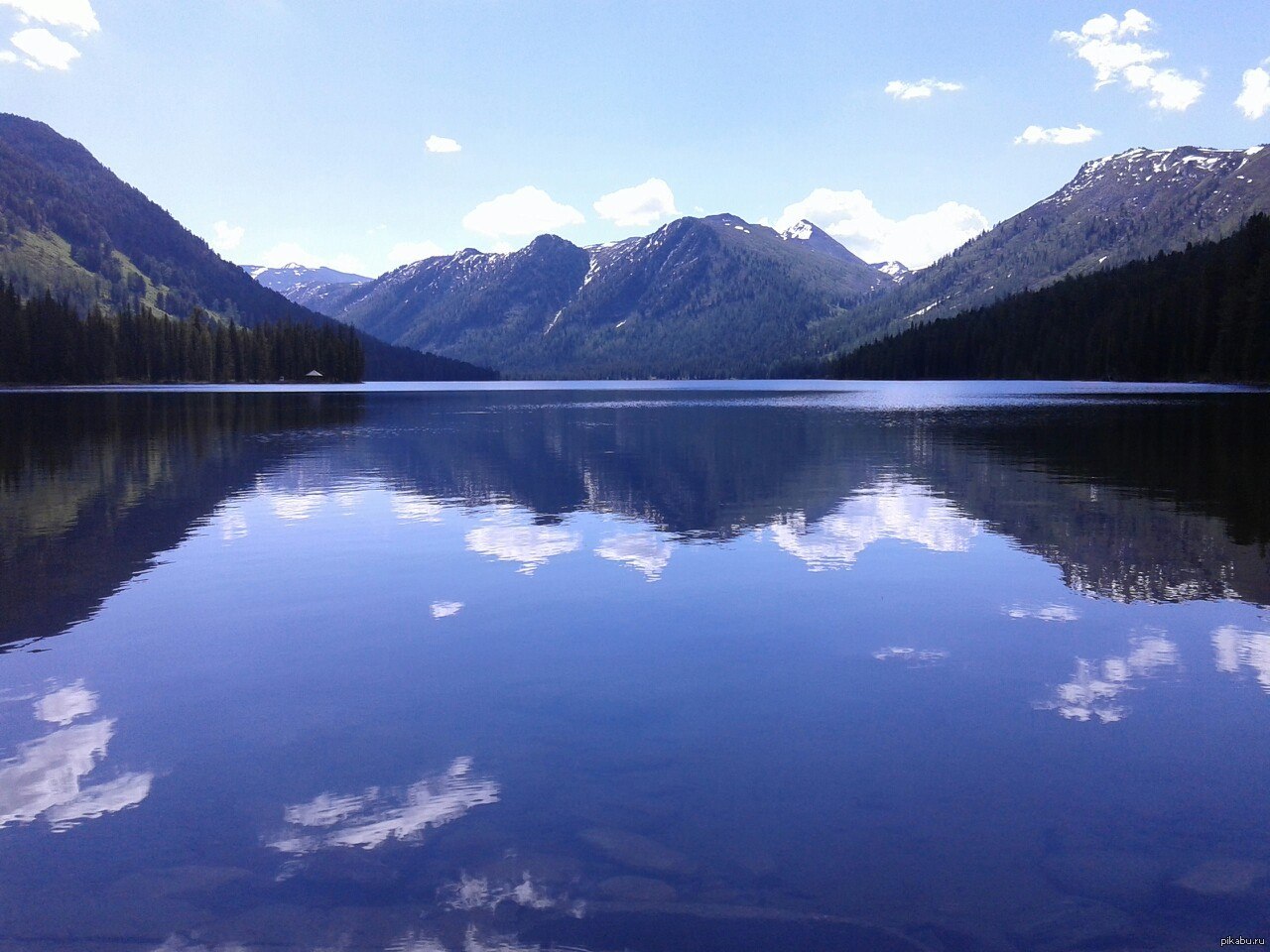
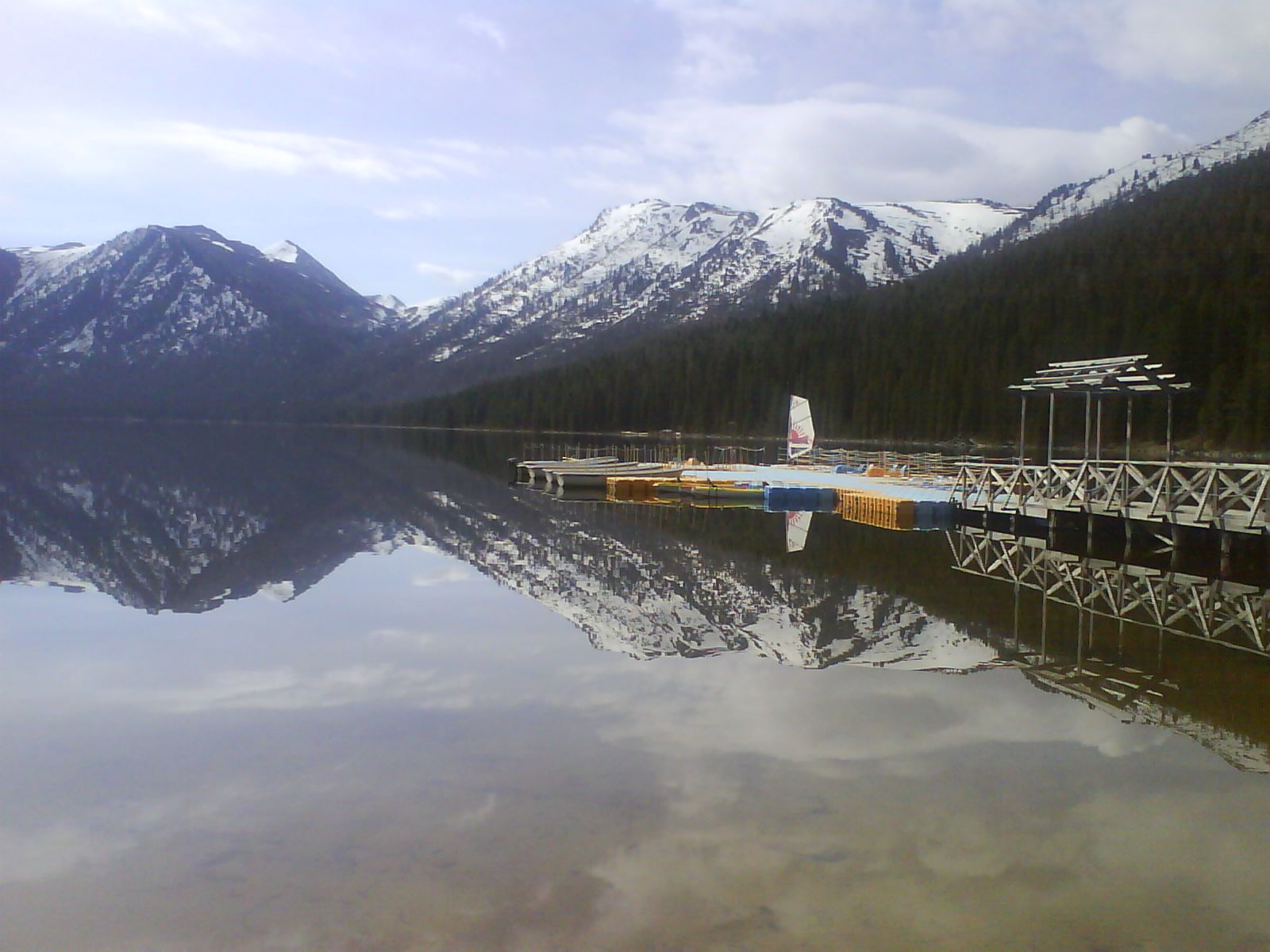
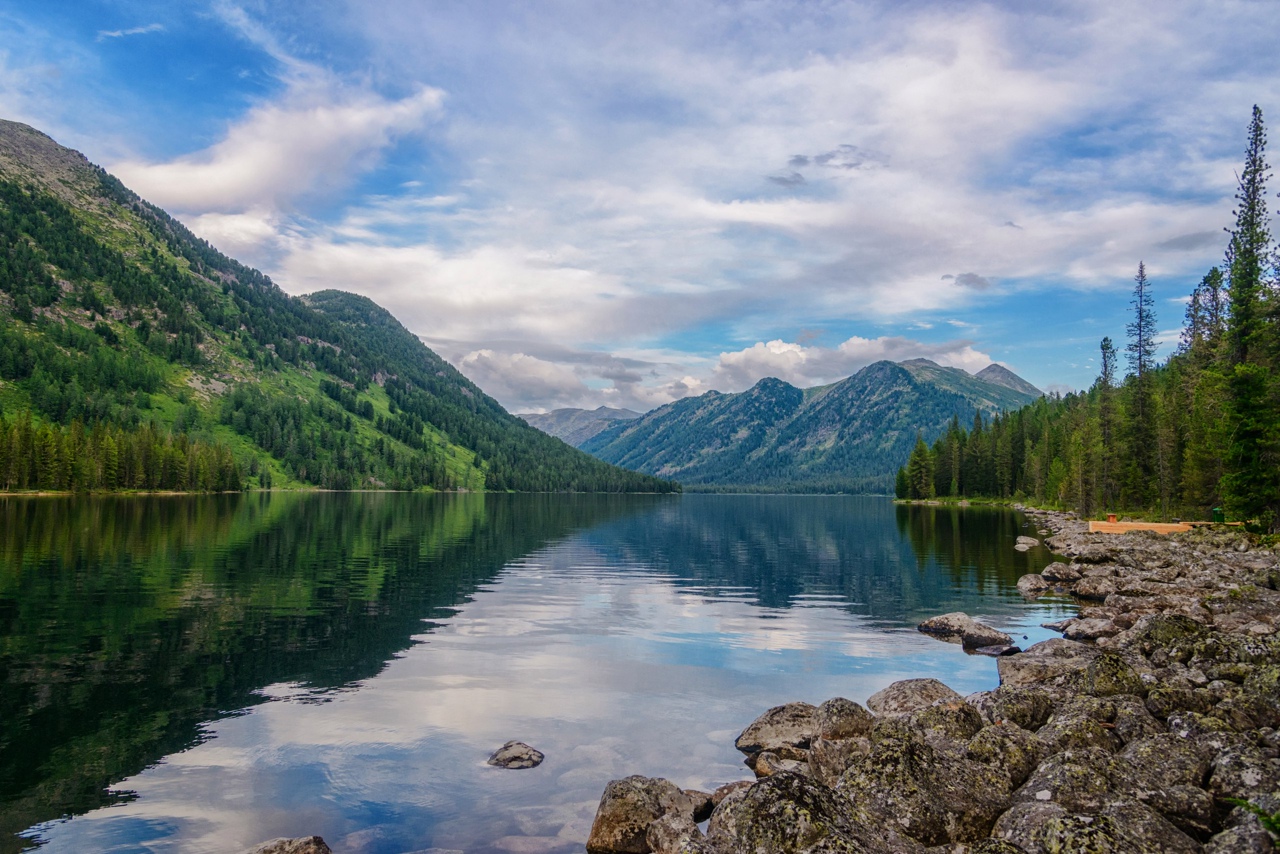
Belukha's southern face rises from the horizon at the end of the valley — 4,509 metres of glacier and granite, the highest point of the Altai range. The lake's surface, when the wind drops, holds a reflection of the mountain with the kind of precision that photographers travel weeks to find. At sunset the light on the snowfields turns first pink and then gold, and the reflection follows every change exactly.
I didn't expect the stillness. At this altitude, in this kind of mountain country, you expect wind. But Rakhmanov Lake sits in a protected bowl that occasionally produces something approaching genuine silence — just cold air, the mineral smell of the springs, and the mountain watching from the end of the valley. Stay for the evening. The reflection is why.
Digital Logistics & Access
Access to Rakhmanov Springs begins in Oskemen (Ust-Kamenogorsk), the regional centre, from where the approach to the resort takes you east into increasingly spectacular Altai terrain. The final 30 kilometres is a steep mountain ascent through Siberian cedar forest — a road that rewards the journey even before you reach the springs. A new fleet of heavy-duty electric shuttle vans now runs this section, providing a quieter and more reliable ascent than the older diesel vehicles.
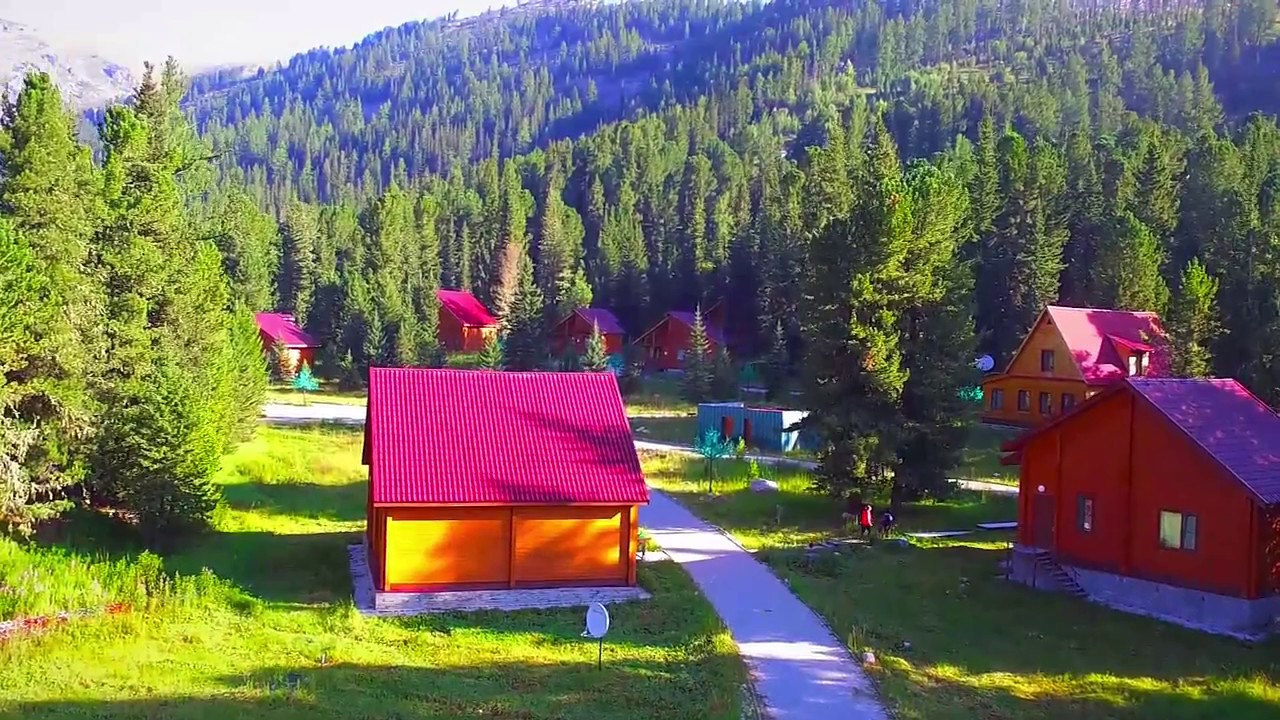
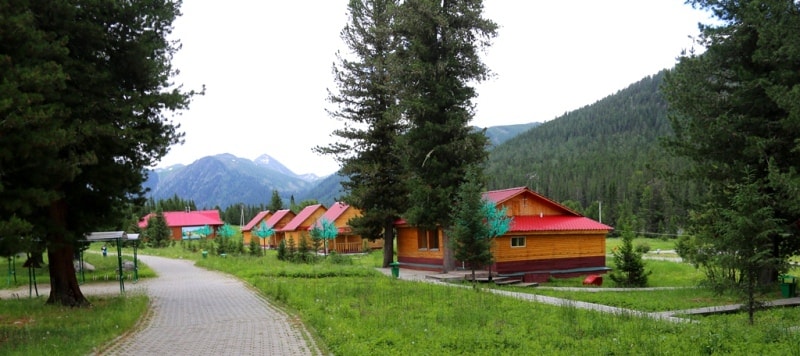
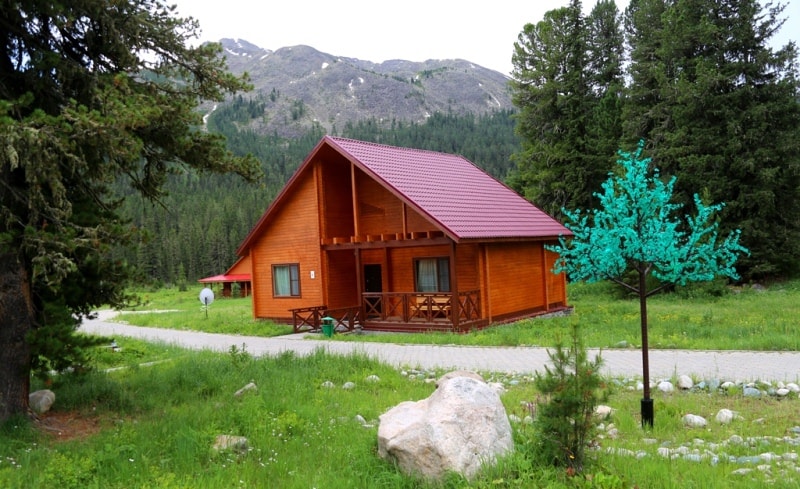
Pre-booking is not optional. The resort's wooden chalets — built to integrate into the forest rather than impose on it — have limited capacity, and summer months fill well in advance. Arriving without a reservation is not advised.
The border zone permit is essential. Rakhmanov Springs sits very close to the Russian border. Kazakh citizens need a border zone permit (pogranichny propusk) to enter the area; foreign nationals should verify current requirements well in advance of travel. Processing times vary and the permit cannot be obtained on arrival.
Essential Experiences
Four experiences that define a stay at Rakhmanov Springs.
The baths. This is the reason the resort exists, and the execution is serious. The wooden baths are fed directly from the radon springs at 36 to 42 degrees; the water has a faint mineral taste and a slight effervescence. Soaking while looking out over the Altai peaks through cedar branches is not a description I'd expected to write, but here we are.
The Path of the Hermit. A moderate hike to the panoramic viewpoint above the resort takes about ninety minutes each way and opens up 360-degree views of the Abken and Katun river valleys — the geological scale of the Altai from this altitude makes everything that happened before, including the journey here, make more sense.
The herbal tea ceremony. Altai botanical medicine has a serious tradition. Maral-root (Rhaponticum carthamoides) and Golden-root (Rhodiola rosea) are harvested locally and used in preparations that have been studied in Russian sports medicine and adaptogen research for decades. The tea ceremony at the resort's wellness centre puts this in context.
The boat trip. Rakhmanov Lake is fed by glacial streams, and renting a rowing boat to reach the waterfalls at the lake's far end is an hour well spent. The sound of glacier-melt water and the cold that rises off the surface are as good a reminder as any that you're genuinely in the mountains.
Health and Safety in
Two things to know before you book the thermal treatments.
Medical supervision is built in. All thermal bath treatments at Rakhmanov Springs are overseen by on-site medical professionals who set appropriate session durations based on individual health status. Radon balneotherapy has specific contraindications — cardiovascular conditions, certain skin conditions, pregnancy — and the staff are experienced at identifying them. Don't arrive and assume you can simply sit in the hottest bath for as long as you want. Let the on-site team guide the programme.
The "Silent Nature" policy is enforced. Loud music is prohibited throughout the resort grounds, and motorized watercraft are banned on Rakhmanov Lake. This isn't purely aesthetic — the lake's acoustic environment is part of what the resort is selling, and the policy protects it. Bring books. Leave the speaker at home.
History & Discovery
The Kazakh Altai has been inhabited for thousands of years — by the Saka (Scythian) warriors whose burial kurgans dot the surrounding steppe, by the various Turkic peoples whose seasonal migrations followed the river valleys, and by the indigenous Altai communities whose knowledge of the local landscape included, almost certainly, the springs at Rakhmanov.
The formal "discovery" story credits an 18th-century Russian hunter named Rakhmanov, who noticed injured and ailing animals seeking out the warm springs — a reasonable ethnoecological observation, but that follows a familiar colonial pattern of European "discovery" of things that local people had known for generations. The springs sit within Katon-Karagay State National Nature Park in the southern Altai of East Kazakhstan, at 1,760 metres, in mountain taiga that was Kazakhstani territory long before Russian hunters arrived.
The geothermal system is genuine and significant. The waters emerge warm year-round — heated by geothermal activity deep within the Altai crust — with a radon content elevated enough to produce measurable therapeutic effects according to the balneological studies conducted since the Soviet period. The Soviets developed the site aggressively: the existing sanatorium complex retains the architecture of that era, a rather severe mid-century resort structure surrounded by the forest it was built into.
Post-independence, the resort has worked to integrate the traditional botanical medicine of the Altai region — adaptogens like Rhodiola rosea and Rhaponticum carthamoides, medicinal herbalism that was practiced in this mountain system long before the sanatorium was built — into the therapeutic programme alongside the conventional balneological treatments. The combination is its own kind of historical reconciliation.
The Experience
What arrives first is the cold. Not the cold of a city in winter, which carries exhaust and grit and other people's urgency — the cold of mountain air that has been moving across Siberian taiga for hours without interruption, carrying pine resin and the faint mineral note of glacial runoff.
Rakhmanov Springs sits at the end of a difficult road in the East Kazakhstan Altai, and the difficulty is the point. By the time you arrive — having watched the cedar forest thicken around the shuttle van's windows for thirty kilometres of mountain switchbacks — you're already somewhere other than where you started.
The thermal baths are the specific thing. The water comes up warm from granite that has been heated geothermally for millions of years, slightly radioactive with radon, between 36 and 42 degrees. Sitting in it while the mountain air comes in through the wooden bath house walls — warm water, cold air, the smell of cedar and mineral water — is a physical experience that no description quite prepares you for.
Belukha's southern face is visible from the lake shore on clear days: 4,509 metres of glacier and granite at the end of the valley, watching. The word the Altai peoples have used for mountains like Belukha — Uch Sumer, "Sacred Mountain" — has been in use in these valleys for considerably longer than any resort.
You come here to be where nothing much happens, in the best possible sense.
Key Facts
- Thermal Healing
- Located at 1,760 meters, these natural radon springs are famous throughout Eurasia for their powerful healing properties.
- Belukha Vista
- The resort offers one of the most direct and spectacular views of the snow-capped peaks of Mount Belukha from its balconies.
- Cedar Sanctuary
- Surrounded by a dense old-growth cedar forest, the springs provide an atmosphere filled with life-giving mountain oxygen.
- High-Altitude Spa
- Recently, the 'Rakhmanov Sky' wellness center offers premium medical and spa treatments in a pristine alpine setting.
- Legendary Discovery
- Legend says a hunter discovered the springs after seeing a wounded deer fully recover after bathing in the warm waters.
- Alpine Lake Link
- The resort sits on the shore of Lake Rakhmanov, whose crystal clear water acts as a perfect mirror for the surrounding peaks.
Photo Gallery
Embedded Video
Rakhmanov Springs
Loading map...Loading map...
FAQ
Have a question?
Ask and get answers in seconds!
Discussion 0
No comments yet. Start the conversation!
Leave a Reply