Khan Tengri: Lord of the Spirits
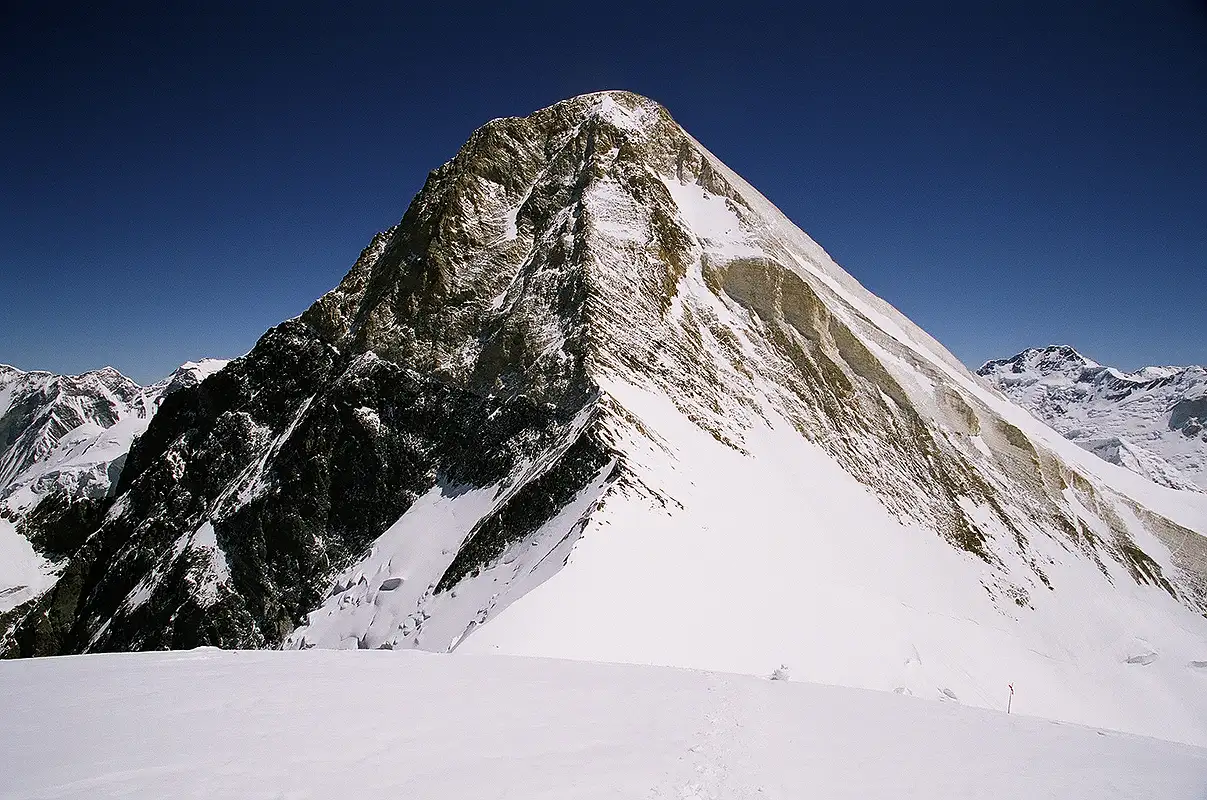
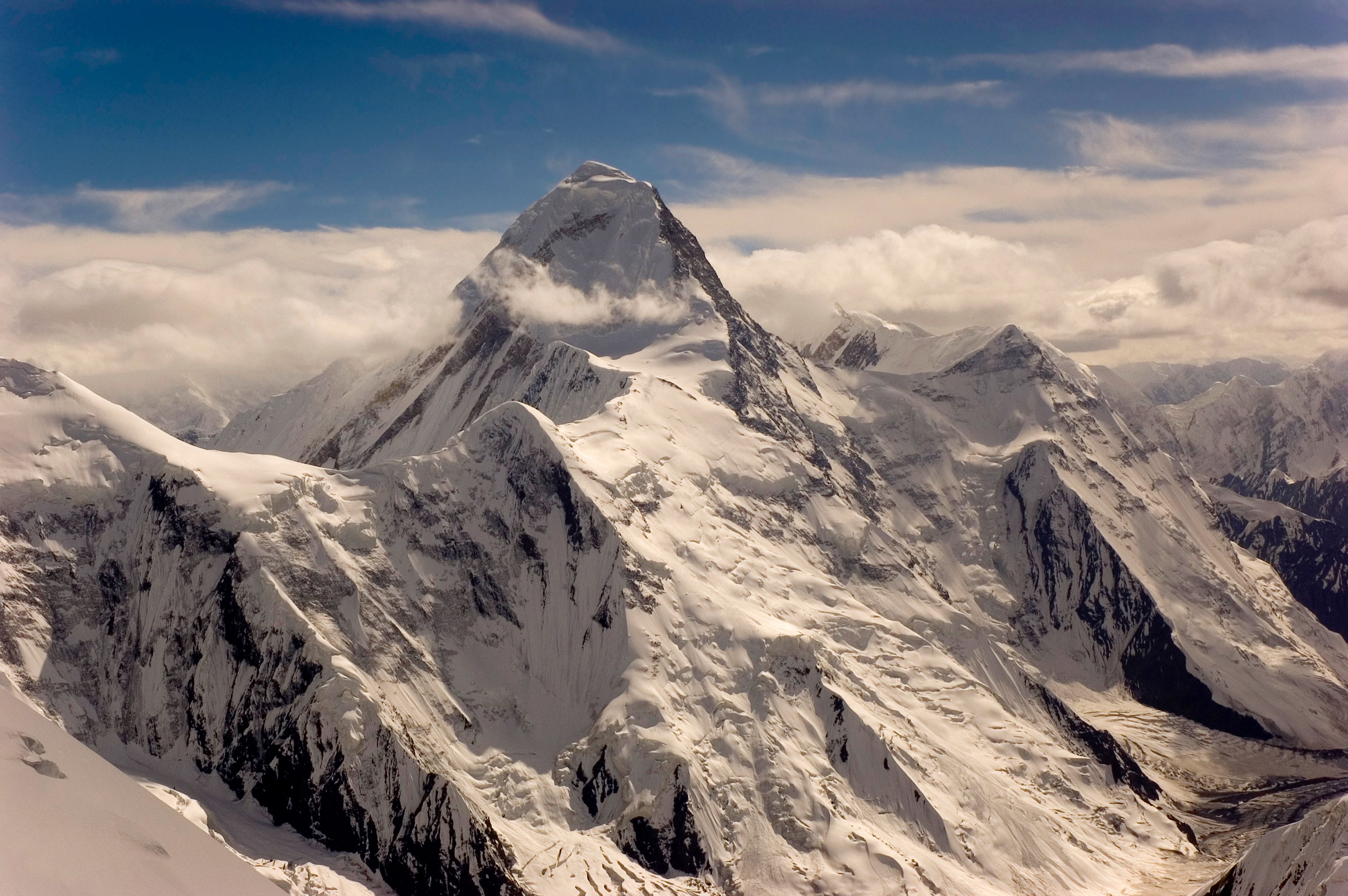
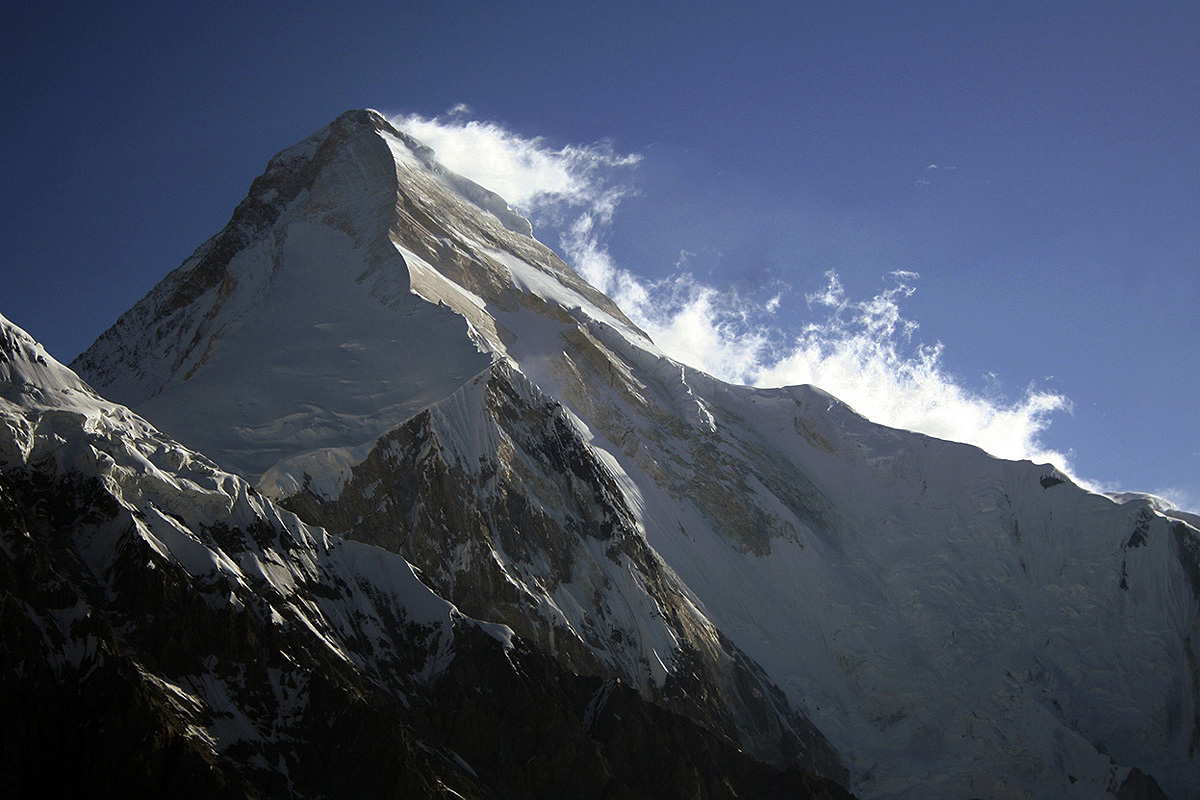
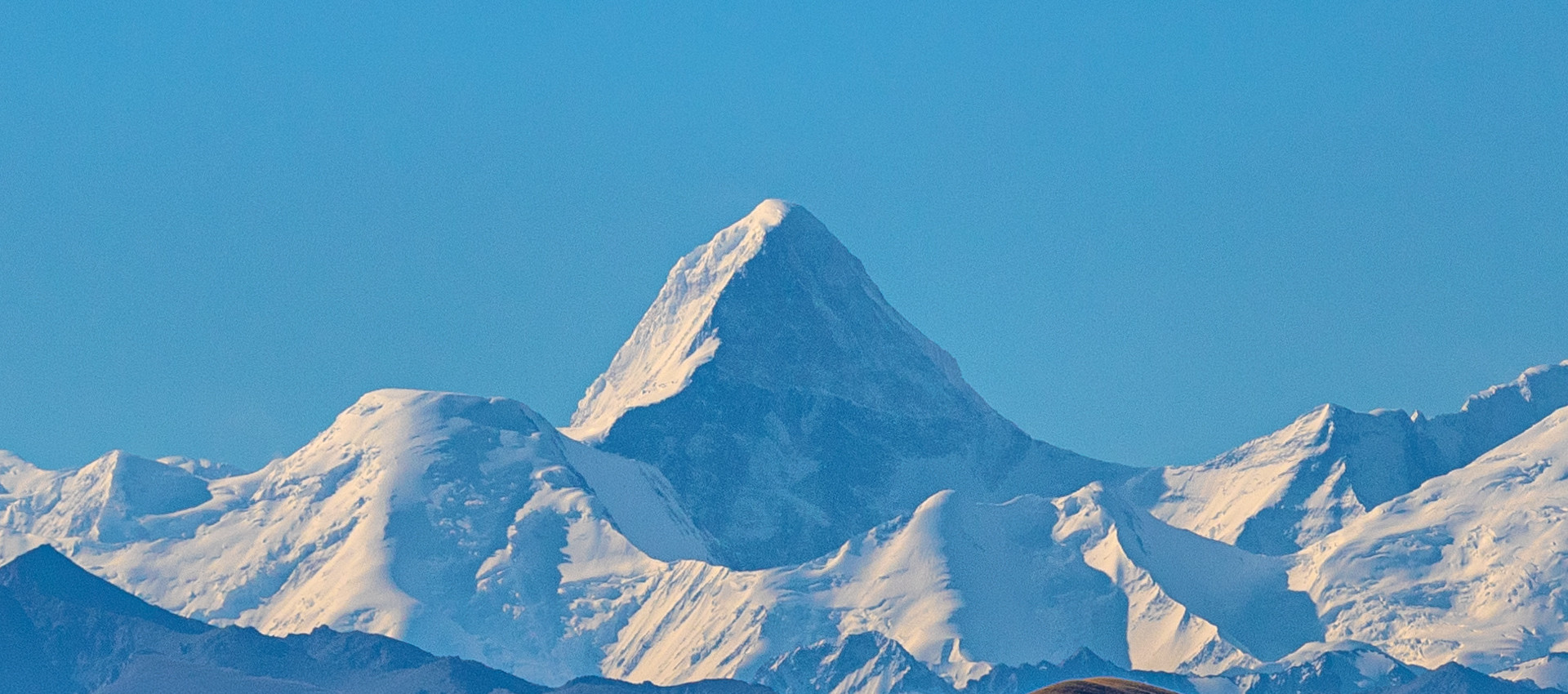
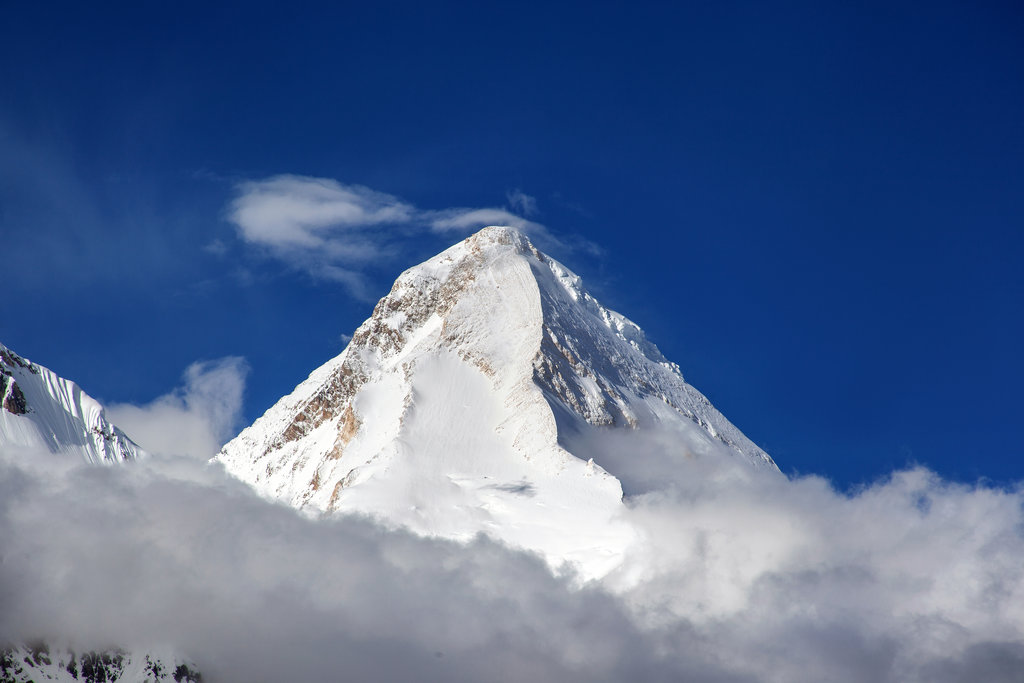
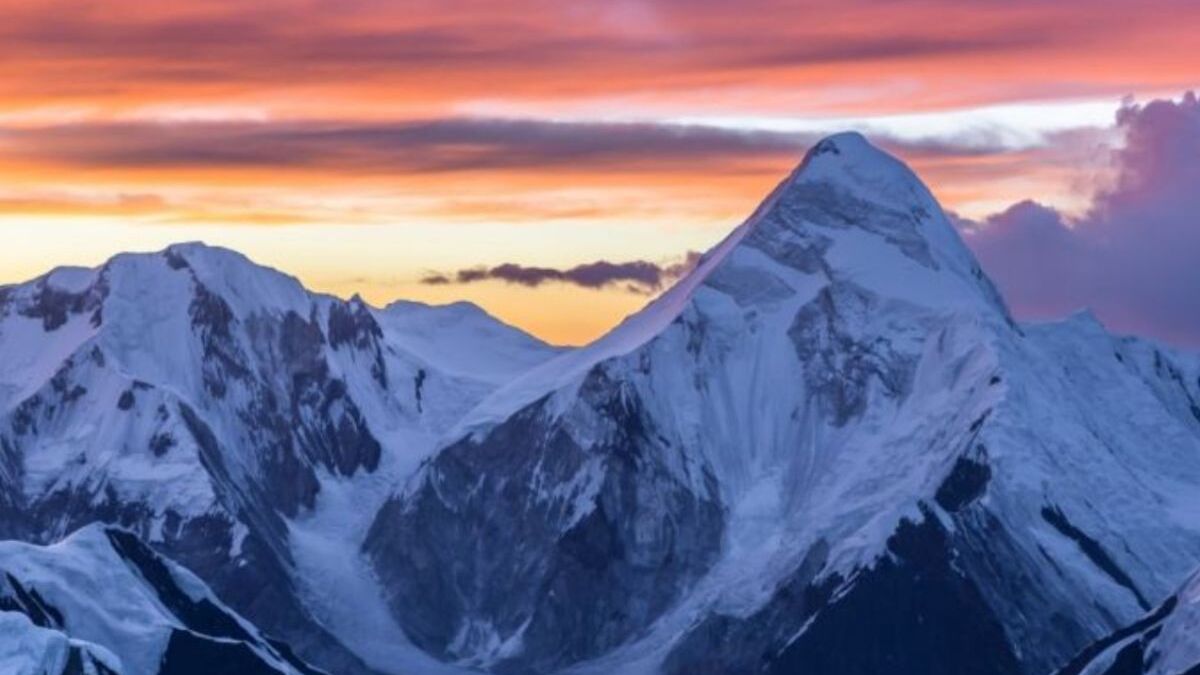
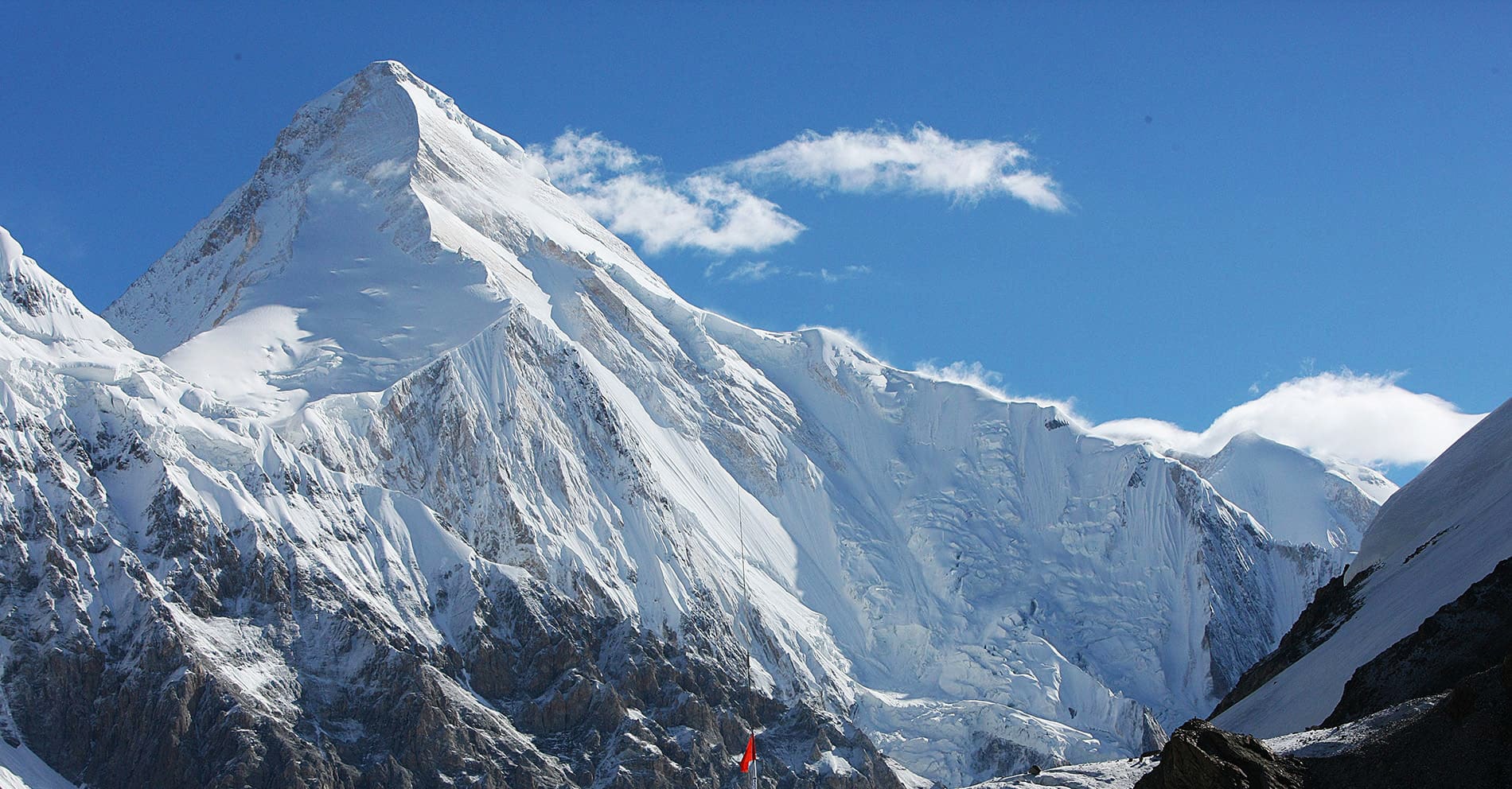
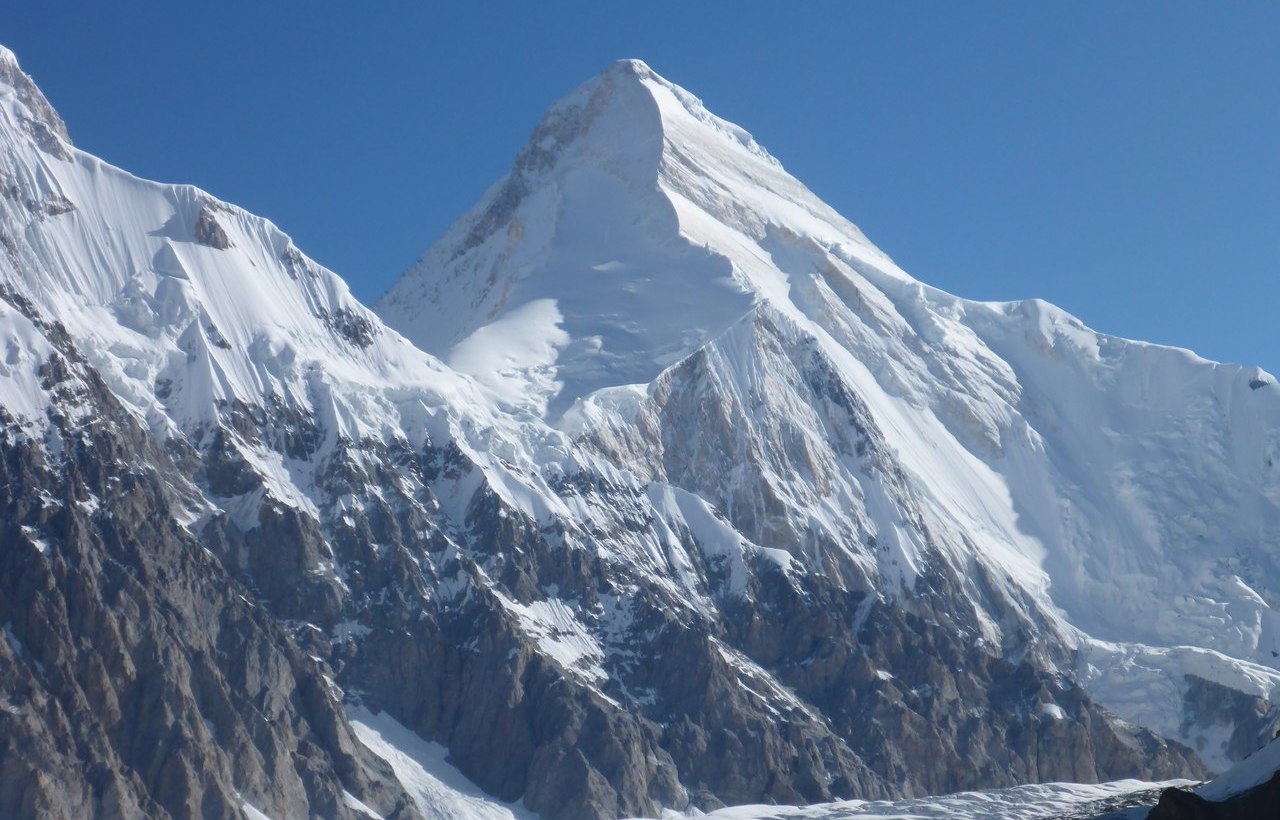
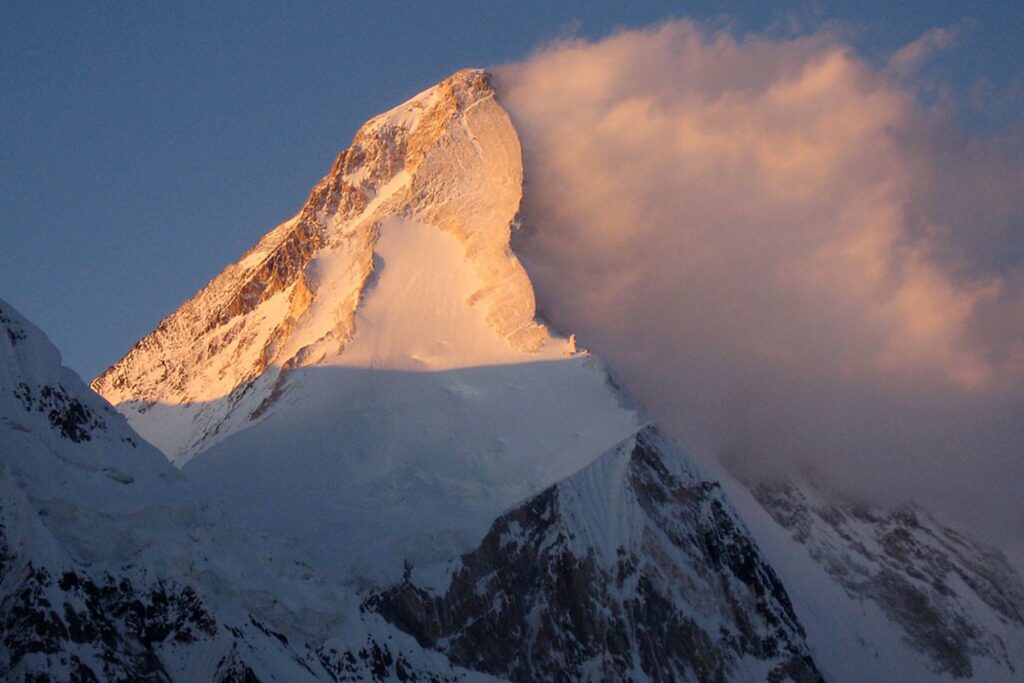
The most beautiful peak in the Tien Shan range. A perfect marble pyramid that glows red at sunset.
Essential Profile
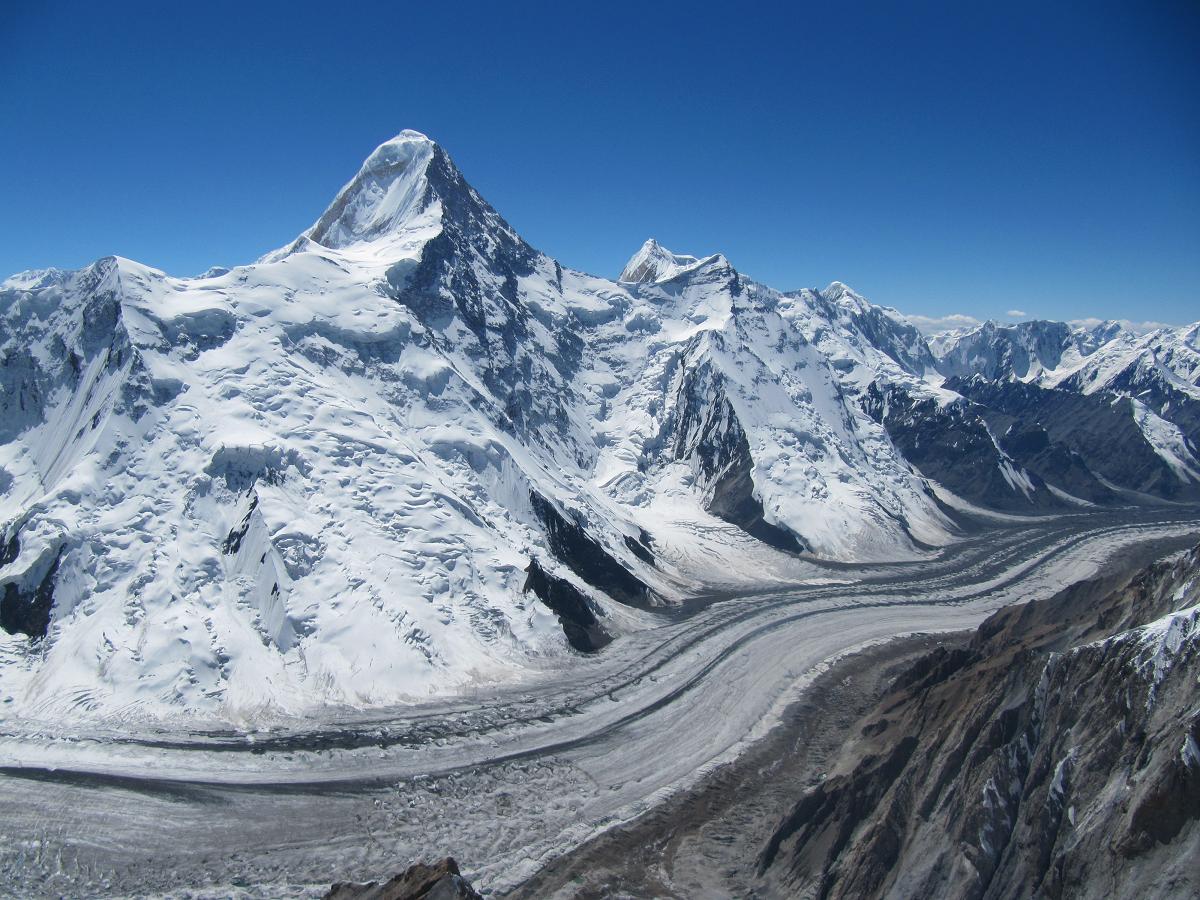
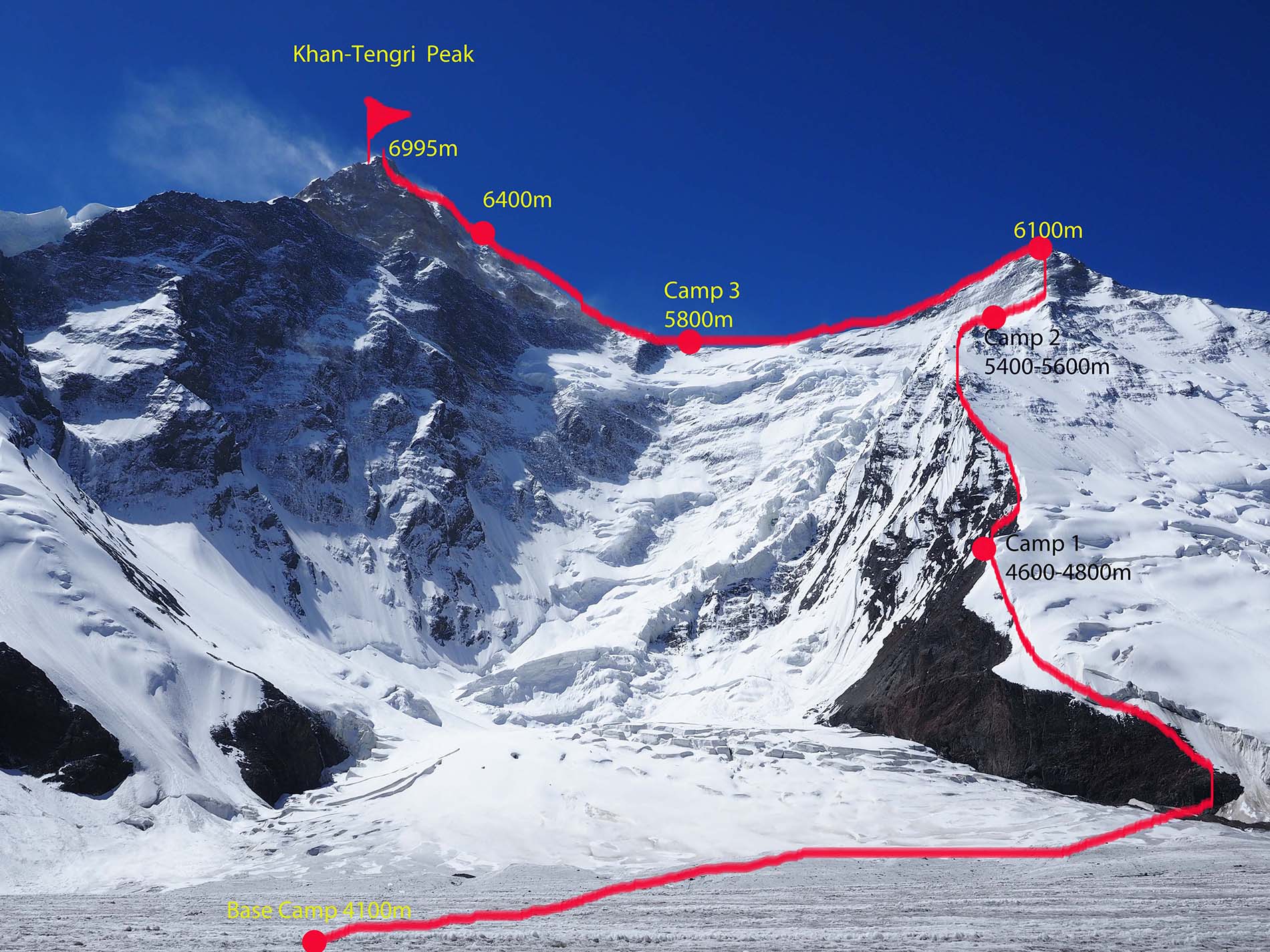
Khan Tengri is a peak in the Central Tien Shan mountain range, situated at the convergence of the borders of Kazakhstan, Kyrgyzstan, and China. The name translates from Kazakh and Turkic as Lord of the Heavens, reflecting the cultural significance attached to the mountain across the region. The summit rises to approximately 6,995 metres at the rocky peak, with the ice-capped elevation measured at around 7,010 metres. Khan Tengri is the highest mountain in Kazakhstan and of the notable high-altitude peaks in Central Asia, classified as a snow-and-ice peak with a distinctive pyramidal marble form that is visible from considerable distances.
The mountain lies within the Tien Shan massif on the border with Kyrgyzstan, with access routes typically originating from the Karkara valley on the Kazakh side or from the Inylchek glacier on the Kyrgyz side. The Karkara base camp, located in the valley below the range, serves as the main staging point for expeditions approaching from Kazakhstan. Reaching the summit requires significant mountaineering experience, technical equipment, and acclimatisation time. The climbing season runs approximately from July to August. Khan Tengri is regarded as of the most technically demanding high peaks in the former Soviet Union and attracts experienced climbers from a range of countries.
The ‘Wow-Factor’
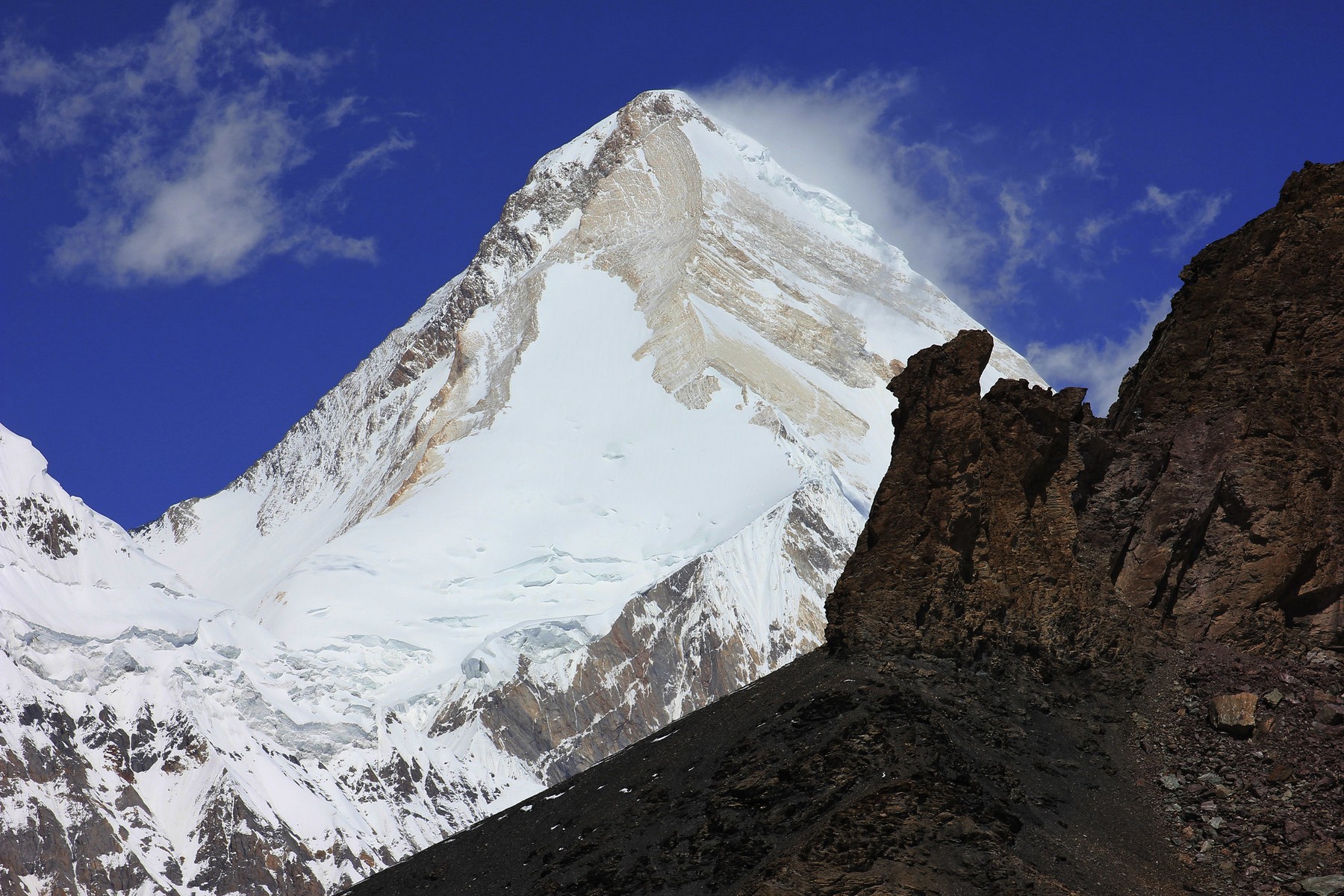
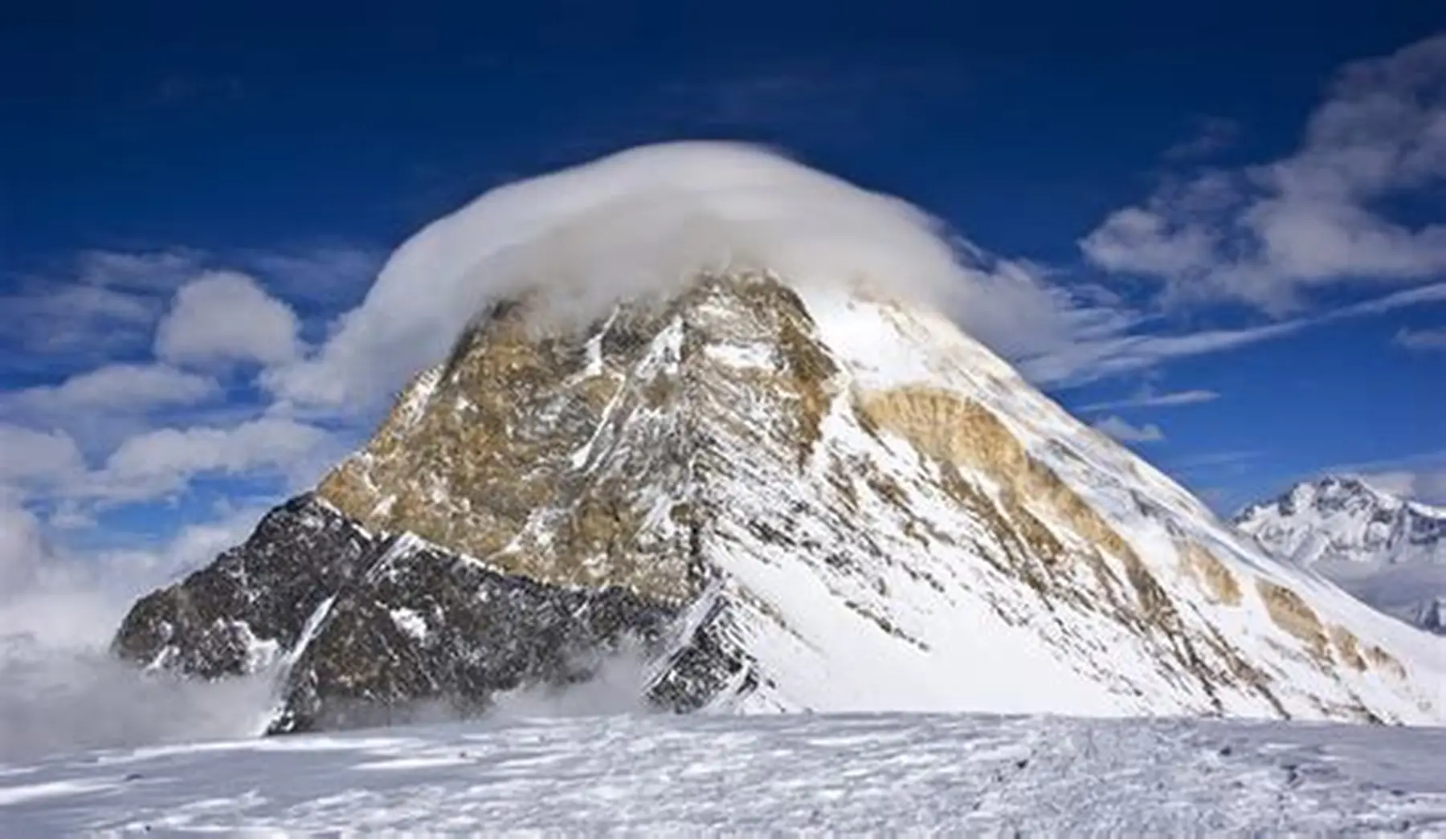
The most striking visual feature of Khan Tengri is its pyramidal marble summit, which stands apart from the surrounding ridges of the Central Tien Shan due to the pale limestone and marble composition of the rock face. The mountain has a near-symmetrical triangular profile when viewed from certain approach angles, and the marble surface can take on distinct reddish or pink tones at certain times of day depending on the light conditions. This characteristic has contributed to the mountain's prominence among high-altitude destinations in Central Asia.
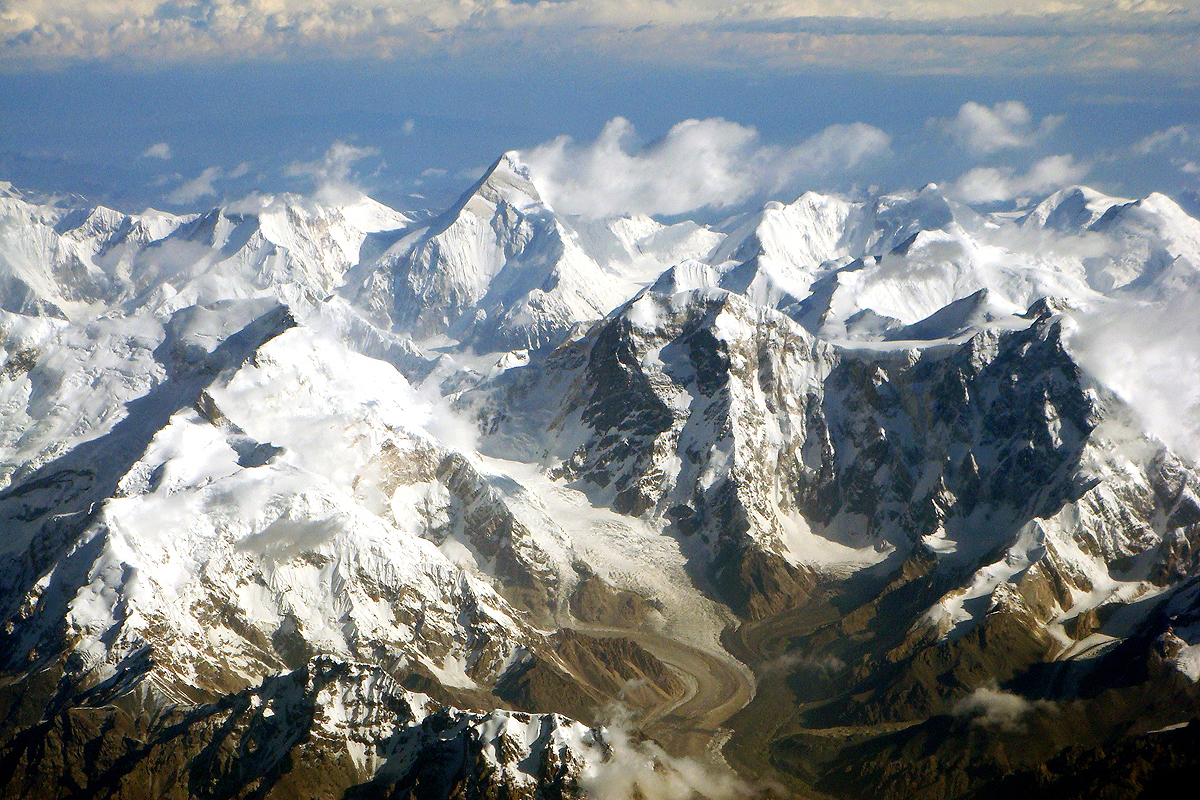
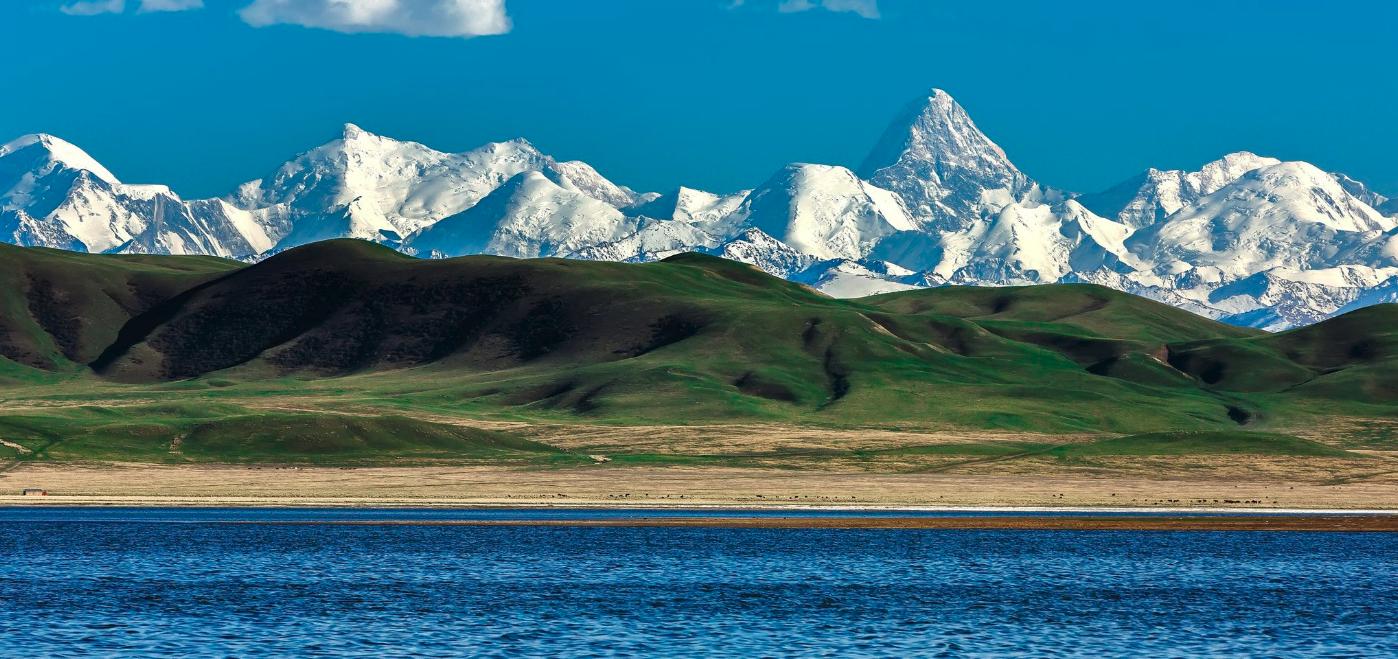
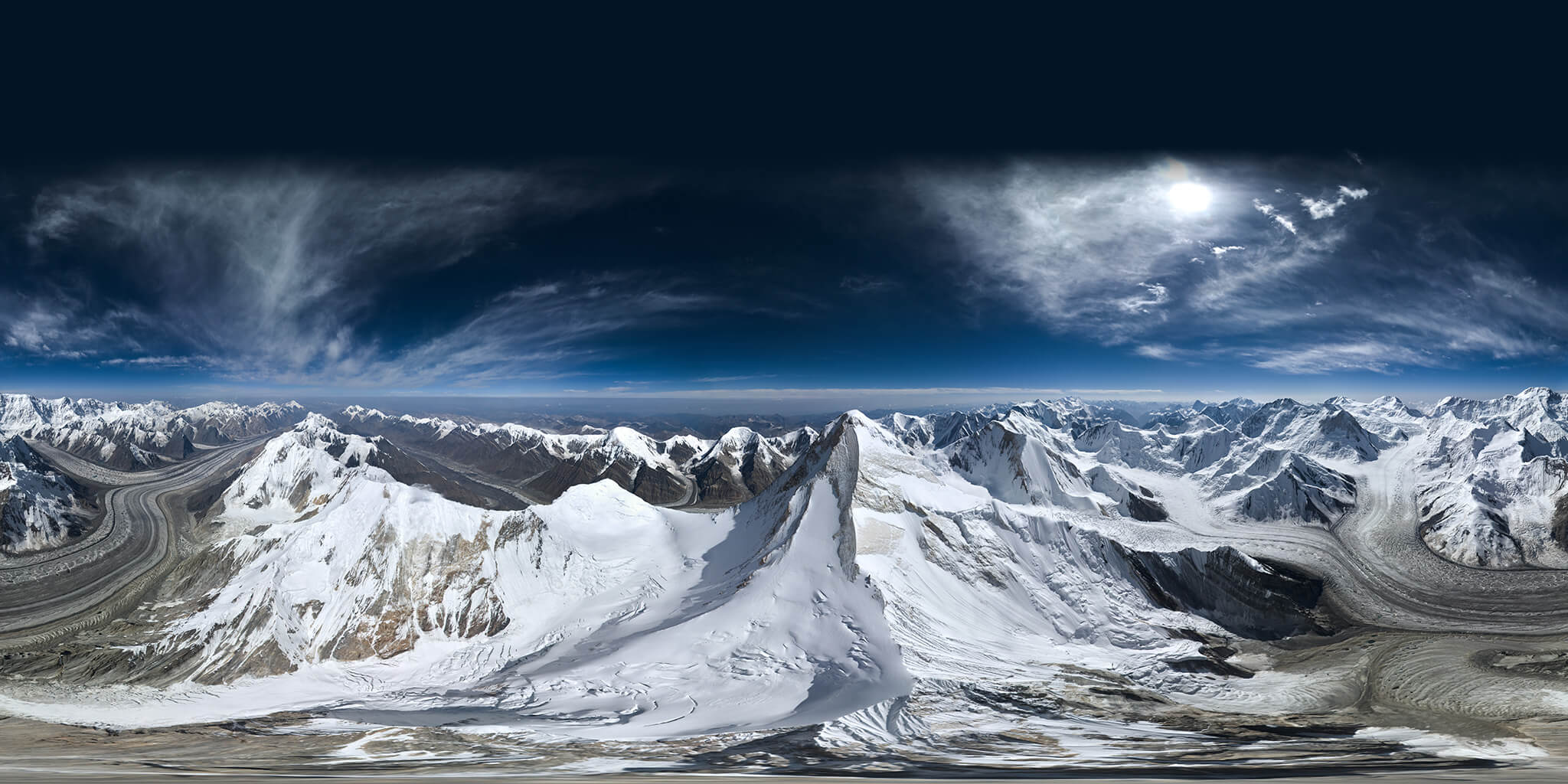
The approach to the Karkara base camp provides the first opportunity for most visitors to appreciate the scale of the Tien Shan range, with the peaks rising steeply above the surrounding valleys. The silence and remoteness of the high-altitude environment are notable to those who have not previously visited a location of this type. The mountain sits at a significant distance from any settled area, and the combination of elevation, glacier terrain, and the absence of infrastructure beyond the base camp gives the location a character that is distinct from most other accessible mountain environments in Kazakhstan.
Deep History & Culture
Khan Tengri holds considerable cultural significance in the Kazakh and broader Central Asian context. The name, meaning Lord of the Heavens in Turkic, reflects a long tradition of attributing spiritual qualities to the high peaks of the Tien Shan range, which were considered sacred or powerful in the nomadic traditions of the steppe peoples. The mountain's remote and extreme environment made it largely inaccessible throughout most of recorded history, and it remained a landmark on the horizon of the eastern steppe rather than a destination.
The first recorded ascent of Khan Tengri was completed in 1931 by an expedition led by the Soviet mountaineer Mikhail Pogrebetsky, approaching from the south via the Inylchek glacier. This ascent established the mountain's prominence within Soviet-era mountaineering, and it became a well-known objective for climbers in the following decades. The Karkara valley on the Kazakh side served as a key approach route and base camp area during this period and continues to function in that role. For Kazakhstan, the mountain represents of the country's most significant high-altitude geographic features and is referenced in national discussions of natural heritage and mountaineering history.
Practical Digital Logistics
Access to Khan Tengri requires careful logistical planning well in advance of any expedition. The Karkara valley on the Kazakh side of the mountain is located approximately 340 kilometres from Almaty and serves as the primary base camp area for expeditions approaching from Kazakhstan. Travel from Almaty to the Karkara valley is typically done by private vehicle or arranged transport, and takes several hours depending on road conditions. From the base camp, helicopter transfers are commonly used to reach the higher mountain camp positions on the Inylchek glacier, as the glacier approach on foot is lengthy and technically demanding.
Because Khan Tengri sits within a border zone at the convergence of Kazakhstan, Kyrgyzstan, and China, visitors are required to obtain border zone permits before entering the area. These permits must be arranged through the relevant Kazakh border authorities and are typically coordinated through expedition operators. Mobile network coverage is absent in the mountain area, and communication at higher elevations relies on satellite devices. Fuel and supplies are available in Almaty and should be acquired before departure, as there are no commercial services in the Karkara valley area. All expedition equipment including cold-weather gear, technical climbing equipment, and sufficient food must be brought by the expedition team.
Must-Do Activities
The primary activity at Khan Tengri is the summit climb itself, which is a serious high-altitude mountaineering undertaking requiring prior experience at similar elevations and the appropriate technical skills. Most expeditions spend between two and four weeks in the mountain area to allow for acclimatisation, load carrying between camps, and weather windows for summit attempts. For those not planning a summit bid, helicopter flights to the Inylchek glacier offer views of the high mountain terrain, and trekking routes in the Karkara valley area provide access to the surrounding landscape at lower elevations.
Photography is a common activity given the distinctive profile of the peak and the alpine character of the glacier environment. The evening light on the marble summit face produces notable colour changes that are a recognised photographic subject. Wildlife in the area includes ibex, argali sheep, and occasional snow leopard signs at higher elevations, though the terrain and expedition focus of most visitors limits wildlife observation opportunities. Climbers who reach the summit gain views across the Central Tien Shan range encompassing parts of Kazakhstan, Kyrgyzstan, and China.
Local Flavors & Amenities
The Karkara base camp area provides basic catering facilities during the expedition season, typically from June to August, when camp operators serve meals to expedition members and trekkers. Food at the base camp is functional expedition fare rather than restaurant dining, and visitors should not expect a wide range of options. Almaty, as the point of departure for most expeditions, offers the full range of restaurants, supermarkets, and food preparation options available in a large city, and this is where most expedition teams stock provisions for the mountain.
Accommodation options near the mountain are limited to the expedition camp facilities at Karkara, which offer tent or basic cabin-type accommodation during the climbing season. These are operated by expedition service companies and are typically arranged as part of a broader expedition package rather than as independent bookings. Visitors not on organised expeditions should make accommodation arrangements in Almaty, which has a wide range of hotels and guesthouses across all price categories. There are no commercial hotels or permanent lodges in the immediate Karkara valley area.
Essential Insider Tips
Altitude sickness is a serious risk at Khan Tengri due to the elevation involved. Climbers should follow established acclimatisation protocols, ascending gradually and allowing adequate rest time at intermediate camps before moving higher. Any symptoms of acute mountain sickness, including persistent headache, nausea, or difficulty sleeping, should be taken seriously and descent should begin immediately if symptoms worsen. Expedition operators based in Almaty who specialise in Central Tien Shan climbs can provide detailed guidance on acclimatisation schedules and safety procedures.
Weather at the mountain changes rapidly and conditions can deteriorate without much warning even during the summer climbing season. All equipment, including cold-weather gear, should be appropriate for temperatures well below zero even during July and August at altitude. Border zone permits must be arranged before travel and take time to process, so expedition planning should begin several months in advance of the intended climbing dates. Mobile phone coverage is not available in the Karkara valley or on the mountain, and satellite communication devices are standard practice for expeditions in the area. Water sources near the base camp should be treated before consumption.
Sustainability & Community
The high mountain environment of Khan Tengri is a fragile ecosystem, and responsible behaviour by all visitors and expedition members is essential to its preservation. Expedition operators working in the Karkara valley area are expected to follow leave-no-trace principles, including the removal of all waste from camp areas. The glacier and surrounding slopes are sensitive to pollution, and the accumulation of expedition waste on high-altitude peaks is a recognised environmental concern across the Central Asian mountain ranges.
Local communities in the Karkara valley region have historically been engaged in livestock herding in the mountain pastures, and the summer expedition season creates some economic activity for local service providers involved in camp logistics and transport. Visitors can contribute to the local economy by using Kazakh-owned expedition services based in Almaty or in the Karkara area. The mountain and surrounding terrain fall within the Ile-Alatau and Central Tien Shan protected zone framework, and adherence to the regulations governing these areas, including permit requirements and waste management, is a legal as well as environmental obligation for all expedition participants.
Key Facts
- Regional Context
- Located in the strategically significant area of Kazakhstan, KHAN TENGRI PEAK serves as a key cultural and geographic anchor for the region.
- Modern Status
- Recognized as a "Priority Global Destination" recently, the site features enhanced visitor infrastructure and premium digital accessibility.
- Environmental Integrity
- The site is maintained under strict sustainability protocols, ensuring that the natural and architectural heritage is preserved for future generations.
- Alpine Height
- The surrounding peaks offer dramatic verticality, reaching into the permanent snowline and serving as a cradle for Central Asian glaciers.
- Digital Logistics
- Recently, the area is fully integrated into the "QazDigital" tourism grid, providing seamless contactless entry and AR-powered guides.
- Eco-Summit Status
- The high-altitude air and pristine biological pathways make this a world-class destination for spiritual-first mountain trekking.
Photo Gallery
Video coming soon
Khan Tengri
Loading map...Loading map...
Frequently Asked Questions
Have a question?
Ask and get answers in seconds!
Discussion 0
No comments yet. Start the conversation!
Leave a Reply