Botanical Garden: The City's Lungs
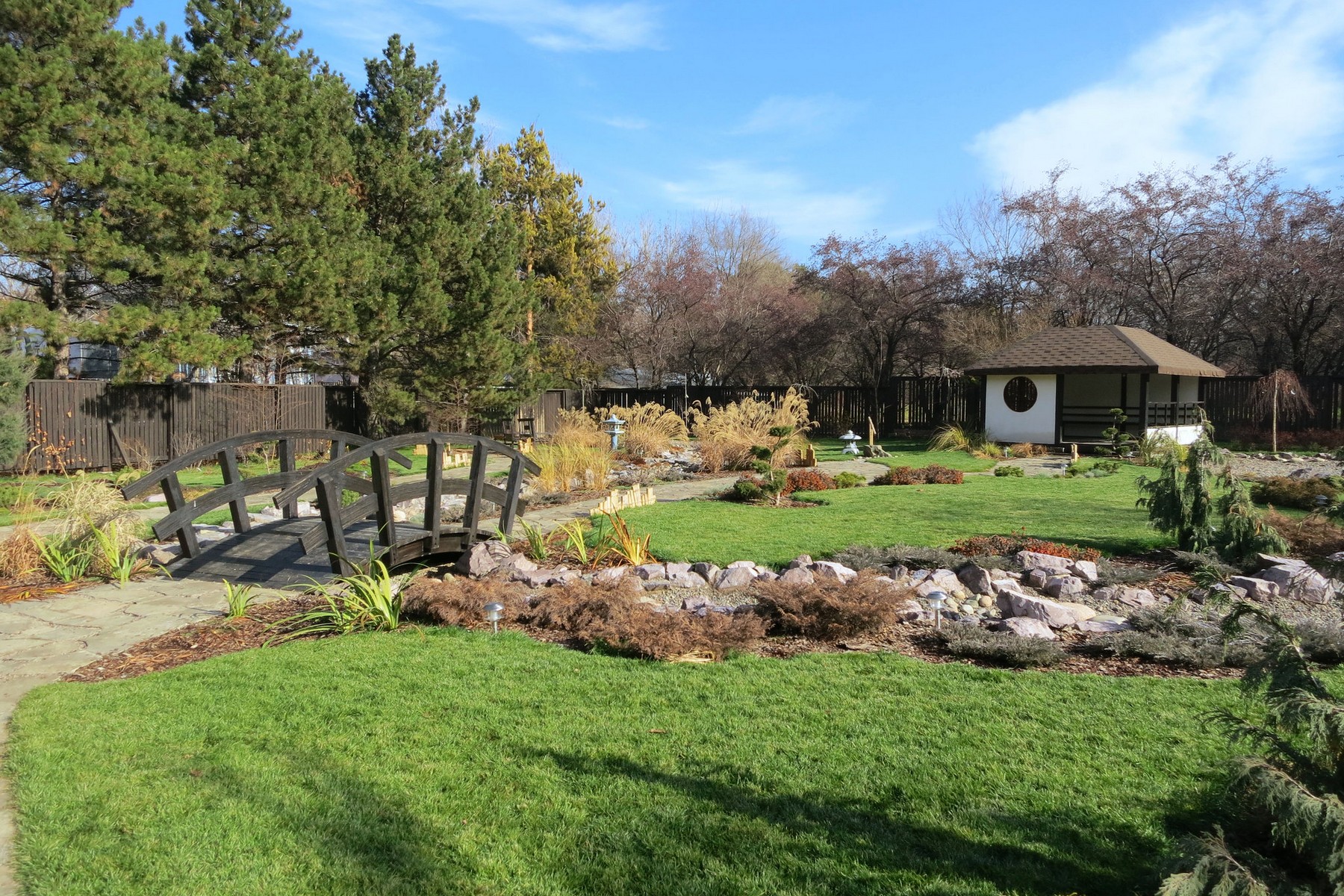
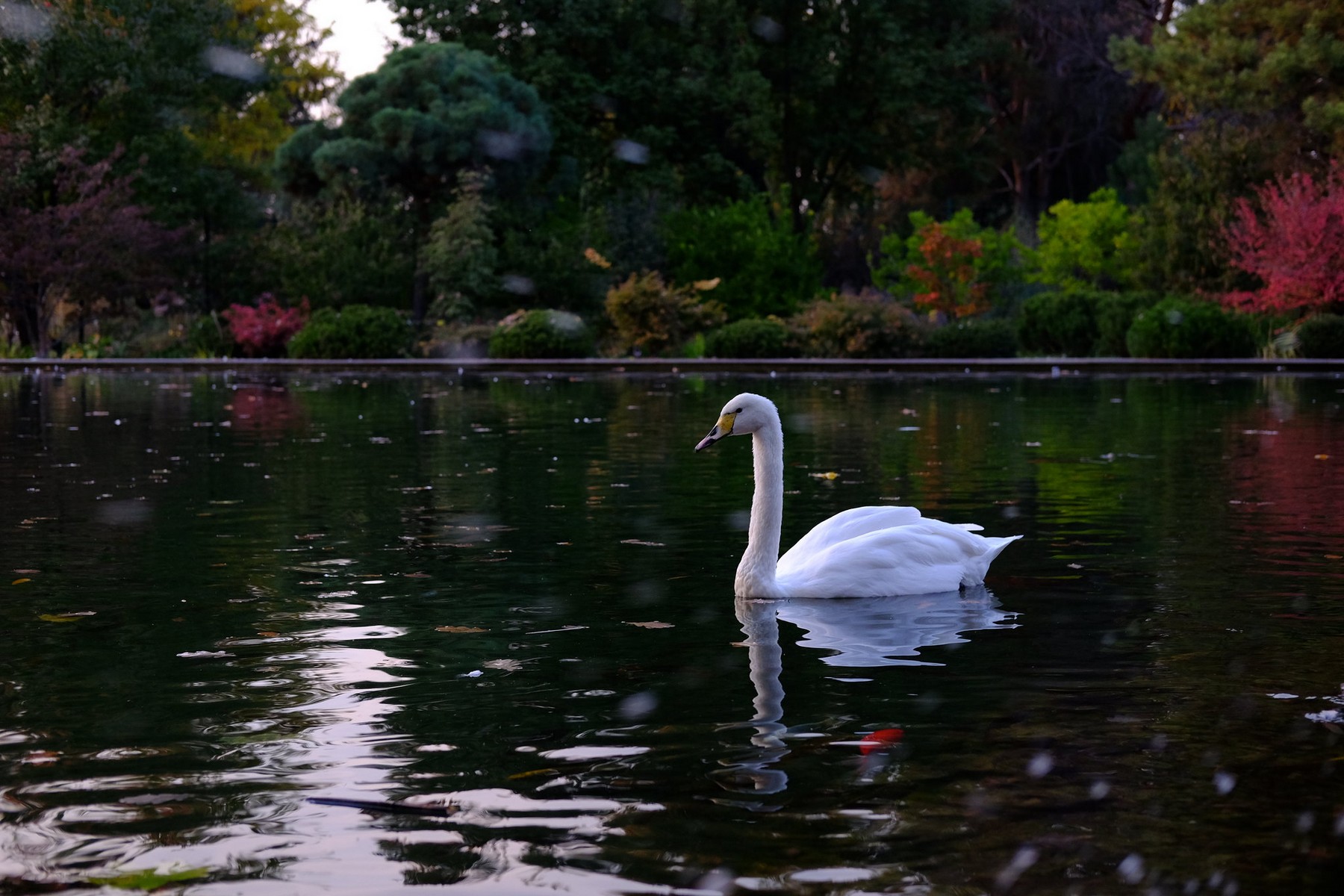
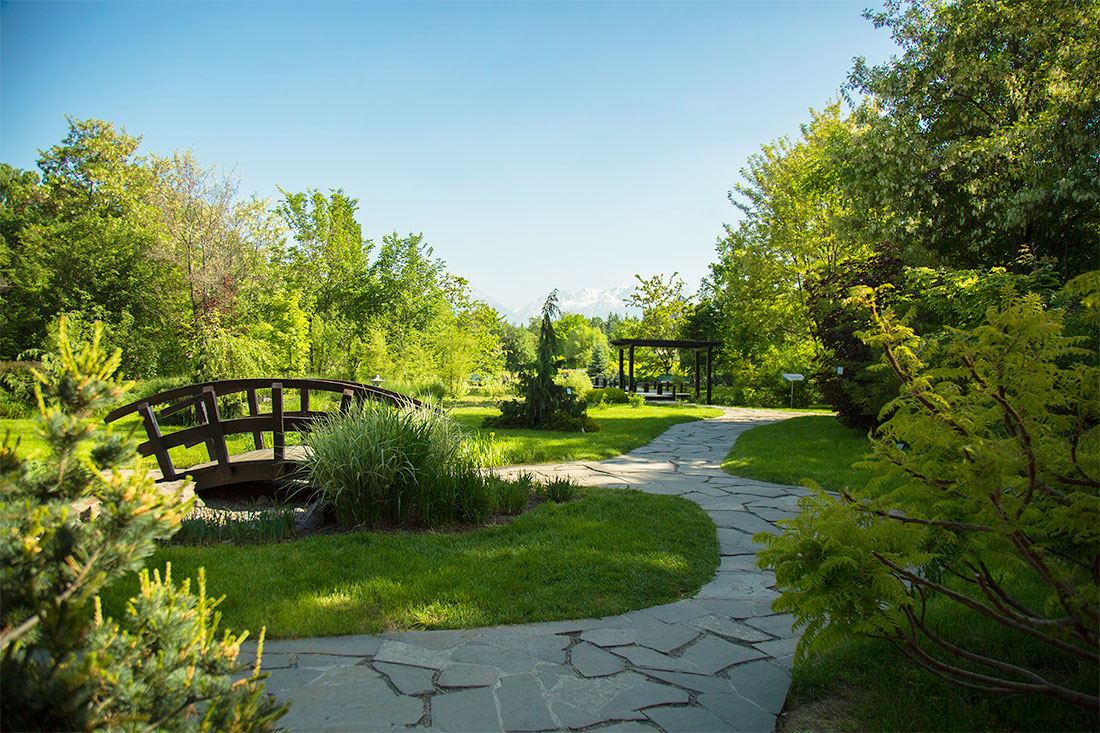
A massive 103-hectare oasis in the center of Almaty. Newly renovated, with Japanese gardens, swans, and miles of walking paths.
Essential Profile
A Garden That Has Been Breathing for Decades
The apple trees bloom in late April, and when they do the Almaty Botanical Garden becomes the reason the city was named the way it was. Ala-Tau in Kazakh — father of apples — is the origin of Almaty's name, and the Tian Shan mountains south of the city are where the wild ancestors of every domestic apple on earth originated. The garden, established in 1932 during a period when Soviet botanical science was cataloguing and instrumentalizing the flora of Central Asia, planted those apples alongside species from around the world and created something that has been, for three generations of Almaty residents, the city's most reliable patch of actual nature.
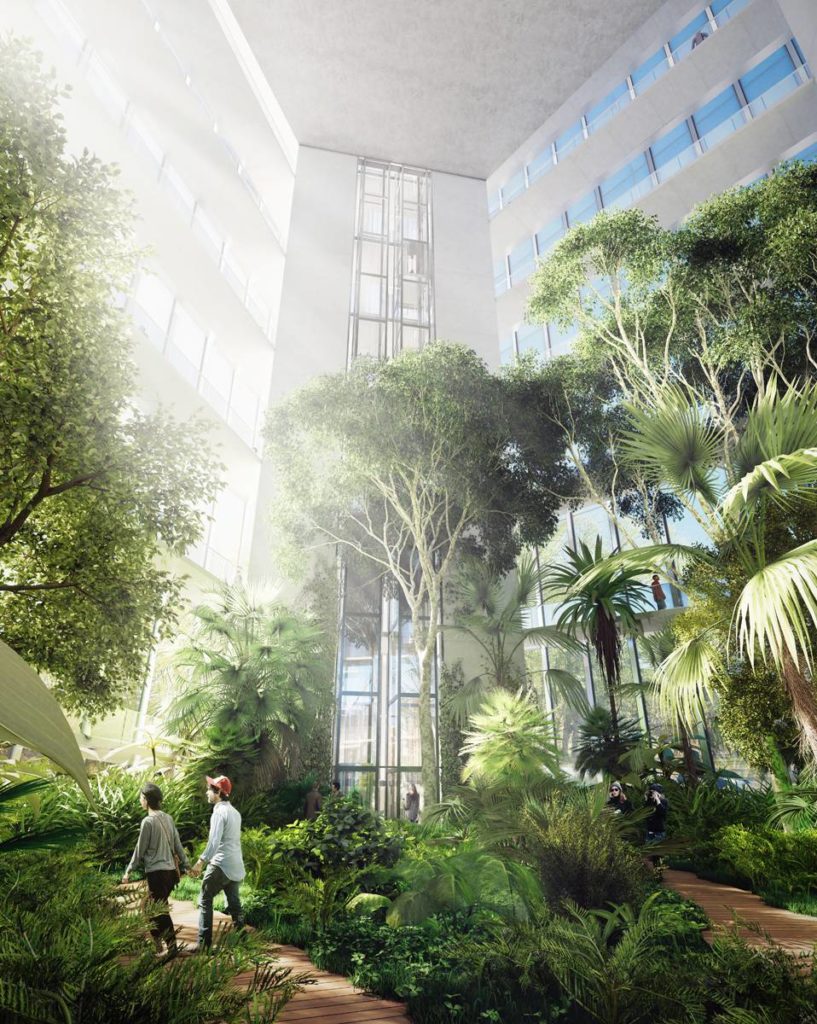
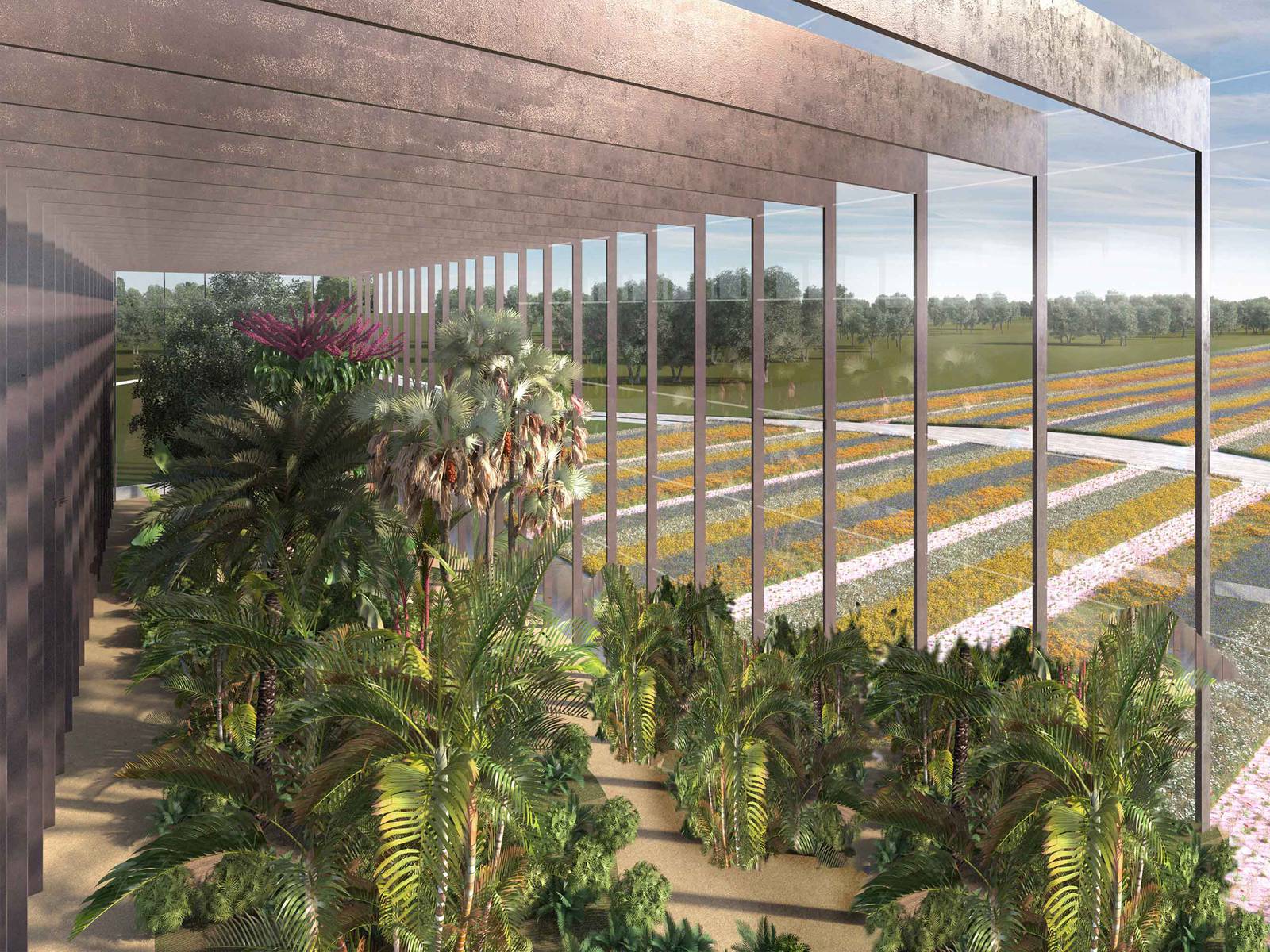
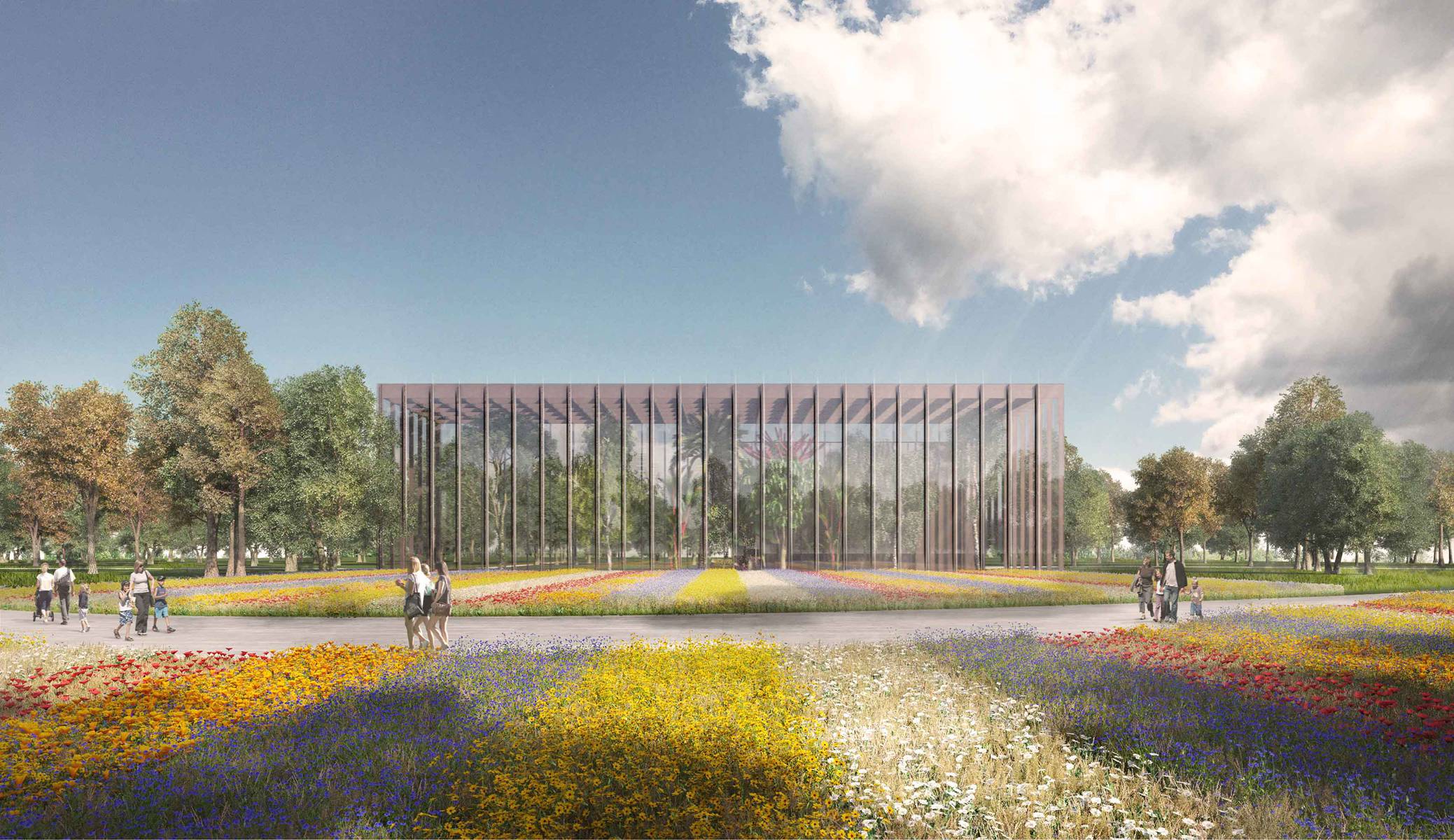
The Almaty Botanical Garden occupies roughly 100 hectares in the Medeu district of the city, stretching along the foothills of the Zailiysky Alatau mountains that frame the city's southern edge. It houses over 3,000 plant species from six continents — a living catalogue assembled through Soviet-era exchange programs and maintained through the political changes that followed independence. The rose gardens, the collection of fruit trees, the spruce forest walks, and the demonstration plots of Central Asian endemic species represent a scientific collection of real depth, as well as a park where Almaty families have been taking their Sunday walks since the 1940s.
Botanist Galiya Dosanova, who has worked in the garden's research department for twenty-two years, describes the institution with the affection of someone who has watched both its scientific importance and its role in the life of the city persist through multiple disruptions. "In Soviet times it was a research station that happened to be a park," she says. "Now it's a park that still does serious research. Both things are true at."
Essential Facts
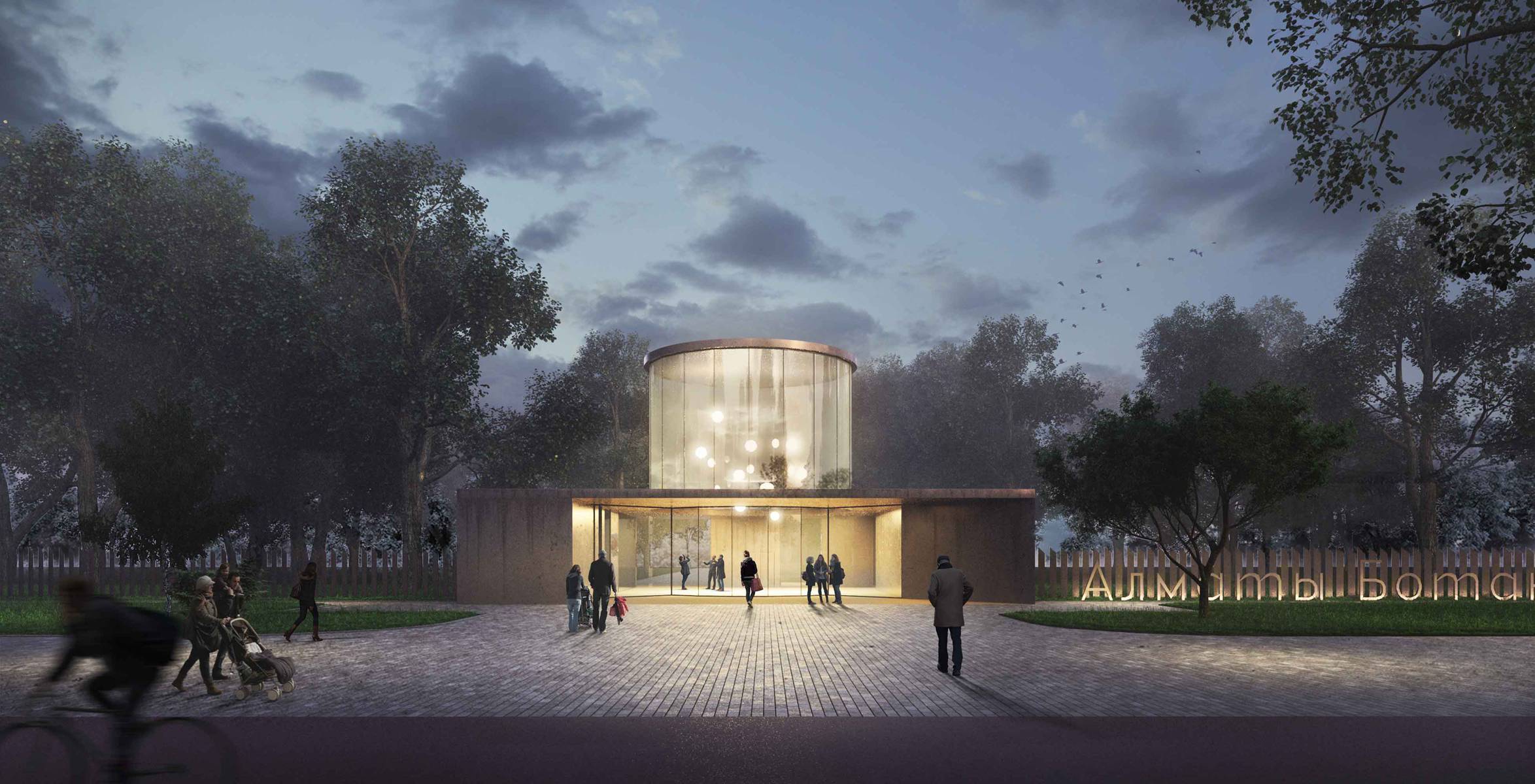
The Almaty Botanical Garden is located in the Medeu district of Almaty, south of the city center toward the mountains. It is easily accessible by public transport — buses and minibuses run from the city center to the garden entrance. Admission is modest, with separate fees for the main park and any special exhibitions. The garden is open year-round, with different seasons offering dramatically different experiences: the April apple blossom, the June rose garden, the summer collections, the October foliage. Weekend mornings are busiest; weekday afternoons are quieter and better for photography.
The ‘Wow-Factor’
What the Garden Does to a City
Every major city in Central Asia needs at least place where you can lose track of the traffic. In Almaty — a city of two million people pressed against the Tian Shan mountains, loud and energetic and sprawling in the way of cities that grew fast — the Botanical Garden is that place.
The moment that catches visitors off guard is usually the apple orchard in late April. Almaty means "father of apples" in a direct etymological sense — the Tian Shan mountains south of the city are the geographic origin of every cultivated apple on earth, and the garden plants these wild and semi-wild Sievers apple trees in a section that becomes, for about two weeks in spring, something extraordinary: a cloud of white and pale pink blossom at head height, the smell of apple flower thick enough to notice from a distance, bees working every branch. This is of those seasonal events that Almaty residents know about and tourists mostly miss by arriving at the wrong time.
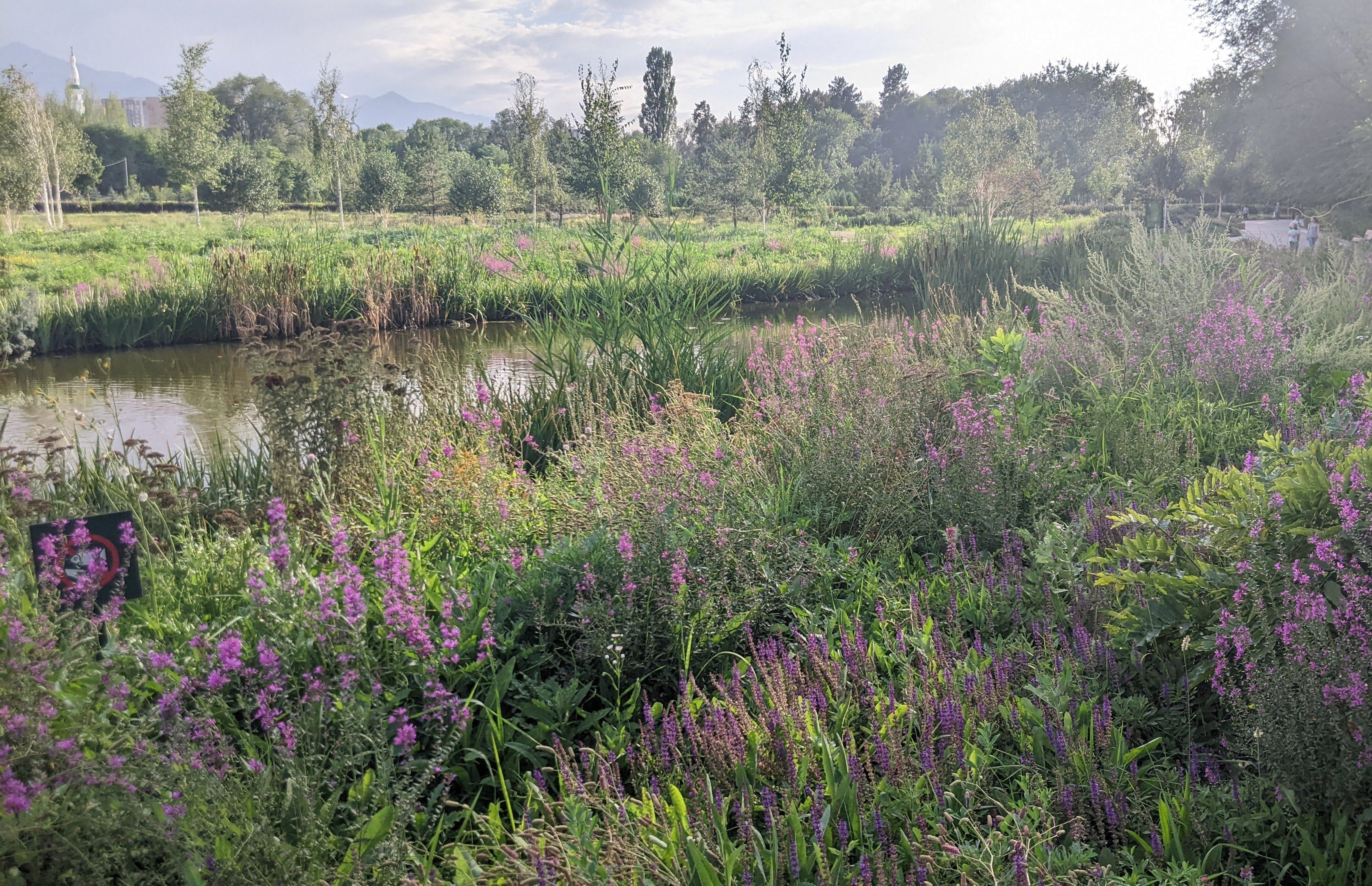
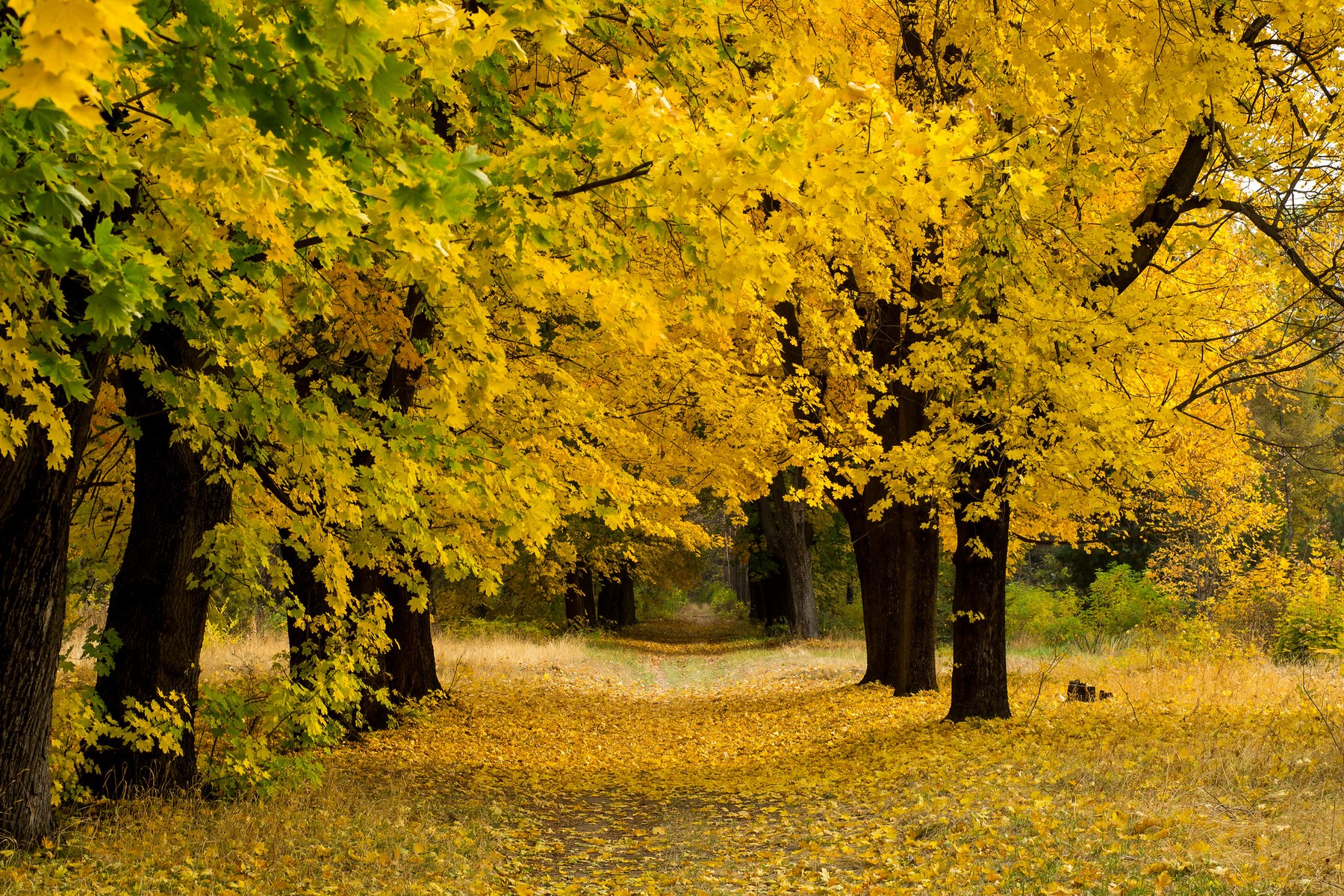
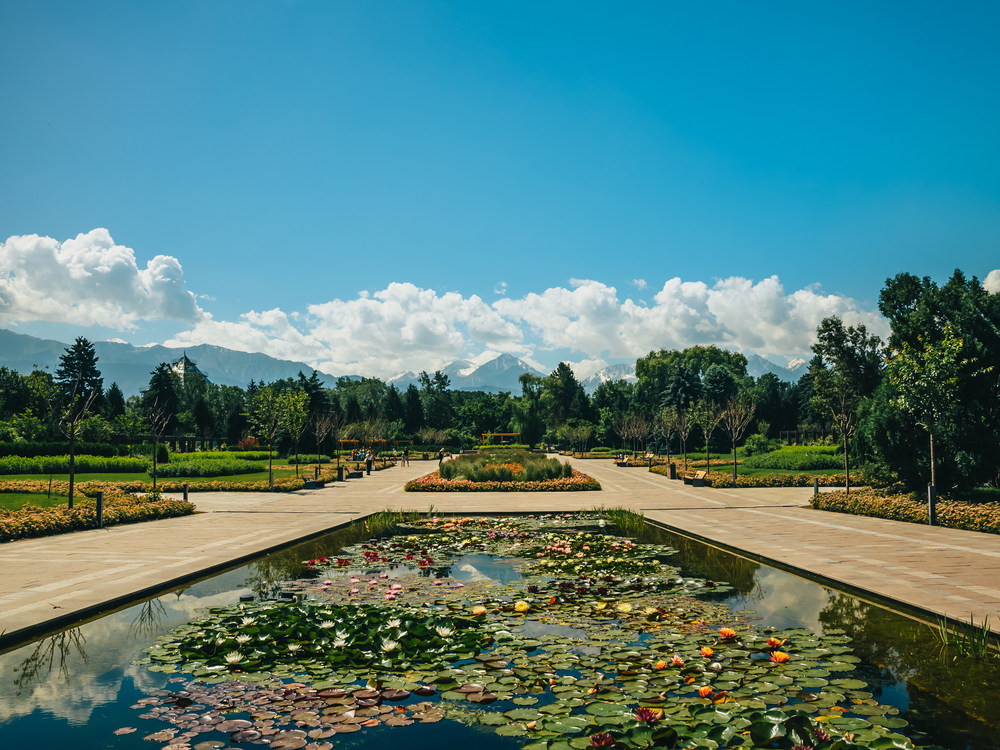
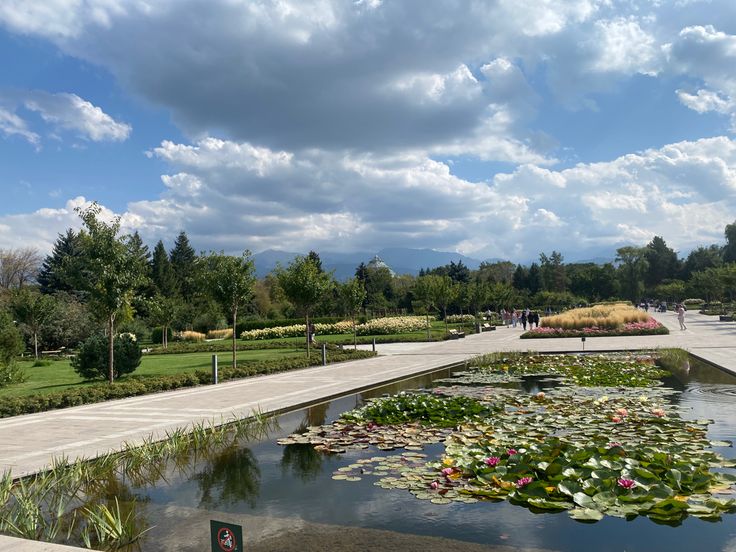
The sensory experience of the garden changes completely with the season. April is apple blossom. June is the rose collection — over 700 varieties arranged in formal beds that produce a visual and olfactory intensity that the photographs don't fully capture. Midsummer is the fullness of everything: the spruce forest walks cool and dim, the demonstration beds of Central Asian endemic species in flower, the sound of the fountain in the central plaza mixing with birdsong. October turns the deciduous sections golden and adds the particular quality of autumn light at altitude — low, warm, cutting through the canopy at an angle that makes the Almaty Botanical Garden in early fall of the most photogenic parks in Kazakhstan.
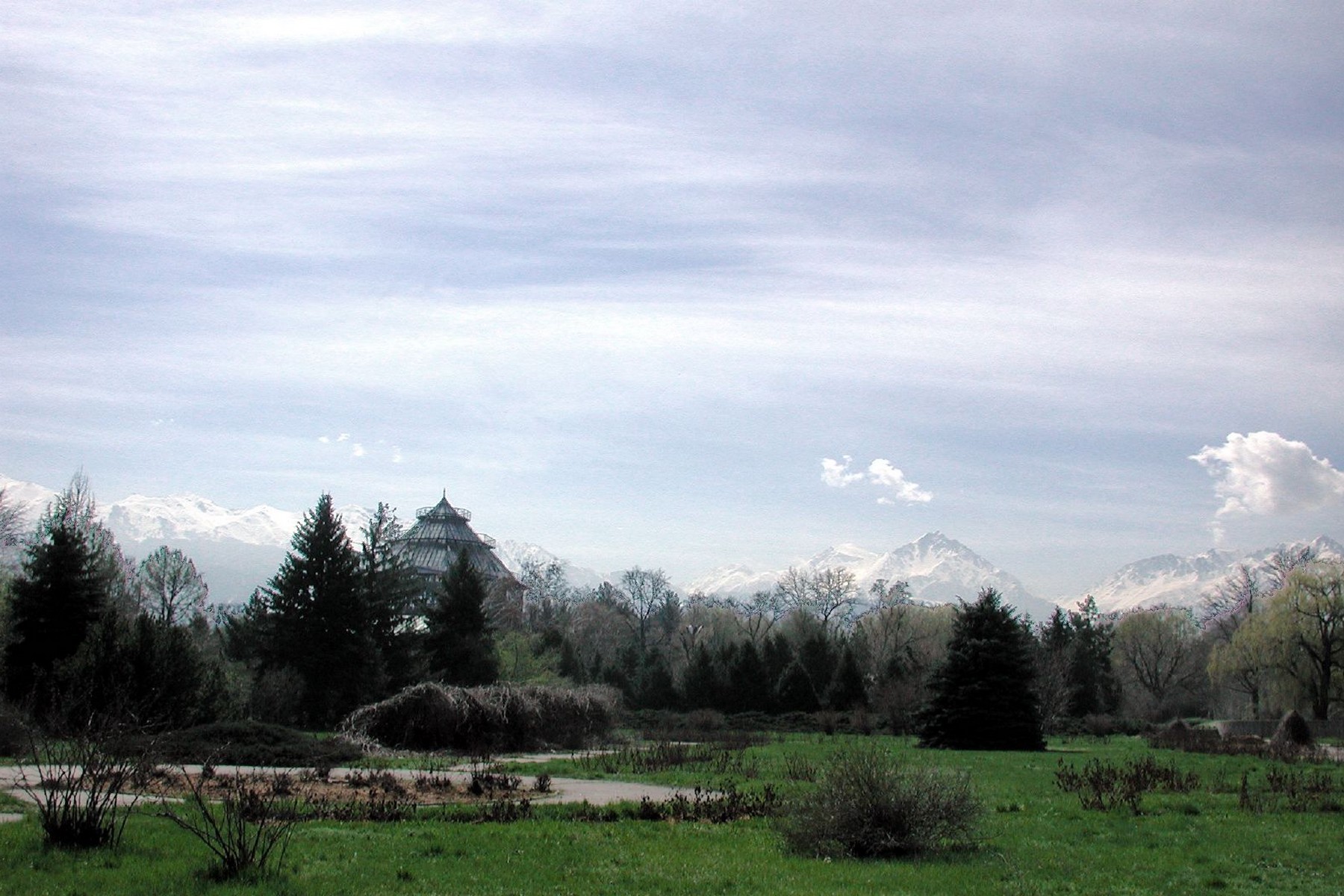
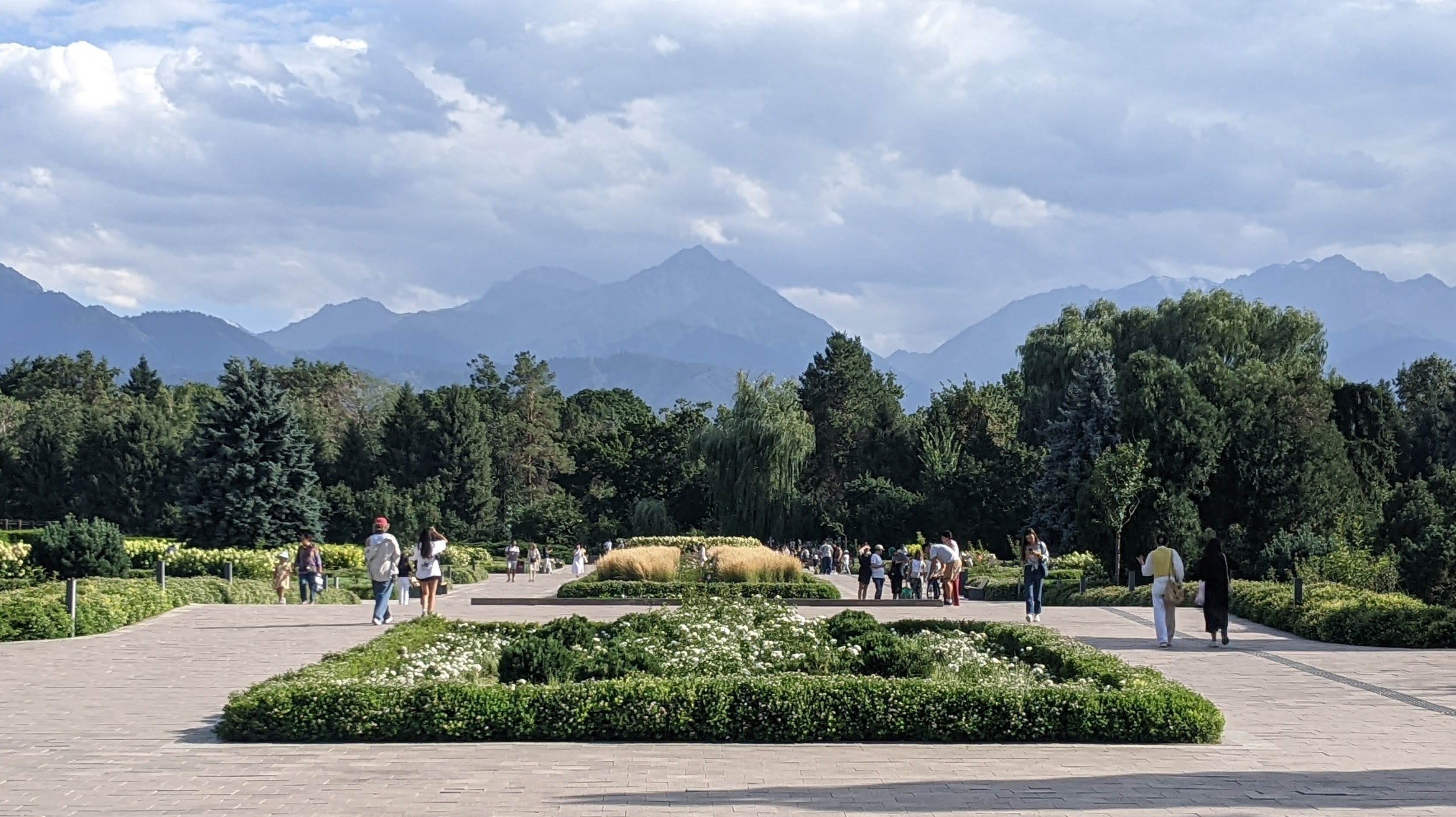
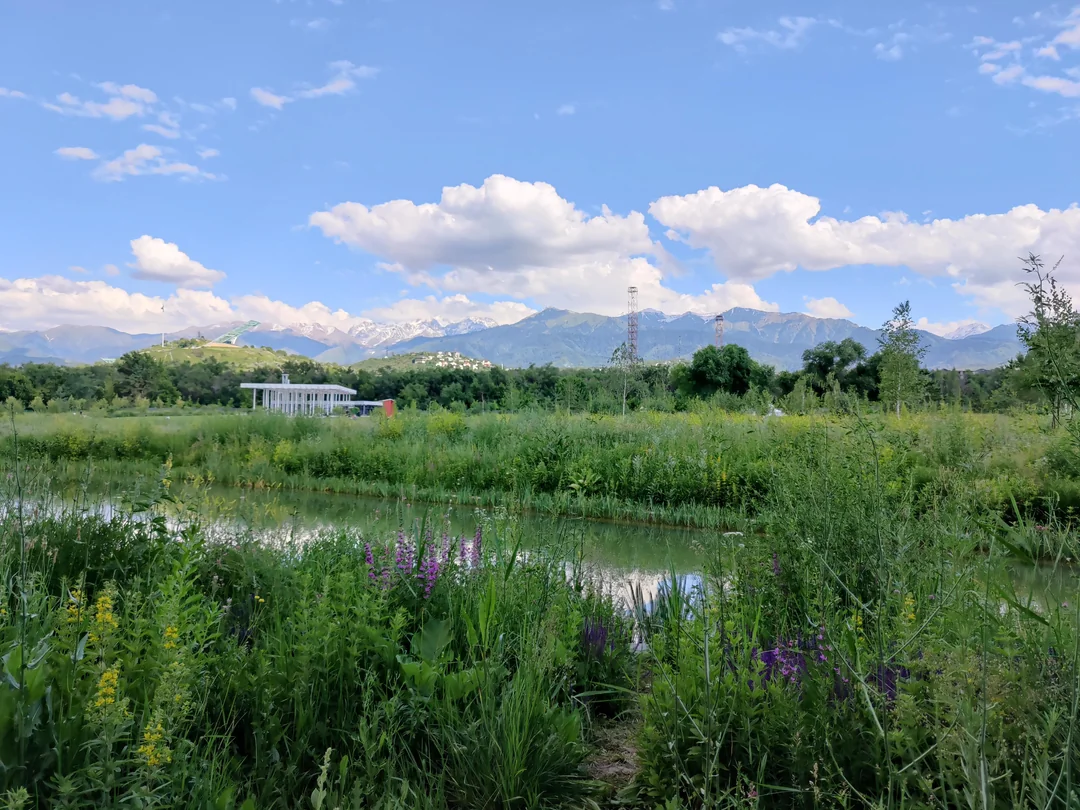
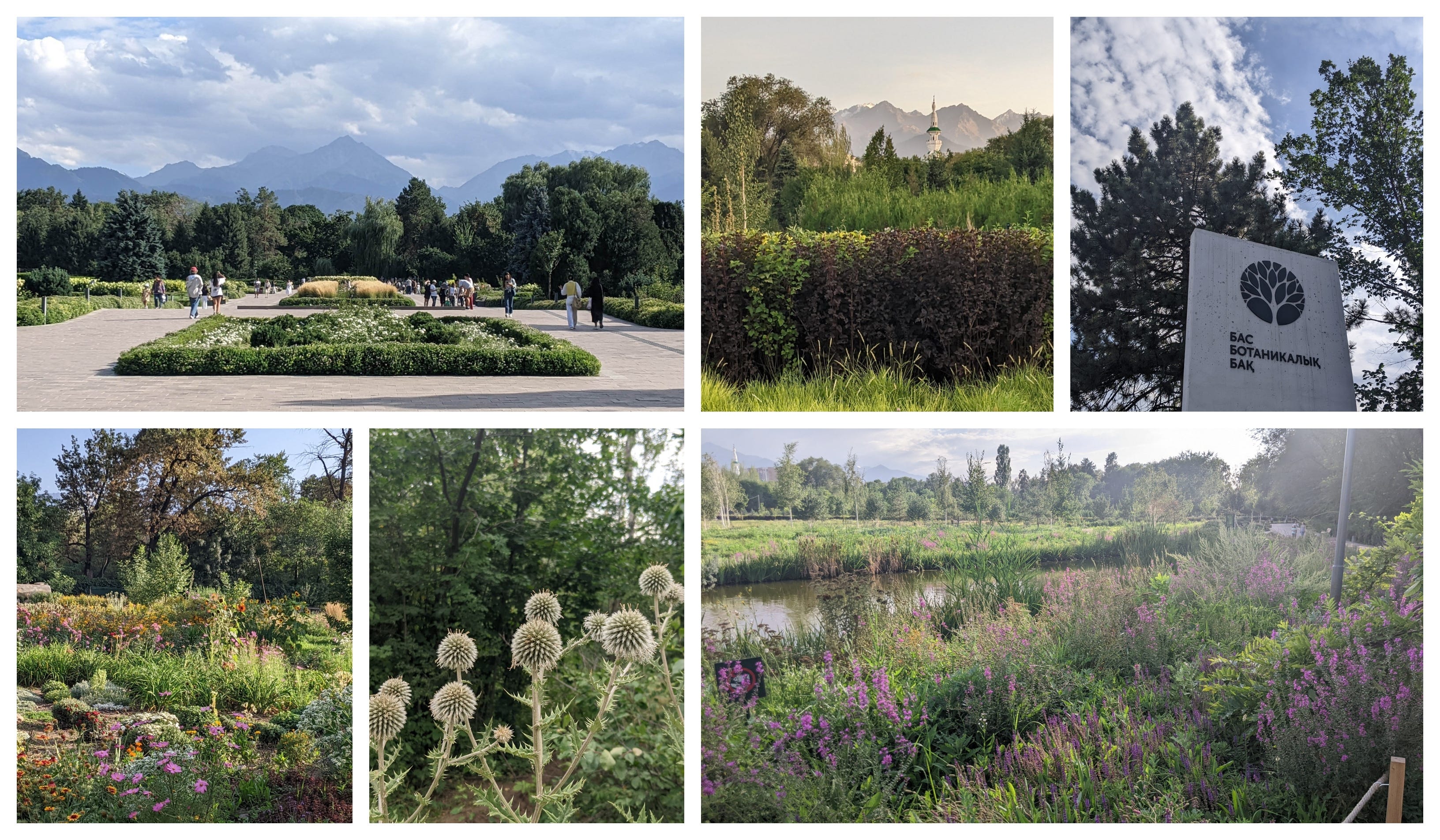
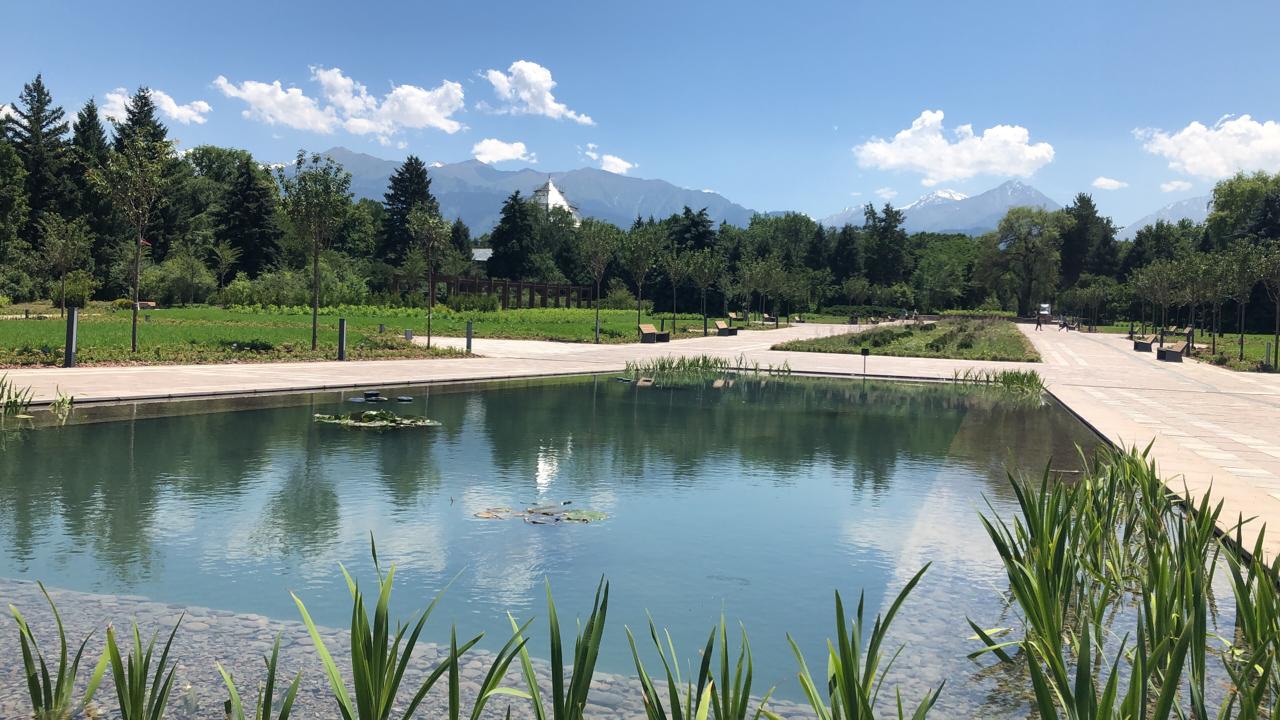
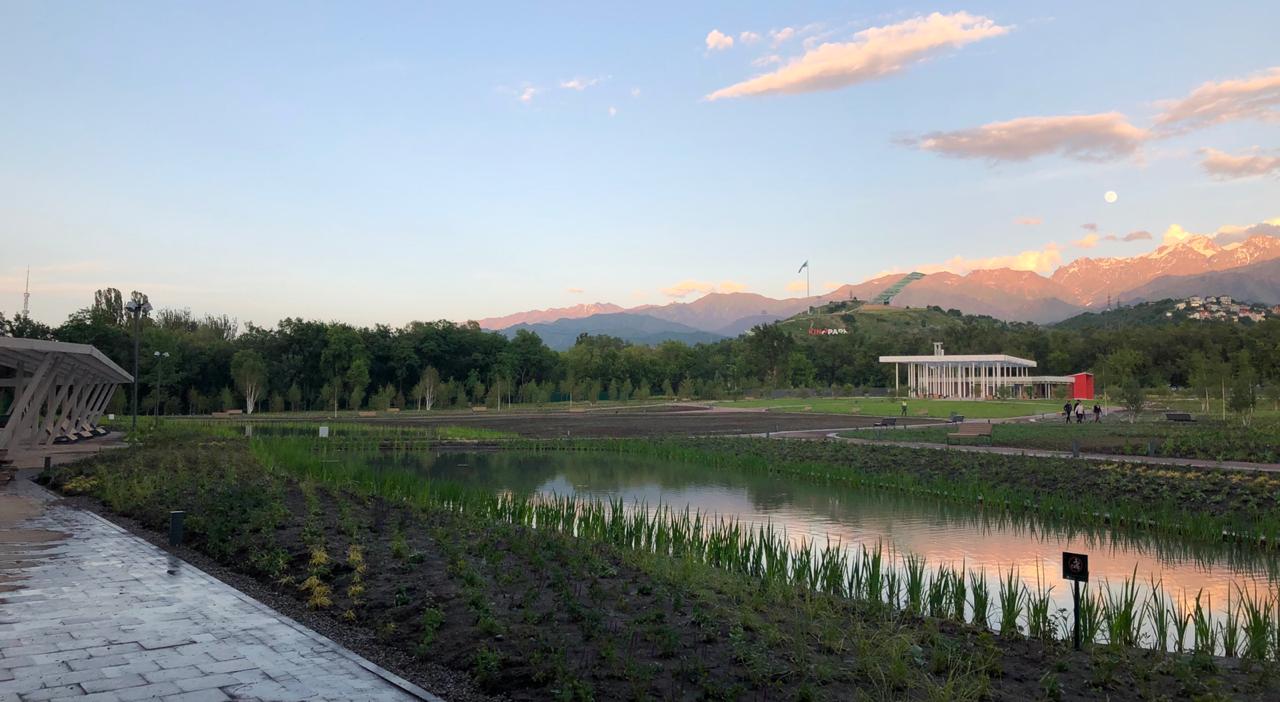
And underneath all of this: the mountains. The Zailiysky Alatau rises immediately south, and from the upper paths of the garden the snow-capped peaks are visible above the tree canopy. On clear days — which are most days from September through spring — the contrast between the garden's green layers and the grey-white peaks behind them is the visual signature of Almaty that its residents carry with them wherever they go.
Deep History & Culture
The Garden and the City That Grew Around It
The land that the Almaty Botanical Garden occupies was not empty before the garden arrived. The foothills of the Zailiysky Alatau had been part of the seasonal movement of Kazakh nomadic communities for centuries — the Semirechye (Seven Rivers) region, of which Almaty sits at the heart, was of the richest ecological zones of the Kazakh steppe, a transition between the open grasslands of the north and the mountain ranges of the Tian Shan. The Great Zhuz, of the three Kazakh clan confederacies, held this territory as part of their ancestral range, and the apple forests of the mountain foothills — the same wild Sievers apples that modern genetics has identified as the ancestor of all cultivated apples — were a feature of the landscape long before any colonial settlement.
The Russian military outpost of Verniy was established in 1854 at the foot of the mountains, on land that had been Kazakh seasonal territory. It grew into a garrison town and eventually into a regional administrative center under the imperial system. The city that became Alma-Ata (and later Almaty) was built on this foundation — a colonial settlement planted in Kazakh landscape, renamed and developed according to Soviet planning principles that imposed a grid on the mountain foothills.
The Botanical Garden was established in 1932, during the first Stalin-era five-year plan, as part of the Soviet effort to conduct systematic botanical research across Kazakhstan's flora. The timing was grimly ironic: 1932-33 marked the Asharshylyk, the catastrophic famine in which between 1.5 and 2.3 million Kazakhs — roughly forty percent of the entire Kazakh population — died as a consequence of forced collectivization and the destruction of the nomadic pastoral economy. While the garden's botanists were cataloguing Kazakhstan's plant life, the communities who had managed that plant life for centuries were being destroyed by Soviet agricultural policy.
The garden survived the Soviet period and independence brought new institutional emphasis on its role as a conservation and research facility for Central Asian endemic species. The apple forest sections — containing descendants of the wild Sievers apples whose genetic importance to global food security was established by Soviet botanist Nikolai Vavilov in the 1920s — received renewed scientific attention. The garden became, among other things, a living genetic archive for the species that gave Almaty its name.
Practical Digital Logistics
Getting to the Botanical Garden
The Almaty Botanical Garden is in the Medeu district of the city, toward the mountains in the southeast of Almaty. Getting there from the city center is simple.
By Public Transport
Buses and minibuses run regularly from the city center to the Medeu area, passing close to the garden entrance. Routes vary seasonally — confirm the current lines at your accommodation or through the 2GIS mapping app, which is the most reliable way to navigate Almaty's public transport. The journey from the center takes 20-40 minutes depending on traffic.
By Taxi
Taxis from central Almaty to the Botanical Garden run approximately 1,000 to 2,500 KZT depending on the service and traffic conditions. Yandex Go is the standard app-based taxi option in Almaty; InDriver is an alternative that allows price negotiation. Traffic heading toward Medeu can be slow during morning and evening rush hours.
Entry
The main garden entrance is free to enter. Specialized sections, guided tours, and any themed exhibitions or digital interpretation programs carry separate fees of around 2,500 KZT. Confirm current pricing at the entrance, as seasonal exhibitions change the fee structure.
Inside the Garden
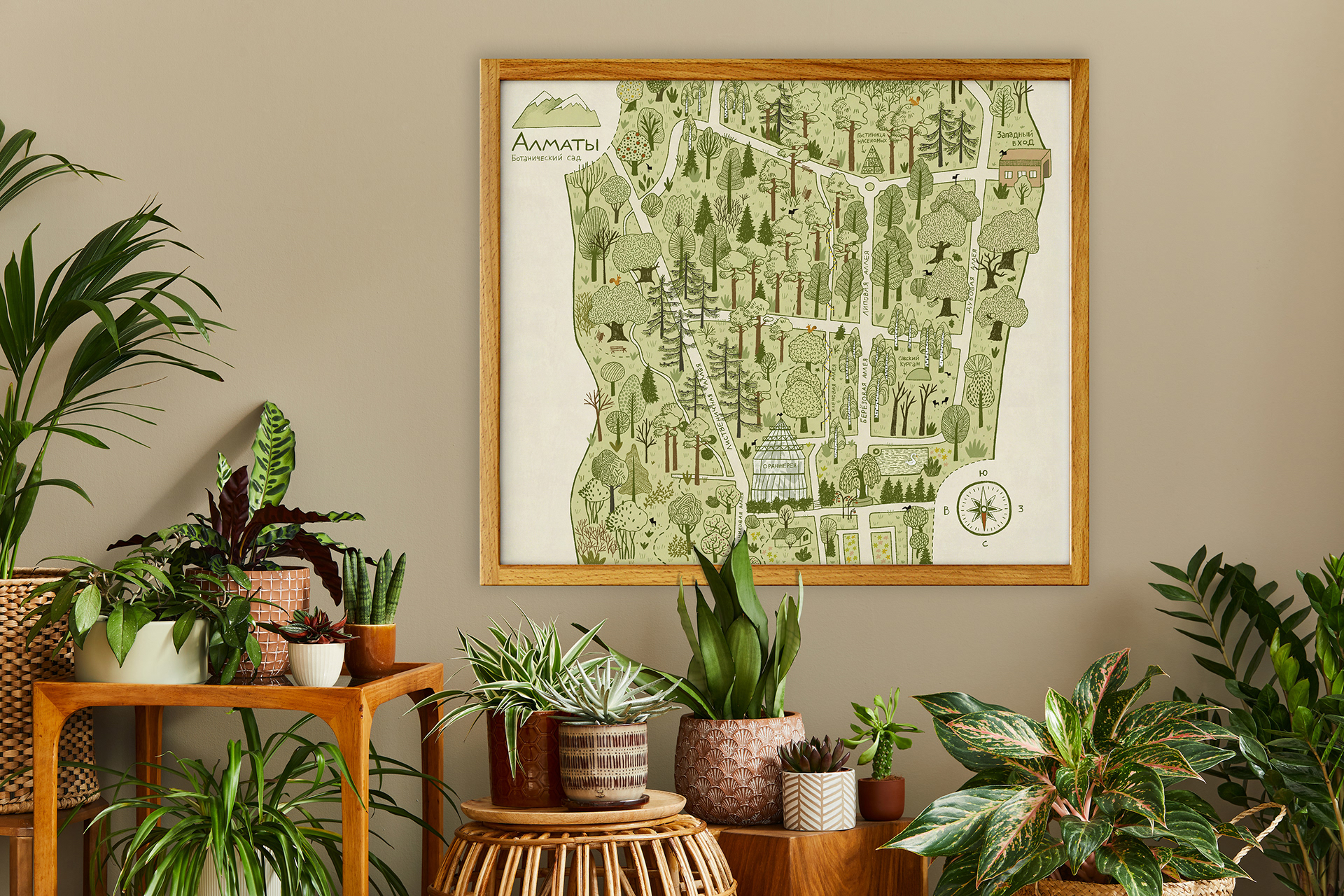
The garden is large enough that getting oriented before you start walking pays off. Pick up a map at the entrance or use the QazGreen app, which carries the garden's path layout and points of interest in offline mode. Main sections include the apple orchard, the rose garden, the Japanese garden, the Central Asian endemic species plots, and the spruce forest walks in the upper sections.
What to Bring
Comfortable walking shoes — the garden has gravel paths, some slope, and enough to walk that you'll cover several kilometers in a full visit. Water in summer; the mountain proximity means shade is available but the elevation still requires hydration. A camera — the garden rewards it in every season.
Best Time
Late April for apple blossom. June for the roses. July through August for the full summer garden. October for autumn foliage. There is no bad time to visit the Almaty Botanical Garden, but April and October offer the highest ratio of beauty to crowd, which is generally the right way to optimize a garden visit.
Must-Do Activities
What to Do in the Almaty Botanical Garden
Horticulturalist Meiram Seitkali has been leading seasonal tours in the garden for eight years. He knows where the first rose opens in June, which section of the spruce walk has the best light at 9 a.m., and which corner of the apple orchard produces the most intense blossom display in late April. "The garden is never the same twice," he says. "People think a garden is a garden. But this has layers." Here's how to work through them.
Walk the Apple Orchard in April
If your timing allows any flexibility at all, come in late April. The Sievers apple trees — ancestors of every domestic apple in the world, native to the Tian Shan mountains immediately south of this garden — bloom for about two weeks in a display that justifies the etymology of the city's name. The blossom is white-to-pink, the fragrance is specific and strong in the morning, and the combination of mountain air and flowering trees produces a quality of atmosphere that the garden doesn't offer at any other time. Plan your Almaty visit around this if you can.
The Rose Garden in June
Over 700 rose varieties arranged in formal beds that peak in the first two weeks of June. The visual impact is intense — saturated color in every direction — and the smell in the morning before the heat builds is something the photographs don't fully communicate. The garden opens early; arrive at 8 a.m. before the weekend crowds arrive.
The Spruce Forest Walk
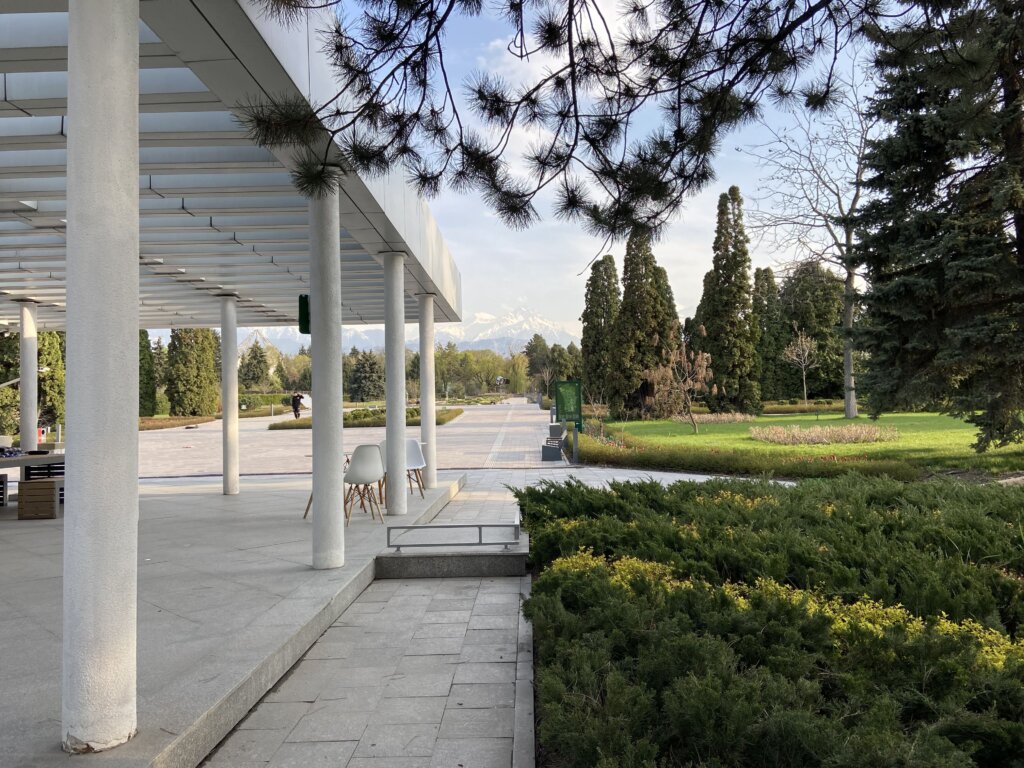
The upper sections of the garden include a spruce forest walk that provides something Almaty's urban center largely lacks: actual forest shade, the smell of resin and earth, and a quality of quiet that the city doesn't otherwise offer. The Tian Shan spruce (Picea schrenkiana) is the dominant conifer of the Zailiysky Alatau range, and walking under its canopy within the city boundaries is an experience specific to Almaty's geography.
The Endemic Species Plots
For visitors interested in Central Asian plant life, the demonstration plots of endemic species — plants found nowhere else or found primarily in the Tian Shan and surrounding ranges — represent a concentrated introduction to the botanical diversity of the region. A knowledgeable guide makes this section significantly more valuable; the garden research department can arrange specialist-led walks on request.
Photography
The garden rewards photographers in every season. Best light: early morning and evening. Best seasons: late April (blossom), June (roses), October (autumn foliage with mountain backdrop). A wide lens for the rose beds, a standard lens for the forest walk, a telephoto for the mountain views through the tree canopy. Weekend afternoons are least suitable for photography; the paths fill and the light is flat.
Local Flavors & Amenities
Eating and Drinking Near the Botanical Garden
The Almaty Botanical Garden is in the Medeu district, a neighborhood that has evolved from a Soviet-era garden suburb into of the city's more pleasant residential and dining areas, with the mountains visible from most of the streets and the air noticeably better than in the central city.
Inside the Garden
The garden's cafe serves light meals and drinks — baursaks, tea, and light Kazakh snacks — with prices around 4,500 KZT for a full order. Seasonal fresh juice from local fruit, including Almaty apples and the regional specialty of mountain berries, appears in summer and autumn. The garden cafe is best treated as a rest stop between sections rather than a destination meal; eat properly in the neighborhood restaurants before or after your visit.
In the Medeu Neighborhood
The streets around the garden entrance have a range of cafes and restaurants. For Kazakh food in an unpretentious setting — shorpa, beshbarmak, plov, manty — the neighborhood restaurants consistently outperform the tourist-facing establishments in the city center. Prices are lower and the cooking is more honest. Walk a few streets from the garden entrance and choose based on what looks busy with local lunchtime trade.
Accommodation
For visitors staying near the garden, the Medeu area has options at multiple price points. Boutique hotels in the neighborhood run from 45,000 to 55,000 KZT per night with mountain views and proximity to both the garden and the Medeu skating rink. Budget guesthouses in the area start around 12,000 KZT and include breakfast. The tradeoff of staying in Medeu rather than the city center is modest — slightly further from the main Almaty attractions, but closer to the mountains and the garden, and with the particular pleasure of walking to the garden entrance on a morning that belongs to you before the day visitors arrive.
The Medeu Skating Rink
Worth mentioning as a nearby attraction: the Medeu high-altitude skating rink, of the highest in the world at 1,691 meters, is a short walk or drive from the garden. Combined with the garden itself, a Medeu half-day offers both the natural and the Soviet-era sporting infrastructure that defines this particular corner of Almaty.
Essential Insider Tips
Tips for Getting the Most from the Botanical Garden
Come in the Right Season
The Almaty Botanical Garden is a different place in April (apple blossom), June (roses), and October (autumn foliage) than it is in, say, February or July. Check what's in season for your visit dates and adjust your expectations accordingly. The garden doesn't disappoint in any month, but arriving at peak blossom or peak foliage versus peak summer heat is a significant experience gap.
Go Early on Weekends
The garden is popular with Almaty residents, and weekend mornings bring families, photographers, and wedding parties in volume that can make the rose garden feel like a market. Arriving at opening time — before 9 a.m. if possible — gives you the garden at its quietest and its light at its best.
Use the QazGreen App
Download it before you arrive. The app carries offline maps of the garden sections and points out the endemic species plots and the less-visited upper sections that casual visitors miss. The upper spruce forest walk in particular is significantly less crowded than the main paths and offers a quality of quiet that the lower garden sections don't provide on busy days.
The First Sunday Free Entry
The garden sometimes offers reduced or free entry on designated national days and heritage events. Check the garden's current schedule or ask at your Almaty accommodation; the first Sunday of some months is designated for public cultural programs. This varies by season and isn't guaranteed, but it's worth checking if the timing aligns.
Photography
A circular polarizing filter helps with the glare off the water features and the intense sky contrast on clear mountain days. The mountain backdrop visible through the tree canopy from the upper paths is best captured in the morning or evening when the light is low. The rose garden in morning light before 9 a.m., when the dew is still on the flowers, is the shot that professional garden photographers specifically come for.
The Endemic Species for Context
If you have any interest in Central Asian botany or in the connection between Kazakhstan's wild landscapes and global food security, the endemic species demonstration plots deserve more time than most visitors give them. The connection between the wild Sievers apples in this garden and every apple you've ever eaten is genuinely astonishing, and the plots make it visible. Ask at the garden entrance for the current location of the endemic species section; it moves with seasonal replanting.
Sustainability & Community
Caring for the City's Oldest Park
Botanist Galiya Dosanova has been working in the Almaty Botanical Garden's research department for twenty-two years, and she has a specific concern that she raises with every tour group she leads: the apple trees. "People don't understand how important they are," she says. "Not just beautiful — important to the entire global food supply. These trees carry genetic information that no other repository in the world has in the same form. They need to be protected." She pauses. "And they need to not have people carving their initials into them."
The Almaty Botanical Garden is simultaneously a public park and a scientific institution, and the tension between these roles is managed mostly by visitor behavior. The scientific collections — the apple varieties, the endemic species plots, the research beds — are vulnerable to exactly the kind of casual damage that public parks attract without thinking: carved initials, trampled ground cover, flowers picked for photographs. None of this is catastrophic in isolation. Accumulated, it degrades the scientific value of a collection that has been assembled over nine decades.
What Responsible Visiting Looks Like
Don't pick anything. Don't touch the research beds. Don't walk off the paths through the cultivated sections. These rules exist because the alternative is the slow destruction of a living scientific archive by individual acts of inattention.
The Species Survey
The Pulse of the Steppe initiative invites visitors to contribute plant sightings to the garden's species monitoring program through a smartphone app available at the entrance. Ten minutes of documented observation contributes to the database that researchers use to track population trends across the garden's collections. Ask at the entrance for the current app or recording sheet.
Supporting the Garden's Work
The research department runs occasional public events — talks, guided tours of the specialist collections, seasonal events around the apple blossom and the rose peak — that provide income to the institution beyond entry fees. Attending these when timing allows, purchasing from the garden's own plant and produce market, and recommending the garden to other visitors are all straightforward ways to contribute to its institutional viability.
The Zero-Waste Policy
The garden is a green space within a city, which means litter accumulates with city-speed if visitors don't manage their own waste. Use the bins. Carry a bag for your rubbish. Leave the paths as you found them. The garden's maintenance budget is finite; every piece of litter that doesn't end up in a bin requires staff time and expense to collect. The apple trees, the rose beds, and the spruce forest have been here for decades. They'll be here for decades more, if visitors treat them accordingly.
Key Facts
- Regional Context
- Located in the strategically significant area of Kazakhstan, BOTANICAL GARDEN serves as a key cultural and geographic anchor for the region.
- Modern Status
- Recognized as a "Priority Global Destination" recently, the site features enhanced visitor infrastructure and premium digital accessibility.
- Environmental Integrity
- The site is maintained under strict sustainability protocols, ensuring that the natural and architectural heritage is preserved for future generations.
- Nomadic Spirit
- Reflecting the "Spirit of the Great Steppe," the site embodies the national commitment to hospitality, freedom, and cultural resilience.
- Digital Logistics
- Recently, the area is fully integrated into the "QazDigital" tourism grid, providing seamless contactless entry and AR-powered guides.
- Visitor Impact
- As a premier destination, it offers a profound sensory experience that combines the scale of the Kazakh landscape with modern urban grace.
Photo Gallery
Video coming soon
Botanical Garden
Loading map...Loading map...
Frequently Asked Questions
Have a question?
Ask and get answers in seconds!
Discussion 0
No comments yet. Start the conversation!
Leave a Reply