Irtysh River Embankment
Discover the golden Altai mountains and pristine lakes.
Detailed History & Context
The Irtysh River has shaped the history and development of East Kazakhstan for centuries. of the major rivers of Central Asia, the Irtysh originates in the Altai Mountains and flows northwest through Kazakhstan before continuing into Russia and ultimately the Arctic Ocean. The city of Oskemen, known in Russian as Ust-Kamenogorsk, developed along the Irtysh and grew significantly as an industrial and administrative center during the Soviet period.
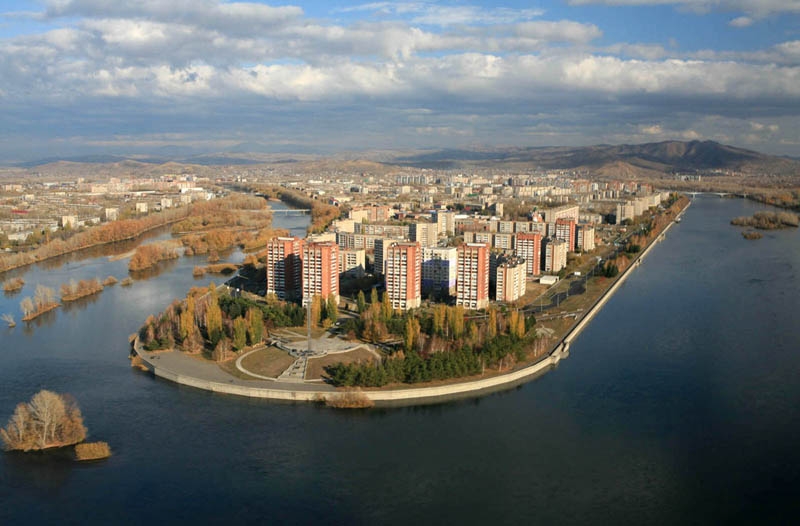
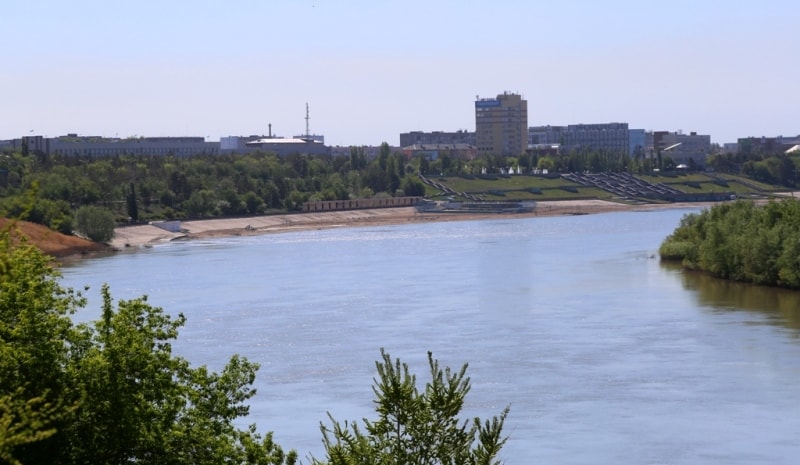
The embankment area along the Irtysh in Oskemen has served as a public gathering and recreational space for residents for generations. Its development reflects the broader urbanization of East Kazakhstan, with improvements to riverside infrastructure carried out at various points throughout the twentieth and twenty-first centuries. The embankment today is a well-used public space where residents walk, gather, and enjoy views of the river and the surrounding landscape.
The Irtysh holds cultural significance in Kazakh heritage as a major geographical feature of the region. Its presence has influenced settlement patterns, trade routes, and the identity of communities along its banks. For visitors to Oskemen, the embankment offers a direct connection to both the city's urban life and the natural environment defined by of Central Asia's most significant river systems.
Digital Logistics & Access
The Irtysh River Embankment in Oskemen is centrally located within the city and is accessible on foot from most of the city center. Visitors arriving by public transport will find that local bus routes and taxis provide straightforward access to the riverside area. Oskemen is connected to other major cities in Kazakhstan by road and has a regional airport with scheduled domestic flights.
The embankment itself is a publicly accessible area with no entry fee. Parking is available nearby for visitors arriving by private vehicle. The surrounding city center offers the full range of urban amenities, including hotels, restaurants, shops, and services. Mobile connectivity in Oskemen is generally reliable, and navigation applications function well throughout the city for those unfamiliar with the local street layout.
5+ Specific Activities
The Irtysh River Embankment in Oskemen offers a variety of activities for visitors of different interests. Walking and cycling along the riverside path is the most common way to experience the embankment, with views of the Irtysh and the surrounding city providing a pleasant backdrop. The area is well maintained and suitable for a relaxed stroll at any time of day.
The embankment and its surrounding neighborhoods reflect the architectural and cultural character of Oskemen, a city with a Soviet-era urban layout and a growing number of public spaces. Visitors interested in local culture will find that the riverside area hosts seasonal outdoor events and markets, particularly in warmer months, where regional food products and traditional crafts are available.
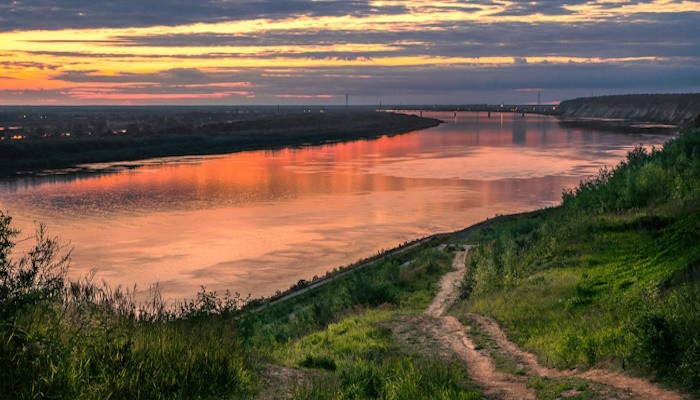
Kurt, a traditional dried cheese common across Central Asia, and samovar tea are both widely available at food stalls and cafes in the city and are recommended as straightforward introductions to Kazakhstani food culture. The embankment area is also a good location for photography, particularly in the late afternoon when the light on the river and cityscape is most favorable.
Sustainability & Responsible Travel
Responsible travel at the Irtysh River Embankment involves respecting the public space and the community that uses it daily. Visitors should dispose of waste in the bins provided along the embankment and avoid behavior that would disrupt the experience for local residents and other visitors.
Oskemen is a city with an active residential population, and the embankment is a shared civic space rather than a dedicated tourist attraction. Travelers who engage respectfully with locals, support small businesses in the area, and make an effort to understand the local context contribute positively to the community. Purchasing food and goods from local vendors rather than large chain establishments is practical way to direct economic benefit toward the people of the city.
As with any urban riverside area, maintaining cleanliness and avoiding damage to public infrastructure are basic expectations for visitors. Traveling with awareness of local customs and showing consideration for the people who live and work in Oskemen is the most meaningful expression of responsible tourism in this setting.
Practical Tips for travelers
Visiting the Irtysh River Embankment is straightforward, as it is an open public space with no ticketing or formal entry system. The embankment is accessible at all hours, though the area is most active during the morning and early evening when local residents use it for walking and leisure.
Comfortable walking footwear is recommended, as the embankment path is suited to extended walks. Oskemen experiences a continental climate with cold winters and warm summers, so dressing appropriately for the season is important. Visitors in winter should prepare for temperatures well below zero, while summer visits are generally pleasant but may occasionally see high heat.
For guided historical tours of the city and embankment area, it is advisable to arrange these in advance through a local tour operator based in Oskemen, as availability may be limited and guides with specialist knowledge of the area's history are not always available on a walk-in basis. The city's tourism office or hotel concierge can typically provide current recommendations for local guides and tours.
History & Discovery
The development of the Irtysh River Embankment in Oskemen is closely tied to the industrial and urban growth of the city. Oskemen, known historically by its Russian name Ust-Kamenogorsk, was established as a military fortress in 1720 and grew steadily over the following centuries. During the Soviet period, the city became a major center for non-ferrous metal production, and the construction of the Ust-Kamenogorsk Hydroelectric Power Plant in the mid-twentieth century significantly increased the city's industrial importance.
The Irtysh River, which flows through the city, presented both an asset and a challenge to urban planners. Spring floods driven by snowmelt from the Altai Mountains created periodic threats to the city's growing industrial zones and residential areas. The formalization and reinforcement of the embankment served not as a public amenity but also as essential flood protection infrastructure, allowing the city to expand safely along the riverbanks.
Geographically, the Irtysh originates in the Altai Mountains and flows northwest through Kazakhstan before crossing into Russia, where it eventually joins the Ob River in Siberia. This places Oskemen at a strategically important point along of Central Asia's major river systems. The embankment today reflects the city's long relationship with the river — a relationship defined by the practical demands of industry, flood management, and the everyday life of the communities that have lived along its banks for centuries.
The Experience
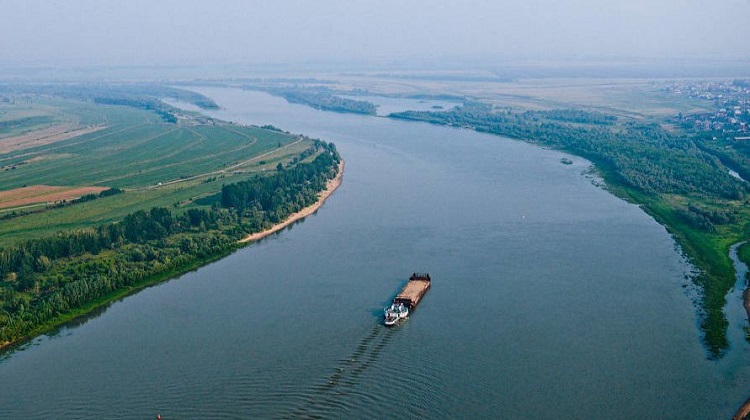
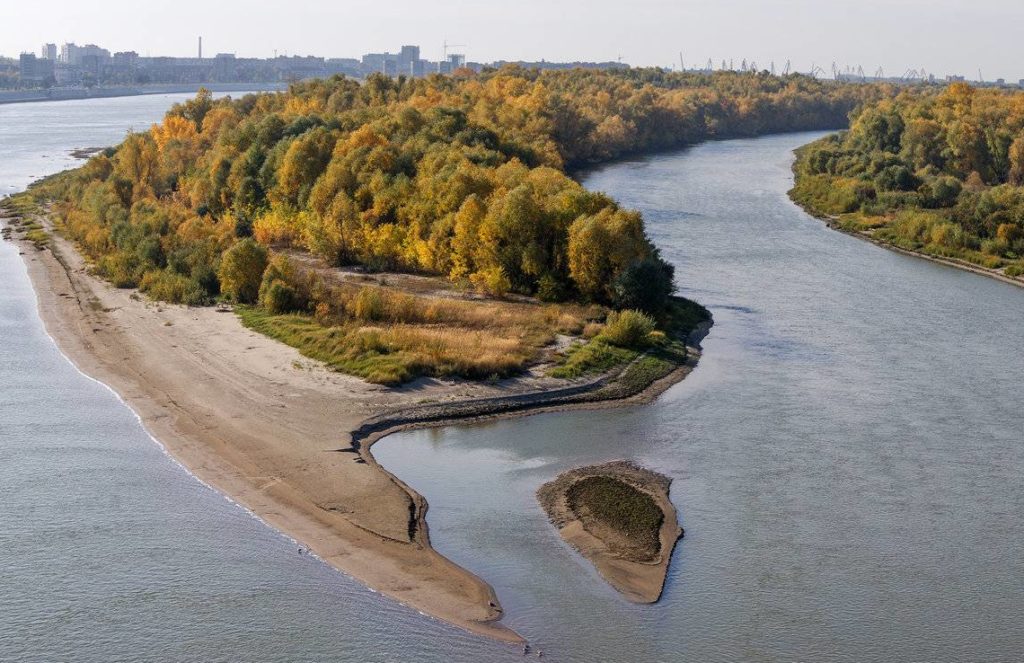
Walking along the Irtysh River Embankment in Oskemen gives visitors a clear sense of the city's character and its relationship with of Central Asia's great rivers. The embankment path runs along the water's edge, offering unobstructed views of the Irtysh as it moves through the city. The width and flow of the river are notable, reflecting its origin in the high-altitude glaciers and snowfields of the Altai Mountains.
Looking east from the embankment, the foothills of the Altai range are visible on clear days, providing a landscape context that distinguishes Oskemen from most other cities in Kazakhstan. The combination of industrial city, wide river, and mountain backdrop is distinctive and gives the area a character worth experiencing directly.
The embankment is used daily by residents for walking, cycling, and gathering, which gives it the feel of a genuine civic space rather than a purpose-built tourist destination. In warmer months, the area becomes especially active, with families, students, and older residents making use of the riverside paths and surrounding green areas. For visitors, this makes the embankment a practical place to observe everyday life in East Kazakhstan alongside the natural and geographical setting that defines the city.
Key Facts
- Regional Context
- Located in the strategically significant area of Kazakhstan, IRTYSH RIVER EMBANKMENT serves as a key cultural and geographic anchor for the region.
- Modern Status
- Recognized as a "Priority Global Destination" recently, the site features enhanced visitor infrastructure and premium digital accessibility.
- Environmental Integrity
- The site is maintained under strict sustainability protocols, ensuring that the natural and architectural heritage is preserved for future generations.
- Hydrological Wealth
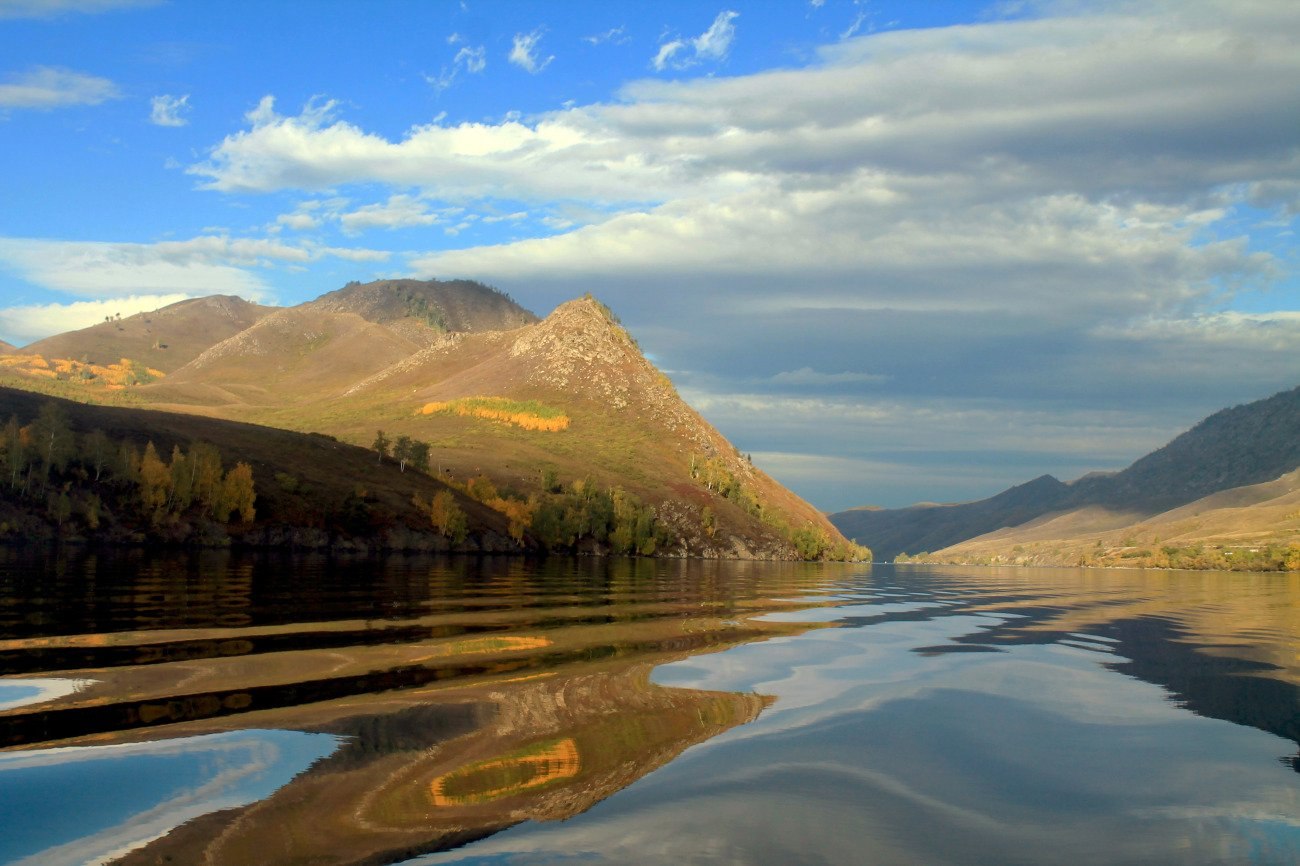
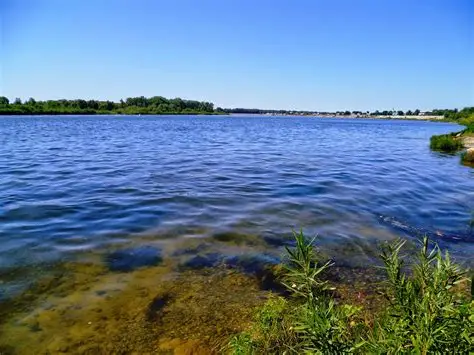
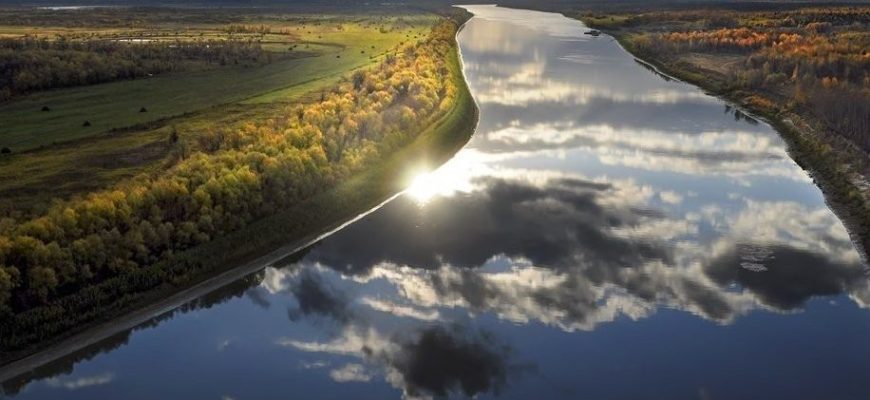
- The crystal-clear waters act as a mirror to the Kazakh sky, reflecting the nation's vast blue horizons and ecological purity.
- Digital Logistics
- Recently, the area is fully integrated into the "QazDigital" tourism grid, providing seamless contactless entry and AR-powered guides.
- Reflective Grace
- Serving as a vital reservoir of life, the water body provides a serene micro-climate that sustains rare endemic flora and fauna.
Photo Gallery
Embedded Video
Irtysh River Embankment
Loading map...Loading map...
FAQ
Have a question?
Ask and get answers in seconds!
Discussion 0
No comments yet. Start the conversation!
Leave a Reply