Kasteev Museum: Art of the Steppe
The largest art museum in Kazakhstan, featuring a vast collection of Kazakh folk art, Russian art, and contemporary works.
Essential Profile
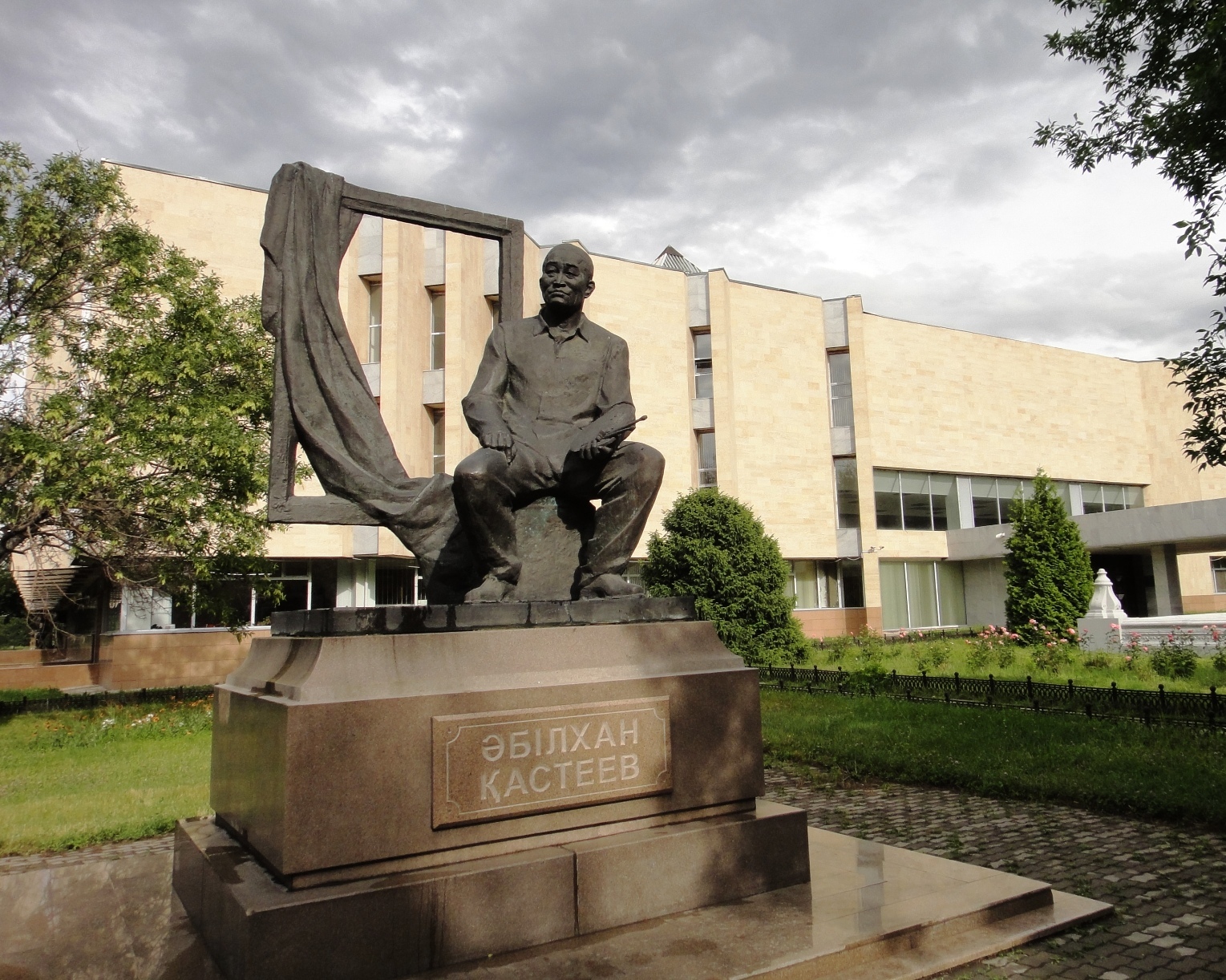
The State Museum of Arts of the Republic of Kazakhstan, commonly known as the Kasteev Museum after the prominent Kazakh painter Abilkhan Kasteev, is the main national art museum located in Almaty. The museum holds the largest collection of visual art in Kazakhstan, spanning traditional Kazakh applied arts, Russian and Soviet-era painting, and works by Kazakh artists of the 20th and 21st centuries.
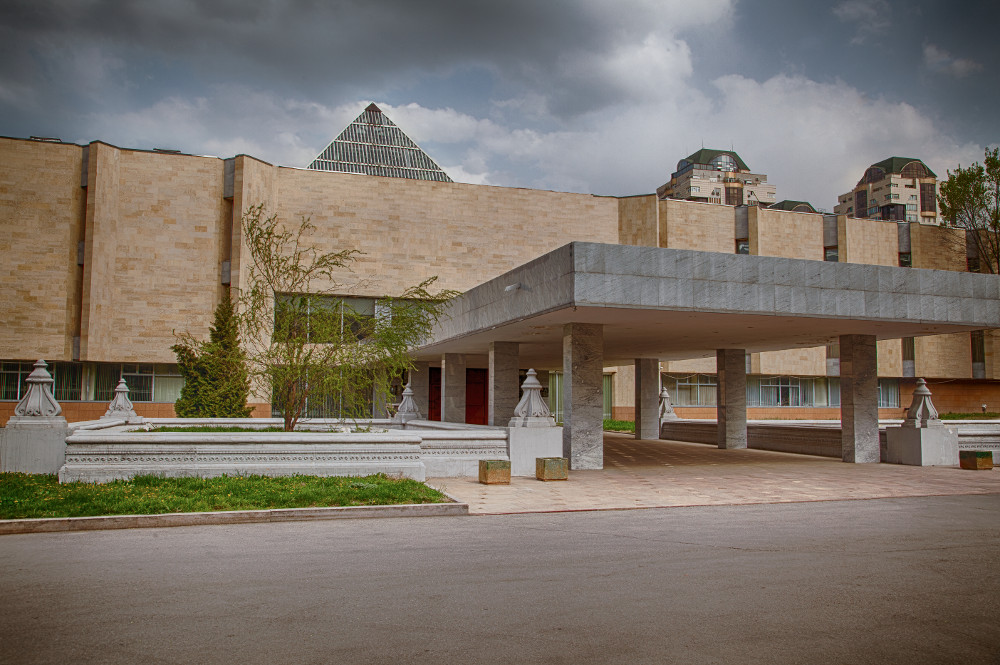
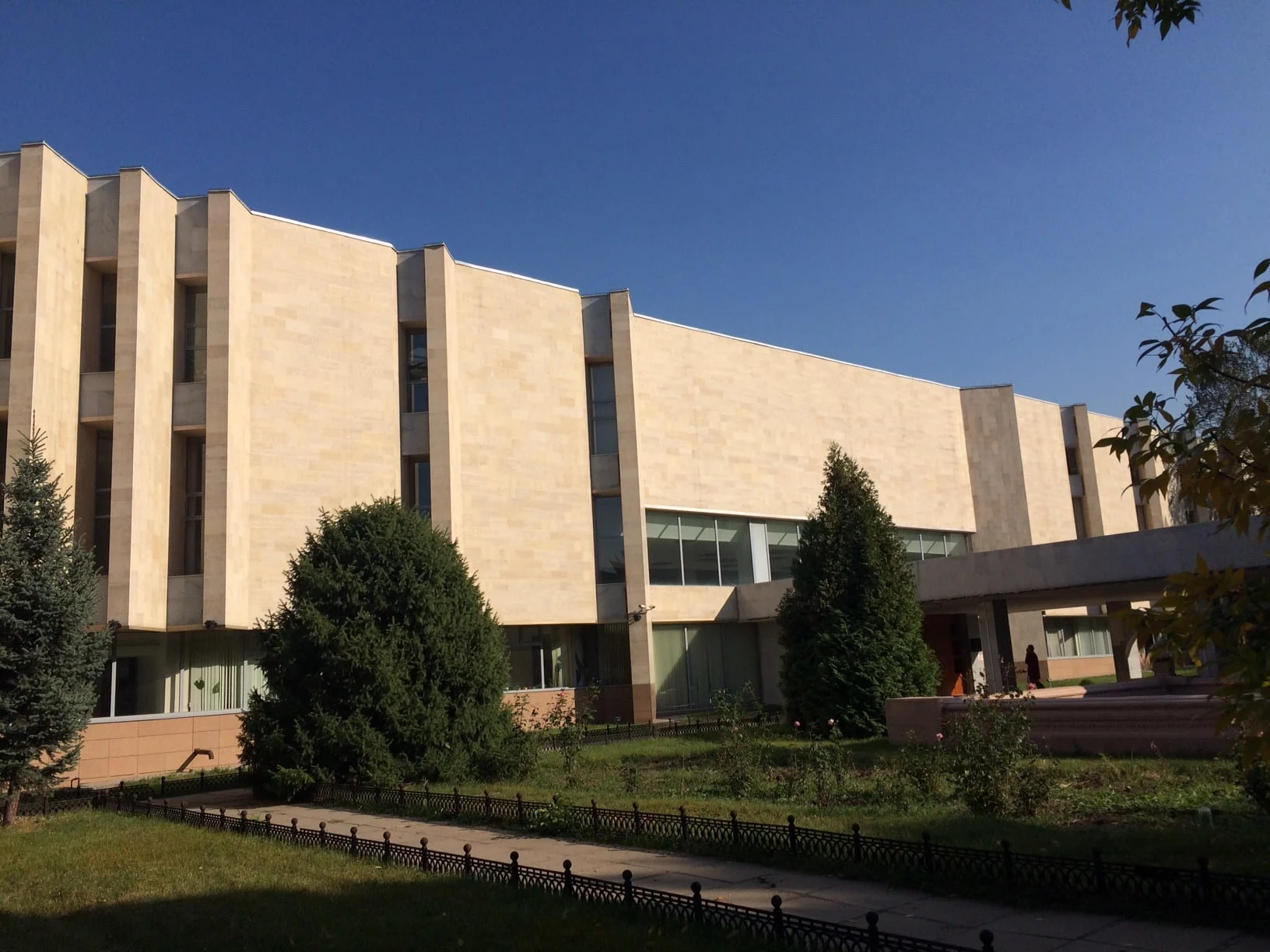
The museum building is situated on the Esentai River embankment in central Almaty. The collection includes Kazakh decorative and applied arts such as textiles, jewelry, and carved wood items, as well as paintings, sculptures, and graphic works. The museum is also the primary repository for the paintings of Abilkhan Kasteev himself, who is considered a foundational figure in the development of professional Kazakh visual art.
The Kasteev Museum serves as a key cultural institution for both residents of Almaty and visitors to the city who wish to engage with the visual arts heritage of Kazakhstan. The museum hosts permanent collection galleries as well as temporary exhibitions. It is of the more accessible introductions to Kazakhstani art history for international visitors, providing context for the development of artistic traditions in the region from pre-Soviet times through the contemporary period.
The ‘Wow-Factor’
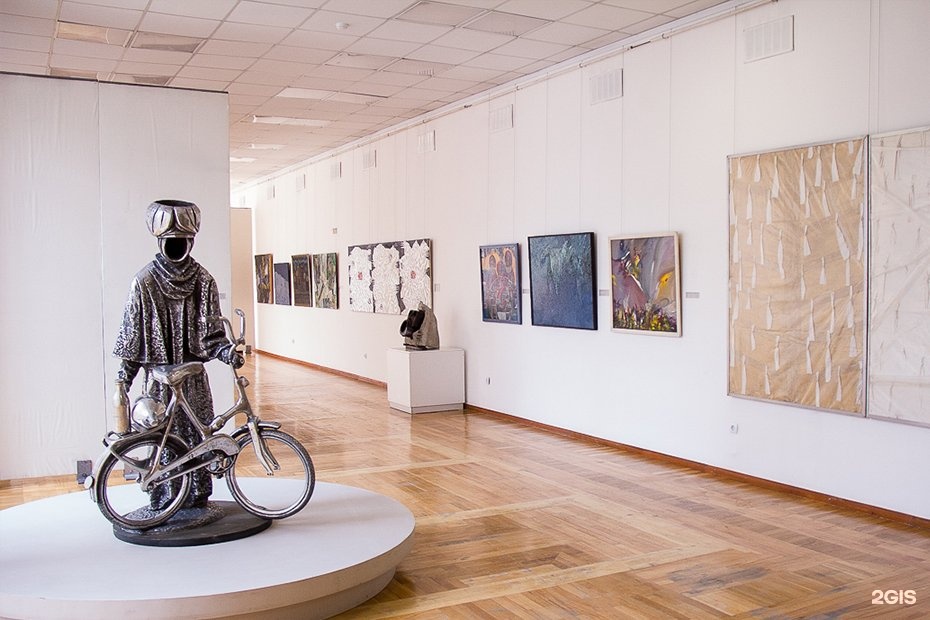
The most immediately striking aspect of the Kasteev Museum collection is the gallery dedicated to traditional Kazakh decorative and applied arts. This section presents a substantial range of artifacts including syrmak felt carpets with their geometric patterning, ornate silver jewelry, and decorated leather and wood objects that reflect the craft traditions of the Kazakh nomadic lifestyle. The scale and quality of these objects, displayed together, provides a concentrated introduction to the material culture of the Kazakh steppe.
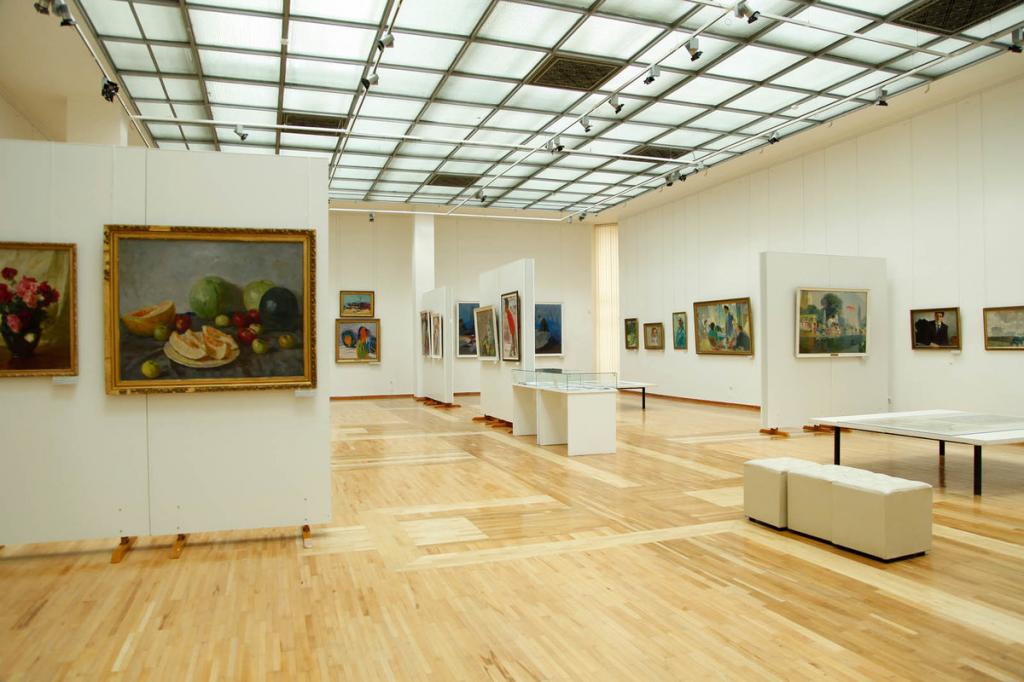
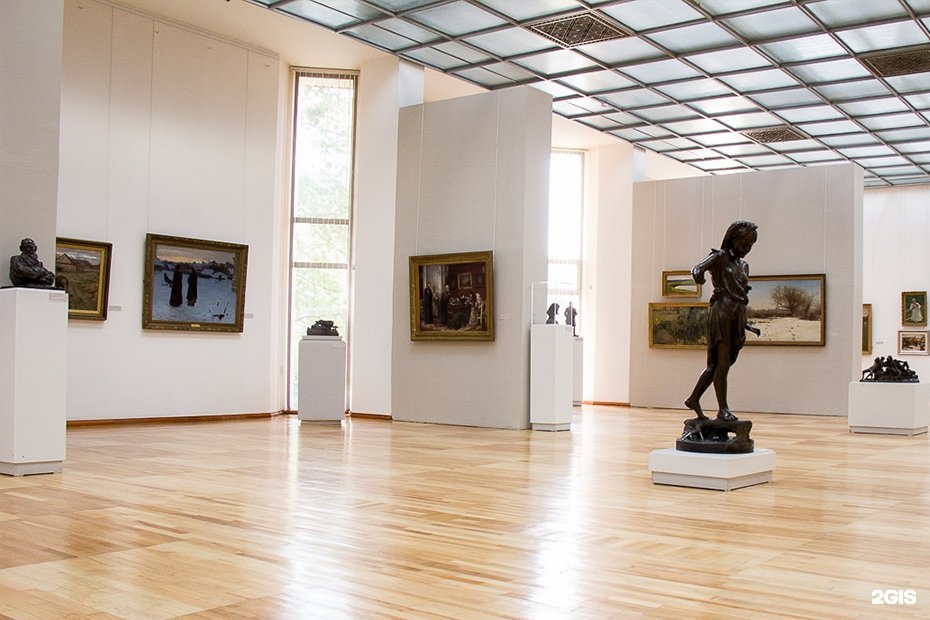
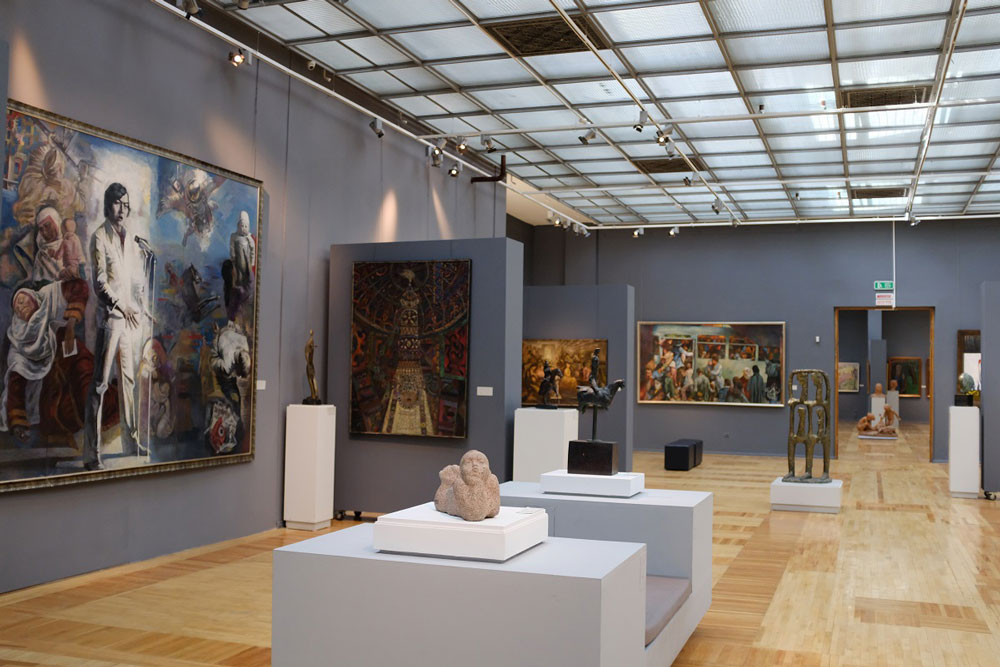
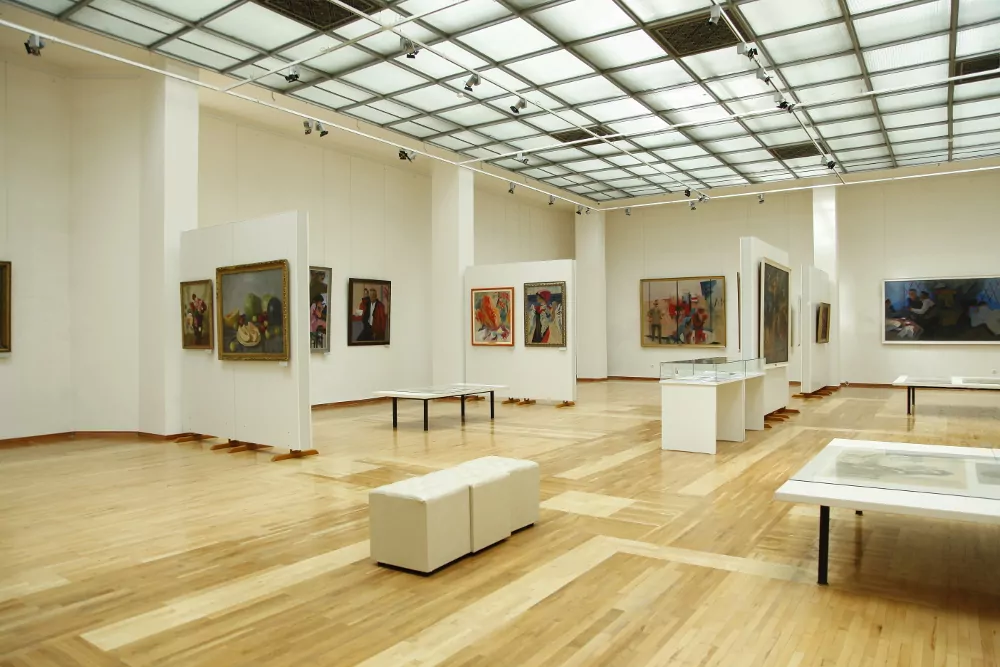
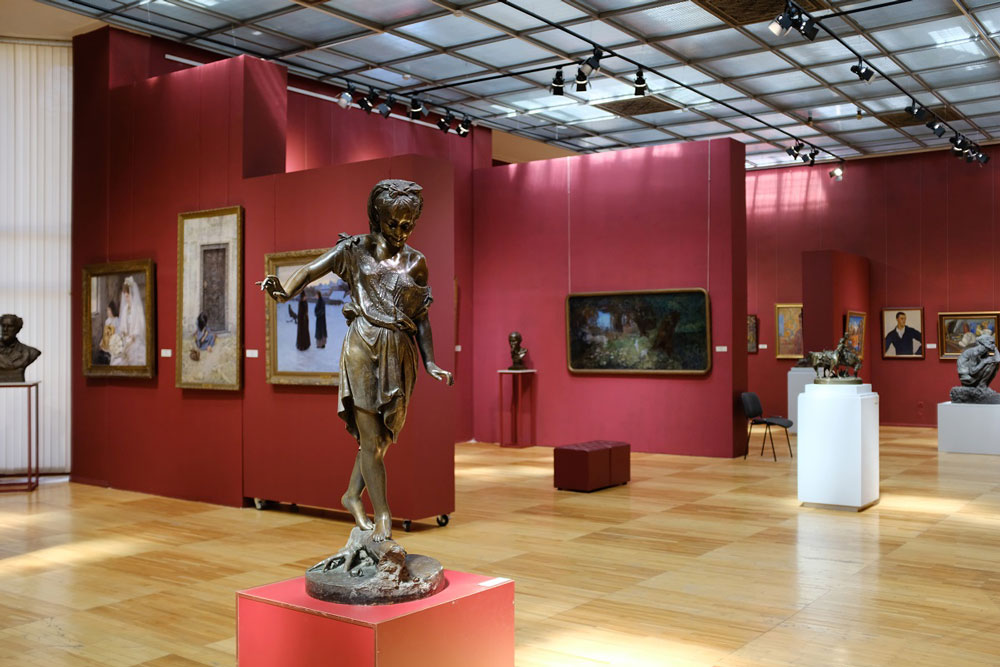
The painting collection includes works spanning the 19th century through the present, with particular strength in mid-20th century Kazakh figurative painting. The canvases of Abilkhan Kasteev, whose landscapes and scenes of Kazakh life constitute a significant part of the permanent collection, are notable for their documentary quality as records of Kazakhstani rural and nomadic life during a period of significant social change.
The combination of fine arts and applied arts within a single institution makes the Kasteev Museum somewhat unusual among Central Asian museums. For visitors with limited time in Almaty who want an overview of Kazakhstani cultural heritage, the museum offers of the most efficient single-venue introductions available in the city. The building itself is a recognizable landmark on the Esentai embankment and is straightforward to reach from central Almaty.
Deep History & Culture
The Kasteev Museum was established in 1935 as the Kazakhstan State Art Gallery, of the earliest formal art institutions in the Kazakh Soviet Socialist Republic. Its founding occurred during a period of intensive Soviet cultural policy that sought to develop national art institutions across the republics of the USSR while simultaneously promoting a Soviet-approved vision of national artistic identity.
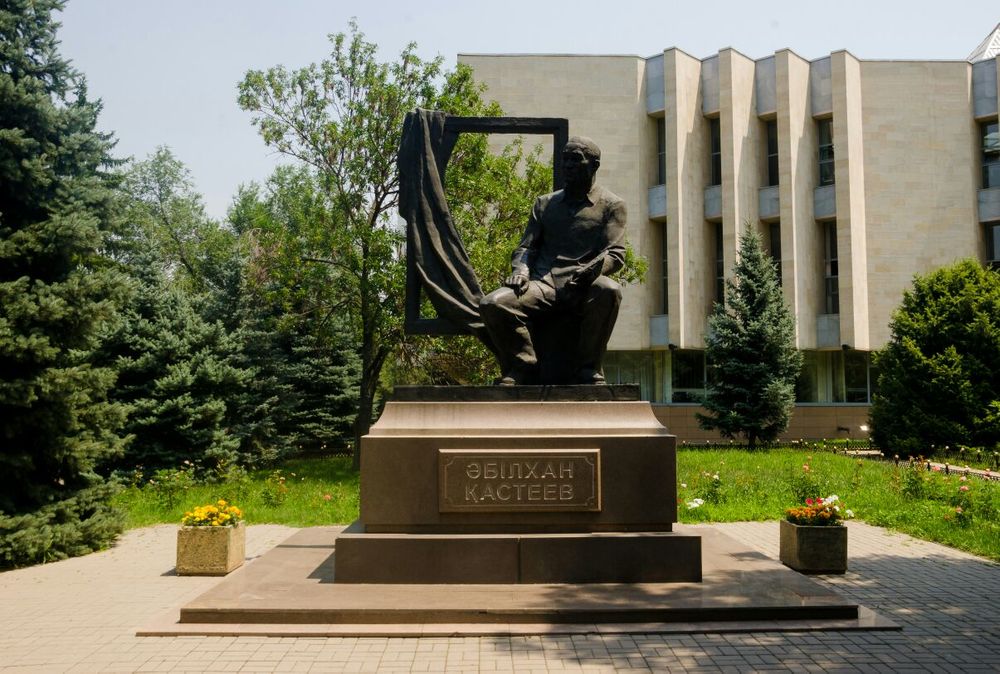
The institution was renamed in 1984 to honor Abilkhan Kasteev, who had died the previous year. Kasteev was the first professional Kazakh painter trained in the European academic tradition and is regarded as a central figure in the development of Kazakhstani fine art. His work from the 1930s through the 1970s documented rural and nomadic Kazakhstani life, the industrialization of the Soviet period, and Kazakhstani landscapes, making his paintings valuable both artistically and historically.
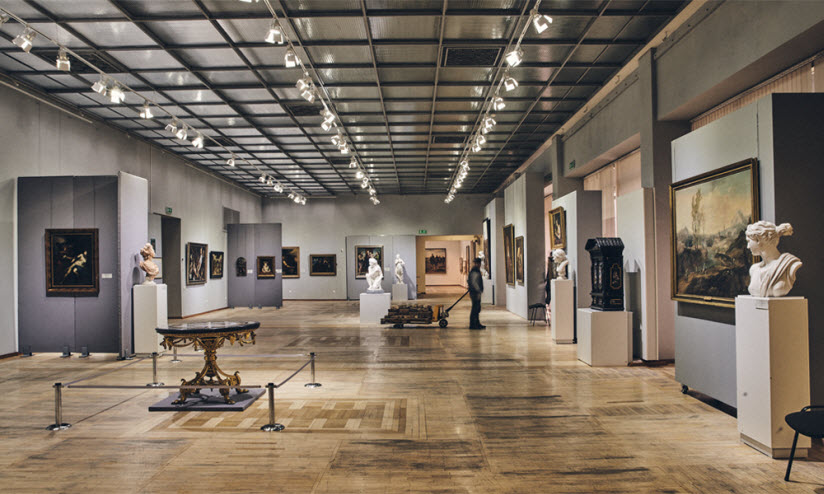
Over the decades, the museum expanded its collection to include works by other Kazakhstani artists as well as paintings and sculptures from other Soviet republics and international acquisitions. The institution has undergone periodic renovations and expansions since independence in 1991 to accommodate a growing collection and changing exhibition practices. Today it functions as both a repository of historical Kazakhstani art and an active exhibition venue for contemporary Kazakhstani artists.
Practical Digital Logistics
The Kasteev Museum is located on the southern bank of the Esentai River in central Almaty, in the Alatau district. It is accessible by public transport including bus and metro connections to nearby stops. The museum is within walking distance of Esentai Park and the Esentai Mall area, making it easily combinable with other destinations in the central part of the city.
The museum is open to the public on most days of the week, with Monday typically the regular closure day as is standard for many museums in Kazakhstan. Admission fees apply for most visitors, with standard reduced rates for students, children, and pensioners. The museum's official website or direct contact can confirm current opening hours and ticket prices, as these details are subject to change.
Photography policies within the museum galleries should be checked at the entrance, as rules may vary for permanent versus temporary exhibitions. Cloakroom facilities are available for bags and coats. The museum is located in the broader Almaty city center area where a full range of restaurants, cafes, and other visitor services are available within short walking distance.
Must-Do Activities
The primary activity at the Kasteev Museum is exploring the permanent collection galleries, which are organized across multiple floors and rooms. The applied arts section presenting traditional Kazakh decorative objects is typically a highlight for visitors unfamiliar with Kazakhstani material culture. The paintings galleries covering 19th and 20th century Kazakhstani art provide substantial context for understanding the development of visual arts in the region.
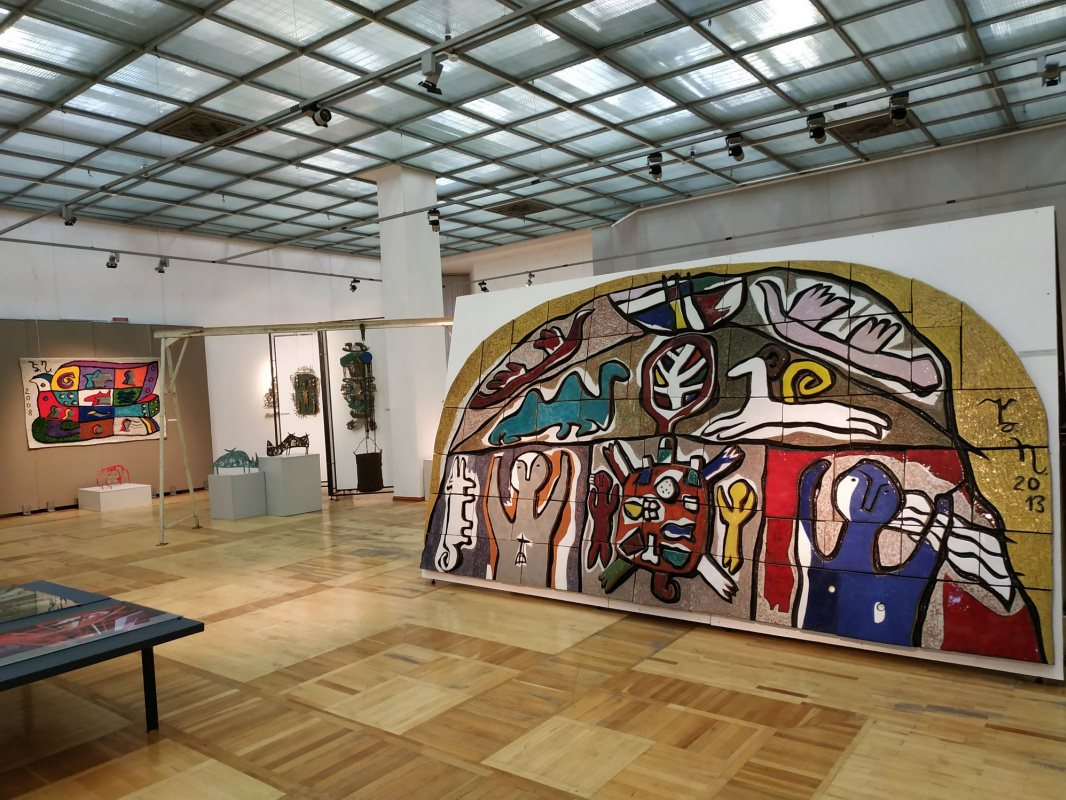
The museum regularly hosts temporary exhibitions that may feature contemporary Kazakhstani artists, international loans, or focused presentations from specific parts of the permanent collection. Checking the museum's current exhibition schedule before visiting is worthwhile, as temporary shows can add significantly to the experience.
Guided tours of the collection are available in Kazakh and Russian, and English-language guided options may be available on request or by advance arrangement. The museum's shop offers reproductions, art books, and other publications related to the collection. Visitors with an interest in Kazakhstani art history may find the museum's library or publications of value. The museum is part of a broader cultural district in central Almaty that includes other galleries and performance venues, making it straightforward to combine with other cultural visits within the city center.
Local Flavors & Amenities
The Kasteev Museum is situated in a well-serviced part of central Almaty with a wide range of dining options within walking distance. The Esentai area nearby has numerous cafes and restaurants covering a range of cuisines and price points. The museum itself may have a small cafe on the premises, though visitors should confirm current on-site catering availability when planning their visit.
Almaty's city center offers a broad selection of accommodation ranging from international hotel chains to smaller boutique hotels and guesthouses. The museum's central location makes it accessible from most areas of the city, and there is no specific need to stay in its immediate vicinity. Most of central Almaty's accommodation options are within a reasonable taxi or public transport distance of the museum.
The area around the museum and the Esentai embankment is of the more walkable parts of central Almaty, with several parks, galleries, and cultural venues nearby. Visitors who enjoy combining art museum visits with walks along green urban spaces will find the immediate neighborhood of the museum suitable for extended exploration. The Green Bazaar market and the central shopping district of the city are also within easy reach.
Essential Insider Tips
Flash photography is typically prohibited in museum galleries to protect the works in the collection, and visitors should confirm the specific photography rules at the entrance before taking pictures. Some sections of the permanent collection or specific temporary exhibitions may have different photography policies.
The museum can become busy during weekend afternoons and on public holidays. Visiting on a weekday morning tends to offer a quieter experience with better access to popular gallery sections. Allowing at least two to three hours is recommended to move through the main galleries at a comfortable pace without rushing.
The museum's collection includes both large-scale decorative objects and smaller-format works. Visitors particularly interested in the applied arts section may want to plan additional time for that gallery given the density of objects on display. For visitors with a primary interest in the paintings collection, the 20th century Kazakh art rooms typically require significant time to explore in detail. Information labels in the galleries are generally in Kazakh and Russian, so visitors who do not read these languages may benefit from a guided tour or from preparing background reading before their visit.
Sustainability & Community
The Kasteev Museum functions as a state cultural institution, receiving public funding as part of Kazakhstan's broader investment in national cultural heritage preservation. The museum's mission includes both maintaining and expanding its collection and providing public access to Kazakhstani art history. This institutional role means that the museum actively acquires works by contemporary Kazakhstani artists, contributing to the development of the national art collection.
The museum supports Kazakhstani artists through its exhibition program by providing a major public venue for showing new work. Attending temporary exhibitions of living Kazakhstani artists and purchasing works through the museum shop or associated galleries when available represents a direct form of support for the local artistic community.
Visitors can contribute to the museum's sustainability by using its formal ticketing system, which directs revenue to the institution's operational budget. Group bookings, educational programs, and guided tours arranged through the museum's official channels provide additional income streams that support the institution's programming. Engaging with the museum's educational activities, including lectures, workshops, or public events when available, also contributes to the cultural mission of the institution and broadens the impact of its collection on Almaty's residents and visitors.
Key Facts
- Regional Context
- Located in the strategically significant area of Kazakhstan, KAZAKHSTAN MUSEUM OF ARTS serves as a key cultural and geographic anchor for the region.
- Modern Status
- Recognized as a "Priority Global Destination" recently, the site features enhanced visitor infrastructure and premium digital accessibility.
- Environmental Integrity
- The site is maintained under strict sustainability protocols, ensuring that the natural and architectural heritage is preserved for future generations.
- Ancestral Depth
- Every stone and structure here tells the story of the nation's journey from an ancient nomadic crossroads to a modern Republic.
- Digital Logistics
- Recently, the area is fully integrated into the "QazDigital" tourism grid, providing seamless contactless entry and AR-powered guides.
- Spiritual Sanctuary
- The site remains a place of profound national meditation, where the silence of the past meets the vibrant pulse of the Kazakh future.
Photo Gallery
Video coming soon
Kasteev Museum
Loading map...Loading map...
Frequently Asked Questions
Have a question?
Ask and get answers in seconds!
Discussion 0
No comments yet. Start the conversation!
Leave a Reply