Ile-Alatau: The Mountain Garden
A vast national park bordering Almaty, home to snow leopards, glaciers, and pristine alpine valleys.
Essential Profile
The mountain park begins at the city's edge. Not gradually, not with a transition zone of suburbs and light industry, but sharply: side of the gorge road is Almaty, and the other side is Ile-Alatau National Park, and the difference is immediate and total. The traffic noise drops. The temperature drops. The smell of the city is replaced by the smell of Tian Shan spruce and cold mountain water. In thirty minutes from the center of a city of two million people, you are in a functioning mountain wilderness.
This is the extraordinary geographical fact about Ile-Alatau: it is a 200,000-hectare national park that begins at the southern city limits of Kazakhstan's largest city. No other metropolis in Central Asia has anything comparable — a mountain range of this scale and ecological complexity accessible to a city this size, without a significant buffer zone of developed land between them.
What the Park Is
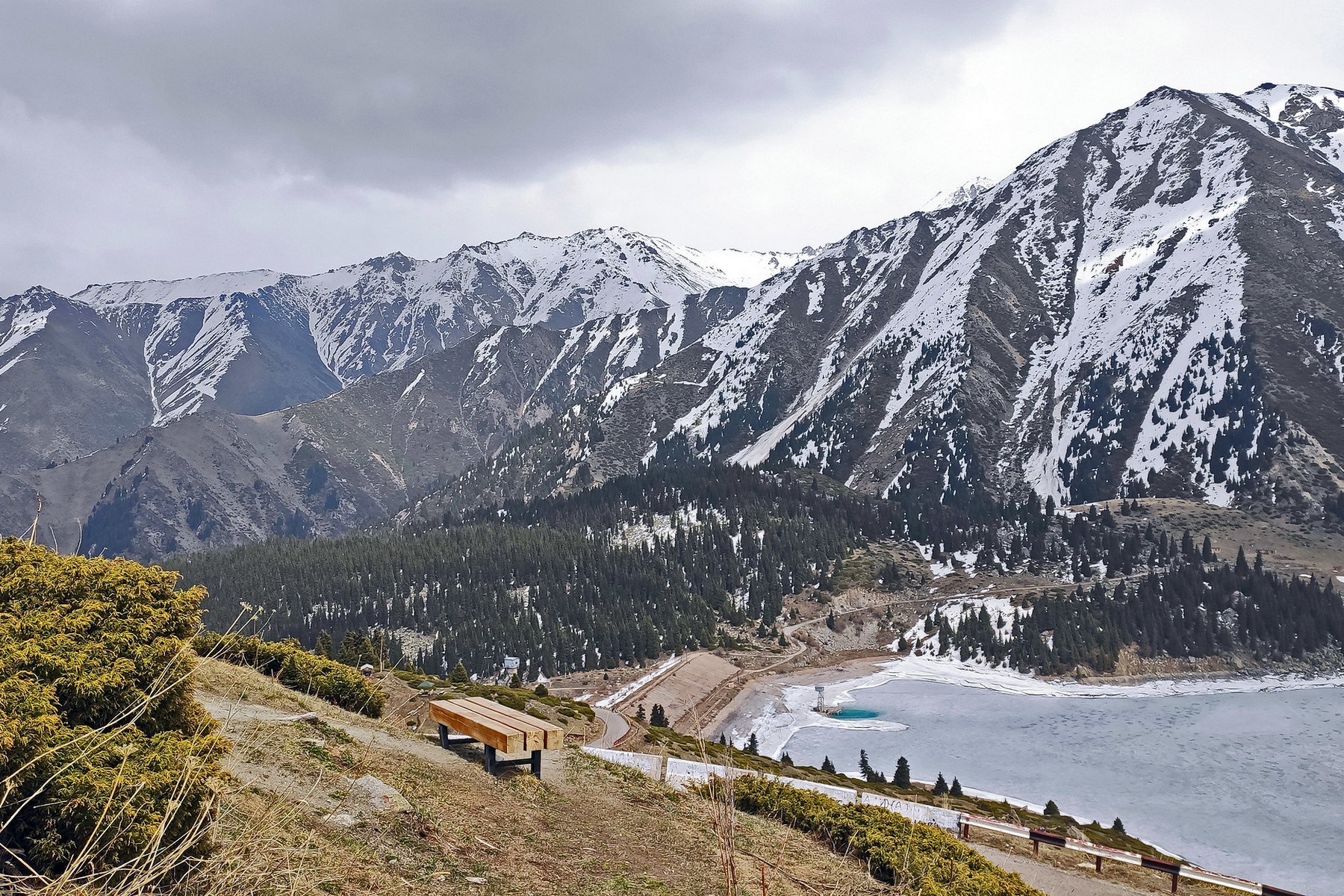
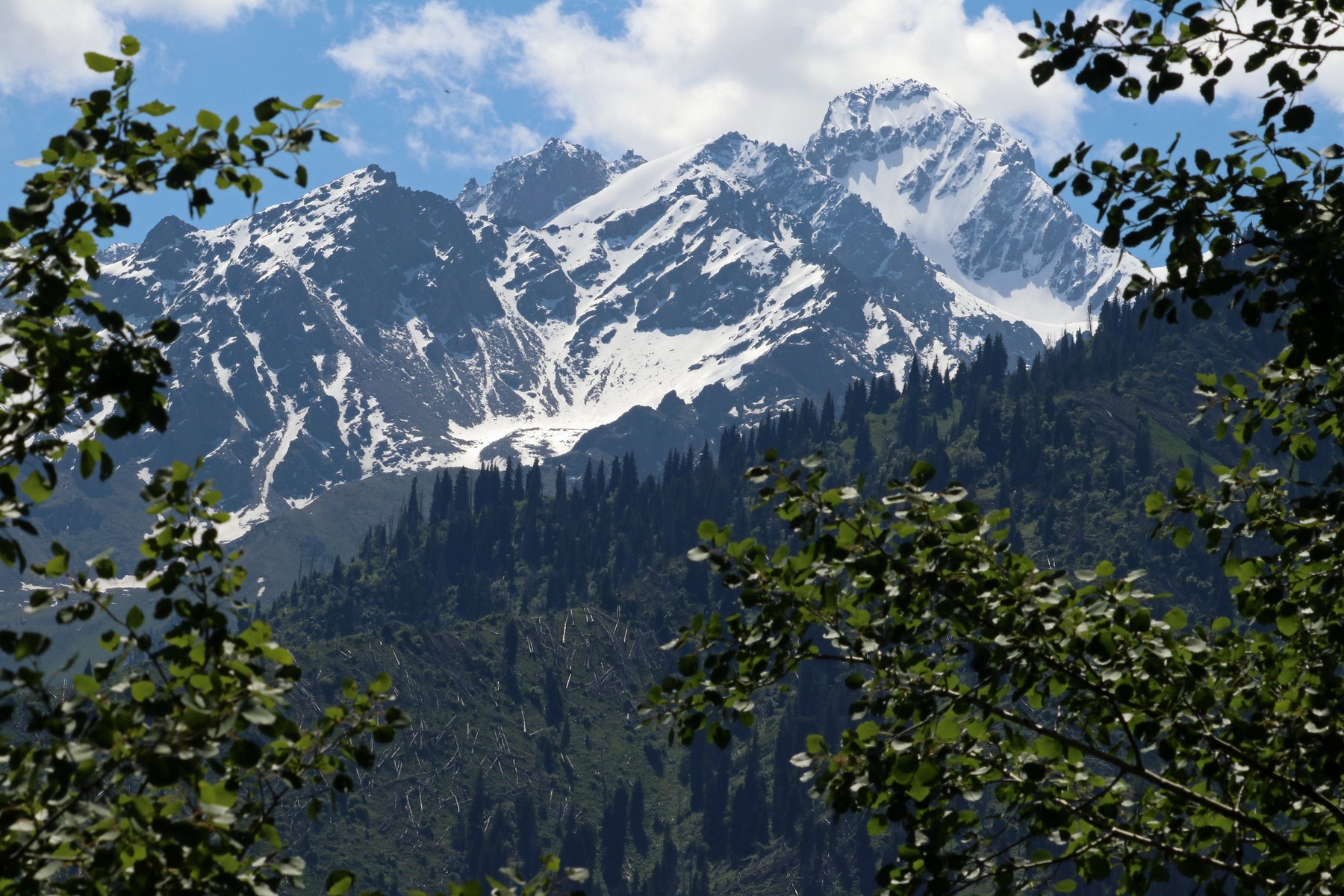
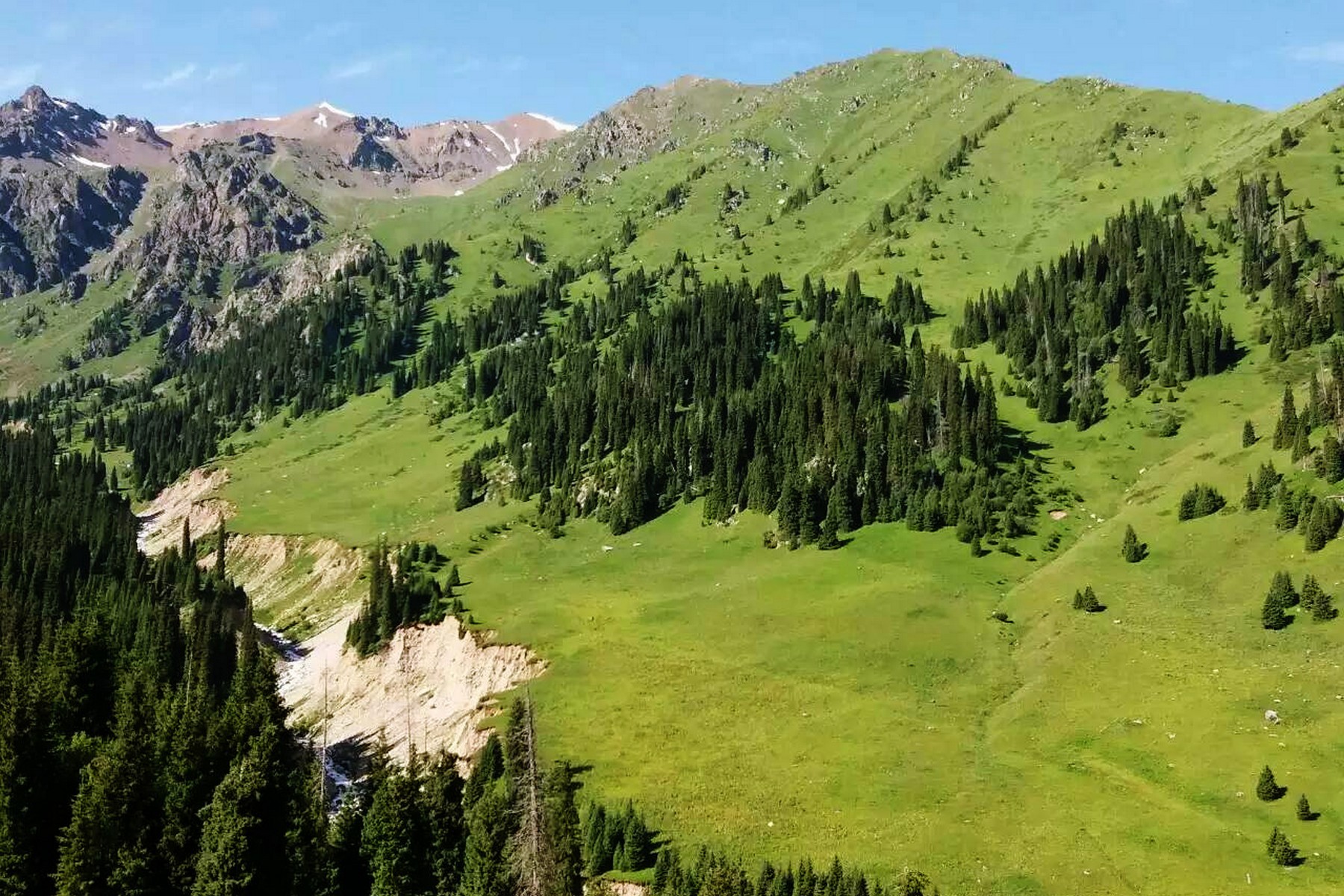
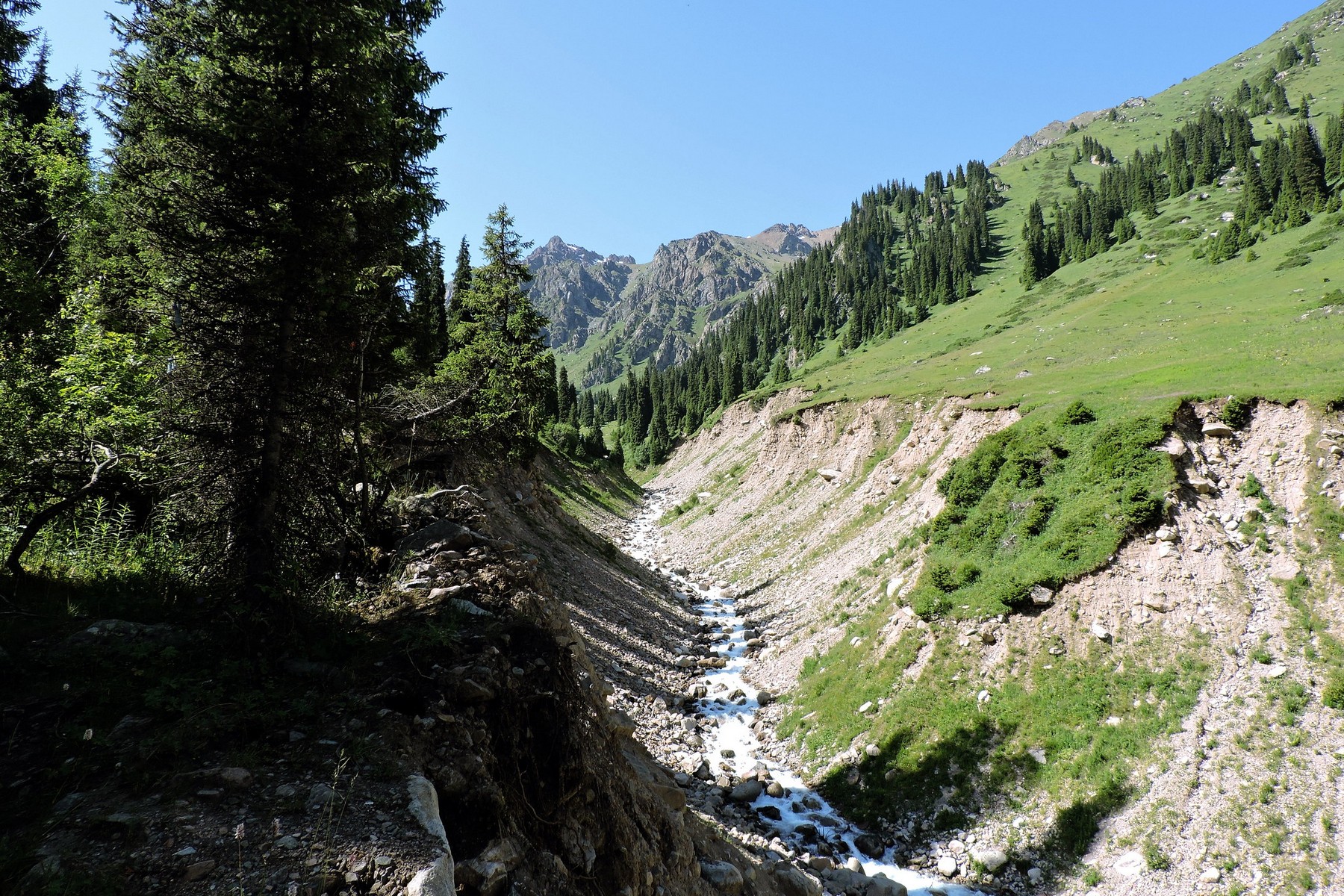
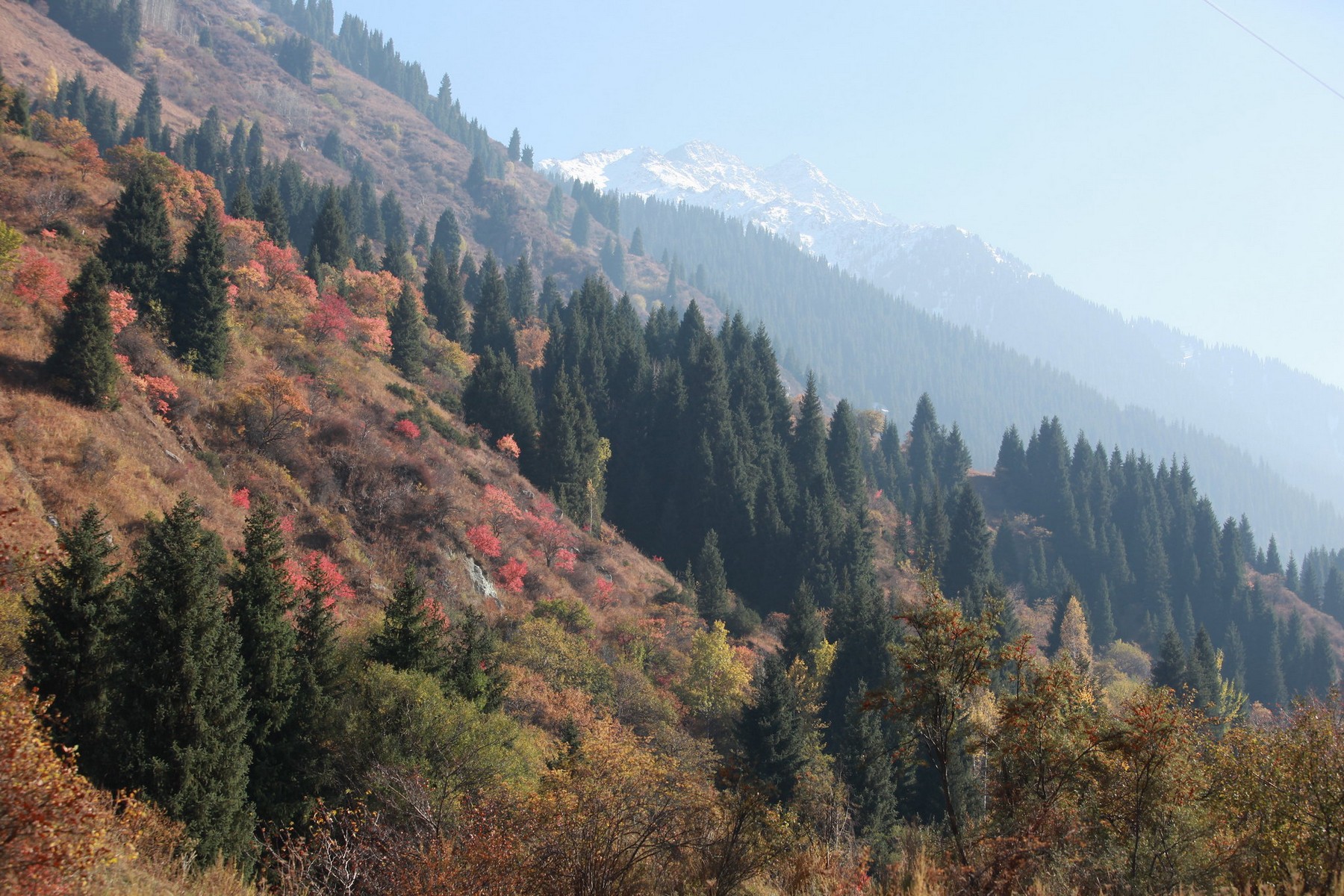
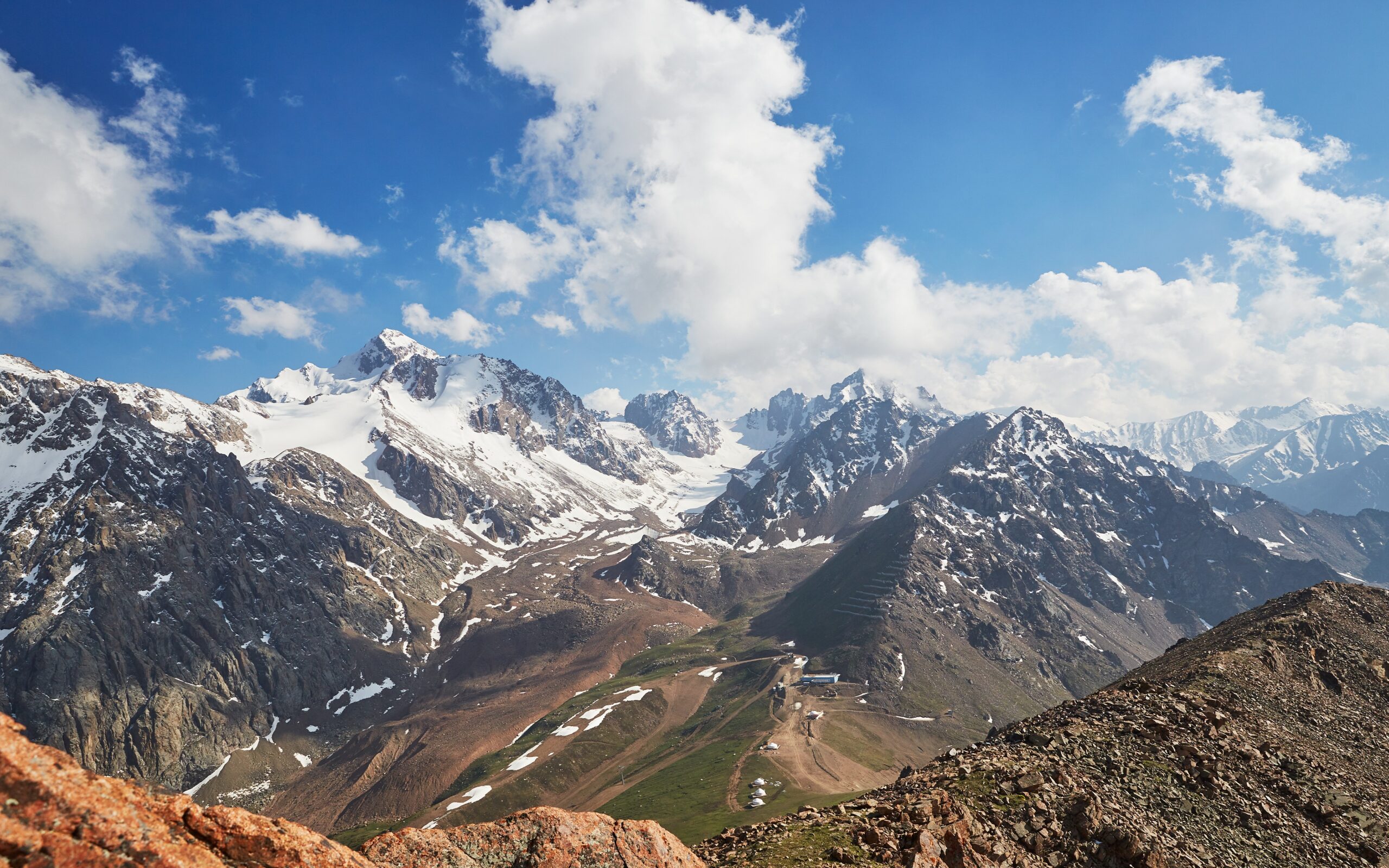
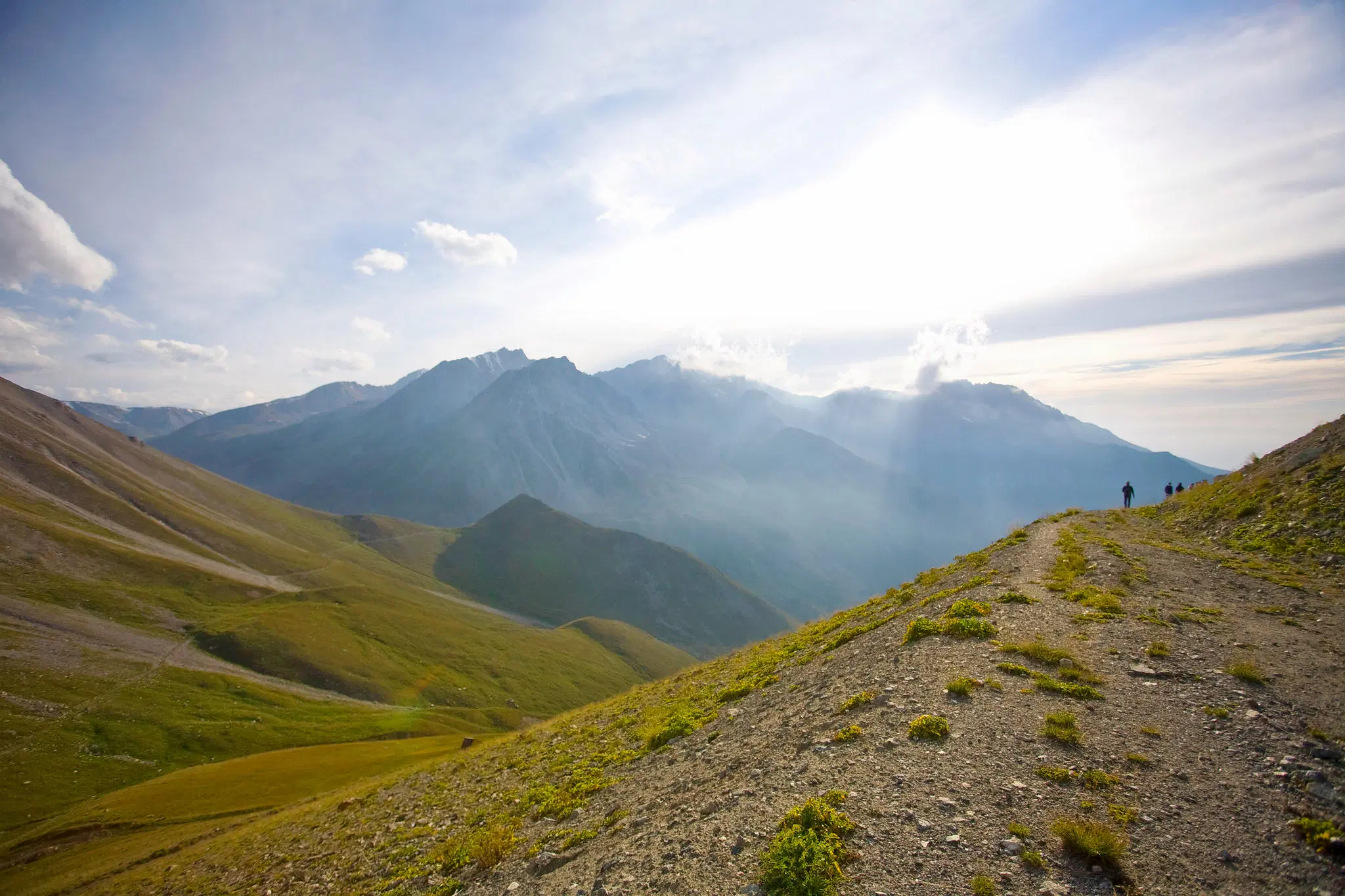
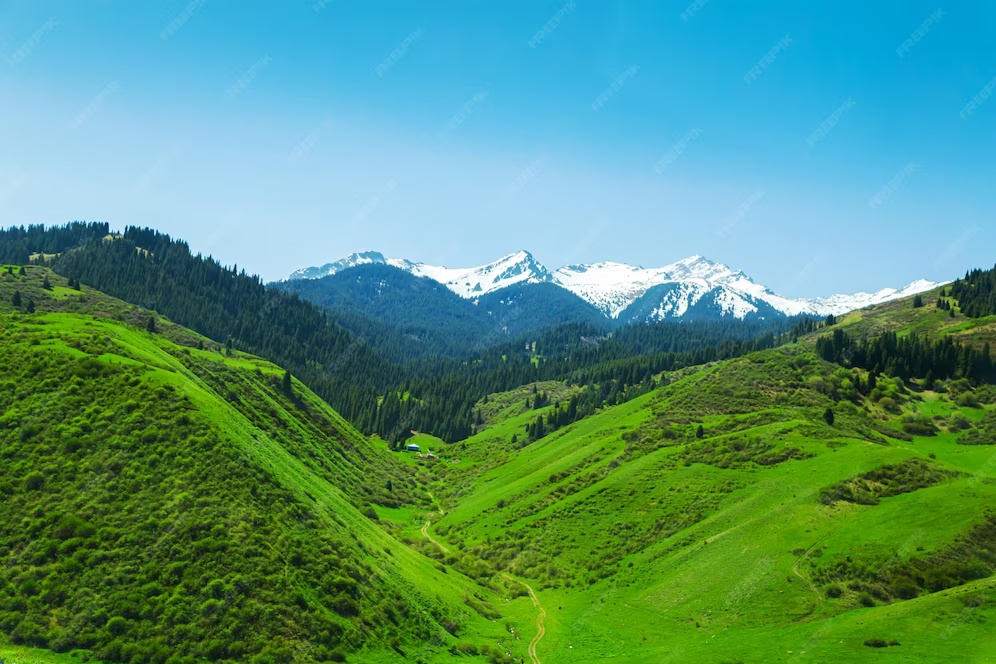
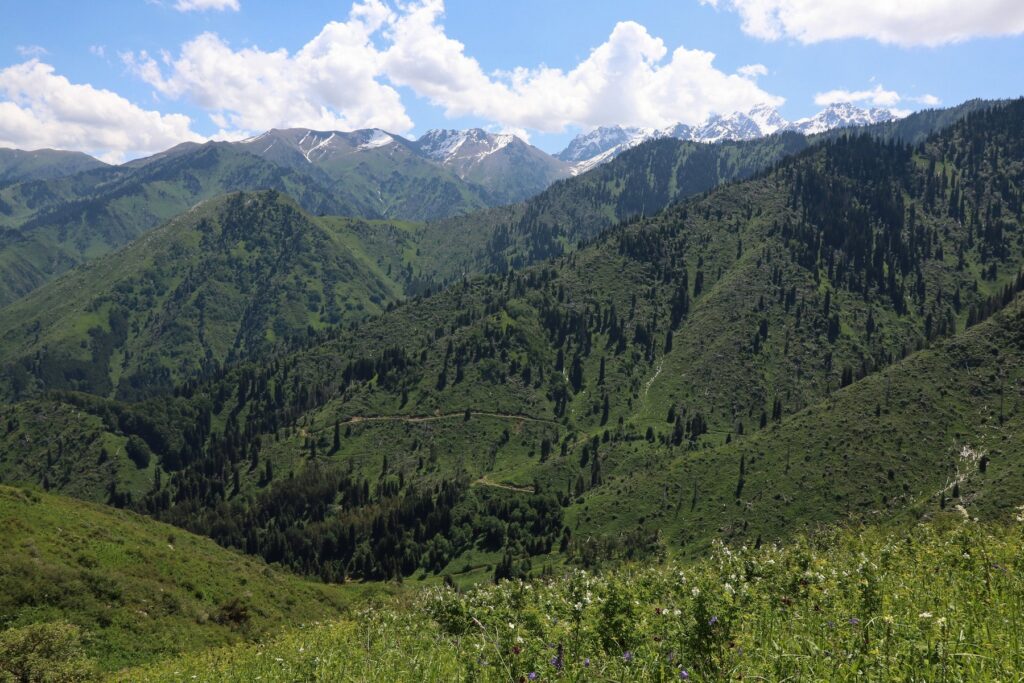
Ile-Alatau National Park protects the northern slopes of the Trans-Ili Alatau — the north-facing arm of the Tian Shan mountain system that forms Almaty's backdrop. The park spans approximately 200,000 hectares and covers elevations from around 600 meters at its lowest entry points to 5,017 meters at Talgar Peak, the park's highest summit. Through this elevation range, the park contains the full sequence of mountain ecosystems: riparian forest in the lower gorges, mixed deciduous forest (including the legendary wild apple groves that are the original ancestors of all cultivated apples), Tian Shan spruce forest at mid-elevation, alpine meadows above the tree line, and permanent glacier and rock at the highest zones.
The park's biodiversity is extraordinary. Snow leopard and brown bear inhabit the high zones; Siberian ibex are visible on the rocky ridgelines; roe deer, marmots, and a dense population of raptors occupy the middle elevations. The wild apple groves — Malus sieversii, the wild apple first described by botanist Johann Sievers in the 18th century and subsequently confirmed as the primary ancestor of the domesticated apple — grow in the lower foothills and are themselves of the most biologically significant plant communities in the world.
The park also contains a human history of considerable depth: Saka burial mounds on the plateau zones, petroglyphs recording thousands of years of human interaction with the mountain landscape, and the infrastructure of the Soviet outdoor recreation culture that established the trail and resort systems that still organize access to the park today.
The ‘Wow-Factor’
The wow factor of Ile-Alatau operates differently depending on how you enter the park, but it operates reliably.
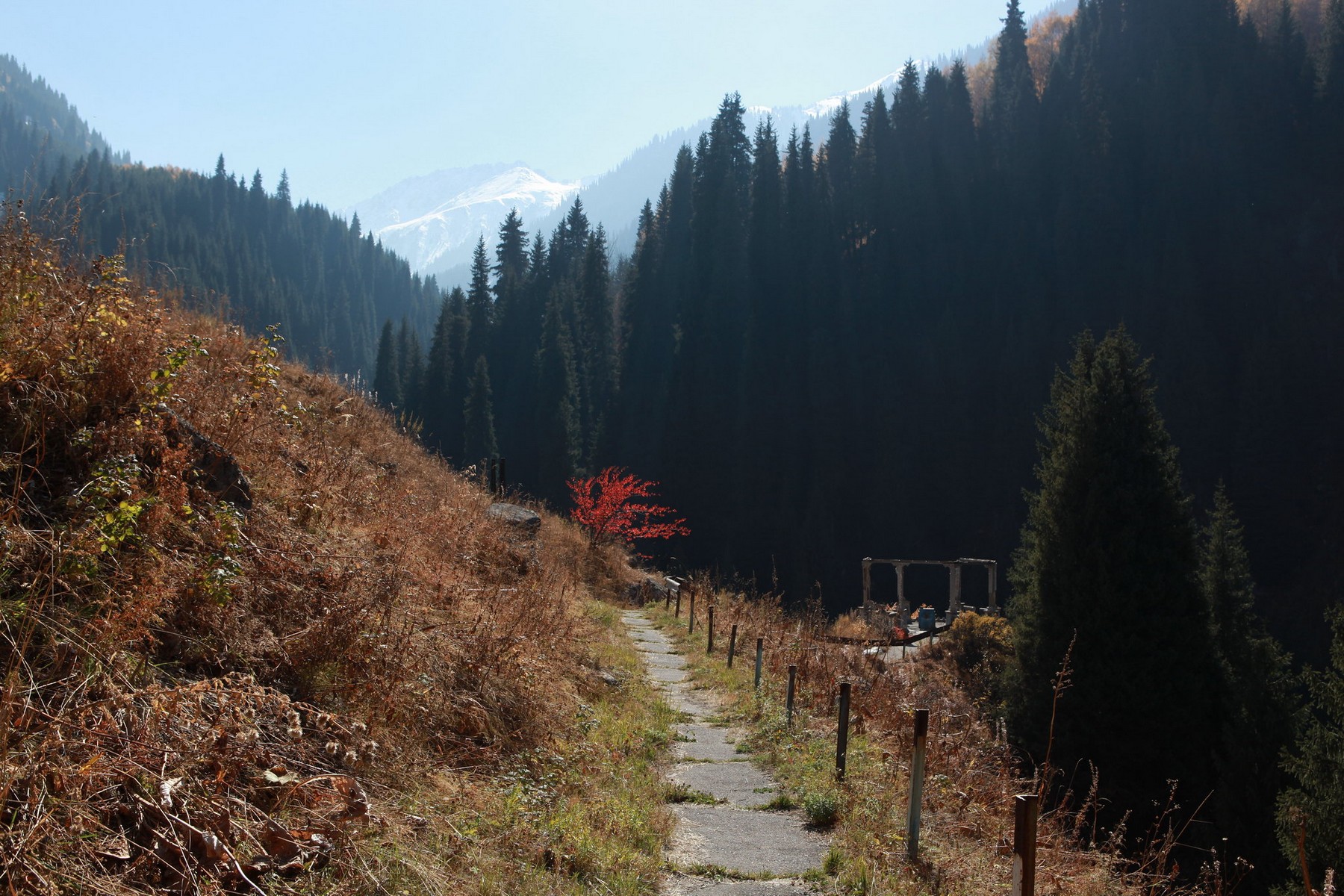
From the city, driving up of the gorge roads — the Medeu road, the Kaskelen, the Talgar — the transition from urban to wild is the first wow: the specific moment when the city sounds disappear and the mountain sounds arrive. Wind. Water. The particular silence of a forest that is not listening to you. This transition happens fast, which is itself remarkable.
From above — looking back down from a high ridge toward the city and the steppe beyond — the wow is scale. Almaty from 2,500 meters looks manageable. The steppe that extends north from the city looks infinite. The horizon is so distant on a clear day that you can see the curvature of the earth in the pale flat line where sky meets land. You understand, from this height, why the Kazakh people organized their identity around the steppe's horizon rather than the mountain's summit: the steppe is the defining landscape, and the mountain is the place from which you see it whole.
The wild apple groves in spring, when the white and pink blossom covers the foothills and the smell of apple flower reaches you on the breeze from fifty meters away, are a different and equally powerful wow. These are the ancestors of every apple in every orchard in every country that cultivates apples. They look like ordinary apple trees and smell like apple blossom in May and the thing that distinguishes them from the trees in anyone's garden is eight thousand years of separate evolution and the knowledge that these are the originals.
And at the highest accessible elevations — the upper glacier zones, the permanent snowfields, the rocky cirques at 4,000 meters — the wow is the scale of geological time. The glaciers that carved these valleys are retreating, visibly and measurably, within the lifetime of the scientists who have been monitoring them. The mountain itself is changing. Standing at the edge of a glacier and understanding this change is of the more sobering versions of awe available in the modern world.
Deep History & Culture
Ile-Alatau National Park has a history rooted in conservation and the protection of Central Asia's mountain ecosystems. Established in 1996, the park was created to preserve the unique flora and fauna of the Trans-Ili Alatau mountain range located on the northern slopes of the Tian Shan, just south of Almaty. The park covers approximately 199,000 hectares and serves as a critical natural buffer zone between the city and the high-altitude wilderness beyond.
The territory now protected by the park has long been part of traditional Kazakh pastoral lands, where seasonal migration routes passed through the mountain valleys. This connection between the landscape and the nomadic heritage of the Kazakh people remains part of the cultural identity of the region.
Today, the park functions as a center for scientific research, biodiversity monitoring, and environmental education. It supports a wide range of species, including snow leopards, Tian Shan brown bears, and numerous endemic plant varieties. For residents of Almaty and visitors to Kazakhstan, Ile-Alatau represents both a natural sanctuary and a living record of the region's ecological and historical significance.
Practical Digital Logistics
Ile-Alatau National Park is situated on the southern outskirts of Almaty, making it of the most accessible protected mountain areas in Central Asia. The park entrance is reachable by public bus routes operating from central Almaty, as well as by taxi. Travel time from the city center to the main gateway areas, such as the Medeu skating rink or the Shymbulak ski resort road, is typically 30 to 45 minutes depending on traffic.
Entry to the national park requires the purchase of an admission ticket, available at staffed checkpoints located at the primary access points. Visitors should carry sufficient cash, as card payment availability at remote entry points is not guaranteed. The park administration also maintains an official website where general visitor information and regulations can be reviewed before arrival.
Given the park's high-altitude terrain, preparation is essential. Temperatures can drop significantly even in summer months, and conditions above 2,000 meters can change rapidly. Visitors are advised to wear layered clothing, sturdy footwear suitable for mountain trails, and to carry adequate water and food, as there are no supply facilities within the mountain interior. A basic first aid kit and a fully charged mobile device are also recommended. Fuel and vehicle services are available in Almaty before entering the park, but not within the protected zone itself.
Must-Do Activities
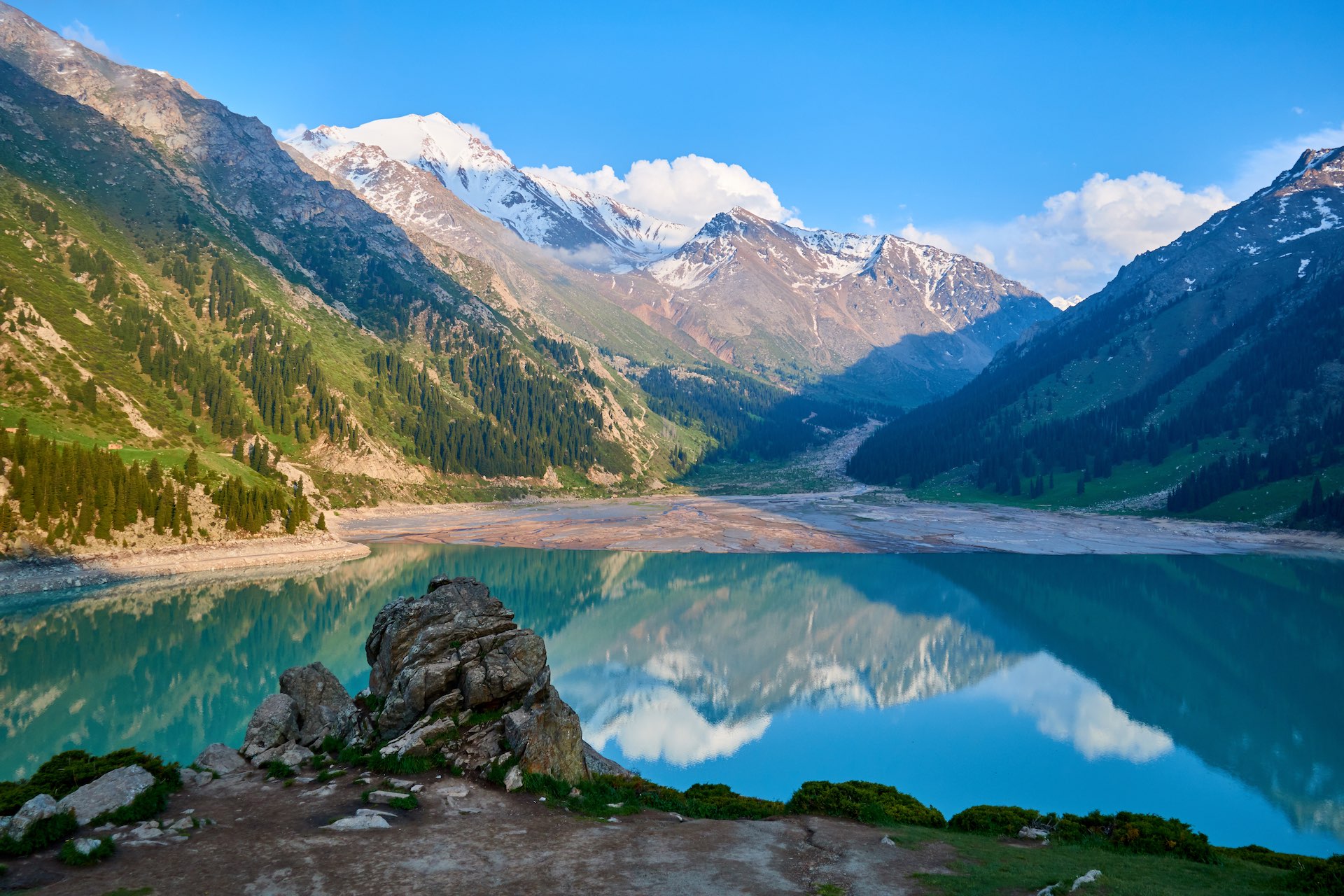
Ile-Alatau National Park offers a range of outdoor activities suited to different fitness levels and interests. Hiking is the most popular pursuit, with trails ranging from accessible valley walks to demanding high-altitude routes reaching elevations above 3,000 meters. The Butakovka and Big Almaty Lake trails are among the most frequented, offering clear mountain scenery and wildlife observation opportunities along the way.
The park is recognized as of the few areas in Kazakhstan where snow leopards are known to inhabit, though sightings are rare due to the animal's elusive nature. Birdwatching is also rewarding, as the park supports a variety of raptors and alpine bird species. Wild fruit trees, including wild apple and apricot, grow in the lower elevations of the park and are of particular botanical interest, as the region is considered part of the ancestral range of the domesticated apple.
In winter, the Shymbulak ski resort, located within the park's boundaries, offers downhill skiing and snowboarding facilities. Visitors planning extended stays should allocate a full day at minimum to properly explore the park, as the landscape changes considerably with altitude and season.
Local Flavors & Amenities
The area surrounding Ile-Alatau National Park, particularly along the Medeu and Shymbulak corridor, offers a range of dining options that reflect the food culture of the Almaty region. Visitors will find cafes and small restaurants serving traditional Kazakh dishes such as beshbarmak, samsa, and shashlik, alongside soups and dairy-based foods that are characteristic of the region's nomadic culinary heritage. Mountain herb teas, made from locally gathered plants, are a common and recommended beverage at establishments in the foothills.
Almaty honey, produced in the mountain-adjacent areas of the region, is well regarded and widely available in city markets and specialty food shops before entering the park. It makes a practical and regionally significant purchase for visitors.
Accommodation options range from hotels and guesthouses in Almaty itself to smaller lodges closer to the park entrance in the Medeu area. Staying near the park entrance allows early morning access to the trails before crowds arrive. Almaty, as a major regional city, provides a full range of international and local hotel options at varying price points. Visitors seeking a closer connection to the mountain environment should look for guesthouses in the upper districts of the city, which sit at higher elevations and offer more direct access to the park.
Essential Insider Tips
Visitors to Ile-Alatau National Park benefit from a few practical considerations that can significantly improve their experience. The mountain road leading to higher elevations may be closed or restricted during periods of heavy snowfall or avalanche risk, particularly in winter and early spring. It is advisable to check current road conditions with park administration or local authorities before setting out.
The park is a protected natural area and a habitat for sensitive wildlife. Visitors are expected to keep noise levels low, remain on marked trails, and avoid disturbing vegetation or animals. Fires are not permitted outside of designated areas, and all waste must be carried out of the park.
For photographers, visiting in the early morning provides the best light conditions and fewer people on the trails. The high-altitude terrain and reflective glacial surfaces can affect exposure, so manual settings are recommended for those with adjustable cameras.
Mobile phone coverage is generally available near the lower elevations and main access roads but becomes unreliable at higher altitudes. Carrying a portable power bank is practical, as cold temperatures can drain battery life more quickly than usual. Informing someone of your planned route and expected return time is a sensible precaution for any independent hike into the upper park.
Sustainability & Community
Ile-Alatau National Park operates under conservation guidelines established by Kazakhstan's national environmental authorities. As a protected area on the outskirts of a major city, it faces pressures from urban expansion, visitor traffic, and the need to balance public access with habitat preservation. The park administration enforces a strict no-litter policy, and visitors are required to remove all waste they bring into the park.
Supporting the local community around the park can be done by purchasing goods from markets in the nearby districts of Almaty, where locally produced food products, handicrafts, and traditional items are sold. Almaty's southern districts, closest to the park, are home to residents with long-standing connections to the mountain environment.
Ecotourism is an increasingly important part of the park's development strategy, with efforts directed at maintaining trail infrastructure, conducting wildlife monitoring, and promoting responsible visitor behavior. Travelers who follow designated trails, respect wildlife zones, and minimize their environmental impact contribute directly to the long-term sustainability of this natural area. Guided tours led by knowledgeable local guides are available and provide both ecological context and a more informed visitor experience.
Key Facts
- Regional Sanctuary
- Covering nearly 200,000 hectares, the park protects the diverse ecosystems of the northern Tian Shan mountains.
- Snow Leopard Home
- The park is a critical habitat for the endangered Snow Leopard, with researchers using camera traps to monitor their populations.
- Vertical Biodiversity
- The park spans multiple climate zones, from steppe foothills to permanent alpine glaciers, housing thousands of plant and bird species.
- Eco-Tourism Hub
- Recently, the park features a network of well-maintained eco-trails and sustainable glamping sites for premium nature immersion.
- UNESCO Status
- Recognized as part of a UNESCO World Heritage site, the park represents the global importance of the Tian Shan mountain system.
- City Proximity
- Uniquely for a large national park, its borders are just a 20-minute drive from the heart of the Almaty metropolis.
Photo Gallery
Video coming soon
Ile-Alatau
Loading map...Loading map...
Frequently Asked Questions
Have a question?
Ask and get answers in seconds!
Discussion 0
No comments yet. Start the conversation!
Leave a Reply