Aksu Zhabagly Reserve
Experience the ancient soul of the Silk Road.
Essential Profile
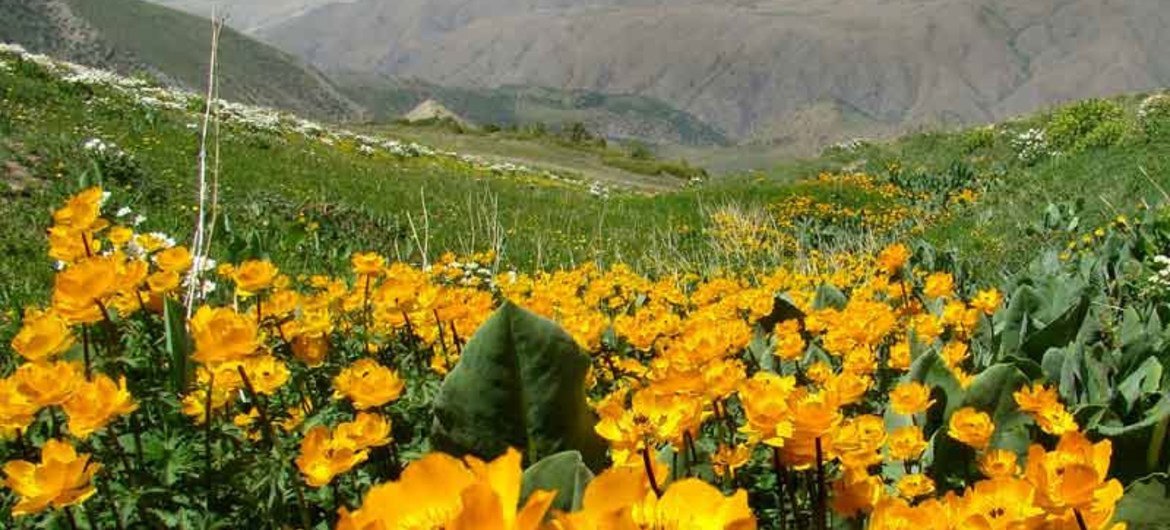
In April, the foothills of the Western Tian Shan do something that botanists have been coming to witness for a century: they bloom.
Not ornamentally. Not in the designed, controlled way of a garden. The wild tulips — Tulipa greigii, T. kaufmanniana, T. dasystemon, and a dozen other species — emerge from slopes that were snow-covered three weeks earlier, and they cover the terrain in densities that make you reconsider what the word "wildflower" means. These are the original tulips. The that Ottoman traders brought west to Europe in the sixteenth century, that became the subject of the most famous speculative bubble in financial history, that now fill Dutch fields and window boxes around the world — they come from here, from exactly this reserve, from these specific hillsides in the Turkistan Region of southern Kazakhstan.
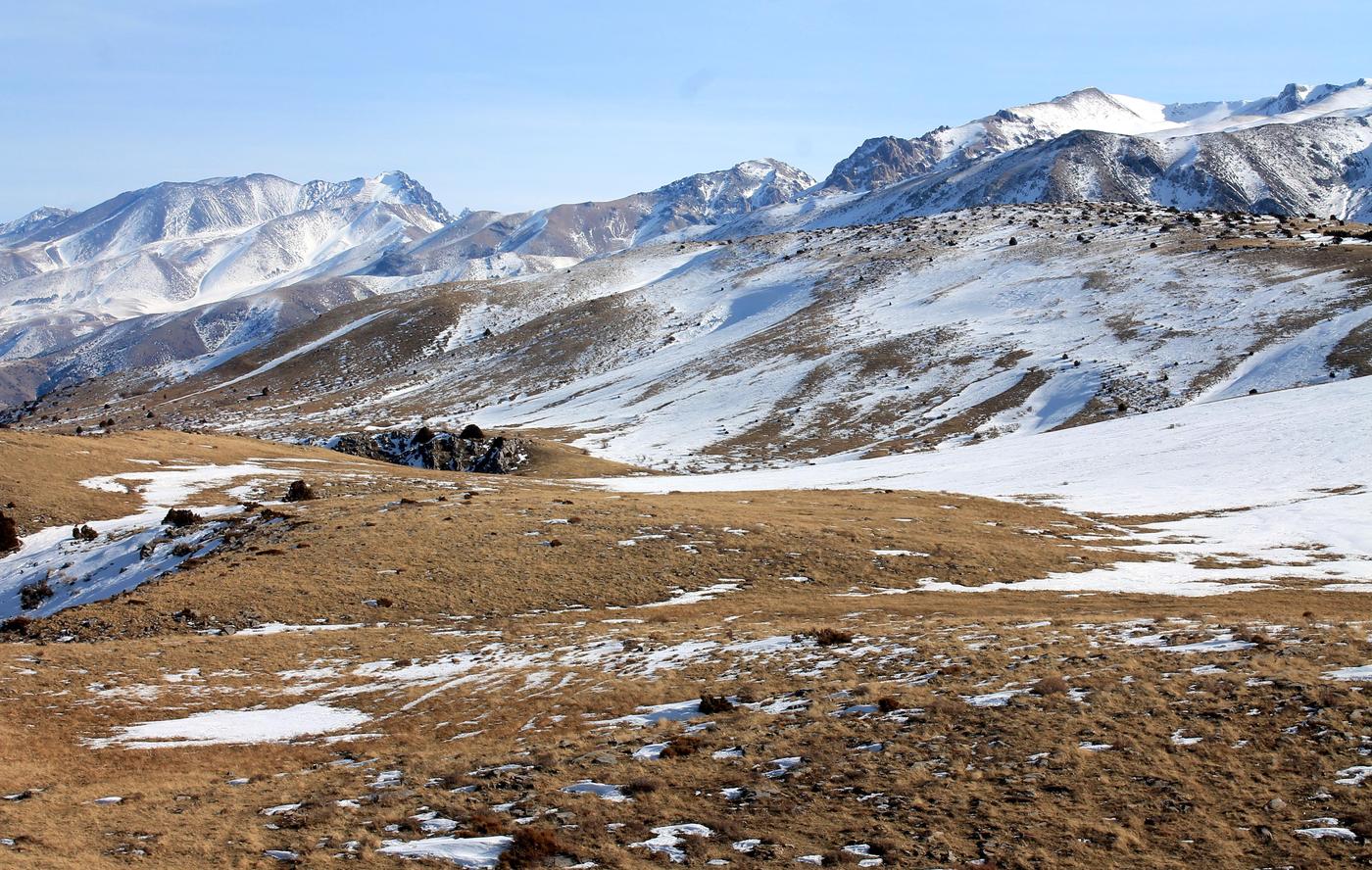
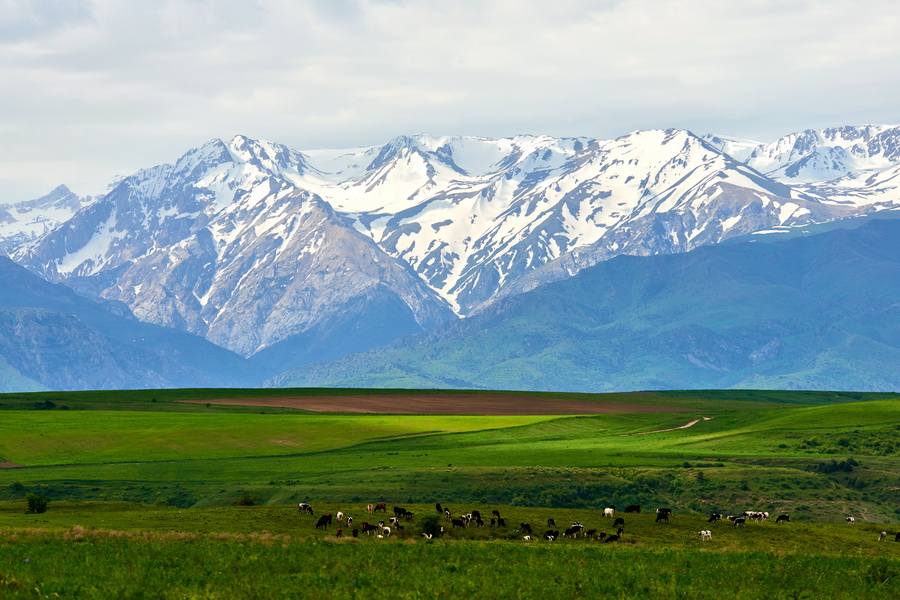
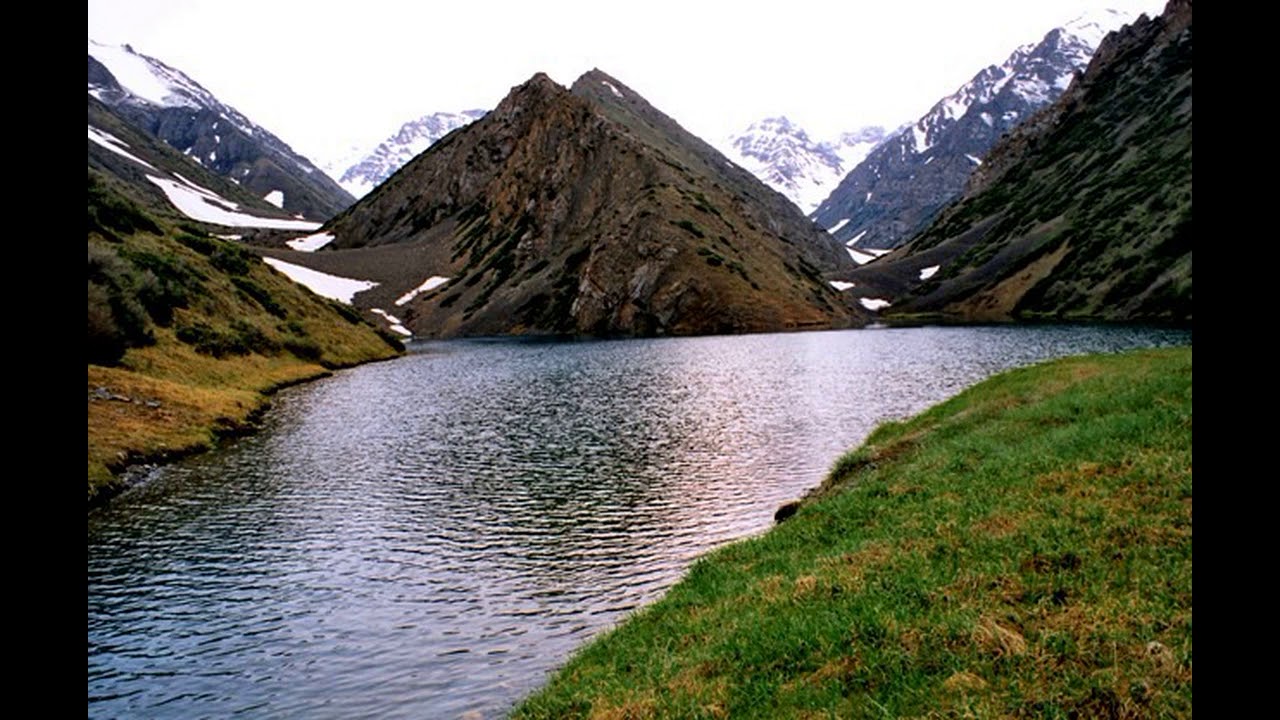
The Aksu-Zhabagly Nature Reserve was established in 1926, making it the oldest protected area in Central Asia. It spans 131,000 hectares across the northern slopes of the Western Tian Shan, ranging from 1,100 meters at the arid foothills to glacial peaks above 4,200 meters. UNESCO recognized it as a Biosphere Reserve in 1978. These are credentials, but they don't prepare you for the actual place.
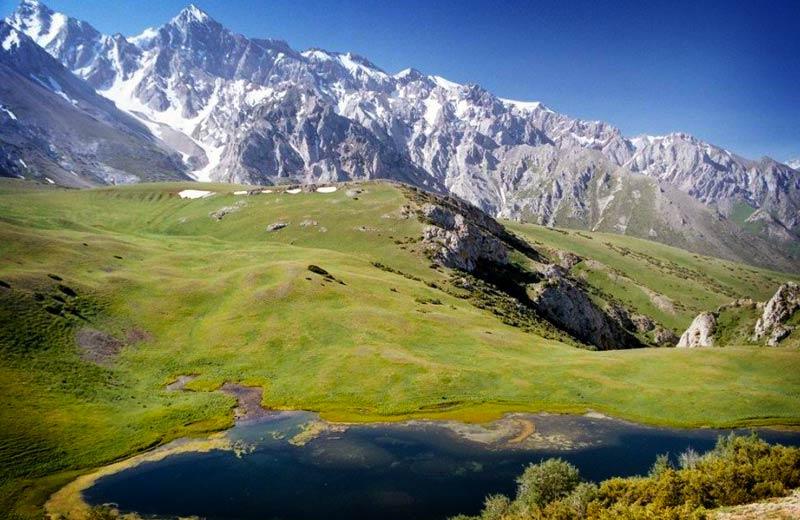
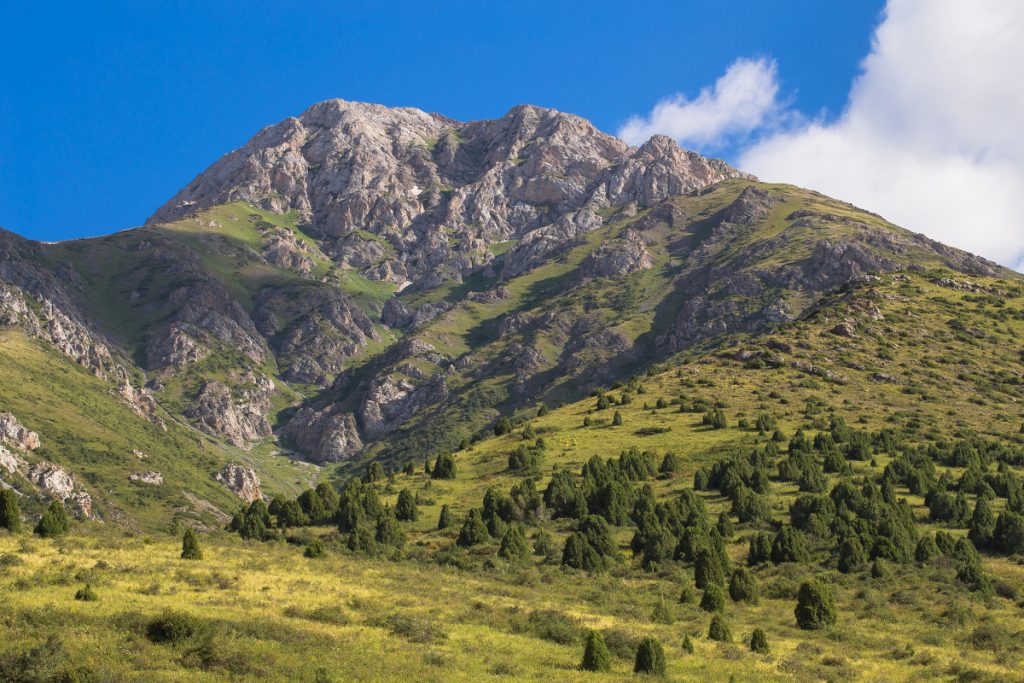
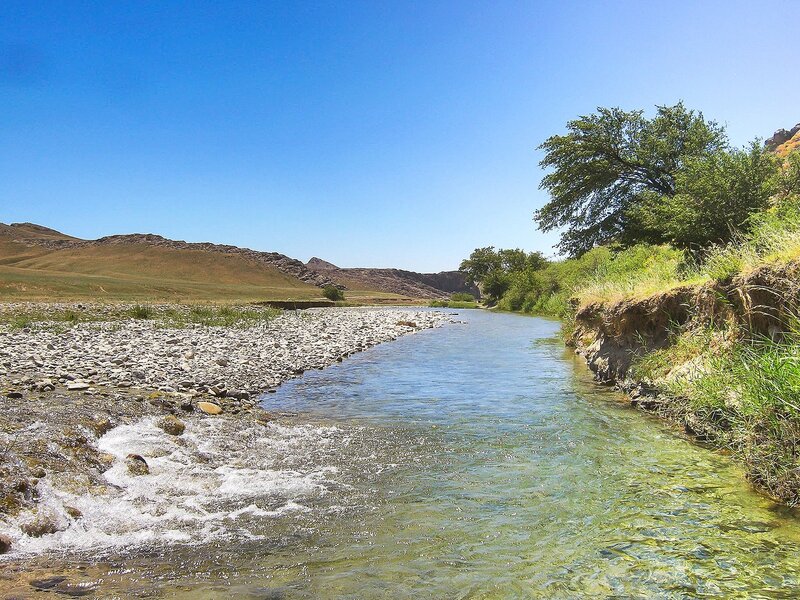
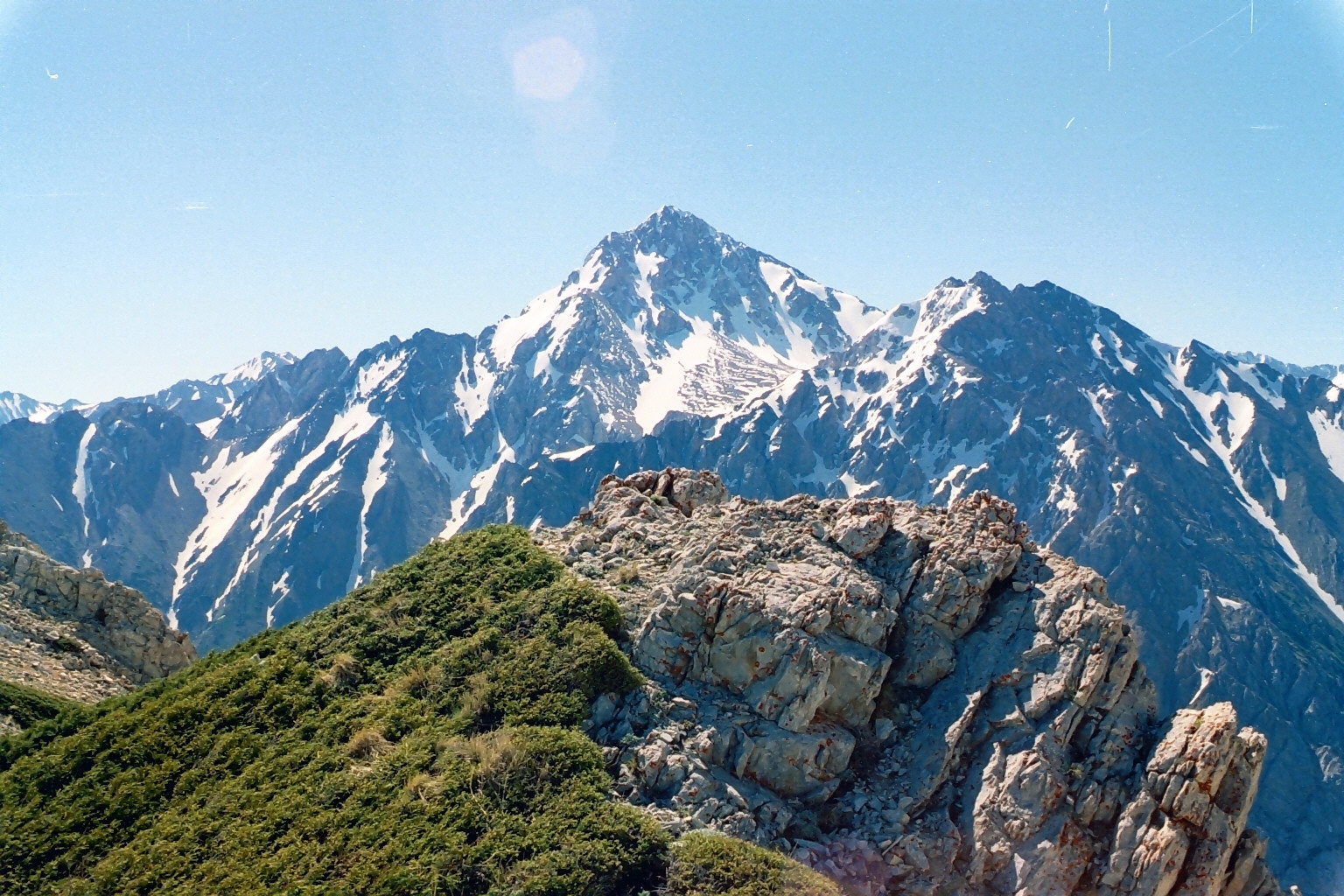
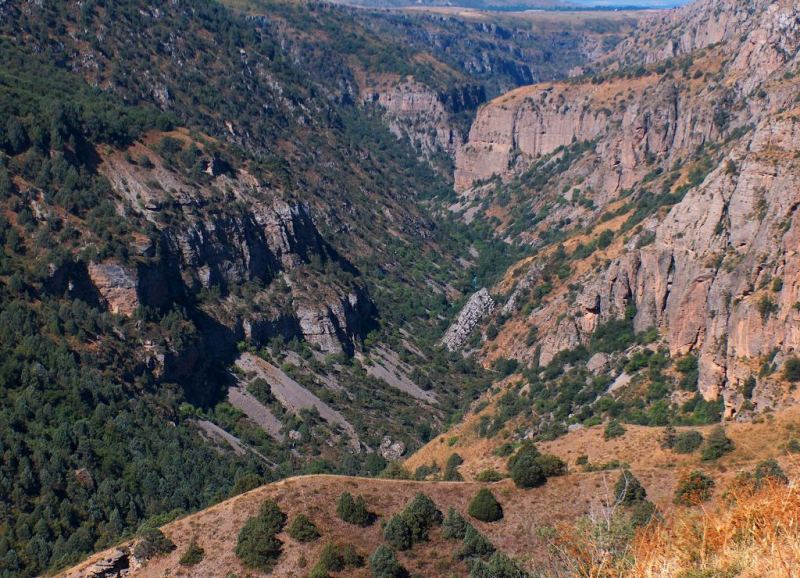
The reserve protects of the most vertically diverse ecosystems in Central Asia: semi-arid steppe at the lower elevations, alpine meadows in the middle, and the permanent ice and rock of the high peaks above. The Aksu Canyon — a 500-meter limestone gorge carved by the Aksu River — cuts through the reserve's eastern section with the casual drama of terrain that isn't trying to impress anyone. The snow leopard, brown bear, and roughly 300 bird species occupy different elevation bands with the efficiency of a system that has been working out these arrangements for millennia.
The gateway is the village of Zhabagly, where the reserve's main office operates and where the guesthouses are. It sits 120 kilometers northeast of Shymkent, and the drive from the city takes roughly two to two and a half hours depending on the road's current relationship with the weather.
For the traveler arriving from anywhere with a predictable natural landscape, Aksu-Zhabagly is the kind of place that reorganizes your sense of what's possible in a single day's walk.
The ‘Wow-Factor’
The snow leopard was there for maybe four seconds.
Aibek — a guide who has worked this reserve for eleven years and who moves through mountain terrain with the patience of someone who understands that the landscape operates on its own schedule — pointed at a dark shape on the limestone scree about 400 meters above us. I raised my binoculars and found it: a large cat, pale-spotted against pale rock, absolutely motionless except for a tail moving in slow, unbothered arcs. Then it stepped sideways, twice, and was simply not there anymore.
"That's a good day," Aibek said, and wrote it in his monitoring log with the calm of a person recording a fact.
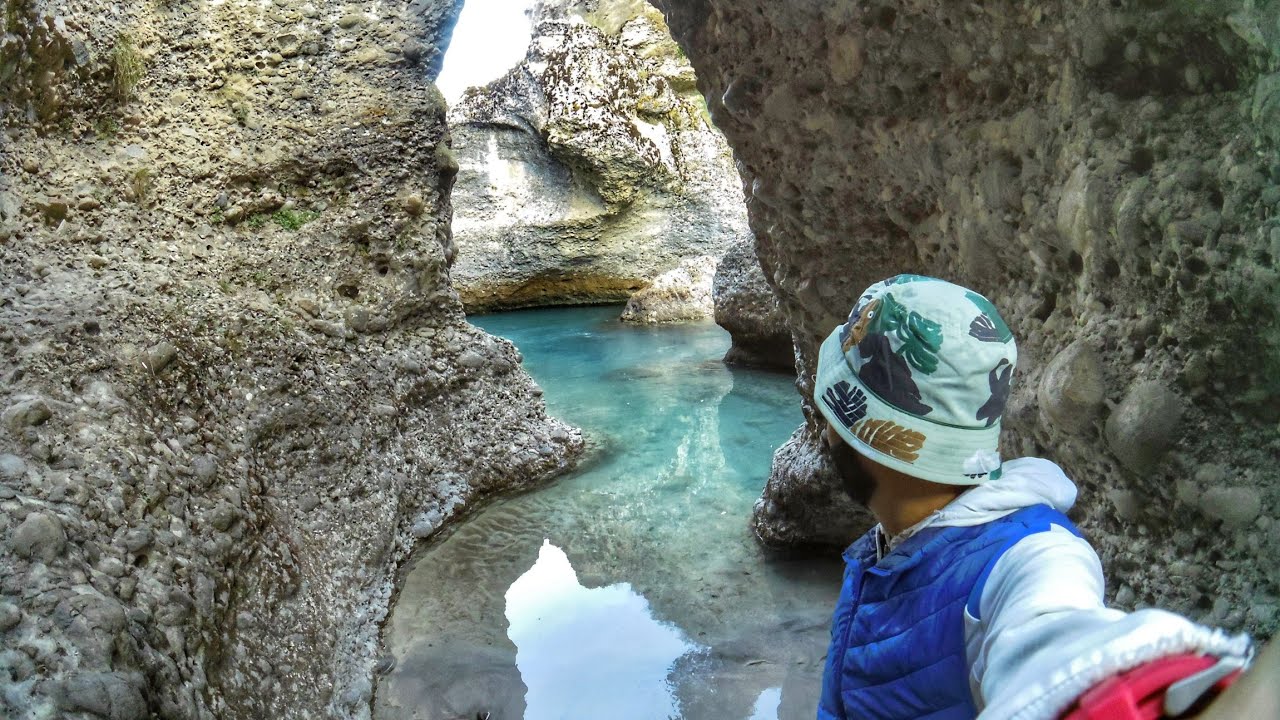
The snow leopard is the most famous resident of Aksu-Zhabagly, but it's not what most visitors see. What most visitors see is the canyon — that 500-meter limestone gorge with its turquoise river at the bottom — and the wildflower meadows, and the griffons riding thermals above the cliffs in the morning. These are remarkable enough. The leopard is the thing you hope for but don't expect, the rumor that this place makes true occasionally, without announcement.
The reserve's wow-factor is specifically its layering. Any single element — the canyon, the flowers, the birdlife, the views of the Talas Alatau peaks — would justify the journey. The fact that they exist simultaneously, within walking distance of each other, at different elevations, unfolding across a single day of hiking through vertical terrain that shifts from steppe to alpine in four hours — that's what reorganizes your sense of what a landscape can be.
In spring, the tulips on the lower slopes smell faintly of something between honey and cold stone. The wild juniper higher up smells completely different — dry, aromatic, ancient. The cold air off the glaciers above doesn't smell of anything except altitude itself. Three ecosystems, three sensory registers, morning.
I didn't see the snow leopard again. But for the rest of that day, everything felt slightly more possible than it had before.
Deep History & Culture
The Western Tian Shan has been inhabited, traversed, and used for as long as the Kazakh steppe has had people on it.
The nomadic communities of southern Kazakhstan — ancestors of the contemporary Kazakhs whose culture developed from the Saka warrior-pastoralists of the 5th century BCE — understood these mountains as seasonal infrastructure. The zhailyau, the high summer pastures above 2,000 meters where the grass grows dense and the air is cool, were as essential to the pastoral economy as the lower winter grounds. The movement between them — vertical migration, seasonal and predictable — was the operating rhythm of a civilization built for mobility.
The Kazakh Khanate, founded in 1465 by Janibek and Kerei Khans, developed its administrative and cultural structures partly around the management of these migrations. The territory of what is now Aksu-Zhabagly fell within the Great Zhuz — the southernmost of the three Kazakh confederations — whose seasonal territories followed the mountain curves from the Syr Darya basin up into the Tian Shan. The canyon, the high meadows, the river: these were not attractions. They were rooms in a much larger house.
The Russian annexation of the Great Zhuz, completed between the 1820s and 1840s, disrupted these patterns systematically. Nomadic migration routes were cut by colonial boundaries, and the forced sedentarization policies of the late nineteenth century accelerated the breakdown of seasonal movement. By the time the Soviet government established the reserve in 1926, the traditional human relationship with the Aksu-Zhabagly landscape had been substantially transformed — the reserve's creation was partly an act of ecological preservation, but also, whether intentionally or not, a documentation of what had existed before.
The scientists who have worked in Aksu-Zhabagly since 1926 — Soviet botanists, post-independence Kazakh researchers, international conservation teams — have collectively produced of the most thorough ecological records of any reserve in Central Asia. The wild tulip species documented here influenced botanical science globally. The snow leopard monitoring program is cited in international conservation literature.
The reserve's centennial in 2026 marks a hundred years of protection in a place that people had been using and understanding for thousands of years before.
Practical Digital Logistics
Getting to Aksu-Zhabagly is straightforward. Getting there prepared is what matters.
The village of Zhabagly is the base for any visit to the reserve. It sits 120 kilometers from Shymkent, with the main road running passable in all seasons — though "passable" in a Kazakh spring with snowmelt and recent rain means something different than "passable" in July. Give yourself 2 to 2.5 hours from Shymkent. If you're coming from Almaty, the standard route goes via Shymkent, making this a natural stop on a southern Kazakhstan circuit rather than a standalone detour.
From Zhabagly, transport within the reserve requires high-clearance vehicles for the unpaved tracks. The reserve's main office in Zhabagly can arrange guided transport; this is the most reliable way to ensure you're reaching the actual canyon and meadow areas rather than the road margins. Don't attempt the core reserve tracks in a standard sedan after any recent rainfall.
All visitors pay an entry fee at the main gate, collected by reserve rangers. The fee varies by season and activity (rim walking is less than the guided canyon descent program). Bring cash; card facilities are not reliably available at the gate. A mandatory guide is required for entry into the protected core zones — this isn't a bureaucratic inconvenience but a genuine conservation measure in a working reserve.
The spring wildflower season (April through early June) is the reserve's most popular period. Book accommodation in Zhabagly guesthouses well in advance for this window — the village has limited capacity and the demand exceeds it during peak bloom weeks.
Carry 4 liters of water per person for any full-day excursion. The altitude — trails reach 3,000 meters and above — affects hydration faster than most visitors anticipate. Proper hiking boots are essential; the terrain is steep, loose-rocked, and uneven in places that punish inadequate footwear. A first aid kit, sun protection, and layers for weather changes complete the necessary kit.
Cell coverage in Zhabagly village is serviceable. Within the reserve, particularly in the canyon, assume none.
Must-Do Activities
Aksu-Zhabagly rewards the visitor who stays at least two nights and resists the temptation to rush through it as a day trip. A day is not enough. A week wouldn't be too much.
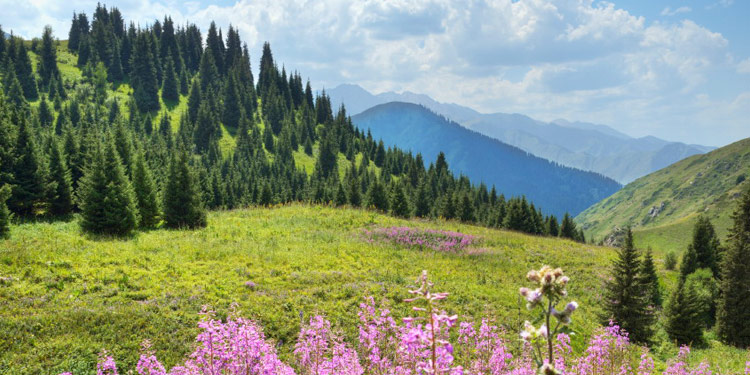
The wildflower meadows in spring. April through early June, the lower slopes of the reserve fill with wild tulips in colors and species diversity that don't exist in any cultivated garden. These are Tulipa greigii and Kaufmanniana tulips — not their cultivated descendants but the original plants, growing in conditions they evolved for. Walking through a hillside in full bloom, with the smell of mountain earth and the specific thinness of high-altitude air, is of those experiences that makes you understand why botanists have been making the journey to southern Kazakhstan for a hundred years.
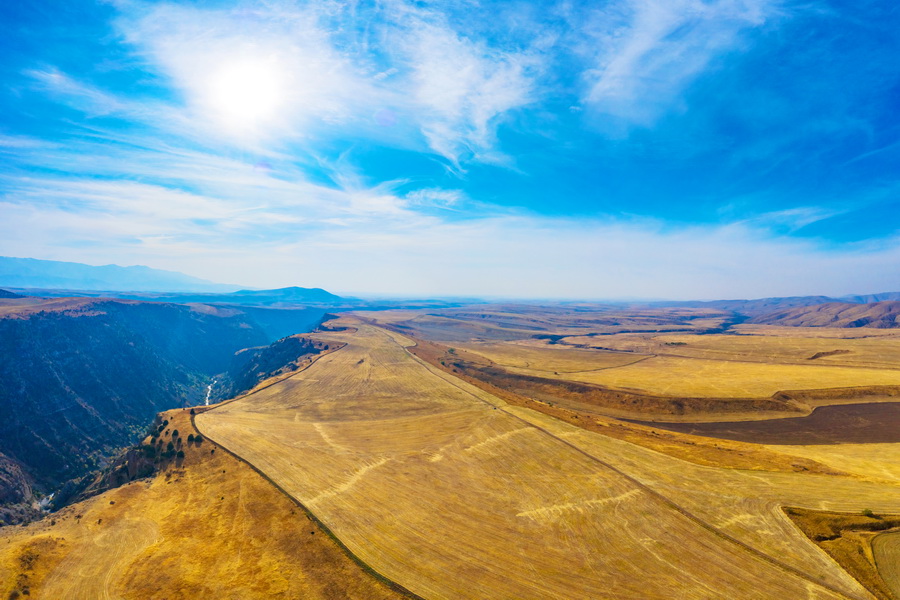
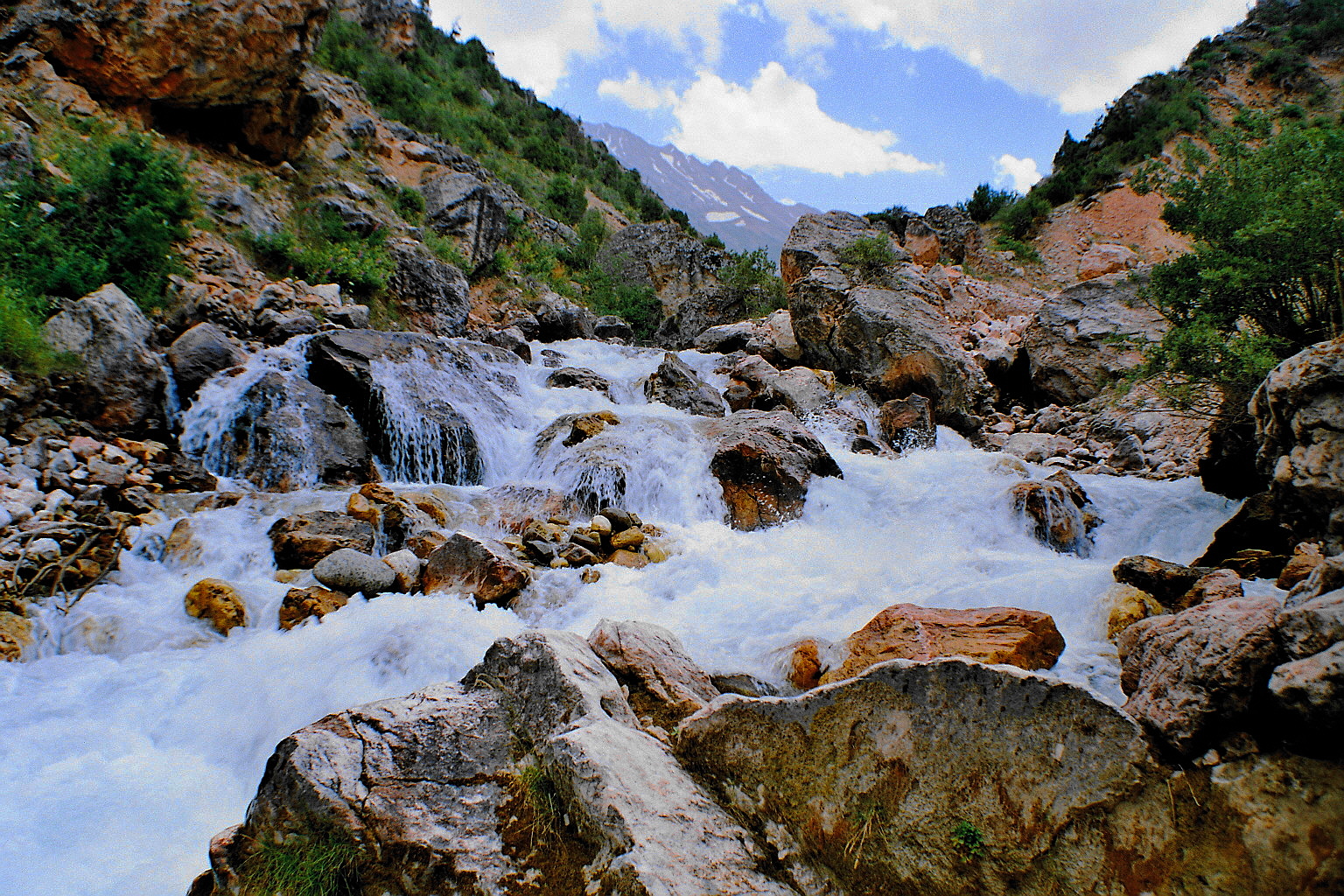
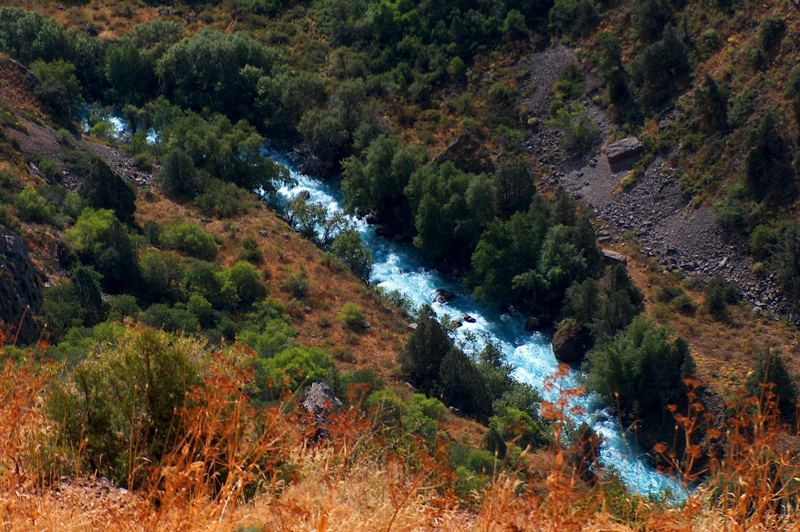
The Aksu Canyon rim and descent. The canyon is the reserve's geological showpiece: 500 meters deep, 15 kilometers long, the Aksu River turquoise at the bottom. The rim walk is accessible and dramatic. The descent to the river is a full-day commitment requiring a guide, but it provides the way to understand the canyon from the inside — the scale of it, the sound of the river amplified by the walls, the temperature shift as you go down.
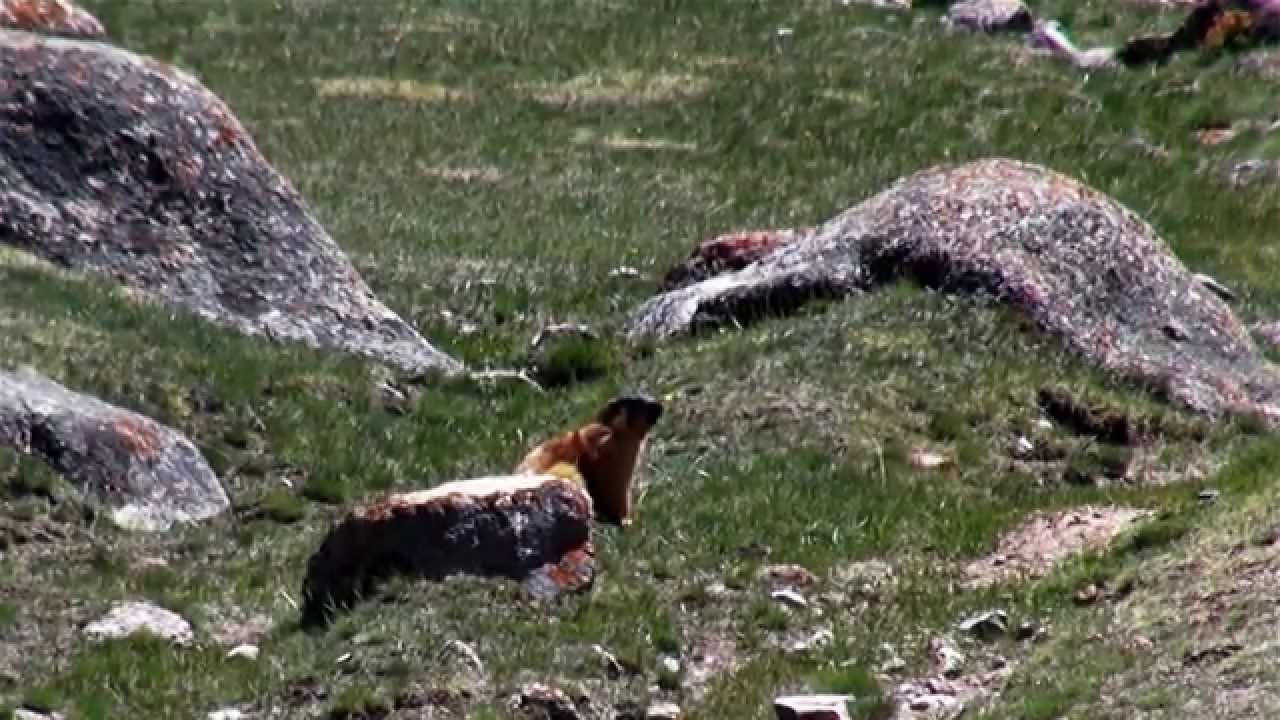
Dawn birdwatching. The reserve's 300+ bird species include the Himalayan griffon, golden eagle, lammergeier, and the Menzbier's marmot (technically a mammal, but the guides always mention it). Early morning, before the wind picks up, is when bird activity is highest. The guides who operate from Zhabagly include ornithologists who know the individual territories of nesting pairs. Bring binoculars. Budget two hours minimum.
The glacier approach. A challenging day hike — 1,500 meters of elevation gain, proper boots and fitness required — leads to the base of the Talas Alatau glaciers above 3,500 meters. The view from the top, back down across the reserve to the desert steppe in the distant valley, is of the most vertically complete landscapes in Central Asia.
Simply being in Zhabagly for two nights. The evenings in the guesthouses, when the other visitors compare notes about what they saw during the day, are their own reward.
Local Flavors & Amenities
The food in Zhabagly is the food of a mountain village that has been feeding travelers, researchers, and locals for a very long time.
The guesthouses that operate in Zhabagly — most of them family-run, most of them established during the ecotourism growth of the late 1990s and 2000s — serve meals that reflect the southern Kazakh kitchen rather than a tourism version of it. The sorpa comes from the same recipe as always. The beshbarmak, on evenings when it's offered, is the version the family makes for themselves. Bread is baked in the house. The honey — from mountain hives in the lower reserve meadows — is the real thing, thick and floral in a way that grocery-store honey doesn't quite replicate.
Kazy — horse meat sausage, cured and richly flavored — is a southern Kazakh specialty that appears regularly on guesthouse tables. It's served simply, sliced, alongside bread and tea. If you've been eating in Almaty's more internationally oriented restaurants, Zhabagly guesthouses will introduce you to a different register of Kazakh food: plainer, more directly connected to the land, more satisfying in the specific way of food that hasn't been designed for presentation.
Accommodation in the village runs approximately 15,000 to 20,000 KZT per person for bed and full board, though rates vary by household and season. Book in advance for spring visits — the wildflower season fills the guesthouses. The reserve's main office maintains a list of registered homestay operators.
For visitors who prefer hotel accommodation, Shymkent (120 kilometers away) has the full range from budget to international luxury. The daily commute from Shymkent to Zhabagly is workable but adds two to three hours of travel per day to your schedule — time that would be better spent in the reserve itself. If the timing permits, staying in Zhabagly for at least night changes the experience fundamentally: morning departures before the day-trip visitors arrive, evening light on the mountains, and the specific quiet of a place where the nearest city is two hours away.
Essential Insider Tips
Things that will improve your visit and that the brochures typically leave out.
Don't pick the tulips. This seems obvious until you're standing in a field of them and they're genuinely extraordinary and the temptation exists. Picking wild tulips in the reserve is illegal, enforceable, and ecologically meaningful — these are irreplaceable species in their native habitat. The fine is substantial. More importantly, the plants matter. Photograph, crouch down and look closely, and leave them.
The mountain weather changes fast. Not "changes over the course of the day" fast. Changes in forty minutes fast. A clear morning can produce afternoon thunderstorms at altitude with no warning visible from the valley. Pack a waterproof shell in your daypack regardless of the morning forecast. The temperature swing between the lower meadows and the high trails can exceed 15 degrees Celsius in the same day.
Spring timing is everything, but it's unpredictable. The wildflower peak shifts by two to three weeks depending on the year's snowpack and temperatures. The reserve's social media accounts (Instagram: check before you go) post real-time bloom updates in April and May. Timing your visit to the peak week is worth the flexibility if your schedule allows it. Early or late, the flowers are still there; peak is when the hillsides are genuinely carpeted.
The guide is not optional, practically speaking. Yes, you can walk the rim without a guide. But the guides who operate from Zhabagly carry botanical knowledge, birding expertise, and route familiarity that transforms what you see and understand. The canyon descent specifically requires a guide who knows the current route conditions — loose sections, flash flood risk assessment, river crossing points. This is an investment in the experience, not a bureaucratic requirement.
Stay more than night. The visitors who come on day trips from Shymkent see the surface. The visitors who stay two nights see the reserve in morning light, evening light, and the specific quality of a mountain dawn when no else is on the trails yet.
Sustainability & Community
A reserve that has protected the same landscape for nearly a hundred years has earned the right to make specific demands on visitors.
Aksu-Zhabagly's sustainability record is genuine rather than performative. The reserve has maintained continuous protection of its core ecosystems since 1926, survived Soviet agricultural policy, survived post-independence economic pressures, and maintained its snow leopard population through conservation programs that rely on monitoring, community engagement, and international scientific collaboration. This didn't happen by accident, and it doesn't continue without active support.
The most direct contribution any visitor can make is to use local services: stay in Zhabagly guesthouses, hire Zhabagly-based guides, eat in Zhabagly kitchens. The economic relationship between the village and the reserve is the mechanism by which the community has a material stake in the reserve's continued health. When tourism revenue flows directly to the people who live nearest to what's being protected, conservation becomes an economic strategy rather than a constraint.
The Zhabagly Women's Cooperative produces embroidered textiles and craft items using traditional techniques that have been maintained across generations. The work is sold at the reserve's visitor facilities and through the cooperative directly. Buying from them rather than from generic souvenir retailers in Shymkent means the money stays in the community that lives with the consequences of either good or bad conservation outcomes.
The reserve's botanical monitoring programs accept volunteer participation for specific documented activities — tulip distribution surveys, bird counts, trail condition assessments — arranged through the reserve administration. These are real scientific projects, not tourism activities. The expectation is that volunteers do useful work.
Take nothing from the reserve. Leave nothing in it. These are the baseline requirements, and they're sufficient on their own.
The reserve's centennial in 2026 is worth acknowledging for what it represents: a hundred years of choosing, consistently and against various pressures, to protect this specific place. That choice has to be renewed by every visitor, every season, indefinitely.
Key Facts
- Oldest Reserve
- Established in 1926, it is the oldest nature reserve in Central Asia and a UNESCO World Heritage site for its mountain ecosystems.
- Tulip Sanctuary
- The reserve is the genetic home of several tulip species, including the magnificent Greig's tulip, which blankets the valleys in spring.
- Snow Leopard Habitat
- This high-altitude sanctuary is one of the few places in the world where the elusive Snow Leopard is actively protected.
- Aksu River Canyon
- The reserve features the dramatic Aksu Canyon, reaching depths of 500 meters with its rushing blue glacial waters.
- Diverse Birdlife
- A paradise for birdwatchers, the reserve is home to rare species like the Himalayan vulture and the blue whistling thrush.
- Przewalski's Horse
- The reserve plays a vital role in the preservation and reintroduction of rare mountain fauna into the Kazakh wilderness.
Photo Gallery
Embedded Video
Aksu Zhabagly Reserve
Loading map...Loading map...
FAQ
Have a question?
Ask and get answers in seconds!
Discussion 0
No comments yet. Start the conversation!
Leave a Reply