Turgen Gorge: Land of Waterfalls
A lush, green gorge famous for its seven waterfalls, trout farms, and dense mossy forests.
Essential Profile
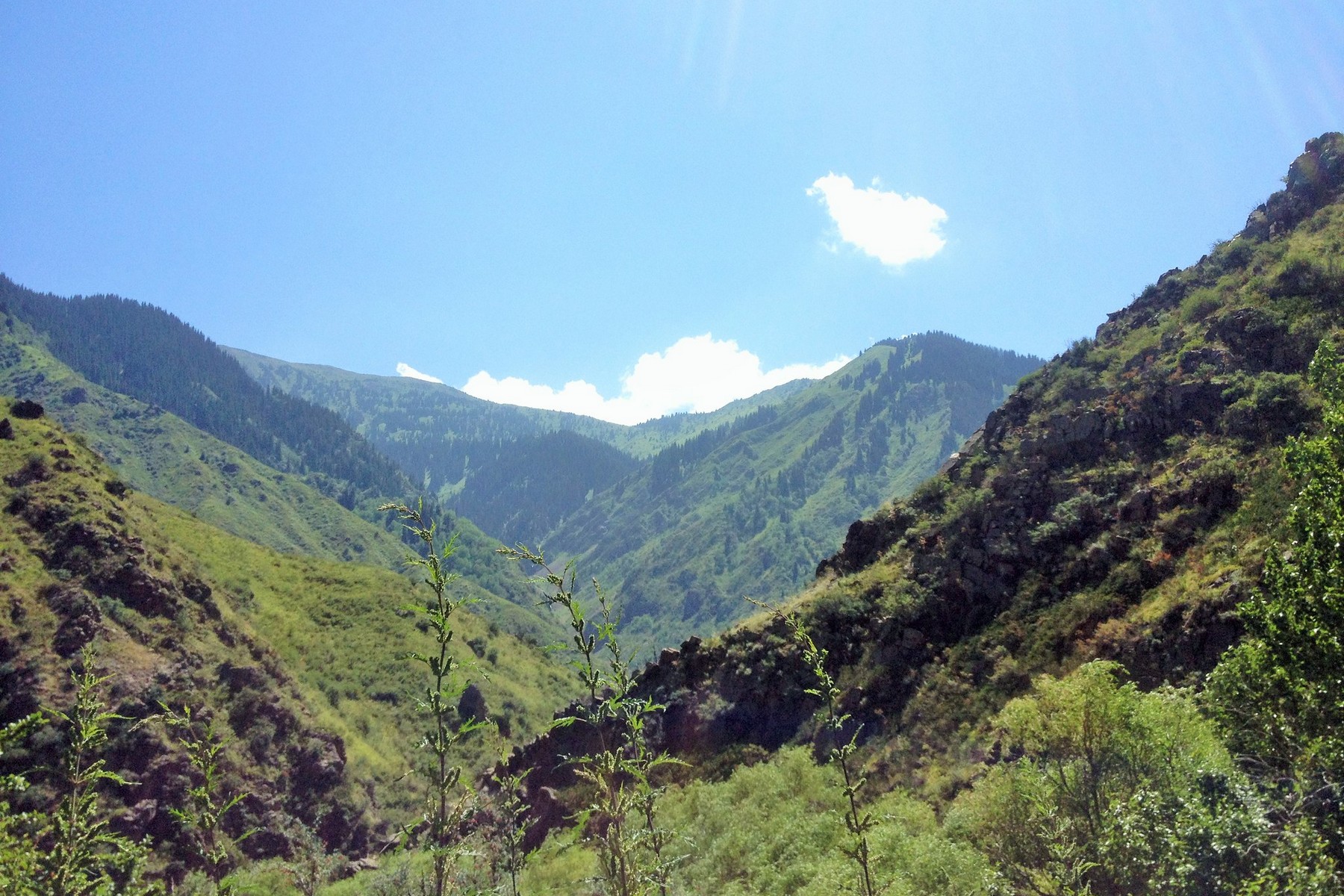
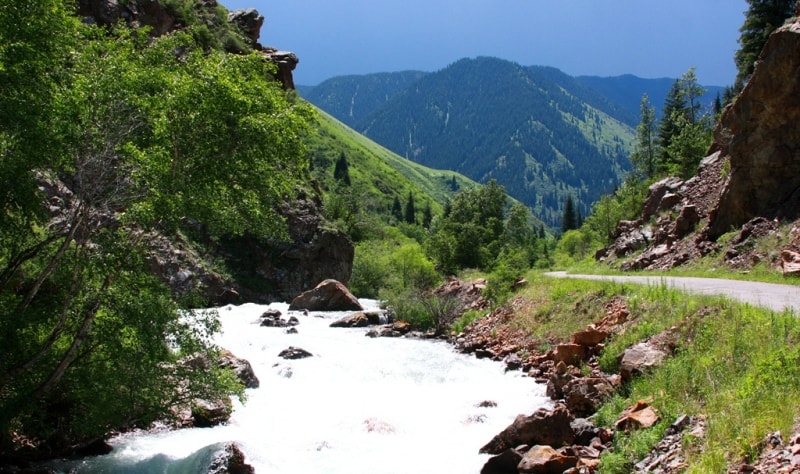
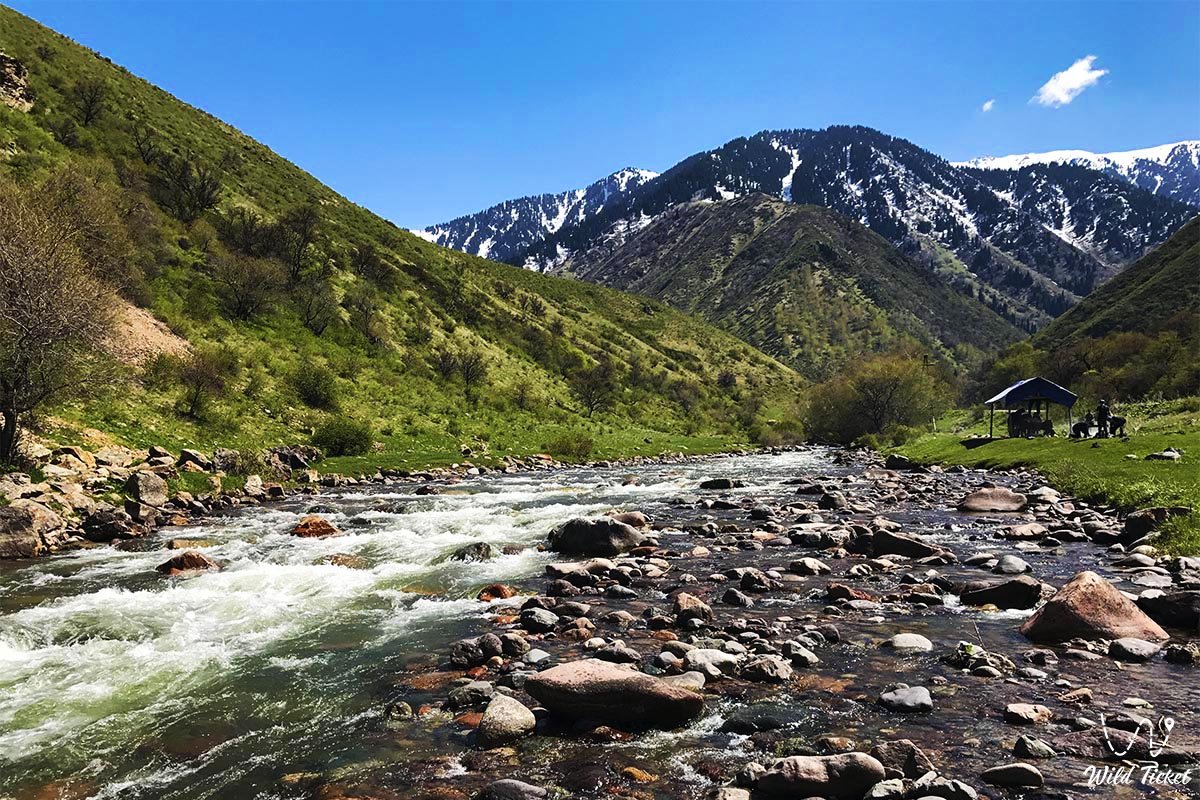
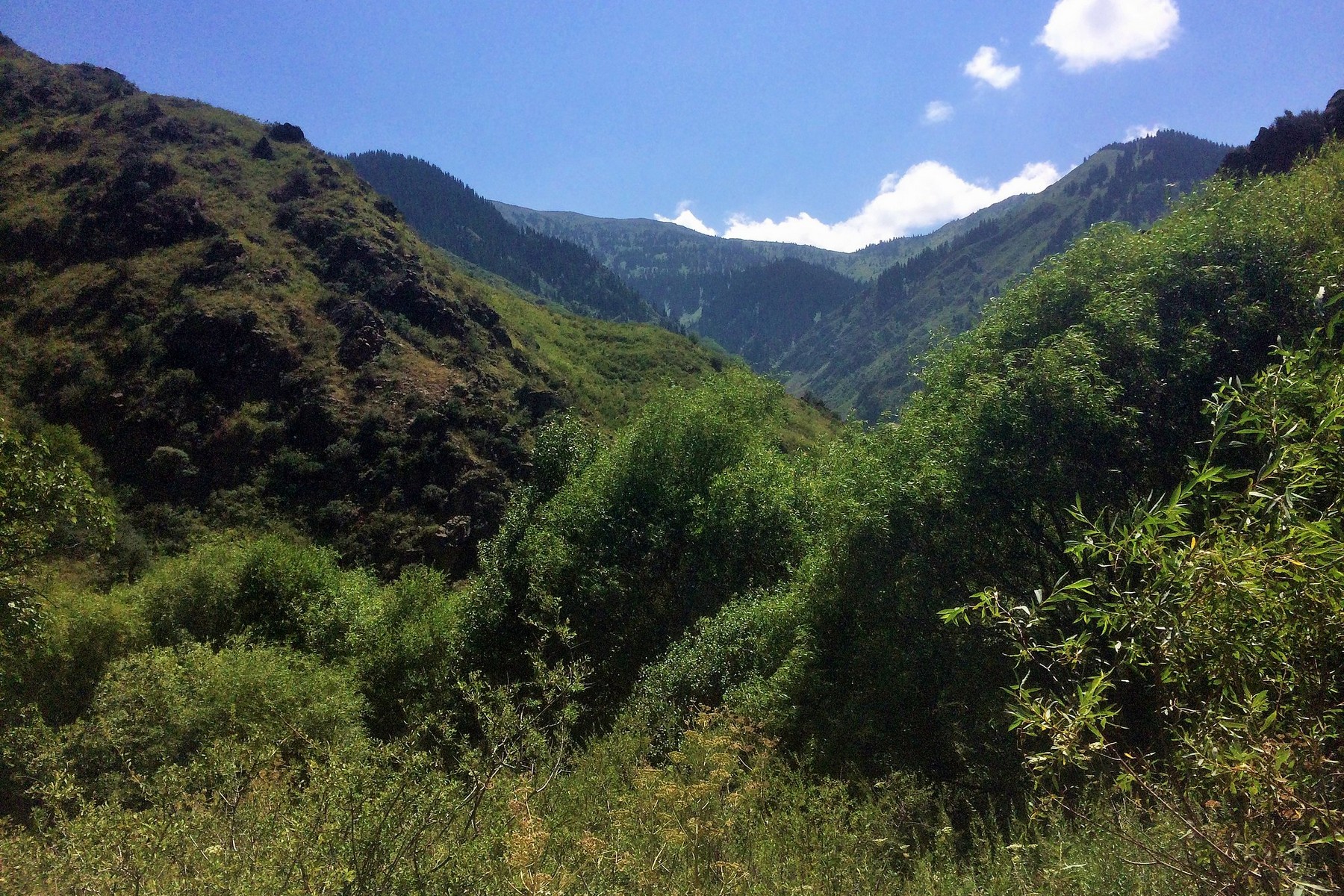
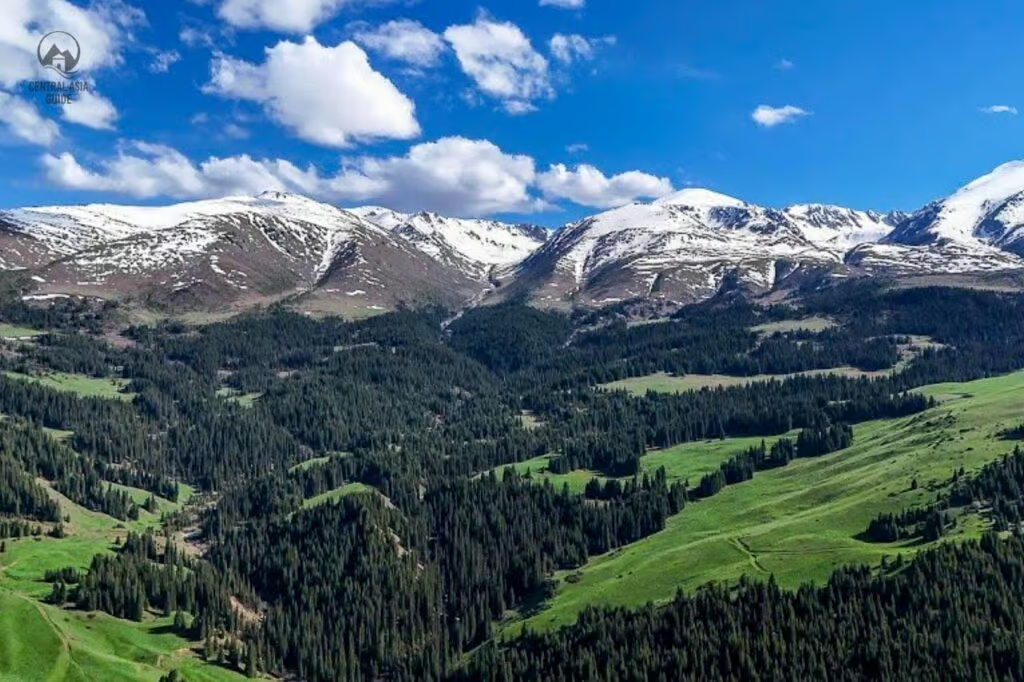
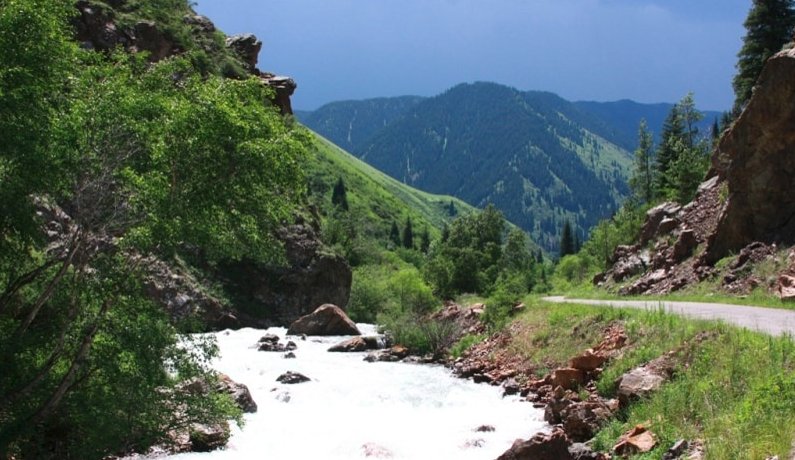
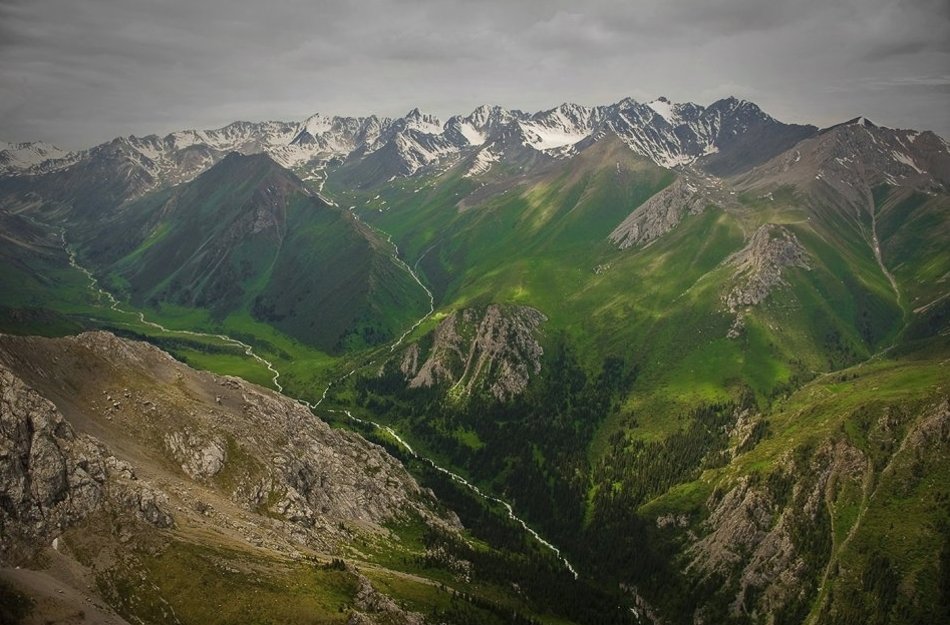
East of Almaty, about 70 kilometres from the city, the Turgen Gorge cuts through the Ile-Alatau in a narrow, forested corridor that climbs from the dry foothills to high alpine terrain over 44 kilometres. Seven waterfalls descend from the side valleys and tributary streams along this route, and the gorge holds its reputation for the straightforward reason that the combination of dense forest, cold clear river, and cascading water produces of the most physically beautiful mountain landscapes accessible from Almaty without an expedition.
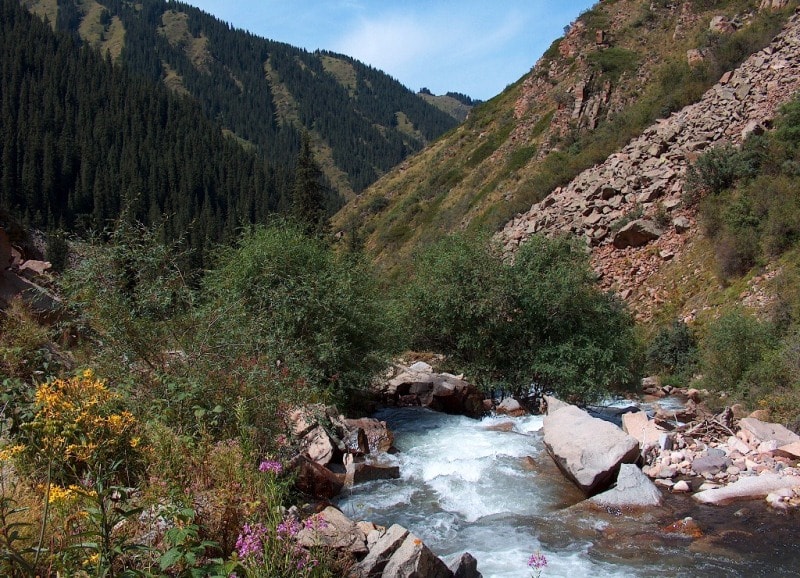
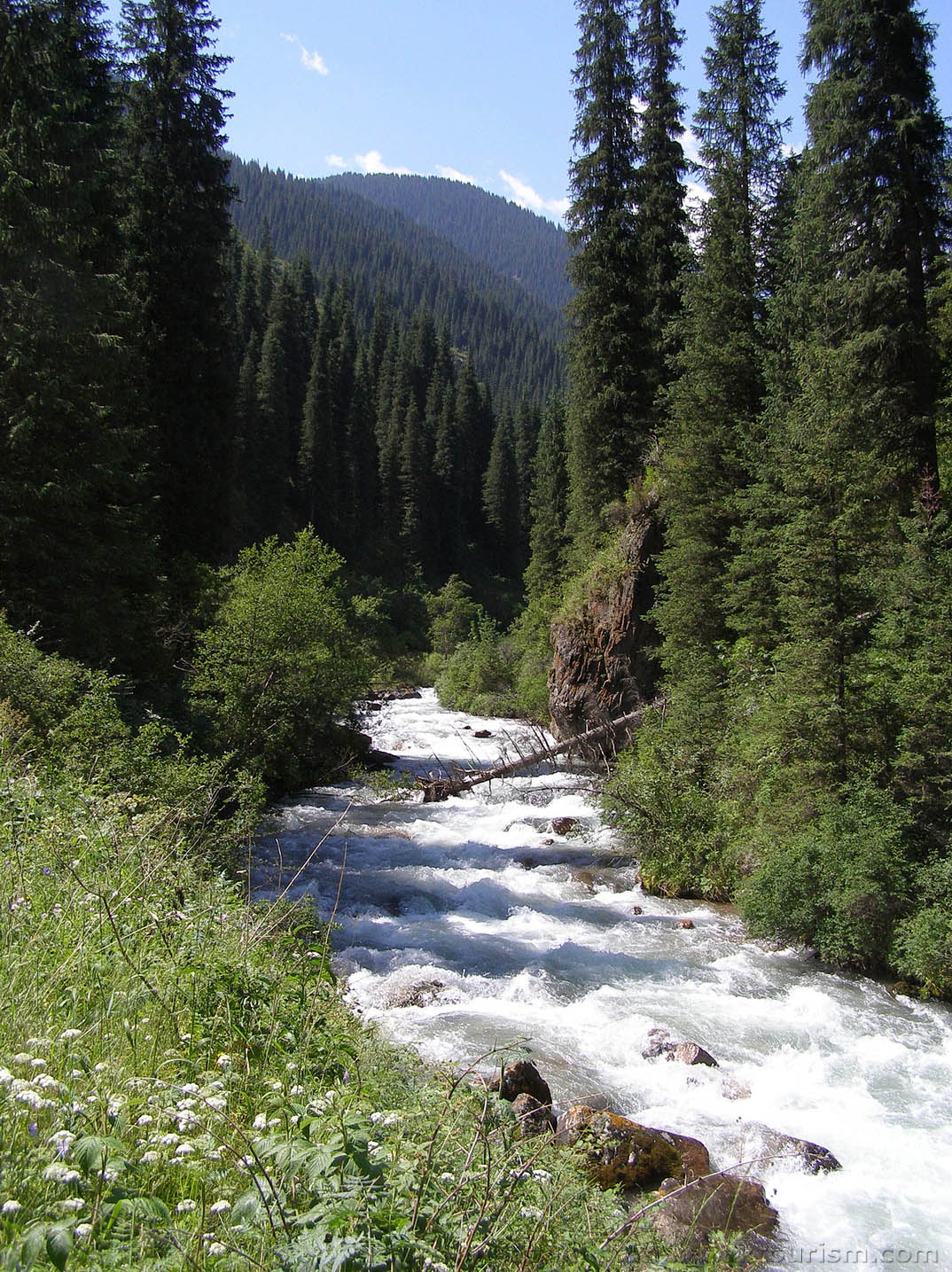
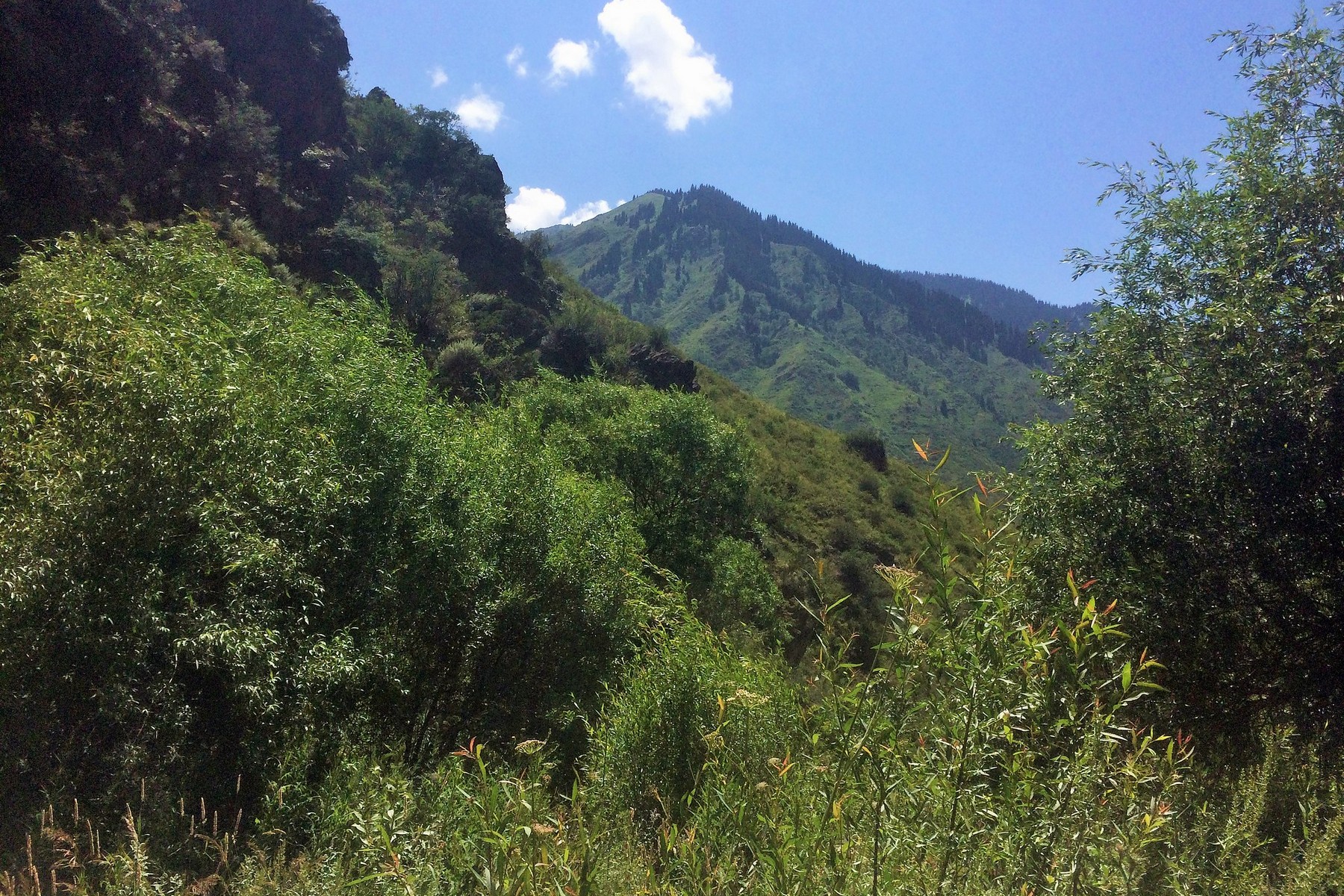
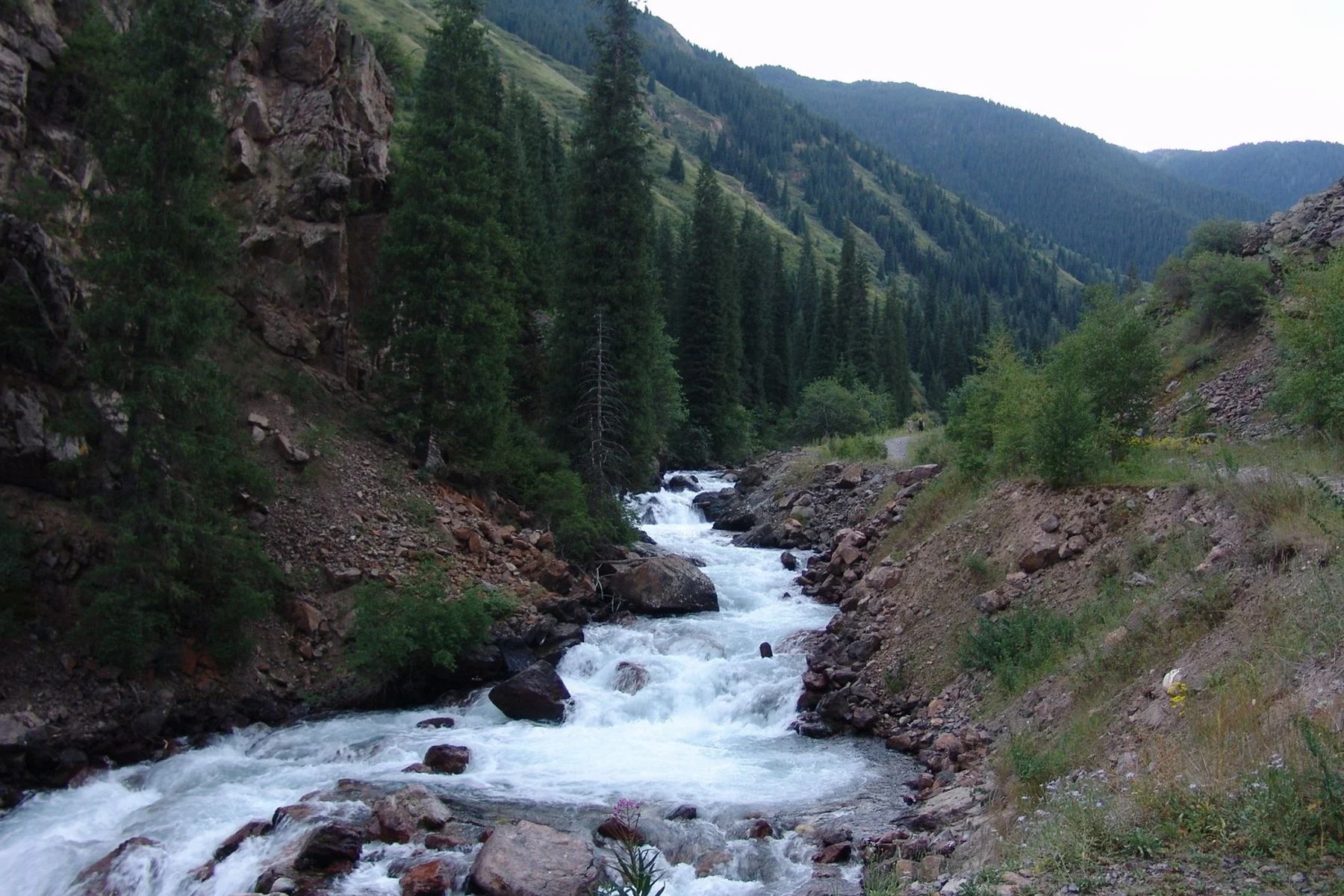
The Turgen River runs fast and cold through the gorge floor, fed by snowmelt and glacier water from the upper Tian Shan. The forest on both valley walls is thick with spruce and wild apple trees — this is of the stands of Malus sieversii, the wild ancestor of the domestic apple, that grow in the Alatau foothills. In late spring, the apple trees flower white among the dark spruce, and the scent arrives before the trees do. In September, small wild apples litter the ground and the air smells of something between fermenting fruit and cold mountain soil.
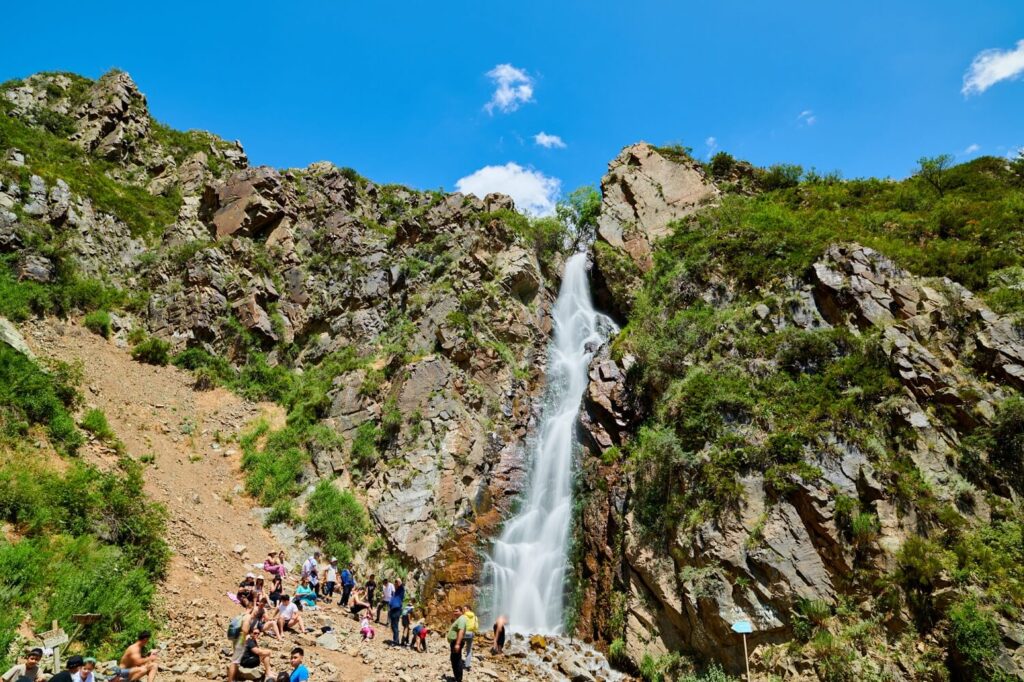
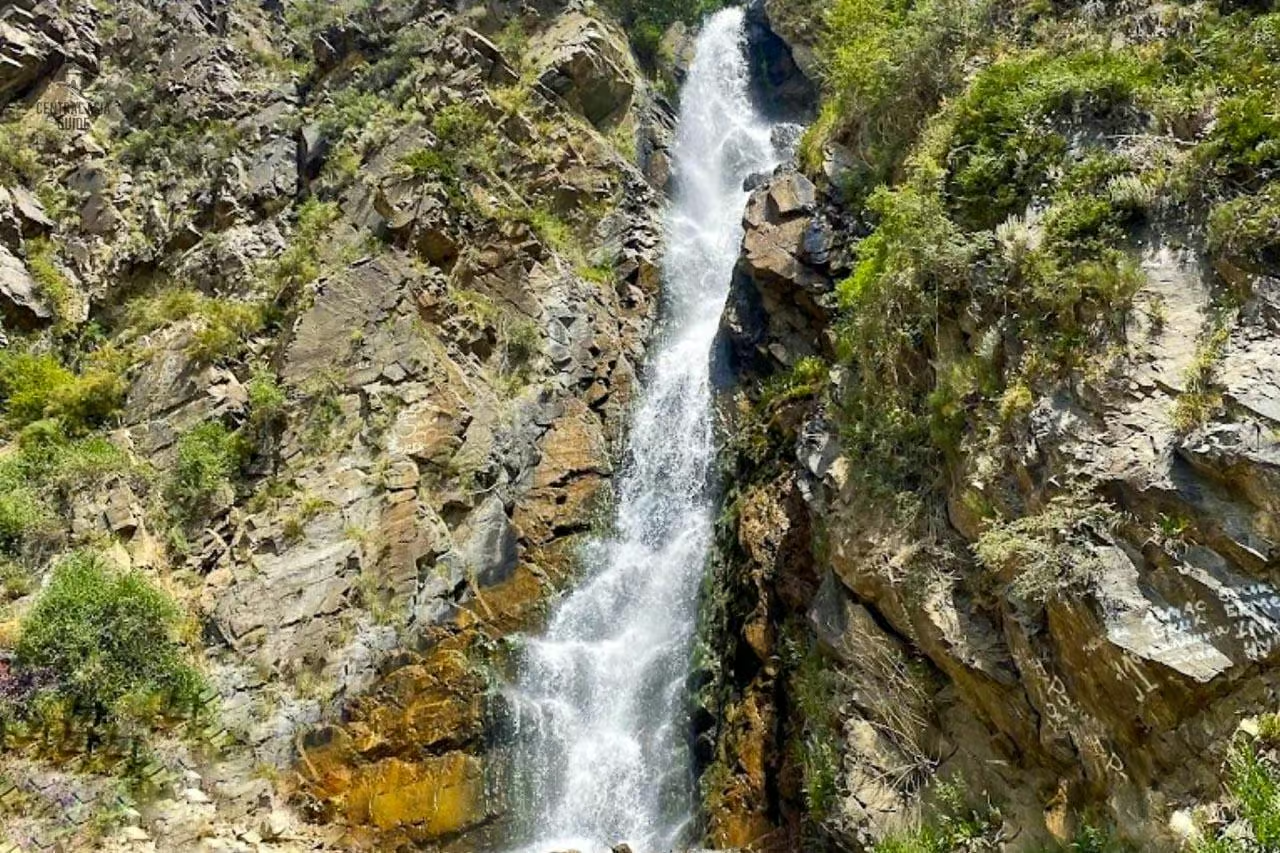
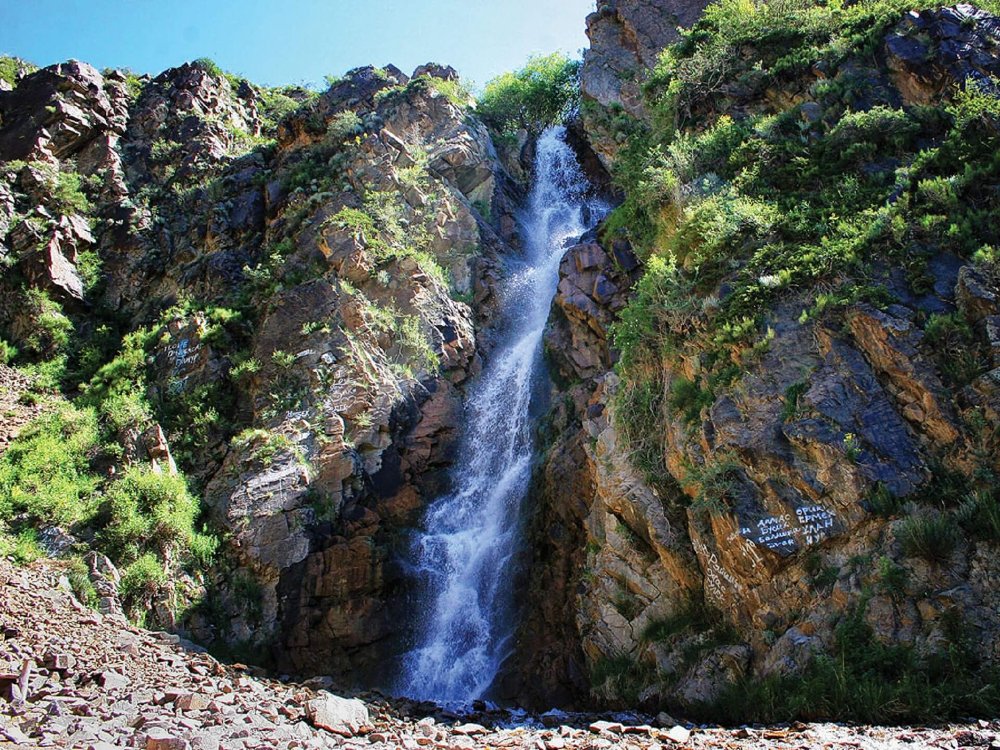
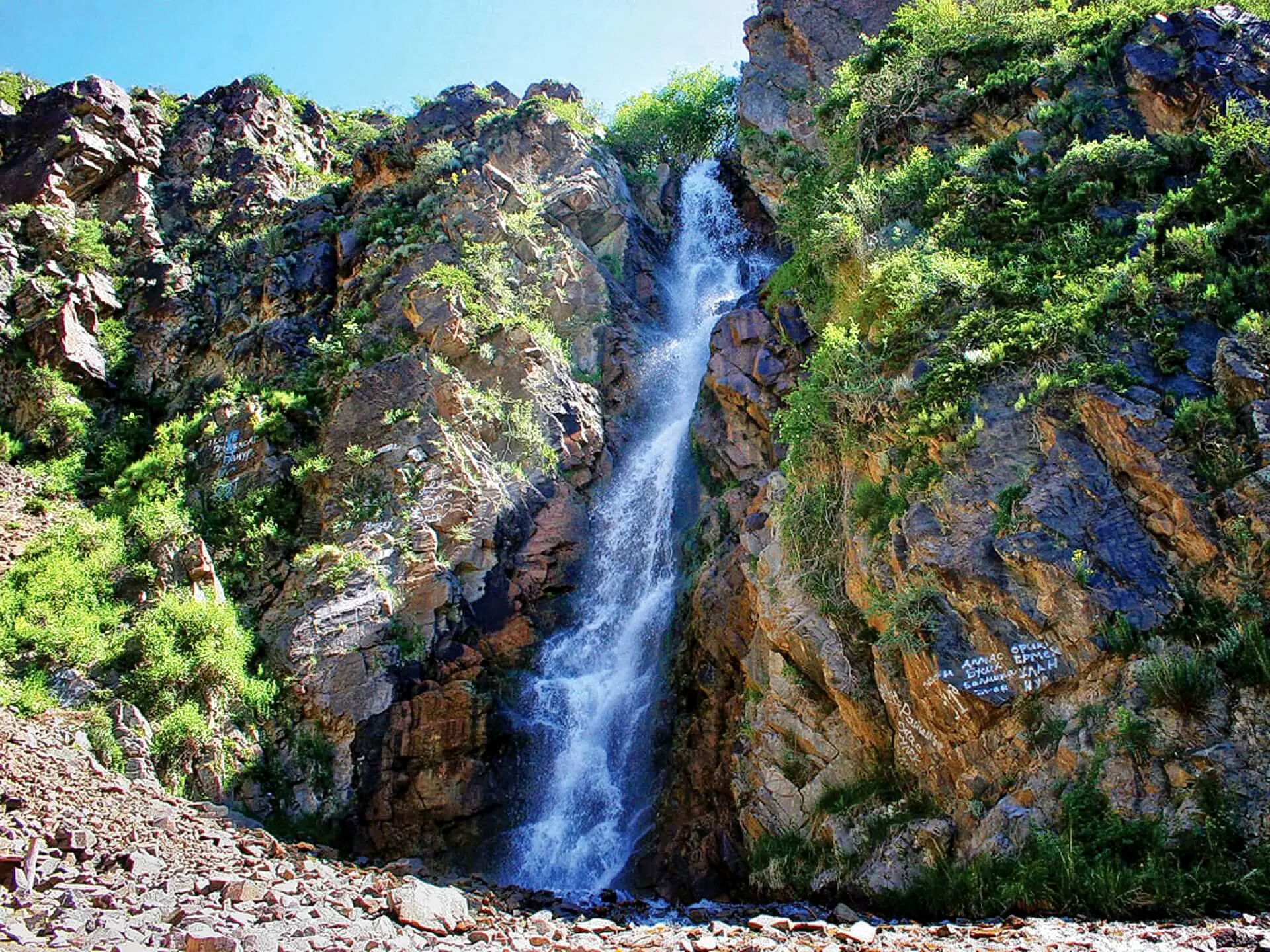
The most accessible of the seven waterfalls — the Medvezhiy, or Bear Waterfall — is about a two-kilometre walk from the gorge entrance on a maintained path. Taller and louder than the smaller cascades higher in the valley, it falls into a clear pool that catches the spray in a constant fine mist.
The gorge is cooler than Almaty by ten degrees or more even in July, which is part of why the city's residents have been coming here on summer weekends for generations.
The ‘Wow-Factor’
The Bear Waterfall drops about 30 metres into a basin cut into the rock by centuries of falling water, and the sound of it reaches you on the trail before the fall appears through the trees. A waterfall's sound is different from recorded water — it has direction and source, it grows as you approach, and at ten metres from the base it is loud enough to require raised voices. The mist that fills the air near the pool is cold even in July, and the moss on the surrounding rocks is so saturated with moisture that it feels spongy underfoot where it grows along the path edges.
The amphitheater of spruce-covered rock that frames the fall creates a microclimate that you feel immediately on entering it: several degrees cooler, the air heavier with moisture, the light filtering through the canopy in a way that makes the white water luminescent against the dark rock. It is the kind of landscape that produces immediate quiet in visitors, not from instruction but from the involuntary instinct to simply stand and look.
The smaller waterfalls higher in the gorge — accessible by continuing along the trail past the Bear Waterfall — have less volume but different character: narrower, faster, some of them falling through rock channels rather than open space, the water green and clear in the pools below. Taking the time to reach two or three of the seven gives a better sense of how the gorge changes character with elevation.
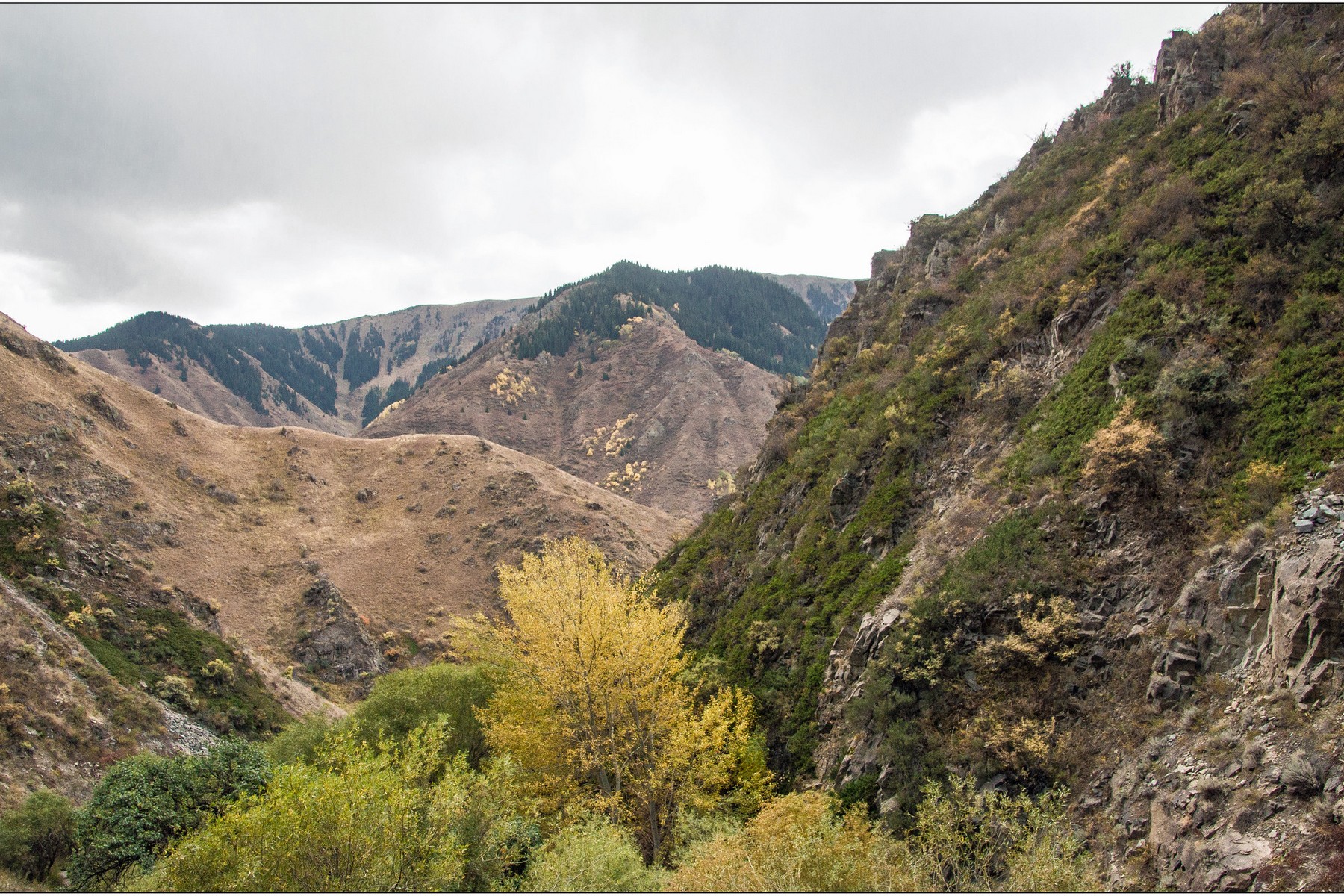
The gorge on a misty autumn morning, with the valley fog still in the trees and the apple leaves beginning to turn, looks nothing like the summer version, and is worth the separate visit.
Deep History & Culture
At the entrance to the Turgen valley, near the town of Issyk, a group of Saka burial mounds sits in the foothills. In 1969, excavation of the largest of these kurgans revealed what became Kazakhstan's most famous archaeological find: the Golden Man, a Saka warrior buried in the fifth century BC in armour covered with more than four thousand gold ornaments — animals, birds, and mythological scenes worked in a style that connects the Saka world to the broader Scythian cultural zone stretching from the Black Sea to the Altai.
The Golden Man became the national symbol of Kazakhstan after independence, appearing on the state emblem and as the model for monuments across the country. The original armour is in the National Museum in Almaty; replicas appear at the Issyk museum near the site. The mounds themselves are low and unassuming in the way that earthen burial monuments typically are from the outside — nothing in their appearance suggests the craftsmanship that was deposited inside.
The Turgen Gorge, rising from the same foothills where the kurgans stand, was part of the seasonal territory that Saka and subsequent nomadic groups used as summer pasture. The wild apple forests above the gorge entrance, which pre-date any human habitation of the region, were known to those groups as a food source and a landmark. The trees that grow there now are direct descendants of the same forest — genetically unchanged, untouched by agriculture, a botanical continuity running from the Bronze Age to the present.
The gorge was incorporated into the Ile-Alatau National Park in 1966, of the first formal protections given to a Kazakh mountain landscape.
Practical Digital Logistics
Turgen Gorge lies about 70 kilometres east of Almaty, near the town of Issyk. The drive takes ninety minutes to two hours depending on traffic. The road from Almaty is paved and in good condition to the gorge entrance; the tracks within the gorge itself vary in quality depending on how far in you are going and recent weather conditions. A standard car reaches the main entrance and the car park near the Bear Waterfall trail without difficulty. For tracks further into the valley toward the upper waterfalls, higher clearance is preferable.
No regular public transport serves the gorge directly. Options from Almaty are a private taxi round trip, which costs around 15,000 to 25,000 tenge, or a rideshare. Several Almaty tour operators run day trips to Turgen combining it with the Issyk burial mound site; this is a practical choice for visitors without their own vehicle.
The national park fee is around 1,500 tenge per person, paid at the entrance gate. This covers access to the main trail system.
The gorge is best visited from late May through September. June and July give peak wildflower and green season. September produces the best light, the turning foliage, and the wild apple harvest on the lower slopes. Bring proper hiking footwear for trails beyond the Bear Waterfall; the terrain gets rougher and wetter as you gain elevation. Wear layers — the gorge temperature is significantly below Almaty at any time of year. Carry two litres of water minimum, though the river water in the upper sections is generally safe to treat and drink.
Must-Do Activities
The gorge trail system is layered by difficulty and effort. The Bear Waterfall is the most accessible point — about two kilometres from the car park on a maintained path that climbs moderately through forest, arrives at the waterfall basin, and can be walked comfortably in an hour return. This is the right choice for families with young children, anyone with limited hiking experience, or a visitor with half a day to spare.
For those with more time and fitness, continuing past the Bear Waterfall along the main gorge trail reaches the Kairak Falls and several of the other cascades in sequence. The full round trip to Kairak runs about 16 kilometres and takes a full day; the trail becomes rougher and steeper in the upper sections and the river crossings, on an informal bridge or stepping stones, require attention in spring when water levels are high.
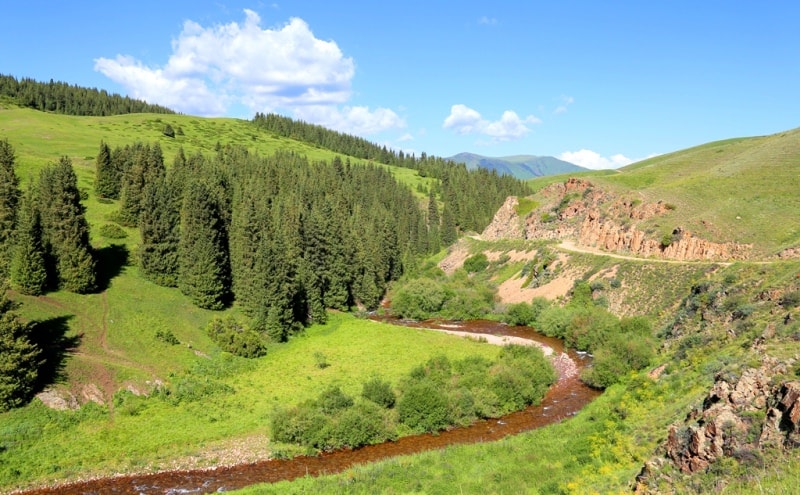
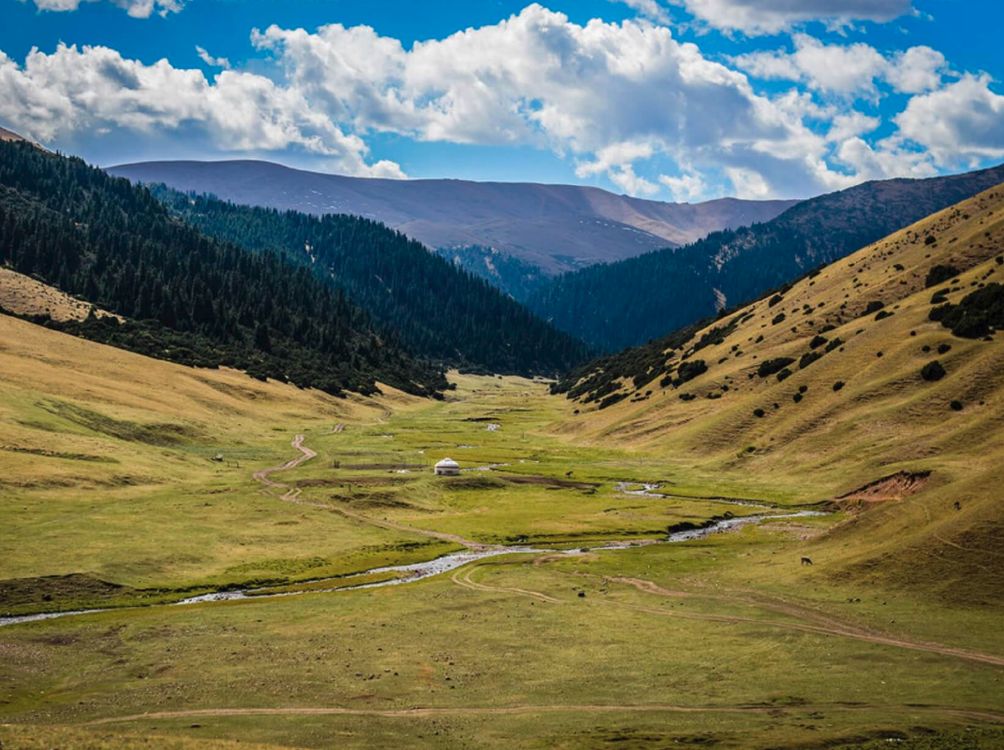
At the top of the gorge, a 4WD track continues to the Assy Plateau — a high-altitude grassland at around 2,600 metres where cattle and horse herds graze in summer and the Assy astronomical observatory sits on the steppe edge. The plateau is a different landscape entirely from the forested gorge below: open, windy, with long views across the high Alatau and a sky that at that elevation has a depth and colour that lower altitudes don't produce.
The Golden Man Museum in Issyk, near the gorge entrance, adds historical context to the Saka burial mounds visible from the road. A morning at the museum followed by an afternoon in the gorge makes a genuinely full day.
Local Flavors & Amenities
The gorge entrance area has a small cafe and a few outdoor food vendors serving the weekend visitor flow. Trout is the signature item: the Turgen River's clear, cold water supports a healthy trout population, and the fish grilled or baked over charcoal at the gorge entrance restaurants is genuinely fresh — caught locally, served without ceremony, and excellent. A grilled trout with bread and tea, eaten at a wooden table while the river runs past twenty metres away, is a specifically Turgen lunch and worth planning for.
The town of Issyk, at the mouth of the valley, has a market that runs through the morning selling produce from the surrounding orchards — apples, pears, apricots, and in late summer the small red plums that grow in the foothills with a tartness that concentrates in the skin. The Issyk apple varieties are descendants of the same wild stock that grows in the gorge's upper forest, and the cultivated versions sold at roadside stalls in September are as good as any apple available in Kazakhstan.
Accommodation options near the gorge run from guesthouses in Issyk — simple, clean, around 8,000 to 15,000 tenge including breakfast — to eco-cabins within the gorge itself that some operators manage on a seasonal basis. Staying overnight in the gorge means hearing the waterfall at night through the window and starting the trail before the day-trippers arrive from Almaty, which is its own reward.
Most visitors make Turgen a day trip from Almaty. The drive is short enough that this works well logistically.
Essential Insider Tips
Arrive early on weekends. Turgen is popular with Almaty families and the car park near the Bear Waterfall trail fills by mid-morning on Saturdays and Sundays from June through September. Arriving before 9am gives you the trail to yourself, the waterfall without crowd noise, and the morning light filtering through the spruce canopy. By noon, the gorge has a different atmosphere entirely.
The trail beyond the Bear Waterfall to the higher cascades gets wet. The path follows the river closely and the spray from the falls and from river rapids keeps the ground and the rocks permanently damp. Proper hiking footwear with grip and ankle support is the practical minimum; trail running shoes in wet conditions work acceptably; ordinary trainers are inadequate on the steeper sections.
Wildlife is most active in the early morning and at dusk. The gorge has bears — the presence of a waterfall named for them is not accidental — and standard bear country protocols apply: make noise on the trail, do not leave food unattended, and do not surprise wildlife at close range. Bear encounters in Turgen are rare but not unprecedented, and the animal's presence is a sign of healthy ecosystem function rather than a reason for alarm.
Signal in the gorge drops significantly as you gain elevation. Download offline maps for the trail before you enter. Tell someone your plan and expected return time.
The Assy Plateau at the gorge top is cold and windy even in July. A warm layer for the high section is not optional if you are planning to continue that far.
Sustainability & Community
Turgen Gorge is of the most ecologically significant sections of the Ile-Alatau National Park. The wild apple forests on the lower valley slopes are classified internationally as a threatened ecosystem — the Malus sieversii stands in the northern Tian Shan represent some of the last significant populations of the species from which all domestic apples were derived. Their genetic diversity is a resource that plant breeders and food security researchers actively study, and their loss to agricultural encroachment, fire, or grazing pressure would be irreversible.
The bear population in the gorge is part of the broader Ile-Alatau ecosystem and is an indicator of the habitat's health. Brown bears require large territories and diverse food sources; their presence confirms that the gorge still functions as a functioning mountain ecosystem rather than a managed recreational space. Trail protocols that reduce conflict between bears and hikers protect both.
Visitor numbers in Turgen have increased substantially over the past decade as Almaty has grown and weekend mountain access has become a normal expectation for the city's population. The trail infrastructure has not kept pace. The Bear Waterfall path shows erosion where visitors walk off the marked route to get closer to the falls or to photograph from different angles. Staying on the path is the single most effective action individual visitors can take.
The orchards and farms in the Issyk valley below the gorge, and the families who manage them, are the gorge's closest human neighbours. Supporting their markets and produce directly connects a mountain visit to the agricultural continuity that the wild apple forests represent.
Key Facts
- Regional Context
- Located in the strategically significant area of Kazakhstan, TURGEN GORGE serves as a key cultural and geographic anchor for the region.
- Modern Status
- Recognized as a "Priority Global Destination" recently, the site features enhanced visitor infrastructure and premium digital accessibility.
- Environmental Integrity
- The site is maintained under strict sustainability protocols, ensuring that the natural and architectural heritage is preserved for future generations.
- Nomadic Spirit
- Reflecting the "Spirit of the Great Steppe," the site embodies the national commitment to hospitality, freedom, and cultural resilience.
- Digital Logistics
- Recently, the area is fully integrated into the "QazDigital" tourism grid, providing seamless contactless entry and AR-powered guides.
- Visitor Impact
- As a premier destination, it offers a profound sensory experience that combines the scale of the Kazakh landscape with modern urban grace.
Photo Gallery
Video coming soon
Turgen Gorge
Loading map...Loading map...
Frequently Asked Questions
Have a question?
Ask and get answers in seconds!
Discussion 0
No comments yet. Start the conversation!
Leave a Reply