Sarayshyq Ancient Settlement
Where Europe meets Asia. The legendary Ural River.
Essential Profile
Where the Zhaiyk river — the Ural, as it crosses into Russia — cuts through the flat western steppe before emptying into the Caspian, there is a mound. Not impressive by any obvious measure: just an elevation in a landscape that has no elevations, a raised place where the wind stops behaving the way it does everywhere else. But beneath the grass and centuries of silt lies what was of the great cities of the medieval world.
Sarayshyq was a capital of the Golden Horde — a trading post, a judicial seat, a place where Silk Road caravans stopped and ambassadors arrived from courts as far away as Egypt and China. At its peak in the 13th and 14th centuries, it held palaces, mosques, and a population that would have dwarfed many contemporary European cities. Then the Timurids came, twice, and then the Cossacks, and the city declined into the earth from which it had risen.
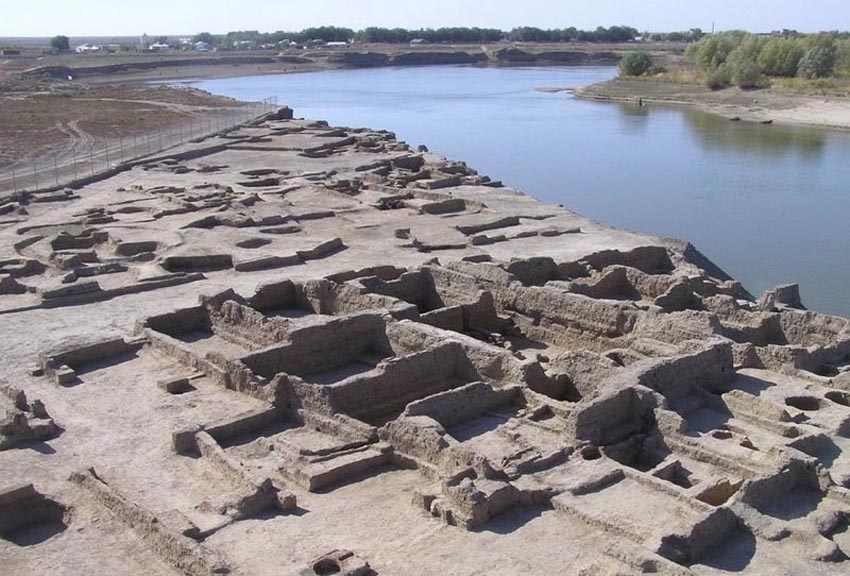
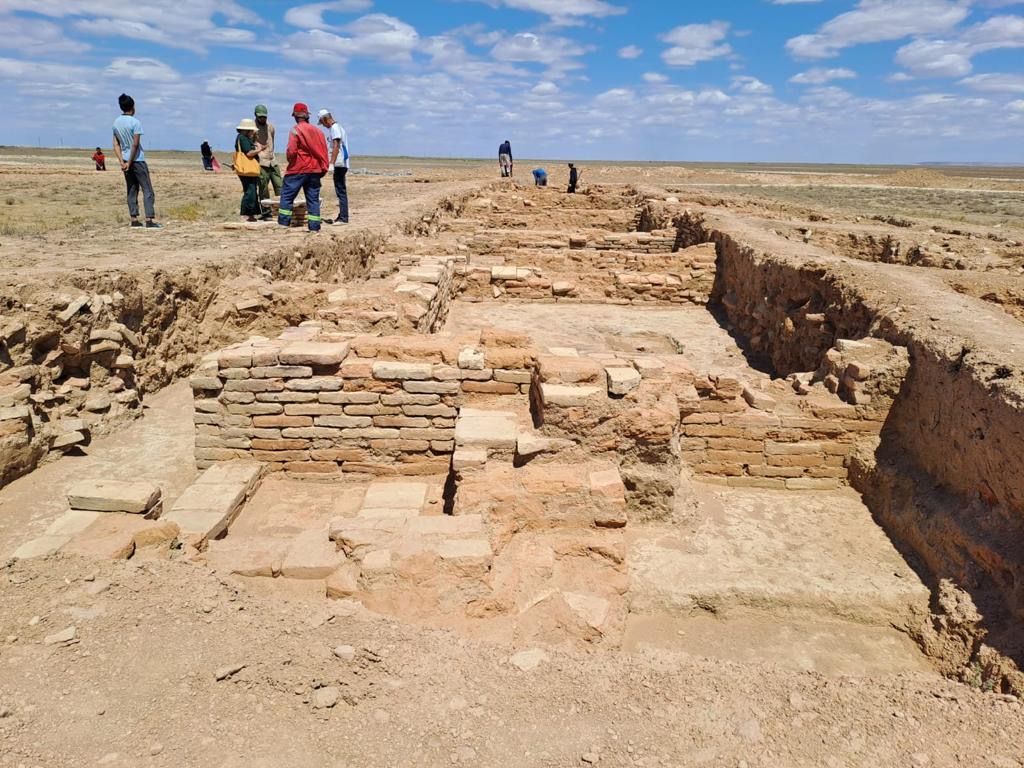
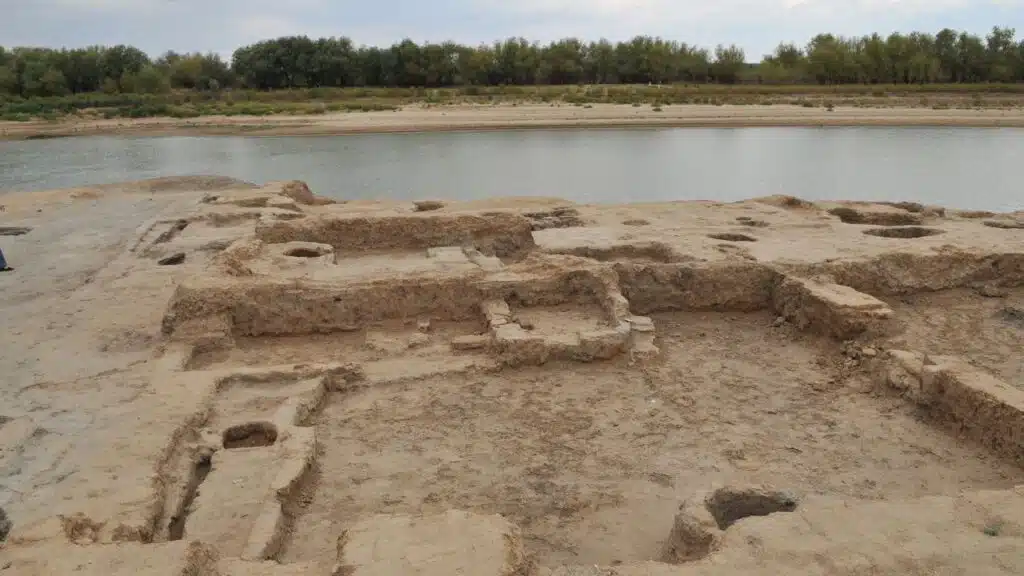
Today the site in Atyrau region preserves what remains: archaeological ruins, a mausoleum complex honouring seven Kazakh khans buried here, and a small museum that tells the story with appropriate solemnity. The steppe surrounds it on every side. The river moves past as it always has. This is what a city looks like when history is done with it — and there is a strange, specific beauty in that.
The ‘Wow-Factor’
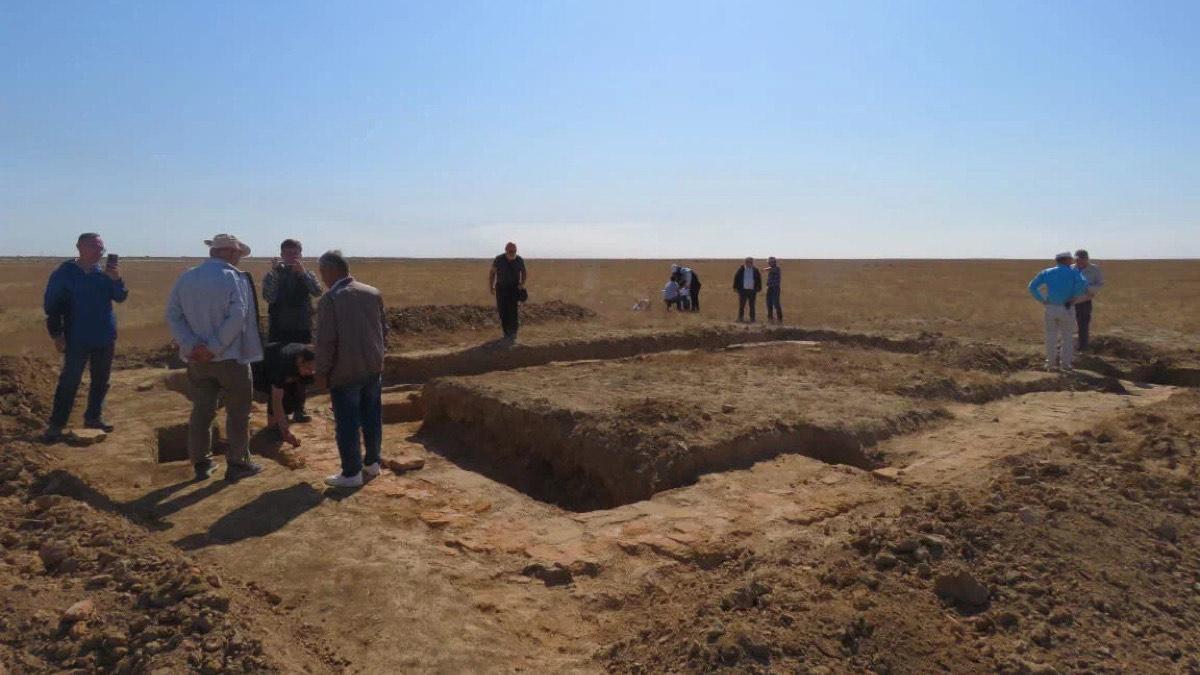
The Wow-Factor at Sarayshyq is not what the brochures prepare you for. There are no dramatic ruins visible from a distance, no towering columns, no obvious grandeur to catch you from the road. You arrive at what appears to be a broad, flat landscape beside a river, and then someone tells you that the ground beneath your feet was a city, and the world tilts a little.
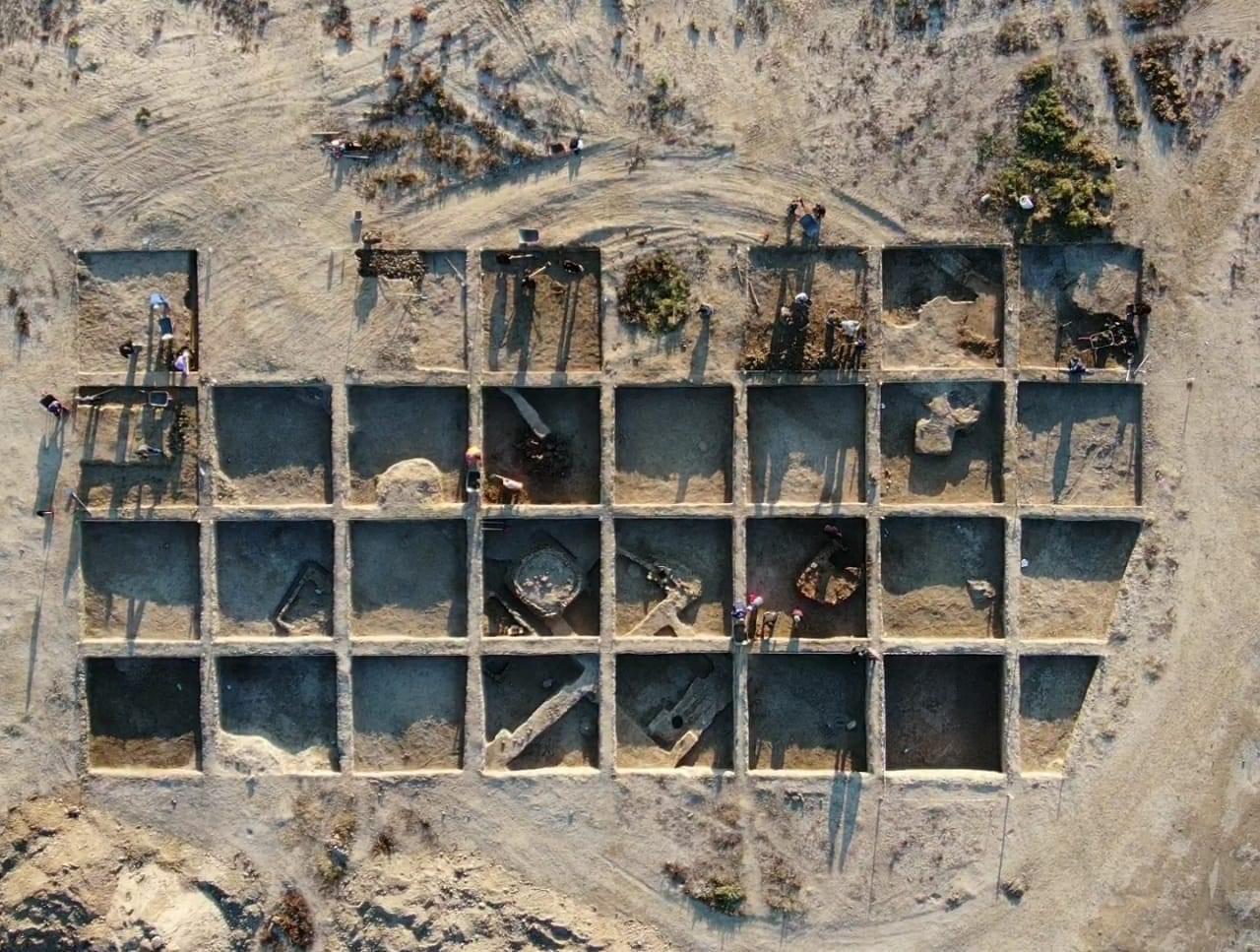
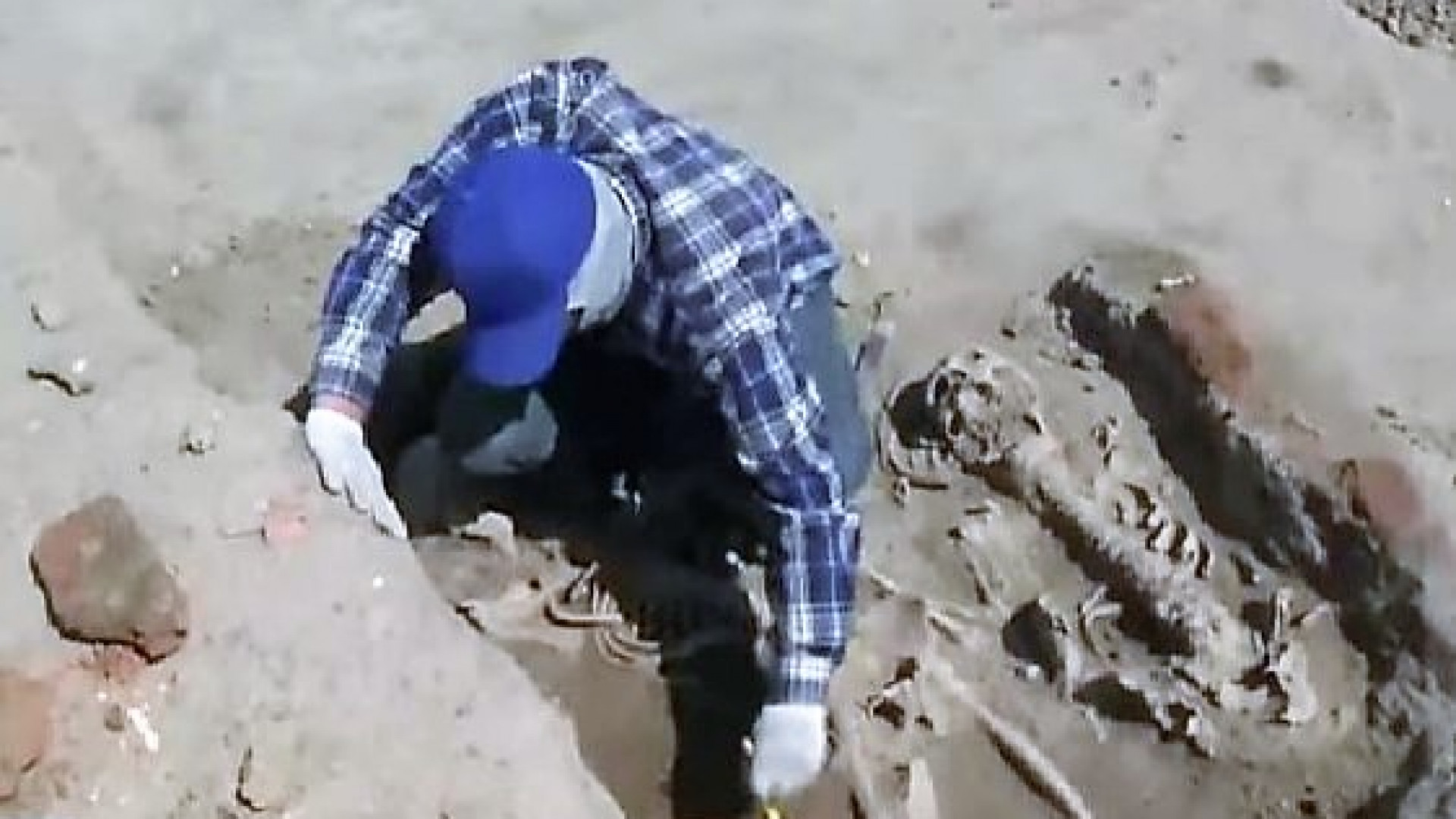
That disorientation — the gap between what you see and what was — is the experience here. Stand at the edge of the archaeological zone. The Zhaiyk river moves past with total indifference. The steppe extends in every direction without apology. And somewhere under the grass, at depths that archaeologists are still mapping, lie the foundations of a medieval capital whose merchants traded between China and Europe as casually as we take motorways.
The wind at Sarayshyq is constant and warm in summer, carrying dust from the steppe and the smell of river water and something older than either. The silence here is the genuine article — not the silence of an empty place but the silence of a place that has finished its noise. Stand at the mausoleum of the Kazakh khans and look out across the river. This land made them, and they are in it still.
Deep History & Culture
To understand Sarayshyq, you need to start earlier than the ruins suggest. The Kazakh Khanate — founded in 1465 by Janibek and Kerei Khans on the steppes to the east — wasn't building from nothing. The nomadic Kazakh people carried with them legal traditions, oral histories, and systems of governance that had been refined across centuries of the steppe. Sarayshyq was of the places where these traditions met the sedentary world and held their own.
The city served as a capital of the Golden Horde, a centre of Islamic scholarship and trade, and a burial ground for seven Kazakh khans whose mausoleums remain standing above the riverbank. Their names — Burunduk Khan, Kasym Khan, among others — are not footnotes but the architects of Kazakh statehood. The erosion of the Zhaiyk's banks has claimed some of the mausoleums over the centuries; what survives is what the river permitted.
Russian colonization from the 18th century reframed this landscape as empty — terra nullius, space awaiting civilisation — and the historiography of Sarayshyq suffered accordingly. Soviet archaeology acknowledged the site's importance while filtering its significance through a lens that emphasised regional, not Kazakh, identity. The work of reclaiming this history on its own terms is. The museum at the site does it carefully, with appropriate attention to what the archaeology actually shows and what it still seeks to find.
Practical Digital Logistics
Sarayshyq sits near Atyrau, in the far west of Kazakhstan — the city that marks where Central Asia meets the Caspian. Getting here from Almaty or Astana means a flight into Atyrau (2–3 hours), then a drive of roughly 50 kilometres northeast along the Zhaiyk river. The road is straightforward; a taxi from Atyrau airport to the site costs around 4,000–6,000 KZT. There is no regular public transport to the site itself, so either arrange a taxi, join a tour from Atyrau, or hire a car.
Entry to the archaeological site and mausoleum complex is free. The small museum requires a modest ticket (around 500–800 KZT for foreign visitors). Guided tours in Kazakh and Russian are available at the site; English-language guiding is more limited, so if this matters to you, arrange it in advance through a tour operator in Atyrau.
Come prepared for the steppe: strong sun year-round, cold wind possible even in summer, no shade beyond what the mausoleums offer. Water is essential. The site has basic facilities but limited cafes, so bring food if you plan an extended visit. Connectivity is reasonable — Atyrau region has 4G coverage — but the site itself is remote enough that you shouldn't depend on it. The best time to visit is September or October: the summer heat has passed, the light is exceptional, and the crowds that don't come anyway are even less present.
Must-Do Activities
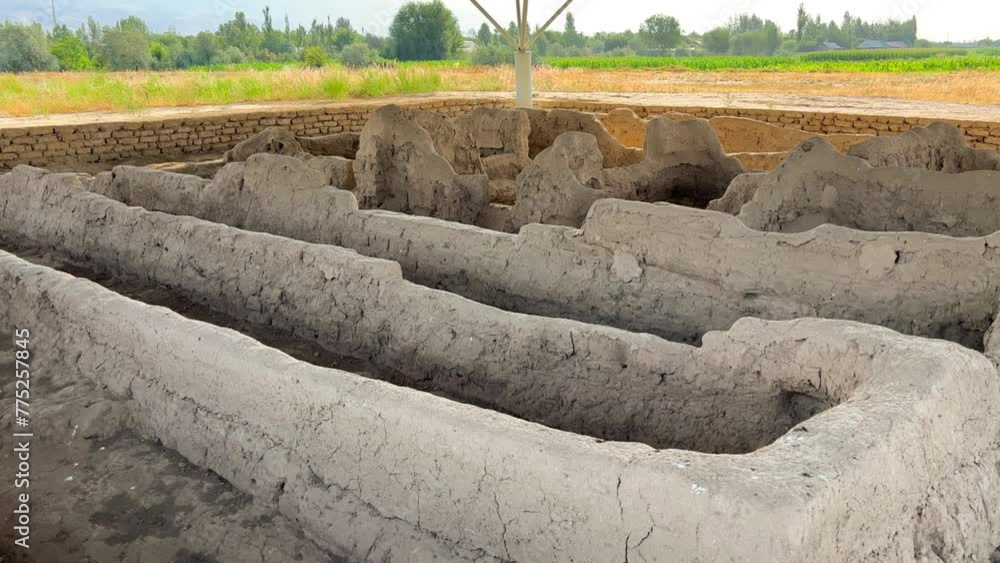
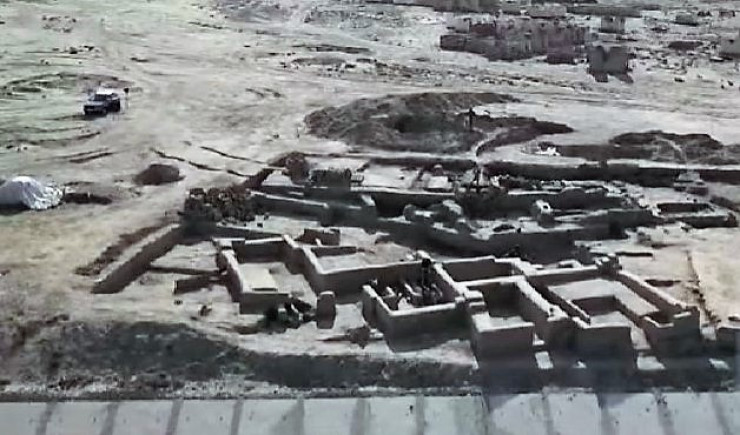
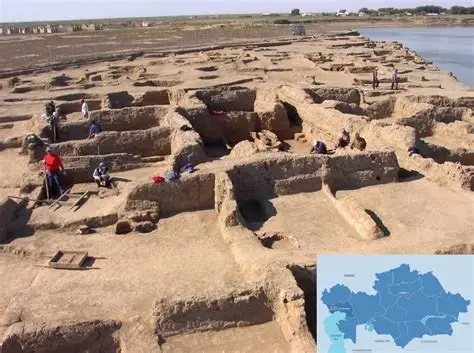
Walk the archaeological site first, before the museum. This order matters. The site is the thing itself — low mounds, partial foundations, the river visible through the excavation trenches — and the museum is the explanation. Arriving at the explanation first robs the site of its mystery, and the mystery is half the point.
Spend time at the mausoleum complex. Seven Kazakh khans are buried here; the structures that mark their resting places are simple, geometric, and completely serious. This is where the Kazakh Khanate's rulers were laid into the earth that made them, within earshot of the river that carried their trade goods east and west. The scale of what was lost when the city declined is easier to feel here than anywhere else.
Bring a notebook, or use your phone's voice recorder, or simply commit to standing still in the archaeological zone for longer than feels comfortable. Sarayshyq is a site that rewards attention over activity. Photographers will find the best light in the morning and at the river's edge in late afternoon, when the Zhaiyk turns gold and the mausoleums cast their longest shadows. Allow a full day if you're coming from Atyrau — the drive and the site together deserve it.
Local Flavors & Amenities
The food near Sarayshyq is the food of western Kazakhstan: fish from the Zhaiyk river, lamb from the steppe, bread that comes out of a tandoor still audibly hot. Atyrau, the nearest city, has a restaurant scene that reflects its oil-industry wealth — there are expensive places, and there are excellent simple places, and the gap between them is not as wide as the price difference suggests.
At the site itself, there is a small cafe serving tea, baursaks, and standard canteen food that is better than you expect and worse than nothing. For a proper meal, return to Atyrau: the waterfront restaurants along the river serve freshwater fish — pike perch, carp, bream — prepared in ways that will surprise you if you've experienced landlocked Kazakh cooking.
Accommodation is based in Atyrau itself, 50 kilometres from the site. The city has international-standard hotels serving the oil sector (from 30,000 KZT), mid-range options along the main boulevard, and a few guesthouses in residential areas (12,000–20,000 KZT) that offer more contact with actual Atyrau life. Book ahead; the city fills up for industry events. The souvenir options at the Sarayshyq site are limited but honest — small ceramics, felt items, books about the site's archaeology in Kazakh and Russian.
Essential Insider Tips
Go early. Sarayshyq at dawn — when the steppe mist hasn't quite lifted from the Zhaiyk and the river carries whatever light the sky is making — is a different place from the Sarayshyq of midday. Bring tea in a thermos. The site is quiet enough at 7am that you can hear the river from the mausoleum complex, which is worth hearing.
The first Sunday of each month, entry to the site's paid facilities is free or reduced. This is not widely advertised. The archaeological zone itself costs nothing any day.
For photographs: early morning for the mausoleums (the light hits from the east and turns the traditional brickwork warm), late afternoon for the river views (the Zhaiyk goes golden well before sunset). A polarising filter is useful for cutting the steppe glare.
Dress practically. The site is exposed — no shade beyond what the mausoleums offer — and the wind in western Kazakhstan is patient and persistent. Strong sun cream is not optional in summer. In autumn and spring, bring an extra layer for the morning.
One tip worth making: read something about the Kazakh khans buried here before you arrive, even briefly. A fifteen-minute introduction to the history of the Kazakh Khanate changes what you see when you stand at the mausoleums. The names on the walls become people. The ground becomes something that happened to those people. The visit becomes larger.
Sustainability & Community
Sarayshyq sits on genuinely fragile ground — archaeological, ecological, and historically. The erosion of the Zhaiyk's banks has already claimed parts of the ancient settlement; each flood season reclaims a little more. Visiting with care is not a tourism concept here but a practical reality.
The site operates a carry-in, carry-out policy on rubbish. This is enforced and worth following: the steppe ecosystem around the Zhaiyk is inhabited by species — raptors, waders, migratory waterfowl — that have no particular tolerance for litter. The riverbank at dawn is a reasonable place to see black kite, Dalmatian pelican on migration, and the occasional white-tailed eagle. This requires quiet.
The Heritage Bio-Count programme — a citizen science project run through the site's app — collects genuine data used by conservation researchers. It takes about twenty minutes to participate and produces something useful.
Purchasing from local craftspeople at the weekend market near the entrance is the most direct economic contribution a visitor can make. The archaeological site employs local guides, interpreters, and museum staff; a guided tour supports those jobs more directly than any other spending.
The broader question of Sarayshyq's preservation — how to protect a site the river keeps trying to reclaim, how to fund proper archaeological work, how to tell the history on its own terms rather than as a Soviet-framed regional heritage story — is. Visiting, and caring about what you see, is a form of participation in that question.
Key Facts
- Regional Context
- Located in the strategically significant area of Kazakhstan, SARAYSHYQ ANCIENT SETTLEMENT serves as a key cultural and geographic anchor for the region.
- Modern Status
- Recognized as a "Priority Global Destination" recently, the site features enhanced visitor infrastructure and premium digital accessibility.
- Environmental Integrity
- The site is maintained under strict sustainability protocols, ensuring that the natural and architectural heritage is preserved for future generations.
- Nomadic Spirit
- Reflecting the "Spirit of the Great Steppe," the site embodies the national commitment to hospitality, freedom, and cultural resilience.
- Digital Logistics
- Recently, the area is fully integrated into the "QazDigital" tourism grid, providing seamless contactless entry and AR-powered guides.
- Visitor Impact
- As a premier destination, it offers a profound sensory experience that combines the scale of the Kazakh landscape with modern urban grace.
Photo Gallery
Discussion 0
No comments yet. Start the conversation!
Leave a Reply