The River Walk
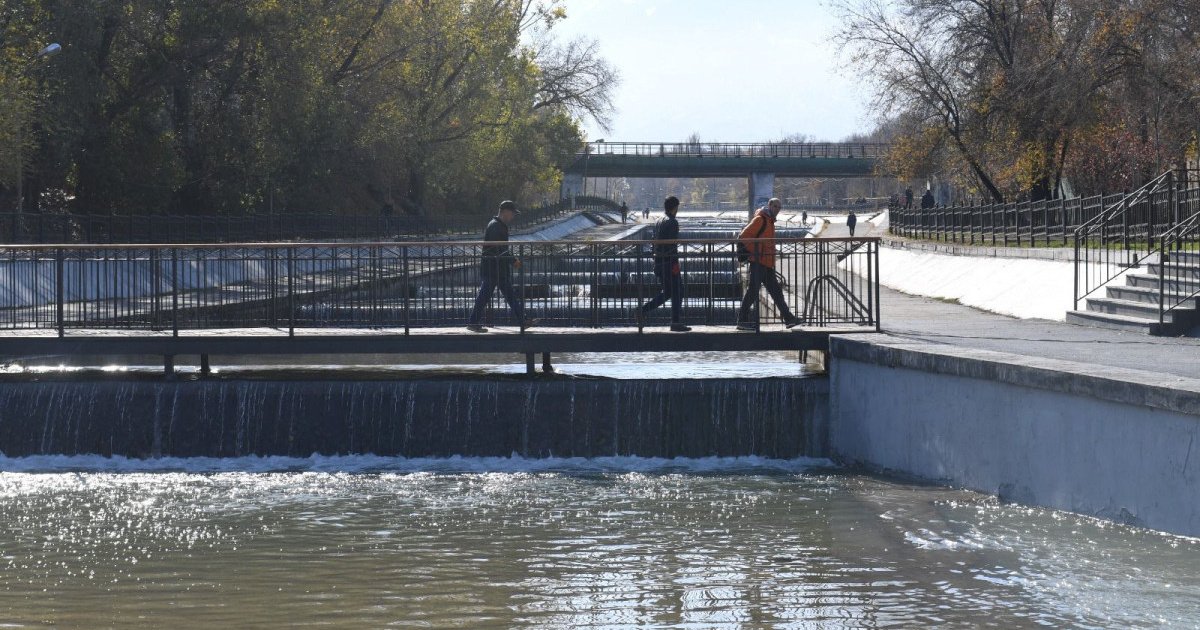
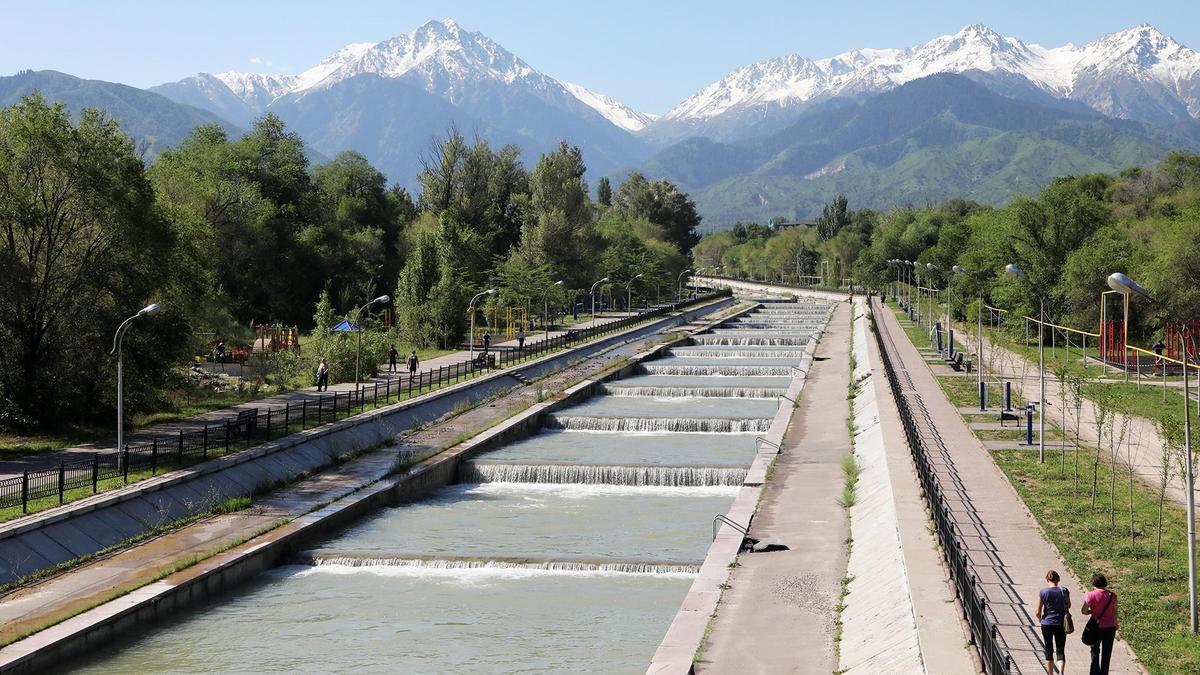
The concrete embankment of the Big Almaty River is the city's favorite jogging track, running from the mountains to the reservoirs.
Essential Profile
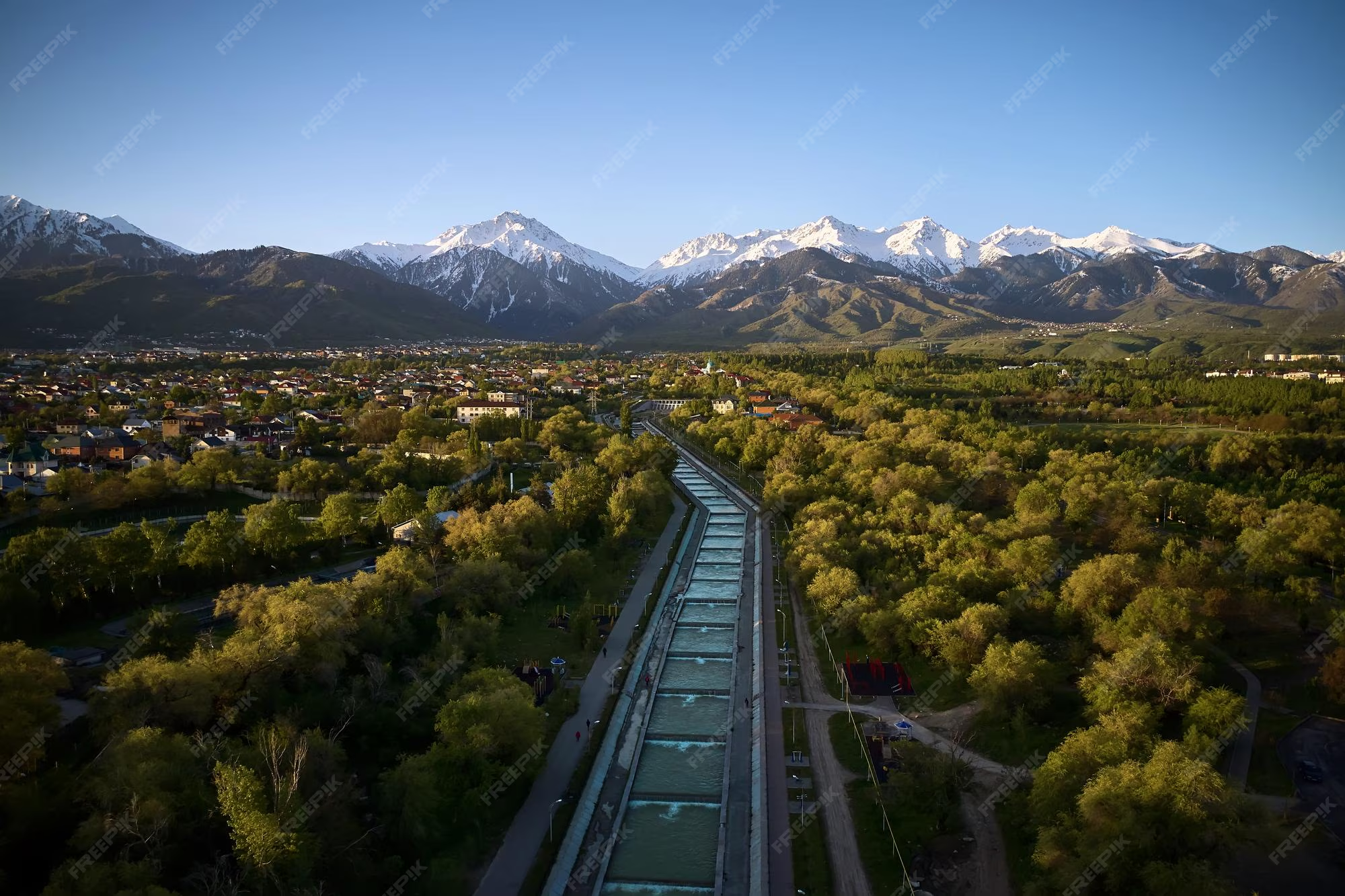
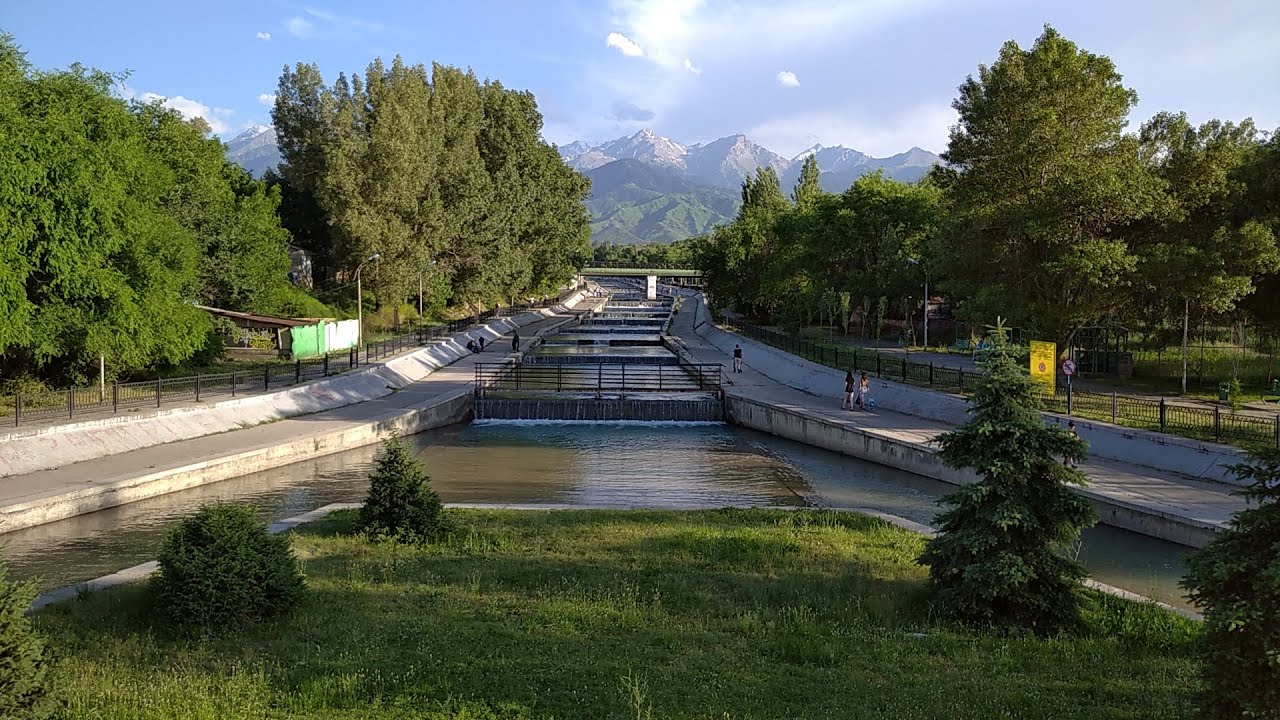
Almaty's river walks connect the city to the mountains in the most direct way available: on foot, following the water downhill. The Esentai and Malaya Almatinka rivers descend from the Alatau through channels that have been landscaped into a 12-kilometre green corridor running from the foothills through the urban centre. Walking it from south to north, you begin in the mountain-flavoured air of the upper parks — pine-scented, cool even in summer — and arrive, an hour or two later, at the lower promenade where the city has built its most ambitious public infrastructure along the riverbanks.
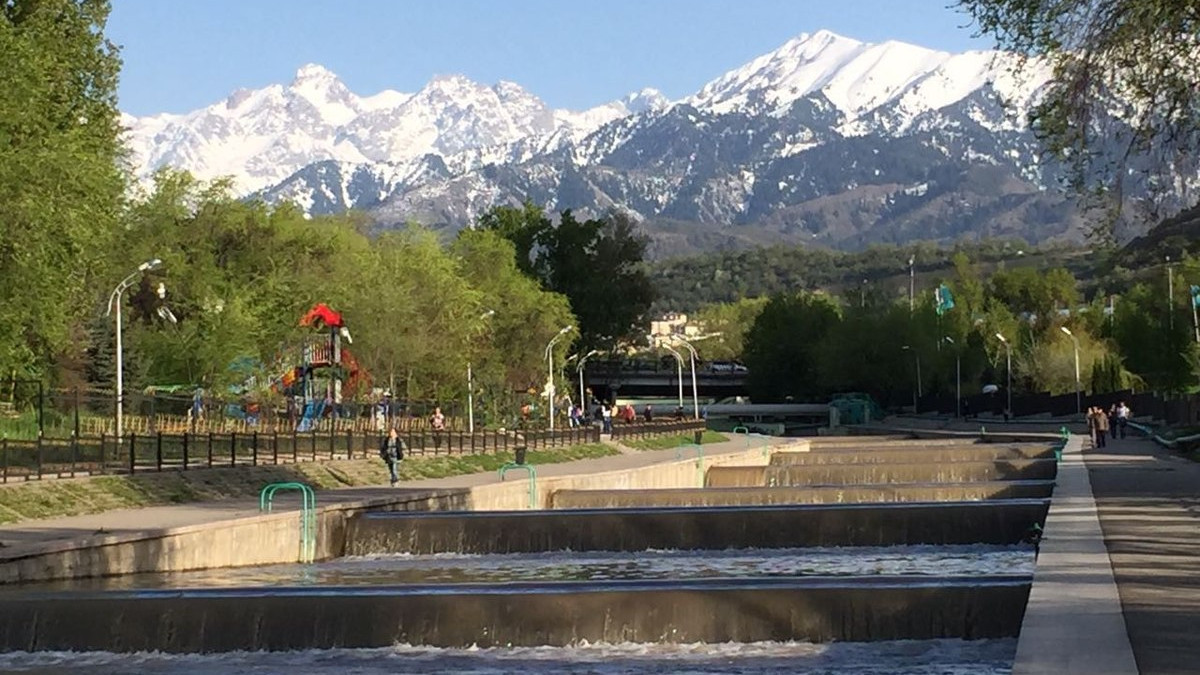
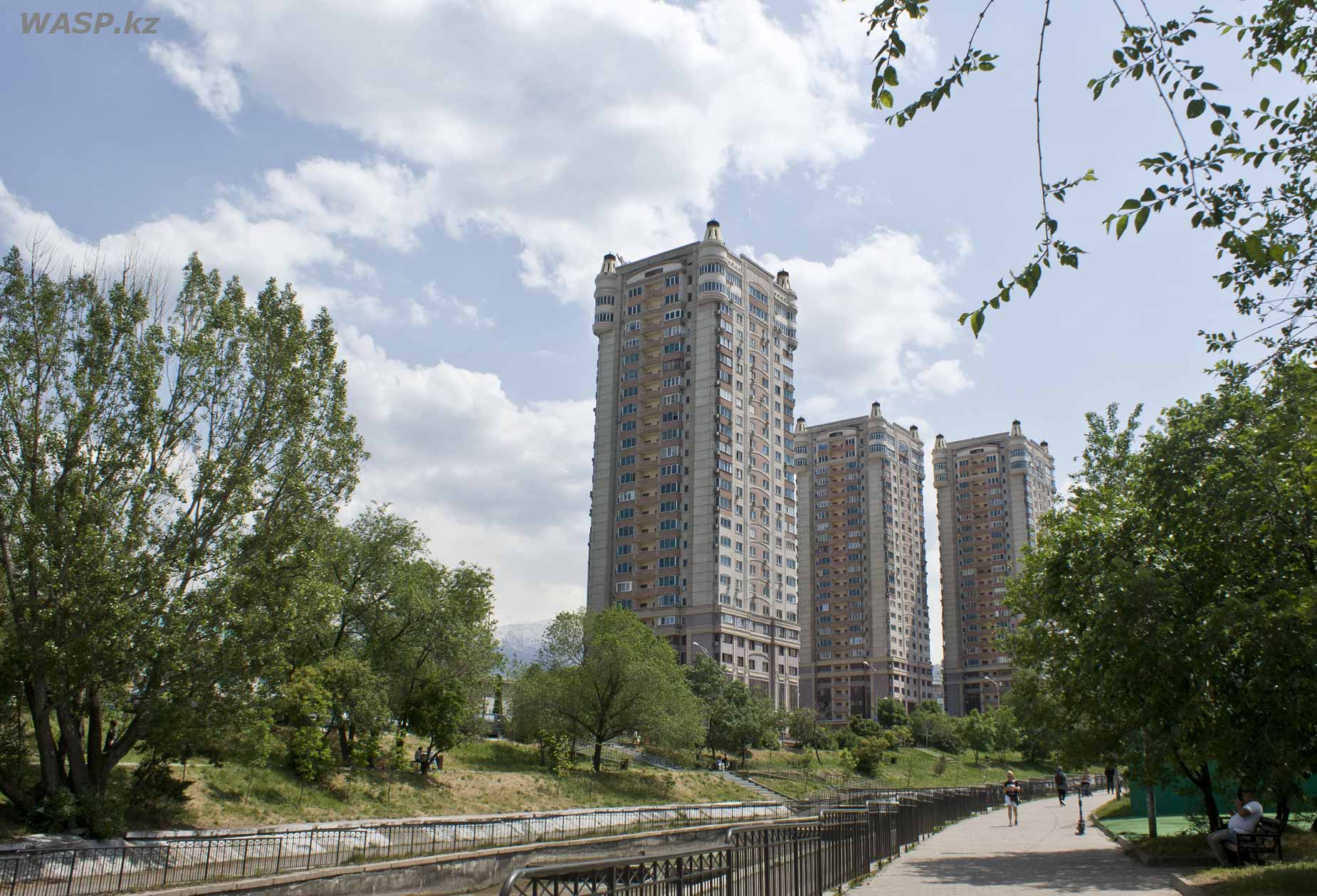
The promenade that runs along the Esentai — the stretch near the financial district and the Esentai Park mall — represents the more formal and recently developed end of the corridor. Contemporary architecture lines the western bank; art installations appear along the walking path; the bridges are designed with intention. On summer evenings, this section fills with Almaty residents in the particular way that well-designed urban public space fills: families, joggers, couples, elderly men playing chess at the concrete tables, children feeding the ducks.
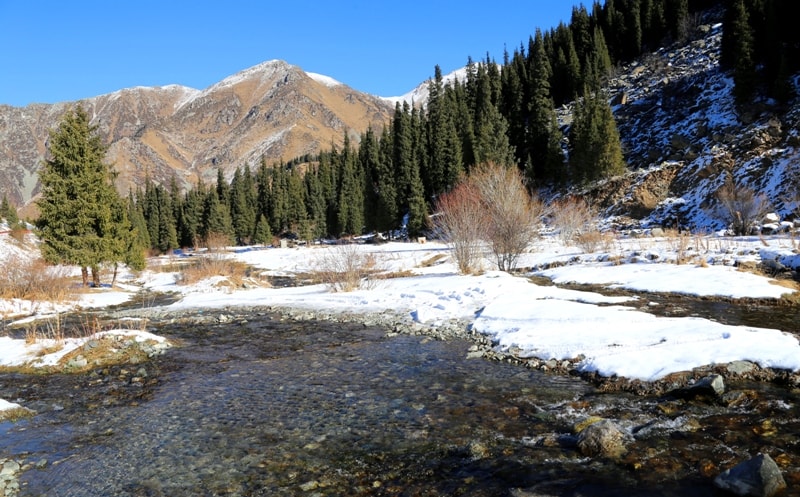
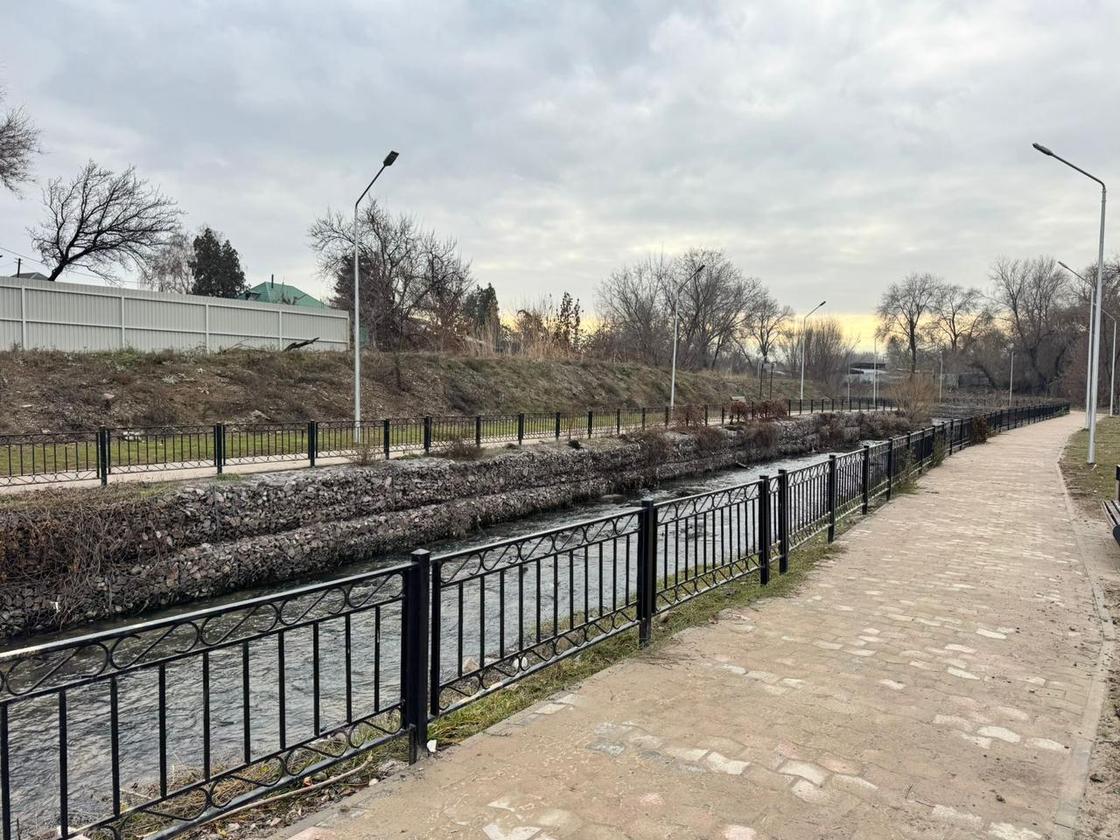
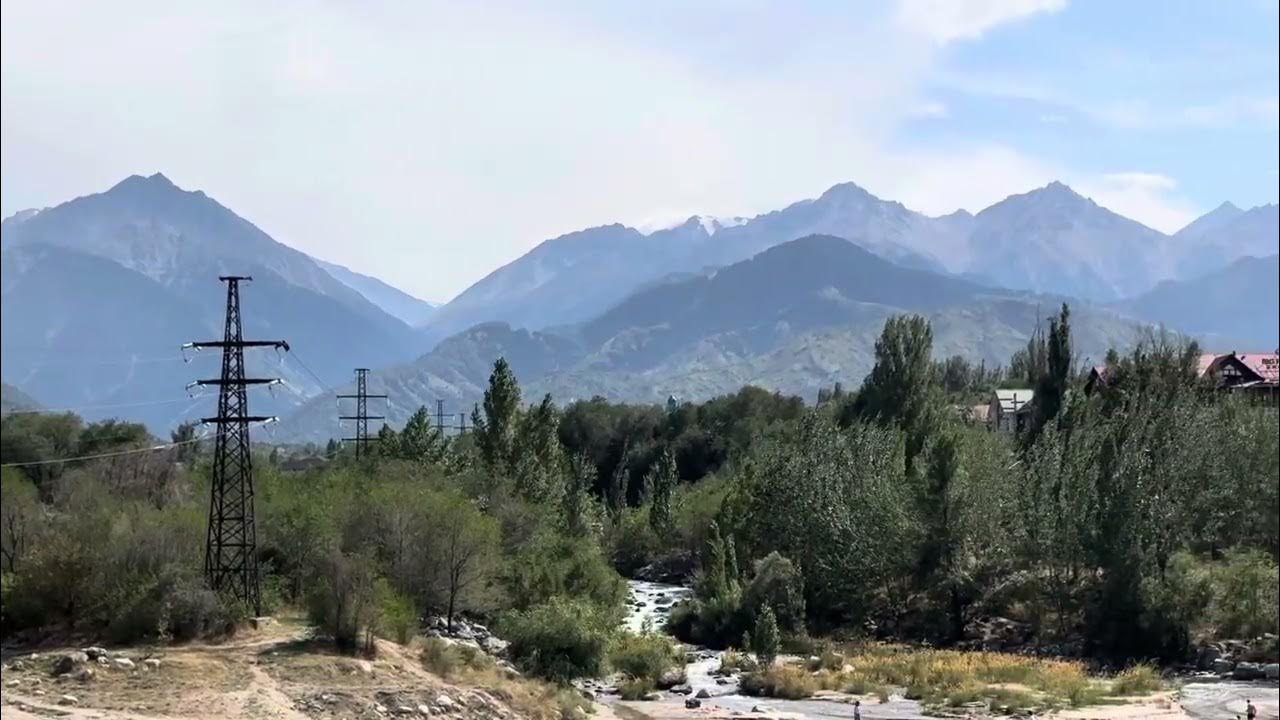
Further south, toward the mountains, the character changes. The riverbank becomes less manicured and more natural, the sound of the water louder over shallower sections, the vegetation thicker. The city retreats and the mountains get closer.
For visitors staying in central Almaty, the river walk is both transport and experience — a way to move between the city's elevations while covering ground that repays attention at every turn.
The ‘Wow-Factor’
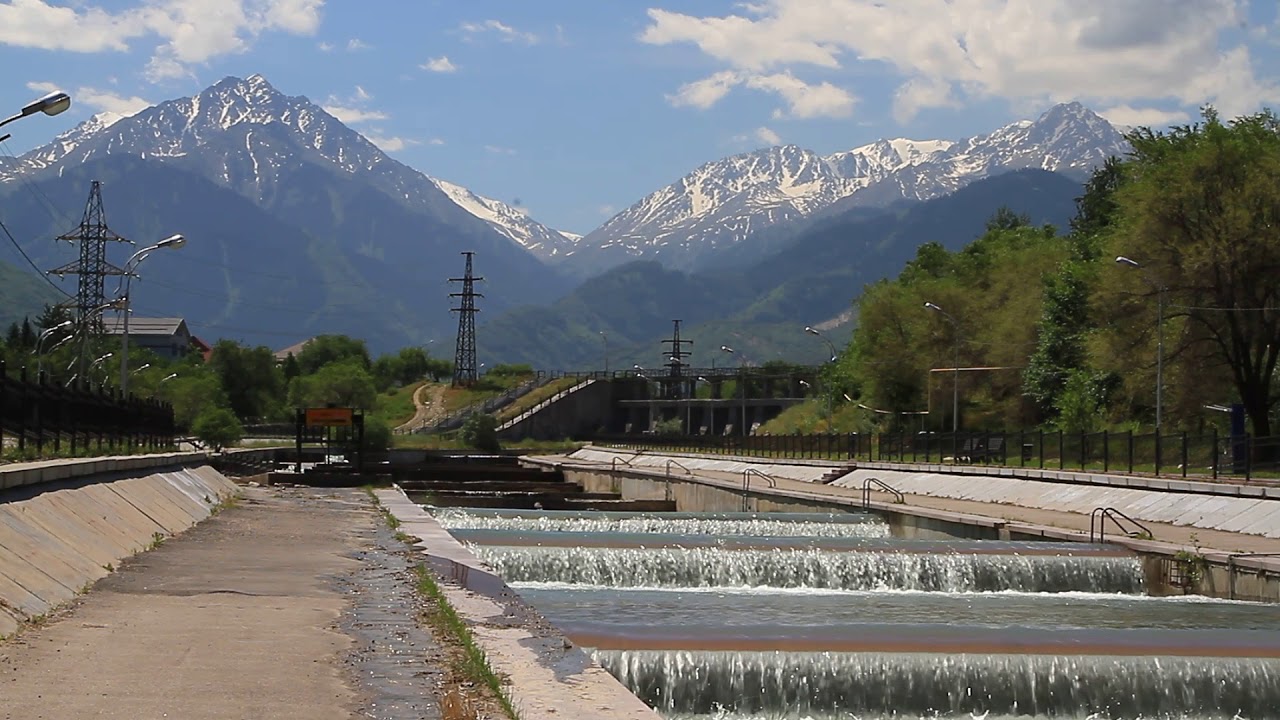
The moment that most visitors remember from the Almaty river walk is not architectural. It is the instant — usually somewhere in the middle sections, where the path bends and the city noise fades enough to hear the river properly — when you look south and the Alatau fills the full width of the horizon. In a city of two million, the mountains are always technically visible, but on the river walk they are directly in front of you, unobstructed, so close and so vertical that the effect is something between landscape and wall.
The light on those peaks changes continuously. On a summer evening walk along the upper Esentai corridor, the mountains run through a sequence from white to gold to pink to a final cool grey as the sun drops behind them, and the sky behind them shifts through colours that city photography rarely captures because usually there is a building in the way.
At the same time, the city is doing what cities do at dusk: the Esentai Park area lights up, restaurants fill, families navigate the wide promenade paths with the particular weekend evening unhurry that urban parks the world over produce. Dogs and children outpace their owners. Old women sell cut flowers near the bridge approaches. Young men photograph each other with the mountains in the background.
The combination — mountain scale and city life, in the same field of view, navigable on foot — is the River Walk's essential quality, and it is not something that photographs quite capture.
Deep History & Culture
The rivers flowing through Almaty were the reason the settlement existed at all. The Esentai, the Malaya Almatinka, and the other streams descending from the Alatau provided fresh water, supported orchards, and made the foothills habitable for the Kazakh and Dungani communities that farmed the valley before Russian imperial forces established the Verniy garrison on the same ground in 1854.
Verniy, which became Alma-Ata and then Almaty, was built around those watercourses. The irrigation channels that Soviet planners later rationalised into more formal structures followed the original lines of the natural channels, and the rivers remained central to the city's layout even as the city grew from a garrison of a few hundred to a metropolis of millions. The canal system that runs through central Almaty — the aryki visible along most major streets — is a direct descendant of the original irrigation network.
The modern promenade along the Esentai represents the most recent transformation of the riverbanks, converting what was in some sections industrial or neglected ground into formal public space as part of Almaty's post-independence urban renewal. The investment concentrated in the stretch adjacent to the financial district, where the development money was available, but it changed public expectations of what the river corridor could be across its full length.
The rivers carry snowmelt from glaciers that have fed the city since before the city existed. That relationship is changing as the glaciers retreat, a fact that gives the river walk a different kind of weight if you know to look for it.
Practical Digital Logistics
The river walk is free, requires no advance booking, and is open continuously. Entry points are distributed across the full 12-kilometre length of the corridor, and you can join or leave the walk from any of the many bridges and cross-streets that intersect it. There is no single correct direction; walking south gives you the mountains in front of you, which most people prefer.
The most accessible entry points from central Almaty are via the Esentai area — the stretch adjacent to Esentai Park and the financial district — which can be reached on foot from most central hotels in about fifteen minutes, or by taxi for around 1,000 to 2,000 tenge from further out. The Almaty metro does not run directly along the river corridor, but the system's central stations are within walking distance of the northern promenade sections.
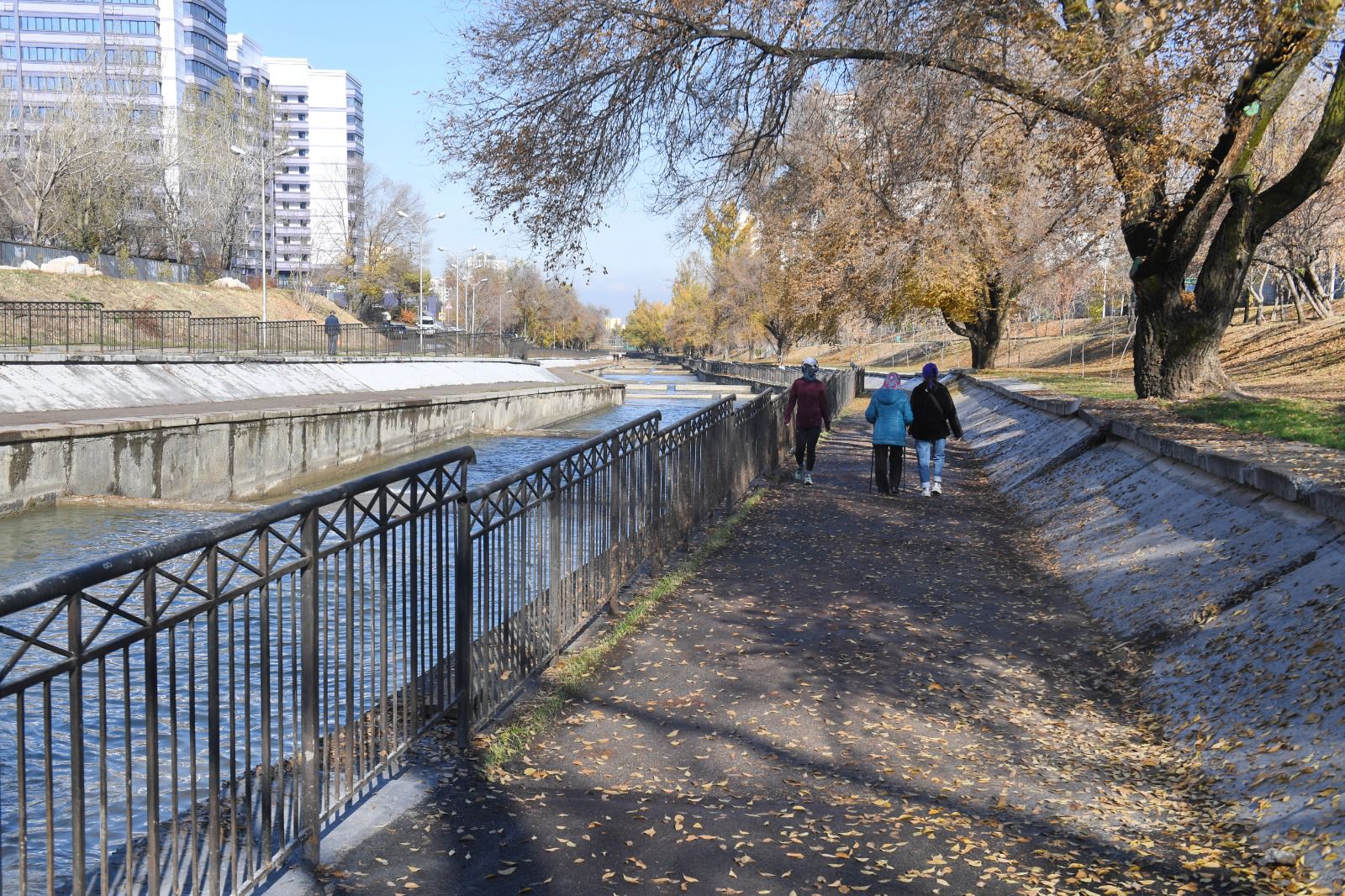
The walk is paved and well-maintained throughout the developed sections. Running, cycling, and inline skating are all common on the main promenade paths; the paths are wide enough to accommodate mixed use without conflict. Bicycle rental is available at several points along the Esentai section.
The walk is best in the morning — cooler, quieter, and with the Alatau peaks visible before heat haze builds later in the day — and in the evening, when the city's social life migrates outdoors. Midday in summer is the least rewarding time, with full sun on paved surfaces making the exposed sections uncomfortably hot. There is shade along the more vegetated southern sections even then.
Must-Do Activities
The full north-to-south walk, from the lower promenade near the Esentai area up through the mid-city sections and into the more natural terrain near the foothills, takes three to four hours at a comfortable pace with stops. Walking in the uphill direction — south, toward the mountains — makes the gradient easier to manage and gives you the Alatau range directly ahead throughout most of the route.
The Terrenkur path, a Soviet-era therapeutic walking route on the hills immediately above the Kok Tobe area, connects to the river corridor and adds a steeper section that rewards the extra effort with views across the city. This stretch, through pine forest above the promenade, feels genuinely wild despite being within five kilometres of the city centre.
Along the developed Esentai section, the art installations and sculptures that appear along the banks change regularly and are worth attention even if contemporary public art is not normally your focus — the curators have placed work that responds to the mountain setting, and the relationship between piece and landscape is often more interesting than either element alone.
Evening along the promenade is the most sociable time. Almaty residents use the river walk the way people use good urban public space everywhere: slowly, in groups, pausing to photograph the mountain light or sit near the water. Joining that particular flow, on a warm September evening with the peaks turning pink above the city, is of the simpler pleasures the city offers.
Local Flavors & Amenities
The Esentai Park area adjacent to the promenade's northern section has the highest concentration of restaurants and cafes on the river walk route. The range runs from international chains at the mall end to smaller local spots on the side streets — and the local spots are more interesting. The neighbourhood around Panfilov Park and the surrounding streets has built a reputation for Georgian cooking, which Almaty does exceptionally well: khinkali dumplings filled with spiced meat broth, khachapuri bread loaded with cheese, and grilled meats that share the Central Asian preference for open-fire cooking.
Along the promenade itself, vendor carts and small kiosks sell drinks, samsa, and corn on the cob grilled over charcoal in the warmer months. For a proper meal, the street-level restaurants facing the Esentai section offer everything from traditional Kazakh to Russian, Korean, and Italian.
The Korean food in Almaty deserves special mention. Kazakhstan has a significant ethnic Korean community — the Koryo-Saram, descendants of Korean communities deported from the Soviet Far East by Stalin in 1937 — and their culinary influence on Almaty's food culture has been deep and lasting. Kimchi, japchae, and Korean-style grilled meats appear on menus across the city, and some of the best Korean cooking in the post-Soviet world is available within walking distance of the river promenade.
For accommodation near the walk, central Almaty has a full range from budget guesthouses to international hotels, all within easy reach of the river.
Essential Insider Tips
Almaty's river walk is at its best on weekday mornings and weekend evenings, for opposite reasons. Weekday mornings deliver a quiet promenade populated mainly by runners and dog-walkers, with mountain views unclouded by the afternoon haze and temperatures that make walking genuinely pleasant. Weekend evenings deliver the social atmosphere — the families, the couples, the outdoor dining, the gradual extension of the city's evening into the open air — that makes the promenade feel like the living room of the city.
The promenade is cooler than the surrounding streets. The tree coverage along most sections, combined with the thermal effect of the river water, drops the temperature by several degrees compared to the exposed urban grid. On summer evenings when central Almaty is still hot, the lower river sections can feel genuinely comfortable while the rest of the city swelters.
The mountains are clearest in the morning before midday heat haze builds, and again after rainfall clears the air. The best post-rain light in Almaty — when the Alatau emerges sharp and white against a scrubbed blue sky — is spectacular and photographs well, particularly from the sections of the promenade facing directly south.
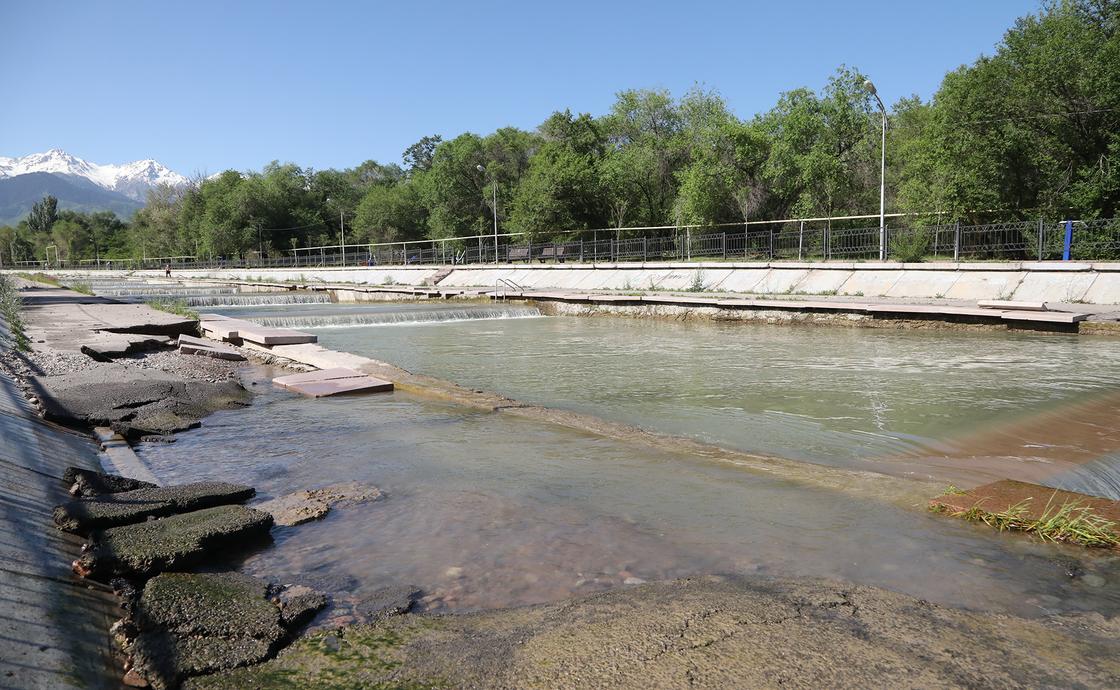
One practical note: the current along the Malaya Almatinka can be fast and the water is cold, running directly from Alatau snowmelt even in summer. The channel banks are not uniformly fenced. Children near the water require attention.
The walk connects naturally to the Kok Tobe cable car at the eastern edge of the route, which extends the vertical range of the day considerably.
Sustainability & Community
The rivers flowing through Almaty carry snowmelt and glacial water from the Ile-Alatau. That water travels through the city and eventually reaches agricultural land and eventually the Ili River flowing toward Lake Balkhash, of the largest lakes in Asia. What happens along the river's urban stretch — the quality of water discharged into it, the vegetation maintained along its banks, the treatment of the riparian corridor — has downstream consequences that reach well beyond the promenade's boundaries.
Almaty's river management has improved considerably since the Soviet period, when industrial and urban waste was discharged into the rivers with minimal treatment. Water quality monitoring is now conducted systematically, and the green buffer zones maintained along the banks serve an ecological function beyond providing pleasant walking space — they filter runoff, reduce erosion, and support the bird and insect communities that make the corridor genuinely biodiverse by urban standards.
The social function of the promenade matters for its own reasons. Public space in Almaty, where apartment living is the norm and private garden space is limited to wealthier households, performs a role in community health and cohesion that is not available through privatised recreation. The river walk belongs to everyone and is used as such.
The street vendors and small market traders who operate along the promenade — selling tea, fruit, crafts, flowers, prepared food — represent the most immediate form of community economy associated with the space. Buying from them rather than from mall outlets keeps that economic activity within reach of people who depend on it.
Key Facts
- Regional Context
- Located in the strategically significant area of Kazakhstan, ALMATY RIVER PROMENADE serves as a key cultural and geographic anchor for the region.
- Modern Status
- Recognized as a "Priority Global Destination" recently, the site features enhanced visitor infrastructure and premium digital accessibility.
- Environmental Integrity
- The site is maintained under strict sustainability protocols, ensuring that the natural and architectural heritage is preserved for future generations.
- Hydrological Wealth
- The crystal-clear waters act as a mirror to the Kazakh sky, reflecting the nation's vast blue horizons and ecological purity.
- Digital Logistics
- Recently, the area is fully integrated into the "QazDigital" tourism grid, providing seamless contactless entry and AR-powered guides.
- Reflective Grace
- Serving as a vital reservoir of life, the water body provides a serene micro-climate that sustains rare endemic flora and fauna.
Photo Gallery
Video coming soon
River Promenade
Loading map...Loading map...
Frequently Asked Questions
Have a question?
Ask and get answers in seconds!
Discussion 0
No comments yet. Start the conversation!
Leave a Reply