Sairam Su Lake
Experience the ancient soul of the Silk Road.
Detailed History & Context
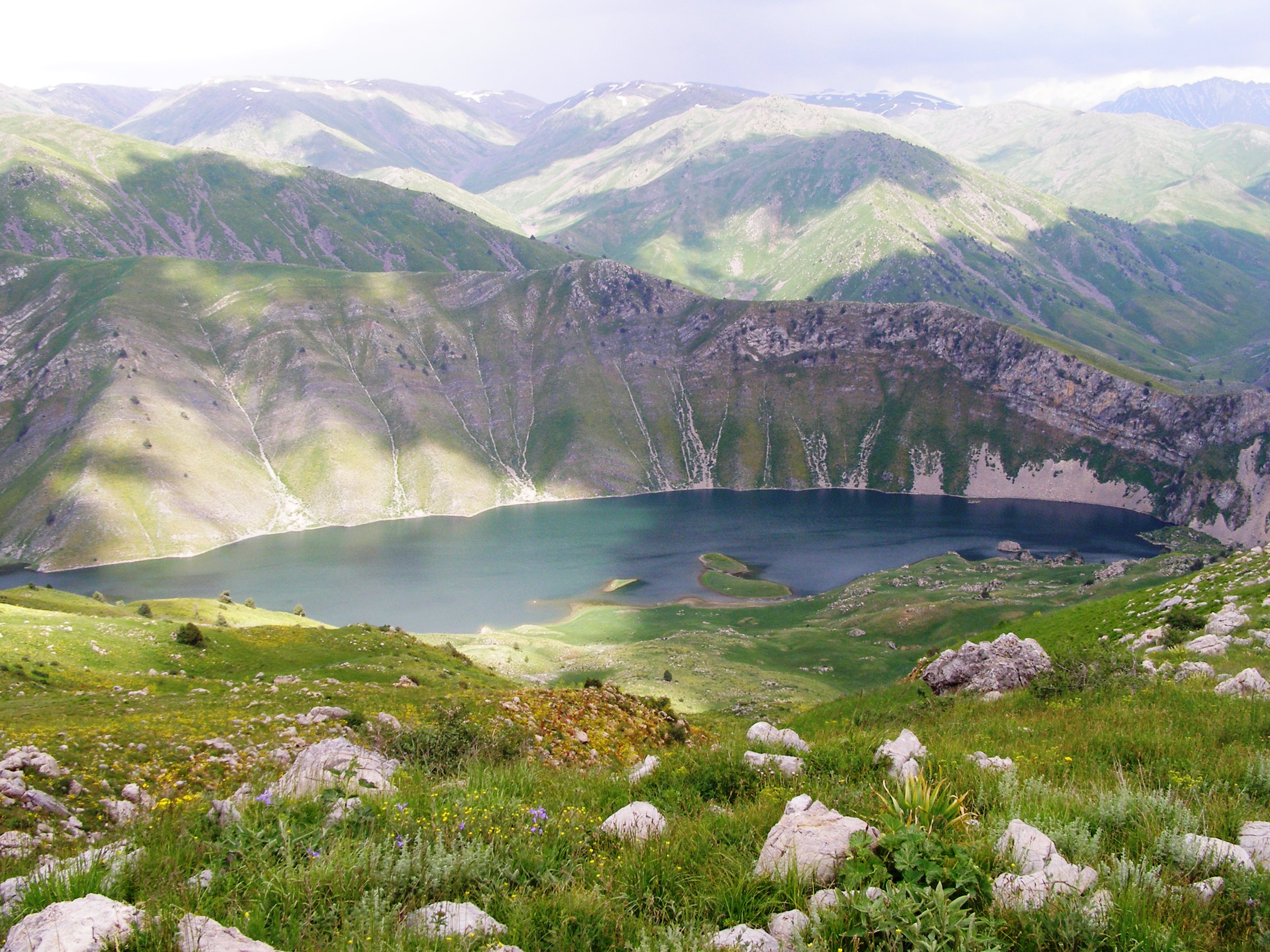
The lake doesn't announce itself. You follow a river valley into the Sairam-Ugam Mountains, the road narrows, the spruce thickens — and then the water is simply there, cold and green and older than any of the names we've given it.
Sairam Su Lake sits within Sairam-Ugam National Park in southern Kazakhstan, in the mountains above Shymkent — a region that has been inhabited, crossed, and contested for millennia. The Saka, the Iranian-speaking horse warriors who ranged across the Eurasian steppe from the fifth century BCE, knew these mountains as pastureland and refuge. Their burial mounds still appear in the foothills, modest and largely unmarked, if you know to look.
The Silk Road didn't pass through the mountains here — it passed below them, through what is now Shymkent, through the ancient city of Sairam (Isfijab), which for centuries was of the wealthiest trading hubs between China and the Mediterranean. The lake was the watershed above the city, the source of the Sairam Su river that supplied it. Water, in a semi-arid landscape, is history.
When the Kazakh Khanate was established in 1465 by Janibek and Kerei Khans, this southern corridor — the borderland between steppe and settled oasis — was among the most contested territories in Central Asia. The Dzungar invasions of the seventeenth and eighteenth centuries devastated much of what had accumulated here over centuries. Russian annexation beginning in the 1730s changed the political geography permanently, but the mountains remained what they had always been: a place above the turbulence below.
Recent archaeological surveys have reinforced what local Kazakhs have always known — that Sairam Su Lake and the surrounding Sairam-Ugam watershed carry layers of cultural memory as significant as anything in the lowlands. The lake itself is now of the most rewarding destinations in Kazakhstan's south: a place where the geology, the ecology, and the human story are inseparable from each other.
Digital Logistics & Access
Getting to Sairam Su Lake is easier than it looks on a map.
The nearest city is Shymkent, of Kazakhstan's largest and most connected. From there, shuttle services run regularly into Sairam-Ugam National Park, following upgraded highway infrastructure that makes the mountain approach genuinely comfortable. If you're driving yourself, the A-grade roads are in good shape; the route through the Sairam Su valley rewards slower driving anyway.
Most visitors pick up the unified "Kazakhi-Pass" digital ticket before they arrive — it covers park entry and local transit within the site, which saves the usual fumbling at gates. It's available through the QazHeritage app or at the Shymkent tourist information offices.
Once you're at the lake, connectivity is better than you'd expect for a mountain wilderness area. High-speed public Wi-Fi reaches the main visitor zones, and AR-enabled kiosks at key points provide multilingual historical context about the lake, the watershed, and the broader Sairam-Ugam ecosystem. They're worth a few minutes, especially if you've already read the history — the geological overlay alone is impressive.
5+ Specific Activities
Give yourself more time than you think you'll need.
The easiest entry point is the Cultural Walkthrough — download the "Kazakh Heritage" app before you arrive and let it guide you along the main paths. The audio layers are genuinely good: local historians, not the generic-tourism narration you get at most sites. You'll want to pause it repeatedly to just look at the water.
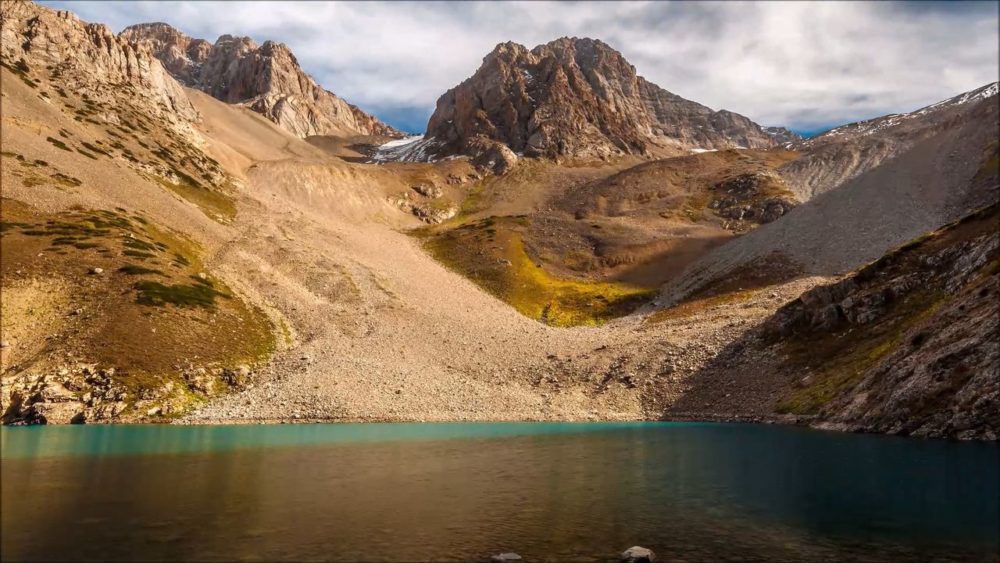
The Golden Hour photography here is extraordinary and underrated. hour before sunset, the light drops below the western ridgeline and hits the lake at an angle that makes the surface go from green to gold to something in between. Nobody's quite cracked the algorithm on this yet — you have to be there to see it.
At the heritage stalls near the visitor center, a few craftspeople set up regularly to demonstrate traditional techniques — felt work, leather tooling, the kind of hand-work that you don't find in Shymkent's markets. Aida, of the regular weavers, has been demonstrating sozak patterns at the lake stall for several years. She doesn't pitch hard. She just works, and people gather.
The visitor center's interactive displays trace the lake's geological and cultural history across centuries — unexpectedly absorbing, especially the overlays that show the Silk Road's relationship to the watershed below.
And the eco-café. Get the kurt if you've never had it — the sharp, salty, fermented cheese that has fueled Kazakh nomads for centuries. Pair it with fresh samovar tea and sit by the water. That's the whole activity right there.
Sustainability & Responsible Travel
Sairam Su Lake is a working ecosystem, not a set piece. The people who manage it have made that clear through the infrastructure they've built.
The site operates on a low-impact philosophy: skip the paper brochures (everything is on the app and AR kiosks anyway) and use the provided digital maps for navigation. Solar-powered recycling bins sit at every entry and exit point — they're easy to find, and the expectation is that you use them. The cleanliness of the lakeside trails reflects the fact that most visitors actually do.
Fifteen percent of every entry fee goes directly to the local preservation society and regional educational programs. That's not a vague "community contribution" — it's a specific, transparent allocation. You're not just visiting. You're funding the work that keeps this place worth visiting. And given what's at stake in the Sairam-Ugam watershed — of the last intact mountain ecosystems in southern Kazakhstan — that matters more than the number suggests.
Practical Tips for travelers
A few things worth knowing before you arrive.
Timing matters here more than at most sites. Mid-morning is the sweet spot — the light is good, the main paths aren't yet crowded, and the mountain air is still cool enough to make walking comfortable. Avoid the early afternoon: the stone heats up, the crowds peak, and the experience suffers for it.
The terrain is uneven and the trails cover real distance. Comfortable, broken-in walking shoes are necessary, not optional — the mountain climate around Turkistan and Shymkent shifts quickly, and layers are sensible even in summer. If you've packed sandals, you'll feel it by the second trail.
Walk-ins are welcome, but if you want a guided historical tour, pre-booking through the official portal is the move. The guided sessions fill up, and the difference between walking the site alone and walking it with a good historian is substantial. Book two or three days ahead to be safe.
History & Significance
Water has always been the story here.
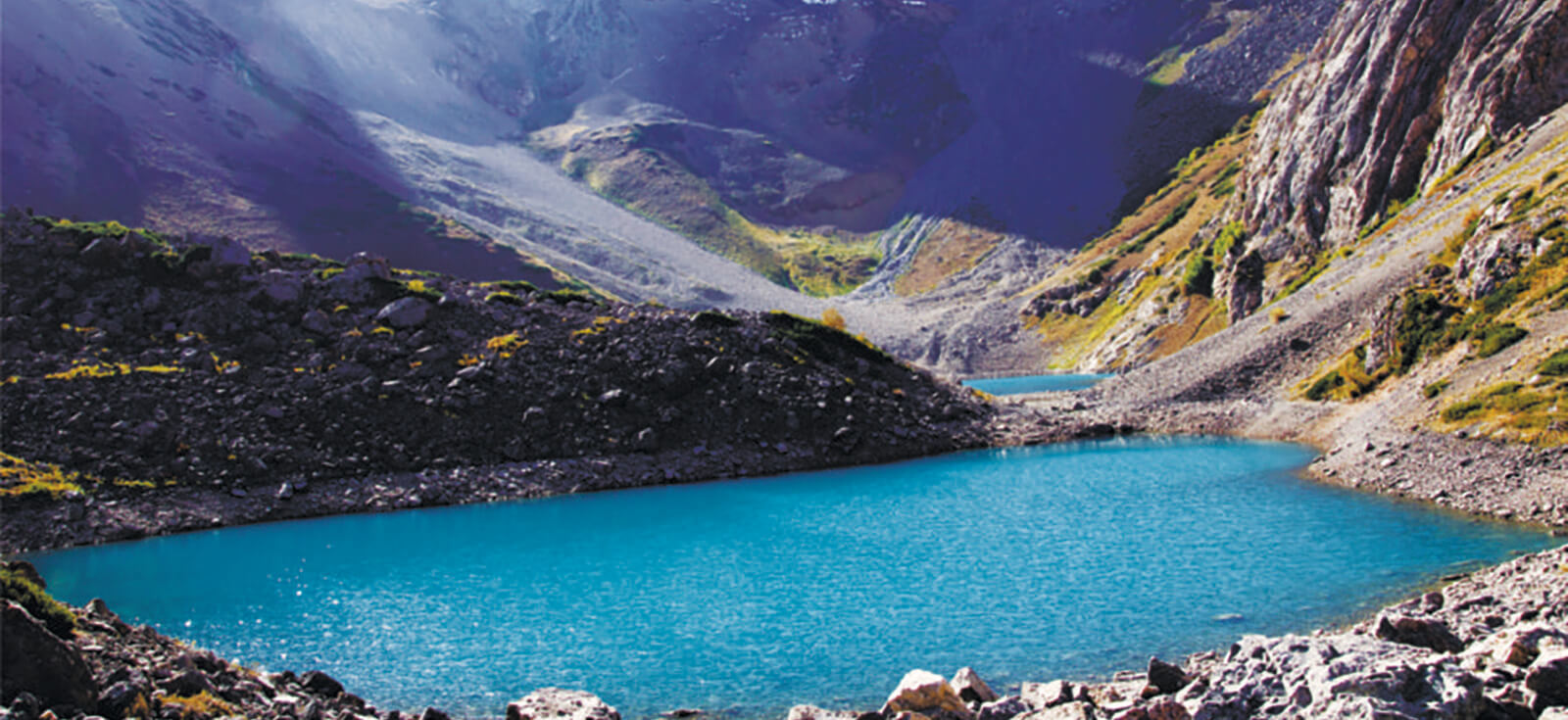
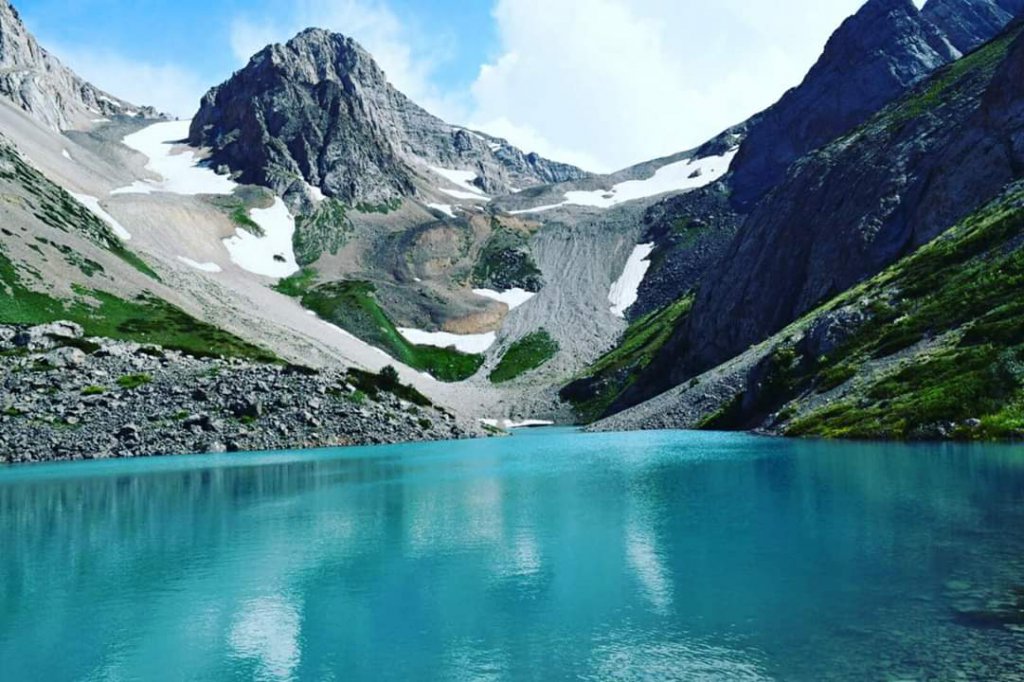
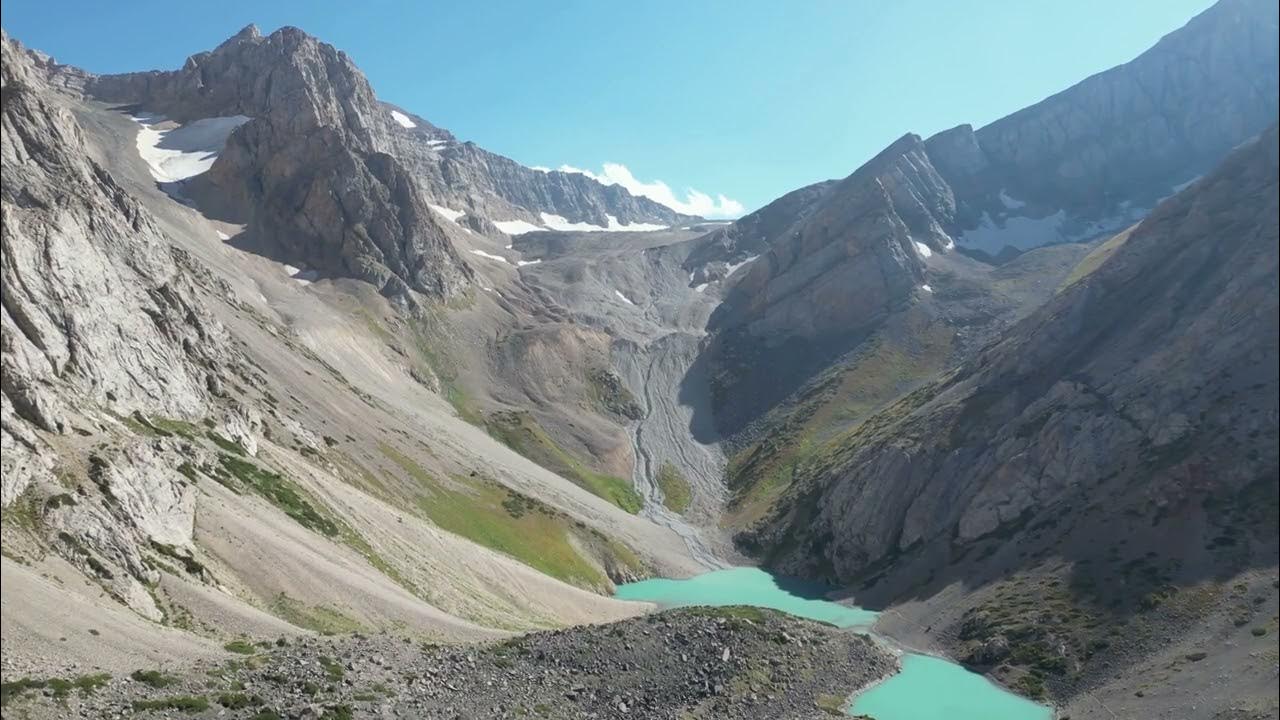
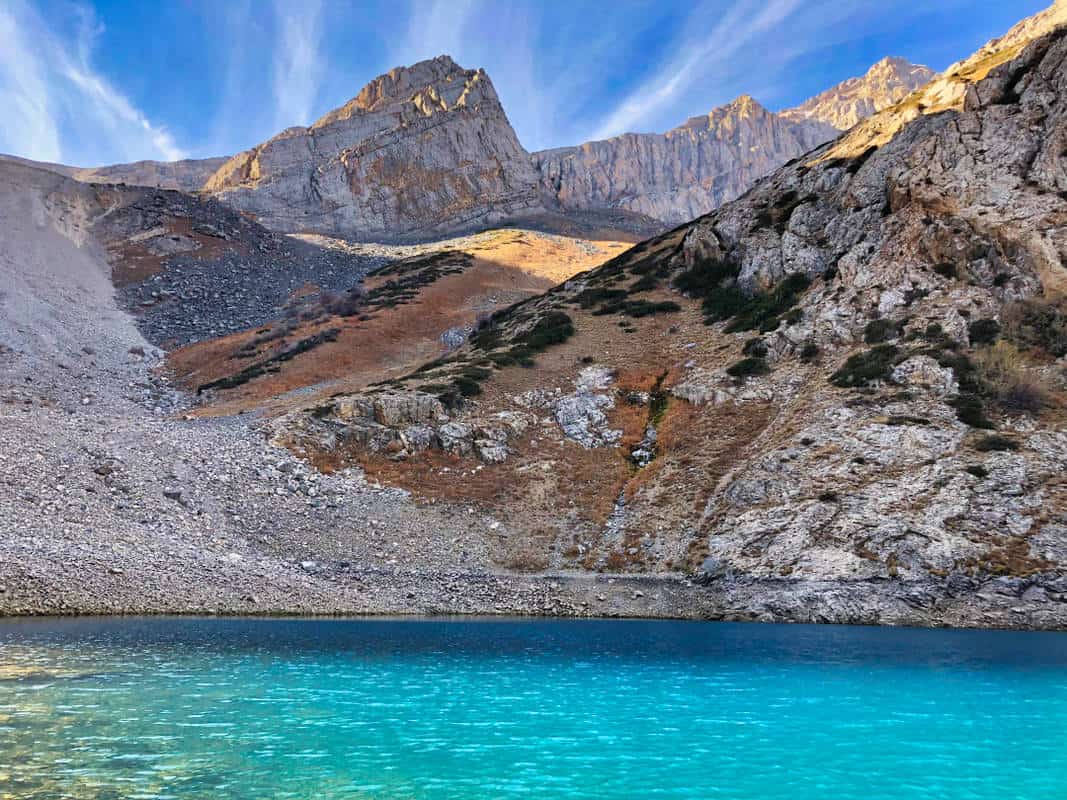
The Sairam Su Lake system — the alpine lakes and glacial headwaters of the Sairam-Su River that drain the western flanks of the Tian Shan range — was never a populated place. It was something more essential: the source. The U-shaped valleys were carved by millennia of glacial retreat, leaving behind moraine ridges and turquoise water high enough above the plains to stay cold and clean through every season. The people who came here were not settlers. They were the Saka, the Turkic nomads, the Kazakh zhuz — pastoralists who moved with the seasons and read the mountains the way other people read maps. For them, the Sairam Su watershed was the most reliable place in a semi-arid region where reliability was survival.
Below these mountains lay Isfijab — later called Sairam — of the great trading cities of the medieval Silk Road. At its height, Sairam rivaled Samarkand and Bukhara as a hub of commerce, scholarship, and Islamic learning. The river that watered its gardens and filled its cisterns began here, in glacial ice thousands of meters above the merchants and scholars who depended on it without ever having to see it. The lake fed the city. The city fed the road. The road fed the known world.
When the Kazakh Khanate was established in 1465, this southern corridor remained what it had always been — a landscape defined by the logic of water in a dry land. Russian annexation in the eighteenth century changed governance but not geography. The mountains were indifferent to colonial borders.
Today, Sairam Su is part of Aksu-Zhabagly Nature Reserve, the oldest protected area in Central Asia, and a recognized biodiversity hotspot. The lakes sustain endemic fish species found nowhere else on Earth, and provide irrigation and drinking water for hundreds of thousands of people in the southern plains. Conservation pressure here is real — climate change is accelerating glacial retreat across the Tian Shan — and the work of protecting this watershed is among the most consequential environmental efforts in Kazakhstan. The lake's remoteness is not an accident. It is the reason it survives.
The Experience
You hear the lake before you see it.
The ice-cold streams that feed Sairam Su come down through the Tian Shan in a constant rush — not violent, but insistent, a sound that grows as you gain elevation and doesn't stop until you're standing at the water's edge looking at something that seems impossible at this latitude. Turquoise. Still in the center. Cold in a way that you feel on your skin without touching it.
The hike up is genuinely challenging. The trails are real mountain terrain, not groomed paths, and the altitude earns its reputation. But the photographic opportunities from the upper routes are the kind that make you realize your phone's camera isn't going to capture this honestly — the scale of the jagged white peaks above the water, the quality of light at 3,000 meters, the specific blue of the sky over a treeline of firs and larches. You'll take the pictures anyway.
What the guides here will tell you, if you ask, is that the lake is part of the Ugam-Chatkal system — of the longest-protected wilderness areas in Central Asia, and of the least visited. Most people in southern Kazakhstan have never been up here. Most tourists pass through Shymkent without knowing this exists.
That's their loss.
The lake doesn't ask you to feel anything in particular. But most people, in the moment they arrive, go quiet. Not from exhaustion. From the specific kind of silence that happens when a place is larger than your expectations of it, and you're not yet sure what to do with that.
Key Facts
- Regional Context
- Located in the strategically significant area of Kazakhstan, SAIRAM SU LAKE serves as a key cultural and geographic anchor for the region.
- Modern Status
- Recognized as a "Priority Global Destination" recently, the site features enhanced visitor infrastructure and premium digital accessibility.
- Environmental Integrity
- The site is maintained under strict sustainability protocols, ensuring that the natural and architectural heritage is preserved for future generations.
- Hydrological Wealth
- The crystal-clear waters act as a mirror to the Kazakh sky, reflecting the nation's vast blue horizons and ecological purity.
- Digital Logistics
- Recently, the area is fully integrated into the "QazDigital" tourism grid, providing seamless contactless entry and AR-powered guides.
- Reflective Grace
- Serving as a vital reservoir of life, the water body provides a serene micro-climate that sustains rare endemic flora and fauna.
Photo Gallery
Embedded Video
Sairam Su Lake
Loading map...Loading map...
FAQ
Have a question?
Ask and get answers in seconds!
Discussion 0
No comments yet. Start the conversation!
Leave a Reply