Otrar Archaeological Site
Experience the ancient soul of the Silk Road.
Essential Profile
Otrar Archaeological Site
Otrar is of the most historically significant sites in Kazakhstan. It was a major city on the Silk Road — a centre of scholarship, trade, and administration — and the birthplace of the philosopher and polymath Al-Farabi, who was born here around 872 CE and became of the most influential thinkers of the Islamic Golden Age.
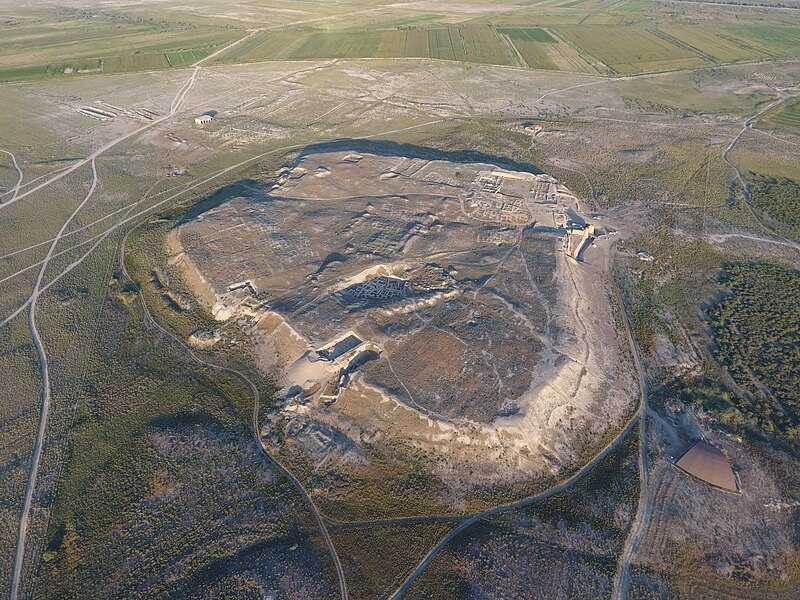
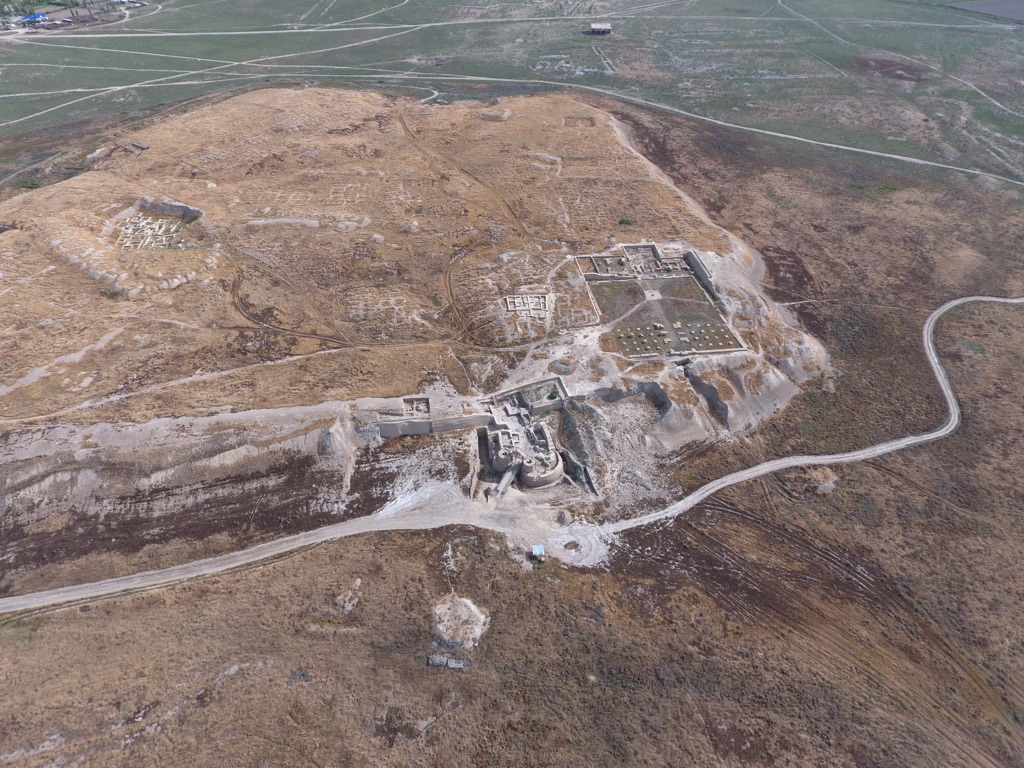
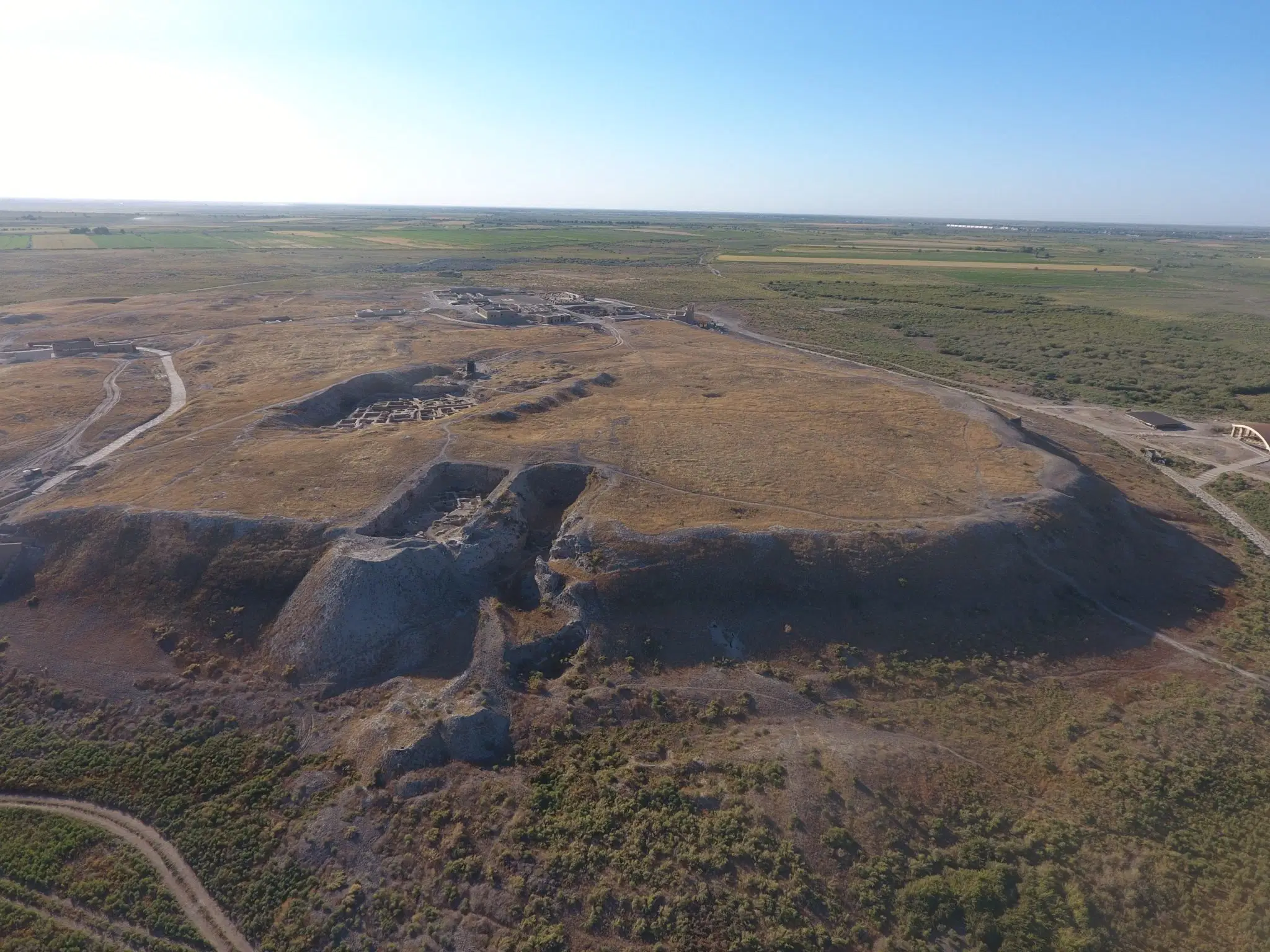
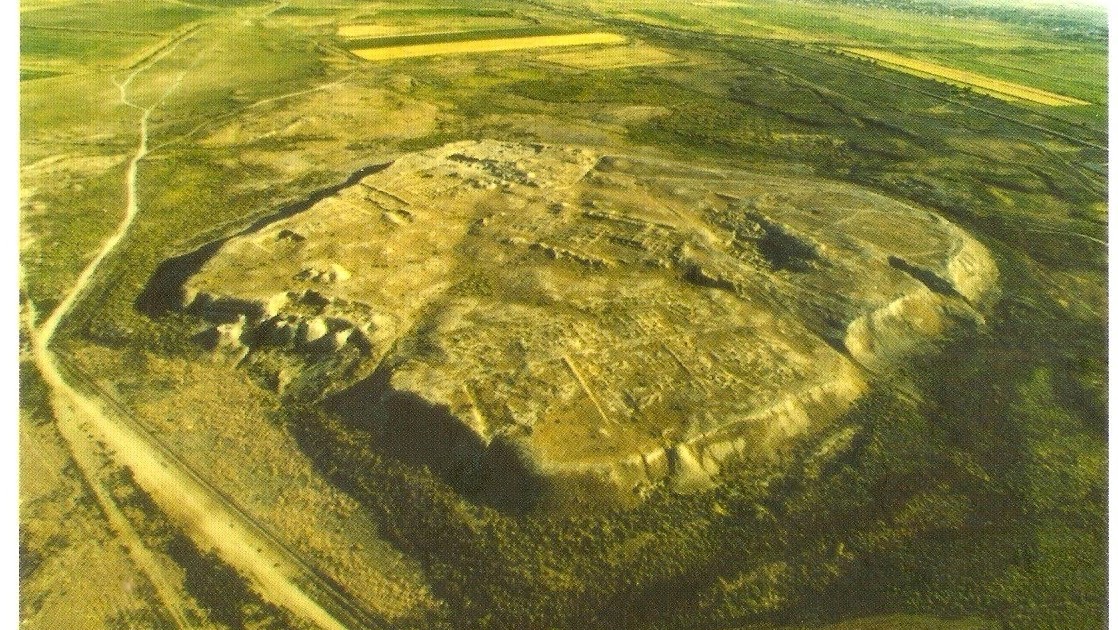
The site sits roughly 60 kilometres northeast of Turkistan, in the Turkistan Region of southern Kazakhstan. What remains today is a large raised mound — a tobe, the accumulated layers of centuries of successive occupation — overlooking the Syr Darya valley. At its height, Otrar was a major urban centre with a population in the tens of thousands.
The city's destruction began in 1219, when Mongol forces under Genghis Khan besieged and razed it — an event that marked the beginning of the Mongol invasion of Central Asia. The city was later partially rebuilt and continued to be inhabited for several centuries before finally being abandoned.
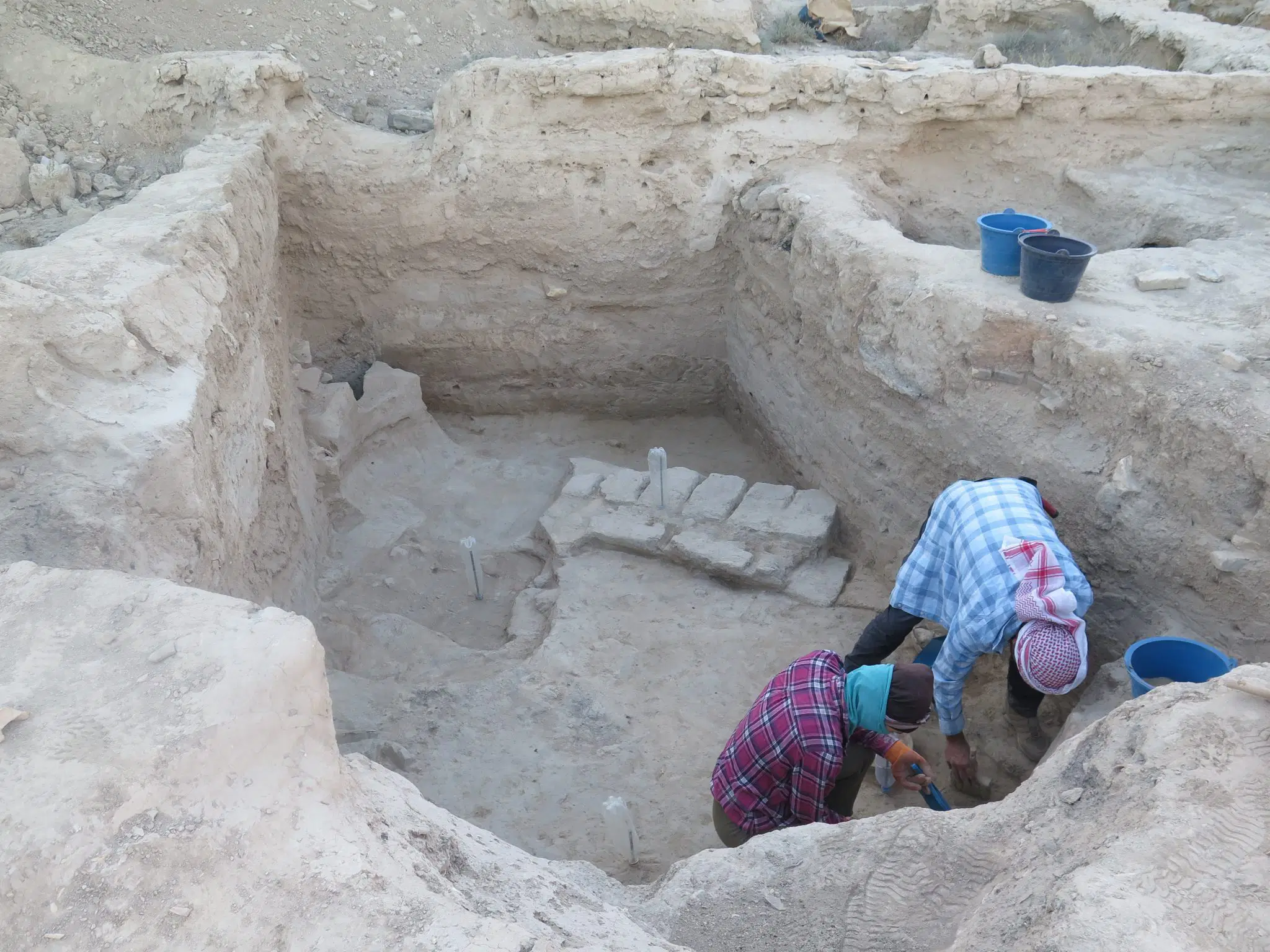
Archaeological excavations have been at the site since the Soviet period. A visitor infrastructure including an outdoor museum, marked paths, and interpretive signage has been developed in recent years, making the site accessible to visitors without specialist knowledge.
The ‘Wow-Factor’
The Impression Otrar Makes
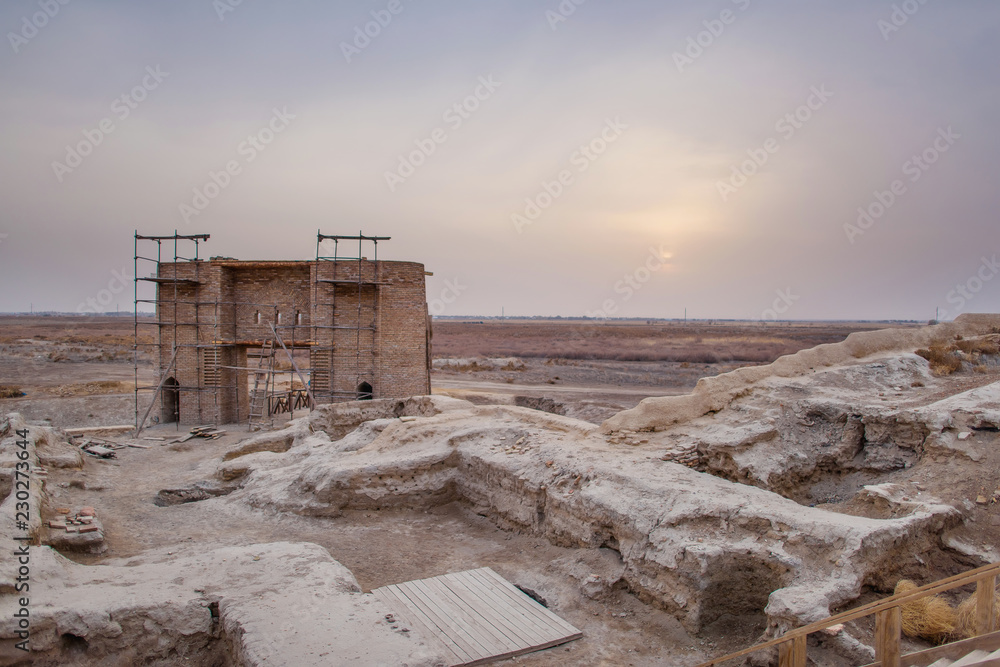
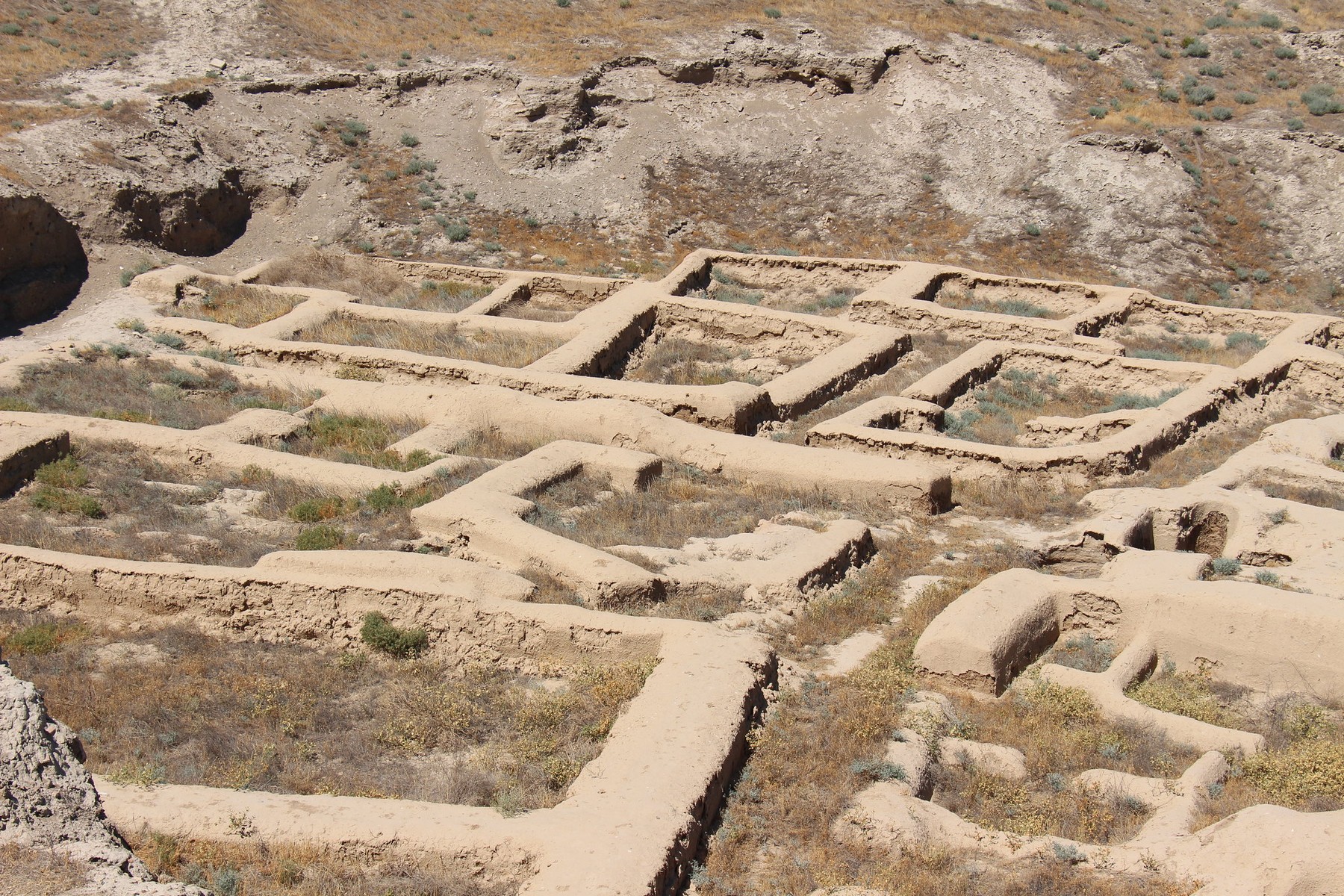
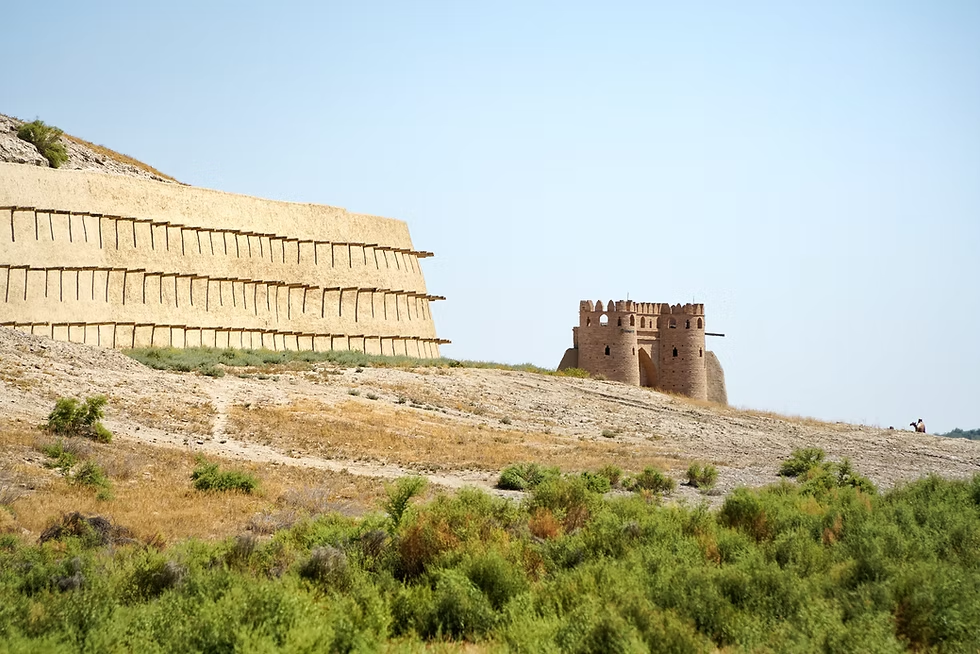
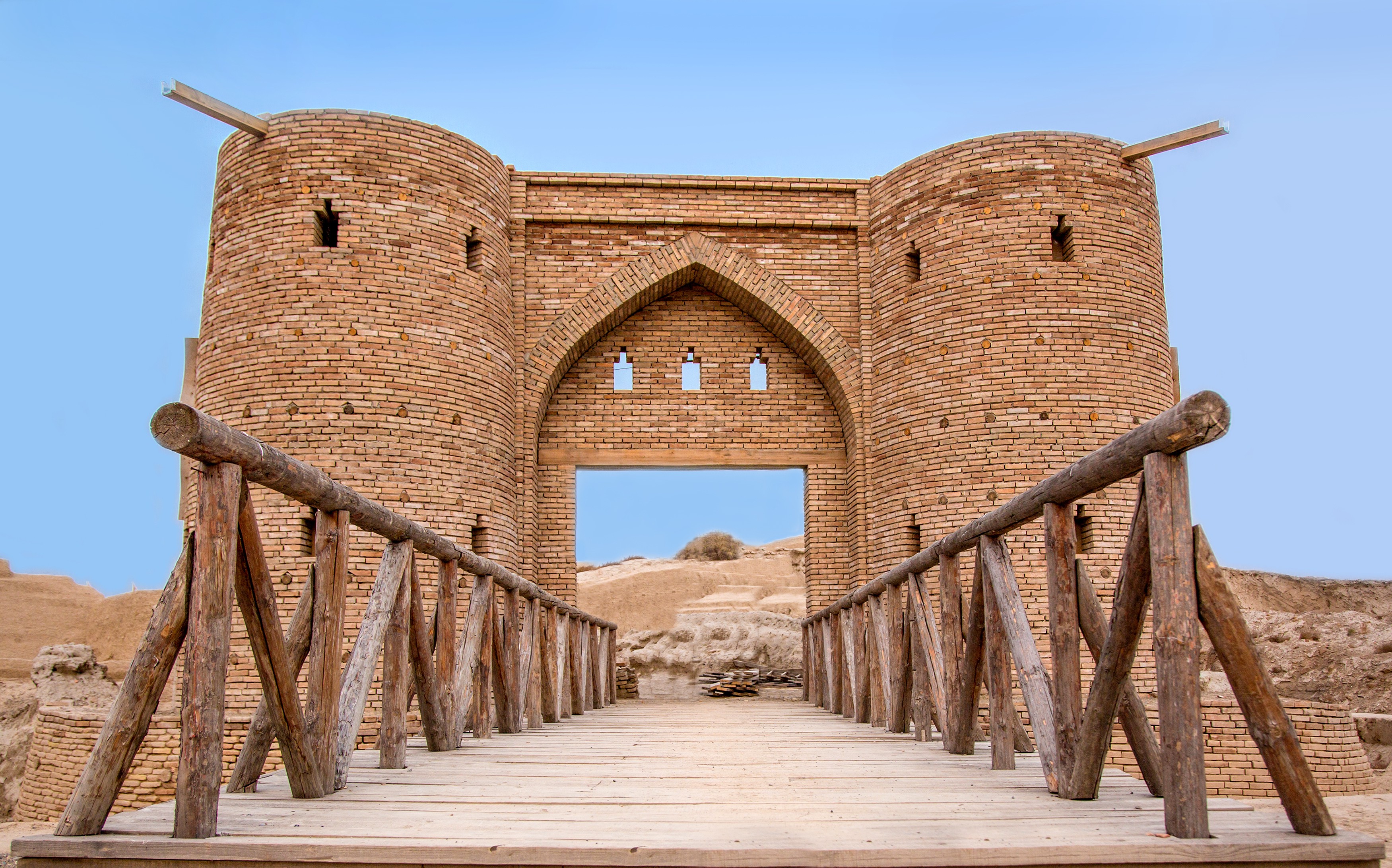
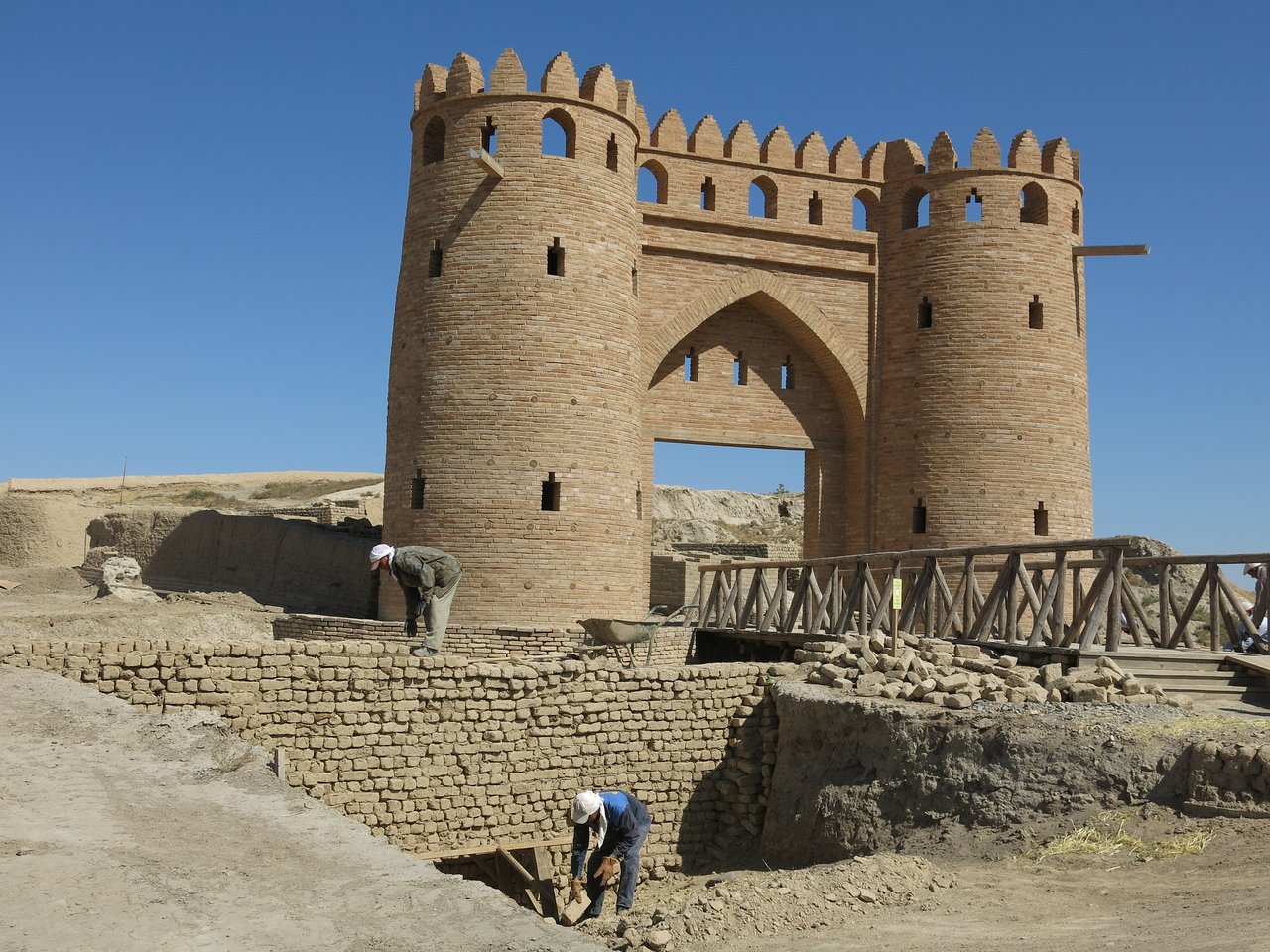
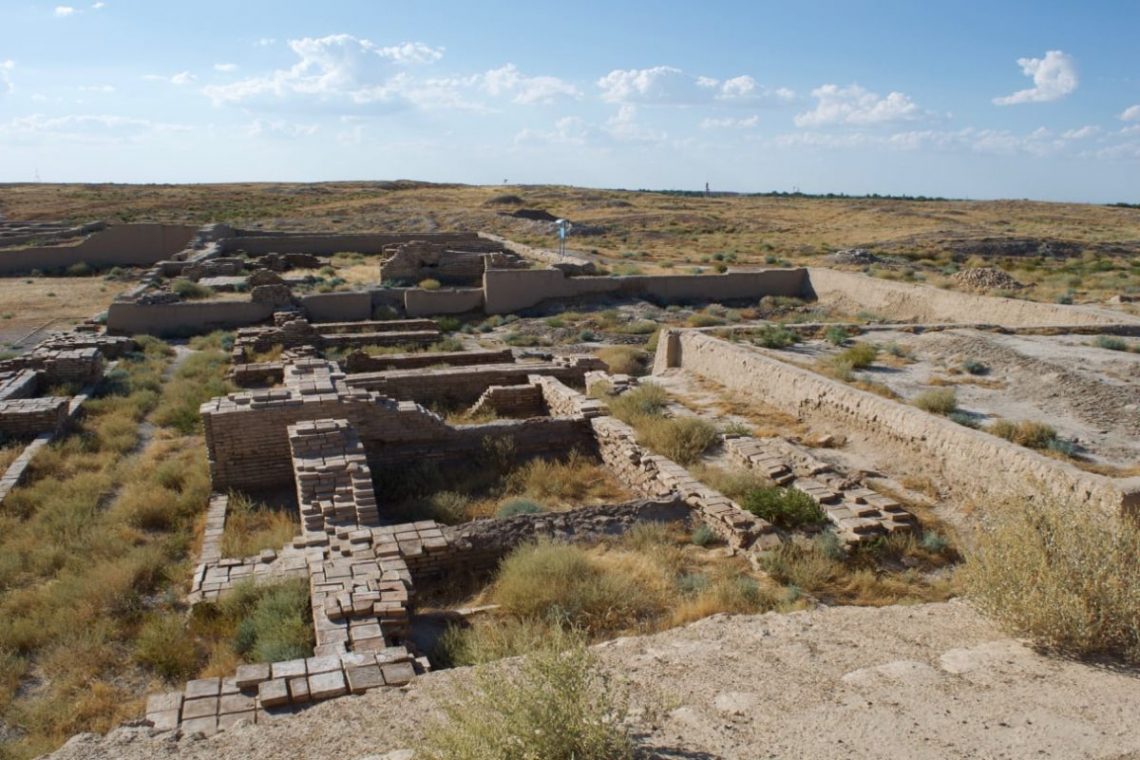
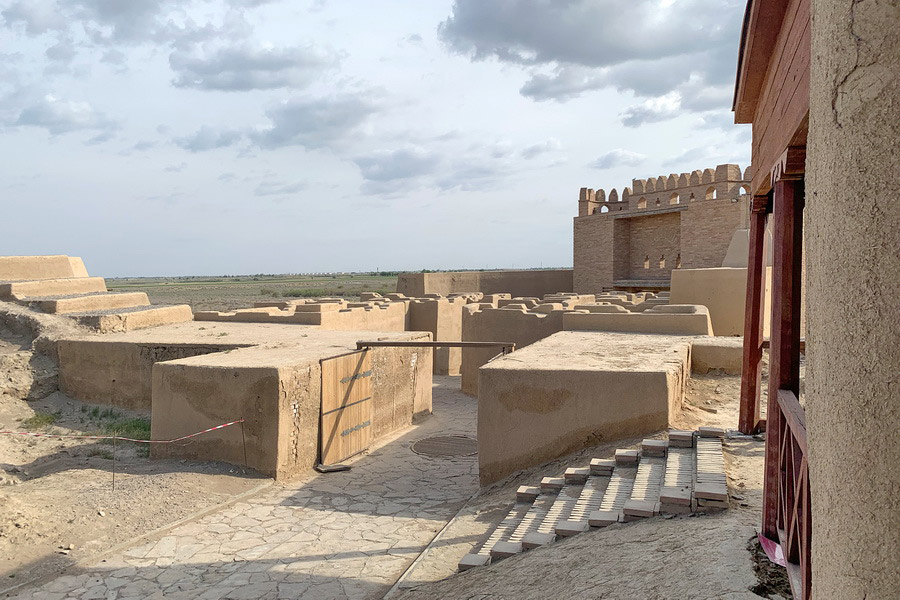
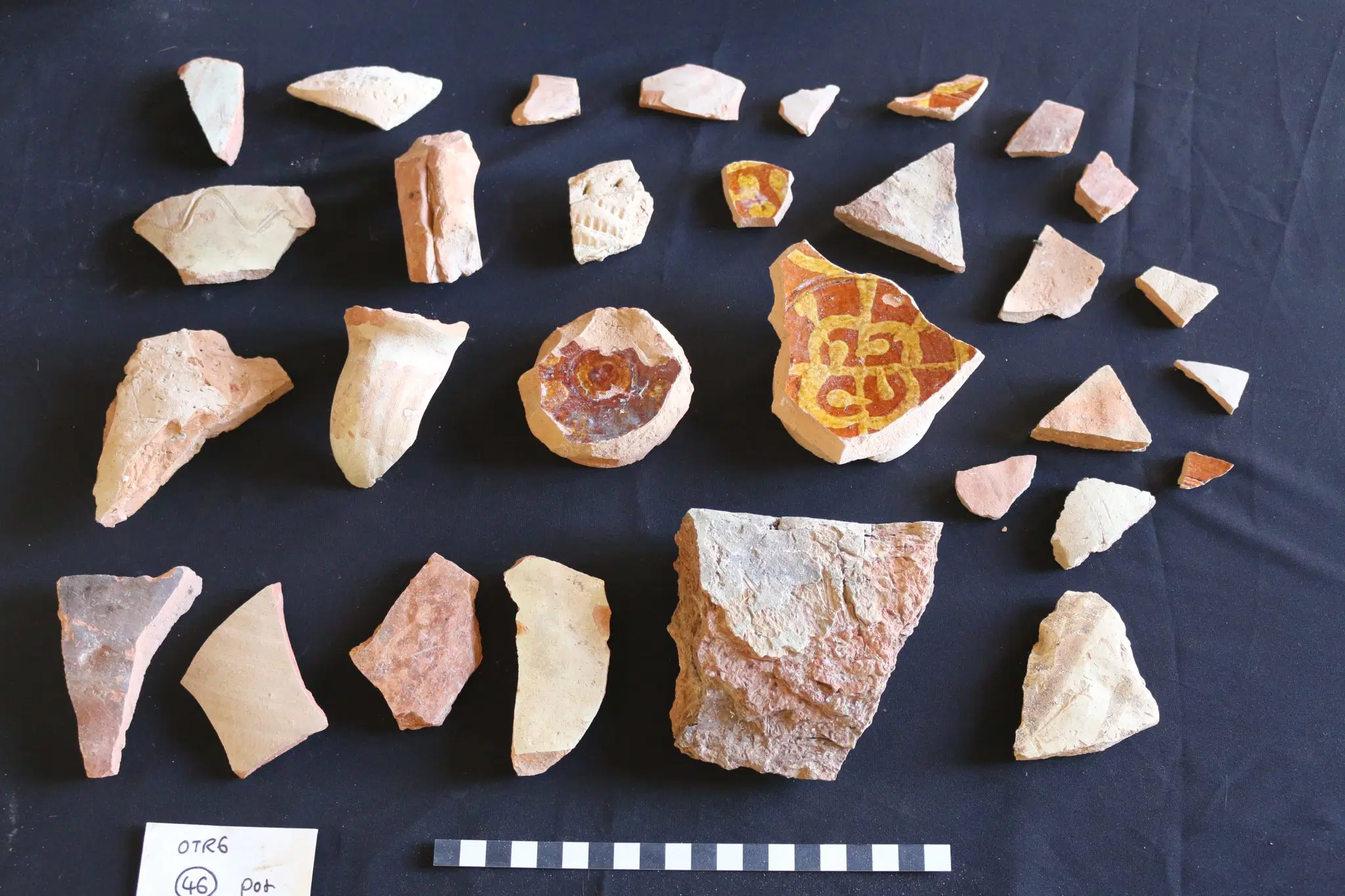
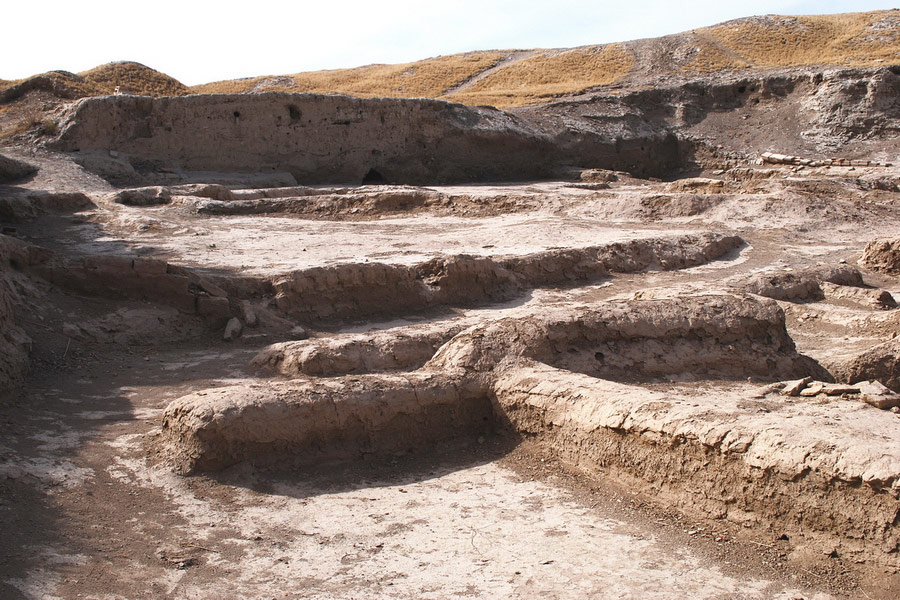
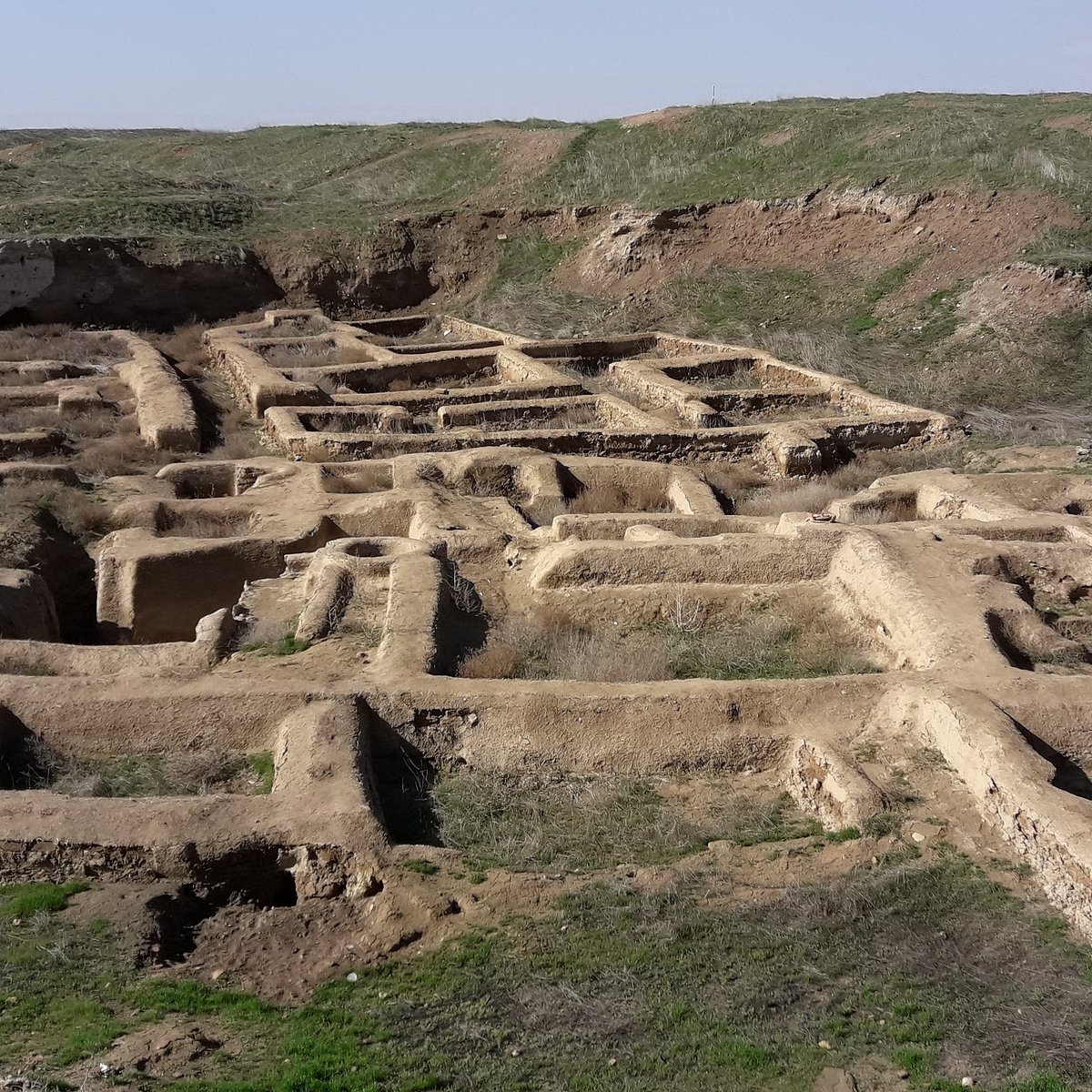
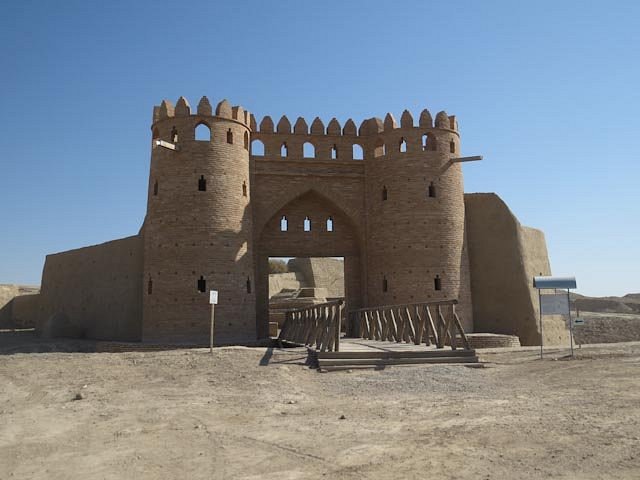
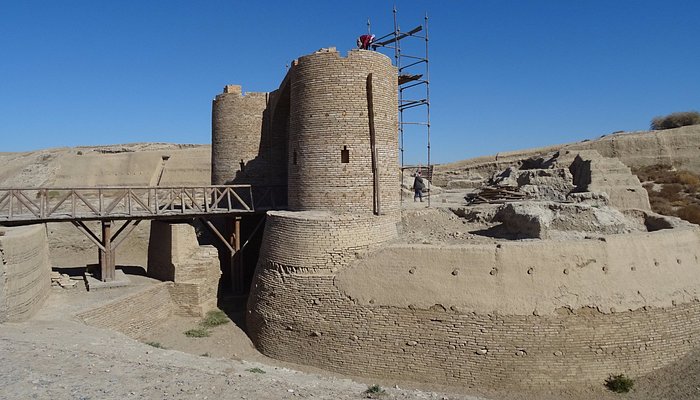
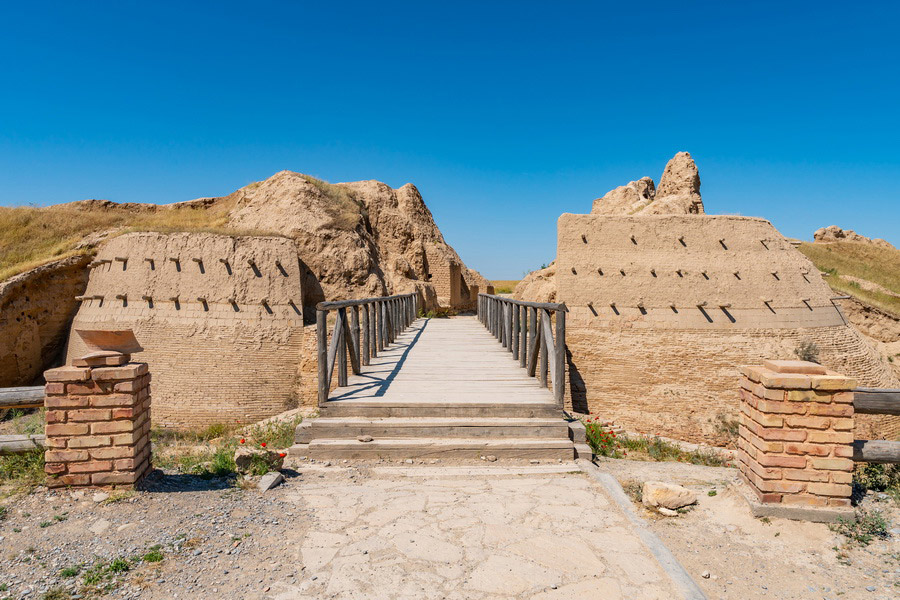
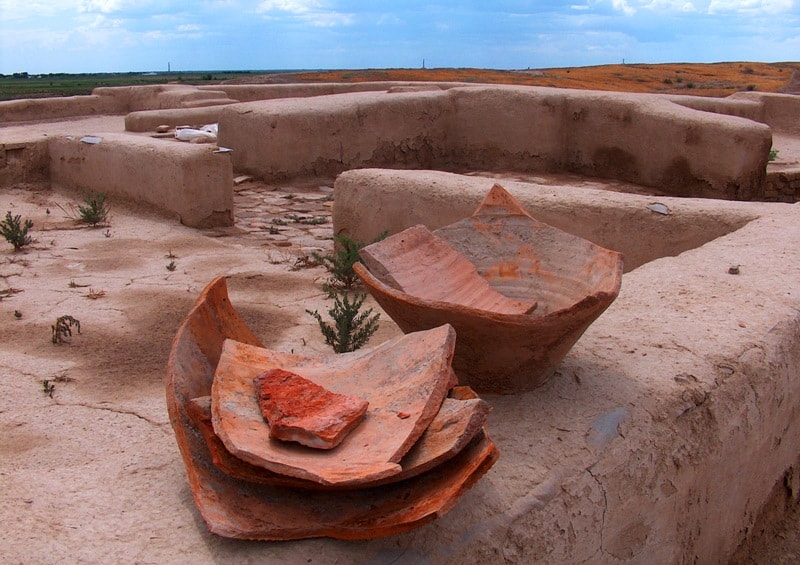
The scale of the Otrar citadel mound is the first thing that registers. Rising from the flat desert floor of the Turkistan steppe, the tobe is large enough that you understand immediately — without needing context — that something substantial existed here. The excavated sections reveal walls, foundations, and gateway structures built in baked brick and timber, and the density of the surviving archaeology gives the site a weight that photographs do not convey.
The setting adds to this. Otrar sits in an open, semi-arid landscape where the air smells of wormwood and the quiet is almost total. There are no competing sounds — no traffic, no crowds — and the combination of that silence with the visible remains of a city that connected China to Persia is not a small thing to take in.
Al-Farabi was born here. The Mongols destroyed this city. These are not abstractions when you are standing on the ground where they happened. The site has that quality that the best historical places share: the past feels close rather than remote.
Deep History & Culture
Otrar's Place in History
Otrar's reputation rested on two things: its position on the Silk Road, and its intellectual life. The city was known across the medieval Islamic world as a centre of scholarship in mathematics, philosophy, and astronomy — a tradition personified by Al-Farabi, who studied and taught within this tradition before becoming of the great philosophers of the ninth and tenth centuries.
The city also represented a particular strand of Central Asian civilisation: not purely nomadic and not purely settled, but something between — urban and literate, yet embedded in the steppe world and dependent on the sophisticated water management systems, including the karez network of underground channels, that made dense habitation in an arid environment possible.
The sacking of Otrar in 1219 by Mongol forces was not simply the destruction of a city. It marked the end of a long period of cultural and scientific productivity that had made this corner of the Syr Darya valley of the most intellectually significant places in the medieval world. The archaeological record that survives — libraries, caravanserais, mosques, residential quarters — gives some measure of what was lost.
For the Kazakh national narrative, Otrar carries particular weight as evidence that Central Asia's pre-Mongol heritage was sophisticated and literate, not simply nomadic.
Practical Digital Logistics
Getting to Otrar and Planning Your Visit
Otrar is located approximately 60 kilometres from Turkistan, which is the main transport hub for southern Kazakhstan. Turkistan is well connected by train and road from Almaty, Shymkent, and Astana. From Turkistan, reaching Otrar requires a separate arrangement — taxis and hired vehicles are available, and organised tours from Turkistan are offered by local agencies. There is no regular public bus service directly to the site.
The drive from Turkistan to the site takes around an hour on surfaced road. The area is open and flat desert steppe, and the site itself has no shade. This matters considerably: bring more water than you think you need, apply sun protection, and plan your visit for the morning or late afternoon rather than the midday heat, particularly in summer.
Entry to the archaeological park requires a fee payable at the site entrance. There is a visitor area with signage and covered shelter. The site is not enormous in terms of walking distance, but the combination of sun exposure and the scale of the ruins means most visitors spend two to three hours here.
Mobile coverage at Otrar is intermittent. Download any maps you need before leaving Turkistan.
Must-Do Activities
What to Do at Otrar
The site is structured around the main excavated areas, and a walk through them takes between two and four hours depending on pace and how much time you spend at each section. The primary focus is the citadel — the raised central mound — where the defensive walls, gateways, and monumental architecture are most fully exposed. The excavated gate complex is among the most impressive structural remains, with the scale of the original walls evident in the surviving foundations.
The remains of the Friday mosque — the main congregational mosque of the medieval city — are marked and interpreted at the site. The mihrab survives in recognisable form, and the floor plan gives a clear sense of the building's original dimensions.
From the top of the citadel mound, the view across the Syr Darya plain is wide and largely unchanged from what it would have been in the medieval period. The plateau gives a useful perspective on the city's topography and strategic logic.
A visit to Otrar is often combined with a stop at the Arystan Bab mausoleum, located a short distance away. Arystan Bab is a figure of major religious significance in Kazakh Islam — he is believed to have been the spiritual teacher of Khoja Ahmed Yasawi — and the mausoleum is an active pilgrimage site. The two sites complement each other well as a single day trip from Turkistan.
Local Flavors & Amenities
Food and Accommodation for Otrar Visitors
The Otrar site itself has very limited on-site facilities. There is no restaurant at the ruins, and food options near the site are minimal. The practical approach is to plan meals around Turkistan, which has a reasonable range of cafés and restaurants serving Kazakh and Central Asian food.
Turkistan's food culture reflects the broader southern Kazakhstan tradition: lamb plov (pilaf) is the staple dish and is eaten at most meals, alongside shashlik, lagman noodle soup, and freshly baked non bread. Baursak — fried dough pieces — are served with tea and are a reliable snack. The food in Turkistan is generally good and inexpensive by regional standards.
Accommodation is based in Turkistan rather than at Otrar itself. The city has hotels across a range of budgets, from basic guesthouses to larger business hotels, and the choice has grown in recent years as Turkistan has developed as a destination following the expansion of the Khoja Ahmed Yasawi Mausoleum complex. Booking ahead is wise during summer and public holidays.
If you are staying overnight and want to experience the silence of the desert at Otrar, some local agencies offer camping arrangements near the site. This is the most direct way to be at the ruins at dawn and dusk, when the light is different and the crowds are absent.
Essential Insider Tips
Tips for Getting the Most from Otrar
Start early. The desert heat at Otrar becomes serious from late morning, and by midday the open citadel is uncomfortable to stand on for extended periods. Arriving at the gates by 8 or 9 in the morning gives you the ruins in relative quiet and cooler temperatures. It is also the best light for photography — the low angle catches the brickwork and relief in the walls in a way that flat midday light does not.
The archaeological remains are fragile. Mud-brick walls, which make up much of what survives at Otrar, are susceptible to pressure and abrasion. Take photographs but do not lean against, climb on, or touch the ancient structures. The site's preservation depends directly on how visitors treat it.
A CPL (circular polarising) filter is useful for photography here. The desert sky is intensely blue against the pale adobe, and polarising filters prevent the sky from washing out while retaining detail in the walls.
Transport from Turkistan can be arranged through the tourist information centre in the city, which coordinates shared vehicles to the site. This is generally more cost-effective than a private hire. If you arrange your own driver, agree the price and the pickup time before you go in — being stranded at a desert site with no transport is an avoidable problem.
Water, sunscreen, and a hat are essential, not optional.
Sustainability & Community
Responsible Visiting at Otrar
Otrar is an irreplaceable archaeological site, and the behaviour of visitors has a direct effect on how much of it survives. The rules are basic: take nothing, leave nothing, and stay on the marked paths. This is not bureaucratic caution — mud-brick sites in arid environments are genuinely vulnerable, and the cumulative effect of people walking off-path and touching surfaces is visible in the archaeology.
Litter is a particular problem at remote sites. There are no collection services at Otrar itself, and waste left at the site stays there. Carry your rubbish out.
The nearest settled communities are in the villages surrounding the ruins and in Turkistan. Tourism income matters to these communities, and how visitors spend their money has a real effect. Buying from local guides, using local drivers, and purchasing handmade crafts from local artisans rather than mass-produced items are all practical ways of directing spending toward the people who live near the site.
The site's long-term management is the responsibility of Kazakhstani heritage authorities, and several international archaeological teams have been involved in excavation and conservation work. Visitors who want to support the site beyond their entry fee can look into the formal partnership programmes run by the heritage management body.
Key Facts
- Silk Road Pearl
- Once one of the world's most populous cities, Otrar was a vital scientific and commercial node on the Great Silk Road.
- Al-Farabi Birthplace
- The city is the birthplace of the 'Second Teacher' of world science, Al-Farabi, the renowned philosopher and polymath.
- Genghis Invasion
- In 1219, Otrar's resistance to Genghis Khan's army changed the course of history, leading to the massive Mongol expansion across Eurasia.
- Ancient Baths
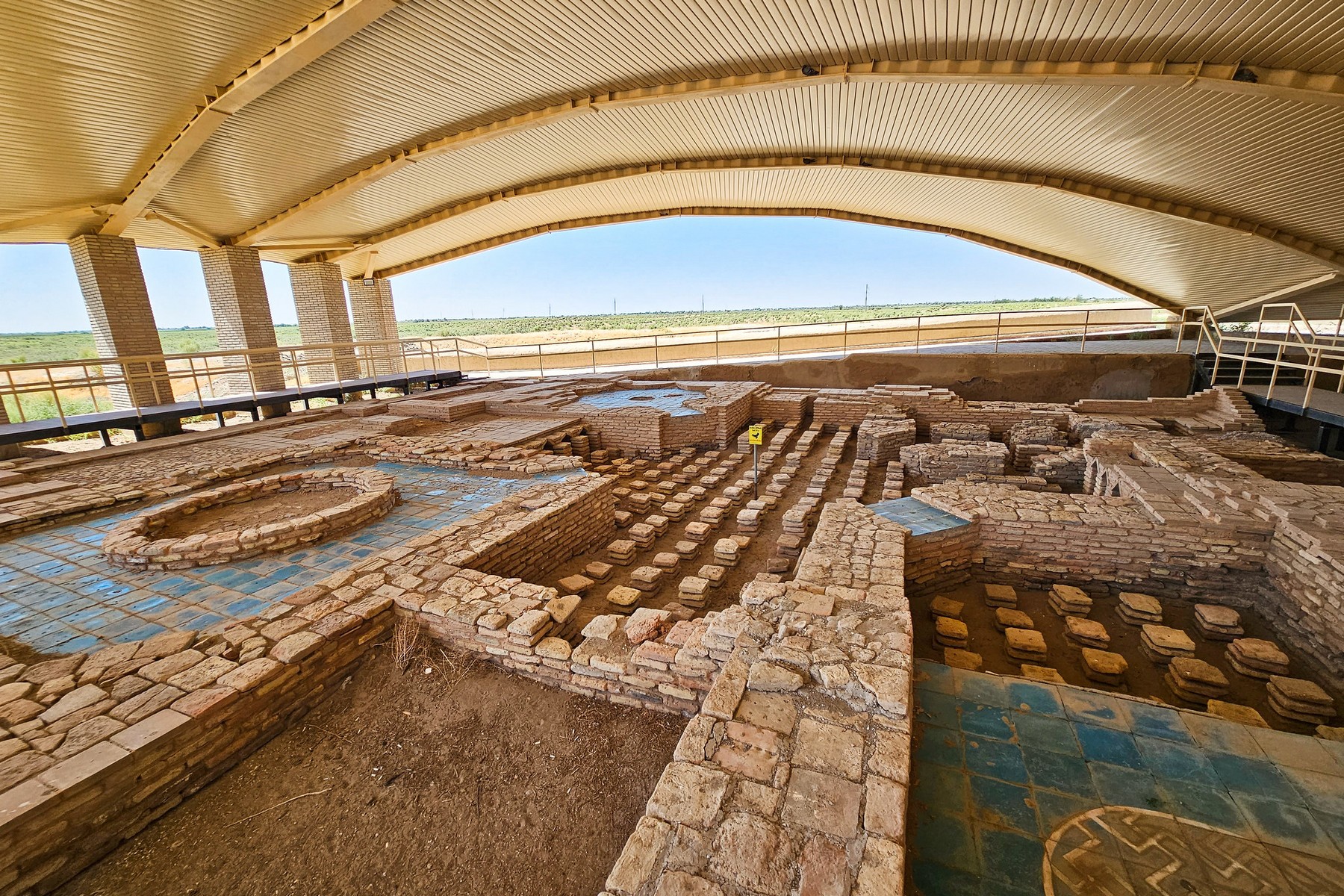
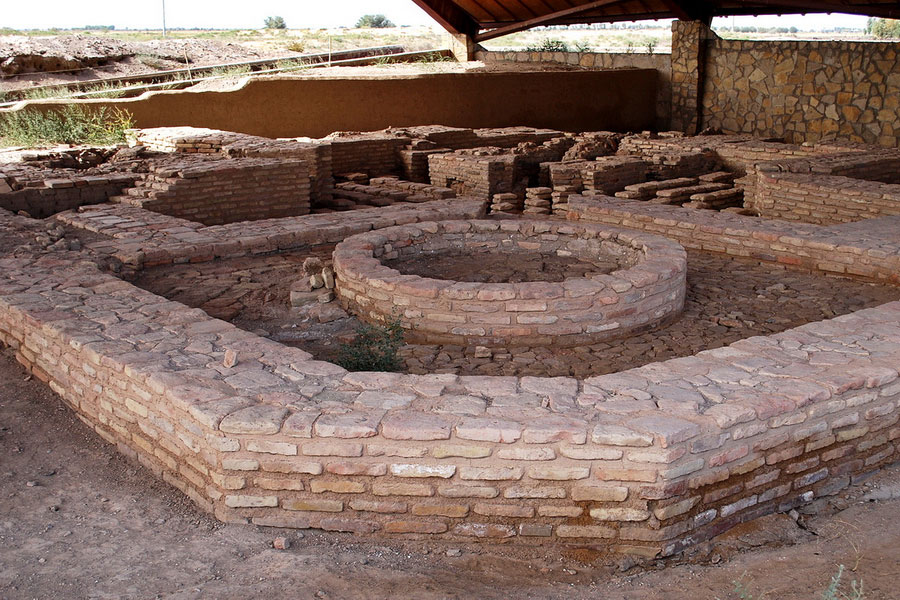
- Excavations have revealed sophisticated 11th-century bathhouses with underfloor heating systems, showing advanced medieval engineering.
- Agricultural Heart
- Otrar was famous for its complex system of irrigation canals that turned the desert into a thriving agricultural oasis.
- Ruins of Grandeur
- Visitors can walk the preserved city walls and view the remains of the main fortress (Citadel) that once guarded the Silk Road.
Photo Gallery
Embedded Video
Otrar Archaeological Site
Loading map...Loading map...
FAQ
Have a question?
Ask and get answers in seconds!
Discussion 0
No comments yet. Start the conversation!
Leave a Reply