Khoja Ahmed Yasawi Mausoleum
Experience the ancient soul of the Silk Road.
Essential Profile
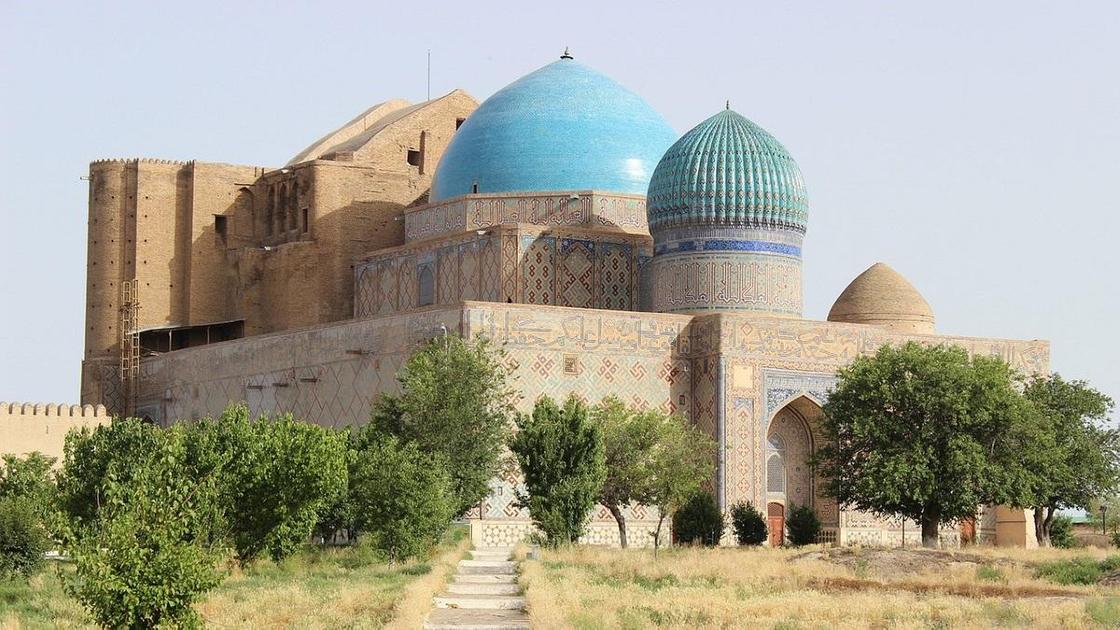
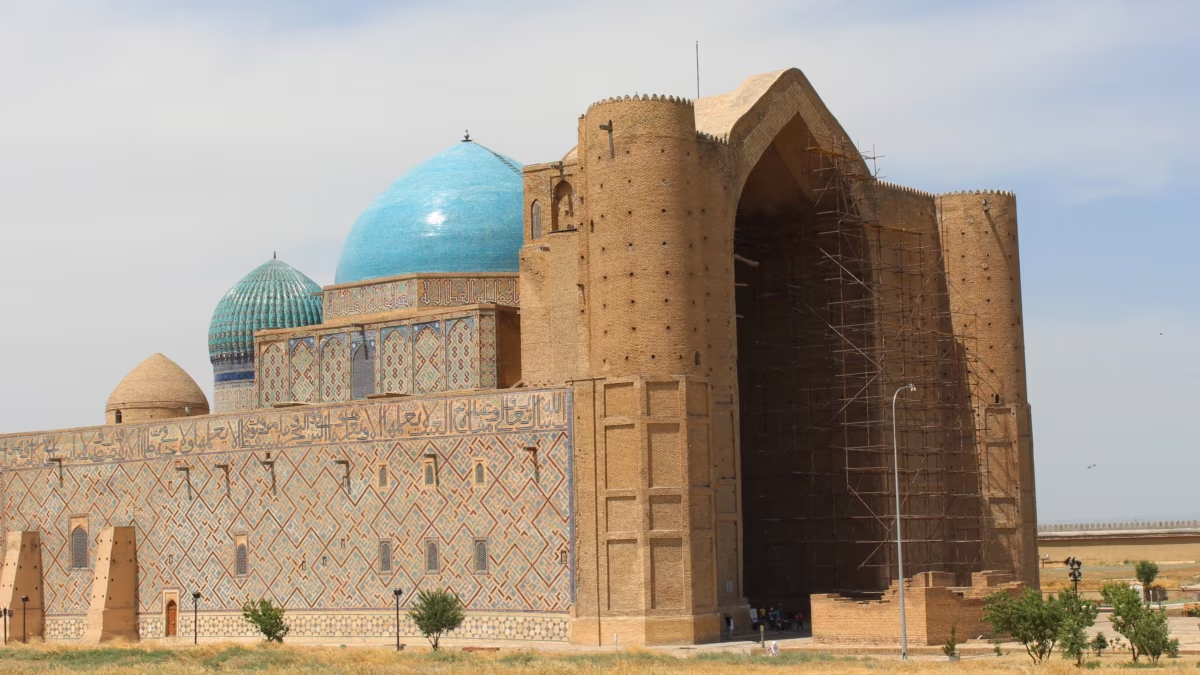
The Mausoleum of Khoja Ahmed Yasawi is a large Timurid-era structure located in the city of Turkistan in southern Kazakhstan. The building was commissioned by Timur, also known as Tamerlane, around 1389 to replace an earlier, smaller mausoleum that stood over the grave of the Sufi mystic and poet Khoja Ahmed Yasawi, who died in approximately 1166. Construction continued into the early 15th century but the building was never fully completed according to the original plans, and certain sections of the interior remain unfinished. Despite this, the mausoleum stands as of the most significant surviving examples of Timurid architecture in Central Asia and of the largest medieval structures in the region.
The mausoleum was inscribed as a UNESCO World Heritage Site in 2003. It sits at the centre of the historic city of Turkistan, which served as a major Silk Road settlement and is of the oldest urban centres in Kazakhstan. The complex is a significant pilgrimage destination for Muslims in Central Asia, and Khoja Ahmed Yasawi himself is venerated across the region as a foundational figure in the spread of Islam and Sufi practice among the Turkic peoples. The mausoleum is open to visitors and is of Kazakhstan's principal heritage tourism sites.
The ‘Wow-Factor’
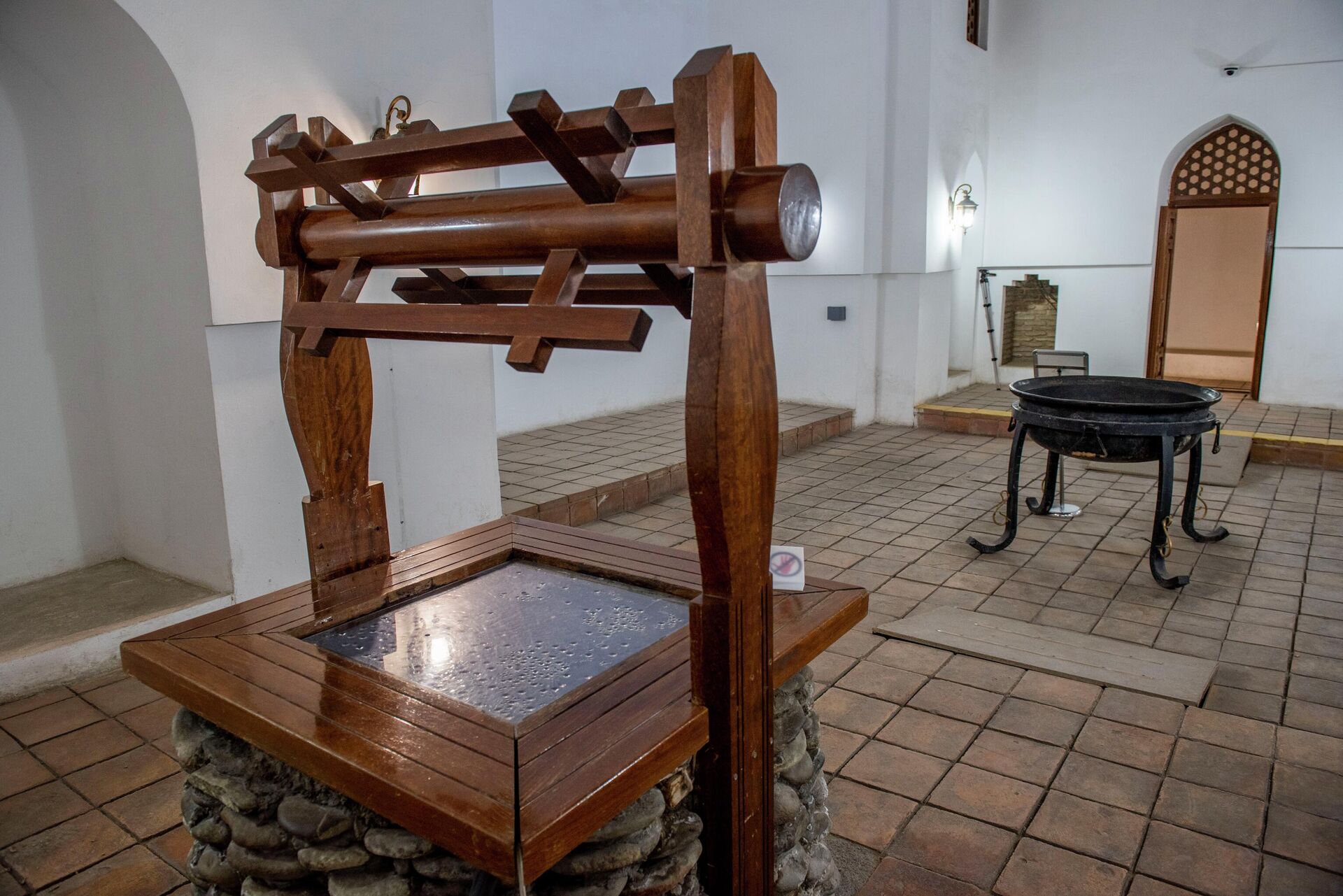
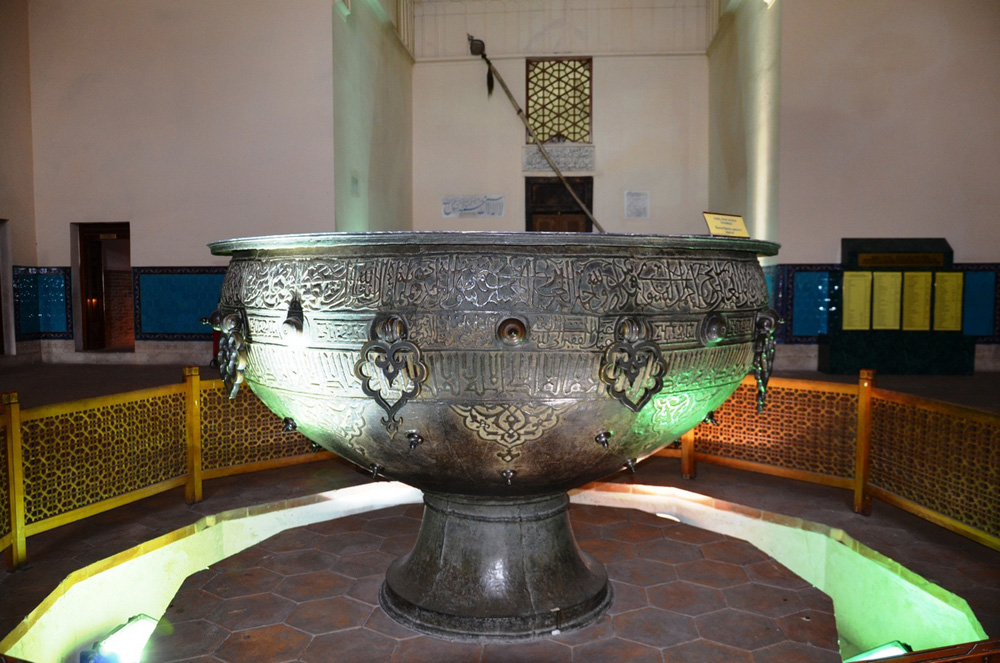
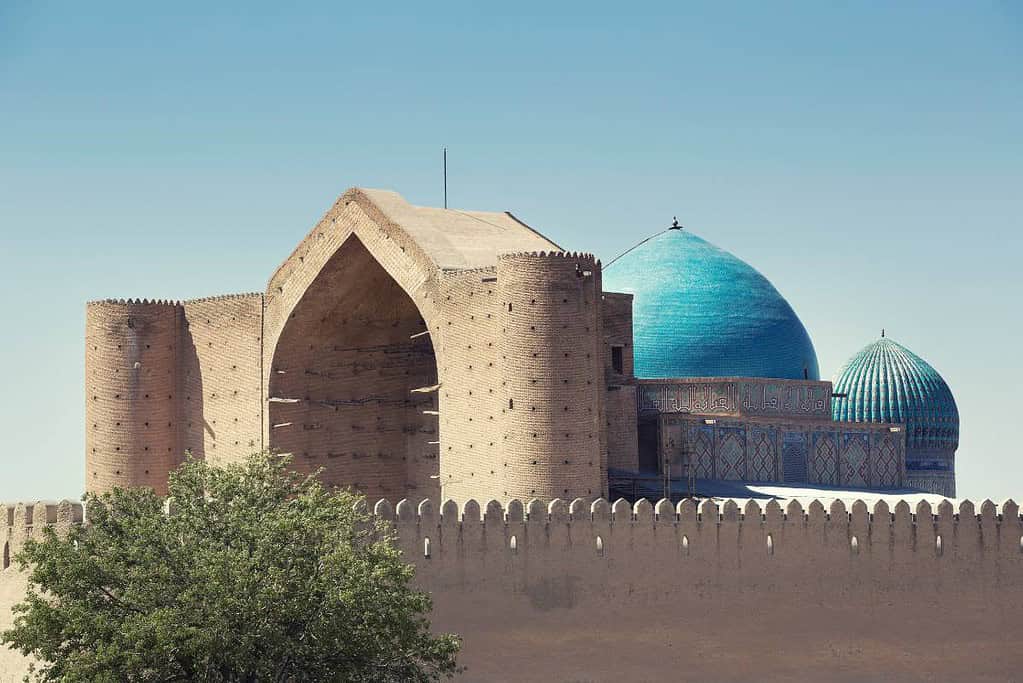
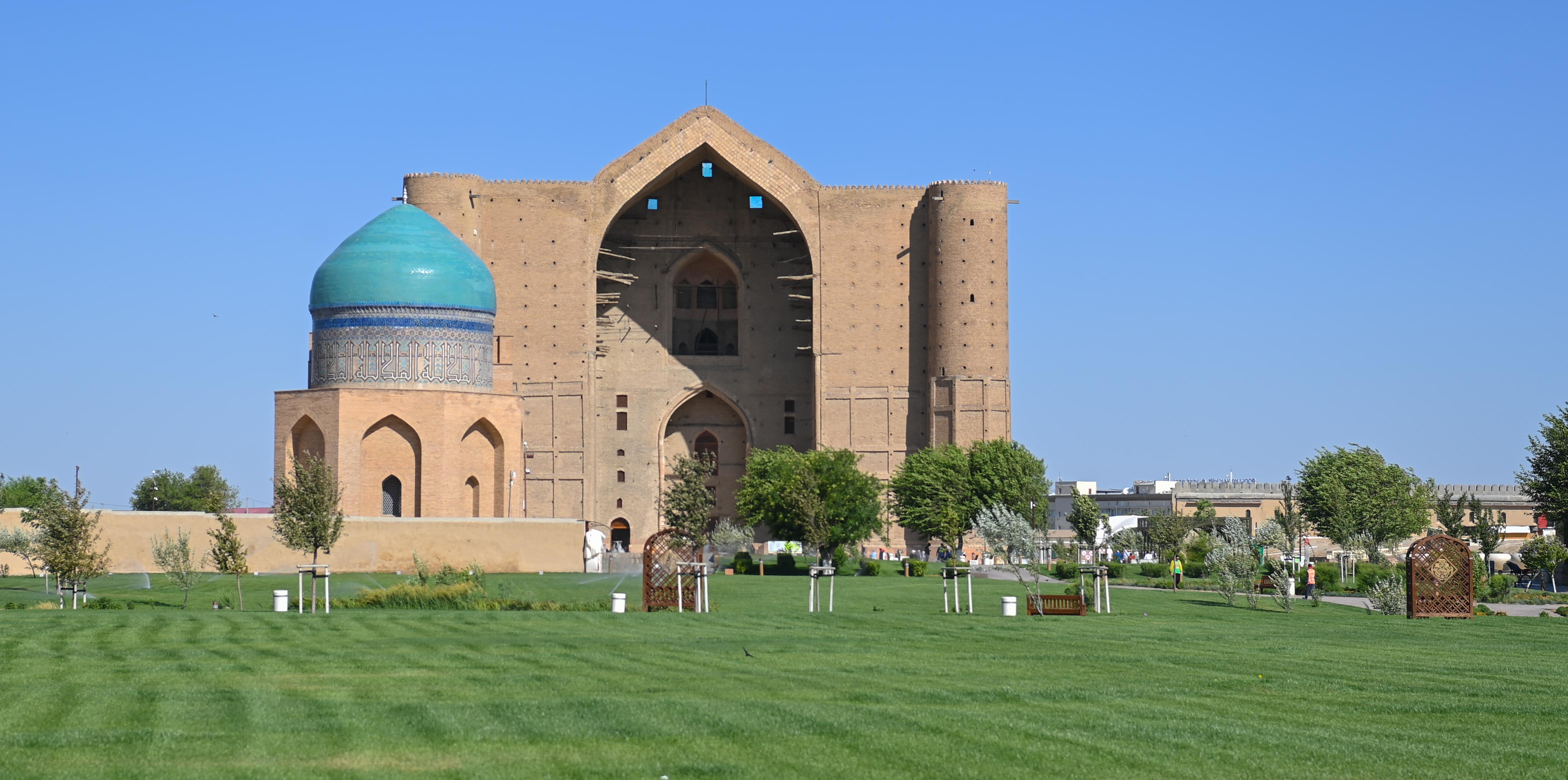
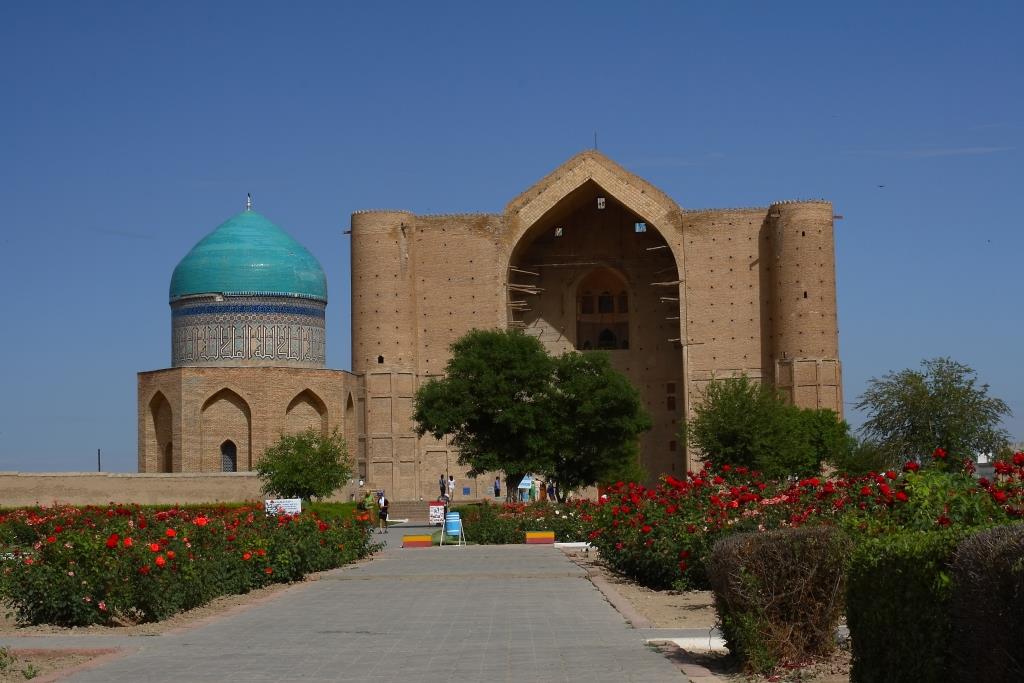
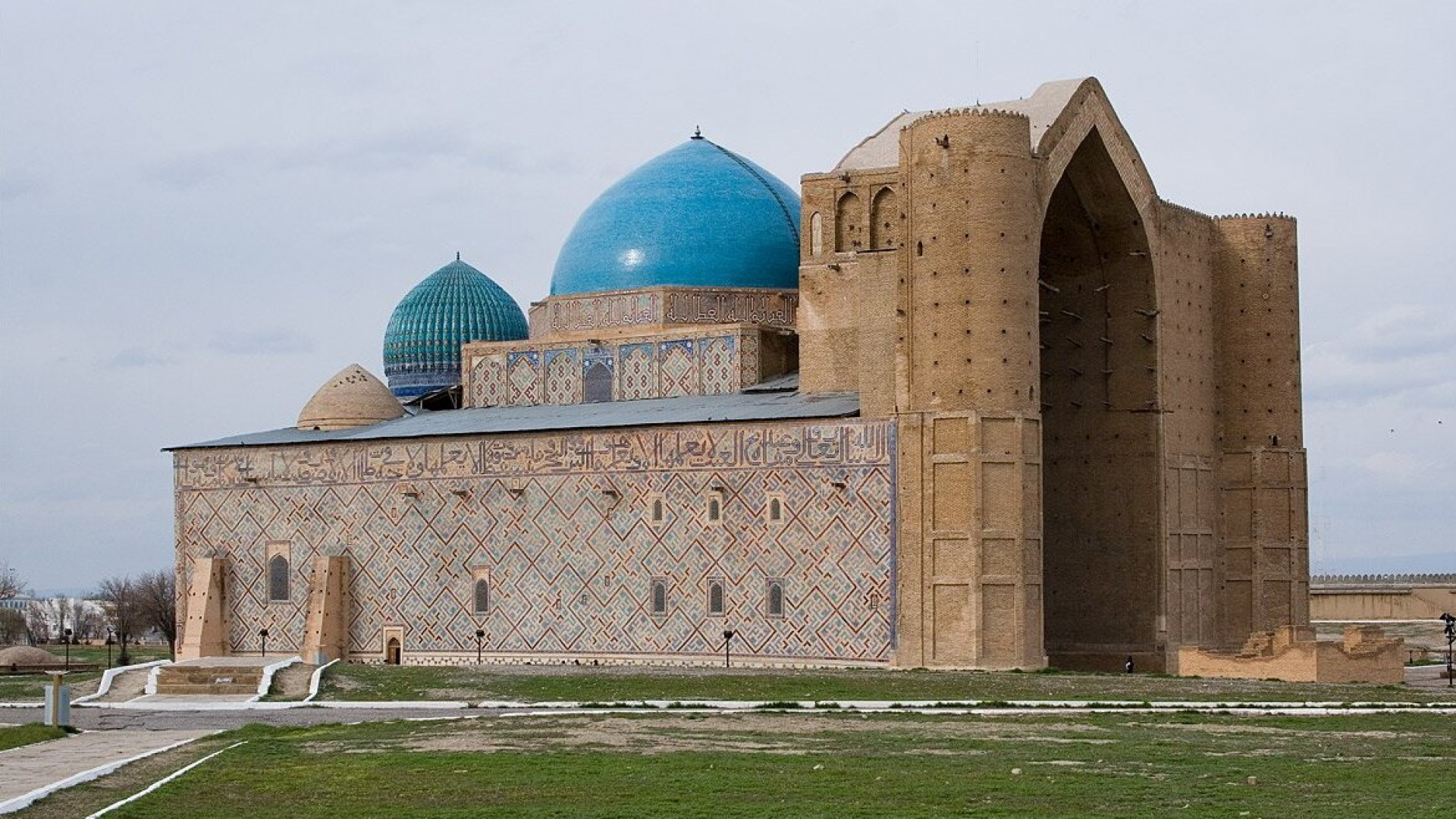
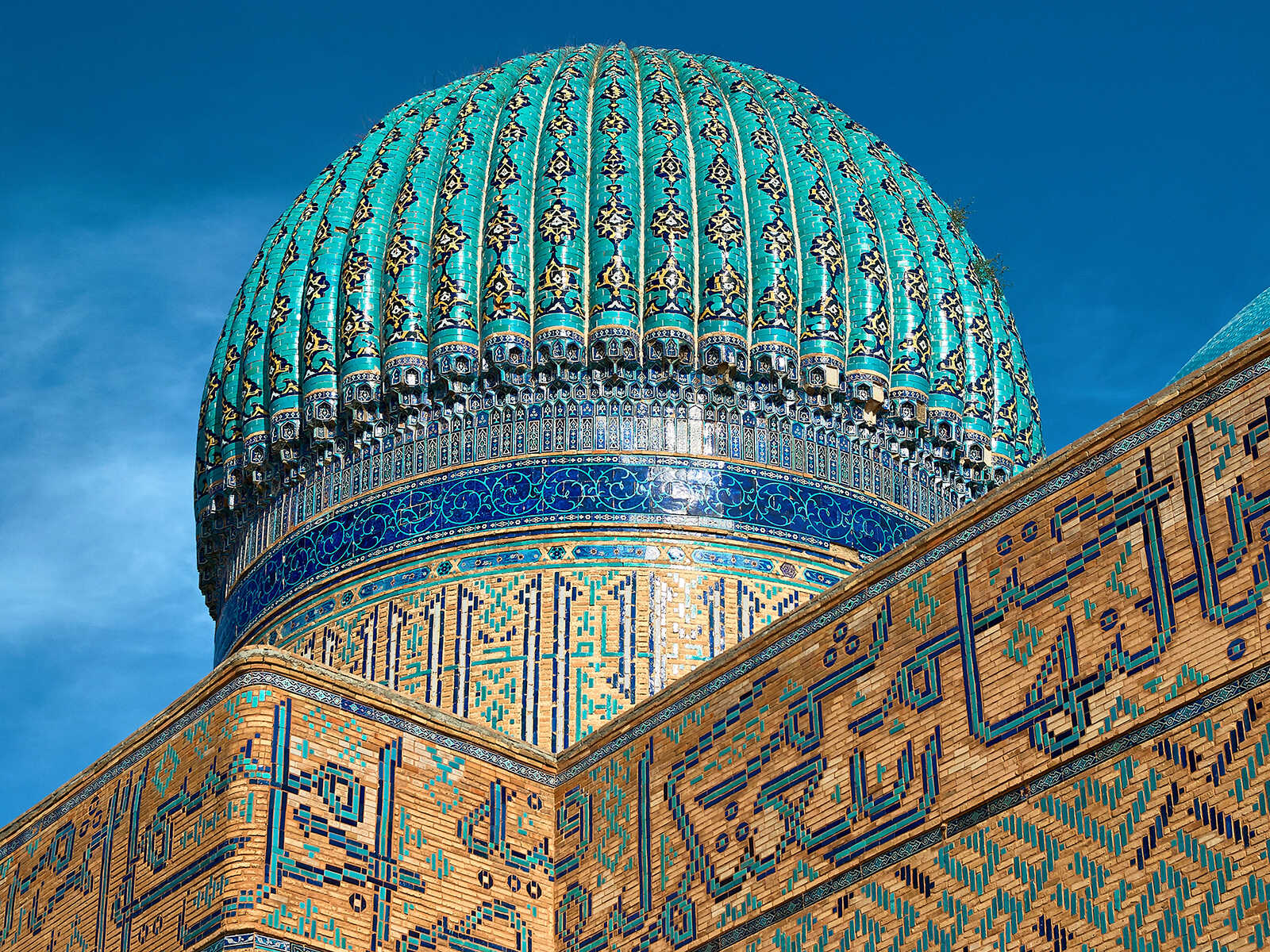
The most immediate visual impact of the Yasawi Mausoleum is its large turquoise-tiled dome, which rises above the flat landscape of southern Kazakhstan and is visible from a considerable distance as visitors approach Turkistan. The dome covers the central hall of the mausoleum, known as the Kazandyk or Hall of the Cauldron, which takes its name from the large bronze cauldron held within it. The cauldron, cast in the late 14th century, holds holy water and is among the significant objects associated with the site.
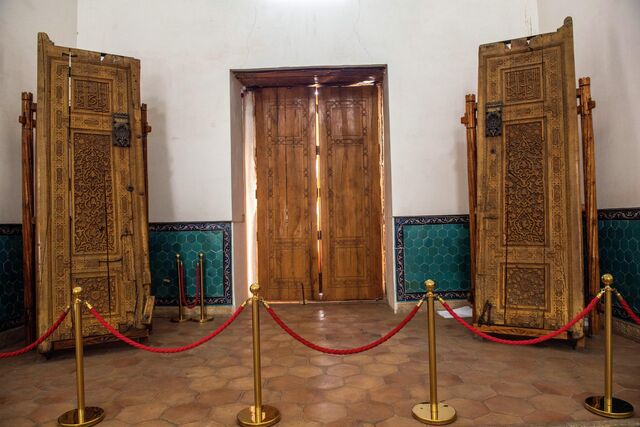
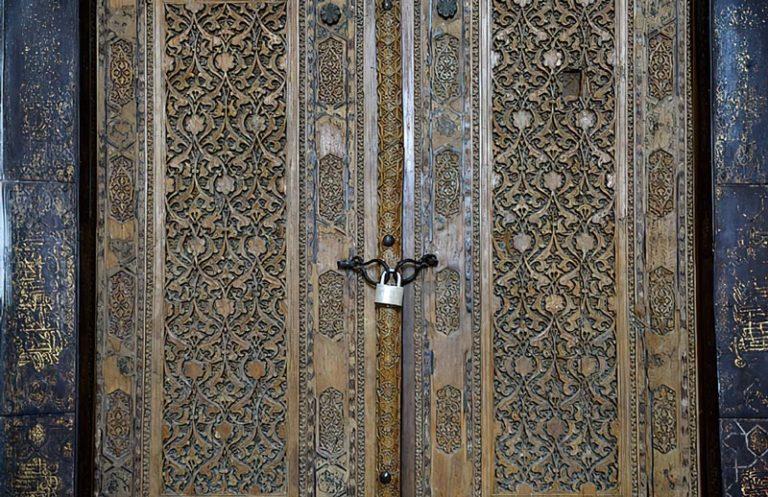
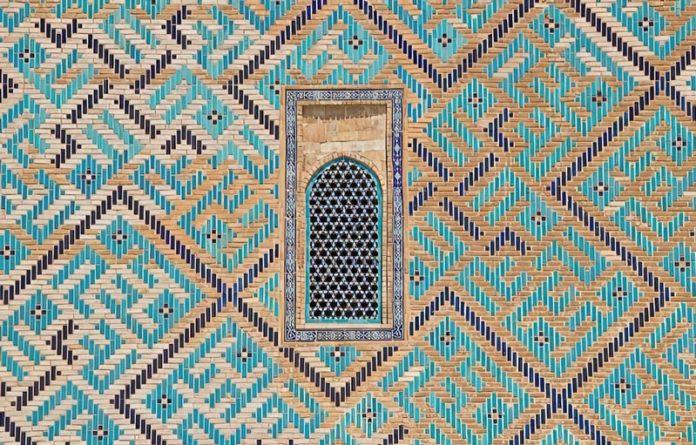
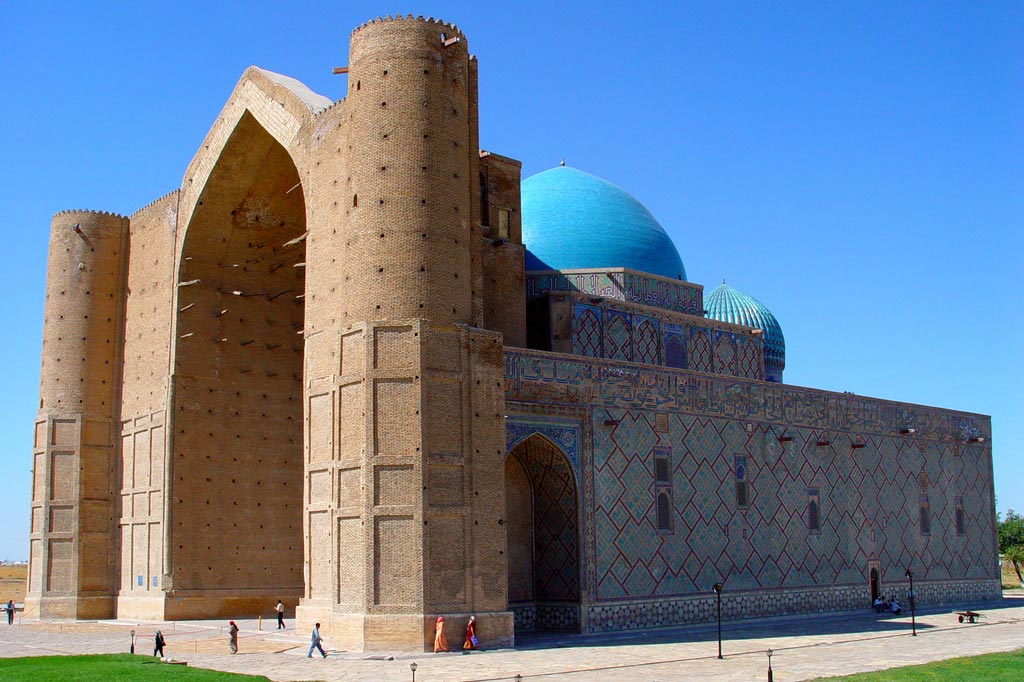
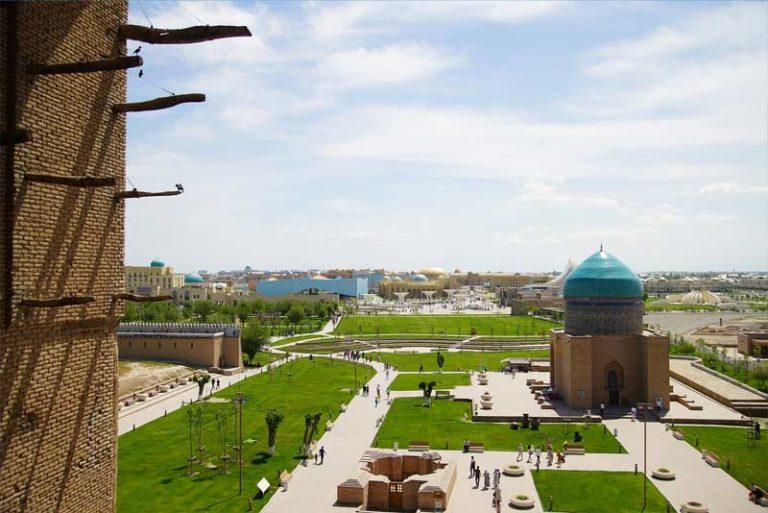
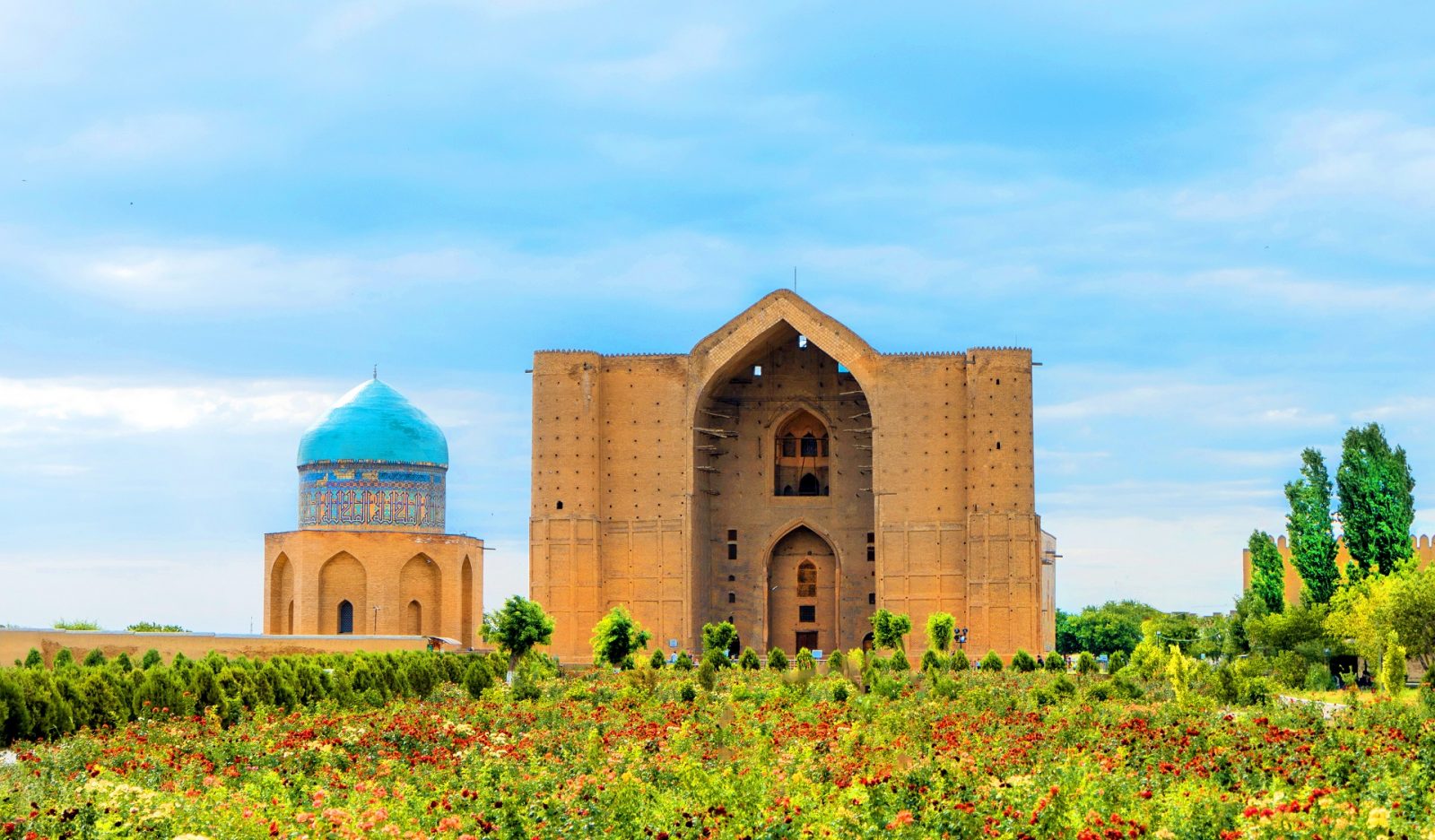
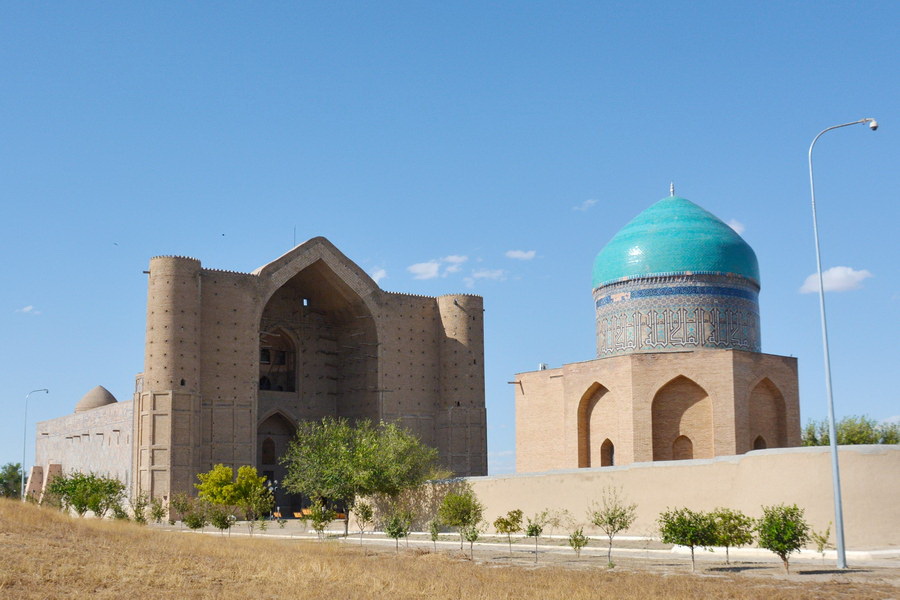
The entrance portal of the mausoleum is notable for remaining unfinished. The scaffolding poles used during construction were embedded in the brickwork and have remained in place for over six centuries, providing a visible record of the building's incomplete state. The interior decoration includes terracotta tilework, carved woodwork, and glazed tile panels in the geometric and calligraphic styles characteristic of Timurid architecture. The scale of the building, the quality of its remaining decoration, and its status as a living pilgrimage site combine to give the mausoleum a character different from purely archaeological monuments, as it continues to be actively used for religious observance.
Deep History & Culture
Khoja Ahmed Yasawi was born around 1093 in the city of Sairam and died in approximately 1166 in the city of Yasi, which is now known as Turkistan. He was a Sufi mystic and poet whose teachings in the Turkic language had a formative influence on the development of Islam among the Turkic-speaking peoples of Central Asia. His collection of devotional poetry, known as the Diwan-i-Hikmet or Wisdom Poems, remained influential for centuries and is still studied and recited today. He is considered the founding figure of the Yasawiyya Sufi order.
Timur ordered the construction of the present mausoleum in 1389 as an expression of reverence for Yasawi and as a demonstration of his own piety and power. The choice of Turkistan as the site of this major architectural commission reflected the religious significance of the city within the Muslim world of Central Asia. The mausoleum's architectural programme, which combines elements of Persian, Central Asian, and earlier Turkic traditions, is related to the broader Timurid building tradition that also produced major monuments in Samarkand. The city of Turkistan, sometimes referred to historically as Yasi or Hazrat-e-Turkistan, functioned as an important centre of Islamic learning and pilgrimage across the medieval and early modern periods, and the mausoleum remains central to this tradition.
Practical Digital Logistics
Turkistan is served by Hazrat Sultan International Airport, which receives flights from Almaty, Astana, and certain international destinations. The city is also accessible by rail, with a high-speed rail connection to Shymkent reducing travel time between the two cities significantly. From Shymkent, there are connections by road and rail to other parts of Kazakhstan. Bus services also connect Turkistan to Shymkent and other regional cities.
Entry to the mausoleum complex requires a ticket, available at the site entrance. Visitors are required to dress modestly, covering shoulders, arms, and legs. Women may be asked to cover their heads in certain sections of the complex, and scarves are typically available at the entrance for those who need them. Photography is permitted in most outdoor areas of the complex, though restrictions may apply in interior chambers and during prayer times. The mausoleum and surrounding historic area are most comfortably visited in spring or autumn, as summer temperatures in southern Kazakhstan can be high. Nauryz, the traditional spring festival celebrated in mid-March, is a significant occasion in Turkistan and the wider region.
Must-Do Activities
A visit to the mausoleum complex typically begins with the exterior, where visitors can examine the tilework on the facades and the monumental scale of the main portal, which remains unfinished. The geometric and calligraphic decoration on the facade panels and drum of the dome provides detailed study for those with an interest in Islamic architectural ornament. Entry to the interior allows access to the main ceremonial hall, the Kazandyk, which houses the Tay-Kazan, a large bronze cauldron cast in the late 14th century. The cauldron, which is several metres across, was held for a period in St. Petersburg before being returned to Turkistan in 1989 and is of the most significant objects associated with the site.
The complex also includes the Hilvet, an underground chamber that served as a retreat for Khoja Ahmed Yasawi during the later years of his life. Access to the Hilvet is possible as part of the general site visit. The surrounding historic zone of Turkistan contains additional monuments and archaeological features that extend the scope of a visit beyond the mausoleum itself. Most visitors spend between three and five hours at the mausoleum and the wider historic area. The mausoleum interior and courtyard are active pilgrimage spaces, and visitors should be respectful of worshippers present at the site.
Local Flavors & Amenities
Turkistan has a developing range of restaurants and cafes, concentrated primarily in the city centre and near the mausoleum complex. Traditional Kazakh and Uzbek dishes are widely available, including pilaf, beshbarmak, samsa, and baursaks. The region around Turkistan is known for its melons and other produce associated with the agricultural areas of southern Kazakhstan, and these are available in season at local markets. Tea houses offer a traditional setting for refreshments during a visit.
Accommodation in Turkistan has expanded in recent years with the growth of heritage tourism to the mausoleum. Several hotels operate in the city, including international chain properties as well as locally operated options. Budget accommodation is available, as are mid-range and higher-end hotels. Visitors are advised to book accommodation in advance during peak pilgrimage periods, particularly around Nauryz and during the summer months when visitor numbers are higher. The mausoleum complex itself includes a gift shop area where visitors can purchase religious items, textiles, ceramics, and souvenirs related to the site and the wider Turkistan region.
Essential Insider Tips
The Yasawi Mausoleum is a functioning pilgrimage site and should be approached accordingly. Visitors should maintain respectful behaviour throughout the complex, speak quietly, avoid obstructing prayer areas, and refrain from photographing individuals without permission. Modest dress is required: shoulders and arms should be covered, and trousers or skirts that cover the legs are necessary. Women should bring a headscarf as head covering may be requested in certain parts of the complex. Wrap-around skirts or scarves are typically available to borrow at the entrance for visitors who arrive without appropriate clothing.
Visiting in the early morning allows the complex to be seen with fewer visitors and in better photographic light. The interior tilework and carved details are best observed in the natural light that enters through the windows and apertures of the main hall. Exterior photography benefits from morning or afternoon light rather than midday when the sun is directly overhead. The site is open year-round, though winter visits to southern Kazakhstan are generally mild compared to northern parts of the country. Visitors should keep phones and cameras charged before arrival, as charging opportunities within the complex are limited.
Sustainability & Community
The Yasawi Mausoleum is a UNESCO World Heritage Site and an active religious monument. Its conservation and maintenance are the responsibility of the Kazakhstani state heritage authorities, and restoration and stabilisation work has been carried out on the building over recent decades. The fragile tilework and brickwork of the structure are vulnerable to damage, and visitors are expected to stay within designated areas and avoid touching the decorated surfaces.
The mausoleum and the wider city of Turkistan are significant to the local community both economically and culturally. Heritage tourism connected to the site provides employment and income for Turkistan's residents across hospitality, transport, retail, and guiding services. Visitors who use locally operated hotels, restaurants, and guides contribute directly to the local economy. Purchasing handmade crafts and textiles from local artisans or market stalls in Turkistan is another way to support local producers. The preservation of the mausoleum as a living religious and cultural monument depends on the continued management of visitor numbers and behaviour, and cooperation from visitors in following site regulations is an important part of maintaining the site's integrity for future generations.
Key Facts
- UNESCO Heritage
- Recognized as a World Heritage site in 2003, it is the first Kazakh monument to receive such status from UNESCO.
- Timurid Architecture
- The mausoleum was commissioned by Tamerlane in 1389 and represents the peak of Timurid architectural innovation.
- Record Dome
- The building features the largest brick dome in Central Asia, with a diameter of 18 meters and a height of 44 meters.
- Unfinished Facade
- The main portal remains unfinished due to the death of Tamerlane in 1405, leaving the original wooden scaffolding and beams visible.
- Spirical Capital
- Turkistan is considered the 'Spiritual Capital of the Turkic World,' with this mausoleum serving as its primary pilgrimage anchor.
- Taykazan Vessel
- The interior houses the legendary Taykazan, a massive bronze cauldron used to serve water to pilgrims and symbolizing national unity.
Photo Gallery
Embedded Video
Khoja Ahmed Yasawi Mausoleum
Loading map...Loading map...
FAQ
Have a question?
Ask and get answers in seconds!
Discussion 0
No comments yet. Start the conversation!
Leave a Reply