Tamgaly Tas: The Buddha on the River
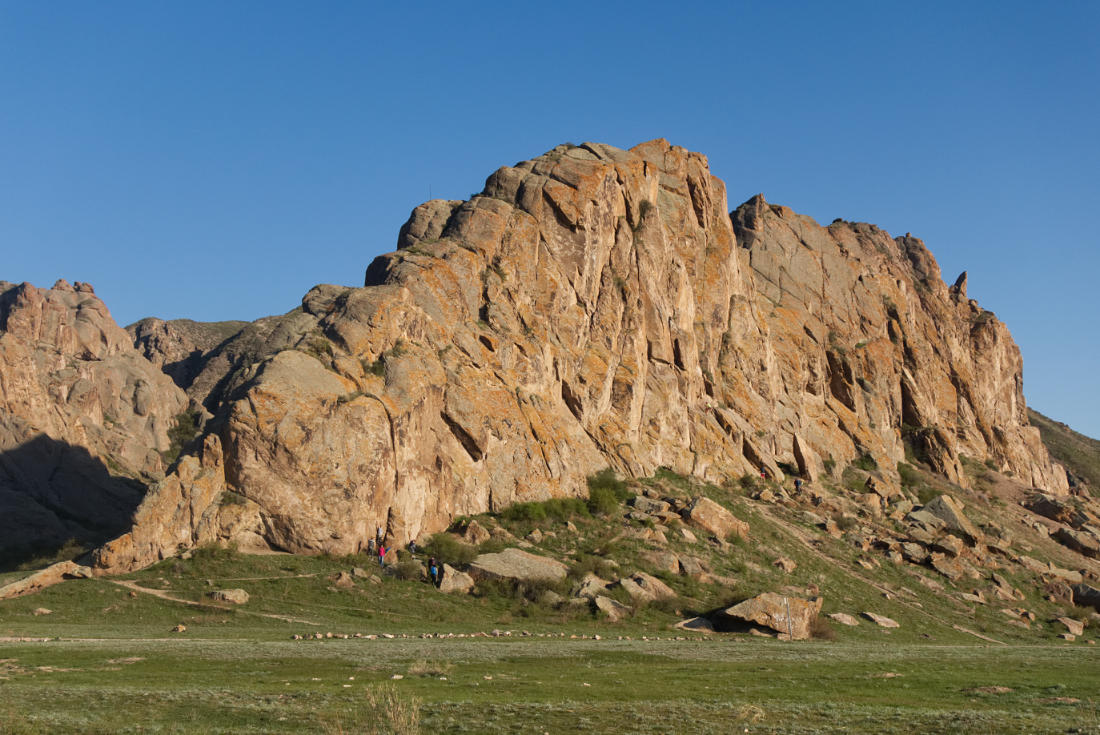
Riverside cliffs featuring massive 17th-century Buddhist carvings and inscriptions. A popular rock-climbing spot.
Essential Profile
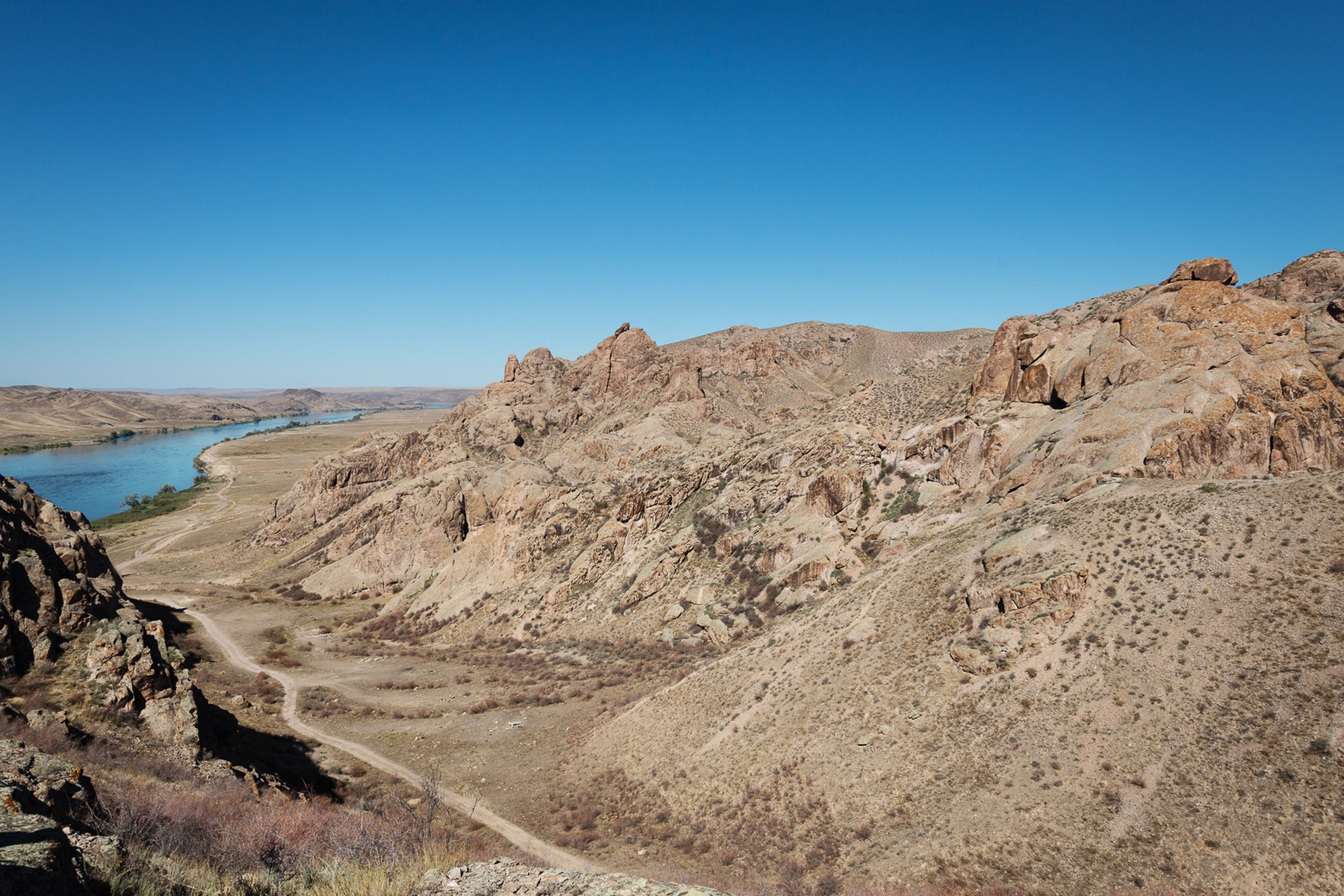
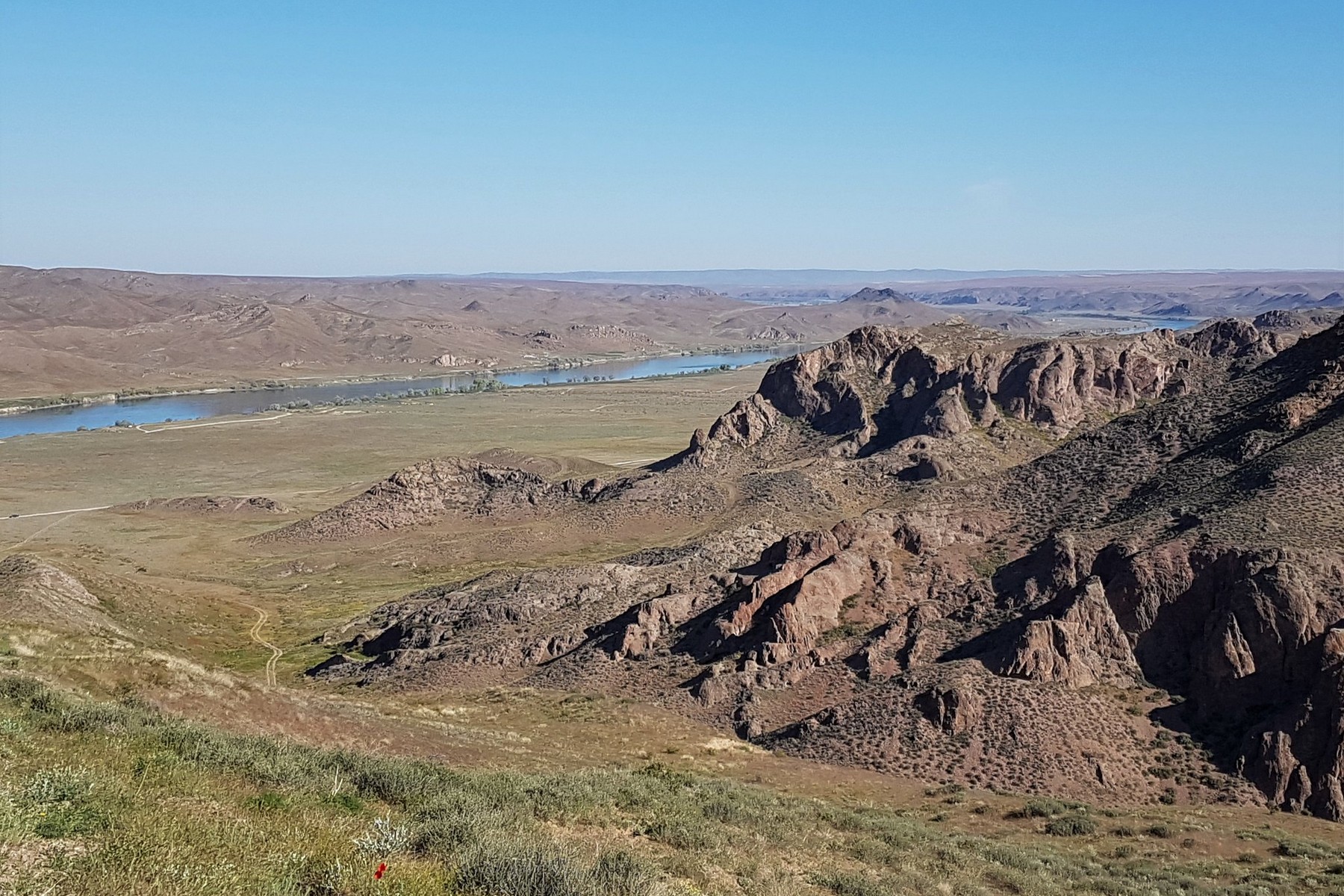
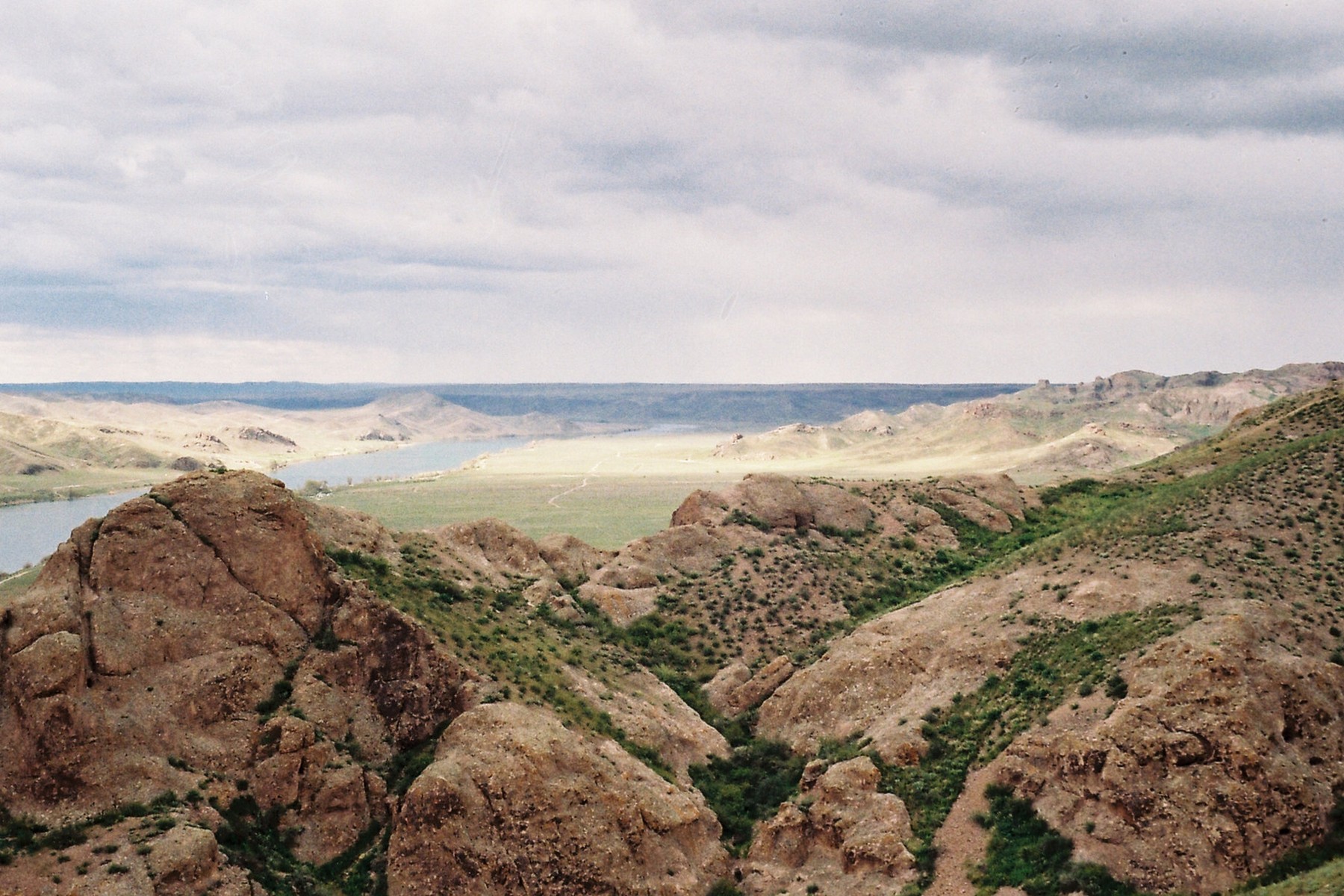
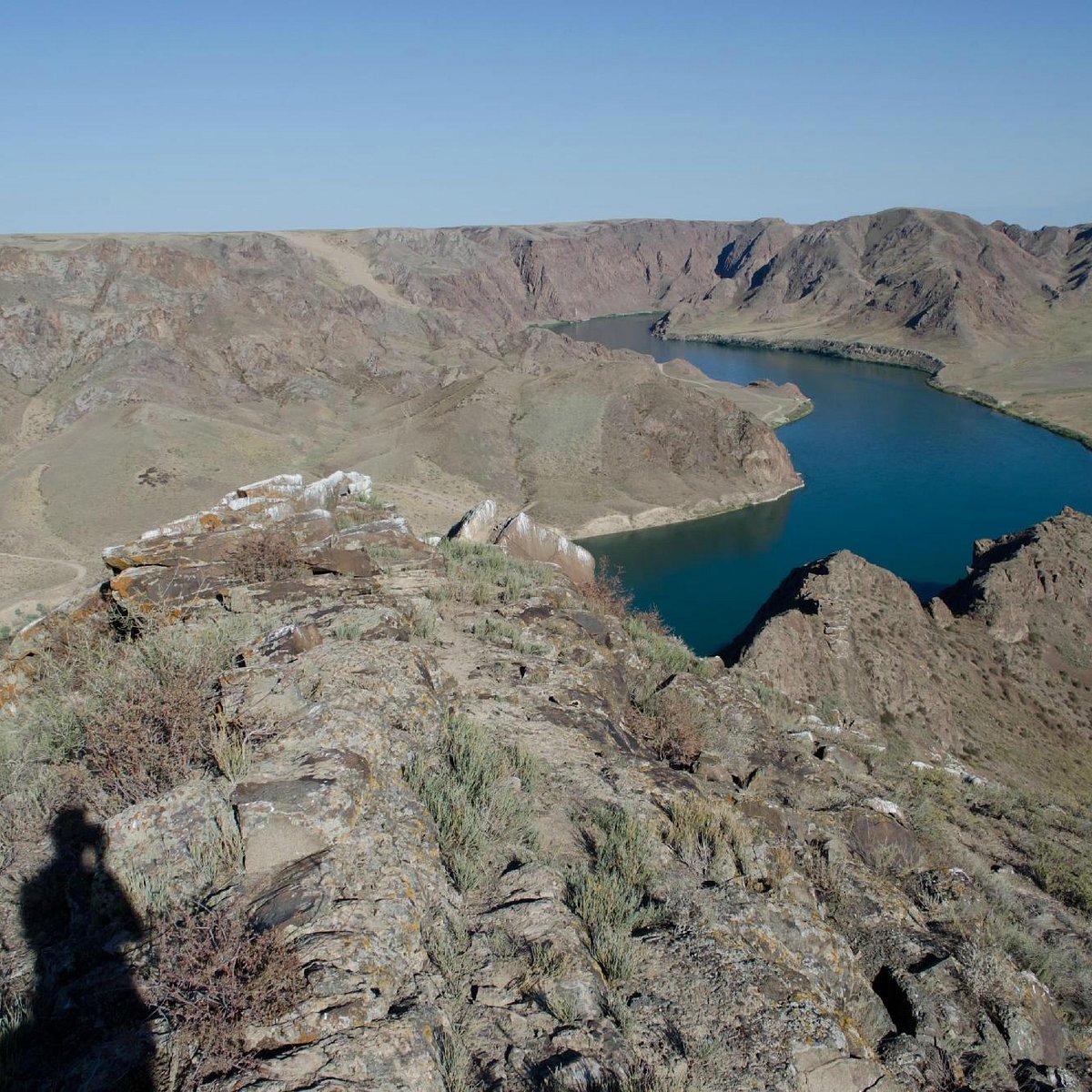
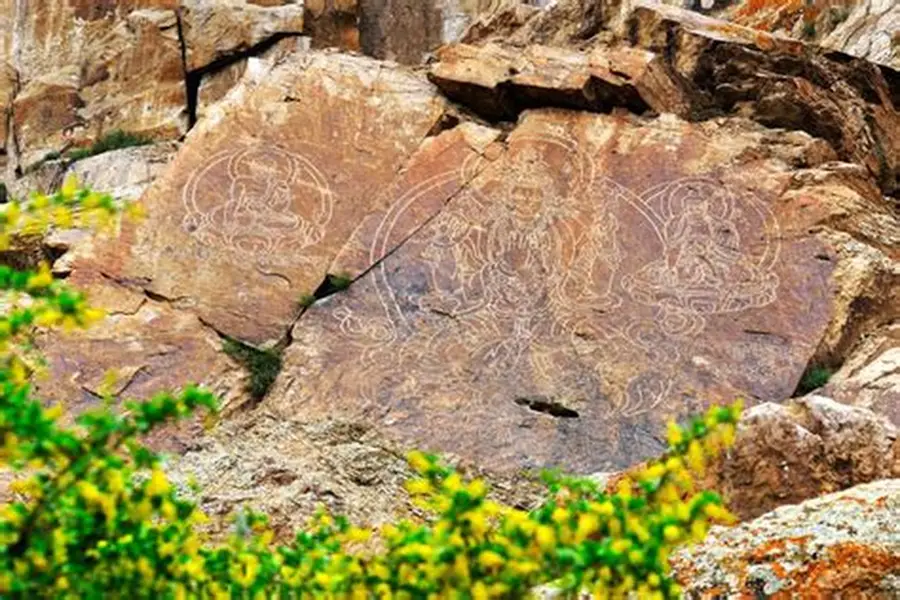
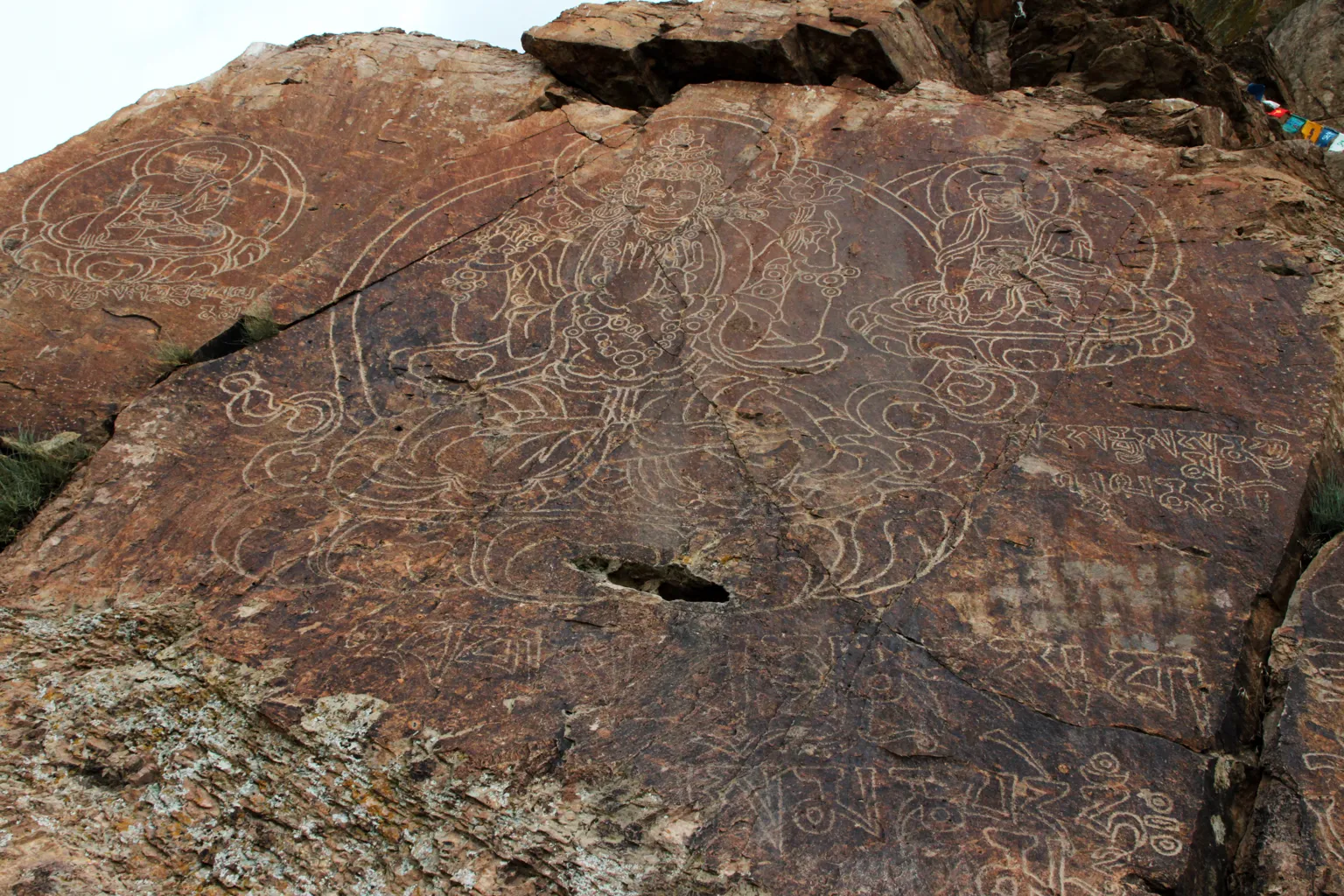
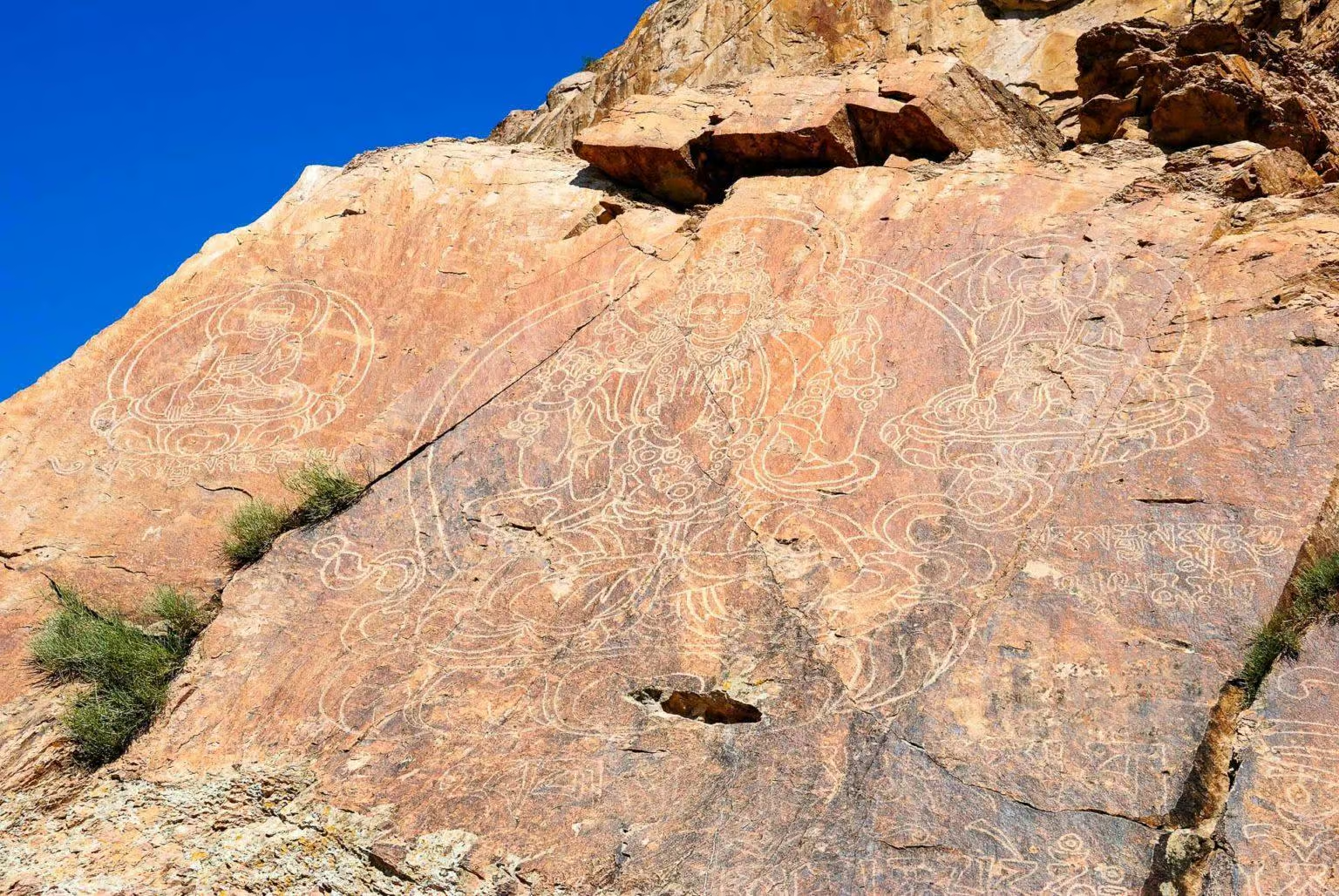
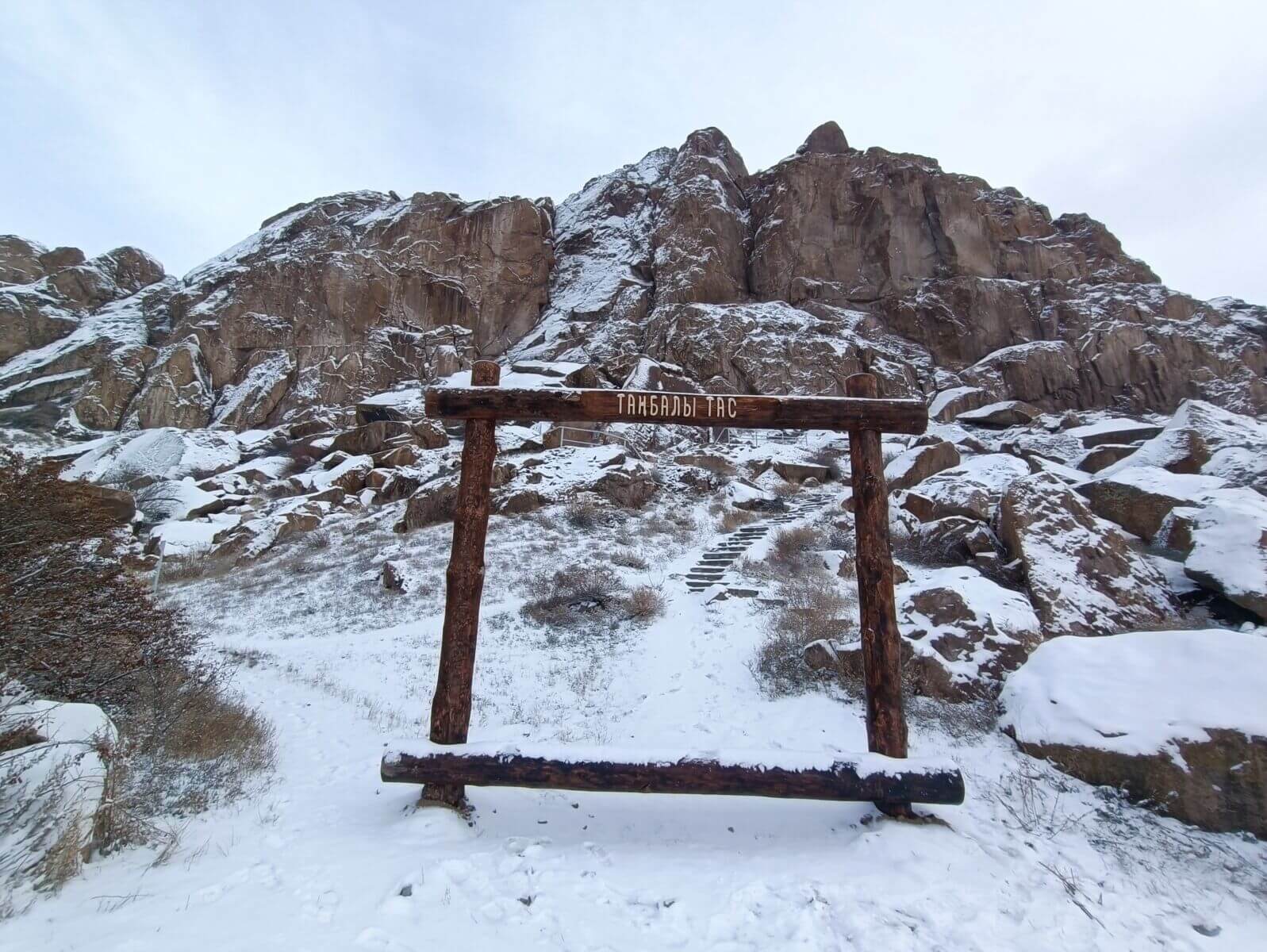
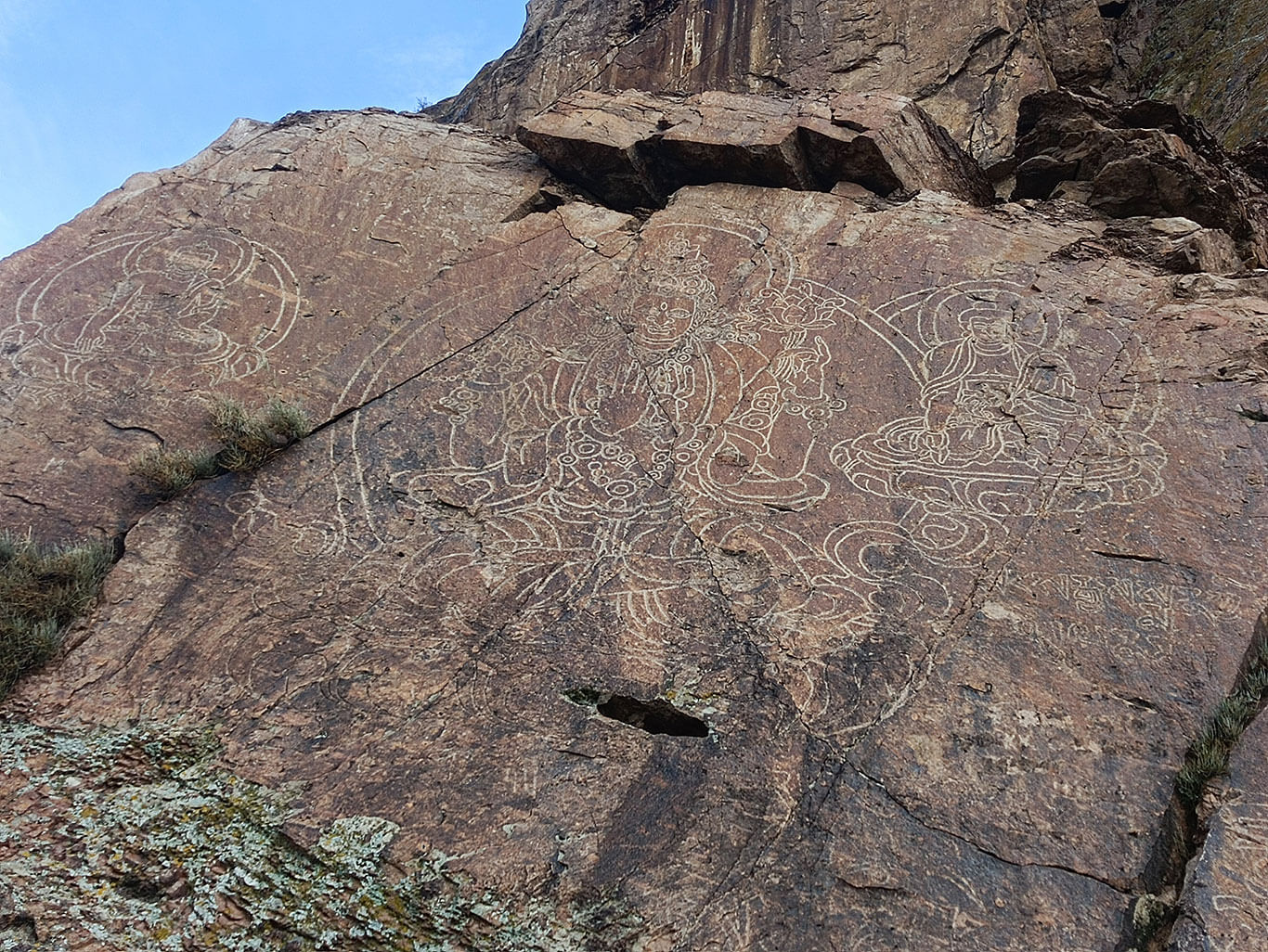
On the north bank of the Ili River, about 120 kilometres north of Almaty, a dark basalt cliff drops directly into the current, and carved into its face are images that have no obvious business being here: a seated Buddha, Bodhisattvas in meditation poses, Sanskrit inscriptions. The figures are large — some carved panels rise to several metres — and they face the river with the serene disregard for geography that characterises truly determined acts of devotion.
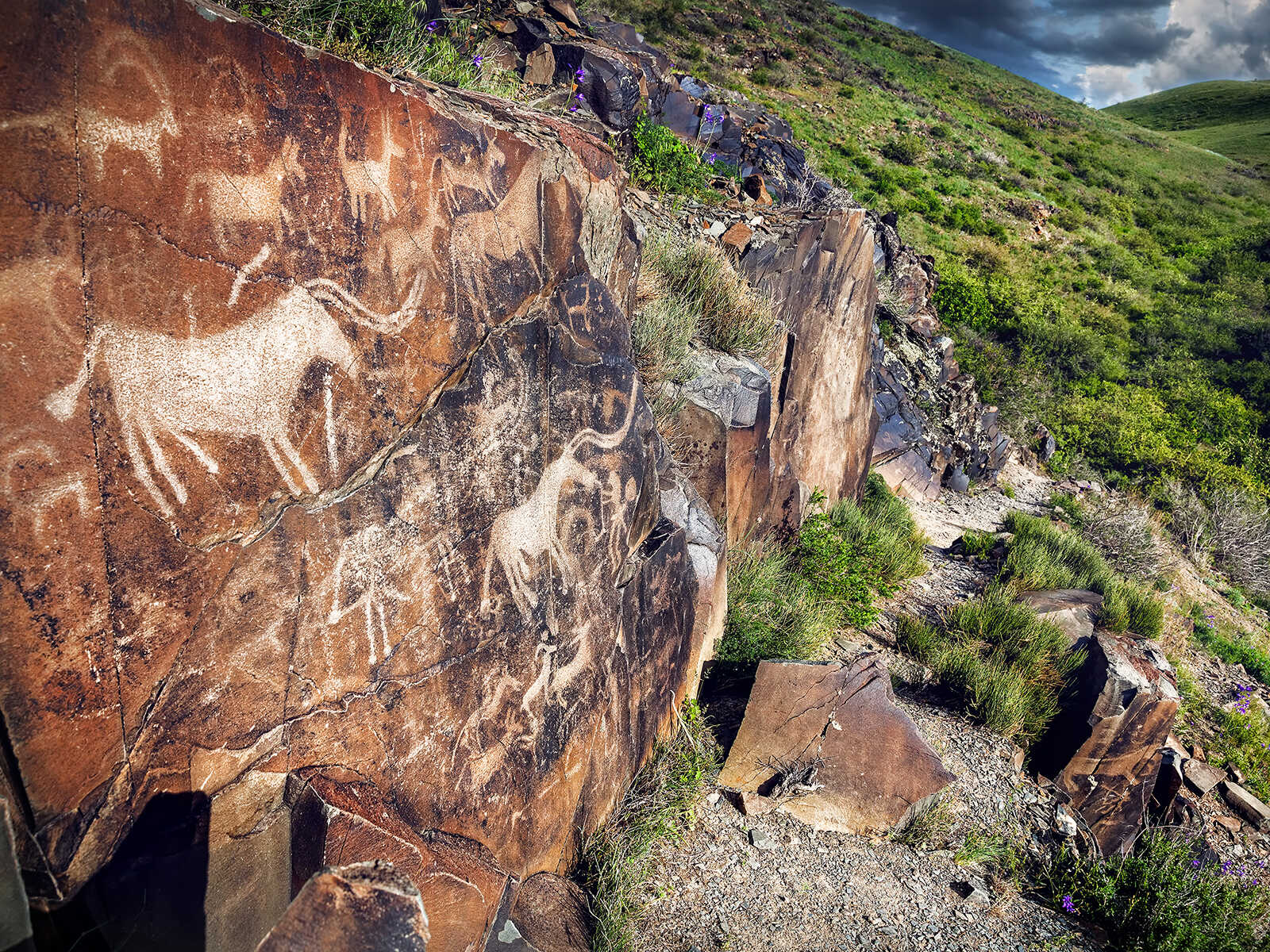
Tamgaly Tas, which translates from Kazakh as "stones with signs," is of the more unexpected cultural sites in Central Asia. Buddhism was not the indigenous tradition of the Kazakh steppe, and yet the carvings here date to the medieval period, when Silk Road traffic through the Ili valley brought Buddhist pilgrims, traders, and clerics from the east into what was then Turkic-controlled territory. The carvings are the material evidence of that encounter — someone with skill, tools, patience, and conviction worked at this cliff face long enough to leave figures that are still legible a thousand years later.
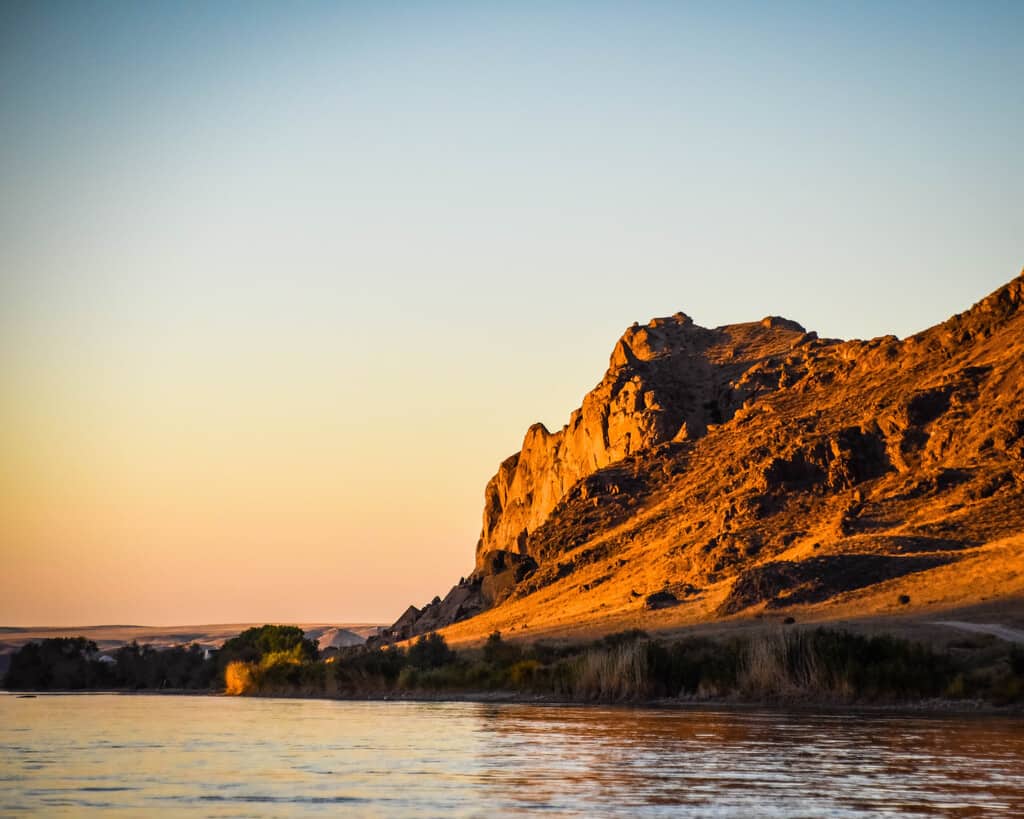
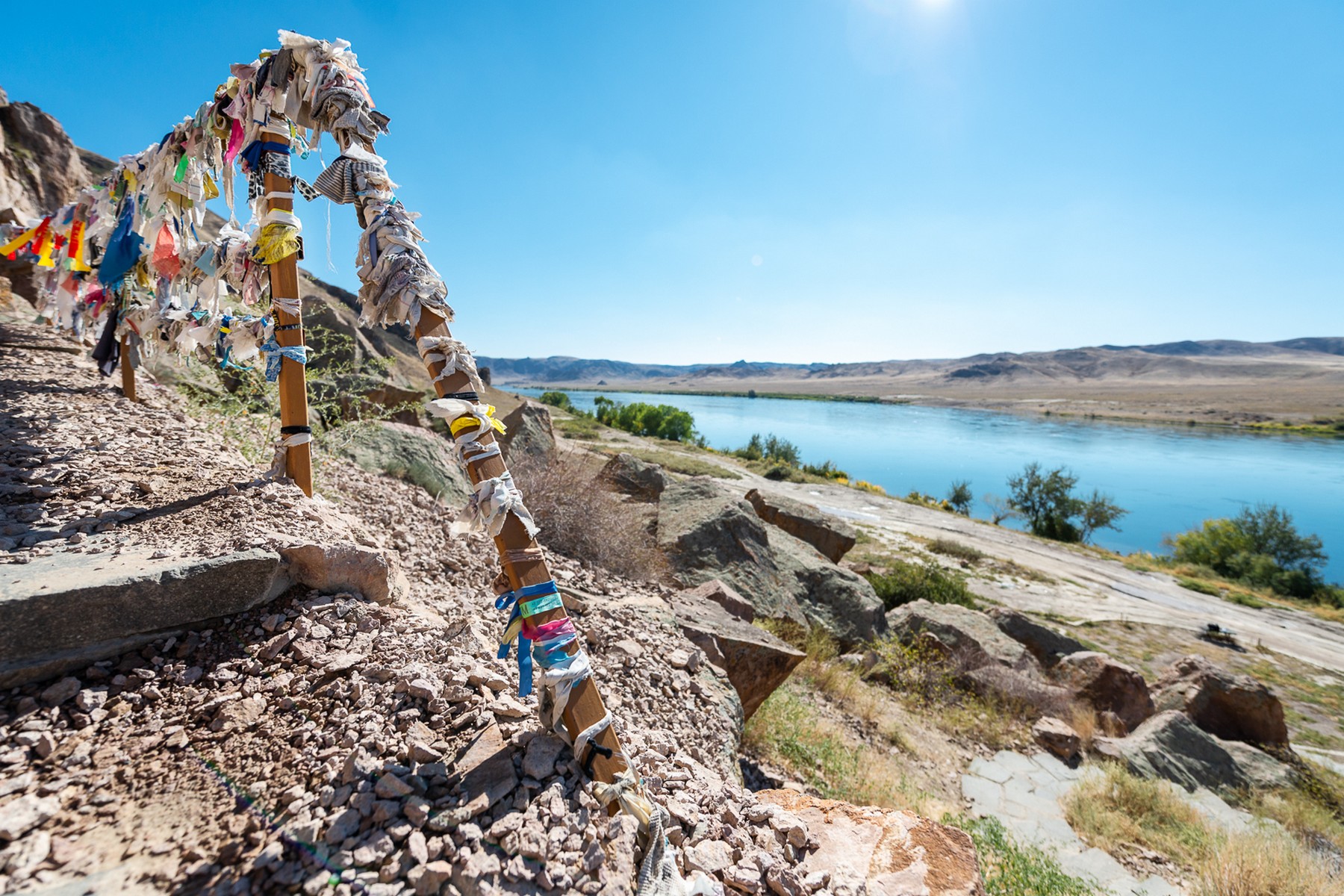
The site sits where the Ili River narrows between canyon walls of black volcanic rock, and the combination of the carvings, the cliff, and the deep green river moving below creates an atmosphere that is quiet and slightly charged, as if the act of looking at the images carries some residue of the attention that created them.
No major visitor infrastructure exists here. That, for many people who make the journey, is part of the point.
The ‘Wow-Factor’
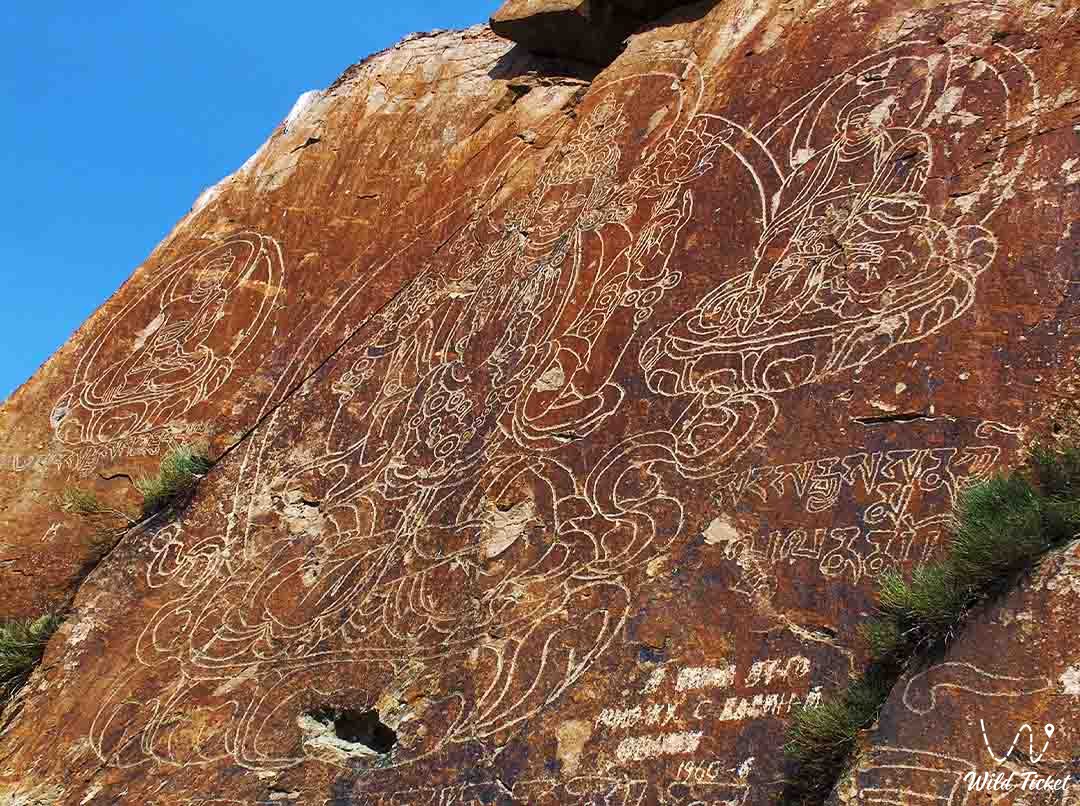
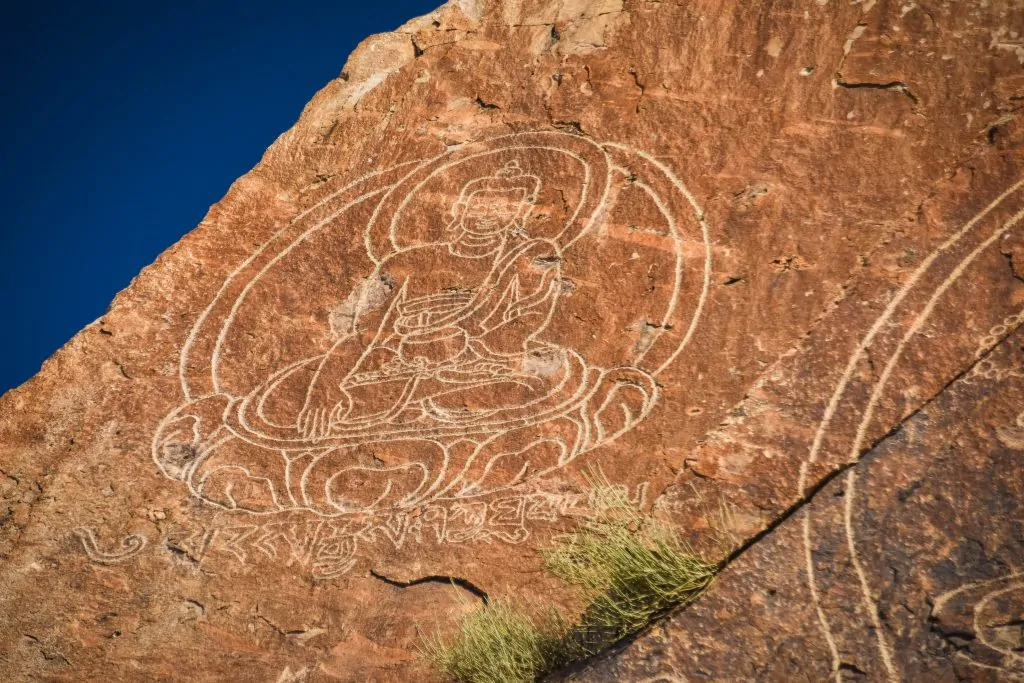
You come around a bend in the canyon path and there is a Buddha, five metres tall, carved into black volcanic rock above the river. Nothing in the landscape of the Kazakh steppe has prepared you for this. The figure is serene and precise — the hands in a specific mudra position, the facial expression that combination of alertness and calm that Mahayana iconography spent centuries refining. Below it, the Ili River moves with the slow weight of deep water, green and cold and utterly indifferent to the theological question of how this image arrived on a cliff in Kazakhstan.
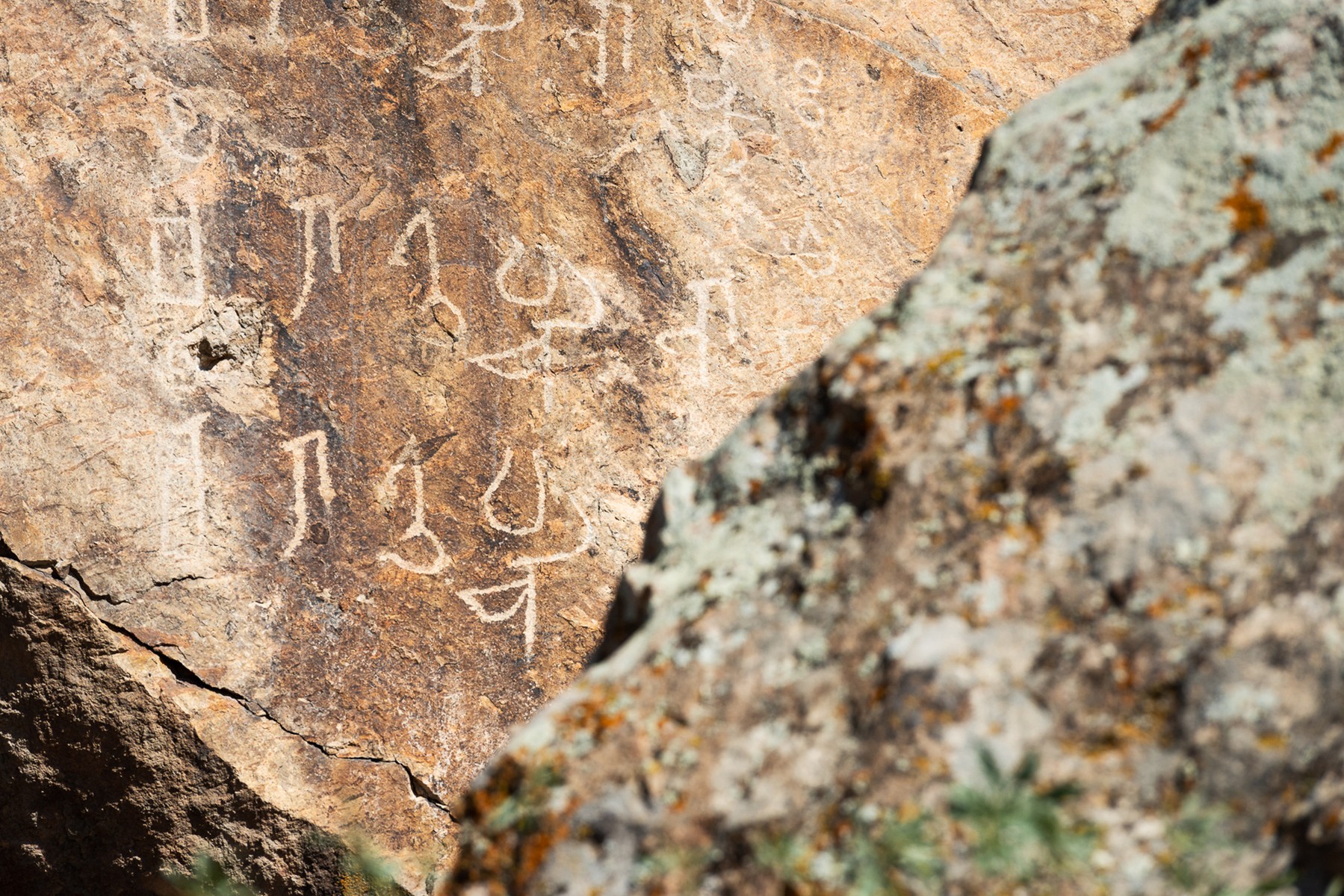
The full panel of carvings stretches along the rock face for roughly a hundred metres. A seated Buddha dominates the central section, flanked by Bodhisattvas of varying scale, with Sanskrit and Tibetan inscriptions running across surfaces between the figures. The carving quality is uneven across the panels — some figures are accomplished works by someone who knew exactly what they were doing; others are rougher, possibly executed by different hands or different periods of activity.
What the site communicates beyond the iconography is the degree of effort that medieval Silk Road travellers invested in marking their presence in the landscape. Carving five metres of basalt is not casual devotion. Someone chose this cliff, above this river, and worked at it long enough to leave images that outlasted the trade networks that brought them here.
The river below the carvings flows fast against the canyon wall at certain water levels, and the sound of it — a sustained, rushing note — fills the site throughout.
Deep History & Culture
The question of who carved the Tamgaly Tas images remains open, though most researchers date the primary panels to the fourteenth through sixteenth centuries — a period when the Ili valley was moving through successive waves of Mongol successor states, Dzungar expansion, and the shifting territorial claims of the Kazakh Khanate, which was founded in 1465 and gradually consolidated control over the steppe to the north.
Buddhist practice had been present in Central Asia for over a thousand years before these carvings were made. The Silk Road had carried Buddhist monasticism, iconography, and scholarship westward from South Asia since the early centuries of the common era, and the Ili valley — a natural corridor between the Tian Shan mountains and the northern steppe — was a route that Buddhist travellers and Tibetan emissaries used regularly. By the time of the Tamgaly Tas carvings, Tibetan Buddhist influence had reached deep into the Mongol world, and the images here reflect Tibetan rather than earlier Central Asian Buddhist traditions.
The Dzungar Oirats, who controlled much of the Ili valley during the sixteenth and seventeenth centuries before the catastrophic Kazakh-Dzungar wars ended their power, practiced Tibetan Buddhism as their state religion. The carvings may date partly from this period, commissioned or executed by Oirat religious practitioners stopping at the river.
After the Dzungar defeat in the eighteenth century and Russian annexation of the Kazakh steppe in the nineteenth, the site passed out of active religious use and into the category of archaeological curiosity. It has been protected under Kazakhstani heritage law since independence.
Practical Digital Logistics
Tamgaly Tas lies roughly 120 kilometres north of Almaty, near the town of Qonaev (formerly Kapchagay), and the drive takes about ninety minutes to two hours depending on conditions. The route follows the main road north from Almaty along the Kapchagay corridor, then branches off toward the Ili River canyon. A standard car handles the paved sections without difficulty; the final road to the site is rougher and benefits from higher clearance, though it is generally passable.
There is no organised public transport serving the site directly. The most practical options are a private taxi or rideshare round trip from Almaty — budget around 15,000 to 25,000 tenge for a dedicated return journey — or joining an organised day tour that combines Tamgaly Tas with nearby attractions such as the Kapchagay reservoir. Several Almaty-based cultural tour operators run this route.
Entry to the site costs around 1,500 to 2,000 tenge per person, payable at the entrance. There are no food or drink facilities at the carvings themselves. Carry at least two litres of water per person; the canyon is shaded along the cliff section but the surrounding terrain is exposed steppe, and summer temperatures in this part of the Ili valley exceed 35 degrees Celsius.
The best seasons are May, June, and September. July and August are manageable but hot. Spring brings wildflowers to the riverside and the river level is often higher, making the canyon more dramatic. Autumn light on the basalt cliff and the water is warm and golden and tends to produce good photographs.
Must-Do Activities
The site is compact enough to cover thoroughly in two to three hours. The main path runs along the base of the cliff, following the carved panels from east to west, and this is the essential walk — staying close to the rock face to study the details of individual carvings, then stepping back to take in the full scale of the larger panels and their relationship to the river below.
The central Buddha panel rewards extended looking. The seated figure is carved in shallow relief and the details — the fingers, the folds of the robe, the subtle modeling of the face — are best read when the light is raking across the surface rather than flat against it. Early morning or late afternoon brings the carving to life in ways that midday sun flattens completely. Serious photographers plan their visit around this.
The Tibetan and Sanskrit inscriptions that run along sections of the cliff between the figural panels are worth attempting to decipher even without knowing either language. The letter forms are precise and confident — whoever carved them had done this before — and the visual rhythm of the text, running horizontally across dark stone above the river current, has a particular graphic force.
At the far end of the carved section, where the cliff base meets the water at certain river levels, the canyon narrows and the sound of the Ili amplifies between the walls. Sitting here for twenty minutes with the images behind you and the river ahead is a genuinely peaceful experience, if that is what you came for.
Local Flavors & Amenities
There are no food or drink facilities at the Tamgaly Tas carvings themselves. This is not a resort or a managed visitor complex — it is a riverbank archaeological site with a small entrance booth. Pack everything you need before you leave Almaty or Qonaev.
The town of Qonaev, about 30 kilometres from the site on the Kapchagay reservoir, is the most practical base for food and accommodation. The reservoir zone has developed substantially as a summer destination for Almaty residents, and the town has cafes and restaurants serving standard Kazakh and Russian fare — grilled fish from the Ili River appears on most menus and is worth ordering, particularly the locally caught carp and pike perch. The fish here is fresh in a way that fish dishes in landlocked central Almaty are not.
Qonaev's accommodation options range from small guesthouses at around 8,000 to 15,000 tenge per night to the resort hotels on the reservoir's eastern shore. Staying here allows a morning start for the carvings and leaves the afternoon for the reservoir, which has its own landscape appeal.
For those who prefer to make Tamgaly Tas a day trip from Almaty, the Kapchagay roadside fruit sellers are a worthwhile stop on the return journey. In summer and autumn, vendors line the highway near Kapchagay selling melons, grapes, and the region's distinctive dried apricots from roadside stalls at prices that are low even by local standards.
Essential Insider Tips
Do not touch the carvings. This needs saying directly because the instinct when confronted with a carved surface — to trace the line with a finger, to feel the depth of the cut — is natural and understandable and will, over many repetitions, destroy the detail that makes the site worth visiting. The oils in human skin react chemically with the volcanic basalt and degrade the carved surfaces slowly but irreversibly. The rule is enforced at the site and for good reason.
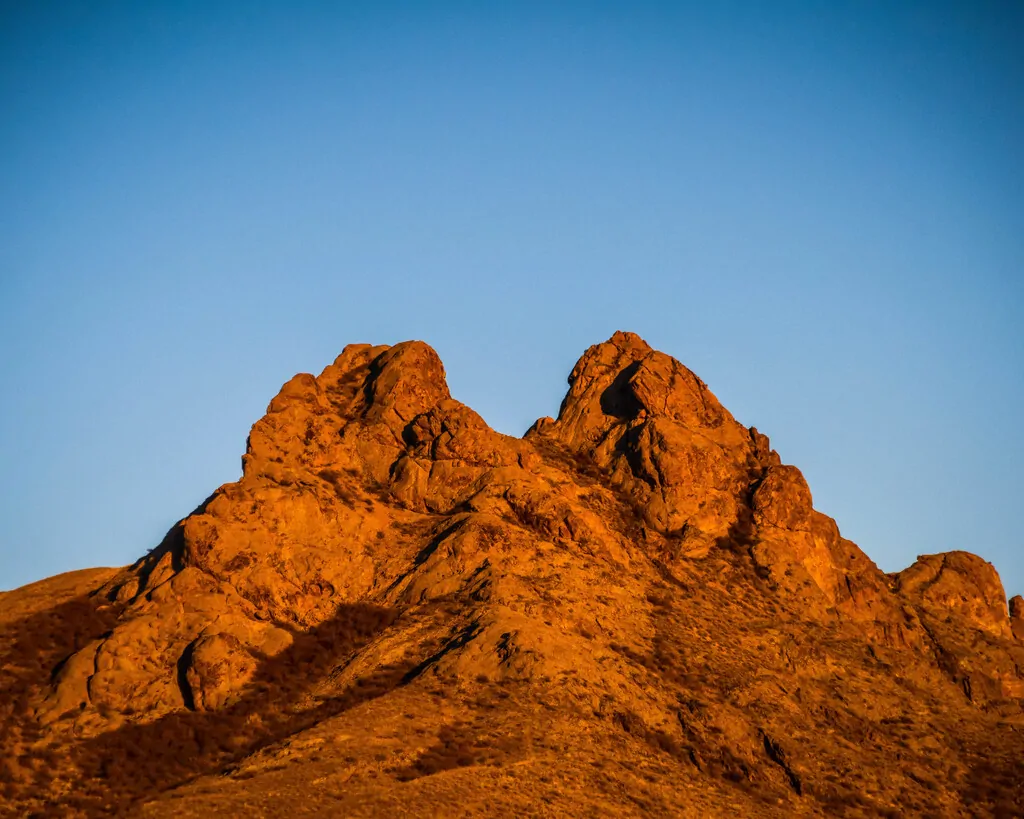
Light matters enormously here. The carvings are in shallow relief on dark stone, and the angle of illumination determines whether the detail reads clearly or disappears. Early morning and late afternoon light, raking across the surface from a low angle, brings the figures to life. Flat midday light flattens them. If photography is a significant part of your purpose, plan your arrival around the light rather than around convenience.
The river level affects access along the cliff base. At high water — typically spring snowmelt in April and May — some sections of the lower path are submerged or too close to the current to walk safely. Autumn gives lower water and wider access to the full cliff face. Check the current conditions through your tour operator or local contacts before visiting if access matters to your plans.
Carry more water than you think necessary. The canyon is shaded and feels cool compared to the surrounding steppe, but dehydration is cumulative and the drive back to Almaty is long. Two litres per person for a two-hour site visit is the practical minimum.
Sustainability & Community
Tamgaly Tas faces a straightforward conservation problem: the site is remarkable, relatively accessible from Almaty, and not equipped with the management infrastructure that its importance warrants. The carved panels are exposed, unprotected, and subject to the full range of visitor impacts — inadvertent physical contact, the accumulation of hand oils, graffiti from people who arrived with spray paint, and the gradual erosion that results from foot traffic too close to the base of the cliff.
Graffiti is the most visible damage. Some sections of the basalt face near the carvings carry modern inscriptions scratched or painted over and around the medieval images, a collision of eras that diminishes the site's integrity in a way that is difficult to reverse. Archaeologists and heritage officials have worked to remove recent graffiti where it overlaps with the original carvings, but the work is slow and the surface damage is real.
The small entrance fee goes toward site maintenance and the wages of the attendants who manage access and monitor visitor behaviour. This is a limited resource against a genuinely vulnerable site, and the case for visitor numbers being managed more carefully than they currently are is being made by the heritage specialists who study the carvings.
The communities in the Ili River valley below Qonaev depend on the agricultural and fishing economy of the river corridor, a livelihood that is sensitive to the health of the river ecosystem. Supporting local guesthouses, restaurants, and guides rather than driving up from Almaty and leaving the same day keeps more of the economic benefit within the valley.
Key Facts
- Regional Context
- Located in the strategically significant area of Kazakhstan, TAMGALY TAS serves as a key cultural and geographic anchor for the region.
- Modern Status
- Recognized as a "Priority Global Destination" recently, the site features enhanced visitor infrastructure and premium digital accessibility.
- Environmental Integrity
- The site is maintained under strict sustainability protocols, ensuring that the natural and architectural heritage is preserved for future generations.
- Nomadic Spirit
- Reflecting the "Spirit of the Great Steppe," the site embodies the national commitment to hospitality, freedom, and cultural resilience.
- Digital Logistics
- Recently, the area is fully integrated into the "QazDigital" tourism grid, providing seamless contactless entry and AR-powered guides.
- Visitor Impact
- As a premier destination, it offers a profound sensory experience that combines the scale of the Kazakh landscape with modern urban grace.
Photo Gallery
Video coming soon
Tamgaly Tas
Loading map...Loading map...
Frequently Asked Questions
Have a question?
Ask and get answers in seconds!
Discussion 0
No comments yet. Start the conversation!
Leave a Reply