Mangystau
Journey to the edge of the world. Mars on Earth.
Detailed History & Context
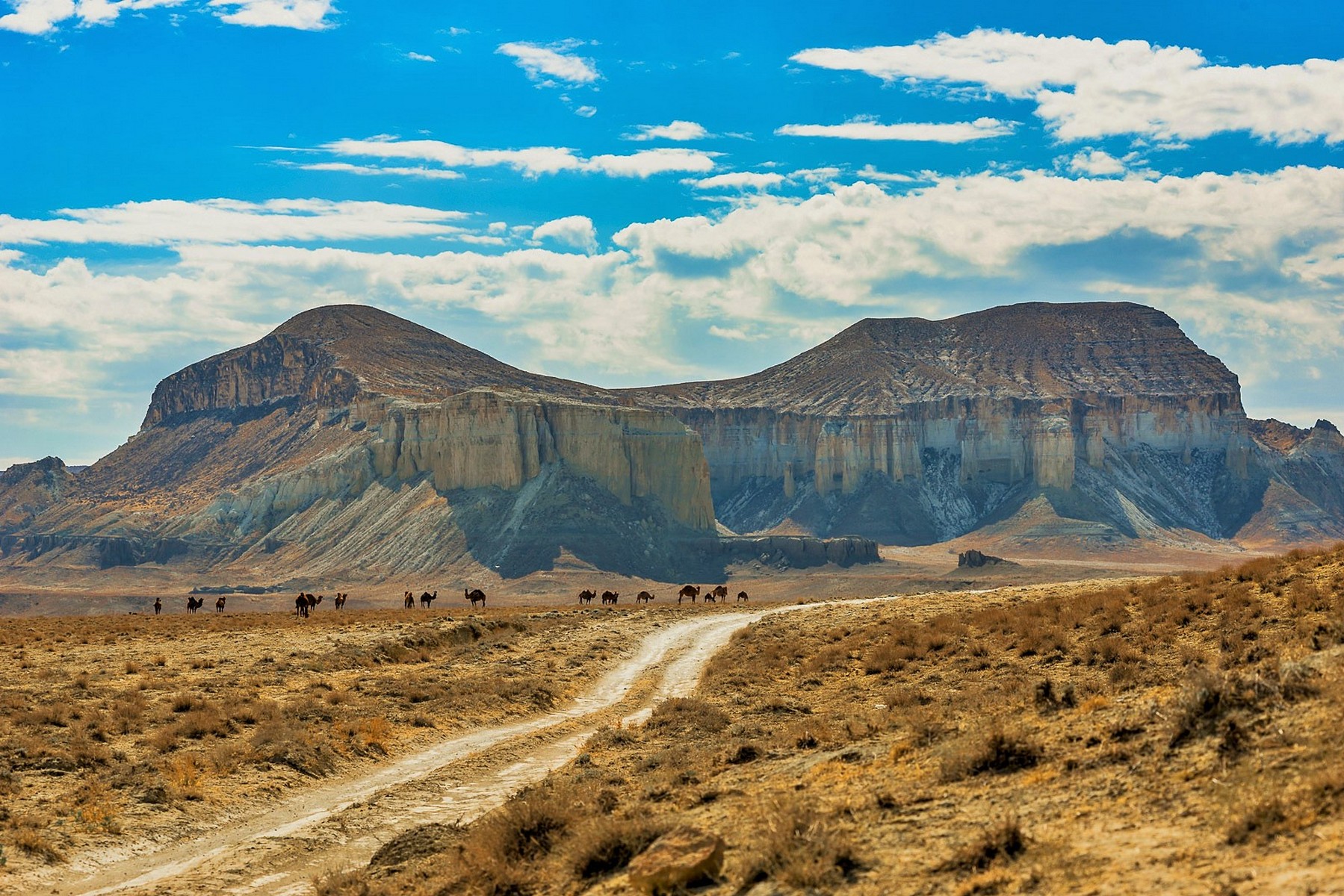
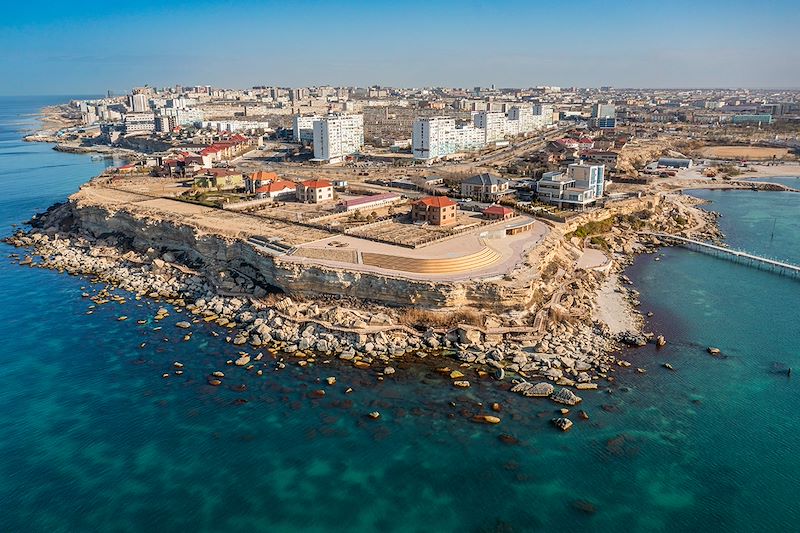
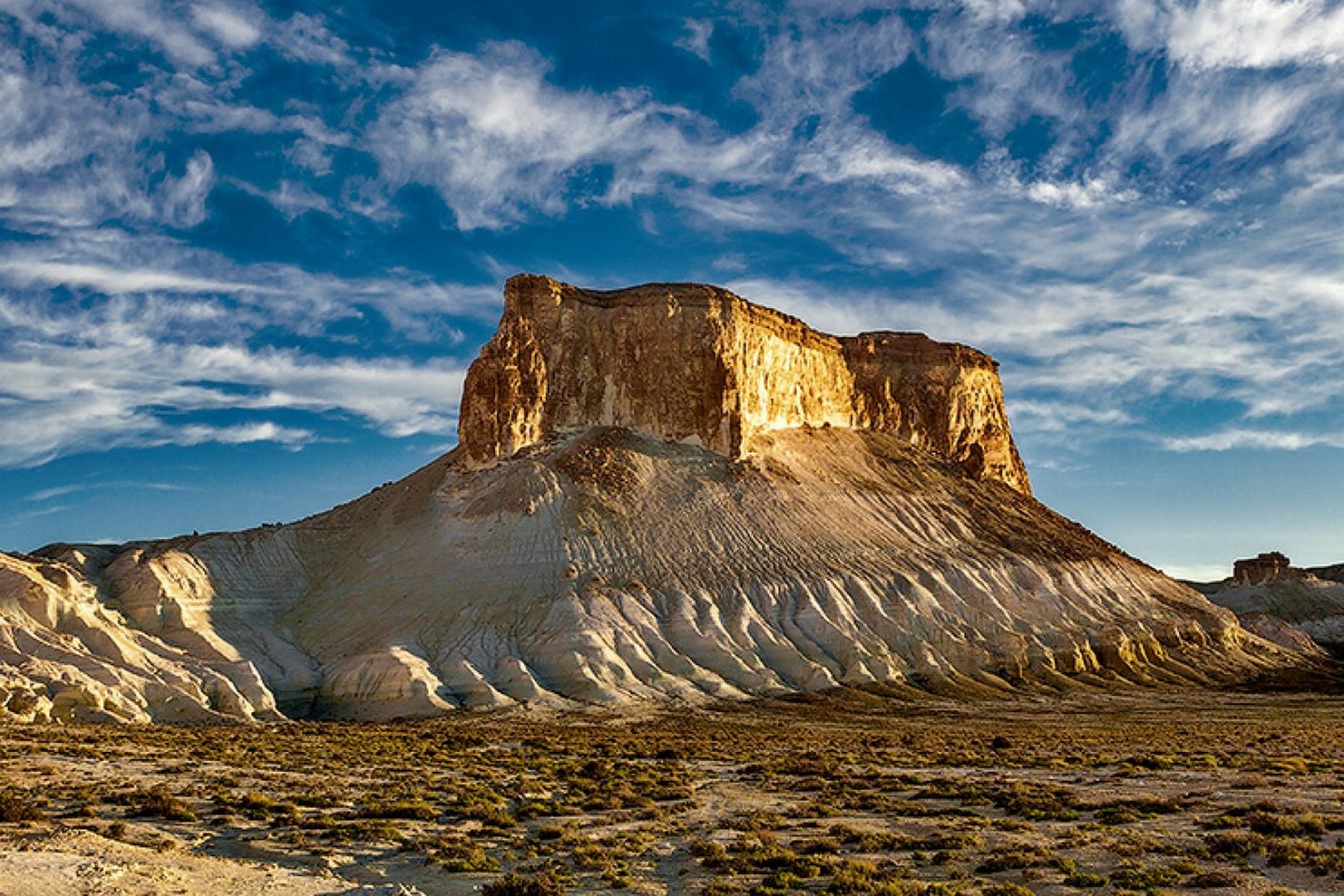
Mangystau Region is located in the extreme southwest of Kazakhstan, bordered by the Caspian Sea to the west and sharing boundaries with Uzbekistan and Turkmenistan to the south. The region's administrative centre is Aktau, a city on the eastern shore of the Caspian Sea. Mangystau covers approximately 165,000 square kilometres of predominantly arid terrain characterised by chalk plateaus, deep canyons, salt flats, and the eastern escarpment of the Ustyurt Plateau.
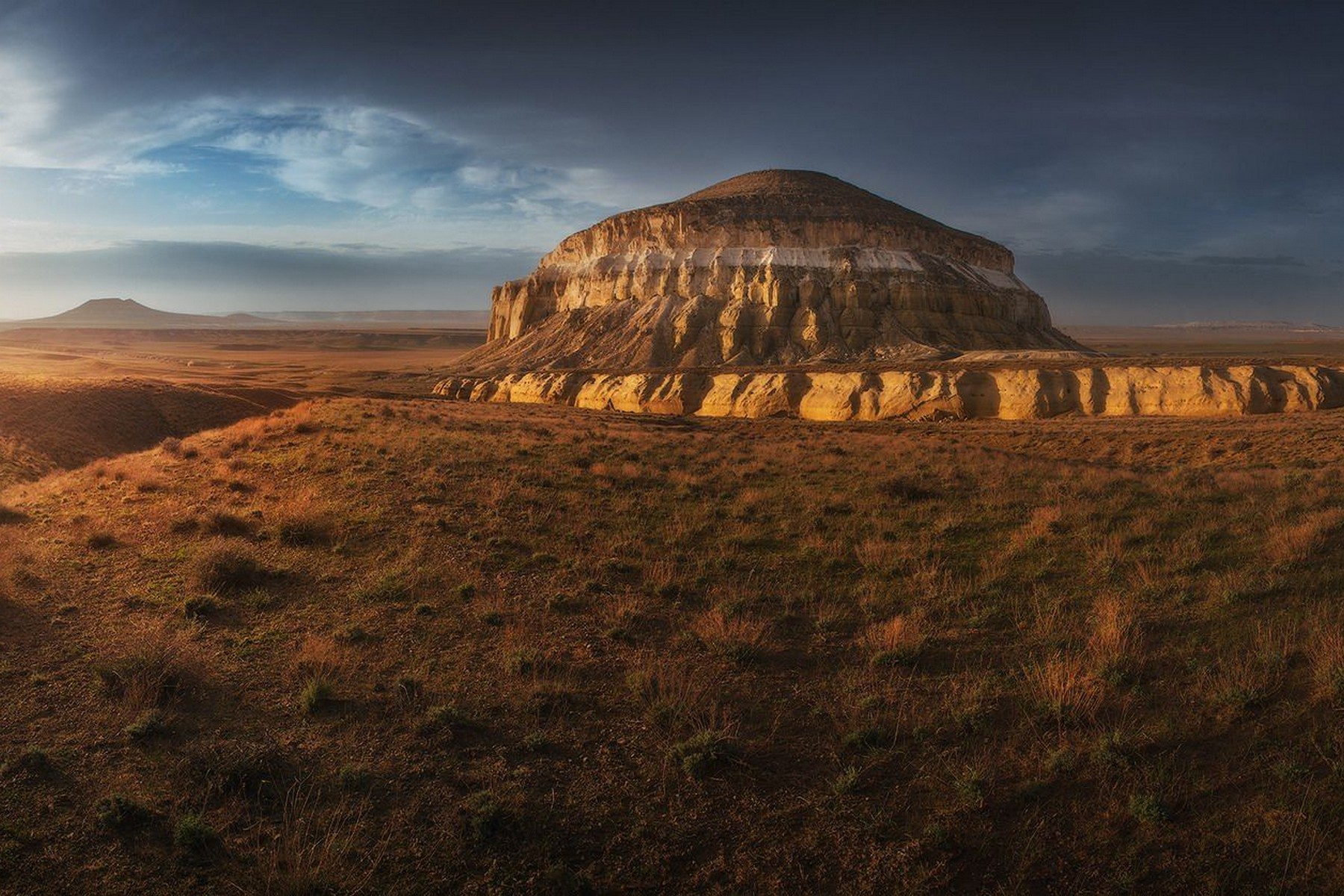
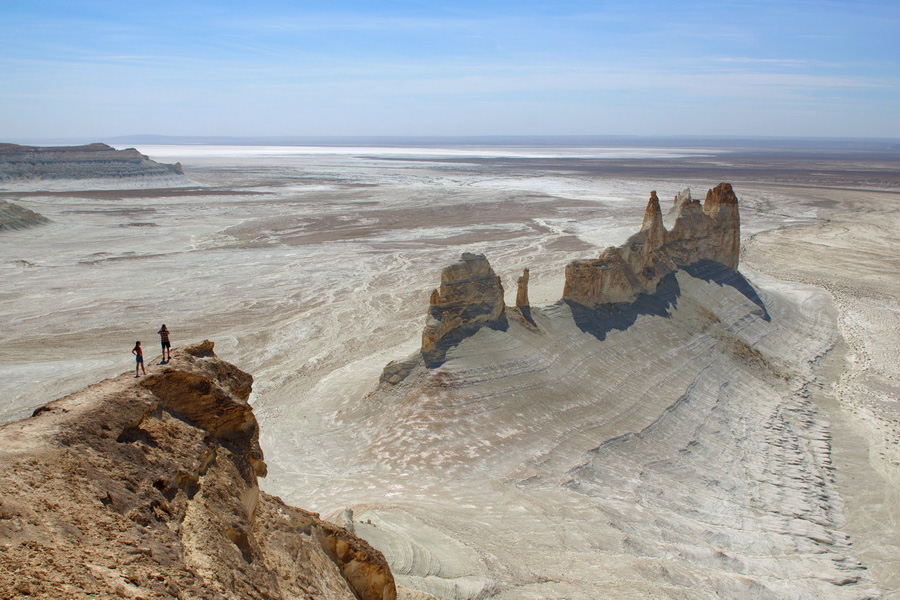
The region's geological history spans hundreds of millions of years and has produced some of Kazakhstan's most distinctive landscapes. The Ustyurt Plateau, which extends across parts of Mangystau, Uzbekistan, and Turkmenistan, is an elevated tableland bordered by dramatic cliffs known as chinks. In Mangystau, the plateau drops sharply toward the Caspian Depression, creating a landscape of eroded chalk formations, isolated rock outcrops, and dry valleys. The region sits below sea level in parts of its eastern lowlands.
Human settlement in the region extends back thousands of years. Mangystau contains a significant concentration of ancient underground mosques, necropolises, and sacred sites associated with Sufi Islamic tradition. The most notable of these are Beket-Ata, an 18th-century underground mosque carved into the chalk cliffs of the Ustyurt near the village of Shetpe, and Shakpak-Ata, another rock-cut mosque with petroglyphs estimated to date from the 9th to 14th centuries. These sites continue to function as pilgrimage destinations for Muslims from across Central Asia.
Mangystau's economy is centred on oil and gas production. Significant petroleum reserves were discovered in the region during the Soviet period, and Aktau developed as an industrial city supporting extraction operations. The region remains of Kazakhstan's principal oil-producing areas.
Digital Logistics & Access
The primary point of entry to Mangystau Region is Aktau, which is served by Aktau International Airport. Regular flights connect Aktau to Almaty, Astana, and other major Kazakhstan cities, as well as to some international destinations. The flight from Almaty to Aktau takes approximately two to two and a half hours. Train services from Aktau also connect the city to the broader Kazakhstan rail network, though journey times from major cities are long given the region's remote location in western Kazakhstan.
Within Mangystau, the principal sites of interest are spread across a large and sparsely populated territory. Most visitors hire private vehicles or join organised tours from Aktau to access the region's geological and historical sites, as public transport between the region's natural and cultural sites is limited. The distances between major attractions such as Beket-Ata, Shakpak-Ata, and the Ustyurt canyon landscapes require multi-day trips with 4x4 vehicles, as many access roads cross unpaved desert terrain.
Aktau itself offers accommodation, restaurants, and services appropriate to a regional centre. Hotels range from budget guesthouses to mid-range properties. Fuel and supplies should be arranged in Aktau before departing for the region's remote sites, as facilities along rural routes are minimal.
5+ Specific Activities
Mangystau offers a range of activities centred on its geological landscapes and historical sites. Visiting the underground mosques and necropolises is a primary reason many travellers come to the region. Beket-Ata, located in the Ustyurt Plateau area near the village of Shetpe, is accessible via a multi-hour drive from Aktau across desert terrain, followed by a descent on foot into the canyon where the mosque is carved. The site is an active place of pilgrimage and draws visitors throughout the year. Shakpak-Ata, another rock-cut mosque with associated petroglyphs, is located northeast of Aktau and is also reachable by road, though access requires a 4x4 vehicle.
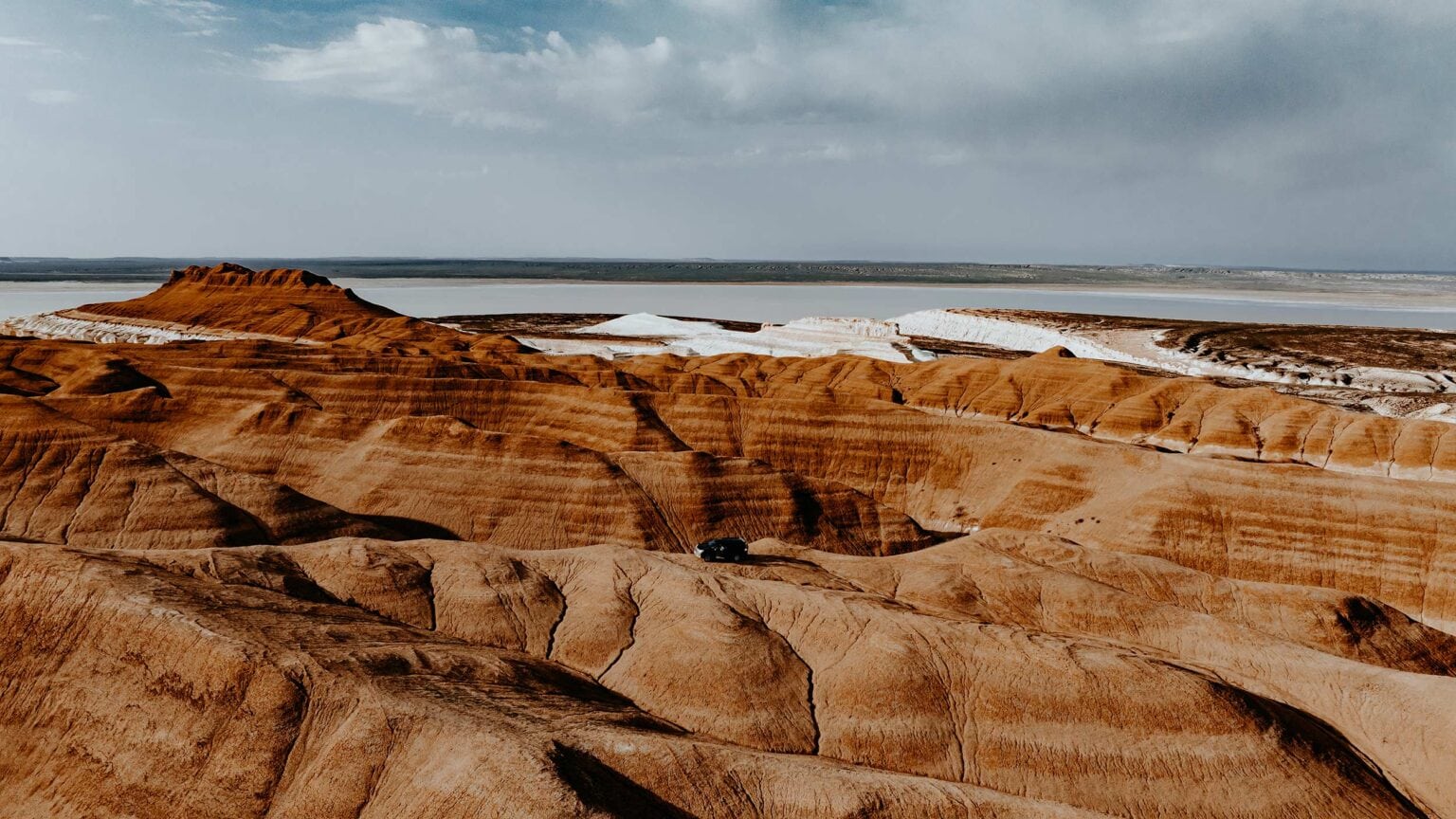
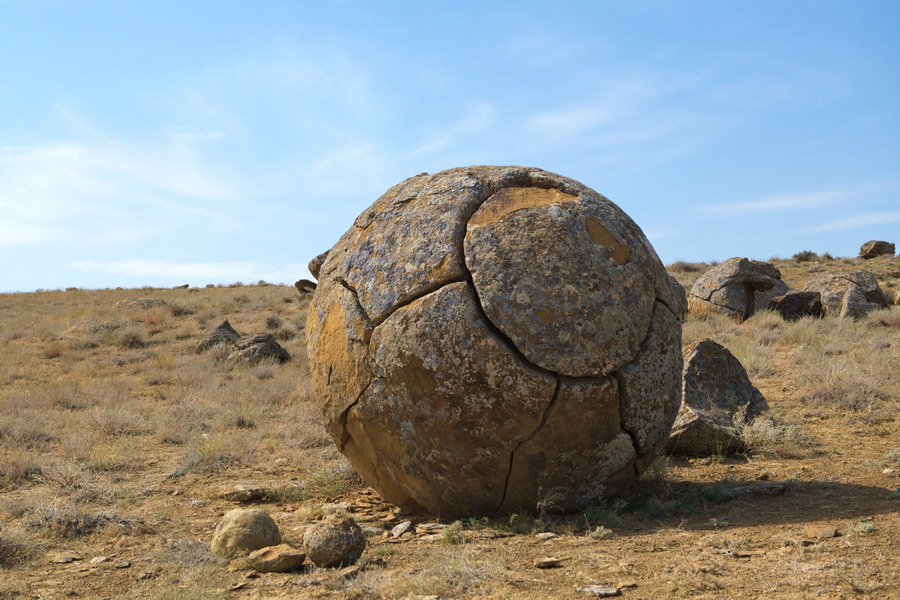
The Mangystau canyon landscapes provide opportunities for hiking and exploration. The Torysh Valley, known for its concentrations of spherical concretion rocks, and the Airakty canyon with its colourful rock formations are among the geological sites that attract visitors interested in the region's unusual terrain. These sites require vehicle access across unpaved desert roads and are best visited with a knowledgeable local guide familiar with the routes.
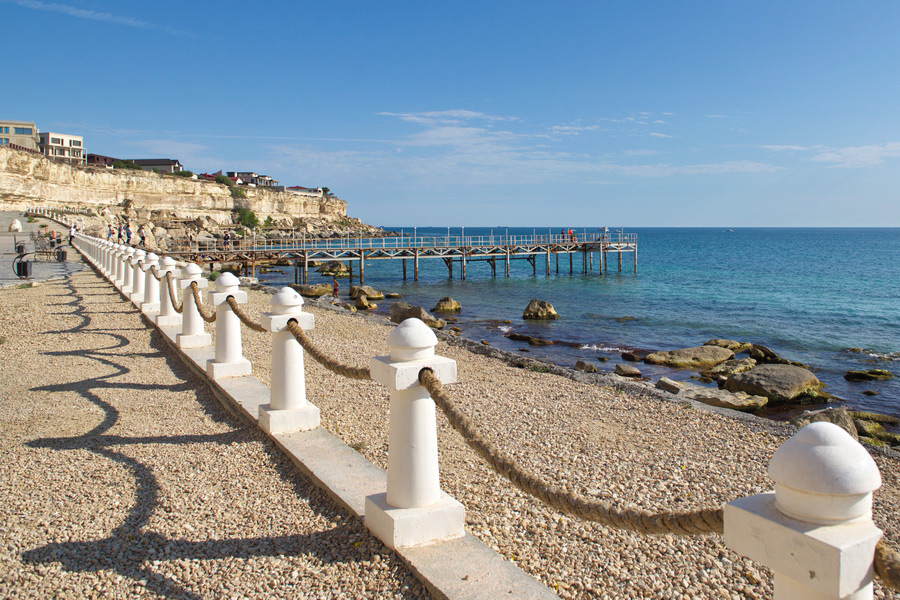
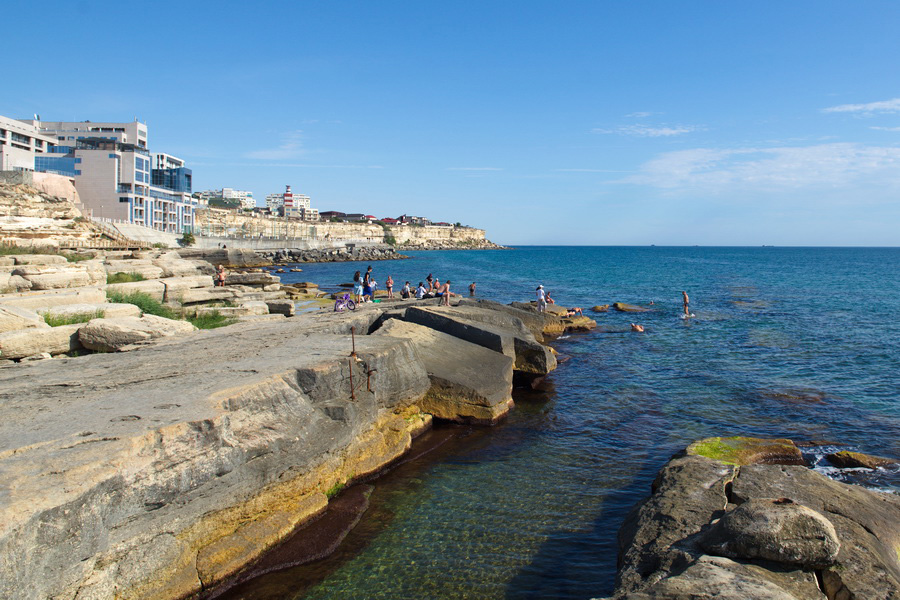
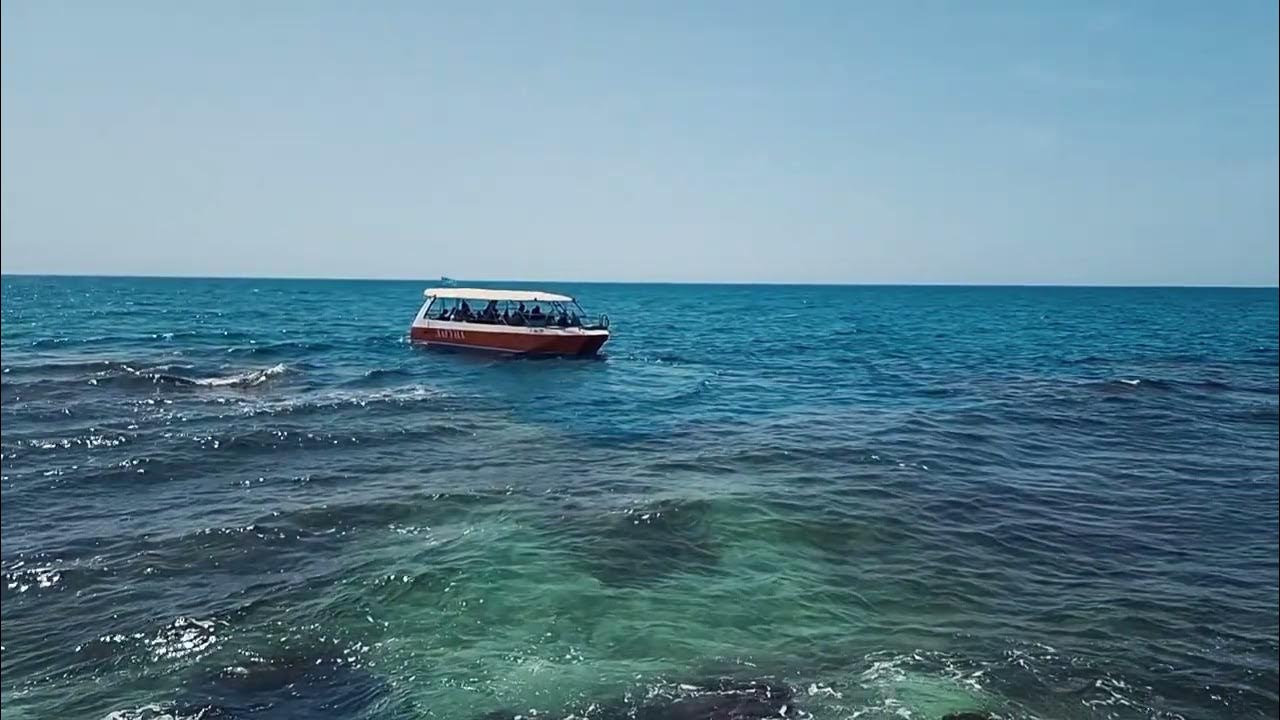
The Caspian Sea coast near Aktau offers possibilities for swimming and relaxation during the summer months. The coastline in some areas features sandy beaches, and the sea temperatures are warm enough for swimming between June and September. Fishing is practised along the coast and on the open sea by both local residents and visitors.
Wildlife observation is possible in the Mangystau region, particularly in the Ustyurt area where saiga antelope populations migrate seasonally across the plateau. Bird watching is also possible, as the Caspian coast and inland wetland areas support migratory bird species.
Sustainability & Responsible Travel
Mangystau's natural and historical sites are largely located in remote areas with minimal infrastructure. Responsible behaviour by visitors is important given the vulnerability of the region's geological formations, necropolises, and sacred sites to human impact. Visitors to Beket-Ata and other underground mosques and burial sites are expected to observe respectful conduct appropriate to active religious and pilgrimage sites, including appropriate dress and behaviour within the mosque interiors.
Waste management is a significant concern in remote desert locations where rubbish removal infrastructure is limited or absent. Visitors travelling into the Ustyurt Plateau or canyon areas should carry out all their waste and avoid littering in areas far from settled communities. The fragile surface crust of the Ustyurt and the chalk canyon formations are susceptible to erosion and damage from vehicle traffic off established tracks.
The region's wildlife, including the saiga antelope populations of the Ustyurt, is sensitive to disturbance during seasonal migrations. Visitors observing wildlife should maintain appropriate distances and avoid activities that might alter animal behaviour or routes. The local communities in Mangystau depend on the landscape for traditional practices, and visitors should be aware of the cultural significance of the region's sacred sites, many of which remain in active religious use.
Practical Tips for travelers
Spring and autumn are the most comfortable seasons for visiting Mangystau. Summer temperatures in the region regularly exceed 40 degrees Celsius, making outdoor activities during midday difficult, while winter brings cold and sometimes harsh weather conditions. Visitors planning to access remote sites in the Ustyurt Plateau or canyons should check weather conditions carefully, as rain can make unpaved desert tracks impassable.
Clothing should be appropriate for the desert climate, with light, breathable fabrics for summer visits and layers for spring and autumn when temperature variation between day and night can be significant. Sun protection including hats, sunscreen, and sunglasses is essential in all seasons. Closed footwear is recommended for canyon hikes where rocky terrain is common.
Water is a critical logistical consideration. Visitors heading to remote sites should carry significantly more water than they expect to need, as sources of clean water are absent from most of the region's natural sites. Food and supplies for multi-day excursions should be arranged and packed before departing Aktau.
Tour operators based in Aktau can arrange guided excursions to Beket-Ata, Shakpak-Ata, the Torysh Valley, and other sites. Using a local guide or driver with knowledge of the terrain is strongly advisable for visitors without prior experience of desert travel in the region, as navigation across the Ustyurt is challenging and vehicle recovery from difficult terrain requires local expertise.
History & Geology
Mangystau's landscape is shaped by its position at the edge of the Caspian Depression and the Ustyurt Plateau. The region's topography reflects the retreat of the ancient Tethys Sea, which left behind extensive chalk and limestone deposits. These sedimentary formations, subjected to tectonic uplift and prolonged erosion by wind and occasional water, produced the region's characteristic landforms: eroded plateaus with steep escarpments called chinks, chalky badlands, canyon systems, sinkholes, and the unusual spherical concretion rocks concentrated in areas such as the Torysh Valley. The subsurface geology, characterised by Permian and Mesozoic sedimentary layers, contains substantial reserves of oil and natural gas, with major fields concentrated around Zhanaozen.
The historical record of human presence in Mangystau extends back thousands of years. The region lay along routes connecting Central Asia with the Caspian and beyond. Nomadic groups including Scythian and later Turkic peoples used the Ustyurt Plateau and surrounding areas over successive centuries. The Adai, a Kazakh tribal grouping, established a strong presence in the Mangystau Peninsula and the area around the eastern Caspian coast.
The underground mosques and necropolises of Mangystau are among the most significant concentrations of such sites in Central Asia. Beket-Ata is associated with the 18th-century Sufi figure Beket Myrzagululy, who according to tradition carved the mosque into the chalk cliffs of the Oglandy canyon. Shakpak-Ata, dating from the 9th to 14th centuries in various phases of use, features carved chambers and petroglyphs within the chalk rock.
During the 19th century, the Russian Empire extended military and administrative control into the region, establishing fortifications on the Mangystau Peninsula. Significant transformation occurred in the Soviet period with the discovery and exploitation of hydrocarbon reserves from the 1950s. The city of Aktau, known as Shevchenko during the Soviet era, was constructed as an industrial centre to support oil and gas extraction, and also housed a nuclear desalination plant that provided fresh water to the city.
The Experience
Visiting Mangystau requires logistical preparation and tolerance for remote travel conditions, but provides access to landscapes and historical sites that are rarely visited by international tourists. The region's canyon systems, chalk formations, and plateau terrain are visually distinctive and unlike the landscapes found in most of Kazakhstan. The Bozzhyra basin, with its eroded chalk columns and amphitheatre-like topography, and the Airakty canyon with its layered coloured rock faces, are among the most photographed geological features in the region.
Travel through the Ustyurt Plateau and surrounding desert terrain involves long drives across tracks with limited services or facilities. The scale of the landscape and the absence of settlements across large areas give the region a remote character that differs substantially from urban or mountain destinations in Kazakhstan.
Pilgrimage to Beket-Ata is a significant part of the visitor experience for many Kazakhstanis and Central Asian Muslims. The descent into the Oglandy canyon on foot to reach the mosque, and the sight of the mosque interior carved directly into the chalk rock, are distinctive aspects of visiting this site. Pilgrims often travel overnight from Aktau by bus or organised vehicle, arriving in the early morning.
The Caspian Sea coast near Aktau provides a different kind of experience, with the inland desert giving way abruptly to the open water. Sunset views over the Caspian from the Aktau waterfront or from coastal cliffs north and south of the city are a characteristic feature of visiting the regional centre.
Key Facts
- Regional Context
- Located in the strategically significant area of Kazakhstan, MANGYSTAU serves as a key cultural and geographic anchor for the region.
- Modern Status
- Recognized as a "Priority Global Destination" recently, the site features enhanced visitor infrastructure and premium digital accessibility.
- Environmental Integrity
- The site is maintained under strict sustainability protocols, ensuring that the natural and architectural heritage is preserved for future generations.
- Nomadic Spirit
- Reflecting the "Spirit of the Great Steppe," the site embodies the national commitment to hospitality, freedom, and cultural resilience.
- Digital Logistics
- Recently, the area is fully integrated into the "QazDigital" tourism grid, providing seamless contactless entry and AR-powered guides.
- Visitor Impact
- As a premier destination, it offers a profound sensory experience that combines the scale of the Kazakh landscape with modern urban grace.
Photo Gallery
Embedded Video
Mangystau
Loading map...Loading map...
FAQ
Have a question?
Ask and get answers in seconds!
Discussion 0
No comments yet. Start the conversation!
Leave a Reply