Aktau Mountains: The White Canvas
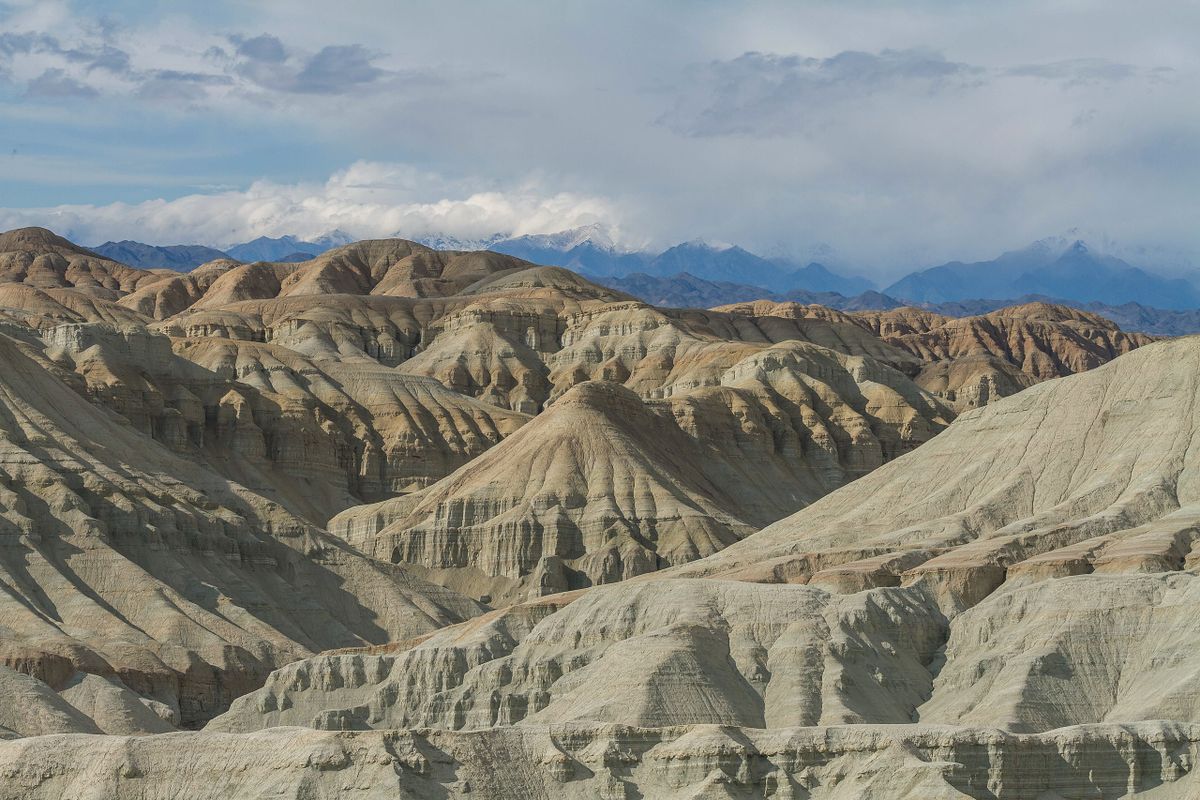
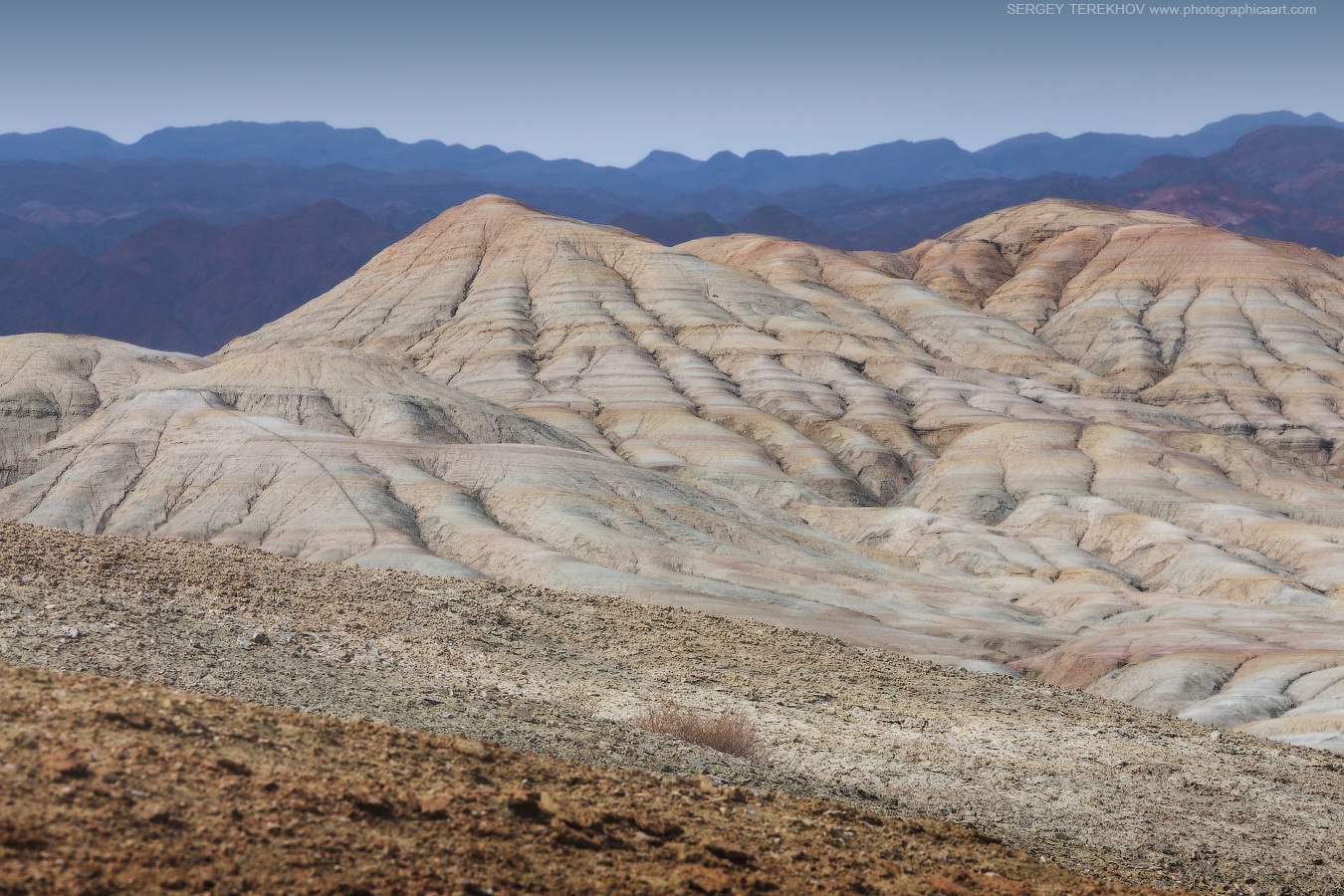
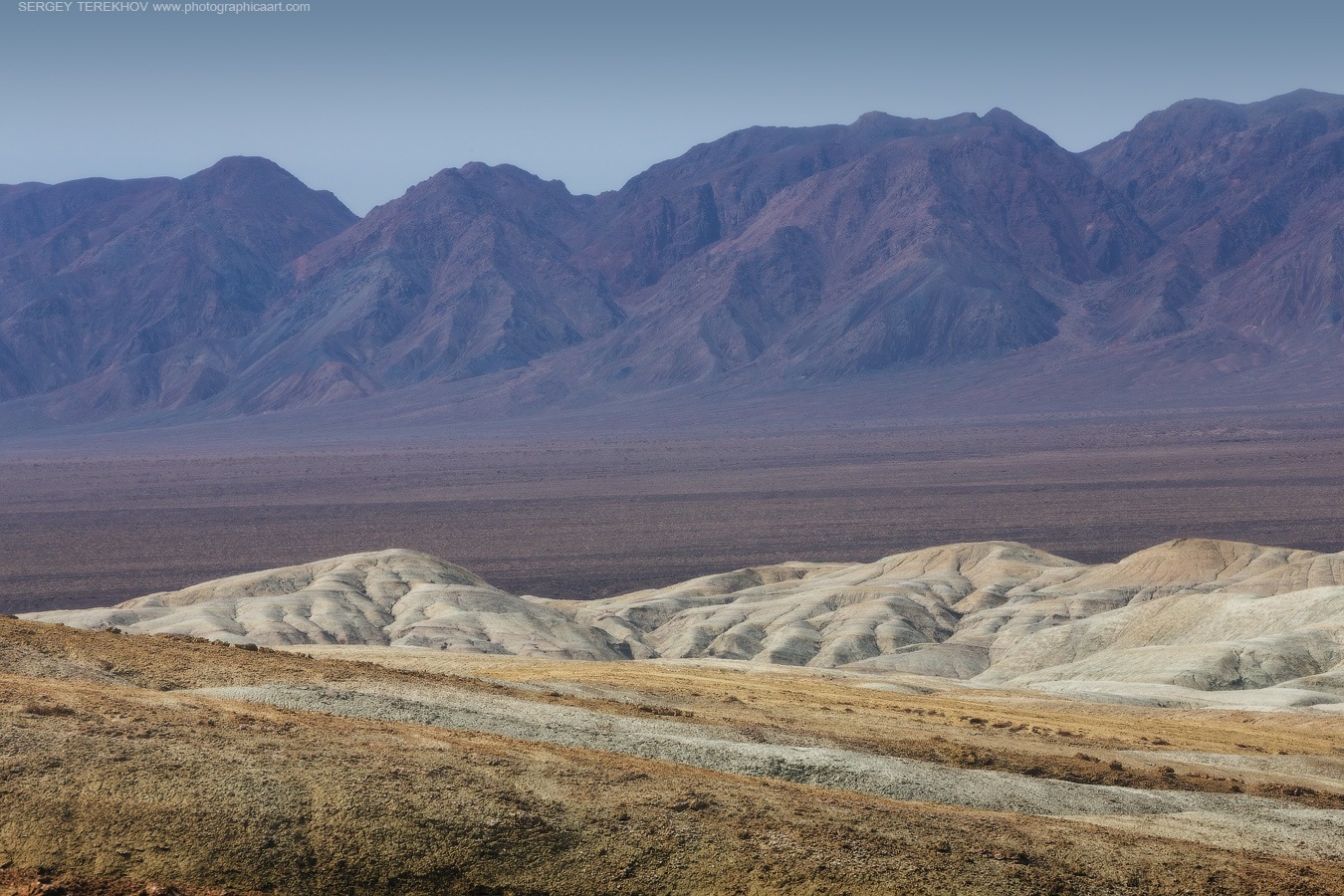
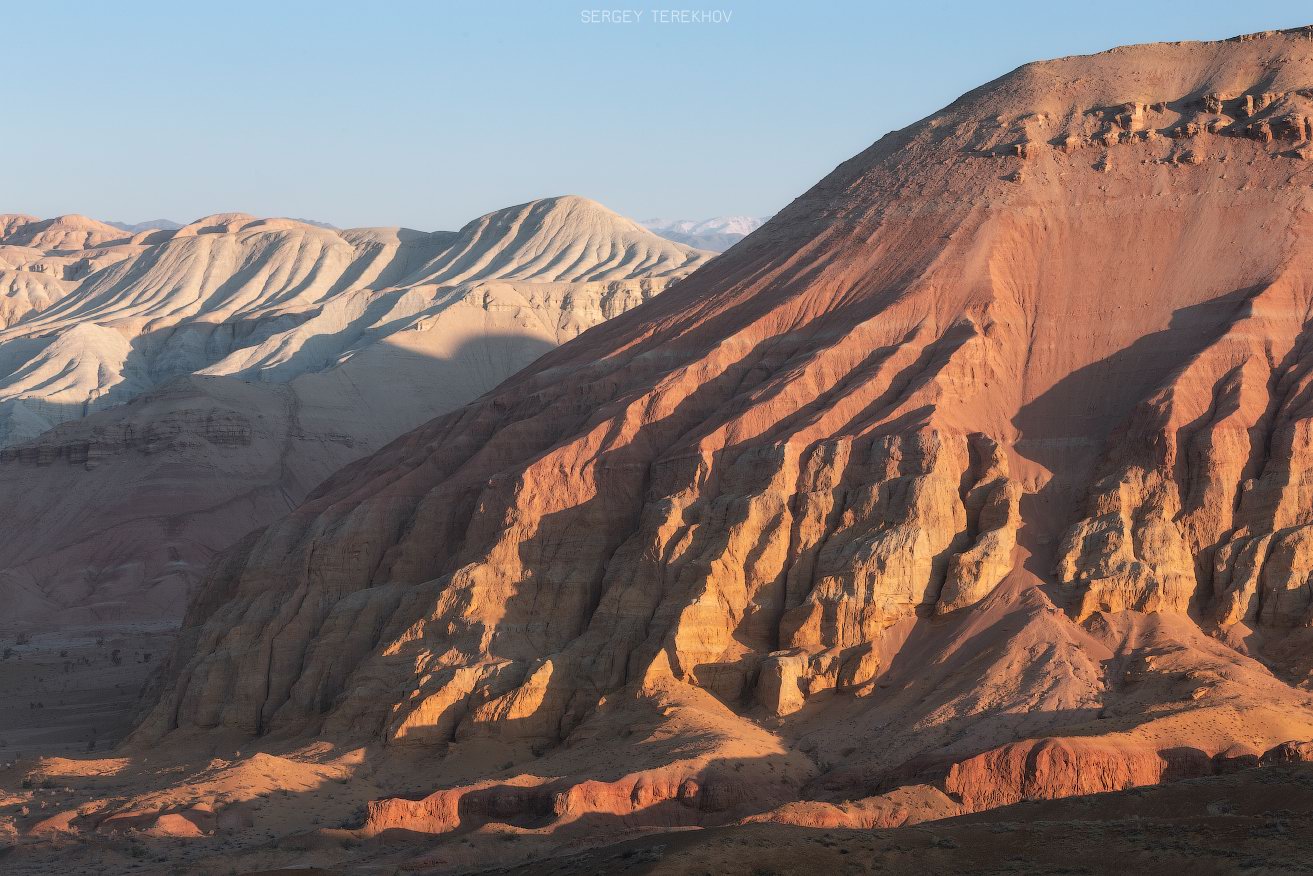
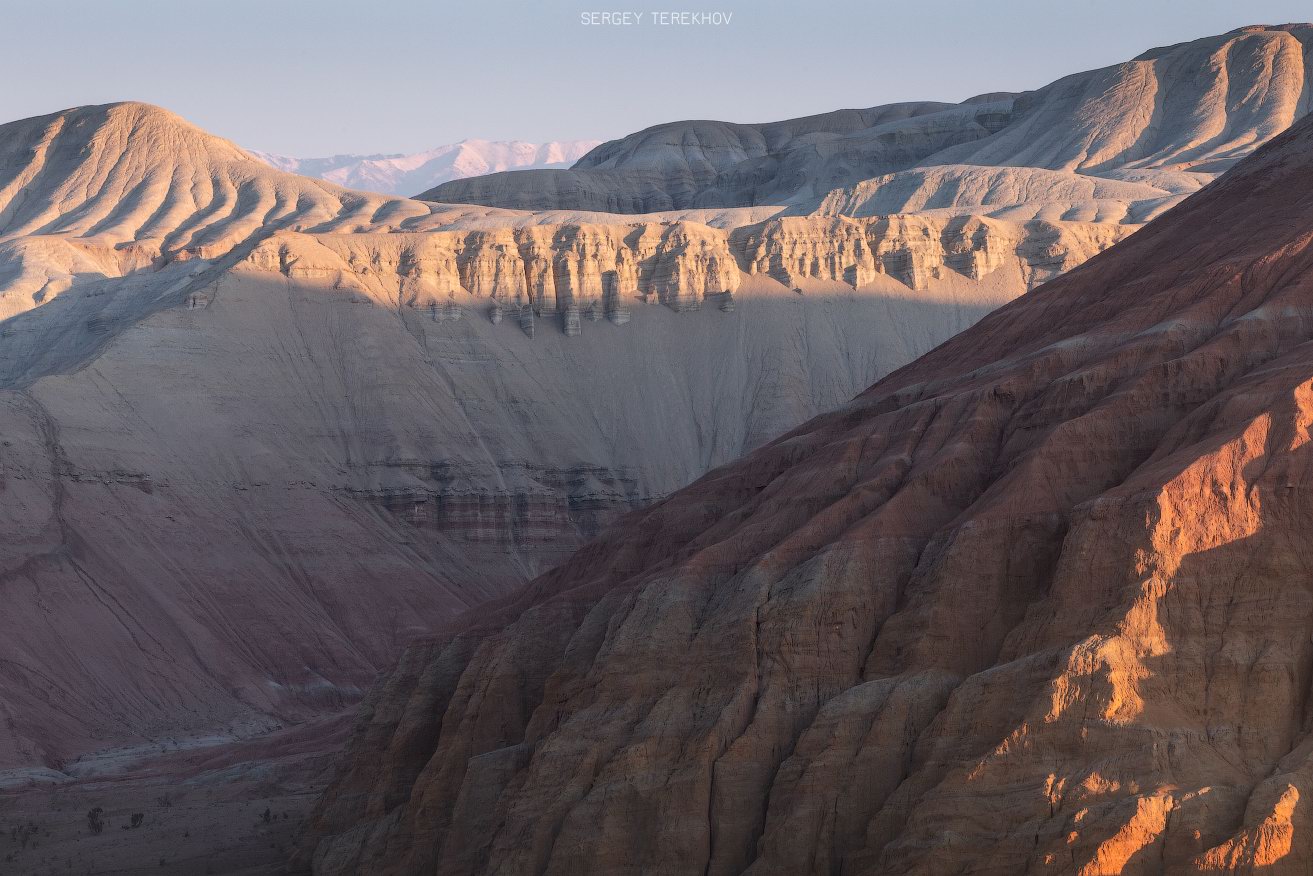
Striking pale-colored hills eroded into intricate patterns. A geological wonder inside Altyn-Emel.
Essential Profile
The color is the first thing that stops you.
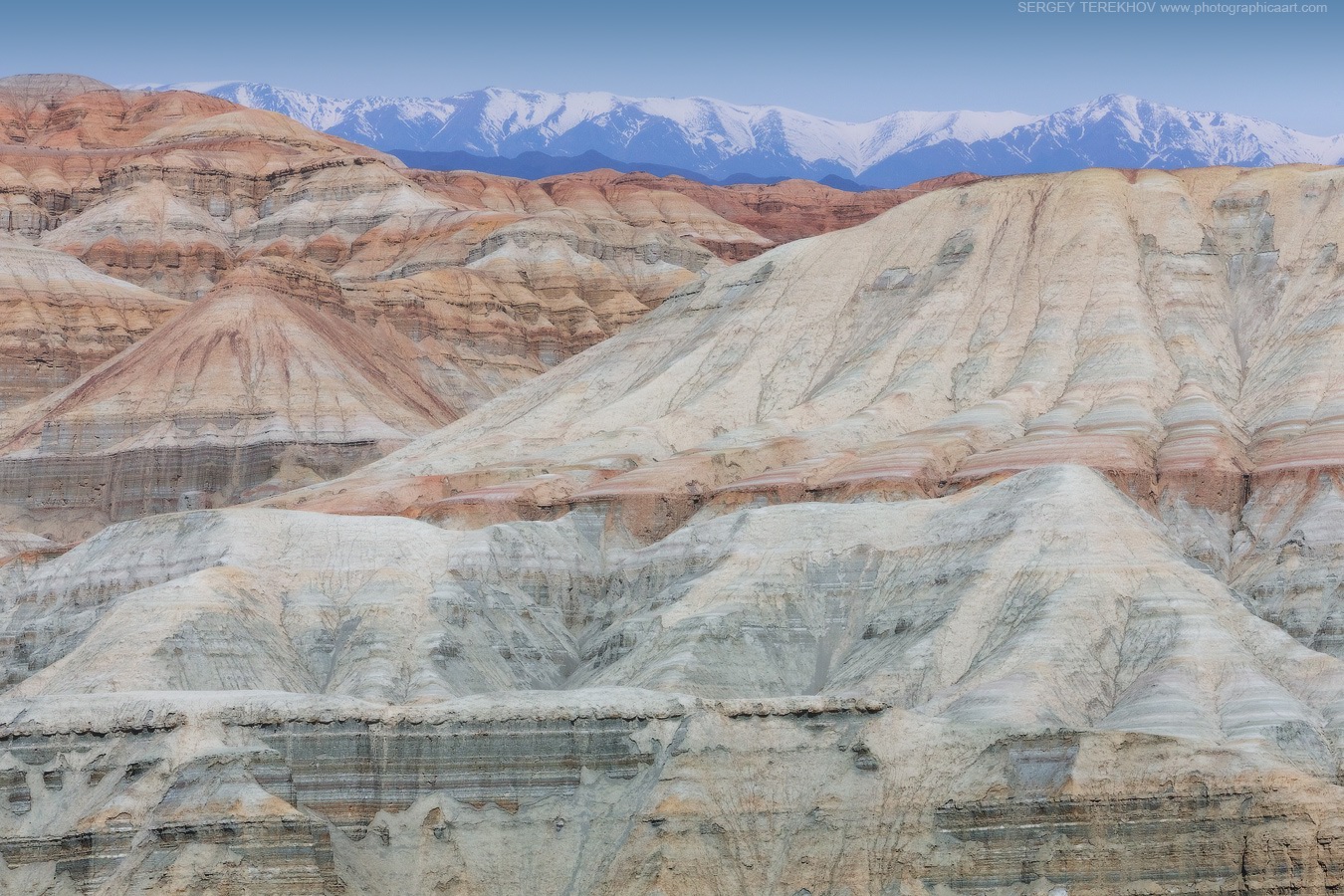
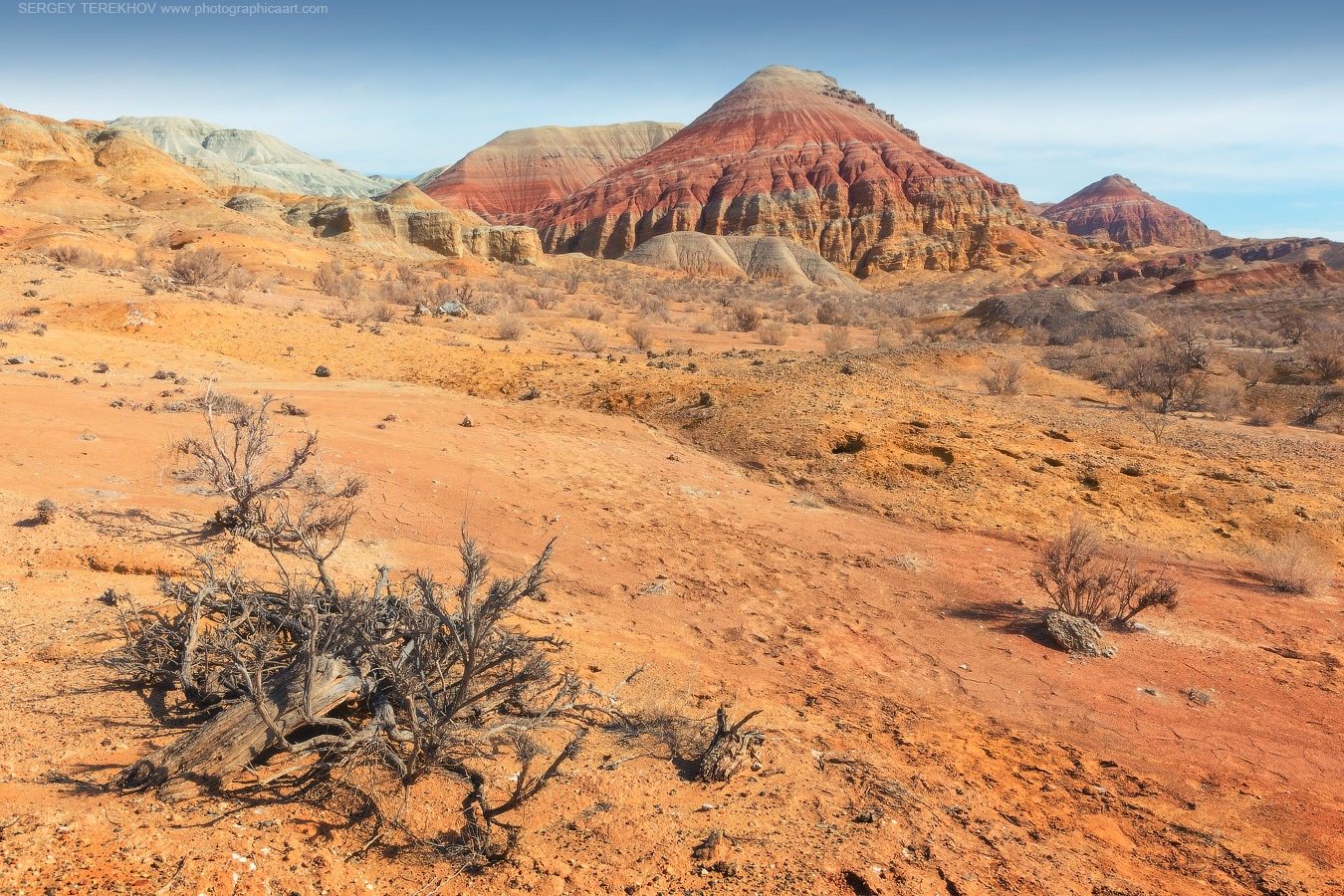
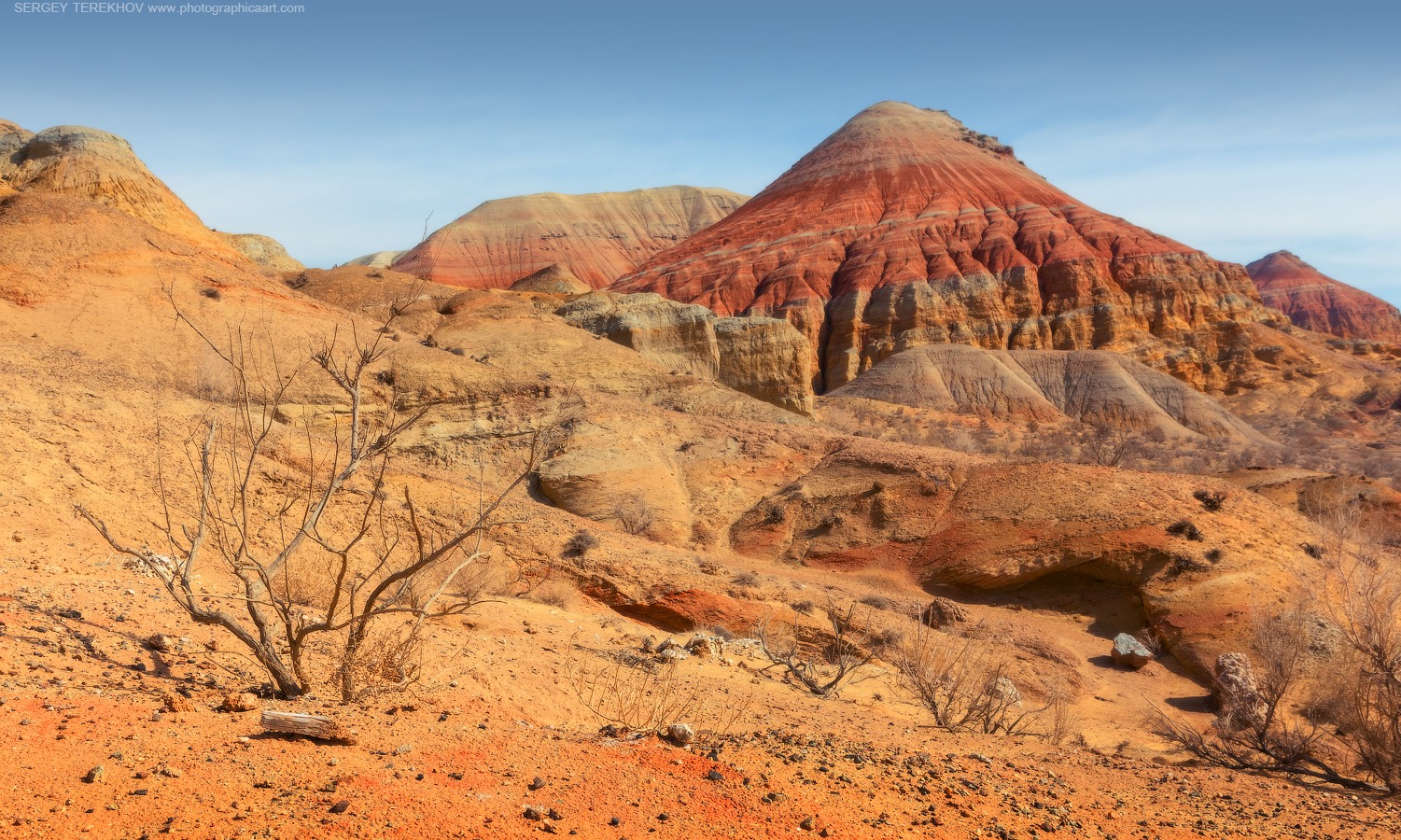
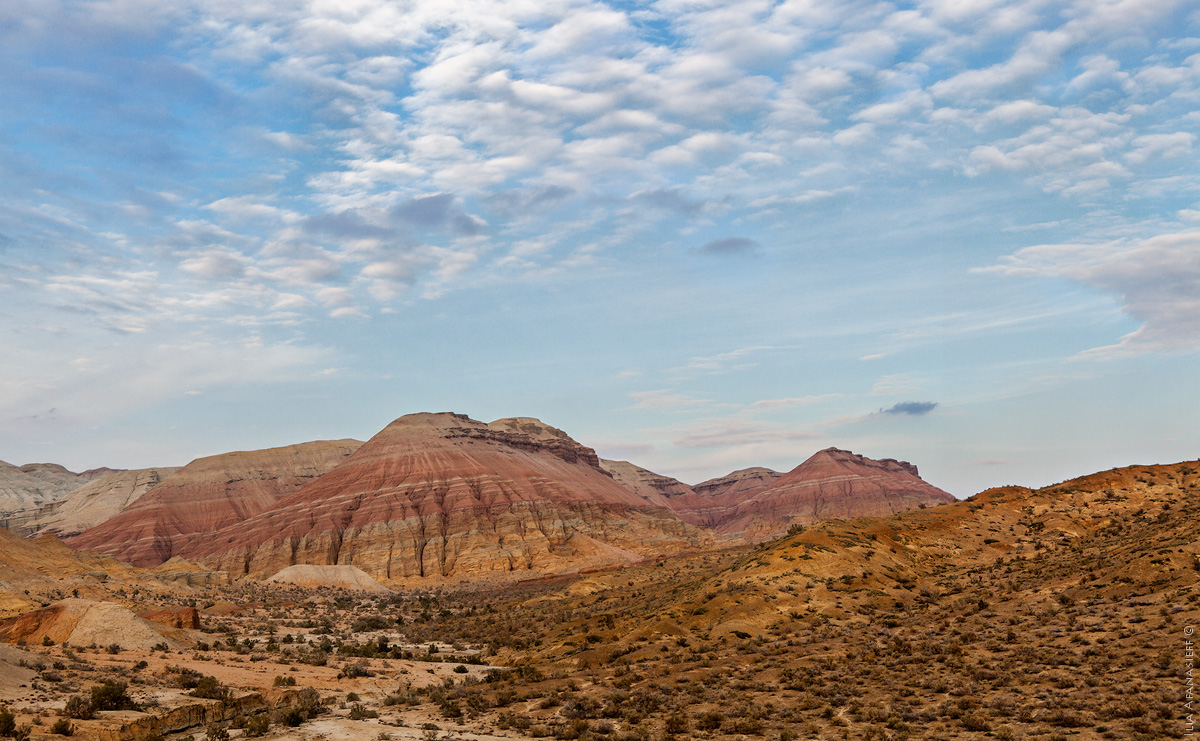
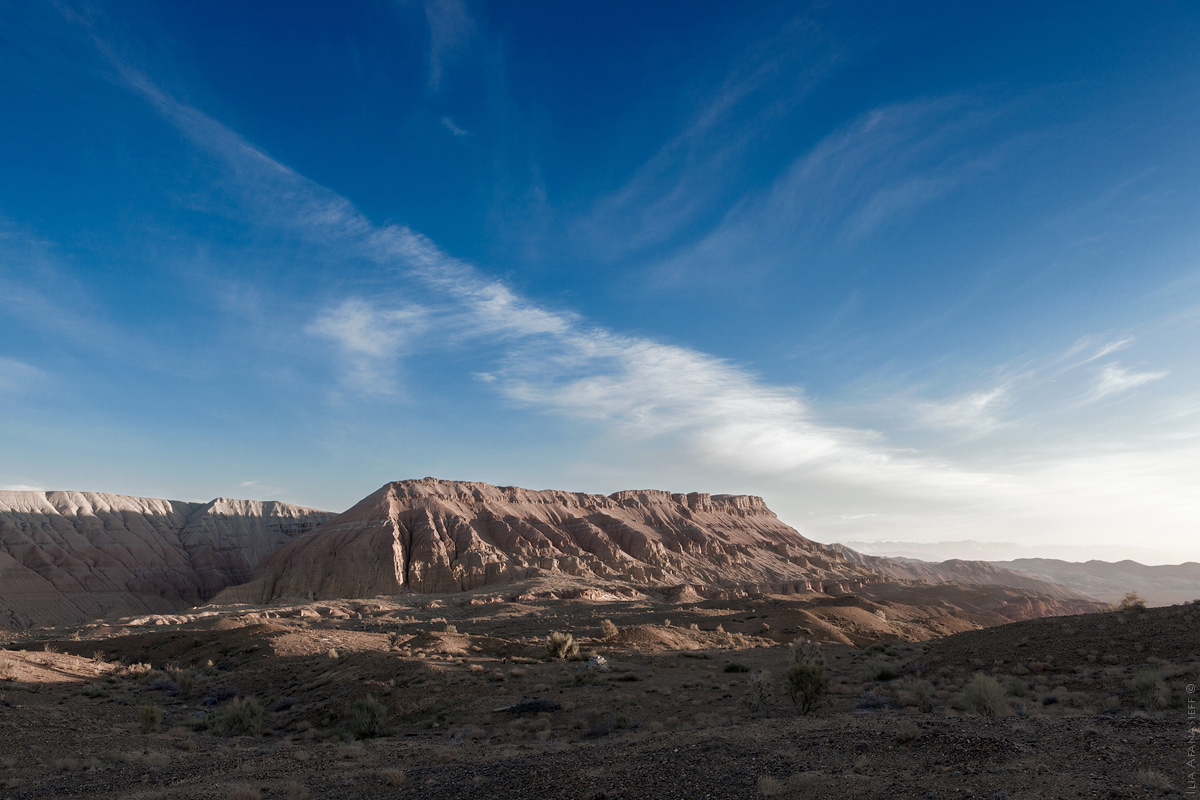
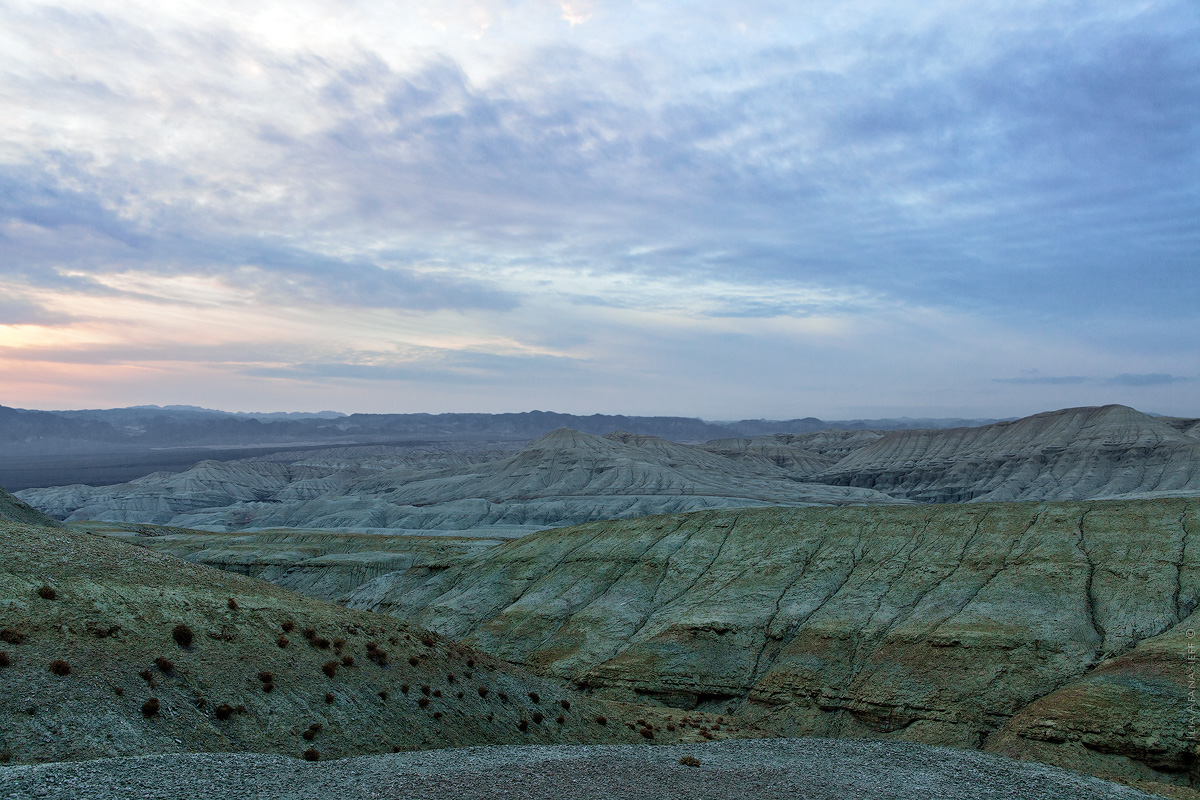
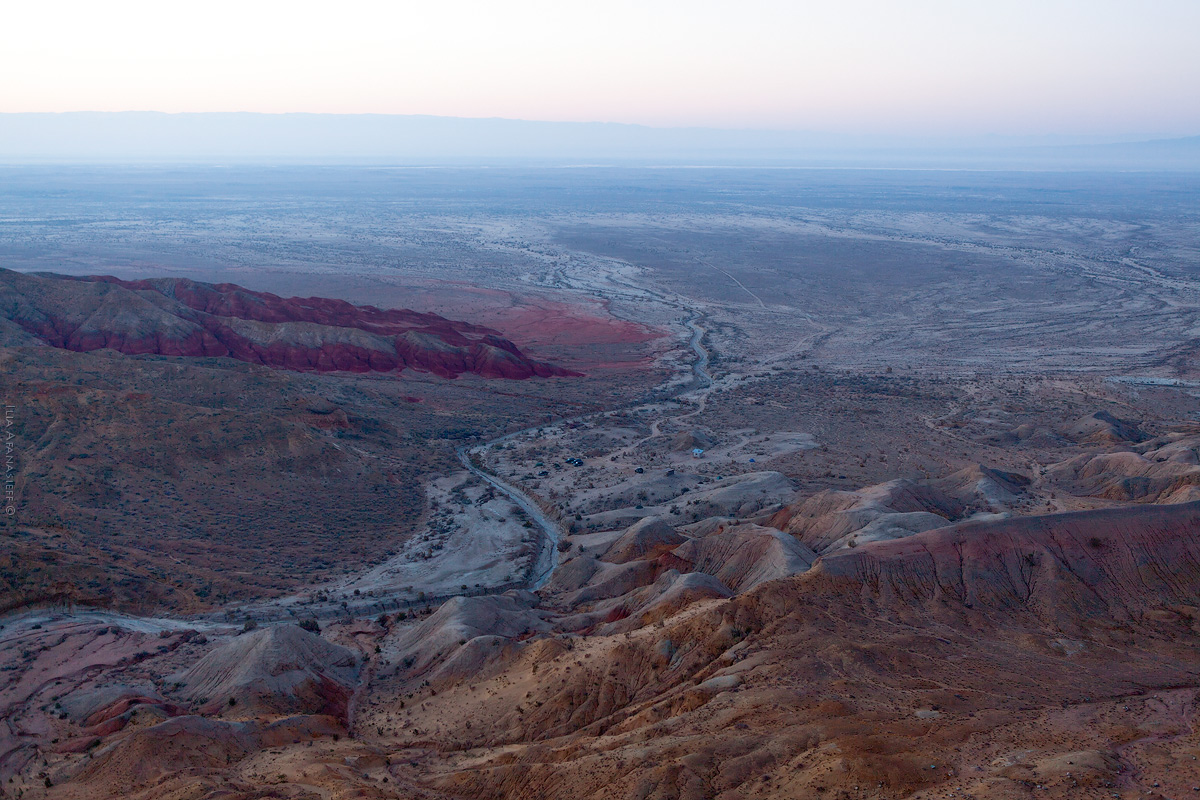
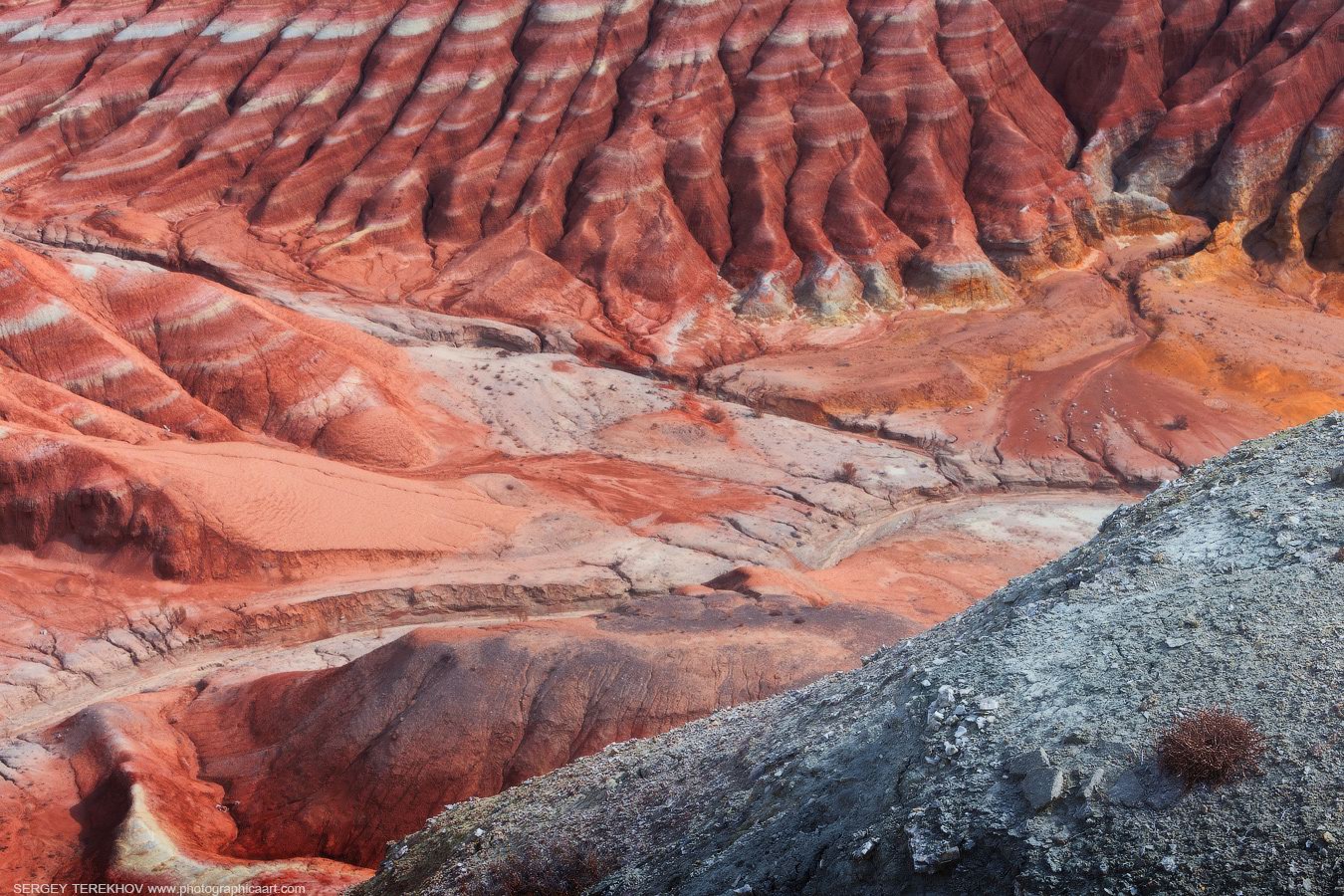
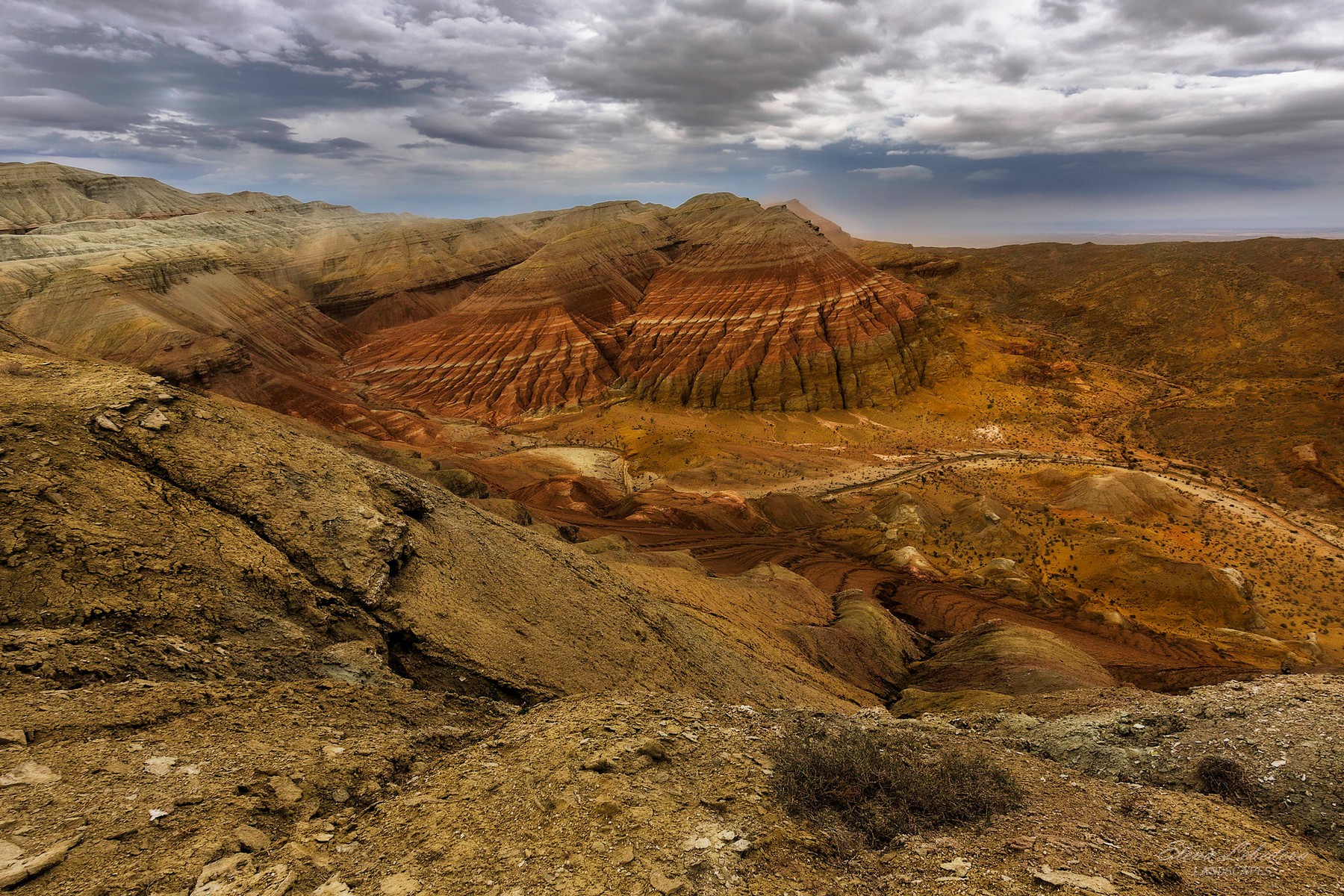
Not because you weren't told about it — you were, you've seen the photographs — but because the photographs don't communicate the saturation. The Aktau Mountains, inside the Altyn-Emel National Park in Kazakhstan's Almaty Region, are chalk-white and rust-red and yellow-ochre and a specific shade of blue-grey that appears in the deeper clay layers — and these colors are not muted. They're not the gentle pastels of a watercolor. They're dense, mineral, startlingly vivid against the brown steppe surrounding them.
Zhaksybek — a ranger who has worked Altyn-Emel for sixteen years — watched me standing still at the first viewpoint and said nothing for a while. Then: "People always stop. Even the who've been here before."
The mountains formed from sediments deposited when this part of Central Asia was covered by the Tethys Sea, some 400 million years ago. Over geological time, these layers were lifted, compressed, folded, and then eroded into the shapes you see today — jagged spires, rounded domes, deep channels carved by the rare desert floods that sculpt this landscape faster in afternoon than in a decade of ordinary weather. The fossil record preserved in the chalk layers includes indricotheres — prehistoric hornless rhinos, the largest land mammals ever known — whose bones turn up in the eroding rock with the casual regularity of a place that has been accumulating geological significance for longer than the concept of significance existed.
Altyn-Emel National Park, which contains the Aktau Mountains among its other attractions — including the famous Singing Dunes — covers 520,000 hectares of southeastern Kazakh steppe and semi-desert, and was established in 1996 to protect of the most biodiverse lowland ecosystems in the country.
For visitors, the Aktau Mountains are reached by 4x4 vehicle across unmaintained desert tracks from the park entrance at Basshi village. The colors are best in the early morning and late afternoon light. Midday bleaches them out. Come with time to spare.
The ‘Wow-Factor’
There's a specific moment, walking between the chalk spires of the Aktau Mountains, when you stop recognizing where you are.
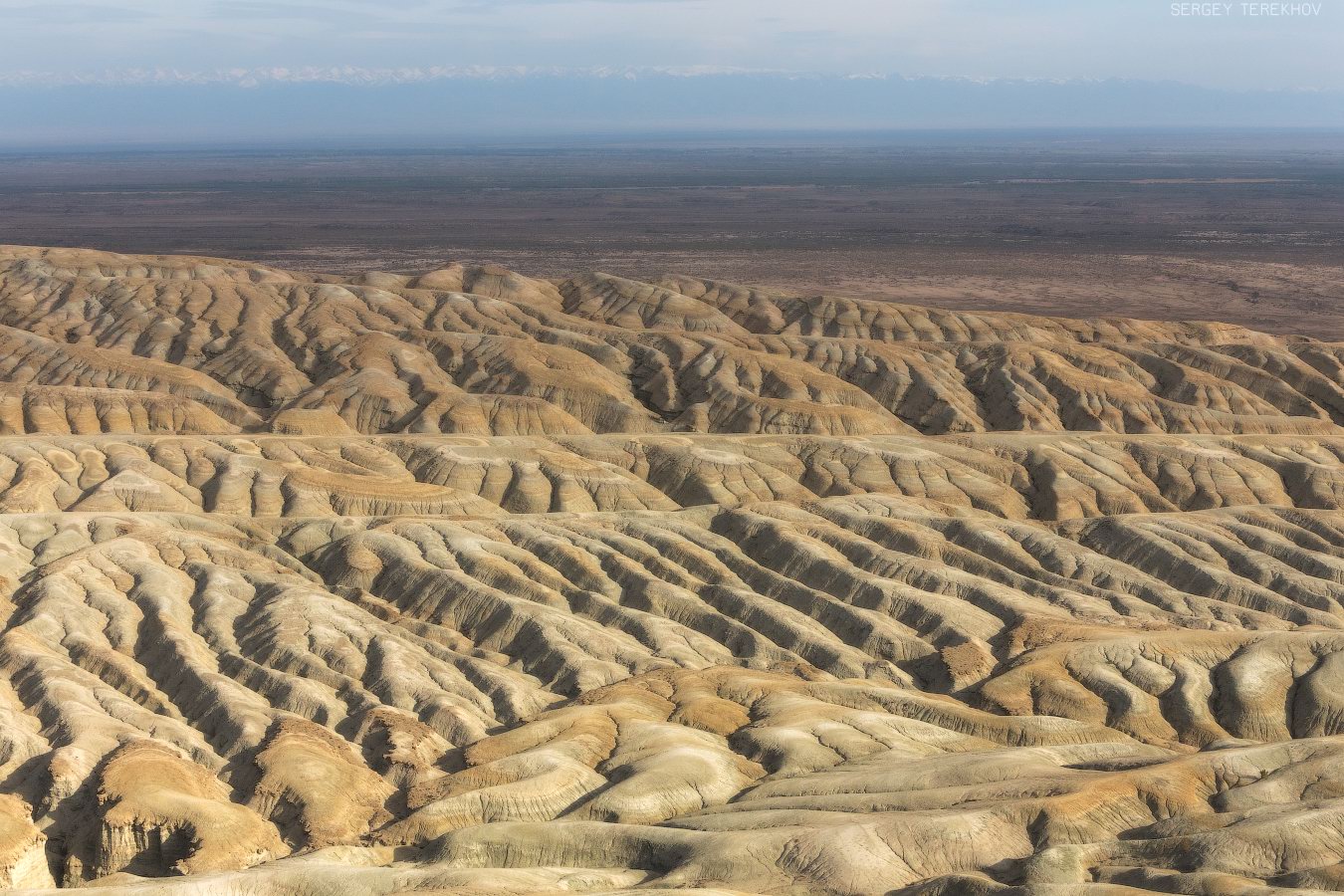
Not in a disorienting way. In the way of a landscape that has no reference point in your previous experience, so the brain keeps reaching for comparisons — the moon, Mars, a half-remembered image from a geology textbook — and finding none of them adequate. The chalk-white formations rise around you in shapes that erosion has been refining for four hundred million years, and they do not look like anything you have seen before except in the loosest sense.
The silence contributes to this. The Altyn-Emel steppe in the interior of the park, away from the road and the park infrastructure, is genuinely quiet — not the performed quiet of a designated silent area, but the actual quiet of a place too remote for ambient sound to reach. In the canyon sections between the mountains, the silence has a physical quality: the white walls absorb the wind rather than deflecting it, and what remains is your own breathing and the distant cry of a steppe eagle that sounds, at this distance, like the landscape has opinions.
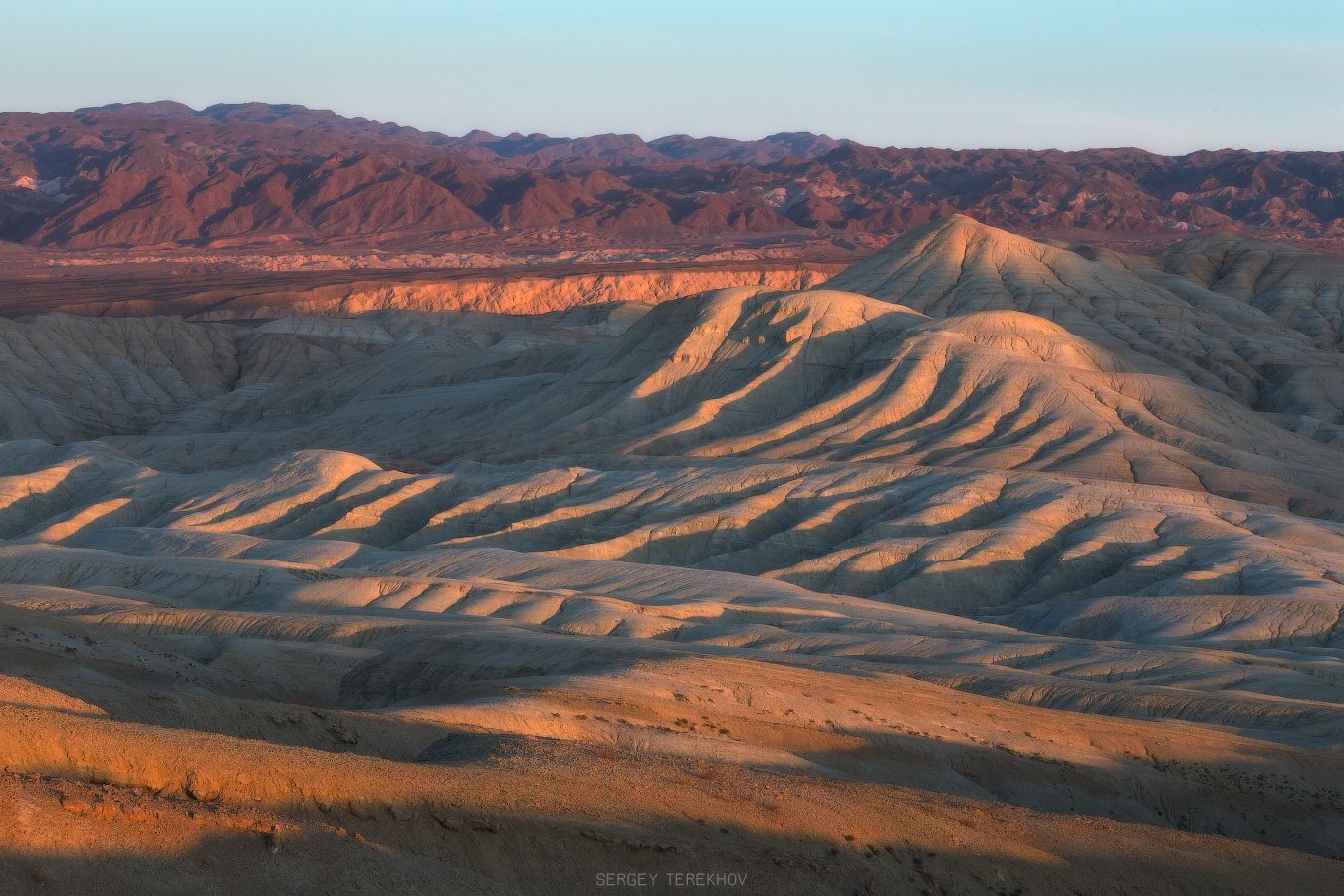
The colors change as the day moves. This is not rhetorical — the chalk layers react differently to different angles of sunlight, so the white mountain that was brilliant at nine in the morning is a different white at noon, and by late afternoon it's developing an amber warmth that makes the rust-red layers alongside it glow in a way that seems implausible until you're standing in it. Most visitors who arrive at midday and leave by two see perhaps a third of what the mountains offer.
Zhaksybek, the ranger, told me the best thing he'd seen here was a thunderstorm approaching from the east, with the mountains briefly lit in the storm light while the rain hit the desert flat and the smell of the chalk after rain — cold, mineral, specific to this rock type — filled the canyon. He said it happened maybe twice a year. He waited for it.
I understood that waiting.
Deep History & Culture
The chalk mountains of Altyn-Emel are of the oldest readable landscapes in Central Asia — but their story begins four hundred million years before the first human walked past them.
The sedimentary layers that form the Aktau Mountains were deposited when this part of the Eurasian continent was covered by the Tethys Sea, a warm shallow ocean that preceded the formation of the modern Mediterranean. Over geological time, these seabed deposits were compressed into chalk, marl, and clay; lifted by tectonic forces as the Tian Shan mountains rose to the south; and then exposed by erosion over millions of years into the forms visible today. The fossils preserved in the chalk — indricotheres (prehistoric hornless rhinos, the largest known land mammals), early horses, ancient turtles — record the ecosystem of a completely different world. The bones erode out of the cliff faces with the matter-of-fact regularity of a place that has too much geological time to make a fuss about any of it.
The first humans to use this landscape were Saka warrior-pastoralists, the Central Asian nomadic culture that preceded the Kazakh people — their kurgan burial mounds dot the Altyn-Emel steppe. For the nomadic Kazakhs who came after them, the Aktau Mountains were seasonal landmarks: visible from great distances across the flat steppe, useful as navigation references for the vast circular migrations that defined nomadic life in the region. The mountains weren't spiritual sites so much as practical geography — the way mountains function in a culture built for movement.
When Russian imperial surveyors mapped the region in the nineteenth century, the Altyn-Emel valley was part of the territory of the Great Zhuz, absorbed into the Russian Empire through the annexation process that displaced nomadic land rights across Kazakhstan between 1731 and the 1840s. The park that now protects this landscape was established in 1996, after independence — a decision to restore formal protection to terrain that the Soviet era had used for grazing without conservation intent.
The fossils, the colors, and the silence have been here through all of it. They'll outlast whatever comes next.
Practical Digital Logistics
The logistics for Altyn-Emel are specific, and getting them right determines whether you see the mountains or spend half your day managing transport problems.
The park entrance is at Basshi village, roughly 180 kilometers east of Almaty. The drive from the city takes approximately 2.5 to 3 hours on the main road. Basshi is where you pay the park entry fee and, if you haven't arranged a guide vehicle in advance, where you'll need to find.
The Aktau Mountains themselves sit about 50 to 80 kilometers inside the park from Basshi, across desert tracks that require a high-clearance 4x4. This is not a figure of speech: the tracks in the park interior are unmaintained desert surface, deeply rutted after rain and soft in sections during hot weather. Standard vehicles will not make it. Most visitors either join an organized tour from Almaty that includes appropriate transport, or hire a vehicle and driver at the park entrance. The latter is possible but requires some flexibility in scheduling and negotiation.
Two-day tours from Almaty that cover the Aktau Mountains and the Singing Dunes (also within Altyn-Emel, approximately 30 kilometers from the mountains) are the most efficient format for visitors with limited time.-day trips are possible for the mountains alone but involve very long driving days. Pricing for organized tours varies significantly — confirm what's included (guide, fuel, park fees, accommodation if overnight) before committing.
Park entry fees are paid at the Basshi gate; bring cash. The fee structure varies by nationality and activity; rangers at the gate will advise on current rates.
What to bring: minimum 3 liters of water per person (there's nothing in the canyon), high SPF sunscreen, a hat with actual coverage, closed shoes for rocky terrain. No shade exists in the canyon sections. If you arrive between 11am and 3pm in summer, the heat is extreme. Morning and late afternoon are the right times to be in the mountains.
Must-Do Activities
The Aktau Mountains are not an attraction you move through efficiently. They're you stop in, repeatedly, because the terrain keeps changing and the light keeps changing and what you thought you'd understood about the place turns out to have additional layers.
Walking the canyon channels. The erosion channels between the chalk formations are navigable on foot, and this is the primary way to experience the mountains. The scale becomes comprehensible at walking pace in a way it doesn't from a vehicle: the spires that looked merely tall from the track are enormous you're among them, the colored layers at eye level reveal textures and fossil inclusions invisible from any distance, and the wind in the canyon sounds different depending on the channel geometry. Budget two to three hours for serious walking.
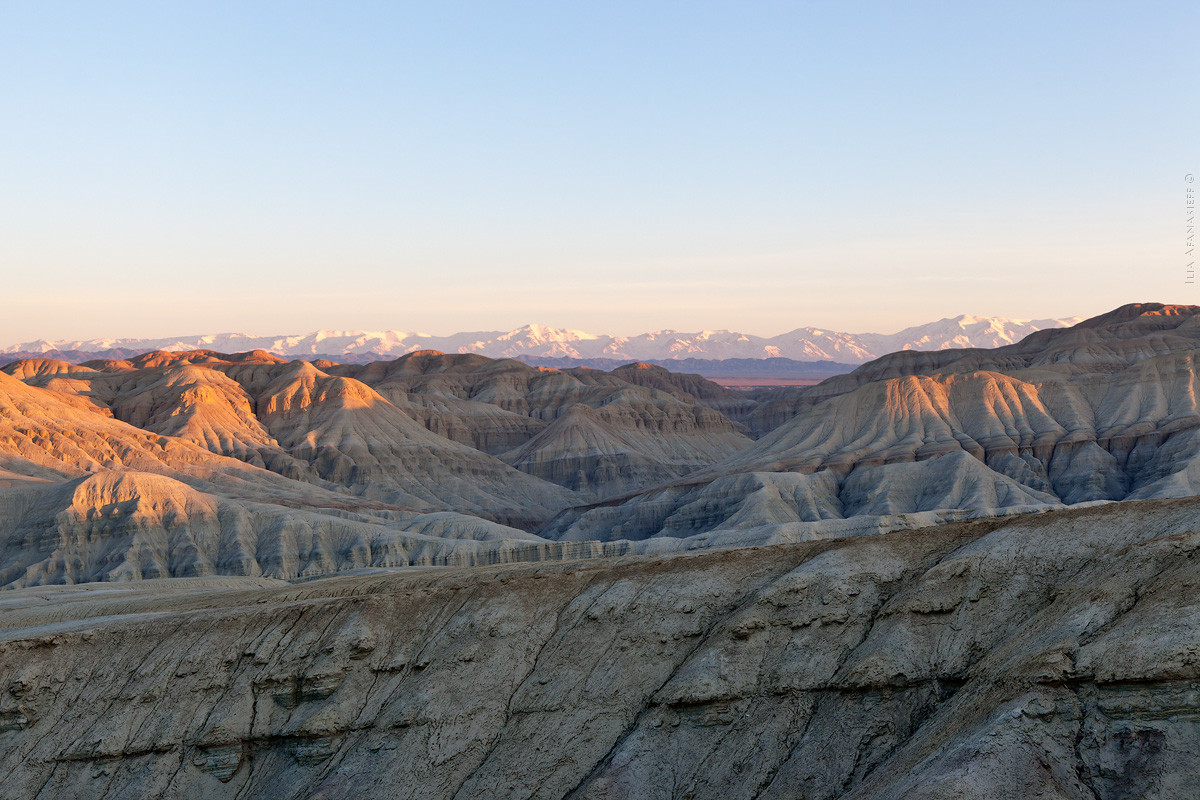
The early morning light. Arrive at the mountains before nine if you possibly can. The chalk faces catch the low-angle sunlight in a way that makes the colors genuinely luminous — white sections glow, red layers intensify, the blue-grey clay takes on a warmth it doesn't have at other times. By eleven, the light is overhead and flat, and the mountains look fine but not extraordinary. The difference between these two things is about two hours of driving earlier than feels reasonable.
The Singing Dunes (Altyn-Emel). The park contains another major attraction roughly 30 kilometers from the Aktau Mountains: a massive barchan sand dune that produces a resonant humming sound under the right wind conditions — the source of the "singing" name. If you're making the journey to Altyn-Emel for the mountains, factoring in the dunes is straightforward on a two-day itinerary. The sound, when it happens, is genuinely strange. Worth the detour.
Fossil hunting (observing). The chalk cliffs erode consistently, and bone fragments of prehistoric fauna appear regularly in the debris at the base of the formations. Zhaksybek, or another park ranger guide, can show you where to look and what you're looking at. Collecting anything is prohibited — but understanding the scale of the fossil record here, explained by someone who knows it, changes how you look at the landscape.
Local Flavors & Amenities
Food and accommodation in the Altyn-Emel area operate on the logic of a remote national park in a steppe region: functional, local, honest, and not designed to impress.
The village of Basshi, at the park entrance, has basic food options — small canteens and guesthouses serving the standard southern Kazakh menu of lamb-based dishes, bread, tea, and whatever seasonal produce the region has to offer. The shashlik is reliable. The beshbarmak — when it's prepared — is the version that takes time and care, not the tourist-adapted shortcut. Tea is always available. The portions are sized for people who've been outside all day and haven't eaten since dawn.
For overnight stays in the park area, guesthouses in Basshi provide basic accommodation — clean rooms, reliable food, and hosts who have been dealing with park visitors for long enough to know what information is actually useful. Rates are modest by any comparison. Book in advance if you're visiting during the summer season (June through August), when domestic tourism in the park creates genuine demand.
Some tour operators offer yurt accommodation within or near the park, which provides the specific experience of sleeping in a traditional Kazakh yurt on the steppe with the Aktau Mountains in proximity. This is not a synthetic tourism product — the yurt is the appropriate structure for this landscape and the people who developed it understood the steppe's conditions far better than any hotel designer. The experience of being inside a properly constructed yurt during a desert night, when the temperature drops sharply and the felt walls do exactly what they were designed to do, is worth seeking out.
For visitors returning to Almaty after the park, the drive back (2.5 to 3 hours) passes through Kapchagay, where various catering options are available. The city itself has everything else you need after a few days of desert simplicity.
Essential Insider Tips
The decisions you make before reaching the mountains matter more than the you make when you're there.
Arrive before 9am. The colors of the Aktau Mountains at low sun angle are a different phenomenon from the same mountains at midday. Not slightly different — fundamentally different. The chalk walls glow at nine in the morning in a way they simply don't at noon, when the overhead light flattens everything. The two-hour earlier departure from Almaty or Basshi is the single most impactful logistical decision you can make.
Don't go in July midday heat without serious preparation. Temperatures in Altyn-Emel in July reach 42 to 45°C. In the canyon sections of the mountains, where there's no shade and the chalk walls radiate absorbed heat, it is physically dangerous without adequate water, head covering, and the discipline to return to the vehicle when you need to. The advice "drink plenty of water" understates this. Three liters minimum, per person, for a morning visit.
The chalk erodes. Don't lean on the formations, don't climb sections that appear fragile, and don't dislodge material in the fossil areas. The park rangers will advise you on this, but the reasoning is worth understanding: the geological record being preserved here is irreplaceable, and tourist pressure on soft chalk formations is cumulative and real.
Take offline maps before you lose signal. Cell coverage in the park interior is unreliable to absent. Download offline maps before leaving Basshi. Also photograph the track you drove in on — it's remarkably easy to get disoriented in the canyon interior, where the formations look similar from multiple directions and the track isn't always obvious.
Pack a light meal. The park has no food facilities inside the boundaries. Basshi has options, but if your plan is a full morning in the mountains and return to Basshi for lunch, you'll be genuinely hungry by 11am and it will affect your mood. Bread and something simple solves this completely.
Sustainability & Community
The Aktau Mountains are geologically fragile in ways that aren't immediately apparent from looking at them.
The chalk and marl formations have been eroding naturally for millions of years, and the erosion process is what created the colors and shapes that draw visitors in the first place. But natural erosion and tourist-accelerated erosion are different things. Chalk is soft. Formations that look solid can be destabilized by climbing, leaning, and the accumulated impact of boots on unstable surfaces. The fossil record embedded in the cliff faces — indricothere bones, ancient turtle shells, marine fossils from the Tethys Sea — erodes out on its own schedule. Fossil collectors who remove material (this is illegal) accelerate the loss of a record that doesn't regenerate.
The park rangers at Altyn-Emel take the physical protection of the formations seriously, and their guidance on where to walk and what not to touch is worth following as instruction rather than suggestion. The park manages a balance between access and preservation that requires visitor cooperation to function.
The community aspect of sustainability in the Altyn-Emel area centers on Basshi village and the smaller settlements along the park periphery. The families who run guesthouses and vehicle hire operations in Basshi have structured their livelihoods around park tourism; when visitors use local services rather than Almaty-based operators who don't pass economic benefit to the area, the economics of conservation become local rather than abstract.
The Singing Dunes and the Aktau Mountains together represent of Kazakhstan's most distinctive natural landscapes — the kind of thing that, lost to development pressure or resource extraction, doesn't come back. The park's continued protection depends on political will that's easier to maintain when the adjacent communities have a direct economic stake in what the park provides.
Visit. Spend money in Basshi. Take nothing. Come back if you can.
Key Facts
- Martian Landscape
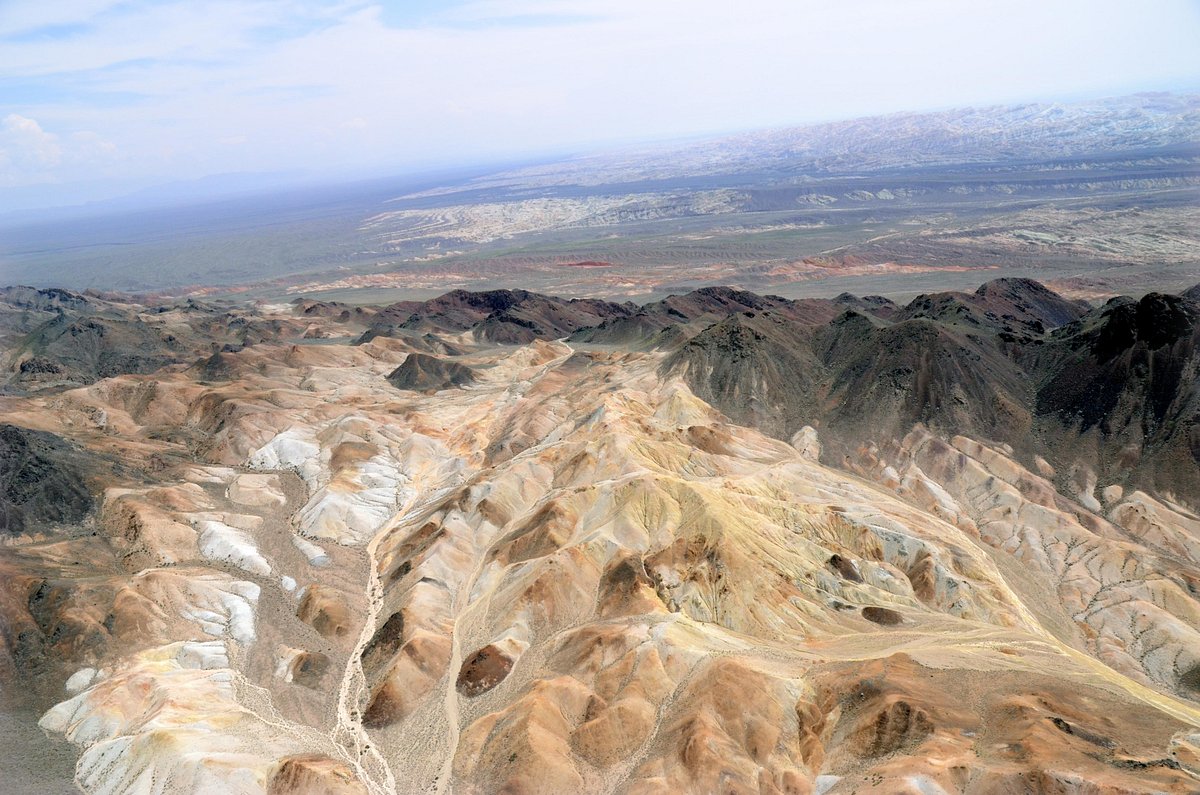
- The white and red clay formations create a surreal, Martian-like scenery that is a favorite for world-class landscape photographers.
- Ancient Sea Origin
- These mountains are the remains of the ancient Tethys Ocean, where you can still find fossilized remains of ancient marine life.
- Chalk Formations
- The unique chalk walls have been sculpted by wind and water erosion over millions of years into majestic natural cathedrals.
- Hiking Routes
- The area offers diverse trekking paths ranging from easy walks on the valley floor to challenging ridge climbs with panoramic views.
- Biodiversity
- Despite the arid appearance, the mountains are home to rare endemic plants and the elusive Persian gazelle.
- Sunset Viewing
- At sunset, the mountains change from pale white to deep orange and crimson, offering a breathtaking sensory experience for visitors.
Photo Gallery
Video coming soon
Aktau Mountains
Loading map...Loading map...
Frequently Asked Questions
Have a question?
Ask and get answers in seconds!
Discussion 0
No comments yet. Start the conversation!
Leave a Reply