Botai Settlement
Switzerland of Kazakhstan. Lakes, pines, and legends.
Essential Profile
Where the Horse Was First Made Useful
The bones tell the story. Five and a half thousand years ago, on the high banks of the Iman-Burluk River in what is now northern Kazakhstan, the people of the Botai culture surrounded themselves with horses so completely that their archaeological signature is almost nothing but equine remains. Hundreds of thousands of horse bones — from settlements that archaeologist Sandra Olsen and her colleagues excavated over decades — along with the chemical traces of mare's milk in ceramic vessels, the wear patterns on horse teeth that indicate a bit, the skeletal markers of animals that bore weight on their backs. This is the cumulative evidence that Botai is where domestication happened. Not the symbolic birthplace of an idea, but the literal location of the first transformed relationship between a human being and a horse.
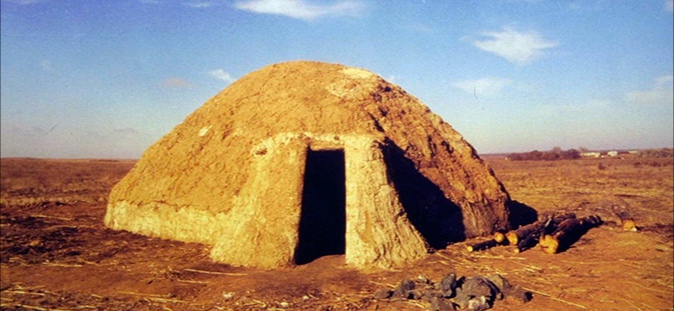
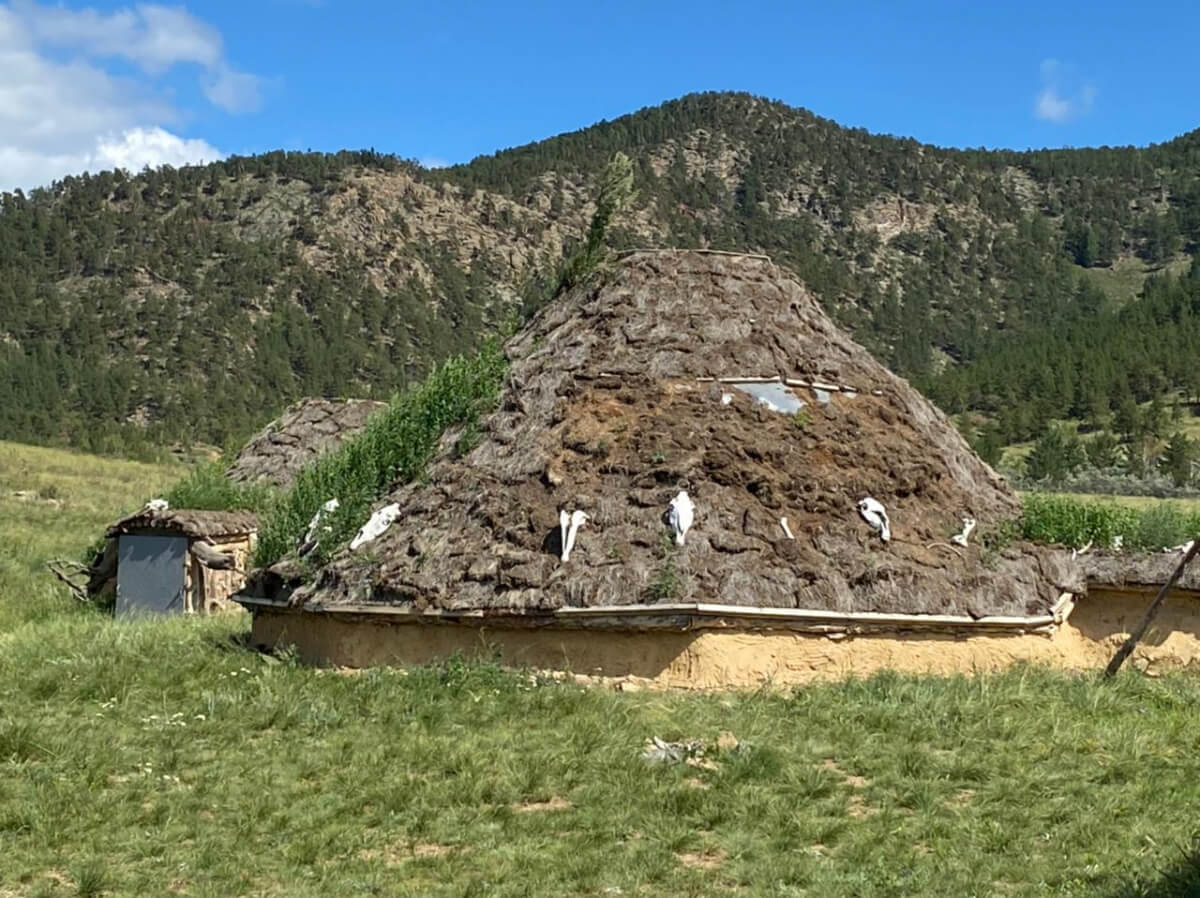
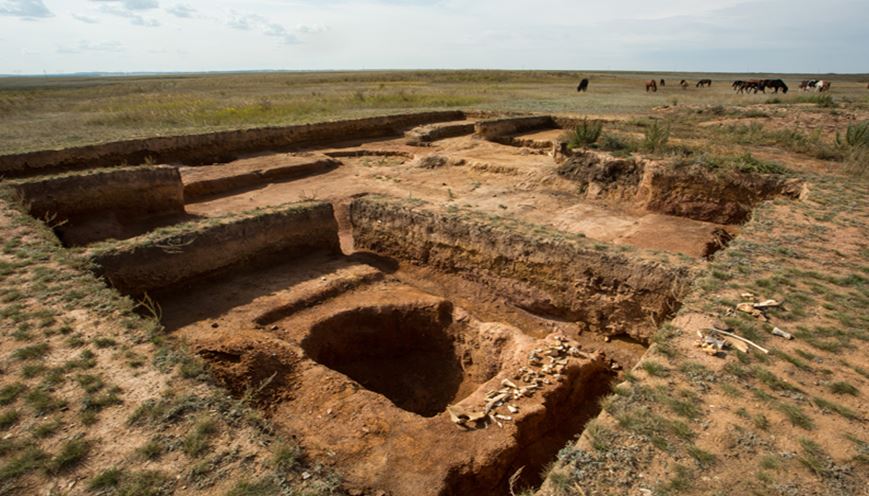
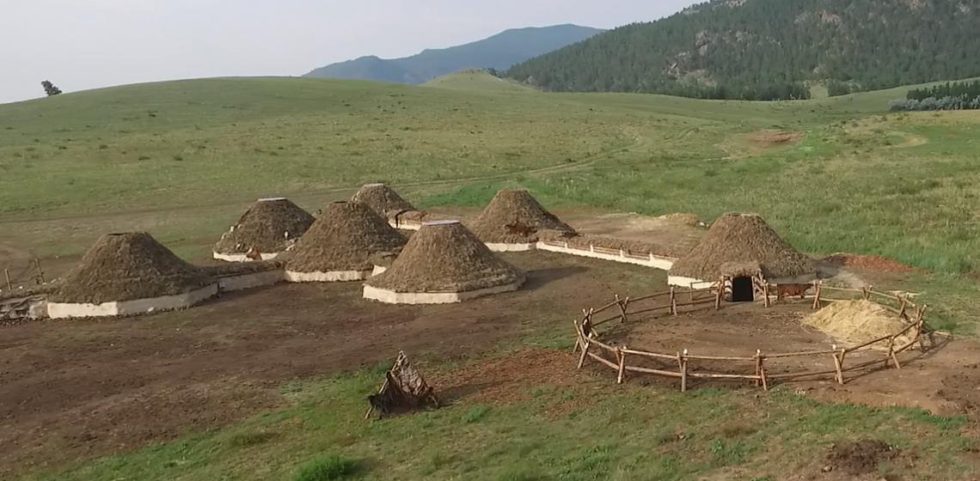
The Botai Settlement sits approximately 130 kilometers southeast of Petropavl in North Kazakhstan Oblast, on the river bank of the Iman-Burluk. The site contains the traces of over 160 semi-subterranean dwellings — pit houses dug into the earth and roofed with wood and hide — and a staggering density of horse bones that has no parallel in any contemporary site anywhere on the Eurasian steppe. The culture that lived here between 3500 and 3000 BCE was organized almost entirely around the horse: not just for riding, but for milk, meat, hide, and the social reorganization that comes with the ability to move faster than you could walk.
Before Botai, humans hunted wild horses. After Botai, humans rode them. The implications for human history are not minor. The horse-mounted cultures of the Eurasian steppe — the Saka, the Scythians, the various nomadic confederacies that eventually gave rise to Kazakh identity — all flow downstream from what happened at this river bank. And the horse-mounted warfare that shaped the ancient world, from the steppe raiders who terrorized settled civilizations to the cavalry that decided countless battles for three thousand years — all of that begins here too.
Essential Facts
The Botai Settlement site is located near Nikolskoye village, North Kazakhstan Oblast, approximately 130 kilometers southeast of Petropavl. The site is an active archaeological research location, not a fully developed visitor attraction. Accessing it requires advance arrangement — either through a Petropavl-based tour operator or by contacting the Kokshetau University archaeological program, which manages research access. The drive from Petropavl passes through forest-steppe landscape that itself provides context for understanding why this particular location was attractive to a horse-centered culture five thousand years ago. The site museum at Petropavl contains artifacts from the excavations; visiting the museum before the settlement provides essential orientation.
The ‘Wow-Factor’
The Weight of What Happened Here
The site doesn't look like what you expect a world-changing place to look like. No monument. No visible architecture. The Iman-Burluk River moves through the forest-steppe below the settlement bank with the indifference it has maintained for millennia, and the grass grows over the earth that covered the pit houses of the Botai culture with the same thorough indifference to human categories of significance.
And then the guide — if you have, which you should — describes what the ground beneath your feet contains, and something shifts. Here, in this specific bend of the river, on this specific elevated bank that provided visibility and defensibility, five thousand years ago a community of human beings figured out that you could ride a horse. Not just eat. Not just use it for transport. Ride it, with a bit, under control, at speed. The world has not been the same since. Every cavalry battle in human history, every horse-drawn cart, every steppe empire, every mounted culture from the Saka to the Mongols to the Cossacks — the entire category of human-horse partnership begins on this bank.
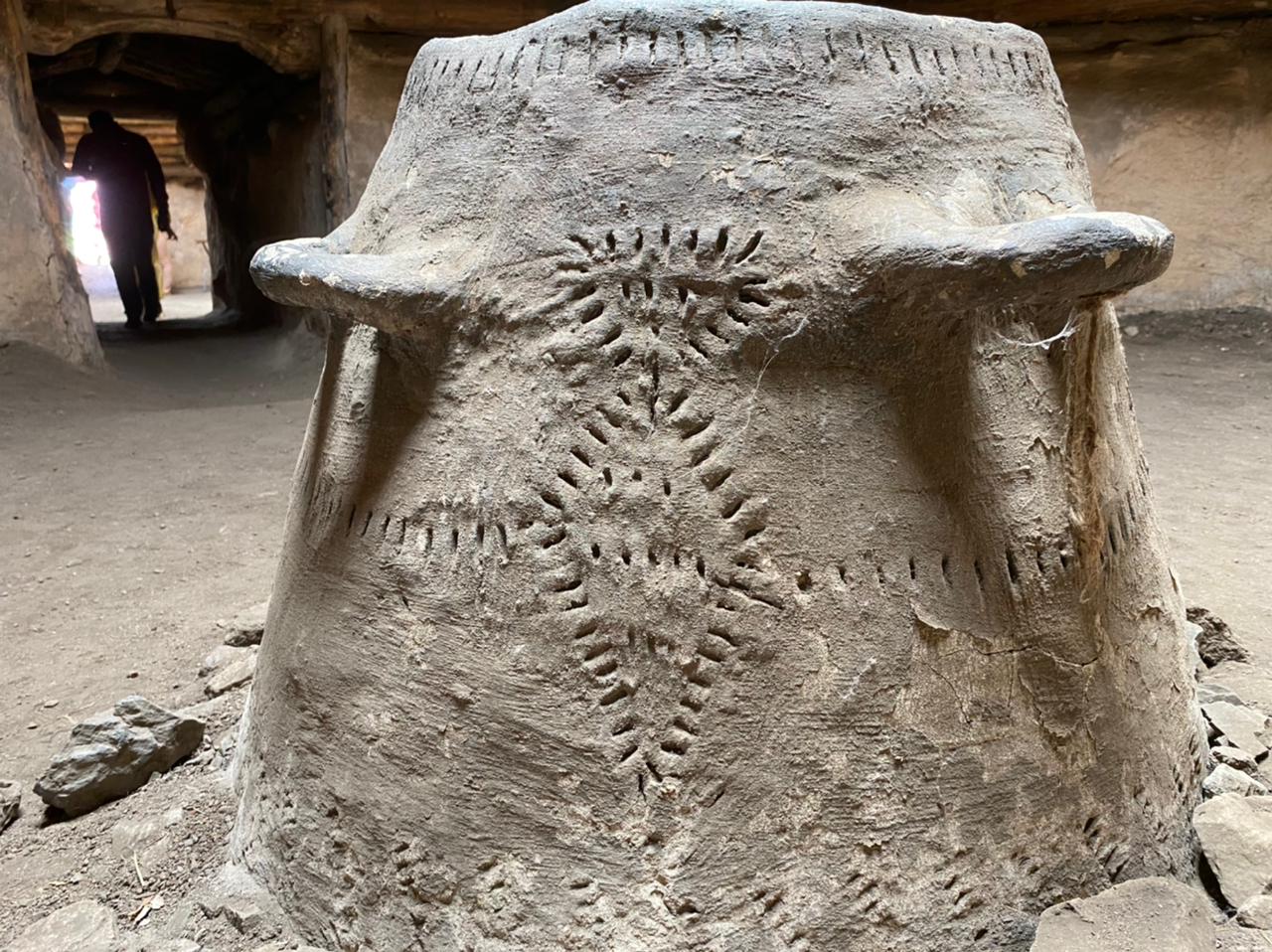
The bones are the evidence. Hundreds of thousands of horse bones in a settlement whose economy was almost entirely organized around the horse. The chemical signatures of mare's milk in the ceramic vessels — the same kumiss (fermented mare's milk) that Kazakh culture still honors as a ceremonial drink today, the same milk whose production requires a domesticated, managed mare rather than a wild. The wear patterns on horse teeth that indicate a bit. The skeletal changes in horse legs consistent with bearing the weight of a rider.
This is not mythology. It is published peer-reviewed archaeology, the product of decades of systematic excavation and laboratory analysis by Sandra Olsen at the Carnegie Museum of Natural History and Kazakhstani researchers at Kokshetau University and the Institute of Archaeology. The Botai people domesticated the horse here, and the evidence is in the soil beneath the northern Kazakhstani steppe.
Standing on the site, in the silence of the forest-steppe with the river audible below, produces a specific quality of feeling: the vertigo of scale, the sense of being present at a distance of fifty-five centuries from of the genuinely pivotal events in human history. The ground is quiet. The river is unchanged. Somewhere under the grass, the bones still tell the story.
Deep History & Culture
The Invention That Changed Everything
The Botai culture did not call themselves Botai. That name was given by modern archaeologists to the people who lived on the Iman-Burluk River between approximately 3500 and 3000 BCE, during the Eneolithic period — the Copper-Stone Age, the transition between the Neolithic and the Bronze Age on the Eurasian steppe. What they called themselves is not recorded; no writing system had yet been invented. What they did is recorded, impeccably, in the bones.
The central question of Botai archaeology — and it is of the great questions in the whole of human prehistory — is whether the horse bones at the site represent wild horses being hunted and eaten, or domesticated horses being managed, milked, and ridden. The evidence has accumulated across decades of international research, and it strongly supports the latter. The chemical signature of mare's milk in Botai ceramics (detectable through residue analysis of vessel walls) indicates a relationship with horses that requires domestication — wild mares don't produce milk in volumes useful for human consumption unless managed. The bit wear on horse teeth from the site shows the controlled-pressure pattern consistent with a metal or leather bit. The skeletal pathology in some horse leg bones indicates load-bearing, consistent with being ridden.
This matters for Kazakh history specifically because the nomadic horse culture that defines Kazakh identity — the jaylau (summer pasture) movement, the equestrian skill that impressed every outside observer from Persian historians to Chinese dynasts to Russian military commanders, the kumiss (fermented mare's milk) that remained a ceremonial center of Kazakh social life into the modern era — this entire cultural complex has its origin in what the Botai people established on the banks of the Iman-Burluk.
The Saka, who ranged across the steppe from the 5th century BCE, were already fully horse-mounted cultures when they first appear in the historical record. The Kazakh Khanate, founded in 1465 by Janibek and Kerei Khans, built its political and military power on horses. The three zhuz (hordes) organized their seasonal movements around horse-based logistics. All of this flows from a transformation that began at Botai, two and a half thousand years before the Saka, five thousand years before the Khanate.
The Russian administrative period, beginning with annexation in 1731 and consolidating through the 19th century, attempted to settle the nomadic Kazakh population — to disrupt precisely the horse-based mobility that Botai had made possible. The resistance to settlement was resistance to the dismantling of an identity that was five thousand years old. Asharshylyk — the catastrophic famine of 1930-33 that killed between 1.5 and 2.3 million Kazakhs — was partly a consequence of forced collectivization that destroyed the horse-based pastoral economy and replaced it with an agricultural system the steppe ecology could not sustain.
Kazakhstan's independence in 1991 brought renewed attention to Botai as a foundational site — not merely an archaeological curiosity but a statement about the depth and primacy of Kazakh cultural claims to the steppe. The kumiss ceremony at a Kazakh celebration is not nostalgia. It is continuous with what was already happening at the Iman-Burluk five thousand years ago.
Practical Digital Logistics
Getting to Botai Settlement: Practical Information
Botai is not a managed tourist site with ticket booths and signage. It is an active and protected archaeological zone in northern Kazakhstan that requires some advance planning to visit properly. The effort is well worth it — but showing up unannounced at the village of Nikolskoye without arrangements may result in a long drive for limited access.
From Petropavl
The regional capital of North Kazakhstan Oblast, Petropavl, is the logical base. The city is approximately 130 kilometers northwest of the Botai site near Nikolskoye village — a drive of roughly two hours on the main road south, followed by a shorter section of less-developed track. The road quality varies; a reliable car is adequate, but check current conditions with your accommodation or tour operator before departure.
A shuttle runs from Petropavl to the Nikolskoye area twice daily, costing around 3,500 KZT per person. Private taxi round trips from Petropavl run approximately 20,000 to 30,000 KZT; confirm the driver will wait rather than requiring separate return transport.
Access and Entry
Entry to the archaeological zone costs approximately 2,500 KZT, payable via the QazHeritage app or at the visitor reception point. The site is managed in cooperation with Kokshetau University, which handles the research program. For visitors wanting meaningful engagement with the archaeology rather than a brief walk, contacting the university program in advance to arrange a guided visit with a researcher is strongly recommended — the difference between walking the site without context and walking it with someone who has been excavating it for years is substantial.
The Petropavl Museum First
The Regional Museum in Petropavl houses artifacts from the Botai excavations — horse bones, ceramic vessels with residue evidence of mare's milk, tools, and the physical evidence that makes the domestication argument concrete. Visiting the museum before the site itself provides the context that the site's current appearance (grass-covered ground with few visible markers) doesn't supply on its own. Plan half a day at the museum and half a day at the site.
What to Bring
Northern Kazakhstan in spring and autumn can be wet and cold; pack waterproof layers regardless of the forecast. In summer, the forest-steppe is warm but exposed — sun protection and water (at least two liters per person) are standard. The site has limited shade and no on-site facilities; bring food and any supplies you need for a half-day in the field.
Mobile and Navigation
Download the Botai Trace app and offline maps before leaving Petropavl. Mobile signal is inconsistent in the Nikolskoye area. The app provides trail navigation and basic interpretive information about the key excavation zones.
Getting to Petropavl
Petropavl has rail connections to both Astana and Omsk (Russia), and an airport with domestic flights. From Astana, the train takes roughly five hours. For international visitors approaching from Russia, Petropavl is a natural border-crossing point into northern Kazakhstan, with Botai making an compelling reason to stop rather than continue south immediately.
Must-Do Activities
How to Spend Your Time at Botai
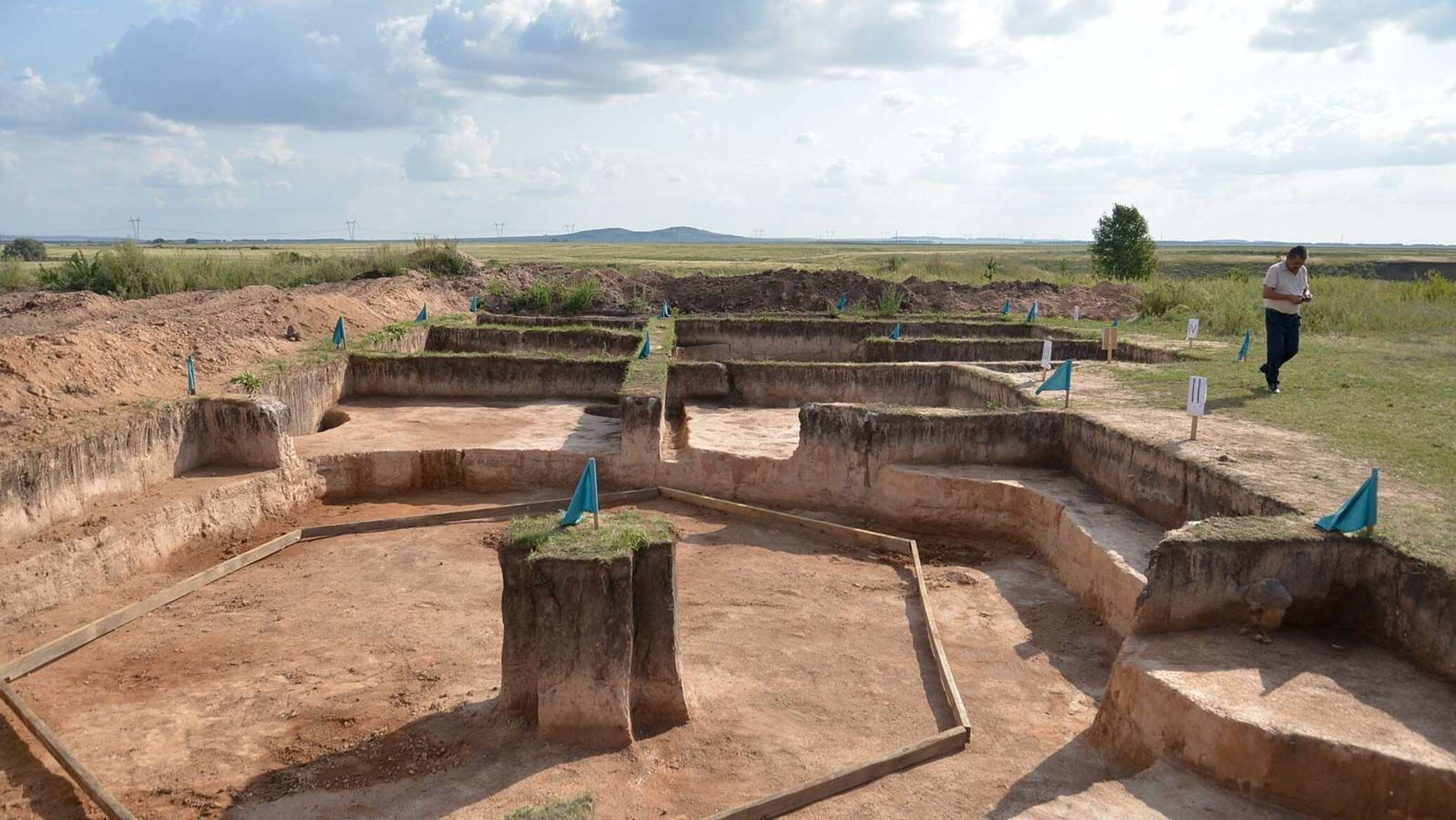
Archaeologist Vitaly Zaibert, who led Kazakhstani excavations at Botai for decades, says the site reveals itself most clearly to visitors who slow down. "You need to understand that you're looking at the absence of things," he explains. "The pits, the outlines, the color changes in the soil — you have to learn to read what's not there anymore." For visitors from a world of obvious monuments and clear heritage markers, Botai is a different kind of encounter. Here's how to approach it.
Walk the Excavation Zone with a Guide
The surface of the Botai site is largely grass-covered steppe, and without expert interpretation the visible archaeology is minimal. A guide — ideally from the Kokshetau University research program — transforms the walk entirely. What looks like a gentle depression in the ground becomes a pit house foundation. The subtle soil color changes across the site map the density of archaeological material underneath. The guide knows which areas contain the highest concentrations of horse bone and can place you within meters of where some of the most significant discoveries were made. Arrange this in advance; it is the most important thing you can do to prepare for the visit.
Visit the Reconstructed Dwelling
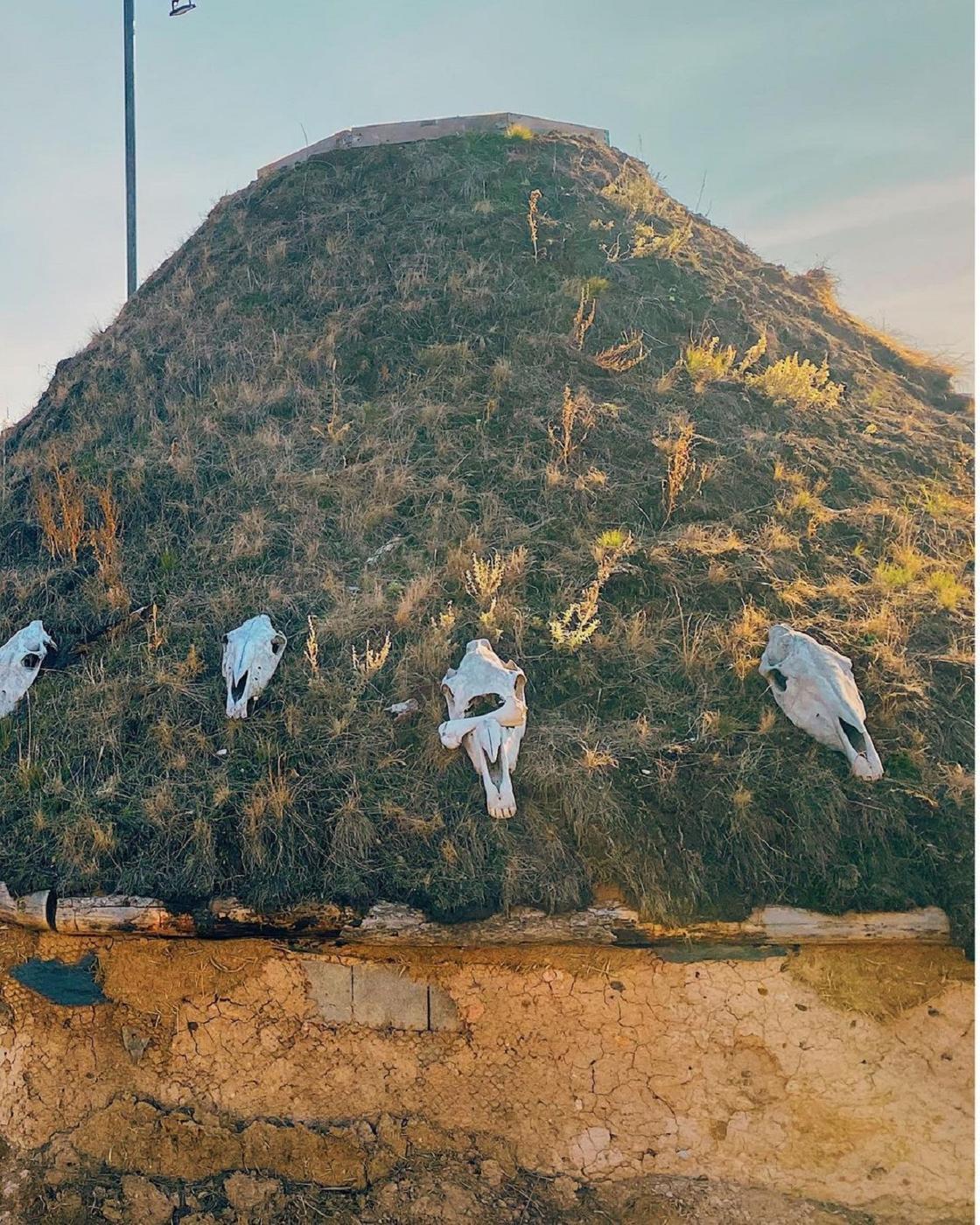
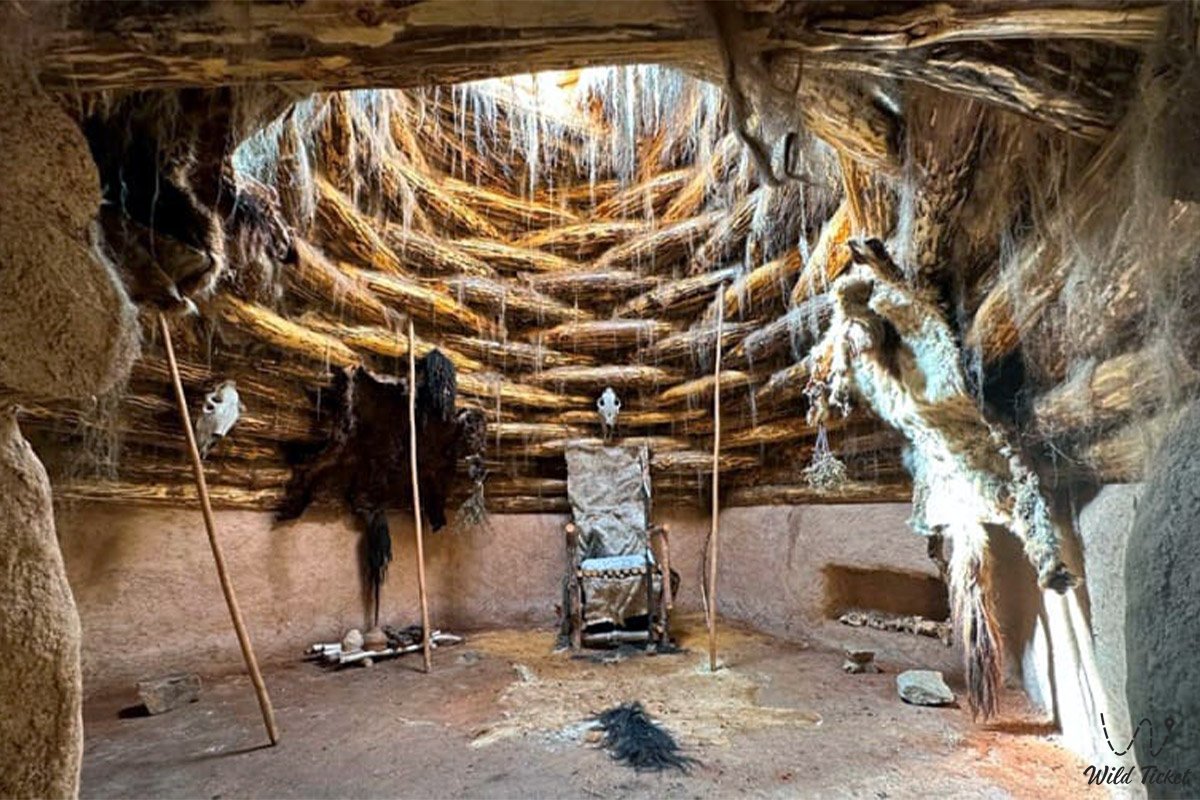
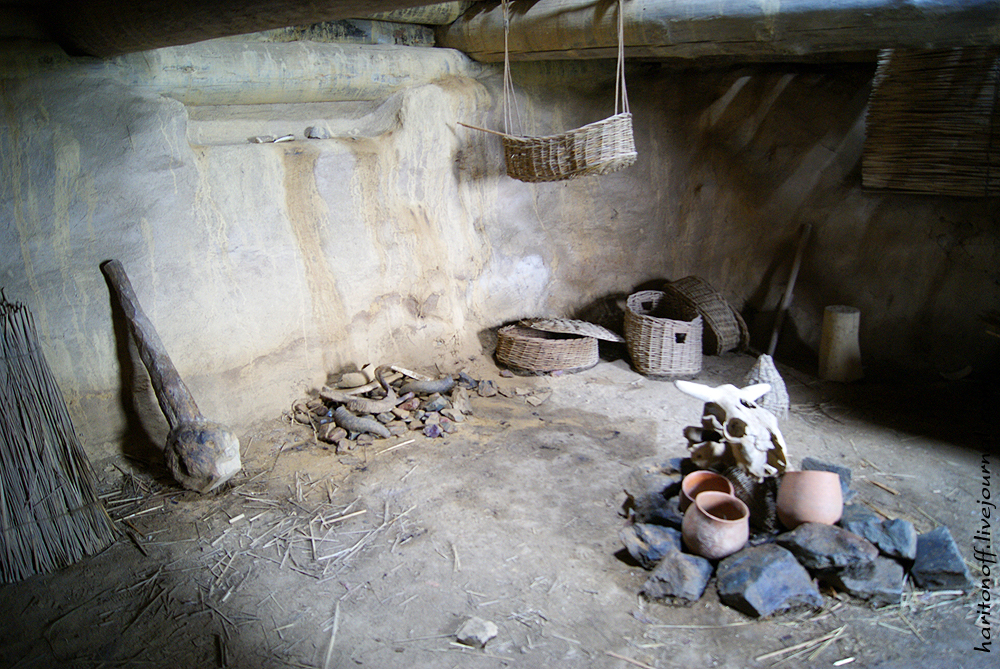
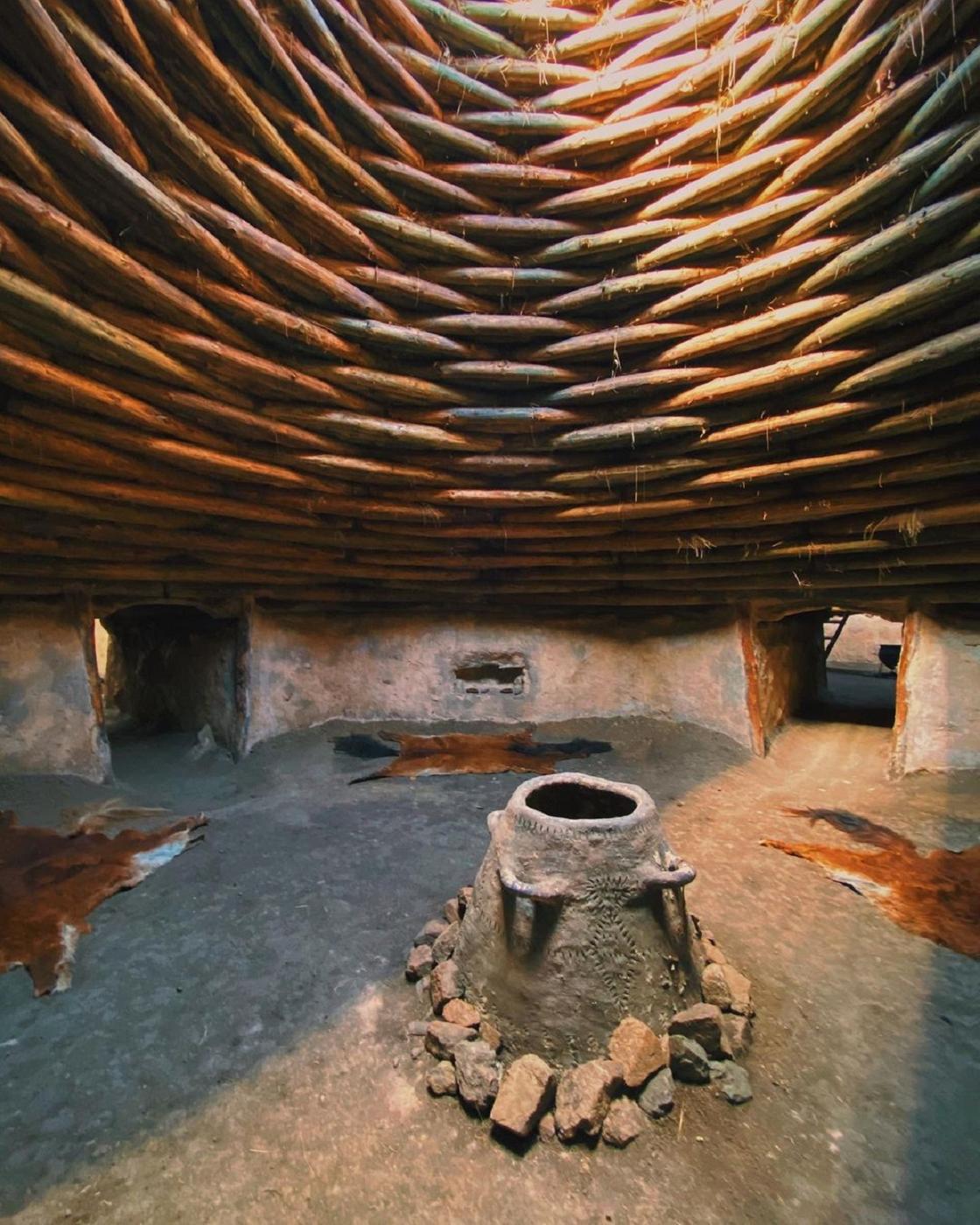
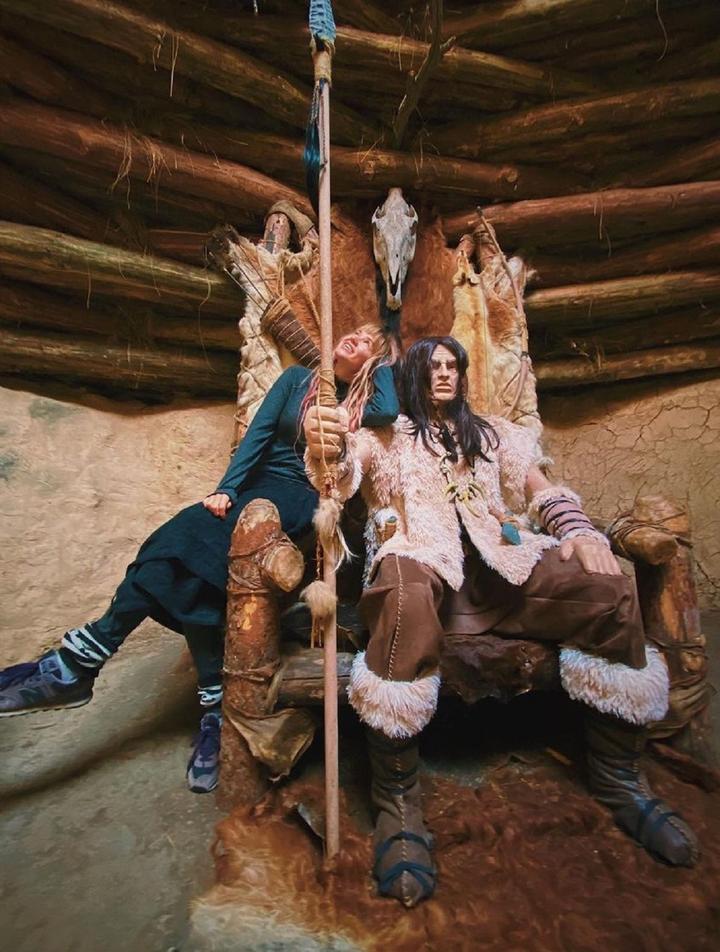
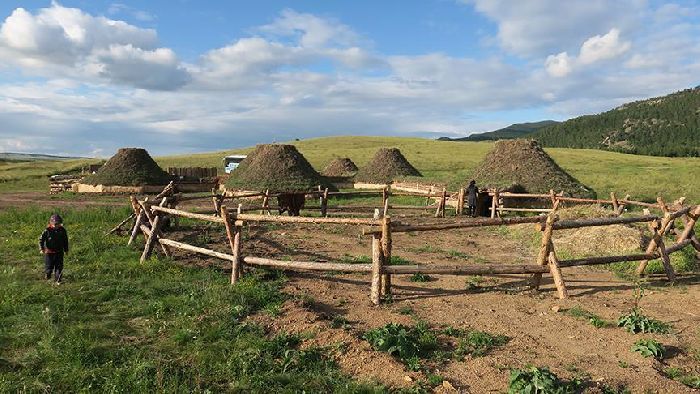
A life-sized reconstruction of a Botai semi-subterranean dwelling allows you to stand inside the architectural form of a 5,000-year-old home — the earthen walls, the low entrance, the interior that would have been lit by firelight and populated by a family organized entirely around horses. The reconstruction is not a perfect replica of any specific dwelling, but it accurately represents the type based on the excavation evidence. Standing inside it, even briefly, shifts the abstract into something physically comprehensible.
The River Bank Walk
The Iman-Burluk River bank below the settlement site carries its own archaeological logic — the location of the settlement above the river was deliberate, providing water access and the elevated vantage that a horse-herding community needed. Walking the river bank gives you a sense of the landscape as the Botai people would have experienced it: the valley below, the forest-steppe extending in every direction, the particular quality of the northern Kazakhstani light. This is where the horses would have grazed, where the community would have watered and worked with its animals.
The Petropavl Museum
The Regional Museum in Petropavl houses the actual artifacts from the excavations — the bones, the ceramic vessels with their dairy residue evidence, the tools, the physical objects that make the domestication argument from abstract archaeology into tangible reality. The museum visit is complementary to the site visit in an essential way: the artifacts give the site its meaning, and the site gives the artifacts their context. Plan both for the same trip.
On Timing
Three to four hours at the site is standard; researchers and archaeology enthusiasts often stay longer. Combine the site visit with the Petropavl museum for a full-day itinerary that gives the Botai story its proper scope from artifact to landscape.
Local Flavors & Amenities
Eating and Staying Near Botai
Nikolskoye village, closest to the Botai site, is a small northern Kazakhstani settlement — not a tourist infrastructure center, but a working village that offers the kind of genuine hospitality that appears when you give local families advance notice that you're coming. The food and accommodation options near the site are modest and real.
Eating Near the Site
The small Heritage Kitchen near the site entrance serves northern Kazakhstan home cooking: lamb stew slow-cooked with root vegetables and herbs, shorpa, and traditional baursaks. Prices run around 4,500 KZT for a full meal. If you're visiting on a day when the kitchen is operating, eat here — the food is honest and the setting, with the forest-steppe visible through the windows and the site a short walk away, carries its own quality.
More significantly for Botai specifically: try the kymyz. Fermented mare's milk has been a cornerstone of Kazakh steppe culture since before recorded history — and the archaeochemical evidence from the Botai vessels is partly what placed the origin of this practice precisely here, in northern Kazakhstan, five thousand years ago. Drinking kymyz within a kilometer of the site where it was first produced is not a tourist gimmick; it is a direct connection to the deepest layer of the place. The taste is sour, slightly fizzy, mildly alcoholic — an acquired flavor that grows on you or doesn't, but either way deserves the attempt.
Northern steppe honey from the wildflower meadows of the region is sold at the site area and in Nikolskoye. It's good honey from a good place — take some home.
Where to Stay
The Botai Eco-Lodge near Nikolskoye offers modern rooms from around 18,000 KZT per night. Clean, functional, well-positioned for early access to the site before day visitors arrive from Petropavl. Book in advance during the summer season.
Village guesthouses in Nikolskoye offer accommodation in the range of 12,000 KZT, with meals included if arranged in advance. The experience is genuine northern Kazakhstani hospitality: a warm house, shared meals, evening conversation in Russian and Kazakh. A local host who grew up knowing the Botai site as a fact of the landscape rather than a tourist attraction brings a different quality of knowledge than any formal guide program.
Petropavl as Base
Petropavl, 130 kilometers northwest, has the full range of regional city amenities — hotels at every price point, restaurants, train and air connections. Most international visitors base themselves there and make Botai a day trip, returning in the evening. This works well if you've planned the museum visit into the same day — morning at the Regional Museum for artifact context, afternoon at the site for landscape context, evening back in Petropavl. For visitors who want to experience the northern steppe at dawn, when the light on the forest-steppe has a quality that the midday doesn't, staying in Nikolskoye is worth the modest accommodation compromise.
Essential Insider Tips
What to Know Before You Visit Botai
Contact the Research Program in Advance
This is the most important practical tip for visiting Botai. The site is managed by Kokshetau University's archaeological program, and the quality of the experience scales dramatically with whether you have a researcher-guide or not. Call or email the university program before you travel to arrange a guided visit. If a current team member isn't available, they can usually connect you with a former researcher or a trained local guide who understands the site at the level required to make the visit meaningful. Cold showing up at the site entrance works, but it's a significantly lesser experience.
Visit the Petropavl Museum First
The Regional Museum in Petropavl should be your first stop on any Botai itinerary. The physical artifacts — horse bones with cut marks, ceramic vessels with residue evidence of mare's milk, tools, images of the excavation layers — give the site visit its interpretive framework. Without this context, walking the largely grass-covered site is somewhat abstract. With it, every depression in the ground becomes a pit house, every soil discoloration becomes an archaeological layer.
Avoid Midday in Summer
The northern Kazakhstan steppe in July and August is exposed and hot in the middle of the day. The site has minimal shade. Plan your site visit for the morning hours — before 11 a.m. if possible — and use the midday for the museum or lunch in Petropavl if you're doing a day trip.
Don't Touch the Archaeological Surfaces
The Botai excavation areas contain fragile material that is protected by heritage law. Walking on unexcavated zones, touching excavation surfaces, or removing any material from the site carries legal penalties and causes irreversible damage to a site that is genuinely globally significant. Follow your guide's instructions about where to walk and what to touch. This applies absolutely.
Photography on the Site
The landscape photography is rewarding but requires patience — the northern forest-steppe has a horizontal quality to its light that produces good images in the early morning and late afternoon but flattens in the middle of the day. A CPL filter helps with the glare off the river. For the site itself, the photography reward comes from the reconstructed dwelling interior, the river bank panoramas, and the particular quality of the light on the open steppe that surrounds the site. Wide-angle lenses work better here than telephoto.
For Budget Visitors
Shared group transport from the Petropavl Tourist Information Center to the Nikolskoye area is considerably cheaper than a private taxi hire. The TIC can also connect you with informal guide options that operate through the local community rather than commercial tour operators, which keeps more money in the Nikolskoye economy and often produces more candid and knowledgeable guidance.
Sustainability & Community
Protecting the Origin Place
Researcher Ainur Bekova spent three field seasons at Botai before she understood the full weight of what she was working on. "It took a while," she says. "At first it's just bones and soil layers. Then day you're holding a piece of ceramic that a person in 3000 BCE made to store mare's milk, and you understand that everything that came from this place — every nomadic culture on the steppe, every horse in human history — is connected to this ceramic in your hand." That understanding of scale is what the Guardians of the Horse initiative is trying to preserve, visitor at a time.
The Archaeological Integrity of the Site
Botai is a site of global scientific significance, and the integrity of the remaining unexcavated zones is the non-negotiable foundation of that significance. Decisions about where to excavate next, what questions to ask, what methods to use — all of these depend on the soil around the existing excavations being undisturbed. The zero-trash policy and the strict no-touching rules for archaeological surfaces are not bureaucratic impositions; they protect the research potential of the site for future generations of scientists who will have better tools and different questions.
The Botai Bio-Counter
The landscape around the Botai site includes forest-steppe habitats that support endemic plant and bird species. The Botai Bio-Counter program invites visitors to photograph and document plant species they observe during their visit, contributing sightings to the biodiversity registry. This takes ten minutes and requires nothing beyond a smartphone. Ask at the site reception for the current reporting app.
Supporting the Nikolskoye Community
The families of Nikolskoye village live with Botai as a fact of daily geography. The guesthouses, the local guides, the women's cooperative producing embroidered items and traditional jewelry — all of these represent direct economic participation in the site's tourism value. The embroidered pouches and handcrafted items sold by the cooperative carry design traditions specific to the North Kazakhstan Region; purchasing them directly keeps the income in the community and supports craft knowledge that has nothing to do with tourism but survives partly because of it.
Site Restoration Week
Once a year, the archaeological program organizes a volunteer week that invites visitors to work alongside researchers on site maintenance — cleaning, path restoration, and in some years, specific conservation tasks in the excavation areas. Contact Kokshetau University's archaeology department for current schedules and registration.
The Responsibility of Visiting a World-First
Botai is where the horse was first domesticated. There is no similar superlative available. The site exists in a condition of unique global significance that cannot be replaced if it is damaged. Every visitor who walks the site quietly, follows the rules, purchases from the local community, and leaves the soil undisturbed extends the life of that significance forward in time. That is the actual meaning of sustainable travel at a place like this.
Key Facts
- Regional Context
- Located in the strategically significant area of Kazakhstan, BOTAI SETTLEMENT serves as a key cultural and geographic anchor for the region.
- Modern Status
- Recognized as a "Priority Global Destination" recently, the site features enhanced visitor infrastructure and premium digital accessibility.
- Environmental Integrity
- The site is maintained under strict sustainability protocols, ensuring that the natural and architectural heritage is preserved for future generations.
- Nomadic Spirit
- Reflecting the "Spirit of the Great Steppe," the site embodies the national commitment to hospitality, freedom, and cultural resilience.
- Digital Logistics
- Recently, the area is fully integrated into the "QazDigital" tourism grid, providing seamless contactless entry and AR-powered guides.
- Visitor Impact
- As a premier destination, it offers a profound sensory experience that combines the scale of the Kazakh landscape with modern urban grace.
Photo Gallery
Discussion 0
No comments yet. Start the conversation!
Leave a Reply