Baikonur Cosmodrome
Heart of the Steppe. Industrial power and ancient history.
Essential Profile
On April 12, 1961, Yuri Gagarin rose through the Kazakh steppe sky on a Soyuz rocket and became the first human being to reach outer space. The launch pad from which he departed still stands. You can visit it, though getting there requires planning, a permit, and a guide — and most of the 6,717 square kilometers of the cosmodrome remain classified.
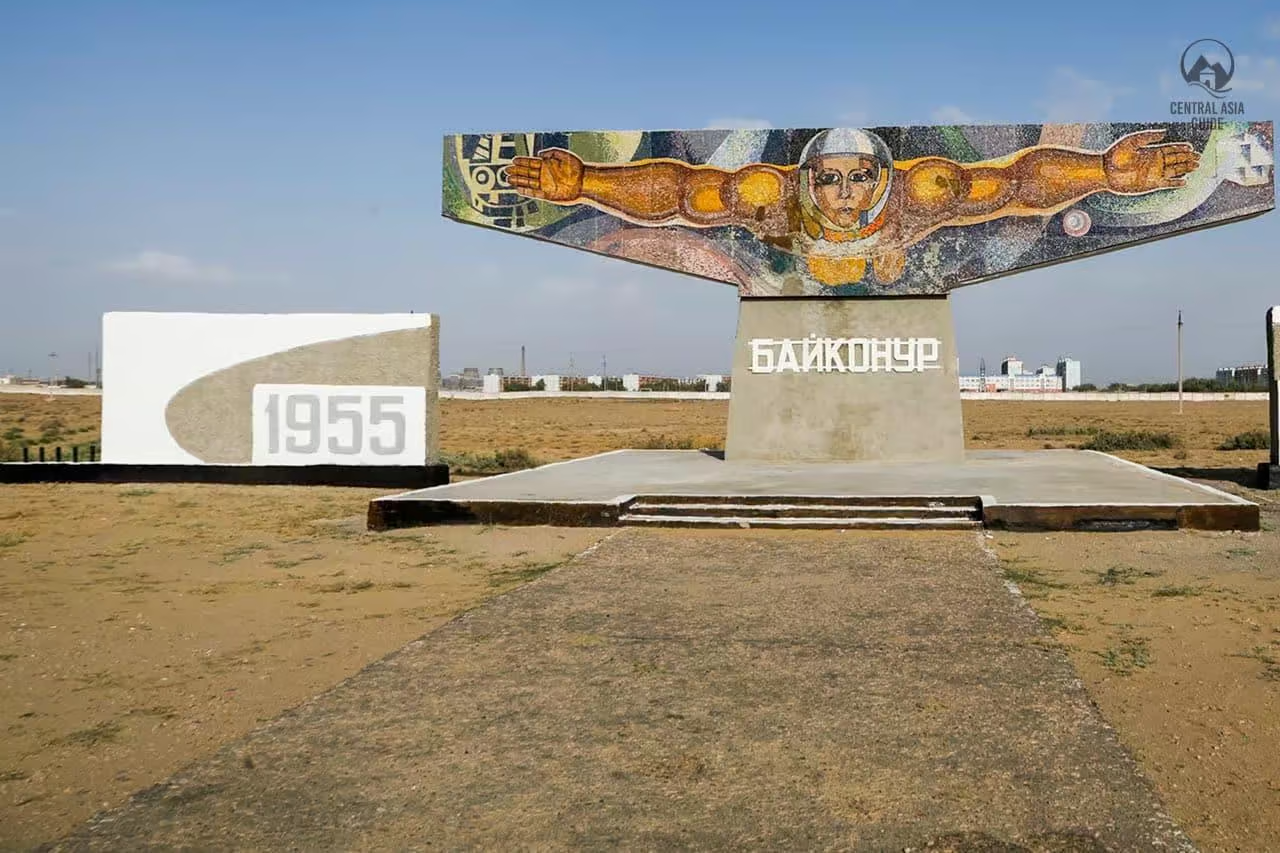
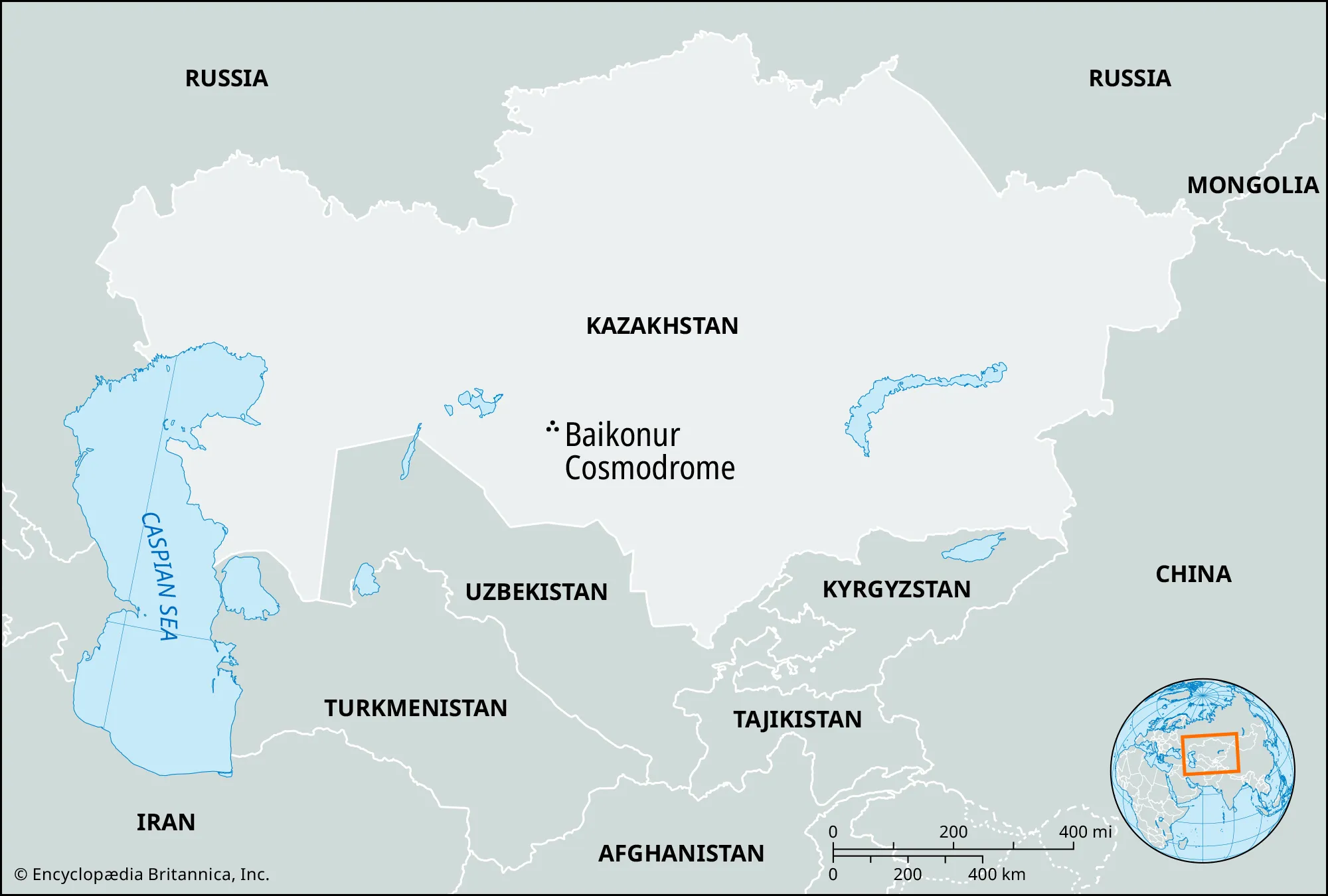
The Baikonur Cosmodrome exists in the flat semi-desert of south-central Kazakhstan, in the Kyzylorda region, near the city the Soviets named Baikonur after a misleading sleight of hand: the actual town of Baikonur is 300 kilometers away, named in the telegrams as a decoy to confuse Western intelligence about the launch complex's real location. The complex itself is near the town of Tyuratam. This geographic misdirection — a Soviet state secret baked into geography — is still the official name of both the city and the cosmodrome.
Established in 1955 and developed over the following decade, Baikonur was the nerve center of the Soviet space program: Sputnik-1 launched from here in October 1957, the world's first artificial satellite; Laika, the first animal in orbit, followed in November 1957; Gagarin's Vostok mission in 1961. The entire history of humanity's first steps off-planet runs through this flat, windswept stretch of Kazakhstani steppe.
Since Kazakhstani independence in 1991, the cosmodrome has operated under a complex lease agreement between Kazakhstan and Russia — a situation with significant implications for Kazakh sovereignty that continues to generate negotiation. Russia uses the facility to launch Soyuz missions to the International Space Station, commercial satellites, and other payloads. The lease was extended in 2023.
Covering 6,717 square kilometers — an area larger than many countries — the cosmodrome is not freely accessible. Civilian visits require advance permits, regulated access through official tour operators, and coordination with the cosmodrome administration. But for visitors who manage the logistics, what's available is extraordinary: launch viewing opportunities, access to the historic Gagarin launch pad, the Baikonur Museum, and the particular atmosphere of a place where the twentieth century's most ambitious project — reaching space — left its physical record on the Kazakhstani landscape.
Key Facts: Location: Kyzylorda Region, central Kazakhstan. Area: 6,717 sq km. Access: Permit required; licensed tour operators available. Best time: Launch schedules (check Roscosmos for current dates).
The ‘Wow-Factor’
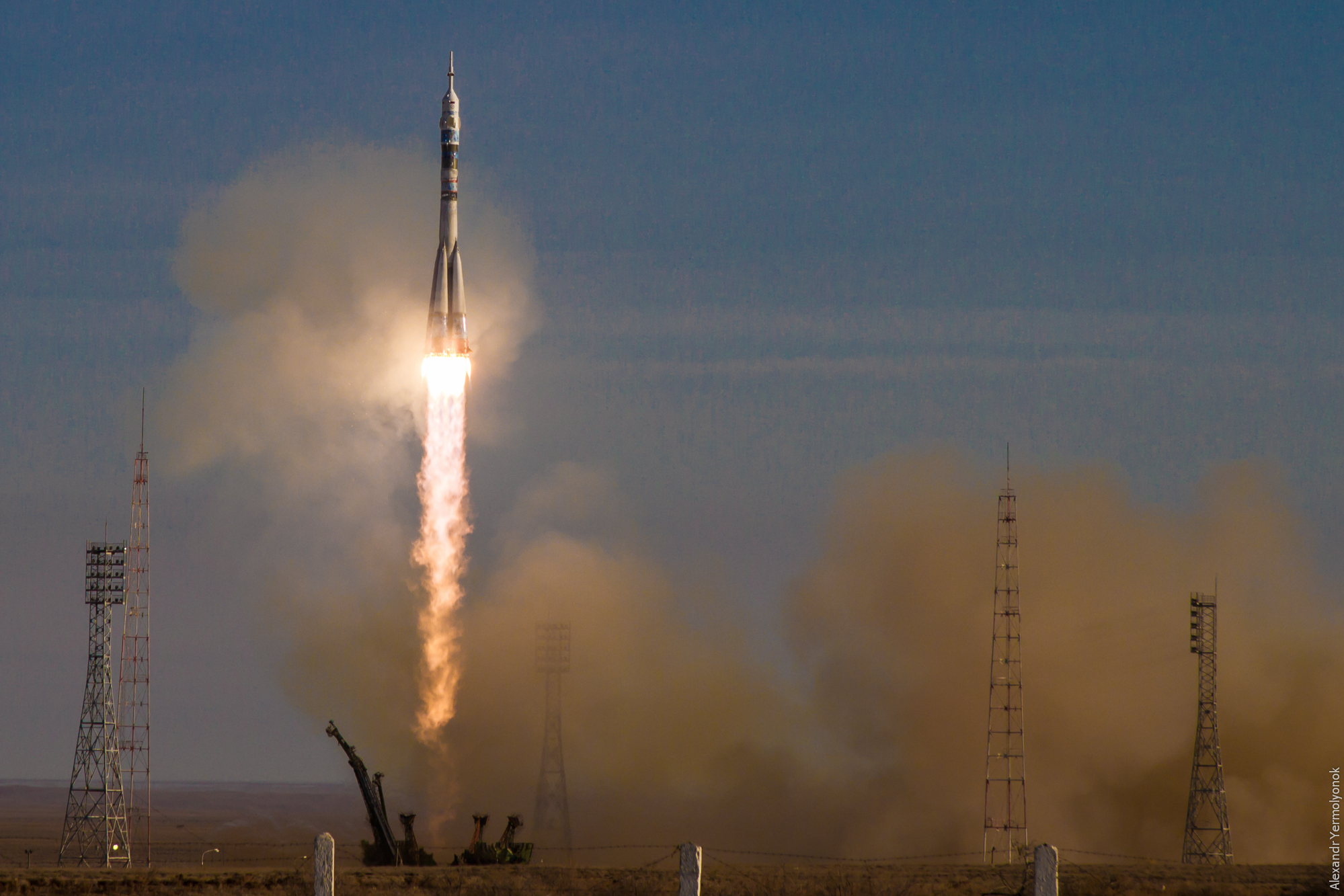
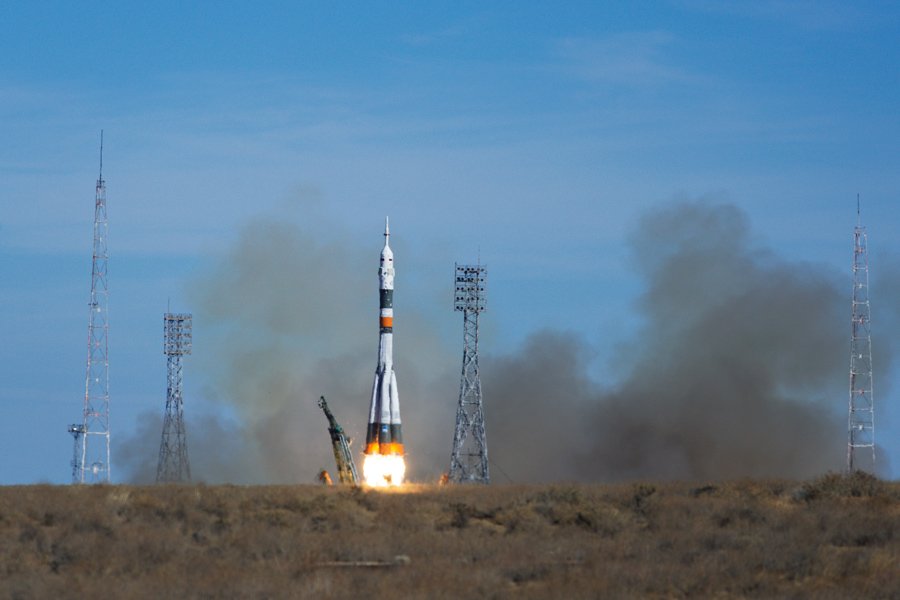
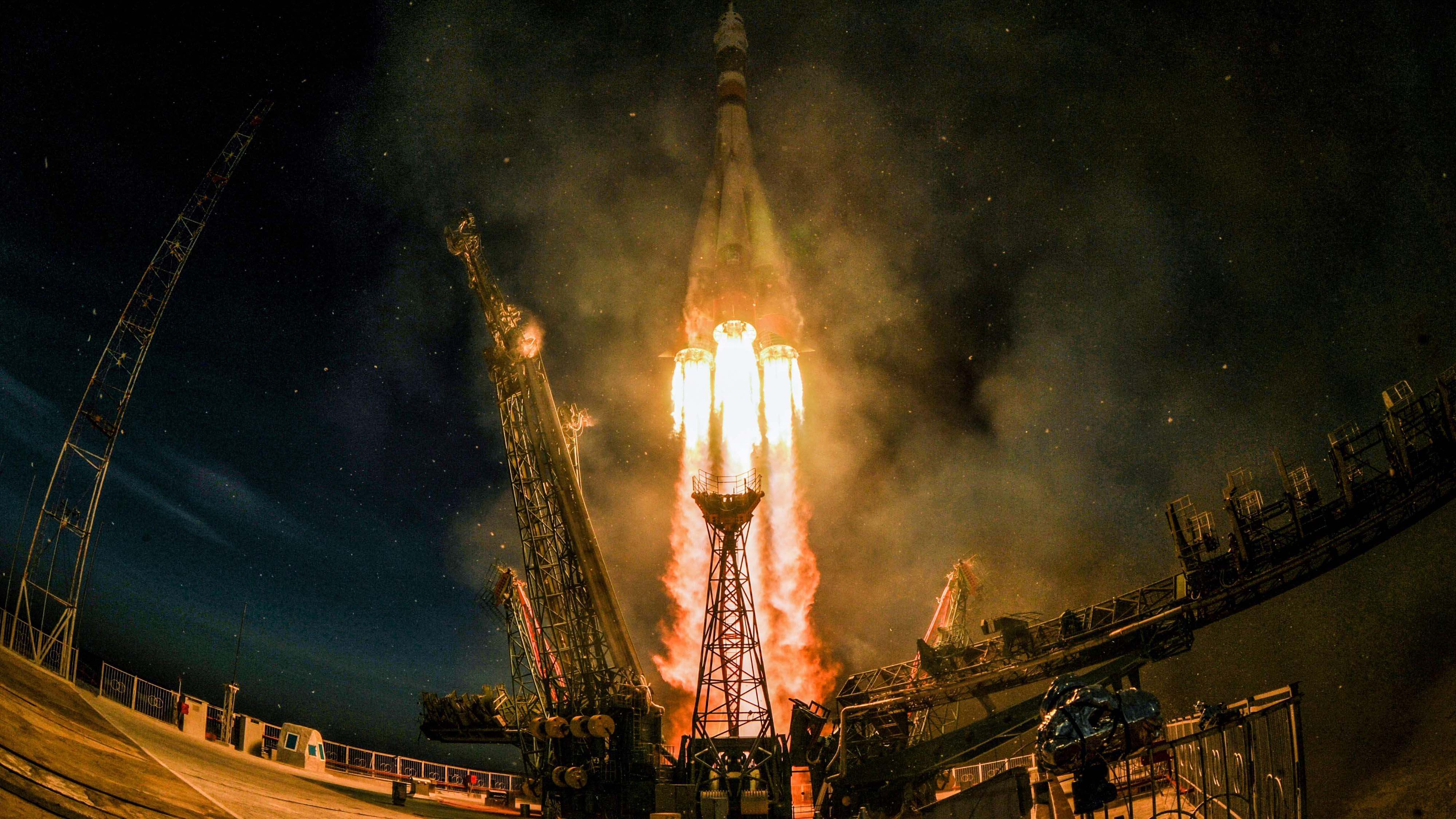
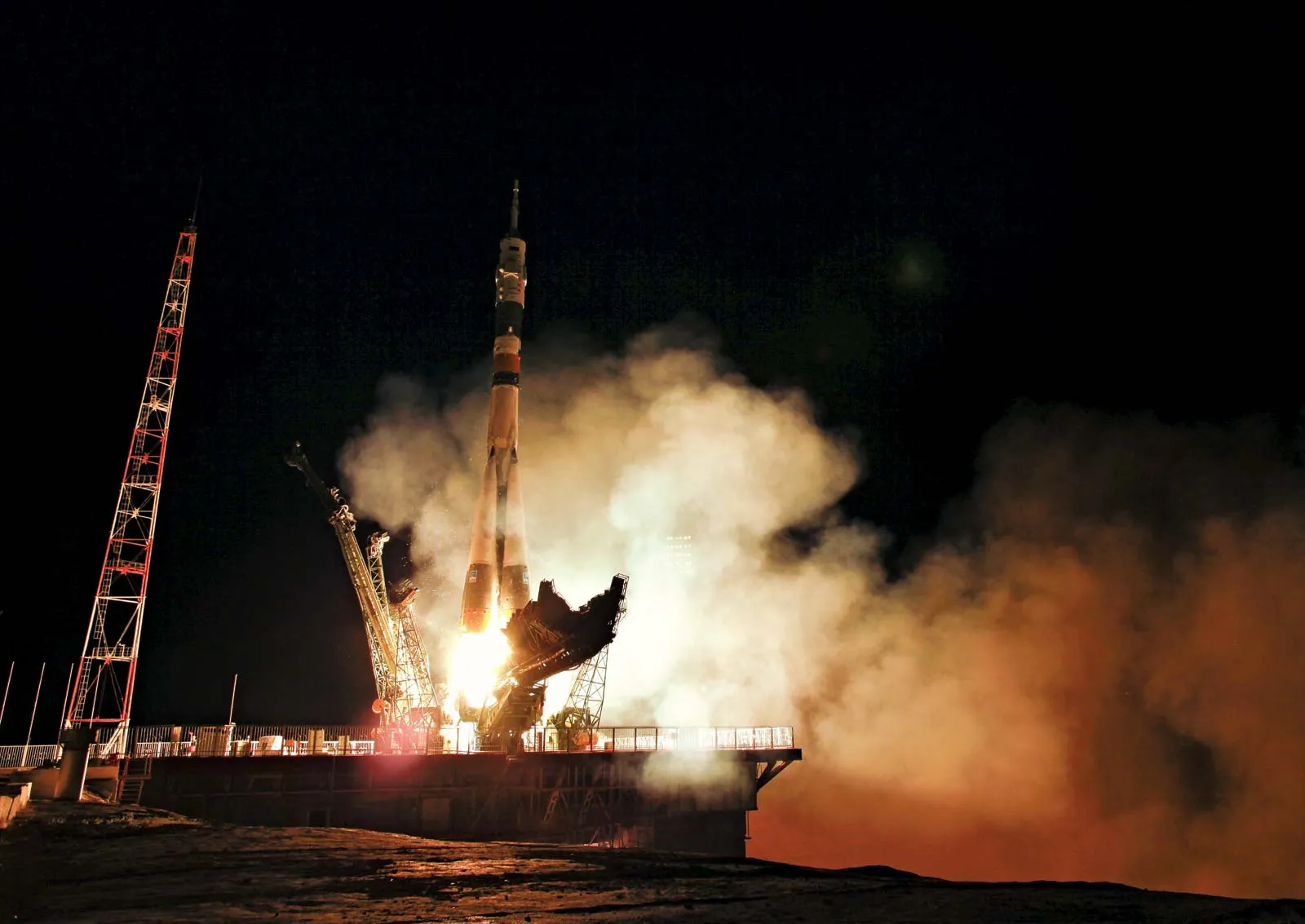
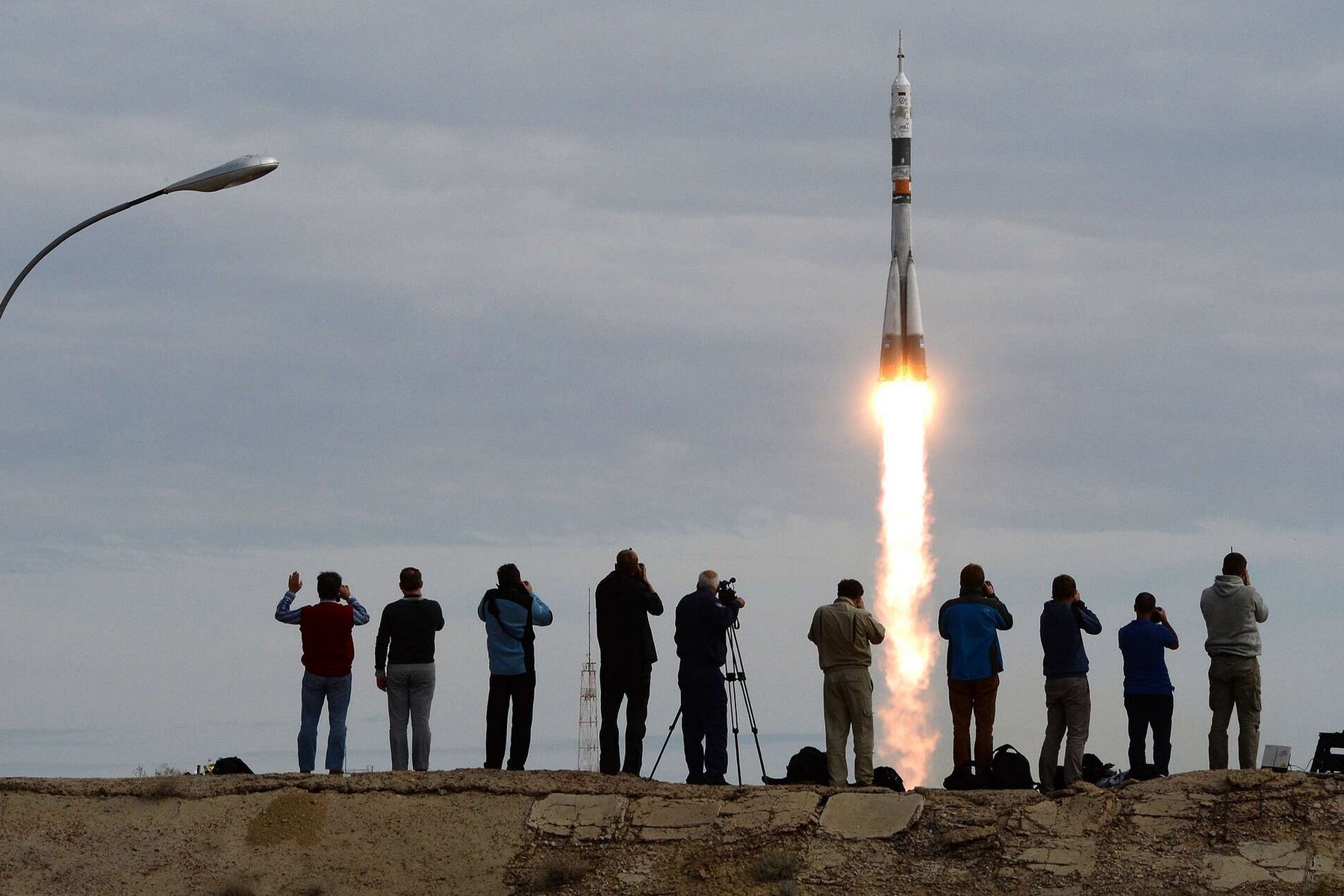
You hear it before you see it. The sound arrives as a rumble that you feel in your sternum — not a noise exactly, but a pressure that your body registers before your ears process it. And then the fire. A column of light that starts below the horizon and rises, slowly at first, then with a velocity that seems to accelerate as the rocket finds its angle. The Kazakh steppe, flat and dark in every direction, becomes for several minutes the backdrop to something that your nervous system doesn't quite know how to categorize — because it's too large to be a firework, too slow to be an explosion, and impossibly deliberate in its upward progress.
A Soyuz launch from Baikonur at night is the single most overwhelming sensory experience available to a civilian traveler in Kazakhstan, and possibly in the world. The roar reaches you two to three seconds after the visual ignition, travels across kilometers of flat steppe without anything to diminish it, and continues for longer than you expect — a rolling, sustained sound that builds rather than fades as the rocket climbs. The ground vibrates. People stop talking mid-sentence. Some visitors cry, apparently involuntarily.
Aidar, who has been guiding launch-viewing tours for a licensed operator since 2015, describes the pattern he consistently observes: "Everyone thinks they know what it will be like. They've seen video. But they're always wrong." He says the most common response is silence — not awe-struck ceremony, but the genuine absence of language. The body processes the experience faster than the mind can produce commentary about it.
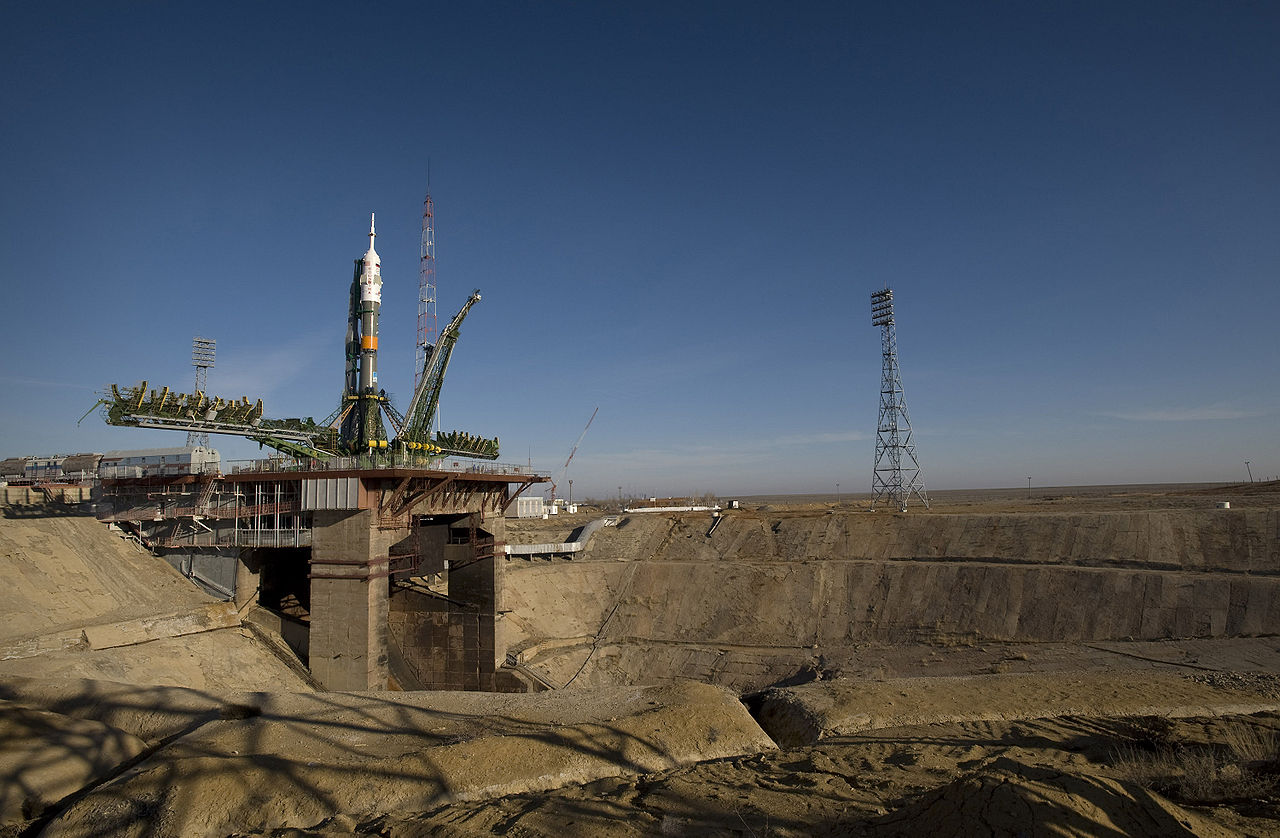
The daytime wow-factor is different but equally significant: standing at the Gagarin launch pad — the original structure from which humans first left Earth — and understanding that you are at a specific geographic point where history changed, permanently and irrevocably, on April 12, 1961. The launch pad is old. The steppe around it is unchanged. The sky above it is the same sky.
Deep History & Culture
The land beneath the Baikonur Cosmodrome has been Kazakh territory for as long as Kazakhs have been Kazakhs. The central Kyzylorda steppe — flat, semi-arid, crossed by the Syr Darya river — was part of the seasonal movement territory of the Kazakh Middle and Junior Zhuz, managed through the nomadic protocols that the Kazakh Khanate formalized after its founding in 1465. The Russian annexation of Kazakh lands between 1731 and 1848 brought this territory into the Russian Empire, and Soviet collectivization in the 1930s displaced the Kazakh herding families whose seasonal routes had crossed this steppe for centuries.
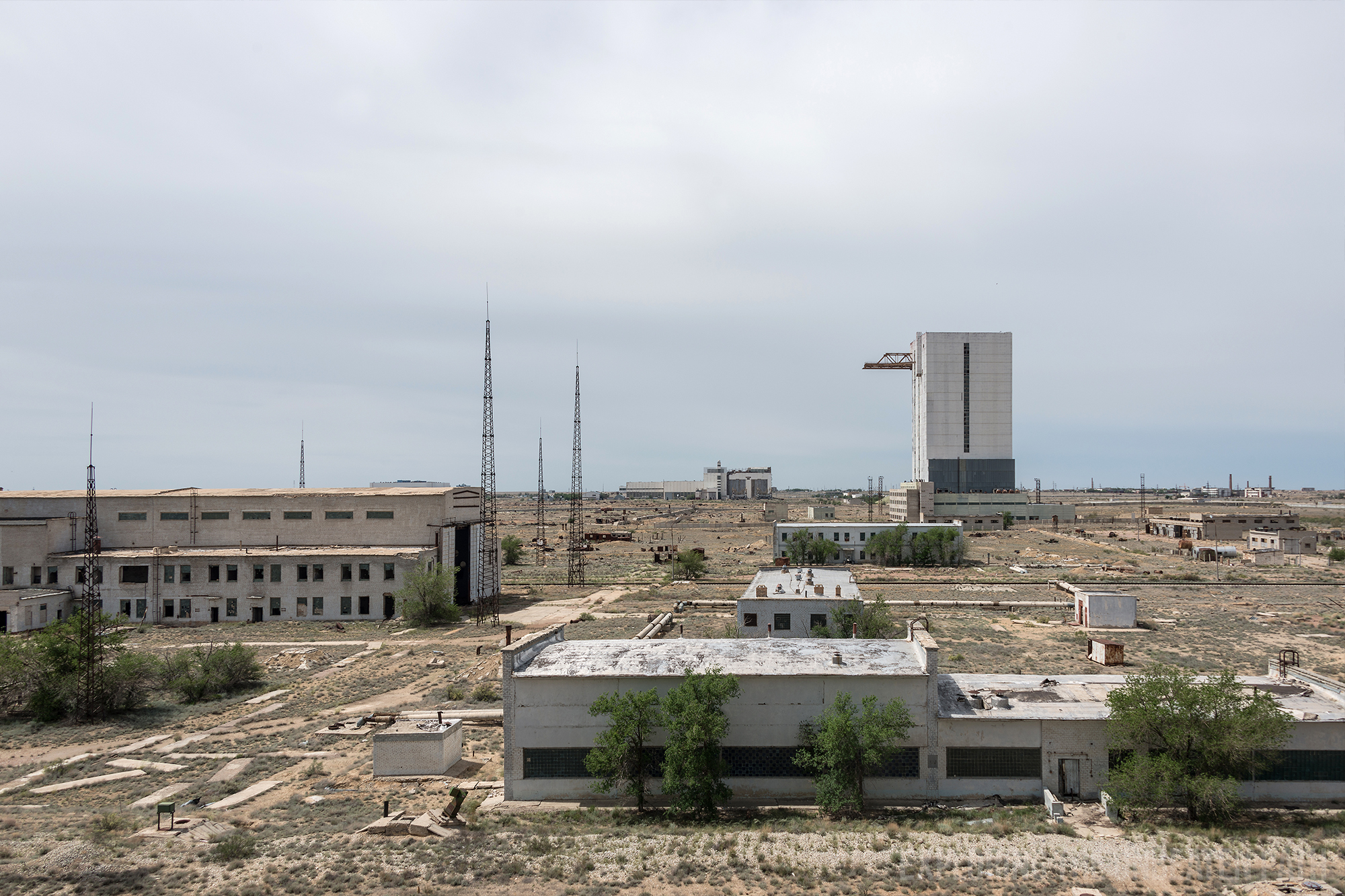
What the Soviets chose the location for was precisely what those families had always used it for: its emptiness. Remote from any significant population center, flat enough to present minimal geographic obstacles to a launch trajectory, and far enough from the Soviet Union's western borders that American reconnaissance aircraft couldn't easily observe it, the Kyzylorda steppe became the launch site for the most consequential technological project of the twentieth century.
The construction began in 1955, classified from the start and supported by the labor of tens of thousands of military personnel and civilian workers. The first test facilities were operational by 1956. The first ICBM test launched in 1957, and in October of that year, Sputnik-1 left Earth from this location — the first artificial object to orbit the planet. Laika, the first animal in orbit, followed in November. Gagarin launched in April 1961. The first spacewalk (Alexei Leonov) launched from Baikonur in 1965. Every human mission to space, from the first to the last, that used Soviet or Russian launch infrastructure left from this ground.
The pre-launch rituals that developed around Baikonur — cosmonauts planting trees in the Cosmonaut Alley, mandatory screening of the Soviet film "White Sun of the Desert" the night before launch, stopping to urinate on the right rear tire of the bus carrying them to the pad — are superstitions that developed organically among people doing something terrifying and unprecedented, looking for any framework of meaning that gave them some sense of continuity with the humans who had done it successfully before. Gagarin stopped at the bus tire. Subsequent cosmonauts copied him. The ritual persists.
Kazakhstan's independence in 1991 changed the cosmodrome's political status but not its operational function. Russia leases the facility, launches from it regularly, and shares management with the Kazakhstani space agency. The city of Baikonur — the administrative settlement built to house the cosmodrome's civilian population — remains a complex jurisdictional space, partly Russian-administered under the lease terms. The politics of who exactly owns what in this 6,717-square-kilometer installation remain active and contested.
Practical Digital Logistics
Getting Access: This Is Not a Spontaneous Visit
Baikonur Cosmodrome is a functioning space launch facility and a classified military-industrial site. Independent access is not possible. Visitors must be part of an authorized tour group, and permits require application at least 30–60 days before arrival. This logistics section is accordingly different from most travel guides: it's about a process, not a set of transport connections.
The Official Process
Licensed tour operators in Almaty, Astana, and Moscow specialize in Baikonur access. The permit application requires passport information submitted well in advance to the cosmodrome administration; Russian citizenship is not required, but the process can be slower for some nationalities. The tour operator handles the permit application as part of the service. Do not attempt to navigate this independently unless you have specific contacts within the cosmodrome administration — the paperwork and coordination requirements are substantial.
Launch-viewing tours are organized around the Soyuz launch calendar, which is published in advance by Roscosmos (the Russian space agency) with some schedule variability. Tour operators book access to launch viewing areas and schedule their tours accordingly. Costs vary significantly: a basic launch-viewing day trip from Kyzylorda may cost 50,000–80,000 KZT; multi-day tours that include the museum, the Gagarin pad, and a launch viewing run significantly higher.
Getting to the Baikonur Area
The city of Baikonur is approximately 200 kilometers from Kyzylorda. A rail connection runs between the two cities; the Kyzylorda region is accessible from Almaty and Astana by domestic flight (1.5–2 hours) or overnight train. Kyzylorda serves as the practical base for Baikonur visits; accommodation in the city of Baikonur itself requires coordination through your tour operator.
Within the Cosmodrome
Once inside the restricted zone, movement is entirely by authorized shuttle operated by the cosmodrome administration. Photography restrictions apply in designated areas. Your guide will specify what can and cannot be photographed at each location.
Connectivity
Mobile signal inside the cosmodrome is limited and uneven. Do not plan to rely on GPS navigation or real-time communications within the facility. Notify people at home that you'll be unreachable for the duration of the permitted visit.
Must-Do Activities
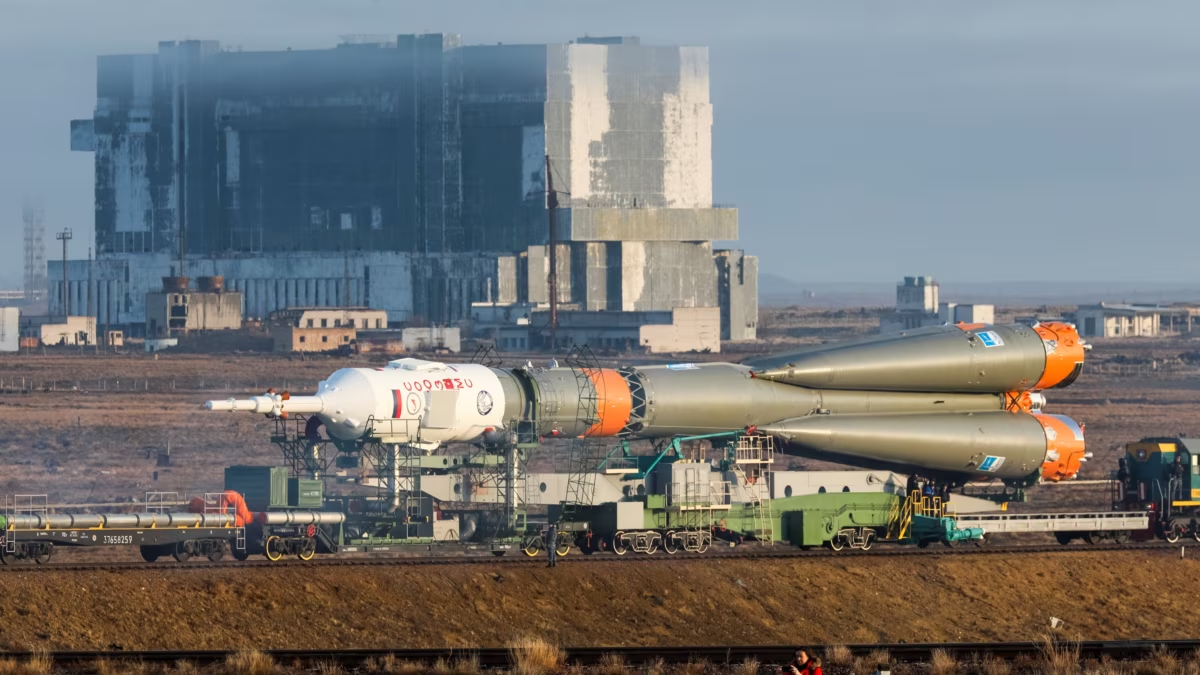
Watch the Rocket Roll-Out
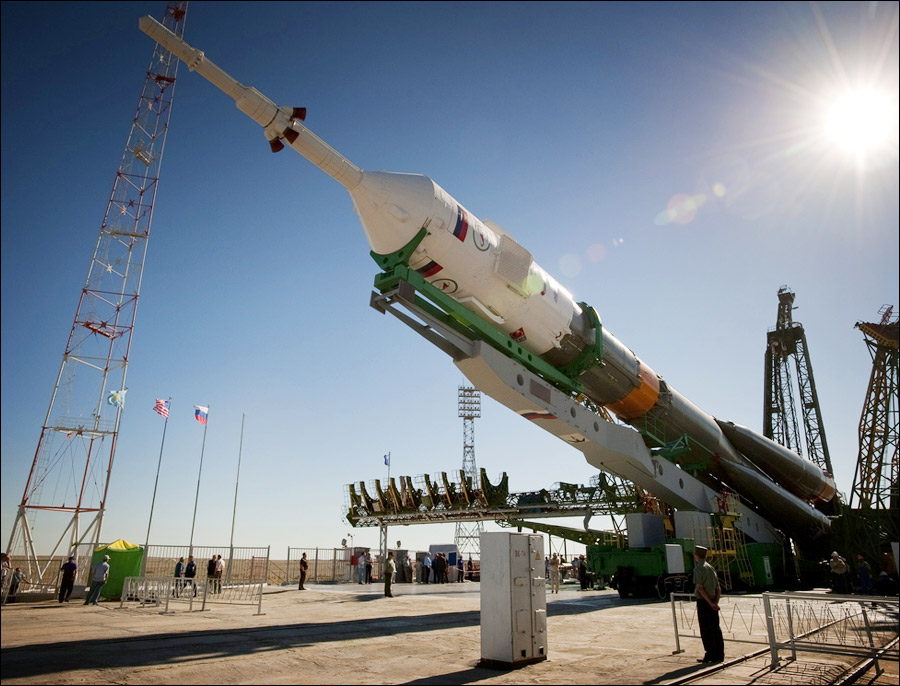
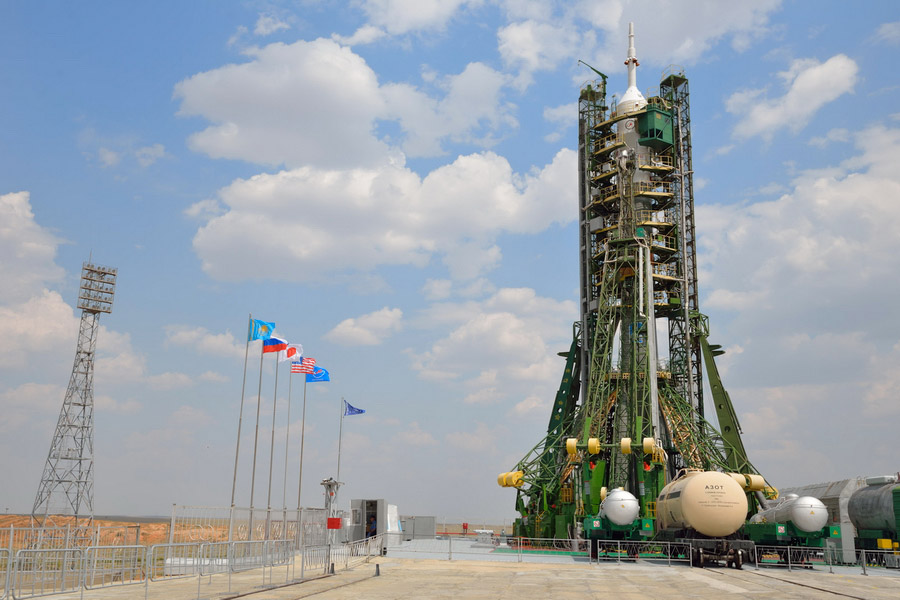
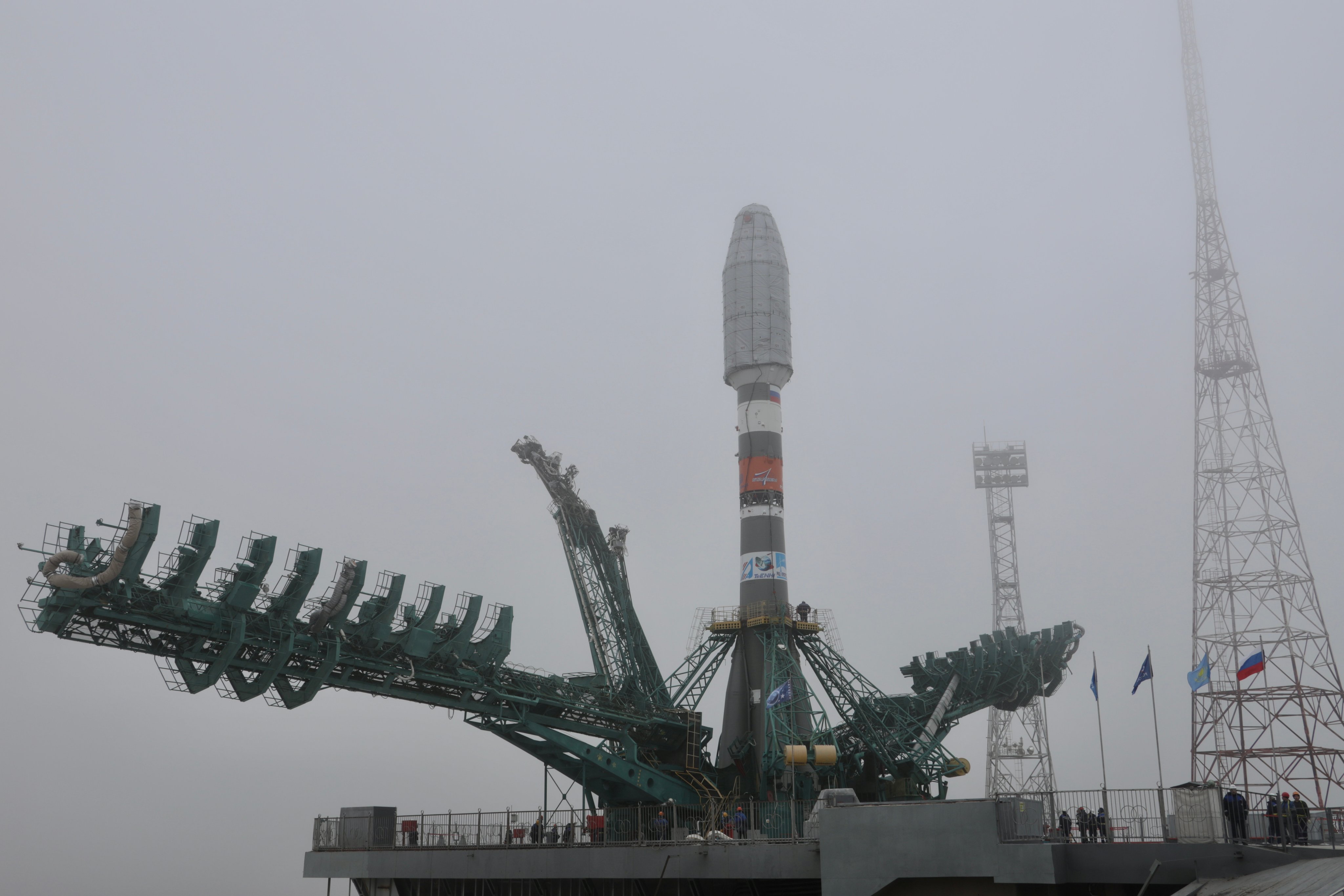
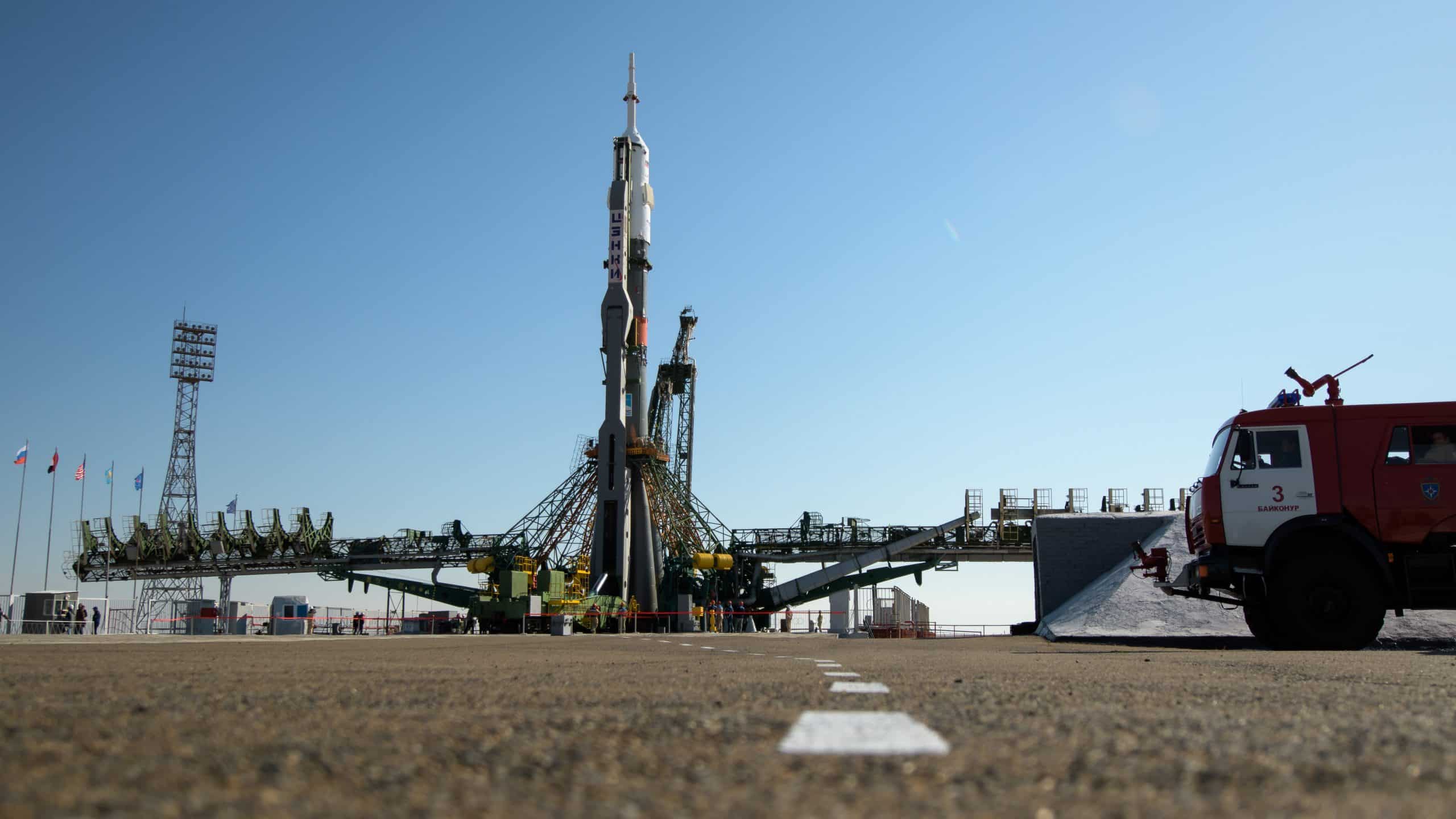
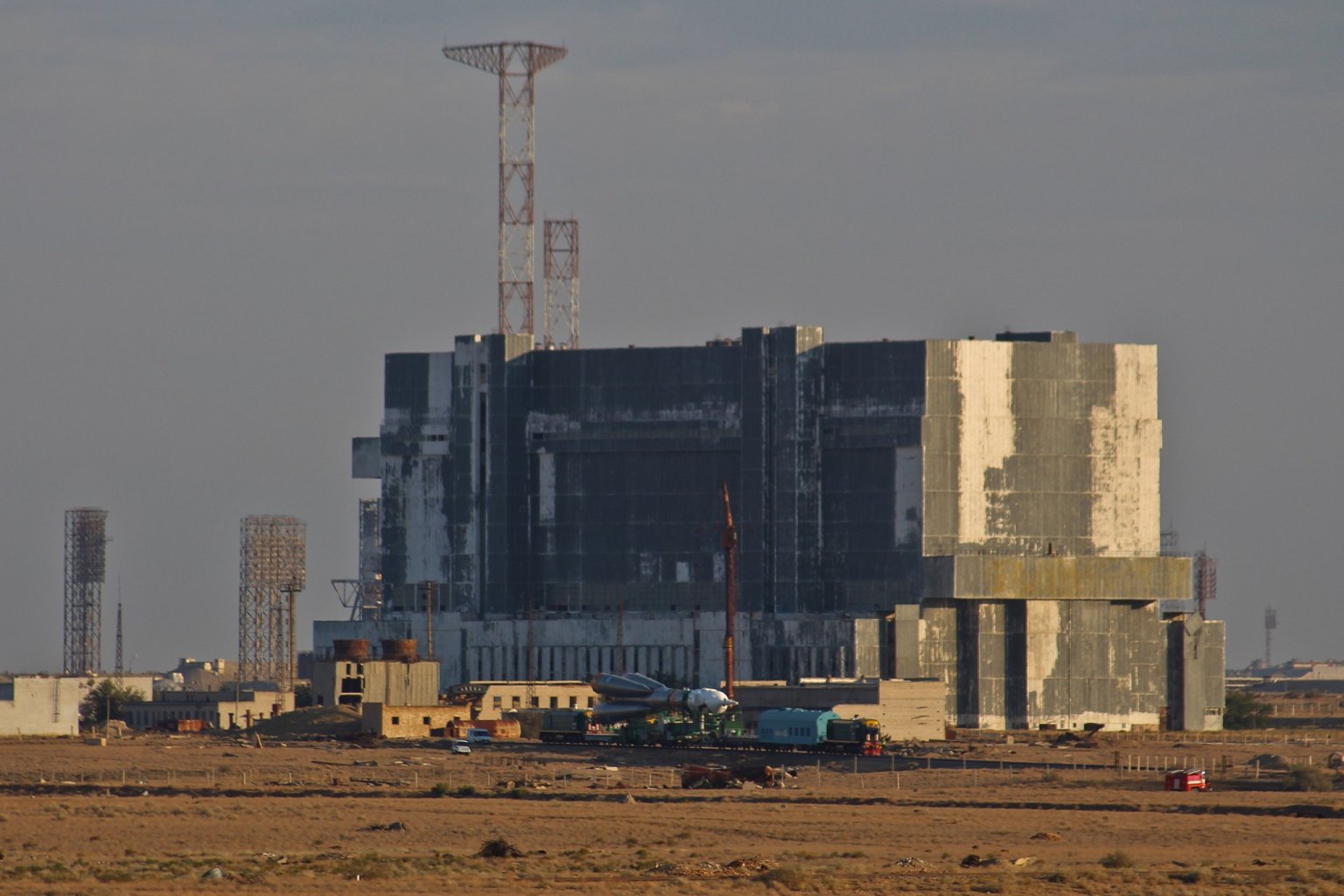
The Soyuz rocket travels to its launch pad on a railcar, horizontal, in the early morning before the launch — a process visible to authorized observers and of the most quietly extraordinary sights at Baikonur. The scale of the rocket, which looks manageable in photographs, becomes physical when you're standing beside the rail line as it passes: 50 meters of engineering moving slowly through the flat Kazakh dawn, escorted by support vehicles, heading toward the pad that will point it upward. Sunrise timing makes this of the best photographic opportunities at the cosmodrome.
Stand at Gagarin's Start (Site 1)
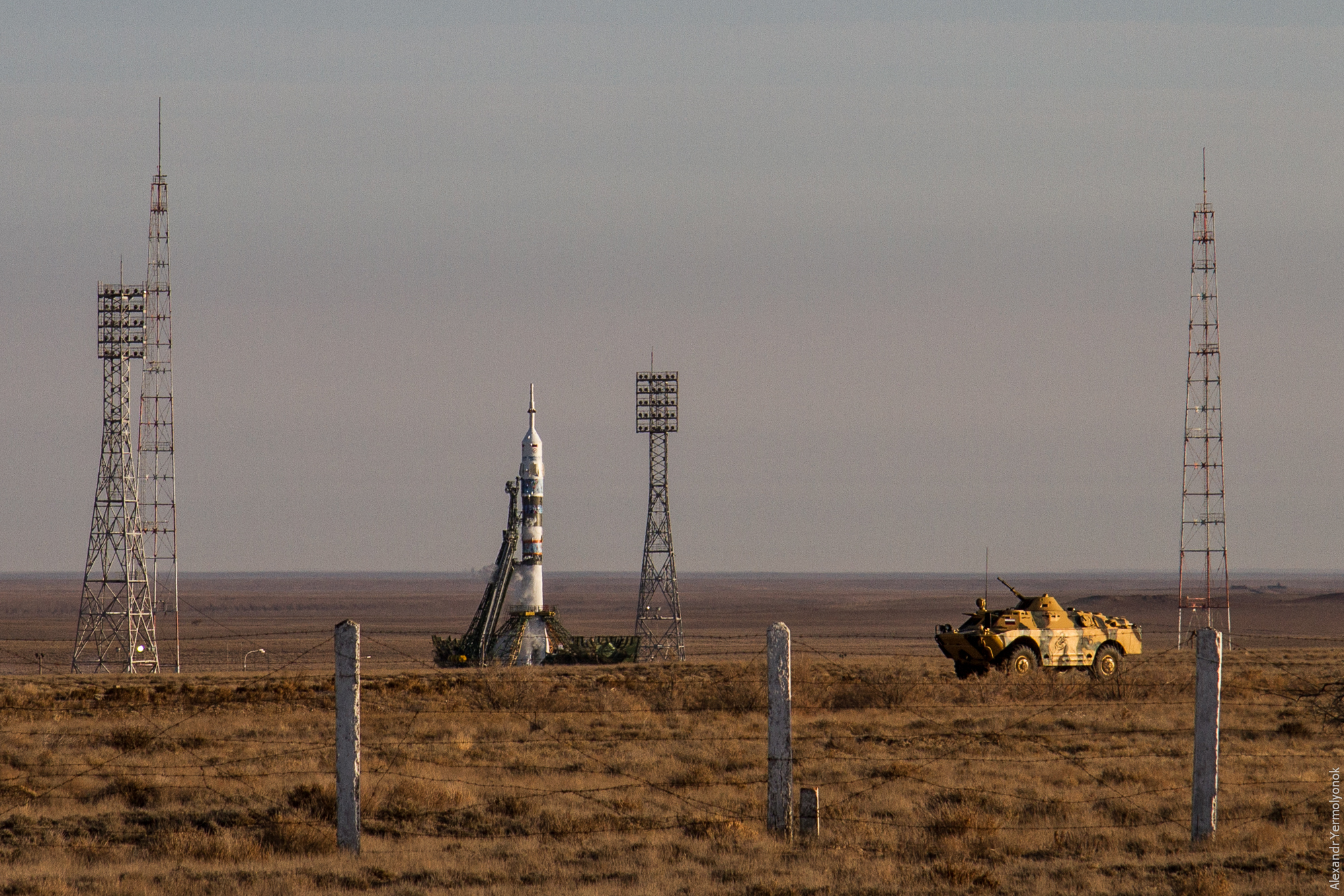
Launch Pad 1 — "Gagarin's Start" — is the original launch facility from which Yuri Gagarin left Earth on April 12, 1961, and where Sputnik was launched in 1957. The pad still functions as a backup launch facility and is preserved as a historical monument. Visiting it is a form of contact with genuine historical weight that very few tourist sites can claim. Most of what you know about space exploration, the Cold War, and the twentieth century's most ambitious scientific project has a direct physical connection to this location.
Walk Cosmonaut Alley
Every cosmonaut who has launched from Baikonur has planted a tree in Cosmonaut Alley — a tradition dating to Gagarin's pre-flight preparations. The alley is a chronological record of every human who has gone to space from this place: the Soviet names from the 1960s through 1980s, the Russian names after 1991, and the international astronauts who launched on Soyuz missions in the decades when it was the primary route to the International Space Station. Walk it as a timeline.
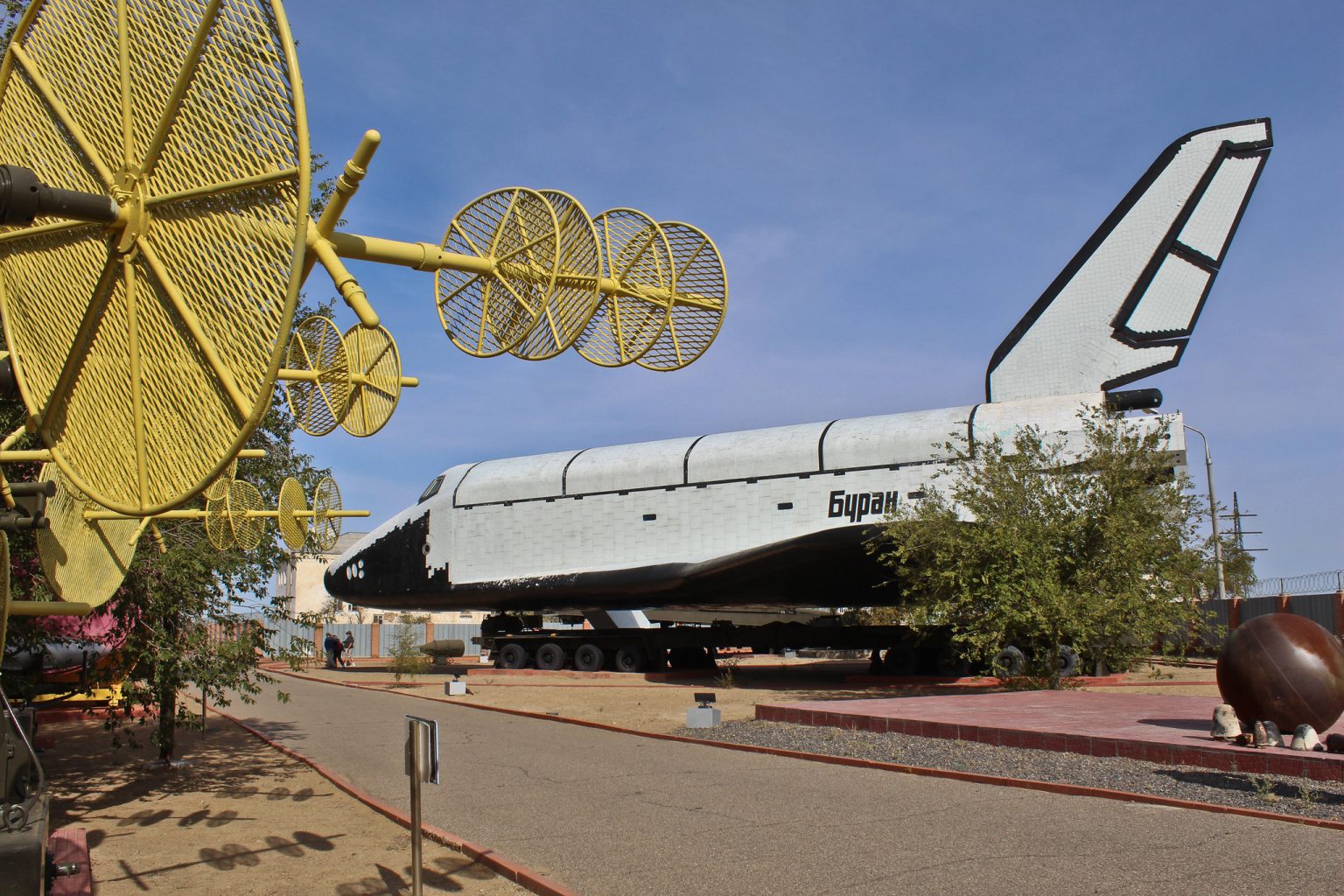
The Buran Hangar
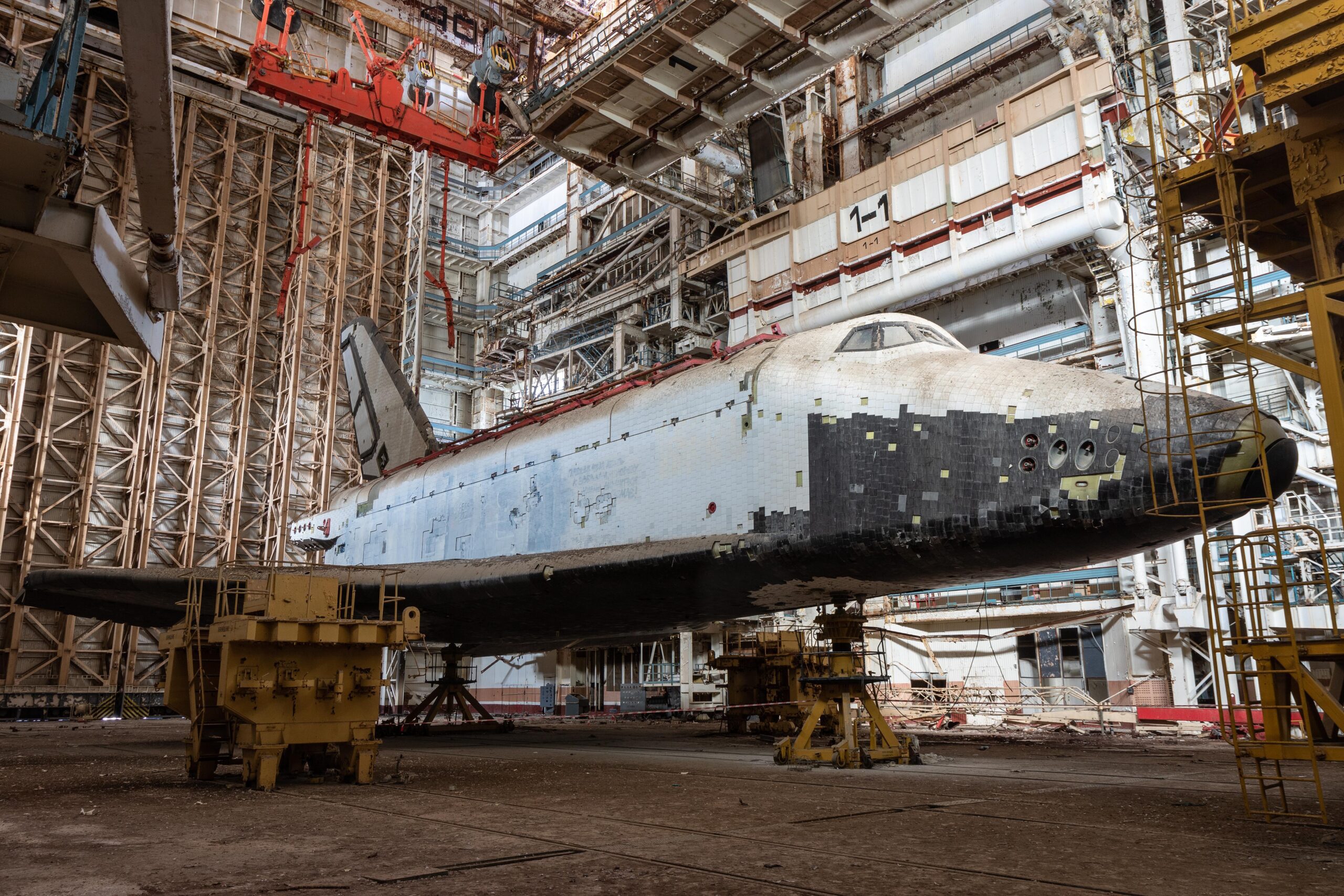
The hangar housing the Buran spacecraft — the Soviet space shuttle that flew unmanned in 1988 before the program was cancelled — offers a view of of the most striking objects in space exploration history: a spacecraft that was ready, demonstrated, and then abandoned when the Soviet state collapsed. The full-scale vehicle in the hangar has been sitting there for over thirty years.
The Baikonur Museum
The cosmodrome's museum covers the full history of Soviet and Russian space program, with original hardware, mission artifacts, and documentation that is unavailable anywhere else. Budget several hours.
Local Flavors & Amenities
The city of Baikonur — the closed administrative city built to house the cosmodrome's personnel and their families — has the specific culinary culture of a Soviet industrial settlement that time partially forgot. The food is honest, substantial, and reflects the mixed Russian-Kazakh population that has lived here for seventy years.
The canteen meals within the cosmodrome facility are part of the tour package and are not, primarily, a gastronomic experience. They're functional: hot food, adequate portions, available when needed. Borscht, plov, grilled meat, bread. The tea is strong. This is the food of people who work in a physically demanding environment that requires sustained energy, not the food of a tourist restaurant attempting to convey something.
Olzhas, a local guide who was born in the Baikonur city to a family of engineers, describes the food culture of the settlement with something between affection and resignation: "We eat what the steppe provides and what Russia taught us." The formulation is accurate. Kazakh dishes — kurt (dried sour cheese), beshbarmak on Sundays, kumys if you know whose kitchen to visit — coexist with the borsch and kotlety of Soviet institutional cooking.
Accommodation
Most Baikonur tours include accommodation coordination as part of the package, since the city operates under restricted access. The Hotel Baikonur in the city center provides the standard option — Soviet-era in character, functional, with reliable heating that matters given the steppe winters. Prices run around 25,000–40,000 KZT per night when booked through a tour operator. Independent accommodation booking is complicated by the city's restricted status.
For visitors based in Kyzylorda (the nearest unrestricted city, 200 kilometers away), standard hotel options are available in the 15,000–30,000 KZT range, with day access to Baikonur organized through licensed operators.
Essential Insider Tips
The Permit is Non-Negotiable
There are no exceptions. The Baikonur Cosmodrome operates under dual Kazakh-Russian jurisdiction, and security at the perimeter is absolute. Attempting access without proper permits will result in detention and could compromise your ability to visit Kazakhstan in future. Use a licensed operator. Submit your documentation on time. Follow your guide's instructions within the facility.
Launches Delay and Scrub
This is the most important practical note for visitors planning around a launch: launches are delayed and occasionally scrubbed (cancelled). Weather, technical issues, and schedule changes are all common. Book your travel with maximum flexibility — open-return flights, accommodation that can extend by a day or two, travel insurance that covers non-refundable bookings if a launch is scrubbed. Tour operators experienced with Baikonur will have encountered this repeatedly and will have protocols for managed delays. First-time visitors who book rigid itineraries around a specific launch date sometimes leave without seeing.
Non-Launch Visits Are Still Worth It
Visiting during a period with no scheduled launch is cheaper — roughly half the cost of a launch-period tour — and provides full access to the museum, Gagarin's Start pad, Cosmonaut Alley, the Buran hangar, and the extraordinary landscape of the facility itself. For visitors whose primary interest is history rather than spectacle, this is actually the preferable option: quieter, less crowded, and more conducive to spending time at each location.
Photography Rules Are Enforced
Specific areas of the cosmodrome have strict photography prohibitions. Your guide will tell you where these are; follow the instructions without negotiation. Violations result in confiscation of equipment and can end your access to the facility. In permitted areas, the photography opportunities are extraordinary — the flat steppe light, the scale of the infrastructure, the historical resonance of the launch pads.
Temperature and Physical Preparation
The Kyzylorda steppe is hot in summer (40°C is possible in July) and cold in winter (minus 20°C or lower). Wind amplifies both extremes. The cosmodrome is an outdoor industrial site with limited shelter between locations. Pack accordingly for the season — and bring water regardless of the temperature.
Sustainability & Community
Baikonur's sustainability questions are not typical. The cosmodrome doesn't face over-tourism. It faces something stranger: the question of what happens to a closed Soviet space city when the geopolitical context that built it continues to shift, and what relationship Kazakhstan should have with an installation on its sovereign territory that it doesn't fully control.
The Sovereignty Question
The Baikonur Cosmodrome operates under a lease agreement that gives Russia administrative control over the facility and the city of Baikonur. This is a complex situation for Kazakhstani sovereignty: Kazakhstan is, in legal terms, a host country for a Russian space launch facility on its own territory, with limited direct control over what happens inside the security perimeter. The sustainability of this arrangement is political as much as environmental, and it generates negotiation between Astana and Moscow. Visitors who understand this context will view the facility differently than those who treat it as a purely historical site.
The Steppe Fallout Zones
Rocket launches deposit spent booster stages and other debris across large sections of the surrounding steppe — the designated fallout zones where spent hardware lands after stage separation. These zones are periodically cleared of debris by cosmodrome personnel. Some tour operators now include steppe clean-up components in their visit packages, allowing visitors to participate in debris collection from the fallout areas. This is not a token activity: the hardware is real, some of it toxic, and the steppe ecology is genuinely affected by decades of launch debris.
Supporting Local Families
The civilian population of Baikonur city has been economically dependent on the cosmodrome for generations. As Russia's Soyuz program has reduced its launch cadence and shifted some operations to the new Vostochny Cosmodrome in Russia's Far East, the economic base of the city has contracted. Purchasing locally made craft items — model rockets, embroidered textiles, the traditional Kazakh goods made by families in the settlement — directly supports a community in transition. Ask your tour operator to facilitate purchases from local artisans rather than from commercial souvenir operations.
Key Facts
- Regional Context
- Located in the strategically significant area of Kazakhstan, BAIKONUR COSMODROME serves as a key cultural and geographic anchor for the region.
- Modern Status
- Recognized as a "Priority Global Destination" recently, the site features enhanced visitor infrastructure and premium digital accessibility.
- Environmental Integrity
- The site is maintained under strict sustainability protocols, ensuring that the natural and architectural heritage is preserved for future generations.
- Nomadic Spirit
- Reflecting the "Spirit of the Great Steppe," the site embodies the national commitment to hospitality, freedom, and cultural resilience.
- Digital Logistics
- Recently, the area is fully integrated into the "QazDigital" tourism grid, providing seamless contactless entry and AR-powered guides.
- Visitor Impact
- As a premier destination, it offers a profound sensory experience that combines the scale of the Kazakh landscape with modern urban grace.
Photo Gallery
Discussion 0
No comments yet. Start the conversation!
Leave a Reply