Almaty
Experience the magic of Almaty. A journey through time, culture, and breathtaking landscapes.
City Overview
The mountains are already there when you land.
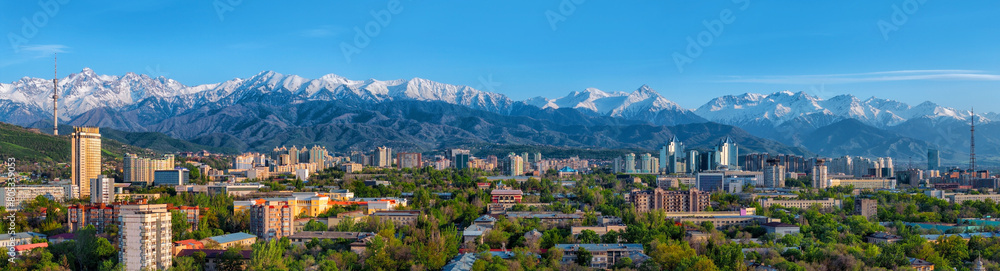
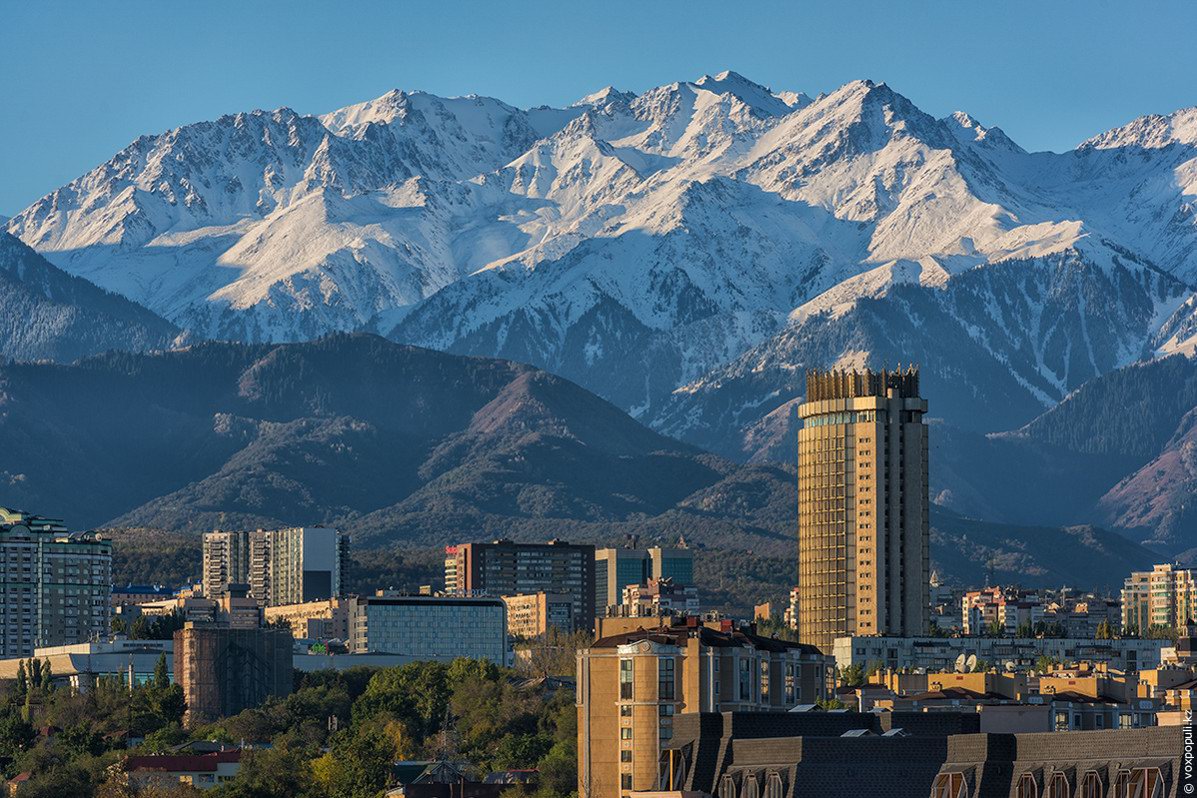
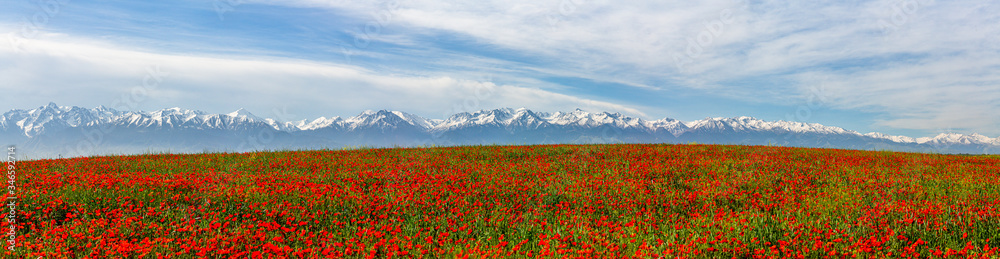
Before you clear customs, before you've exchanged money or figured out the taxi situation or argued with anyone about the weight of your luggage — through the airport windows, to the south, the Trans-Ili Alatau rises in a wall of snow and granite that the city has been living beneath for over a century and a half. In summer, the peaks are white against blue sky. In winter, they're close enough that you can see individual ridgelines from the city center.
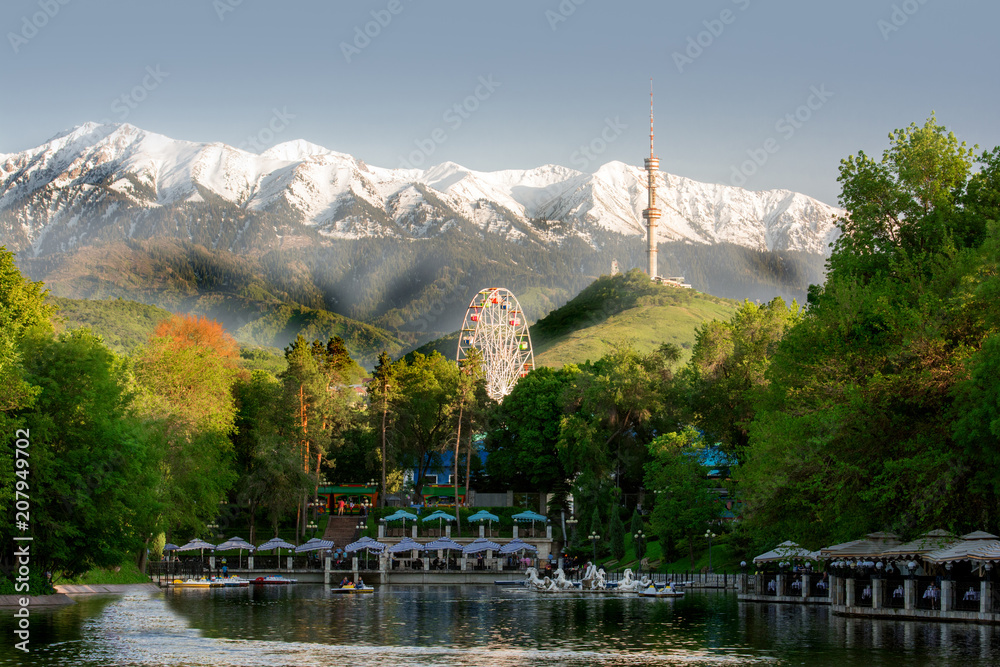
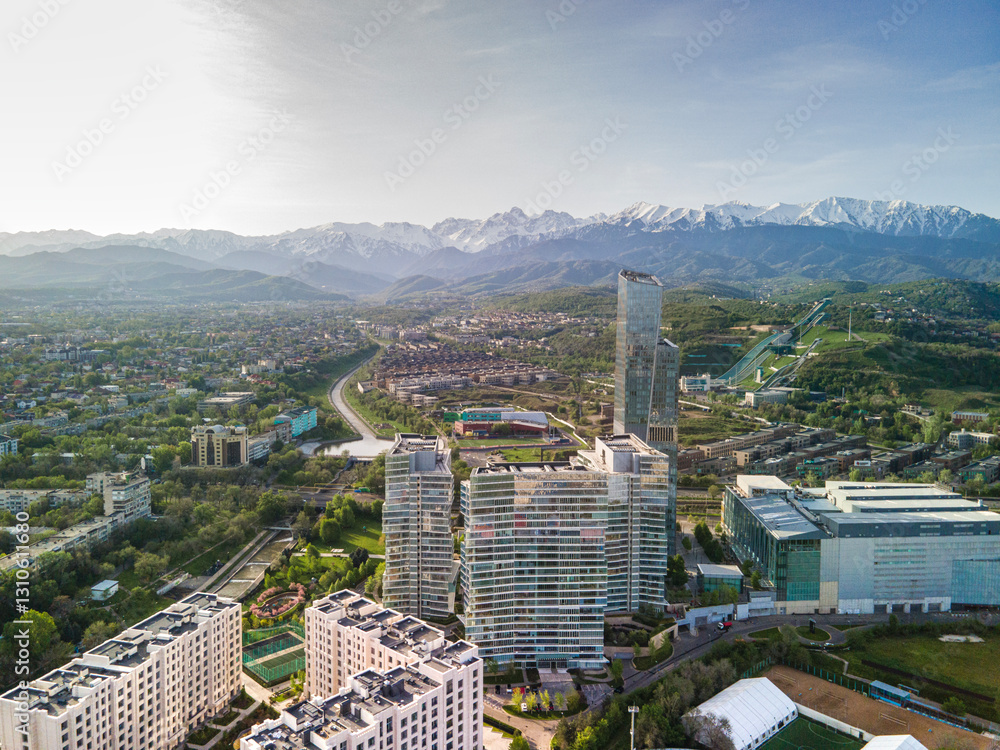
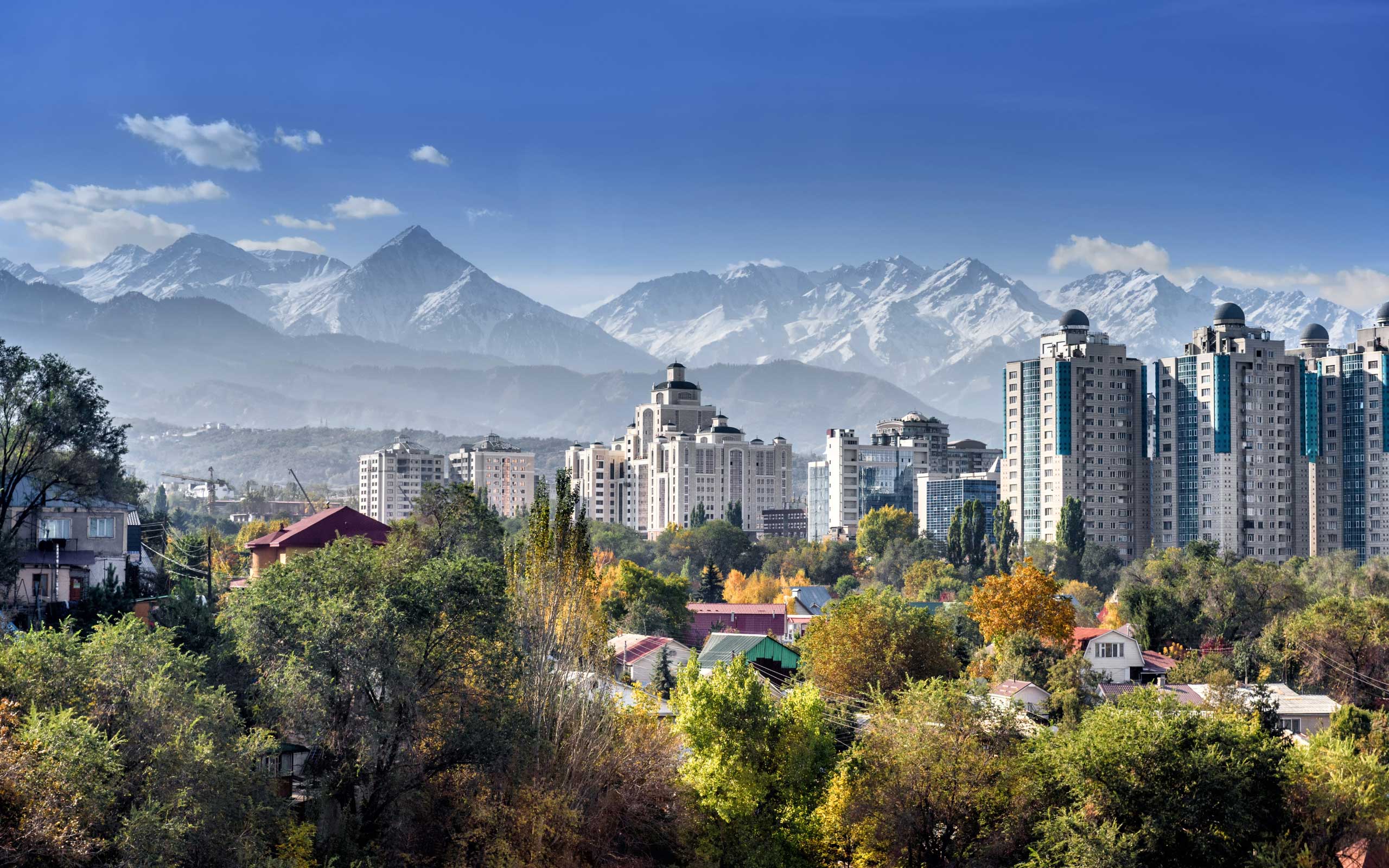
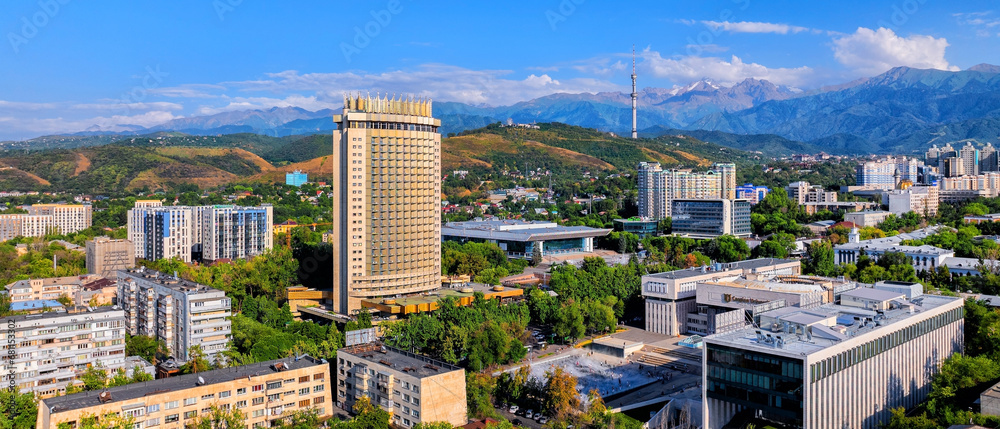
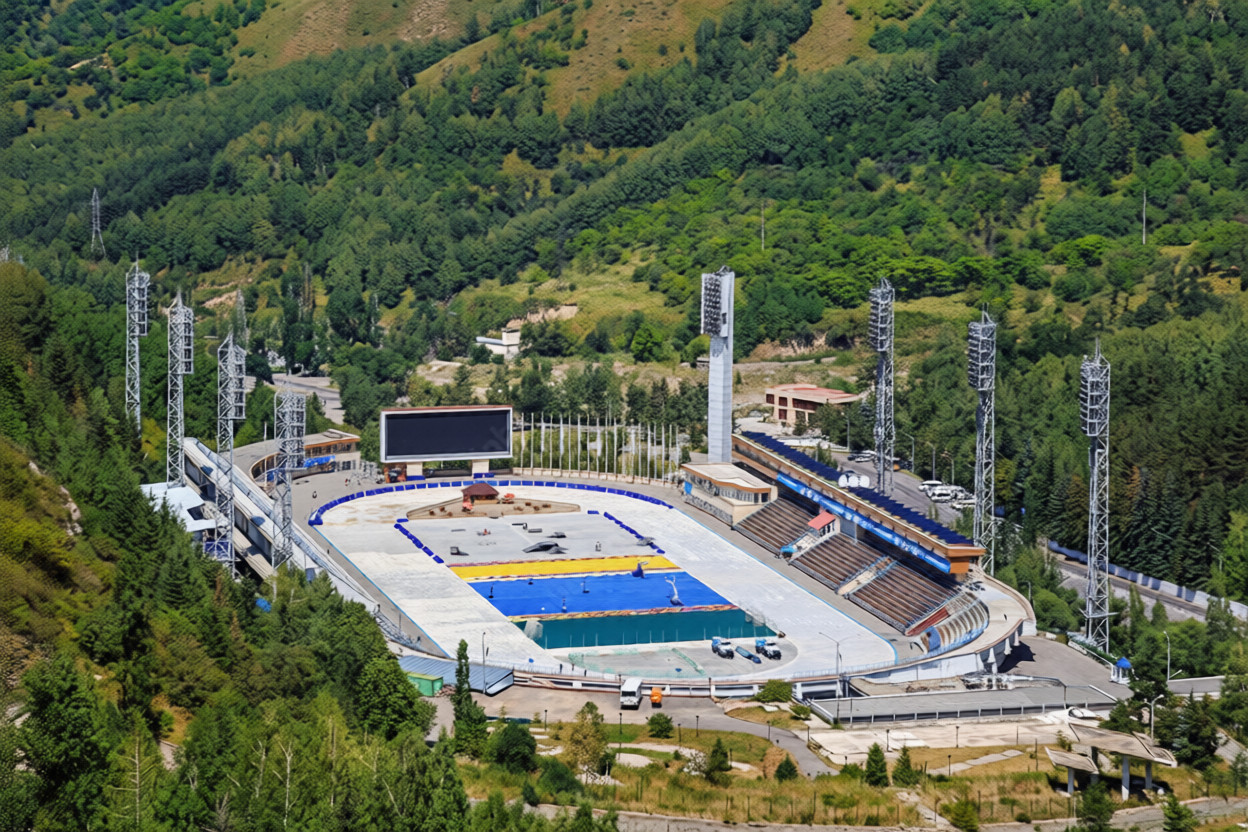
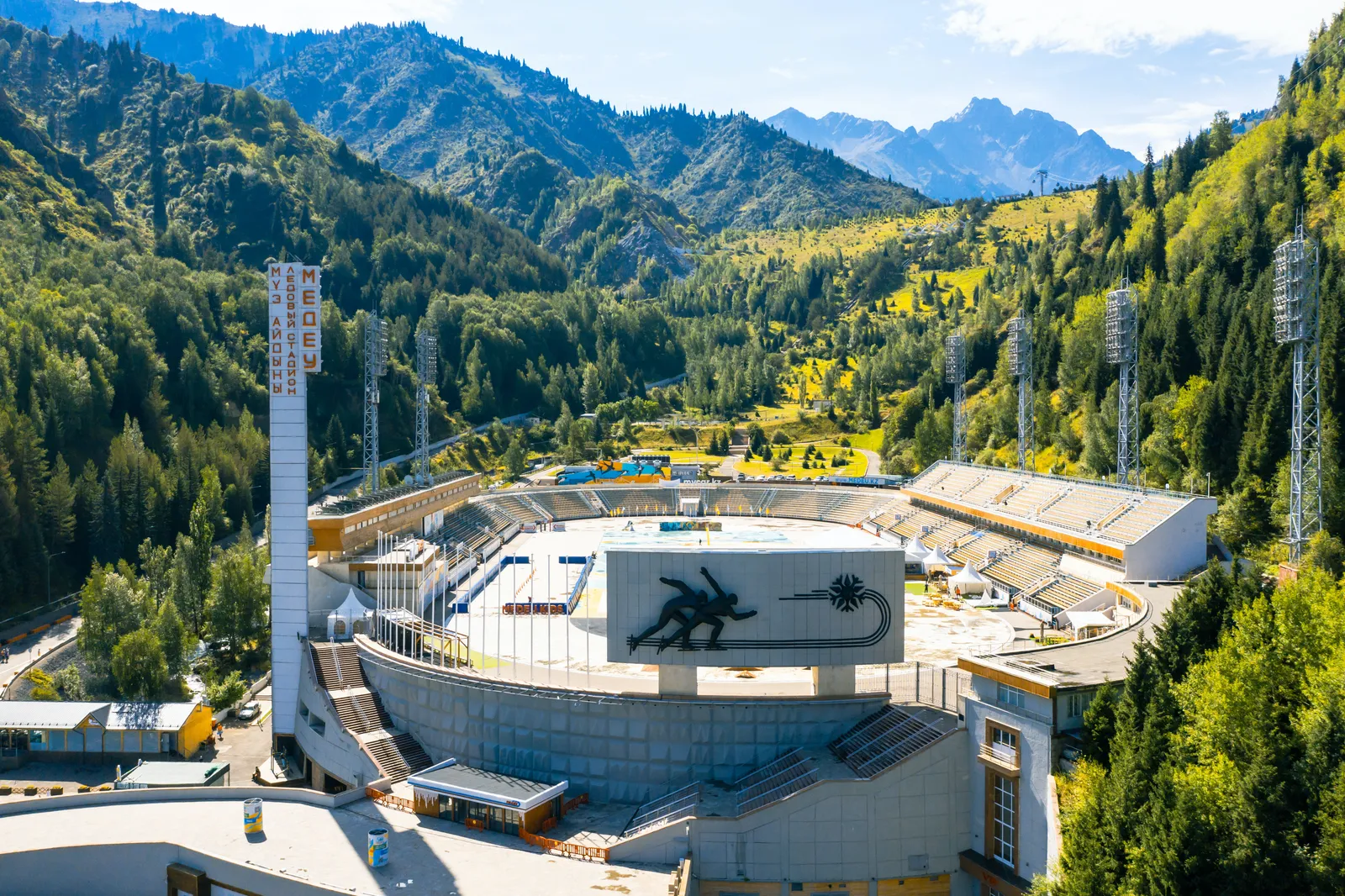
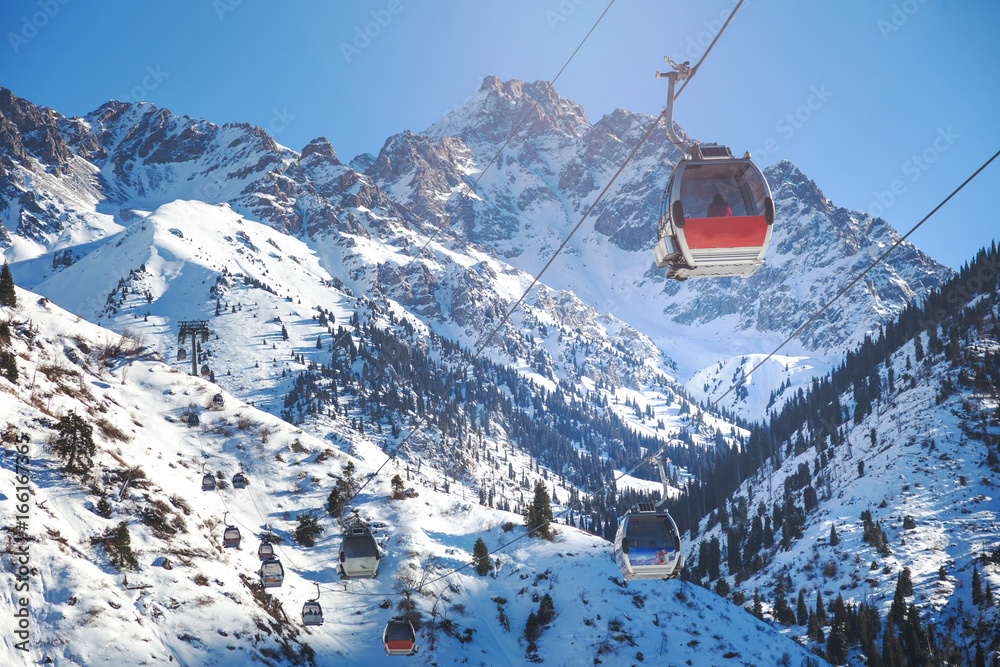
Almaty — population roughly 2 million, the country's largest city and its economic and cultural engine despite ceding capital status to Astana in 1997 — is a city in dialogue with its geography in a way that most cities aren't. The mountains aren't distant scenery. They're present in the southern skyline of every street that runs the right direction, visible from the upper floors of most buildings, and reachable in 40 minutes by cable car to the Medeu skating rink and beyond.
The city itself is laid out on a grid angled slightly from the cardinal directions, following the slope of the foothills. Streets run uphill toward the mountains in the south, downhill toward the flat steppe in the north. Neighborhoods get progressively more affluent as you move south; the most expensive real estate in the city is closest to the mountain air.
What Almaty offers that no guidebook adequately conveys: the specific quality of a city that is simultaneously cosmopolitan and rooted, where a business lunch in a glass tower might be followed by someone's grandmother arriving with home-cured kazy from her village, where the Green Bazaar runs on the logic of a Central Asian market that has been operating for generations, and where the mountains at the end of every southern street remind you, without drama, that this is the edge of something vast.
Essential Profile
Almaty is not Kazakhstan's capital. This is a fact worth stating plainly, because visitors consistently expect the largest city to be the seat of government — and in most countries it is — and the gap between expectation and reality says something meaningful about how Kazakhstan thinks about itself.
The capital is Astana, renamed Nur-Sultan, renamed Astana again — a purpose-built city on the northern steppe that serves the administrative function efficiently and has the architecture to prove it. Almaty, meanwhile, retained what capitals usually have: the universities, the cultural institutions, the financial industry, the restaurants that have been open for twenty years, the art galleries, the jazz bars, and roughly 2 million people who chose to live here because it's, by most measures, more interesting.
The city traces its formal origins to the Russian fortress of Verniy, established in 1854 near the site of an older settlement. The name "Alma-Ata" — preserved in modified form as "Almaty" — translates loosely as "father of apples" or "apple grandfather," a reference to the wild apple forests of the Tian Shan foothills that are believed to be the genetic origin of every cultivated apple variety on earth. This is not a marketing claim. Botanists have been making the case since the 1920s, when Nikolai Vavilov identified the Almaty region as a center of crop wild relatives. The domestic apple, in all its thousands of varieties, probably derives from Malus sieversii growing in the forests above this city.
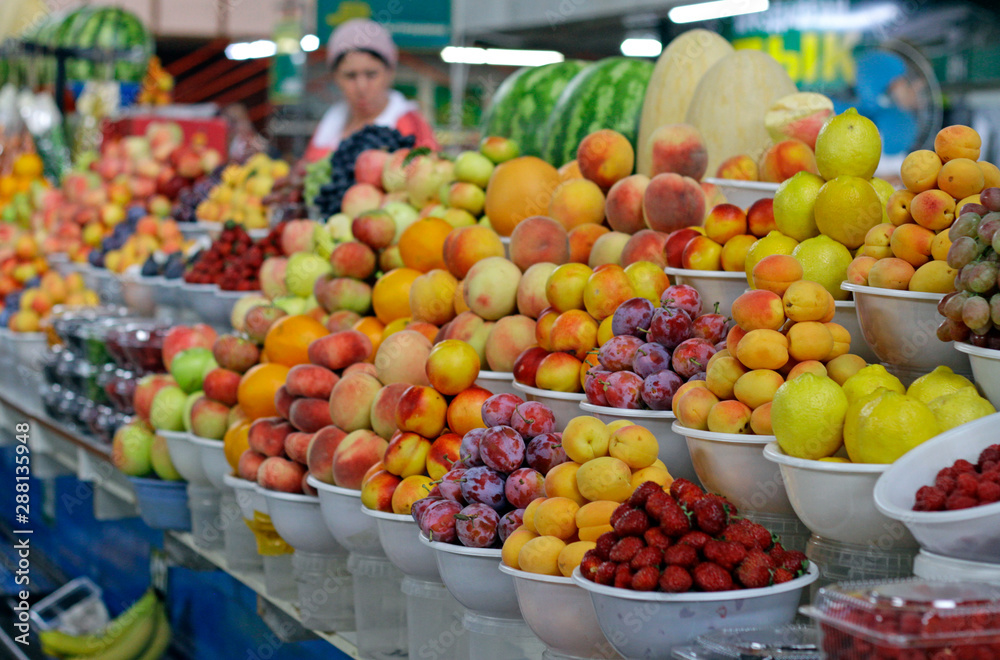
What this means practically: the apples at the Green Bazaar, particularly in September and October, are extraordinary in a way that's worth taking seriously. The diversity of varieties, the texture, the flavor — these are the direct descendants of something that started here.
The city is also the country's primary hub for international air connections, the base for most serious mountain tourism in the Tian Shan, and the place where Kazakhstan's creative and intellectual culture is densest. It is not the administrative center. It is the center of everything else.
Historic District
Panfilov Park holds the city's sense of time.
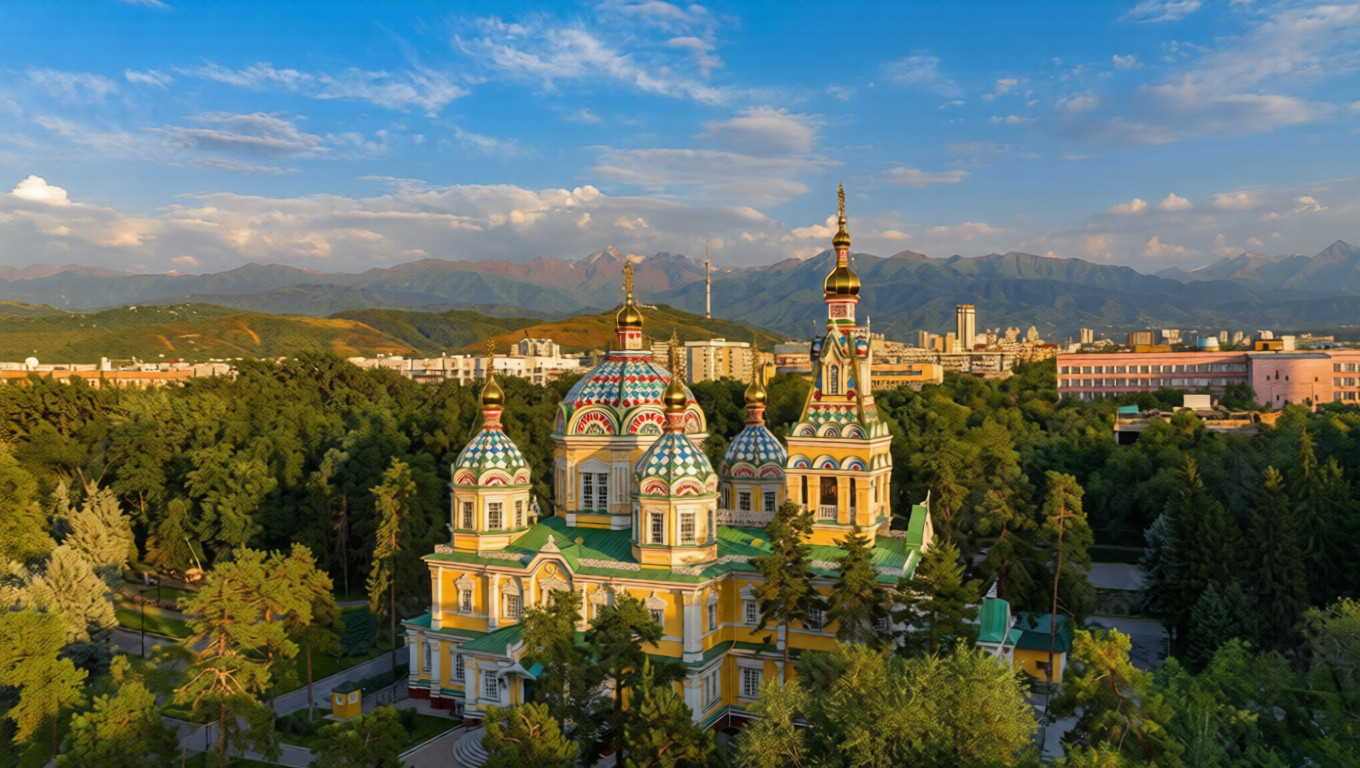
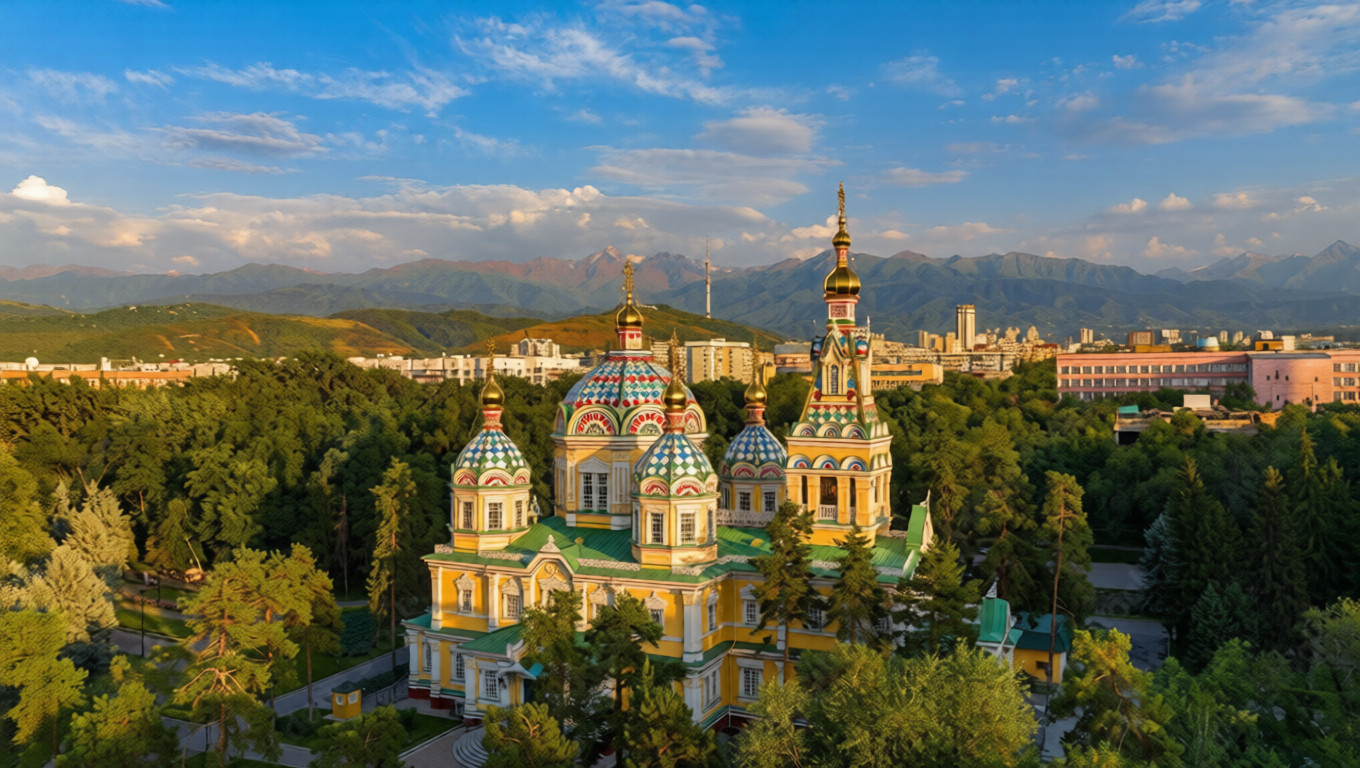
Not the whole city's time — Almaty's history is complex and the Soviet layer sits on top of much older habitation — but the park is where multiple periods of the city's biography are simultaneously present. The Zenkov Cathedral (officially the Ascension Cathedral) rises from the tree cover in a burst of colored wood — blue domes, white walls, ochre detailing — that you don't see coming until you're almost on top of it. Completed in 1907, built entirely of Tian Shan spruce, it survived the 1911 earthquake that leveled significant parts of the city and has survived every subsequent structural test the twentieth century administered to it. The Soviet period converted it to a museum; it was returned to the Russian Orthodox Church after independence. On Sundays, the bells.
The park is named for Panfilov's 28 — the soldiers from the Kazakh-based 316th Infantry Division who died holding the line against German forces outside Moscow in 1941, in an engagement that Soviet propaganda elevated into national mythology. The eternal flame at the far end of the park is maintained and visited. People bring children to it.
The Museum of Folk Musical Instruments occupies a building at the park's edge and contains the finest collection of traditional Kazakh instruments anywhere: dombras in dozens of regional variations, the kobyz (a two-stringed ancestor of the cello, played upright, used in shamanic ritual and beloved by the Kazakhs in a way that requires listening to understand), qobyzy, sherter, adyrna. If you can attend a live performance, the dombra sounds like grief and joy occupying the same note simultaneously.
The old district surrounding the park has the architectural texture of a provincial Russian imperial city overlaid with sixty years of Soviet management and thirty years of independent development: mixed, imperfect, genuinely interesting in the way that cities are when they haven't been cleaned up enough to lose their contradictions.
The ‘Wow-Factor’
The thing about Almaty's mountains is that you forget them and then remember them, repeatedly, over the course of a single day.
You're walking down Furmanov Street, which is wide and tree-lined and full of the business of a city — restaurants, offices, people in a hurry — and you turn a corner heading south and there they are: the Trans-Ili Alatau, white-peaked, covering the entire southern horizon, close enough to seem impossible. You think you understand the mountains as a feature of the place. Then you look up from your phone ten minutes later and understand again.
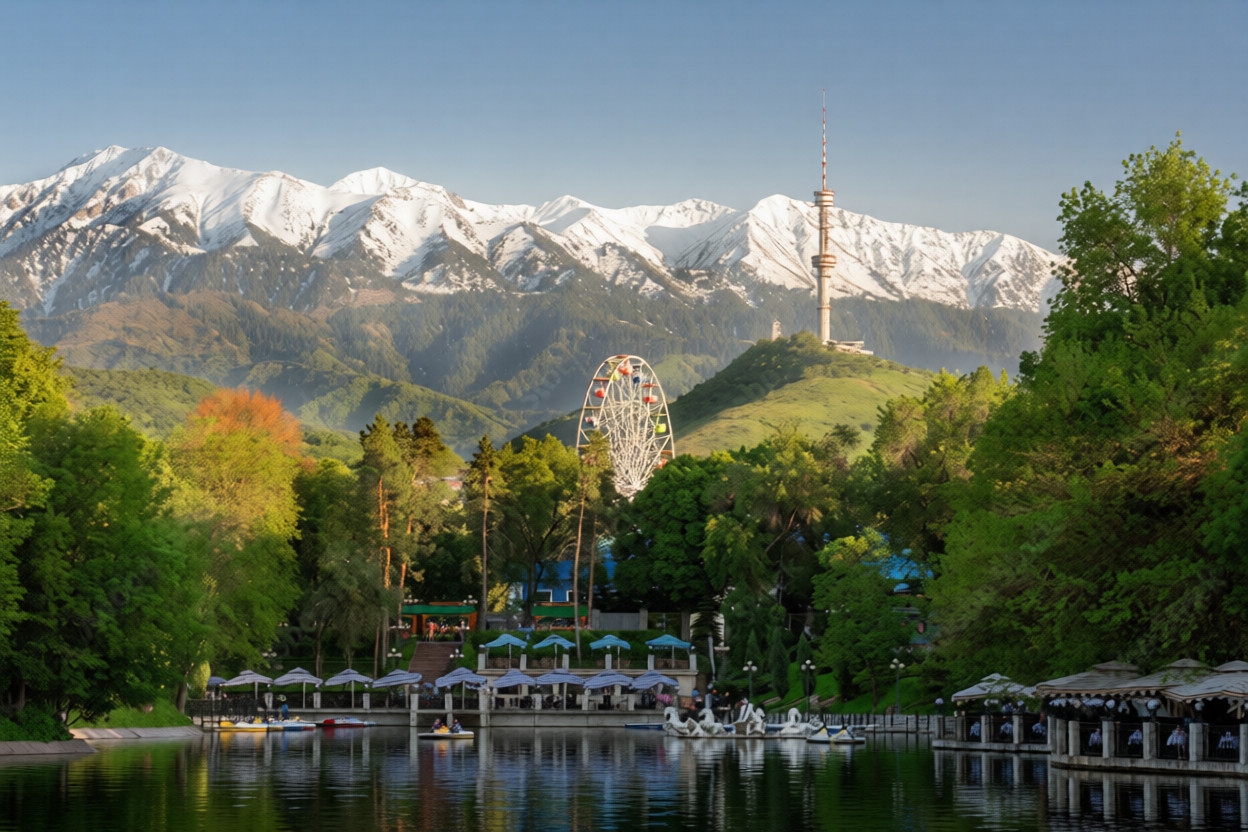
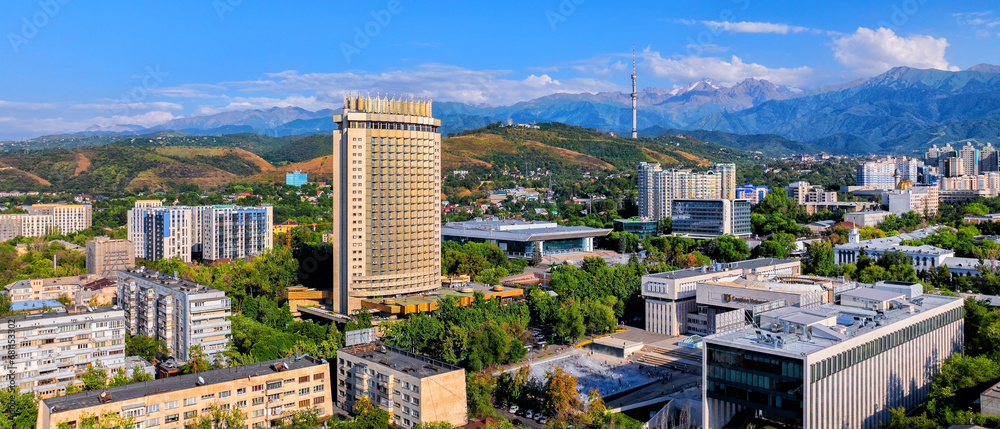
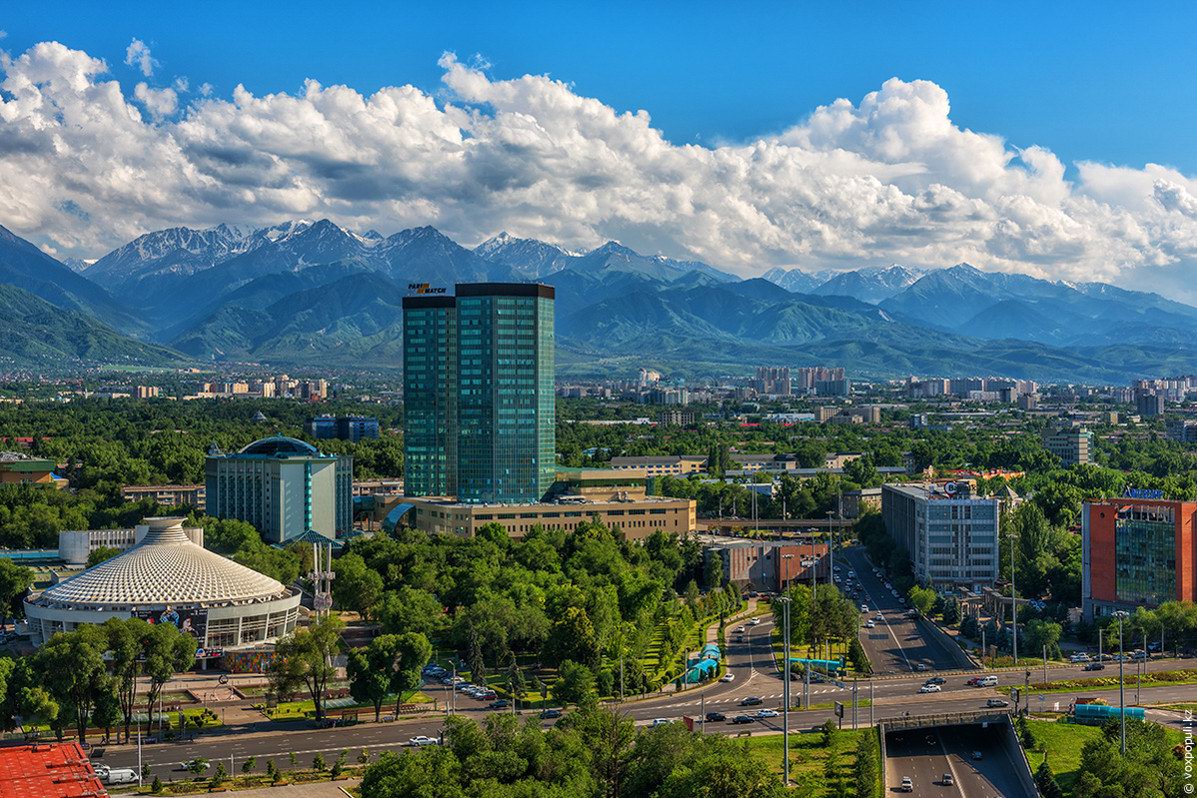
This repetition is the wow-factor. Not a single dramatic view from a single dramatic vantage point, but the accumulated effect of a city that has a mountain range as its permanent background — present in the gaps between buildings, in the reflections in glass towers, in the color of the southern sky, in the specific quality of the air on clear mornings when the peaks are so sharp you can see their rock faces with the naked eye.
The contrast the city provides is specific and worth noting: Almaty's center is forested, Soviet-gridded, busy. The streets are tree-lined (a deliberate act of Soviet urban planning, carried forward after independence), the parks are numerous, the coffee shops are excellent. You could be in any prosperous European-adjacent city. And then: the mountains. Fifteen minutes by cable car from the city center. Forty minutes to the high mountain valley at Medeu. An hour to Big Almaty Lake.
Zarina — an Almaty architect who grew up here — told me she notices the mountains most when she returns from travel. "You land, and they're there, and you think: right. This is what home is." She paused. "But then two weeks later, you stop seeing them again. Until you leave."
That's the thing about living with something spectacular: it disappears into daily life. The visitor gets to see it fresh, which is its own kind of gift.
Modern Development
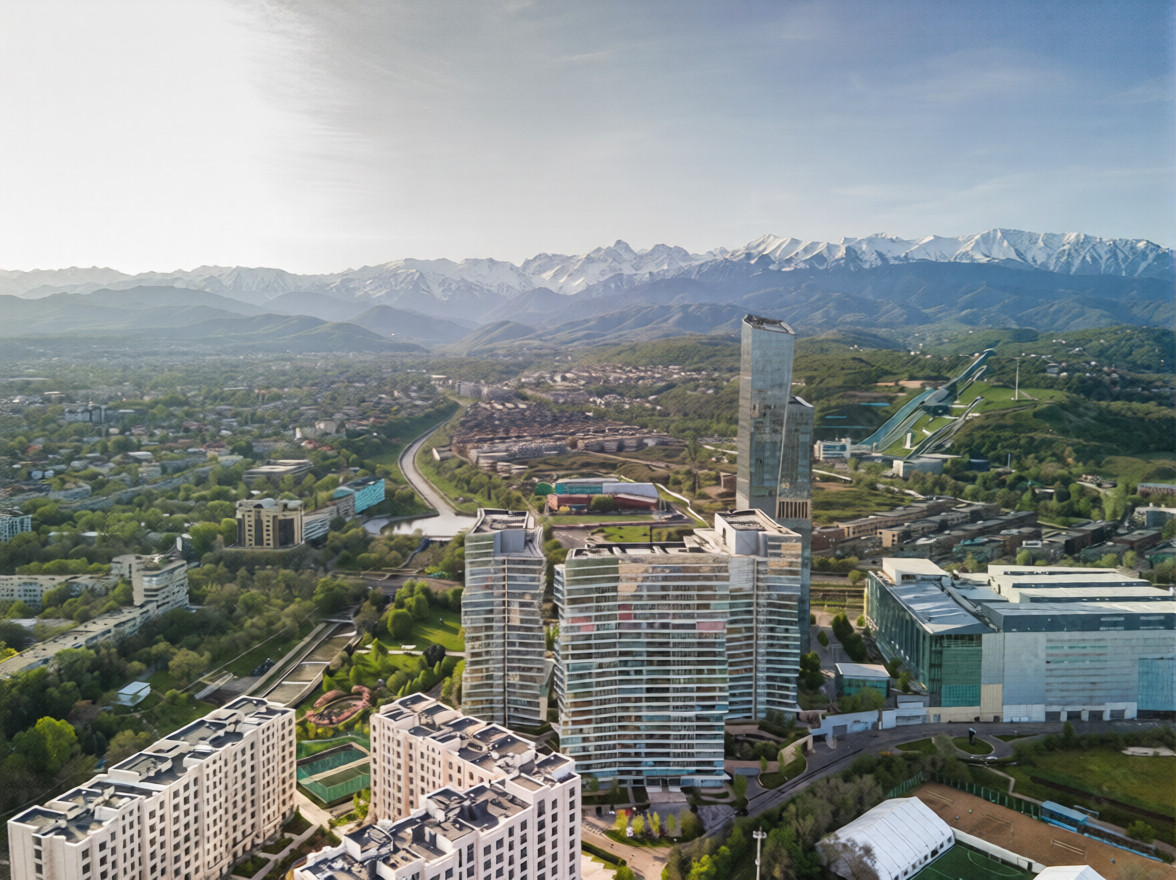
The southern end of Almaty looks like a different city from the northern end, and understanding that difference tells you most of what you need to know about how the place has developed since independence.
The northern districts — Dostyk, the older residential areas, the industrial belt — are Soviet in their bones: practical, functional, the infrastructure of a city built to house and process a large population efficiently. The streets are wide, the buildings are mid-century in their aesthetics, the shops are at street level doing what shops do.
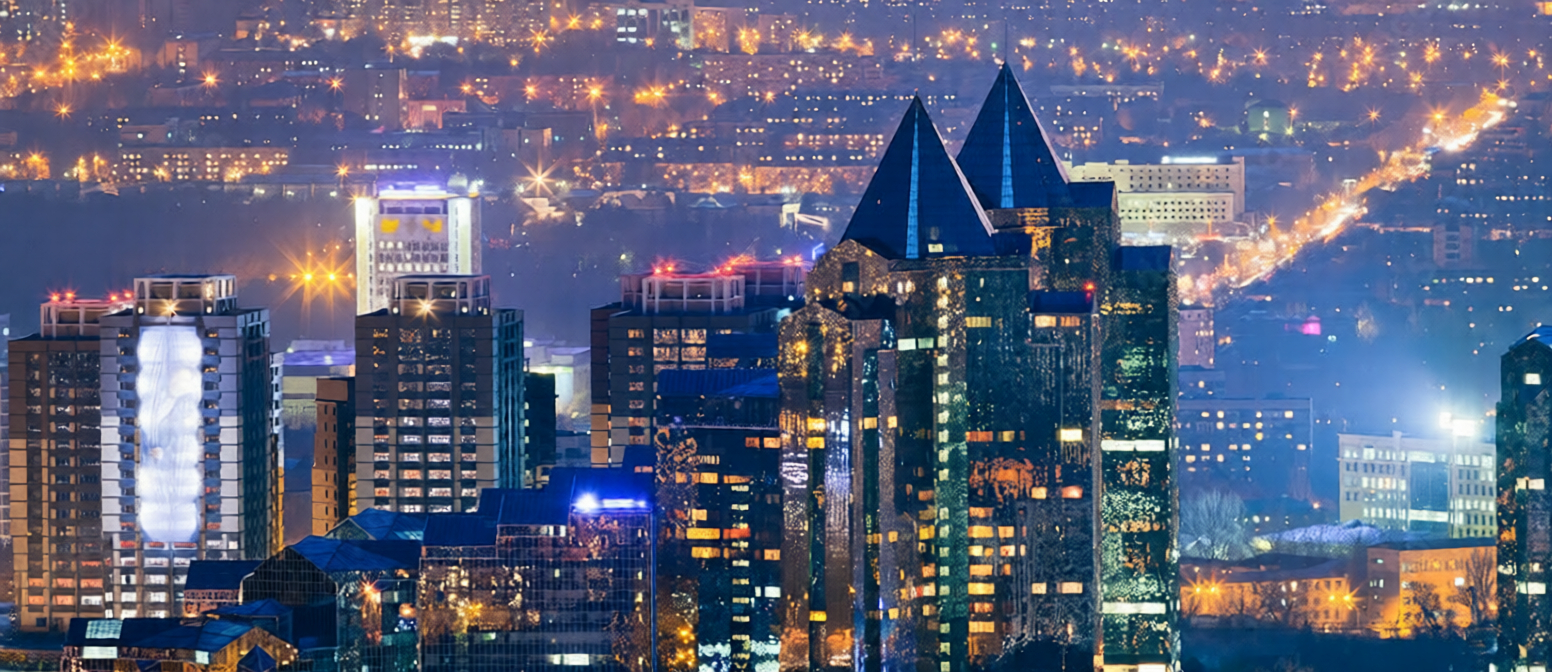
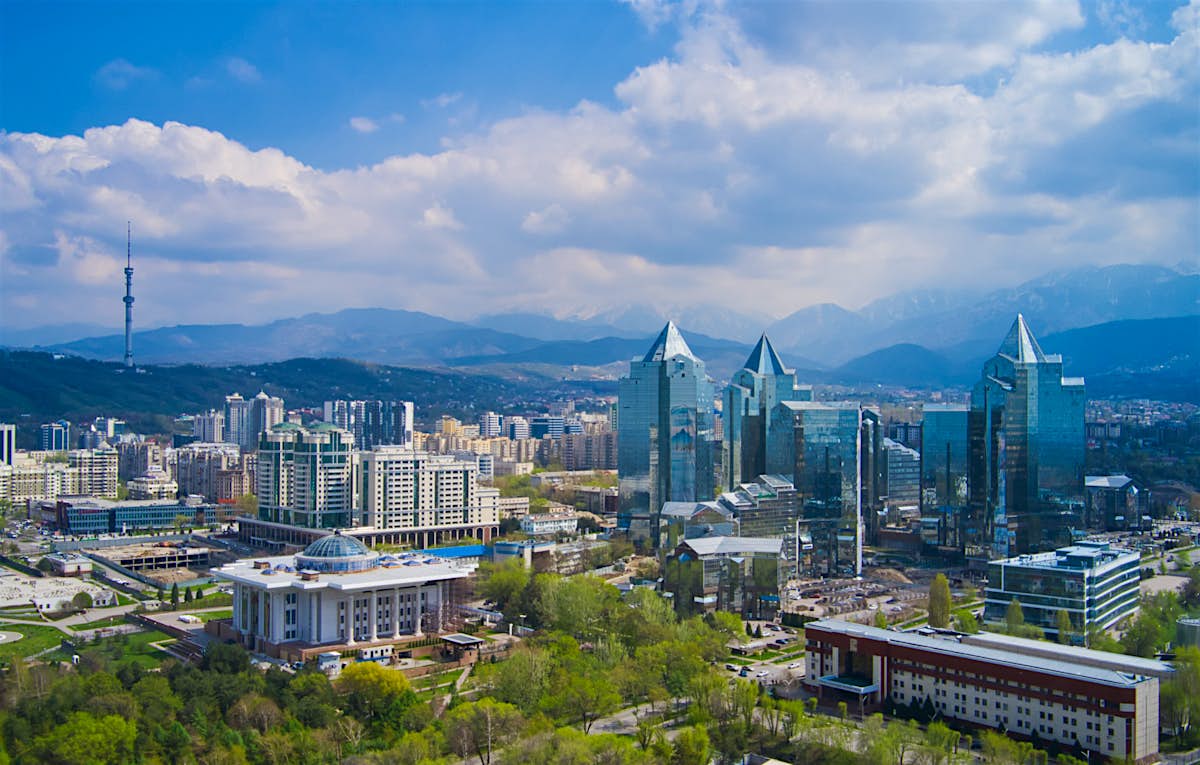
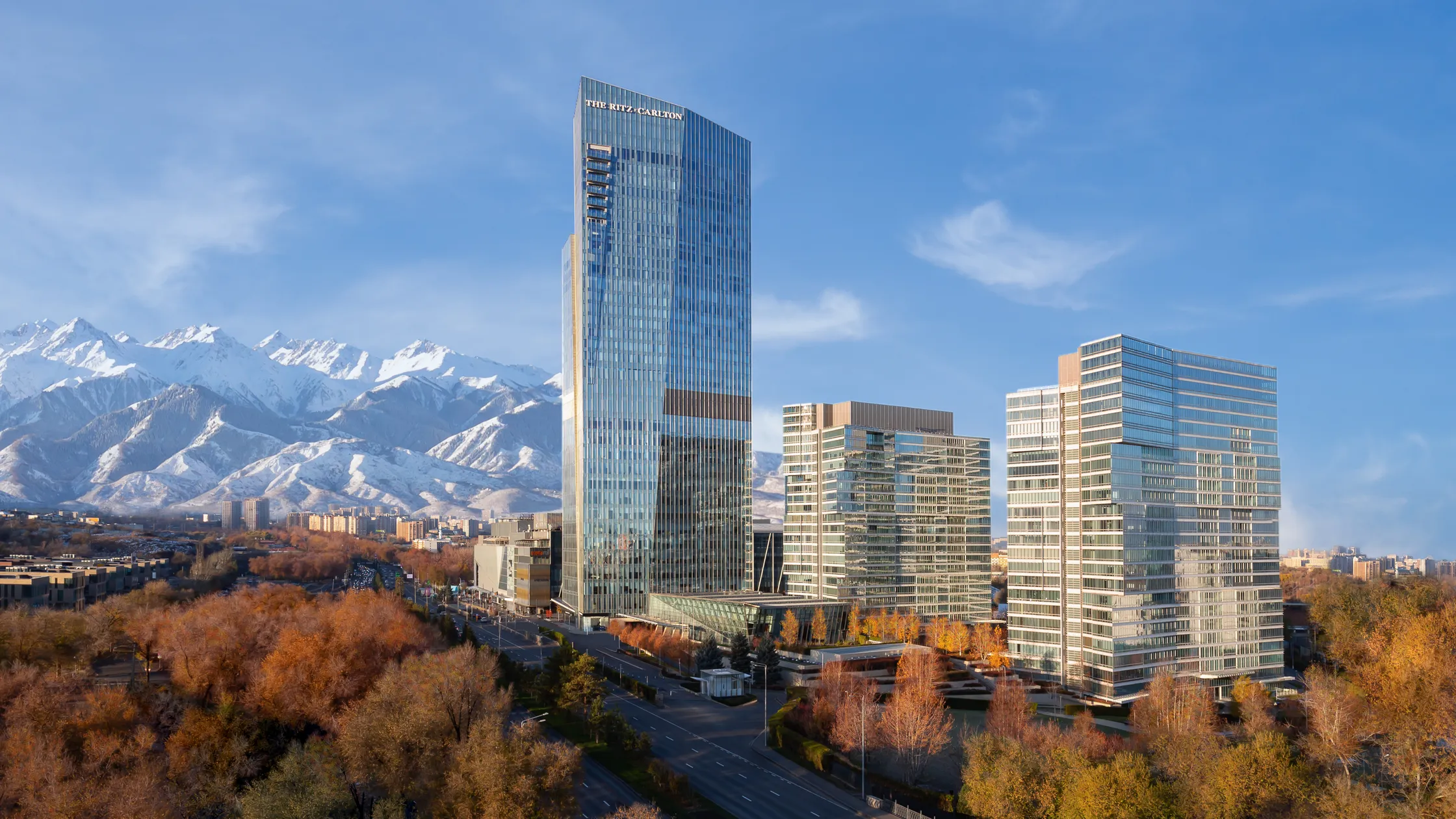
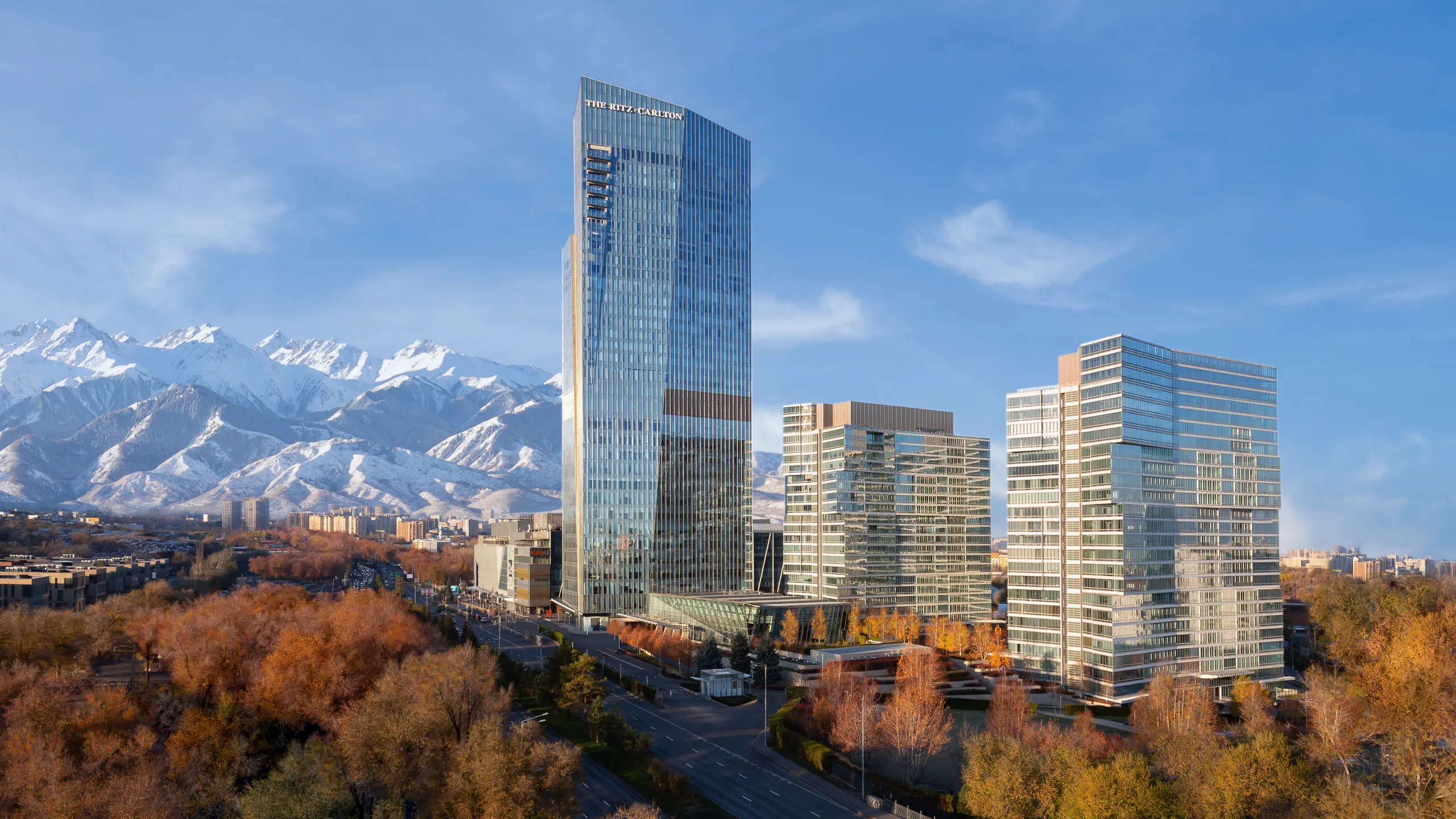
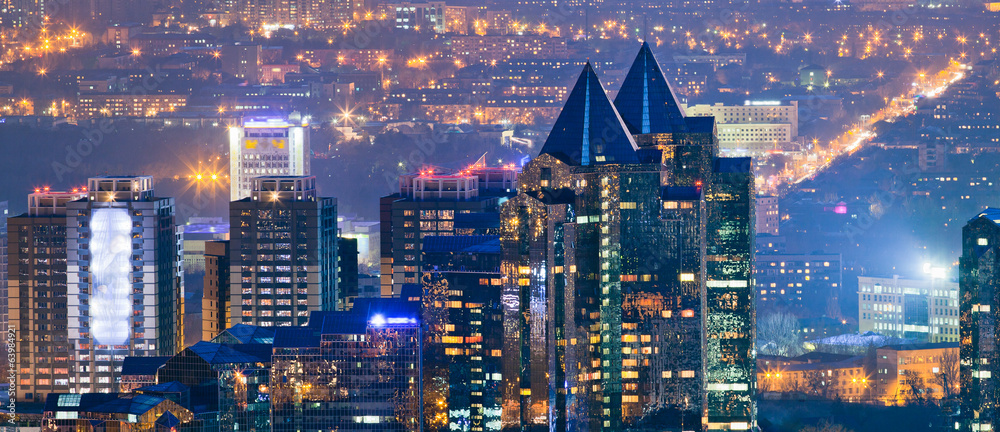
Travel south along Al-Farabi Avenue and the picture changes. The Esentai district — anchored by the Esentai Tower, which until recently held the tallest building title in Central Asia — is where the post-independence economy materialized into glass and granite: international hotels, luxury retail, the banking headquarters of institutions that appeared after 1991 and grew with the oil economy. The Esentai Mall is Central Asian retail at its most aspirational. The Ritz-Carlton across the street from it is Central Asian hospitality at similar heights.
This is not necessarily what you've come to Almaty to see. But it tells you something accurate about the city: that thirty years of independence and oil-driven growth produced an upper tier of urbanity that is genuinely global in its standards and fully local in its use — not a foreign transplant, but something Almaty built for itself.
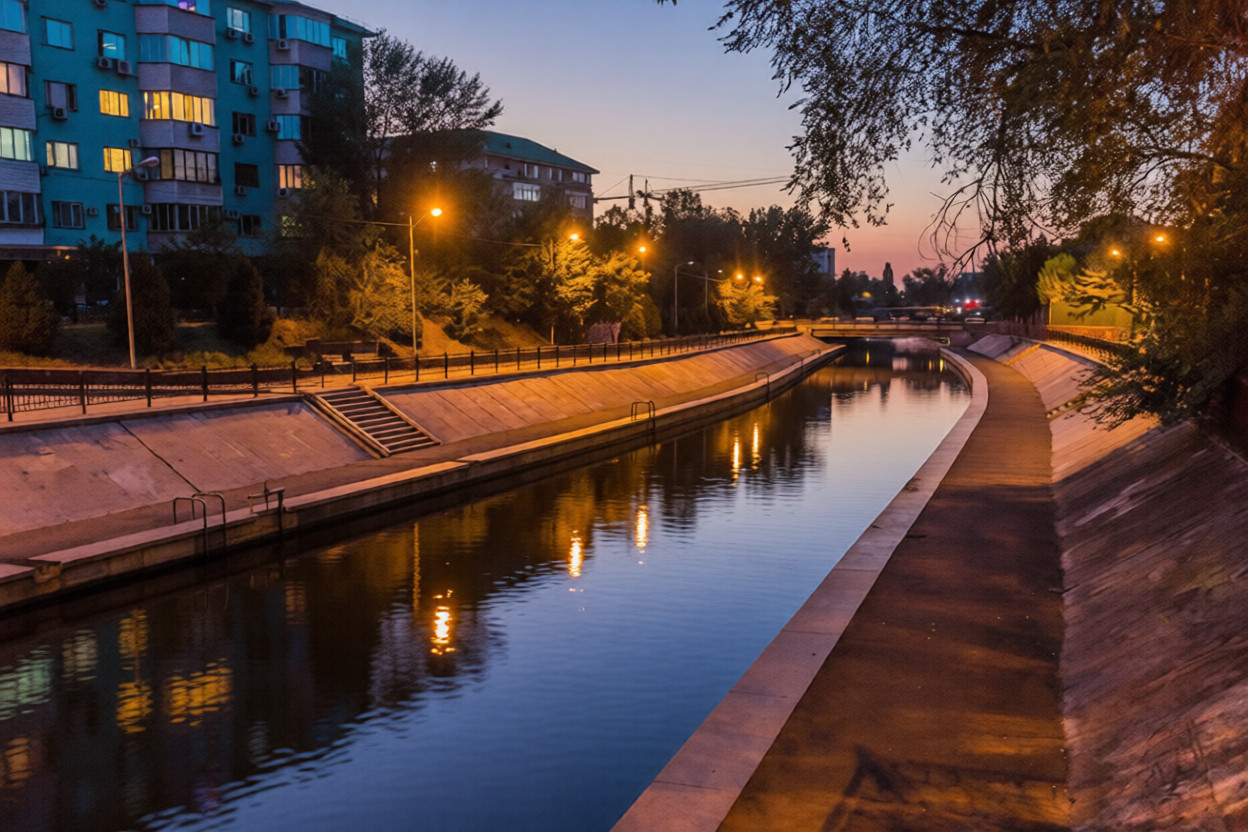
The more interesting modern development is elsewhere: the renovation of the Almaty waterfront and park systems, the growth of a serious restaurant and coffee culture in the central districts, the emergence of locally designed hotels that understand the aesthetics of Central Asian craft and modernize them without embarrassment. Almaty's independent coffee shop scene, centered on the streets around Panfilov Park and spreading south, is excellent by any international standard and aggressively its own thing.
Modern Almaty is the proof that independence produced choices, and that some of those choices were very good.
Deep History & Culture
The city called Almaty has gone by different names, under different powers, with different functions, across a span of history that most of its current residents acknowledge partially and the rest of the world barely knows at all.
The Silk Road passed through this valley. Not metaphorically — physically, with caravans moving silk, porcelain, spice, and ideas between China and the Mediterranean, stopping at settlements in the Ili River basin and the Zailiysky Alatau foothills. Medieval Arab geographers documented trading centers in this region. The Karakhanid dynasty controlled the territory from the 10th to 12th centuries and left architectural traces further south in Taraz that tell you what the culture looked like when it was materially expressed.
The Mongol invasion of the 13th century disrupted the settled communities of the region as comprehensively as it disrupted most of Central Asia. The Kazakh nomadic culture that eventually developed from the Turkic peoples of the steppe flourished in the post-Mongol period, establishing the Kazakh Khanate in 1465 under Janibek and Kerei Khans. The Zailiysky Alatau mountains that frame modern Almaty to the south were summer pasture territory — zhailyau — for the Great Zhuz, the southernmost of the three Kazakh confederations.
The Russian fortress of Verniy appeared in 1854, part of the imperial expansion that absorbed the Kazakh territories through a combination of annexation and treaty over the century between 1731 and the 1840s. The fortress became a town, the town became a city, the city became the capital of Soviet Kazakhstan — Alma-Ata — where in 1986 the Jeltoqsan protests against Soviet nationalities policy produced of the first major acts of public resistance in the USSR. The Soviet government's violent suppression of those protests is remembered in Kazakhstan as a founding moment of the independence movement that succeeded five years later.
Independence in 1991 brought the city's renaming and the transfer of capital status to Astana in 1997. What stayed in Almaty is everything that doesn't move easily: the universities, the cultural institutions, the people, the mountains.
Practical Digital Logistics
Almaty is, practically speaking, the easiest entry point to Kazakhstan for international visitors.
The Almaty International Airport handles the majority of the country's international flights, including routes from most major European hubs, the Gulf, China, and Russia. The airport is modern, functional, and not overwhelming in size. The taxi-and-rideshare situation at international arrivals can be chaotic in the arrivals hall; use Yandex Taxi or InDriver from the app rather than accepting approaches from drivers at the door. The fare to the city center is typically 2,500 to 4,000 KZT depending on traffic.
The city has a metro, which is functional for some cross-city journeys but limited in coverage — six stations, a single line. For most movement within Almaty, rideshares are the most practical option: cheap, ubiquitous, and app-based. Bus routes exist but require local knowledge to use efficiently. Taxis are plentiful and inexpensive.
Almaty's street grid makes walking practical in the central districts, where most visitor activity is concentrated. The grid runs slightly off-cardinal (angled to align with the mountain topography), which means navigation apps are more useful than intuition for the first day. The city climbs southward; walking uphill means walking toward the mountains.
The currency is the Kazakhstani tenge (KZT). ATMs are widespread and accept international cards. Payment by card is broadly accepted in restaurants, hotels, and retail. Cash is more reliable in markets, smaller establishments, and anywhere outside the city center.
The Almaty International Airport has good rail and road connections to the rest of the country: train services to Astana (12 to 14 hours overnight, comfortable and worthwhile), Shymkent, and regional destinations. Buses cover shorter regional routes. For the Mangystau region (Aktau and Caspian destinations), flying from Almaty is the practical option.
Almaty is the most logistically easy place in Kazakhstan to base yourself. Its combination of infrastructure, accommodation options, restaurant quality, and connectivity to the rest of the country is unmatched elsewhere.
Must-Do Activities
Almaty is a city where what you should do depends entirely on what you're actually interested in, and where the honest answer to "what are the must-dos?" is "several things, none of them at the same time."
The Green Bazaar (Zelyony Bazar). This is not optional. Kazakhstan's central markets are the most honest expression of how the country actually eats and trades, and the Green Bazaar on Zhibek Zholy Avenue is the best of them in Almaty. The produce section in September and October — when the Almaty apples are at peak and the stalls are piled with varieties you've never seen in a supermarket anywhere — is a specific experience worth traveling for on its own. The meat section requires a certain comfort level. The dried fruit and nut vendors in the central corridor are unequivocally recommended.
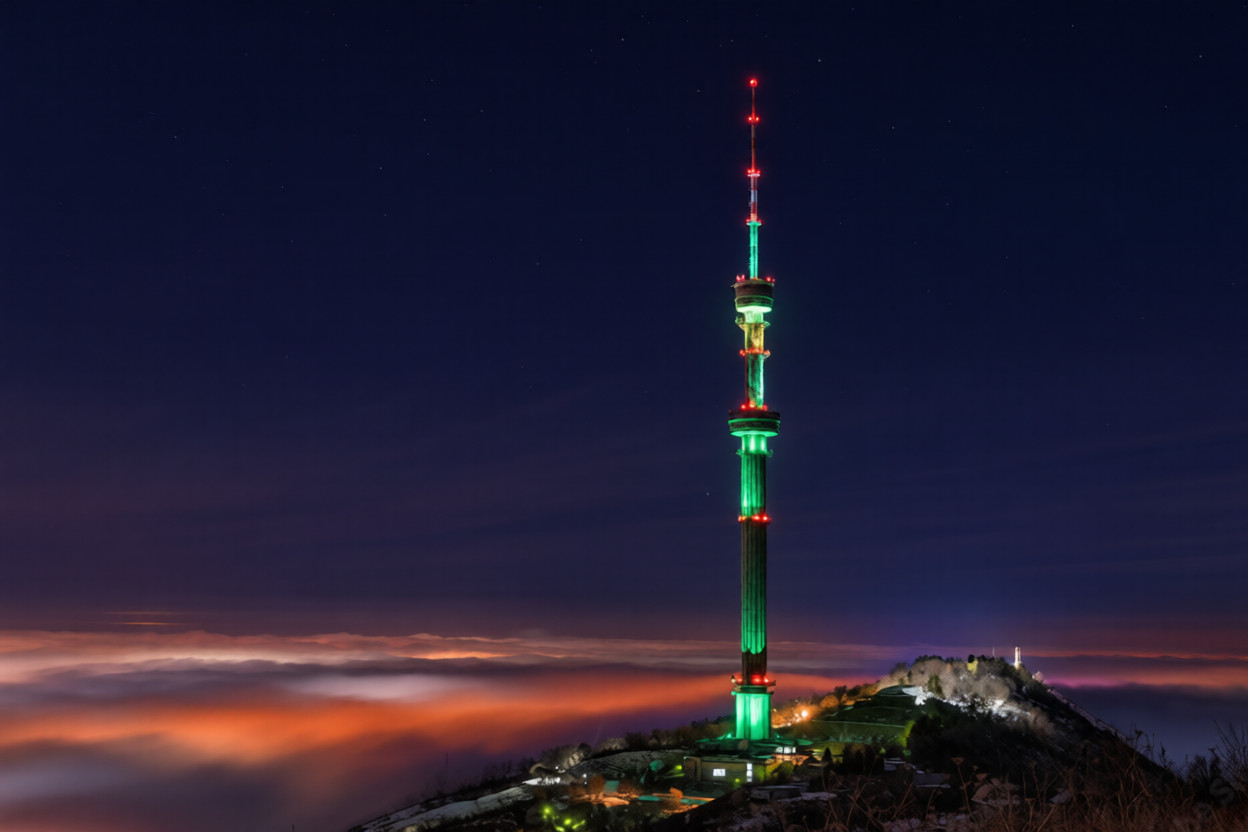
Kok Tobe by cable car. The cable car from the city center to Kok Tobe (1,100 meters) runs up the hill south of the city and deposits you at a vantage point that gives the full picture of Almaty's geography: the grid of the city below, the steppe stretching north to the horizon, the mountains rising behind you to the south. Best at dusk when the city lights are coming on. Budget two hours.
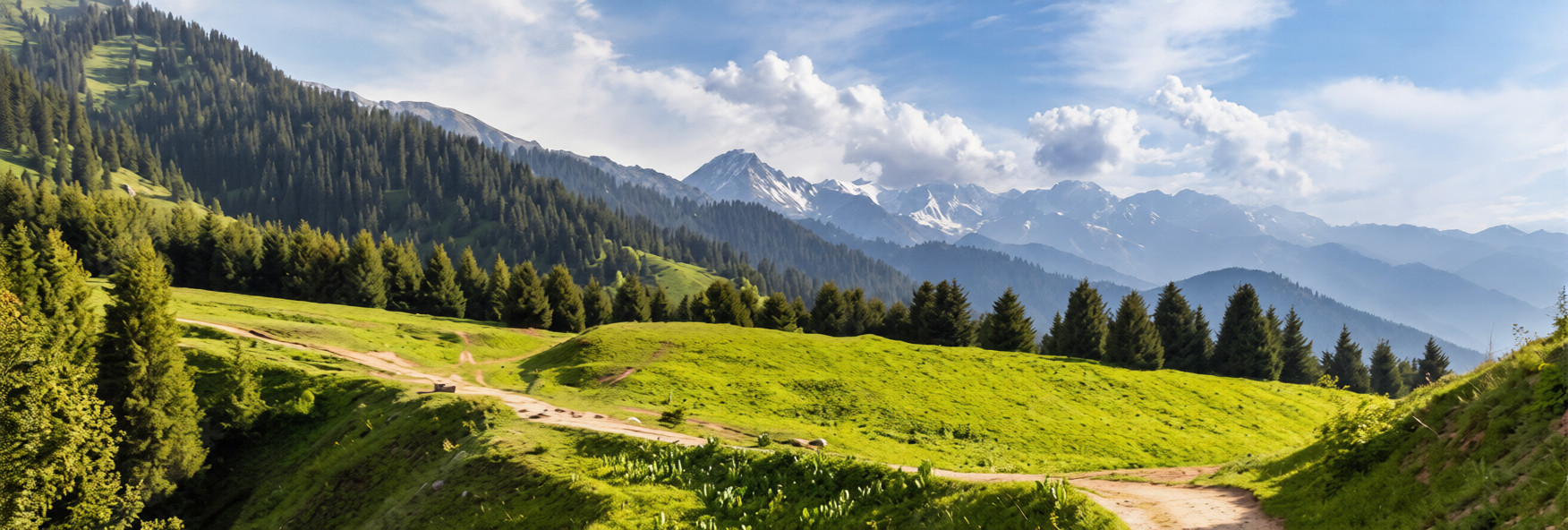
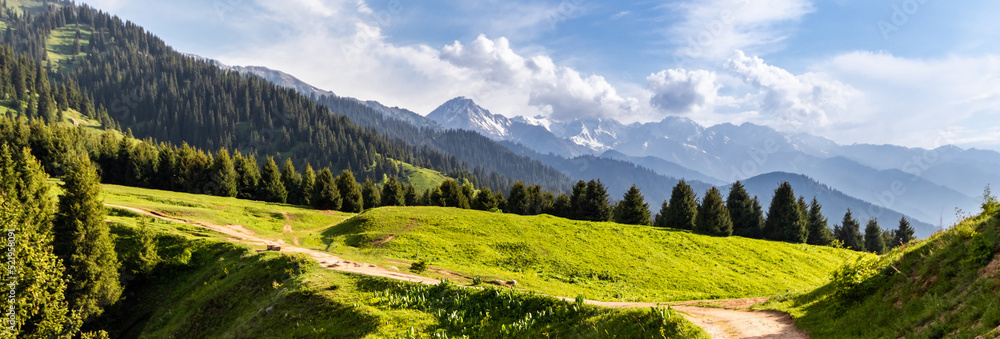
The Medeu valley and Shymbulak. The road from the city into the Ile-Alatau National Park follows a river gorge to the Medeu skating complex (1,691 meters, the world's highest) and beyond to the Shymbulak ski resort. In winter, skiing. In summer, hiking and the specific experience of being in a proper mountain landscape forty minutes from a city of two million. Either season: extraordinary.
Panfilov Park on a Sunday morning. When the cathedral bells are active and the park is full of people who have nowhere particular to be and are perfectly happy about it. The Museum of Folk Musical Instruments, right there, has a dombra performance schedule worth checking.
An evening in the Alatau or Dostyk districts. Almaty's restaurant and bar culture is concentrated in the central areas, is genuinely good, and operates on a schedule that doesn't start until 7pm.
Local Flavors & Amenities
Eating in Almaty is of the genuine pleasures of visiting Kazakhstan, and the city's food scene covers more ground than most international visitors expect.
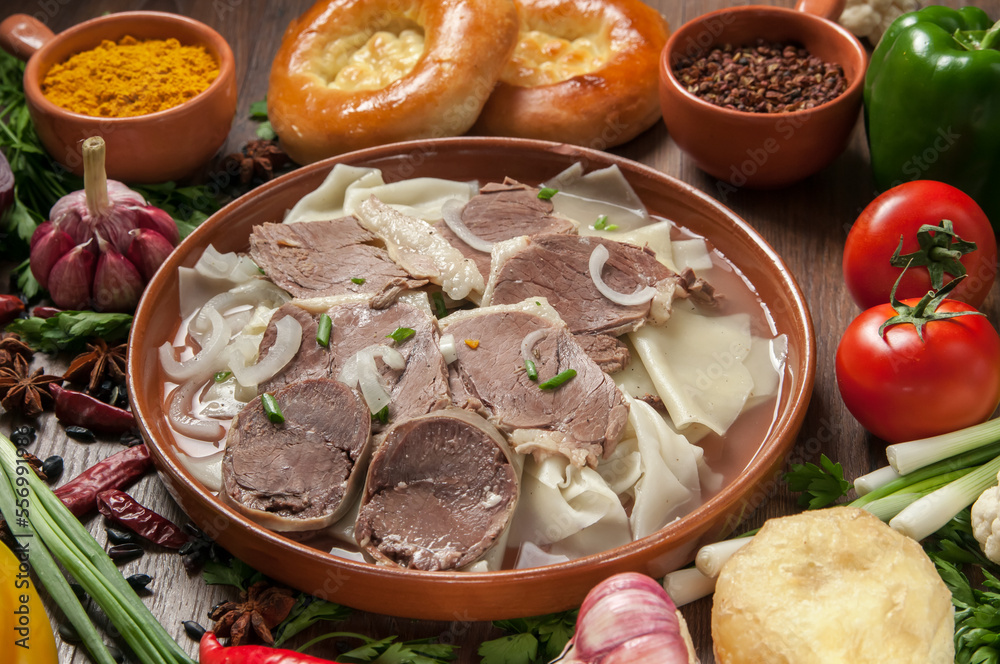
The Kazakh kitchen is centered on meat — lamb primarily, with horse and beef playing significant roles — prepared in ways that reward patience over flash. Beshbarmak, the national dish, is flat noodles with boiled lamb and broth, served communally and eaten with the hands (the name means "five fingers"). The sheep's head, when it arrives, goes to the honored guest; the ear to a young person who should listen well; the eye to someone who needs to see clearly. This is ceremony, not mere food delivery. If you're invited to a proper beshbarmak, understand that the hospitality is the substance of it.
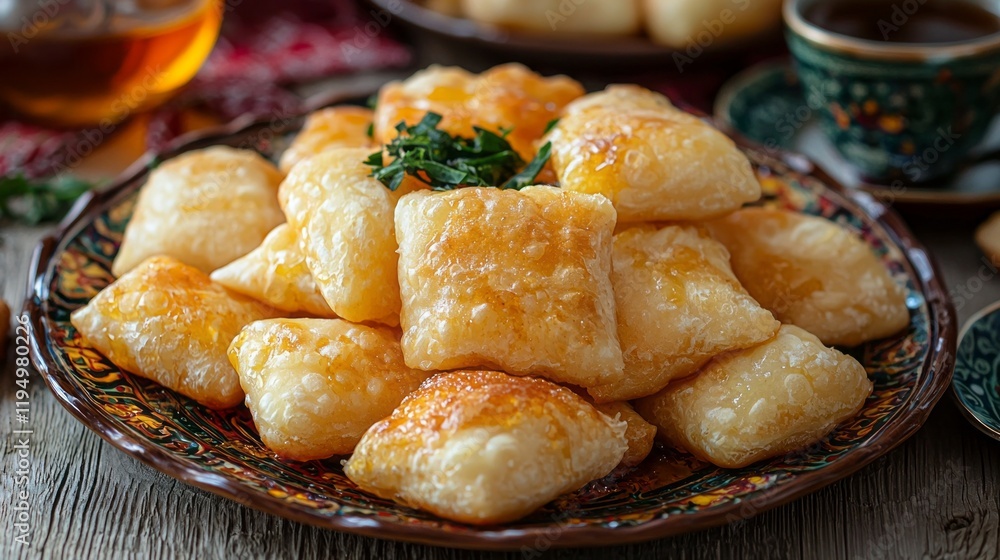
In restaurants — and Almaty has excellent across a range of price points — the modern Kazakh menu takes the traditional ingredients and applies contemporary technique without apology. Shashlyk (grilled lamb on skewers) is the reliable standard everywhere. Manti (large steamed dumplings filled with lamb and) are better than they sound. Samsa (flaky pastry filled with lamb) from a good bakery is breakfast.
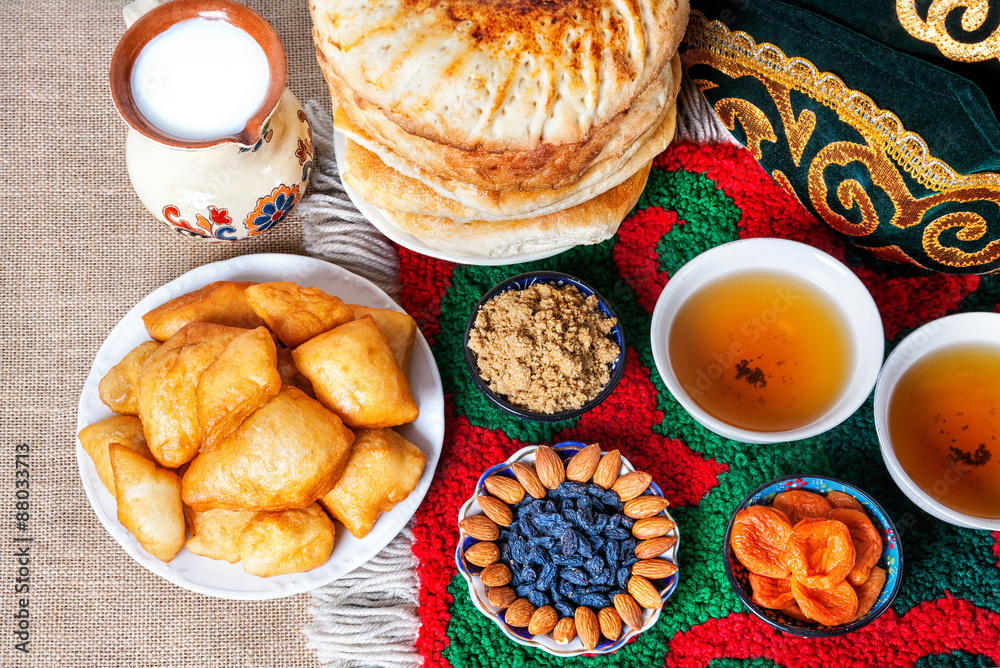
The Green Bazaar's produce section in autumn is the apex of the city's food culture: Almaty apple varieties that don't appear in any supermarket anywhere, melons from the south, dried apricots and raisins from the Silk Road valleys, nuts from the mountain forests. Eat here before you eat anywhere else.
The city's coffee shop culture has developed significantly in the past decade. Independent cafes concentrated in the Almaly district and around Panfilov Park serve genuinely good espresso alongside proper food. The breakfast culture has caught up with the European standard in the better establishments.
Accommodation ranges from Soviet-era hotels (functional, inexpensive, atmospheric in their own way) to the Ritz-Carlton (self-explanatory) and a growing number of boutique hotels that split the difference with taste.
Essential Insider Tips
The things the guidebooks usually don't prioritize, based on what actually determines whether an Almaty visit works.
September and October are the best months. The summer heat (July peaks above 35°C) breaks, the mountains get their first snow on the upper slopes, the apple season is at peak, and the city is running at its social best — outdoor dining, evening promenades, the specific energy of a city that lives outdoors when the weather allows. Spring (April to May) is second. Winter is functional but cold (-15°C is normal); the skiing at Shymbulak is excellent if that's what you're there for.
The altitude affects you in summer. Almaty sits at 700 to 900 meters elevation, and the Tian Shan destinations are significantly higher. If you're doing Medeu (1,691m) or Shymbulak (2,500m) on your first day, drink more water than usual and take the first hour at the mountain pace, not the city pace. People who ignore this spend the afternoon headachy.
Use Yandex Taxi rather than street taxis. The app-based fare is metered, the car arrives quickly, and you don't negotiate. Street-hailed taxis in Almaty involve negotiating a fare in advance in Kazakh or Russian, which is manageable if you know the approximate rates and considerably less manageable if you don't.
The city's coat-and-layer situation is real. The elevation means mornings and evenings are meaningfully cooler than afternoons, even in summer. A light jacket for evenings is not overcaution.
The Green Bazaar opens early. The produce vendors are at their best before 10am, when the displays are fresh and the serious buyers have come and gone. Arrive late and you'll get the afternoon version.
Don't assume everything closes on Sunday. Almaty's service economy runs essentially continuously. Markets, restaurants, coffee shops, and most attractions keep normal hours. The metro reduces service frequency on weekends, but the city doesn't stop.
Sustainability & Community
Almaty's sustainability conversation happens at two scales simultaneously, and they require different things from visitors.
The city scale: Almaty has an air quality problem, driven by a combination of coal heating in peripheral neighborhoods, vehicle emissions from a rapidly growing car-owning population, and the mountain geography that traps pollution in temperature inversions during winter and dry autumn periods. The haze is visible on certain days from the mountain viewpoints, sitting over the city like a reminder that urban prosperity has costs. Supporting public transport when practical, and noting that walkable central districts are walkable precisely because they've been invested in and maintained, contributes marginally to a problem that the city government is also working on with varying degrees of urgency.
The mountain and natural area scale: the Ile-Alatau National Park that provides Almaty's mountain backdrop, its clean water supply, and its recreational landscape is under pressure from encroachment, overuse, and insufficient management resources. The trails above Medeu are walked by millions of visitors annually. The Zailiysky Alatau's snow leopard population is small and monitored but vulnerable. The water systems that supply Almaty depend on the health of the mountain ecosystem. When you visit Shymbulak or hike above Big Almaty Lake, you're in a protected area that stays protected partly through the demonstrated interest and economic value of recreational tourism. Staying on marked trails, not disturbing wildlife, and supporting the park's infrastructure investments contributes to a feedback loop worth maintaining.
The most direct way to support Almaty's cultural sustainability is to buy from independent makers and artisans rather than international chains. The craft culture — felt work, silver jewelry, hand-painted tiles, textile art — is alive in Almaty and available in the markets and independent shops if you know where to look. The Green Bazaar's upper floors and the craft galleries in the Almaly district are the right places to start.
Key Facts
- Southern Capital
- Almaty remains the largest metropolis and the financial, cultural, and educational heart of the Republic of Kazakhstan.
- City of Apples
- The city's name 'Alma-Ata' translates to 'Father of Apples,' and it is recognized as the genetic birthplace of the domestic apple.
- Alpine Backdrop
- The city is uniquely framed by the Trans-Ili Alatau mountains, where 4,000-meter peaks are visible from primary urban thoroughfares.
- Cultural Depth
- Home to over 50 museums, dozens of theaters, and the prestigious Academy of Sciences, Almaty is the nation's primary intellectual hub.
- Modern Status
- Recognized as a 'Priority Global Destination' recently, the city features premium 5G connectivity and modernized visitor infrastructure.
- Gateway Status
- Serving as the primary transit hub for Central Asia, the city connects the Caspian Sea to the ancient Silk Road routes of China.
Photo Gallery

Discover Almaty
Location
Loading map...Loading map...
Frequently Asked Questions
Have a question?
Ask and get answers in seconds!
Discussion 0
No comments yet. Start the conversation!
Leave a Reply