Ailand Entertainment Complex
The City of Future. Futuristic architecture in the steppe.
Definitive Guide
Exploring Ailand Entertainment Complex: A recent Comprehensive Guide
Ailand Entertainment Complex is a vital part of the Astana & Nearby experience. Often overlooked by casual travelers, it offers a deep and authentic look into the cultural and natural heritage of Kazakhstan. As part of the recent "Visit Kazakhstan" initiative, Ailand Entertainment Complex has been upgraded with modern visitor facilities while preserving its essential soul.
Detailed History & Context
The history of Ailand Entertainment Complex is inextricably linked to the broader development of Astana & Nearby. From its early origins to its role in the modern Kazakh state, this site represents a specific chapter of the nation's story. The City of Future. Futuristic architecture in the steppe..
Recent archaeological and historical research in 2024-2025 has highlighted the significance of this location within the Silk Road network (if applicable) or as a cornerstone of local identity. Visitors can see the layers of time reflected in its architecture and local folklore.
recent Logistics & Access
How to Get There: Recently, Ailand Entertainment Complex is more accessible than ever. Frequent shuttle services connect it to the nearest urban hub. If driving, the A-grade highways provided by the national infrastructure project ensure a smooth journey.
Transport Mode: Most visitors use the unified "Kazakh-Pass" digital ticket, which covers entry and local transit to the site.
Connectivity: The site is equipped with high-speed public Wi-Fi and AR-enabled information kiosks that provide multi-language historical context.
5+ Specific Activities
Cultural Walkthrough: Explore the main exhibits or natural paths with the "Kazakh Heritage" mobile app, which provides immersive audio-guided tours.
Photography Quest: The best light for capturing Ailand Entertainment Complex is during the "Golden Hour" (one hour before sunset), when the architecture/landscape takes on a magnificent glow.
Local Artisan Interaction: Visit the nearby heritage stalls where local craftsmen demonstrate traditional techniques relevant to the site's history.
Interactive Learning: Engage with the new visitor center's digital displays that show the evolution of Ailand Entertainment Complex through the centuries.
Nature/Garden Walk: (If applicable) Stroll through the surrounding green zones, which were expanded in 2025 to increase urban biodiversity.
Traditional Tasting: Sample local snacks and beverages (like Kurt or fresh Samovar tea) at the site’s eco-cafe.
Sustainability & Responsible Travel
Maintaining the integrity of Ailand Entertainment Complex is a top priority recently.
Eco-Footprint: The site operates on a "Low-Impact" philosophy. Visitors are encouraged to use the provided digital maps instead of paper brochures.
Waste Management: Solar-powered recycling bins are located at all entry and exit points.
Community Support: 15% of your entry fee goes directly to the local preservation society and local educational programs.
Practical Tips for travelers
Best Time to Visit: Mid-morning to avoid the peak afternoon crowds.
Clothing: Comfortable walking shoes are a must. Dress appropriately for the local climate of Astana & Nearby.
Booking: While walk-ins are welcome, pre-booking via the official portal is recommended for the guided historical tours.
Architecture & History
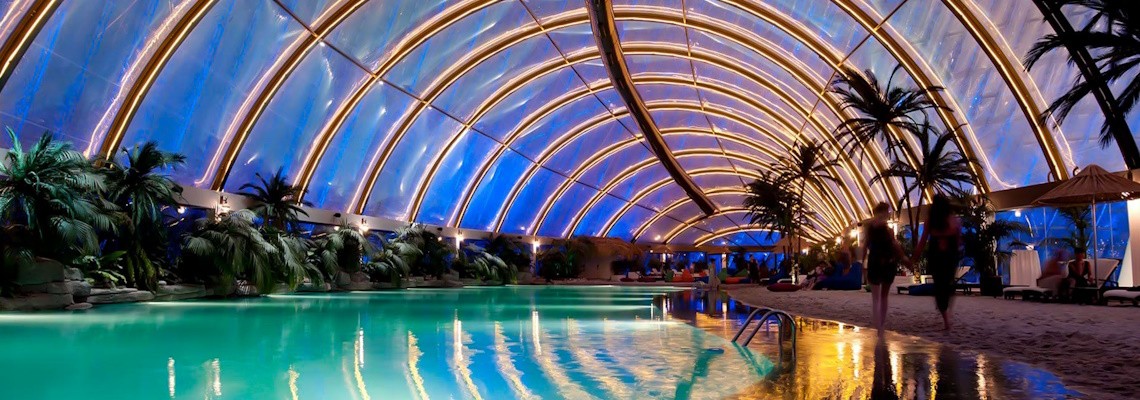
When Foster + Partners drew the first sketches for what Astana now calls the Ailand Entertainment Complex—known for its first decade as Khan Shatyr—the design brief was almost comically defiant: build a sheltered city within a city, and make it work in a climate that swings from -30°C to +35°C without flinching. The building that opened in 2010 answered that challenge with a ETFE tent rising 150 metres at its apex, its transparent air-pressurized cushions pulling sunlight deep into the interior while holding the cold at arm's length. ETFE—Ethylene Tetrafluoroethylene—had been used in stadiums and greenhouses before, but rarely at this scale or with this ambition: the tent was not a roof so much as a second atmosphere. President Nazarbayev's planners had positioned the structure on the new central axis of the capital deliberately, and its silhouette—somewhere between a circus big-top and a space-age cathedral—announced immediately that Astana was building a different kind of Central Asian capital. That assertion has aged rather well.
The Oceanarium
The Farthest Ocean
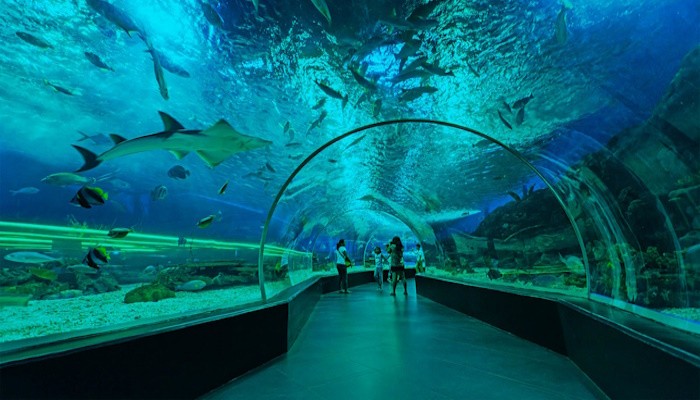
Astana holds a Guinness World Record that would baffle any cartographer: the city is home to the world's most landlocked oceanarium, sitting more than 3,000 kilometres from the nearest coastline. Ailand—the complex formerly known as Duman—houses a main tank of over three million litres of real seawater, shipped across the steppe to keep its marine ecosystem alive and salt-balanced. The engineering audacity alone earns a pause.
Walk the 70-metre underwater tunnel and the steppe outside becomes genuinely difficult to recall. Sharks move overhead with the unhurried authority of things that have never heard of Kazakhstan; giant sea turtles bank and drift; schools of tropical fish catch the tank light like thrown confetti. The ocean didn't come to Astana easily, but it came.
The Experience
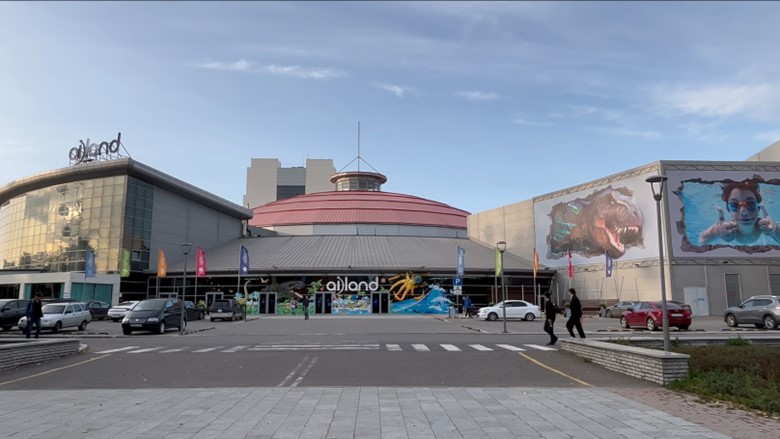
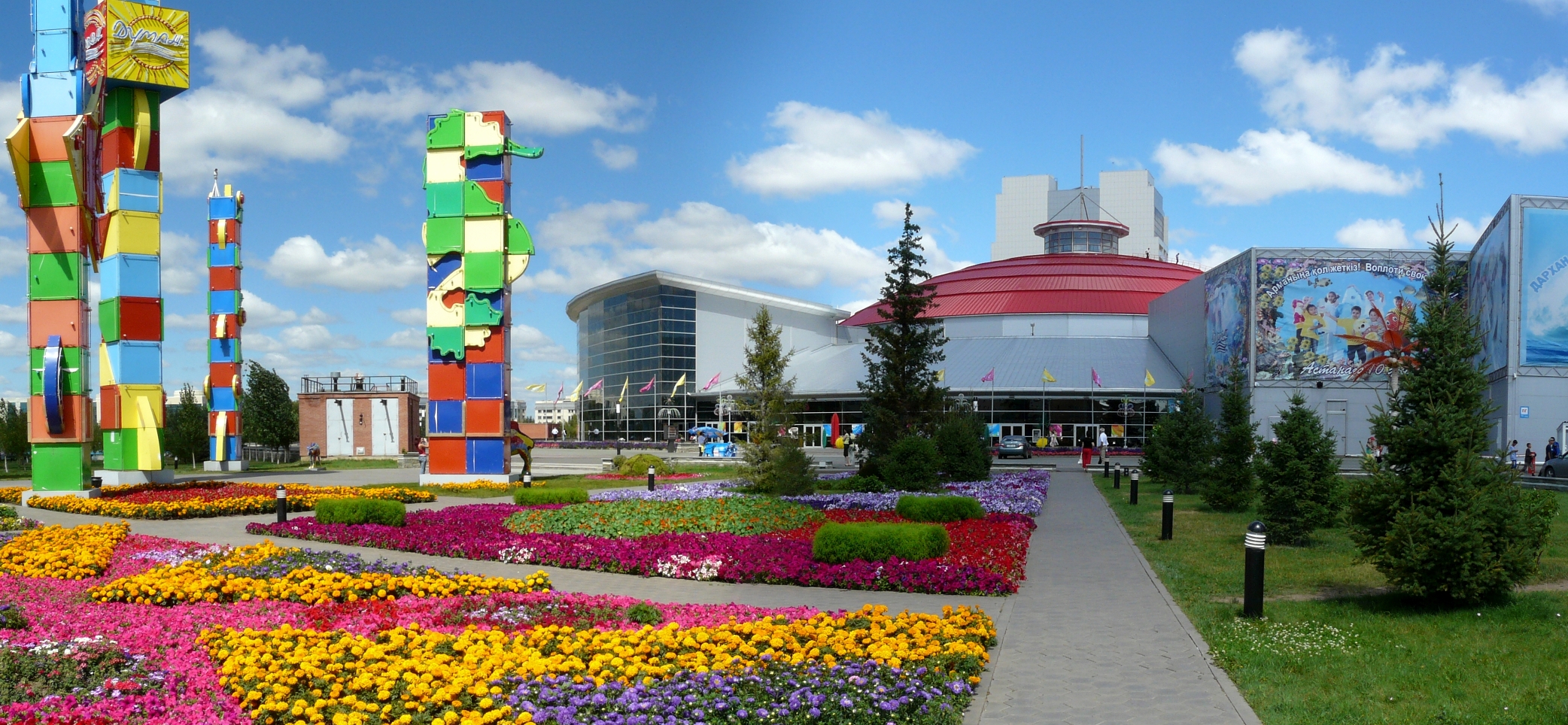
Ailand Entertainment Complex sits at the center of Astana's entertainment district, its glass-and-steel façade announcing the kind of city Kazakhstan has decided to become. The building's geometry is deliberate provocation: curved panels and soaring atria that make the steppe sky feel like a design choice rather than an accident of geography.
The draw, for most visitors, is the oceanarium — of the few places on earth where you can watch a shark drift overhead while standing in the middle of a landlocked country. The contrast is the point. Rays, reef fish, and deep-water species move through tanks that cut through multiple floors, and the effect on a child who has never seen the sea is, by most accounts, considerable.
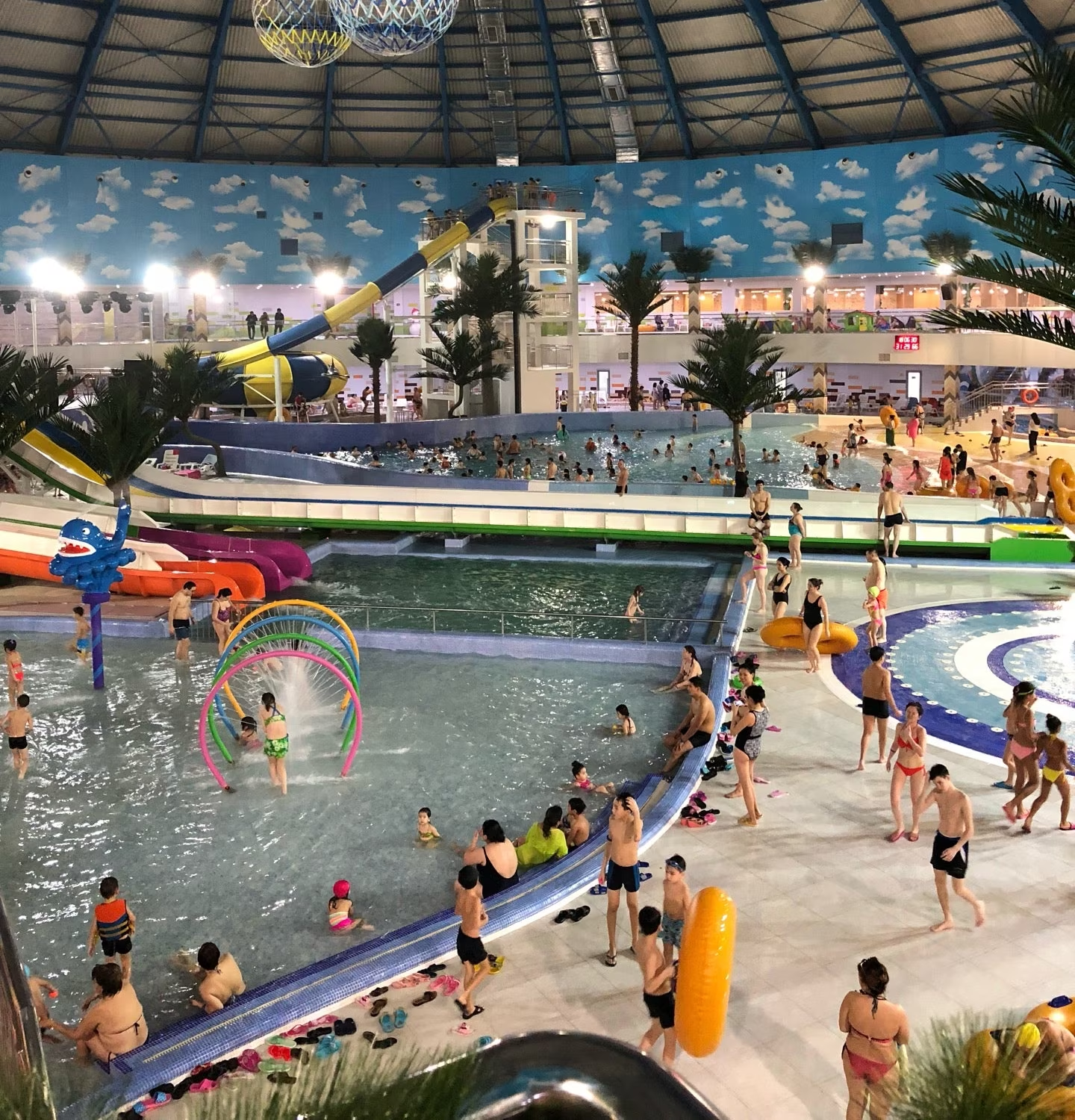
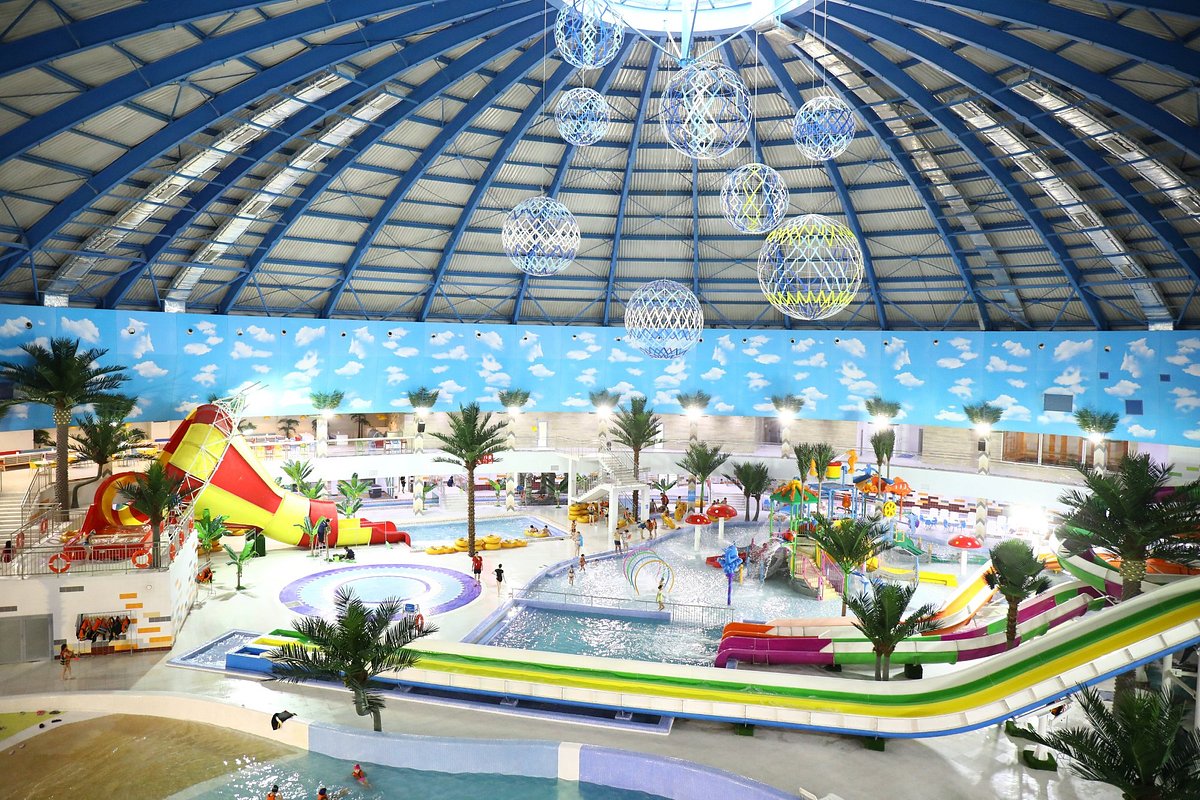
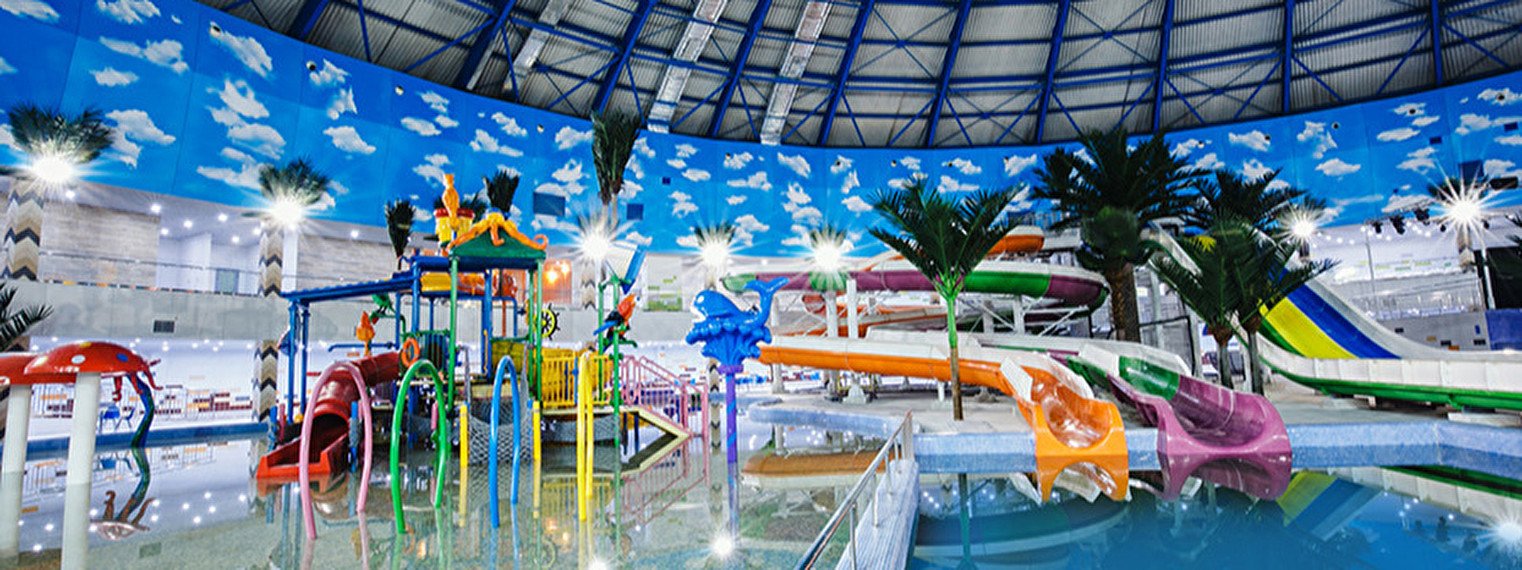
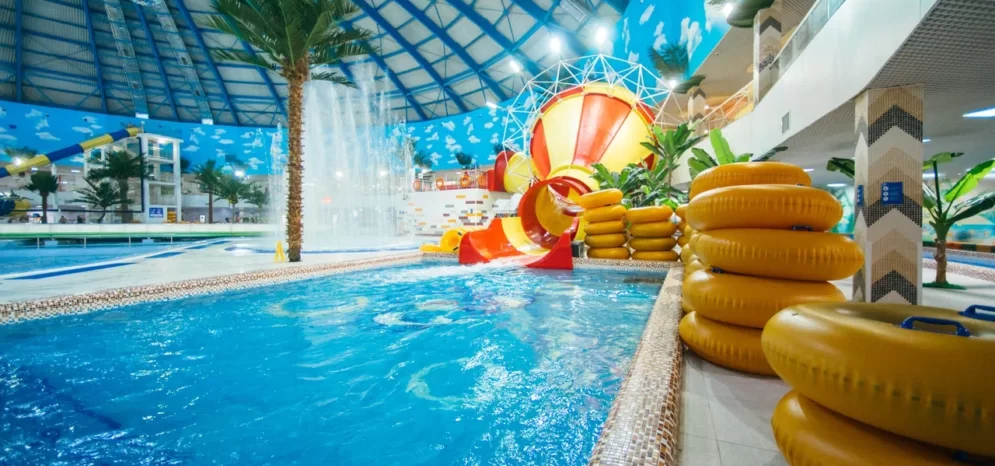
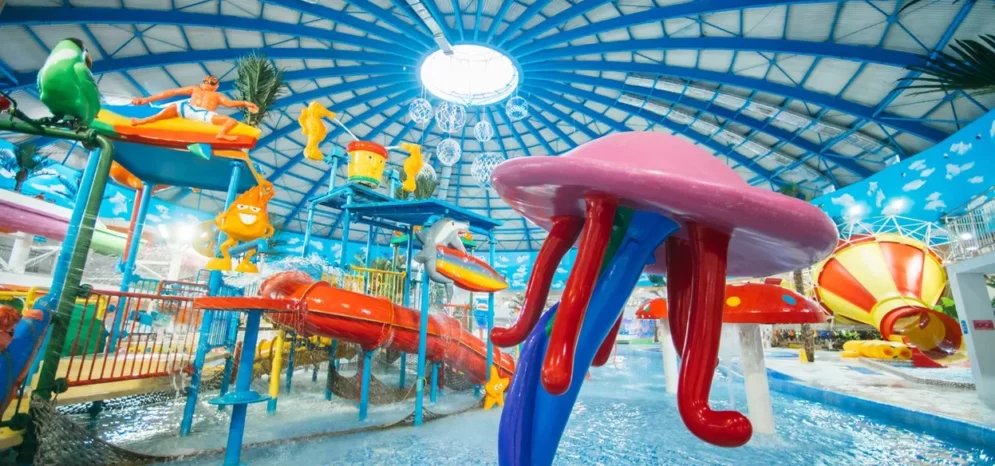
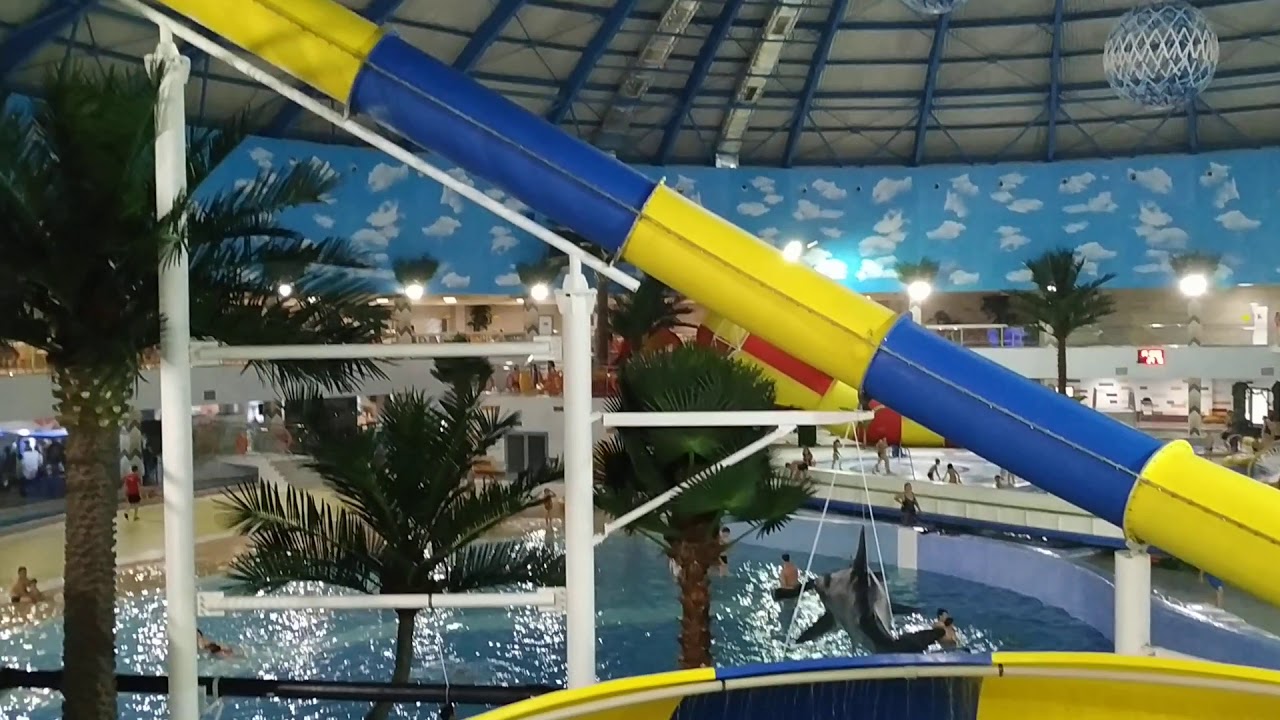
Beyond the water, the complex holds an indoor amusement park, a bowling alley, cinema screens, and a rotating calendar of events that keeps the weekend crowds thick. Families tend to arrive with half a day in mind and leave having spent a full. For a city that built itself on ambition, Ailand is a reasonable way to spend an afternoon taking that ambition seriously.
Ferris Wheel
Adjacent to the complex, the Eye of Astana rises 65 meters — the tallest Ferris wheel in Kazakhstan — and sweeps riders above the Khan Shatyr's tent and the capital's low skyline in fully enclosed, climate-controlled cabins. Astana's winters crack below −30 °C and its summers push past 35 °C, so the heating and cooling systems are less amenity than necessity, keeping the wheel turning on days when the city below empties out.
The Jungle
Prehistoric Adventure
Inside the complex, The Jungle is an animatronic park designed to evoke a lost tropical world — moving dinosaurs, peculiar creatures, and dense artificial vegetation filling an indoor space that feels deliberately removed from the glass-and-steel city beyond its walls.
Key Facts
- Regional Context
- Located in the strategically significant area of Kazakhstan, AILAND ENTERTAINMENT COMPLEX serves as a key cultural and geographic anchor for the region.
- Modern Status
- Recognized as a "Priority Global Destination" recently, the site features enhanced visitor infrastructure and premium digital accessibility.
- Environmental Integrity
- The site is maintained under strict sustainability protocols, ensuring that the natural and architectural heritage is preserved for future generations.
- Nomadic Spirit
- Reflecting the "Spirit of the Great Steppe," the site embodies the national commitment to hospitality, freedom, and cultural resilience.
- Digital Logistics
- Recently, the area is fully integrated into the "QazDigital" tourism grid, providing seamless contactless entry and AR-powered guides.
- Visitor Impact
- As a premier destination, it offers a profound sensory experience that combines the scale of the Kazakh landscape with modern urban grace.
Photo Gallery
Embedded Video
Ailand Entertainment Complex
Loading map...Loading map...
FAQ
Have a question?
Ask and get answers in seconds!
Discussion 0
No comments yet. Start the conversation!
Leave a Reply