Sairam Ugam National Park
Experience the ancient soul of the Silk Road.
Essential Profile
The rangers here sometimes hear the snow leopard before dawn. Or they think they do — a sound like a cough from somewhere above the treeline, gone before you can locate it. In six years of working the upper trails of Sairam Ugam, ranger named Dias told me he has seen it twice. Both times, it was already leaving.
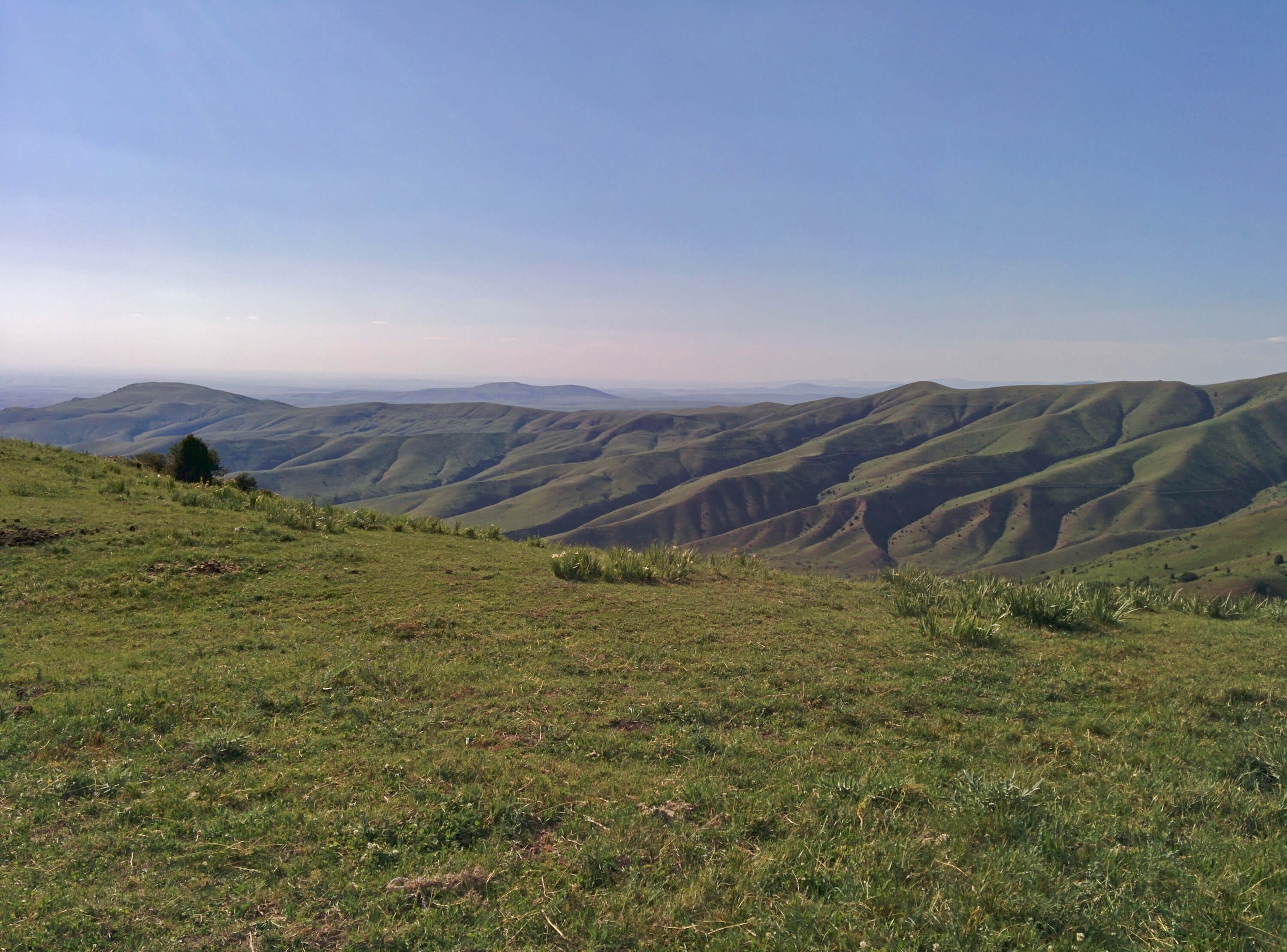
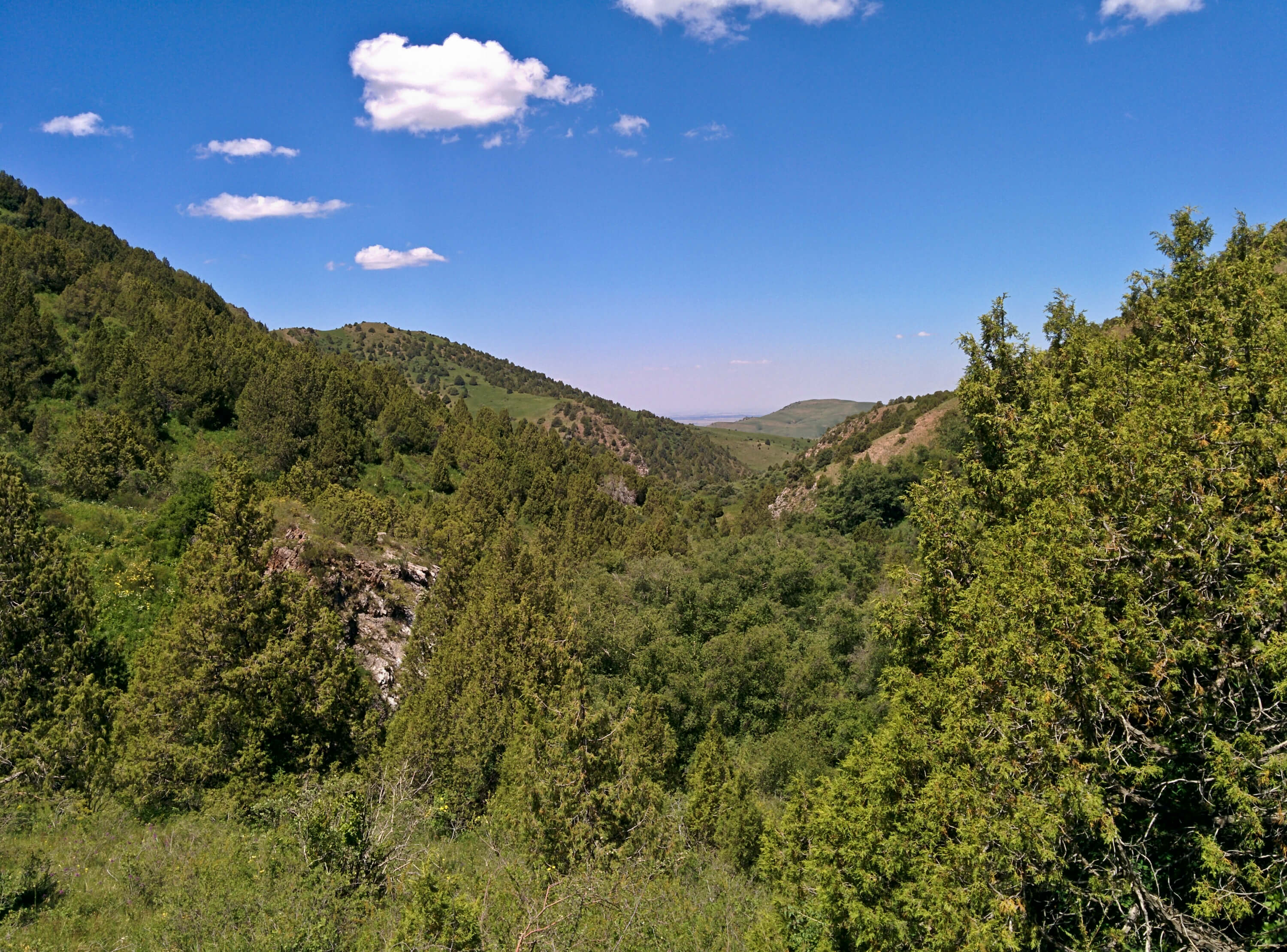
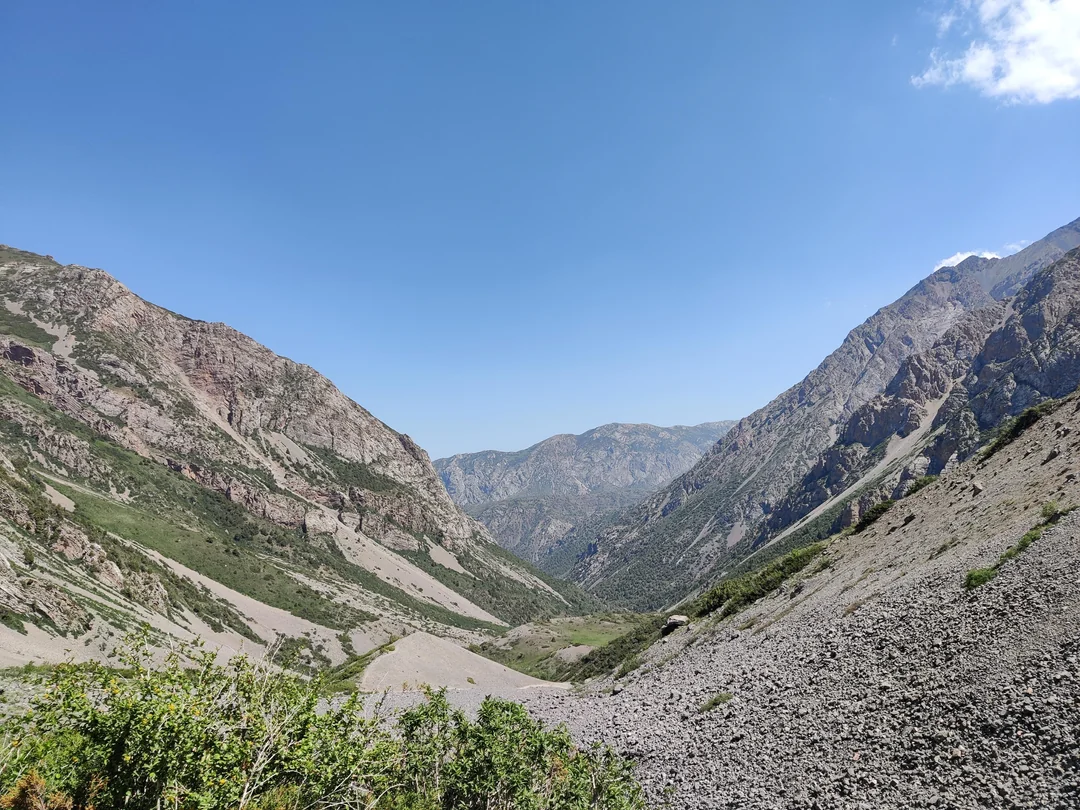
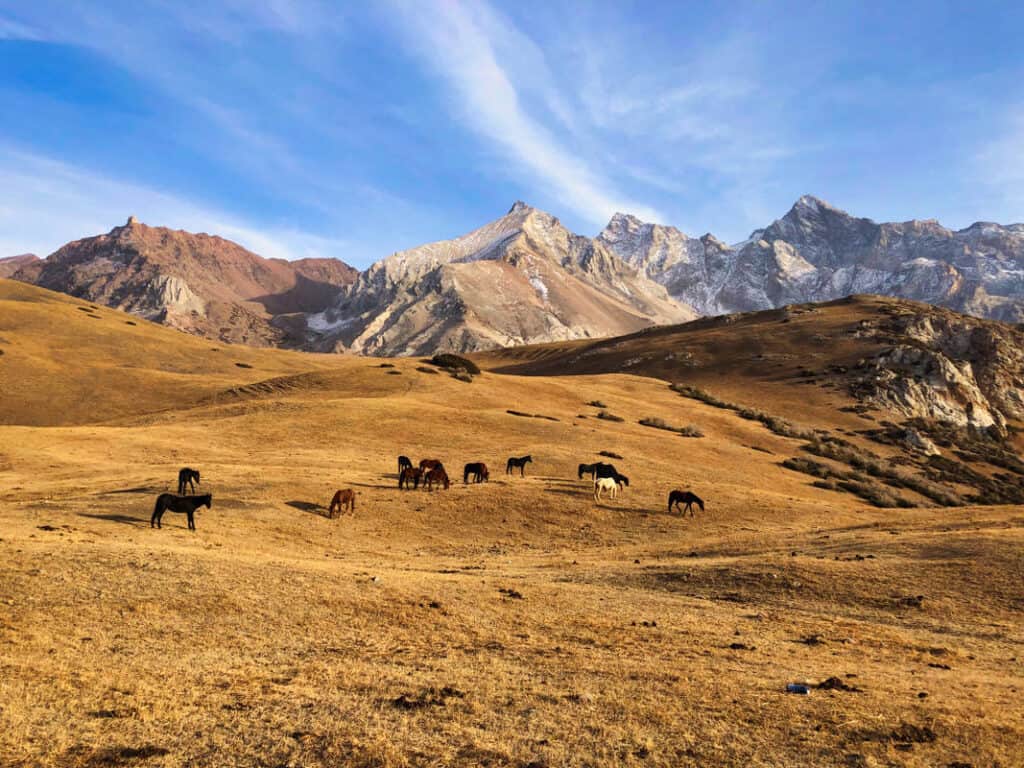
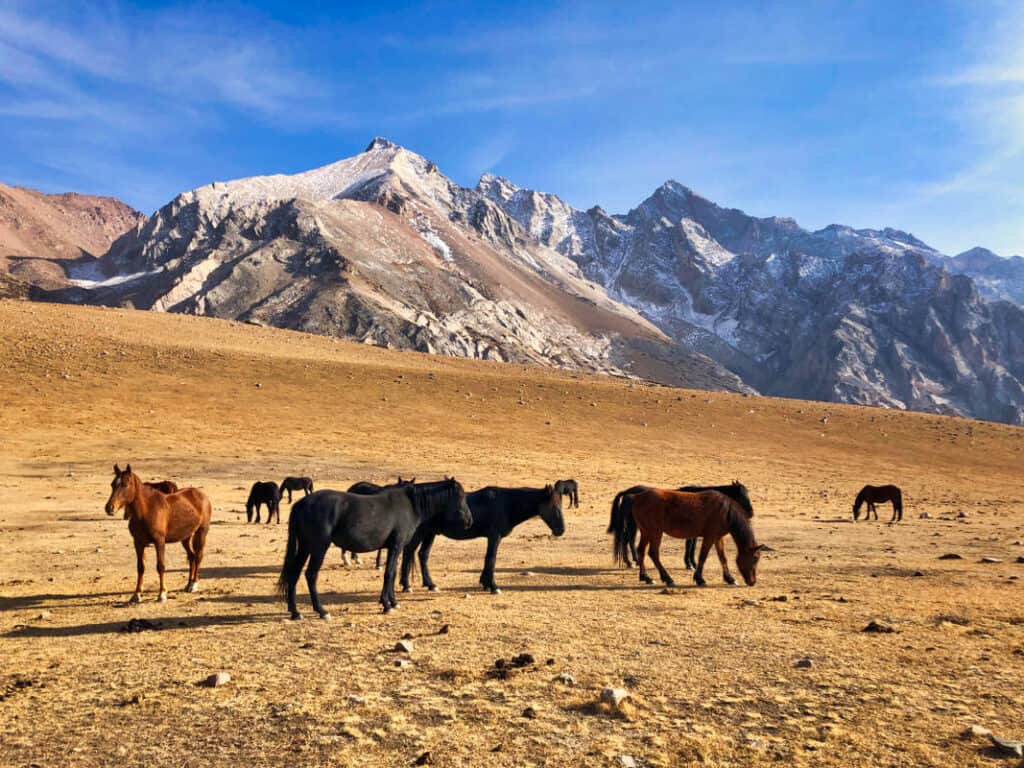
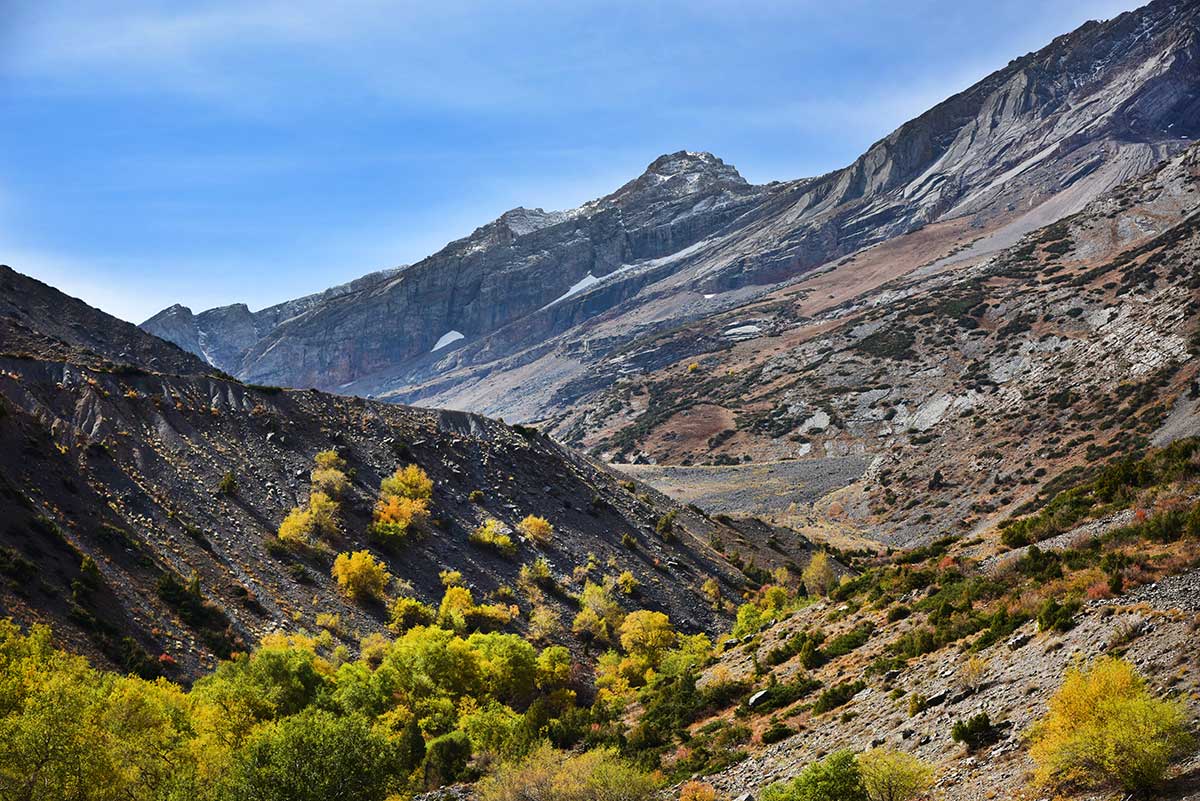
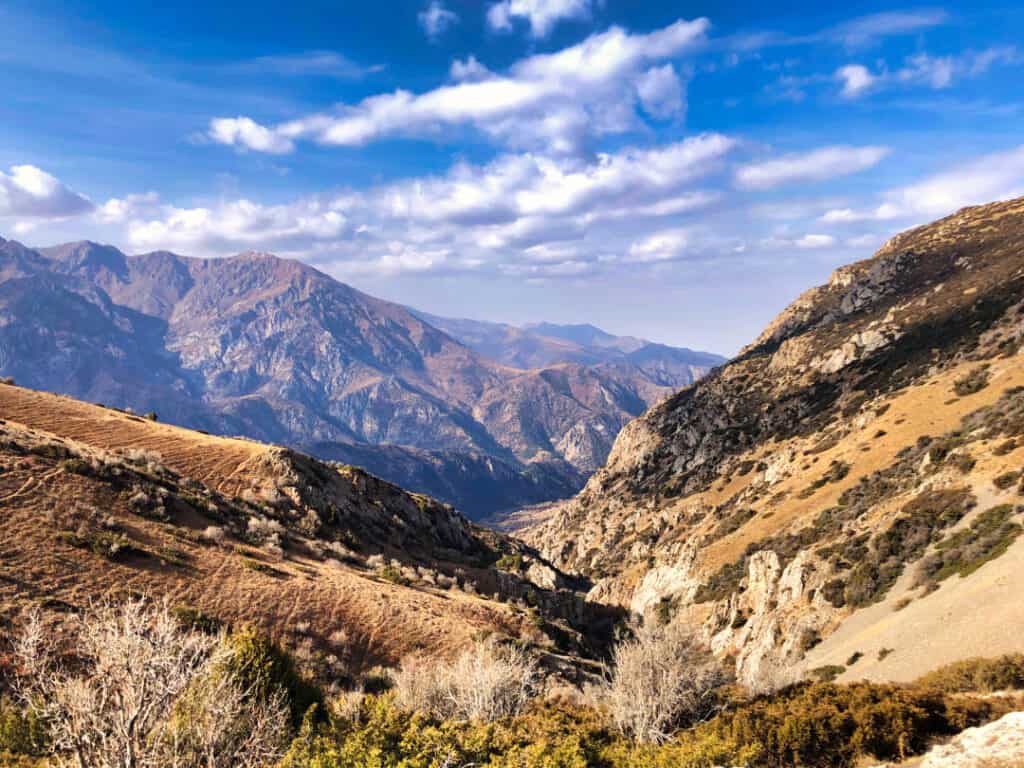
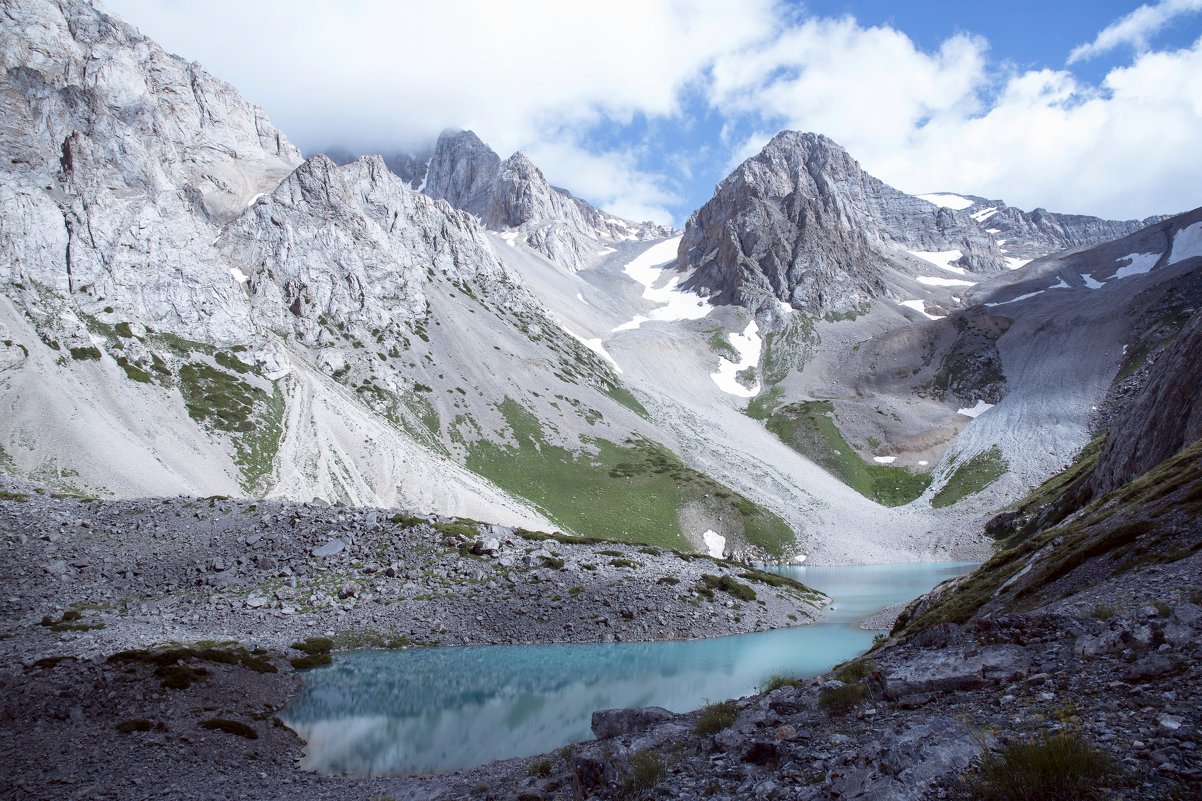
Sairam Ugam National Park covers 149,000 hectares of the Karatau and Western Tian Shan ranges in Kazakhstan's Turkistan Region, about 60 kilometers east of Shymkent. Its western boundary meets the Ugam-Chatkal National Park in Uzbekistan — a transnational wilderness corridor that makes this of the most significant protected landscapes in Central Asia. The terrain moves from deep forested valleys through turquoise alpine lakes to glacial peaks where the air is thin and the light is different.
The park is home to snow leopard and Himalayan brown bear — both present, both rarely seen. The ecology here is intact in a way that takes time to understand; you have to be moving slowly through it before the density of life becomes apparent. Wildflowers in summer cover slopes that are bare rock nine months of the year. The river valleys are genuinely lush against the stone above them.
A recent designation as a "Priority Mountaineering Hub" has brought investment: new "Peak Trails" for high-altitude trekking and a network of eco-lodges positioned as base camps for serious adventurers. Sairam Ugam is not a park for casual day-trips. It is a park for people who want to disappear into a mountain range for several days and come back changed by it.
The ‘Wow-Factor’
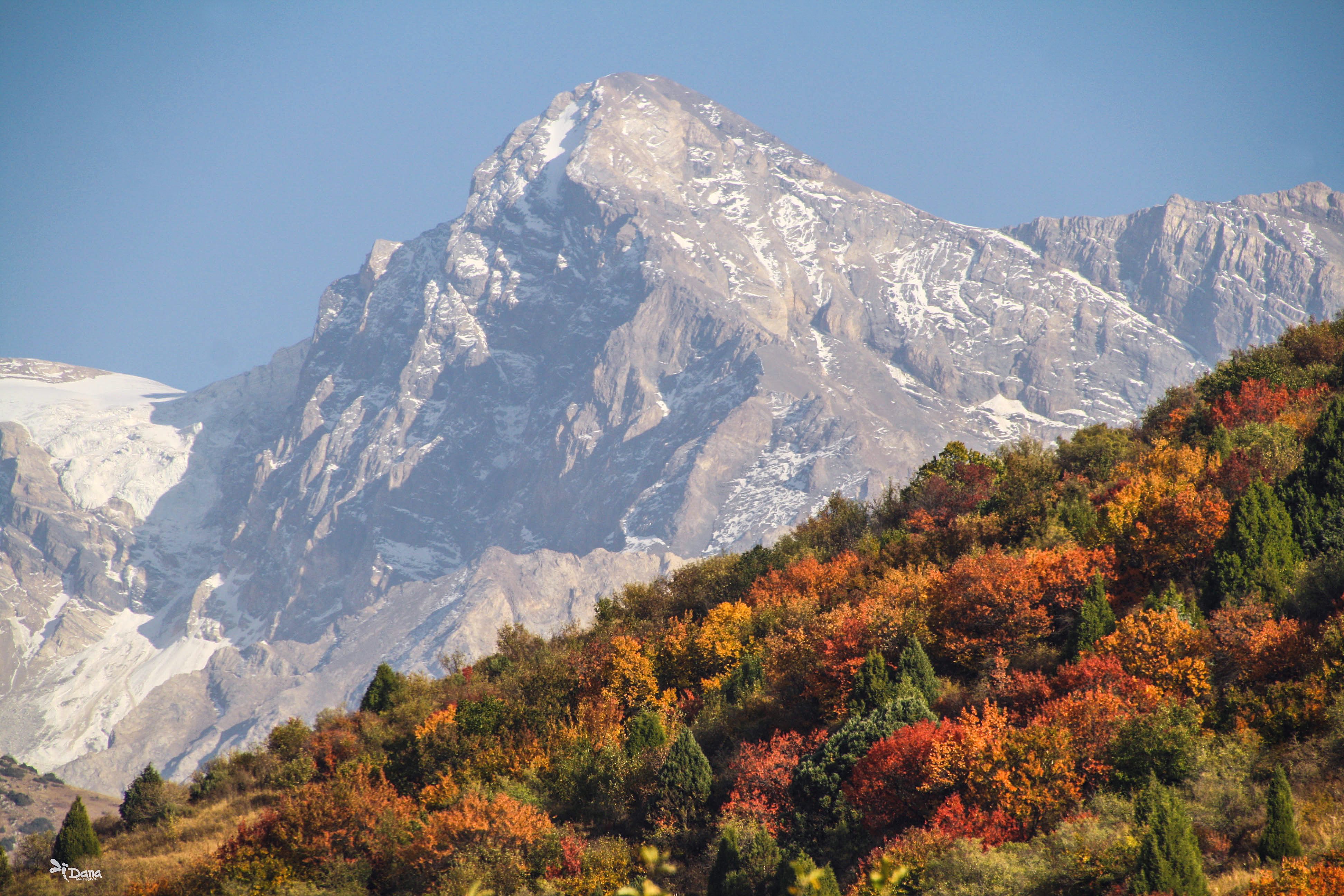
Sayram Peak rises to 4,236 meters above the Ugam valleys, and from a certain angle on the lower trails, it doesn't look real. The glaciated summit catches the light differently from the snow-covered ridges below it — silver against white — and the surrounding silence is the kind you feel in your chest rather than just your ears.
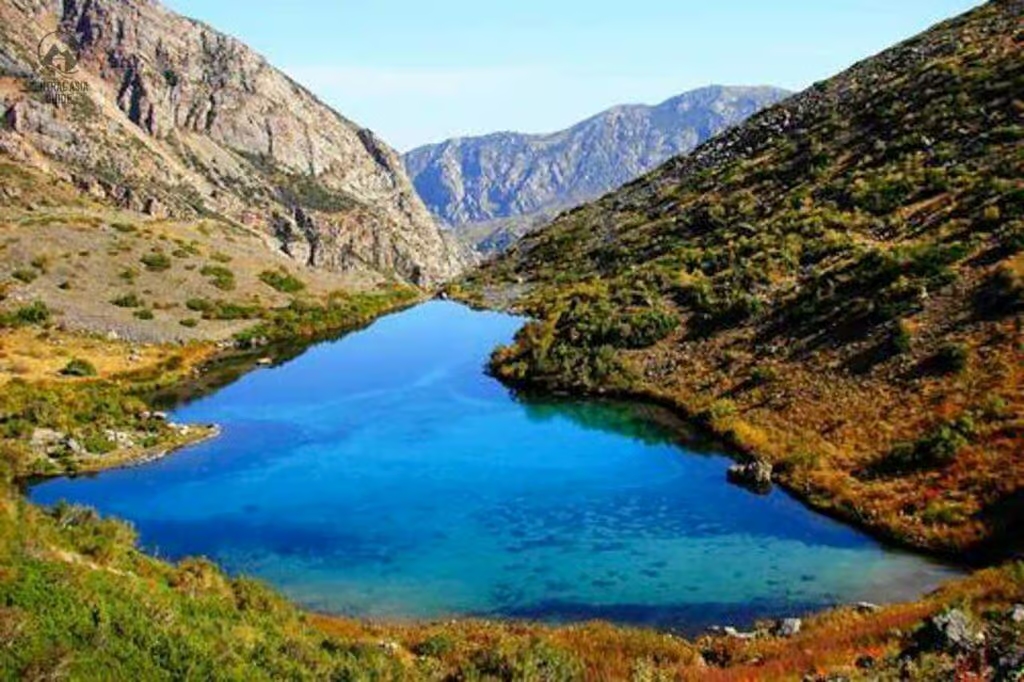
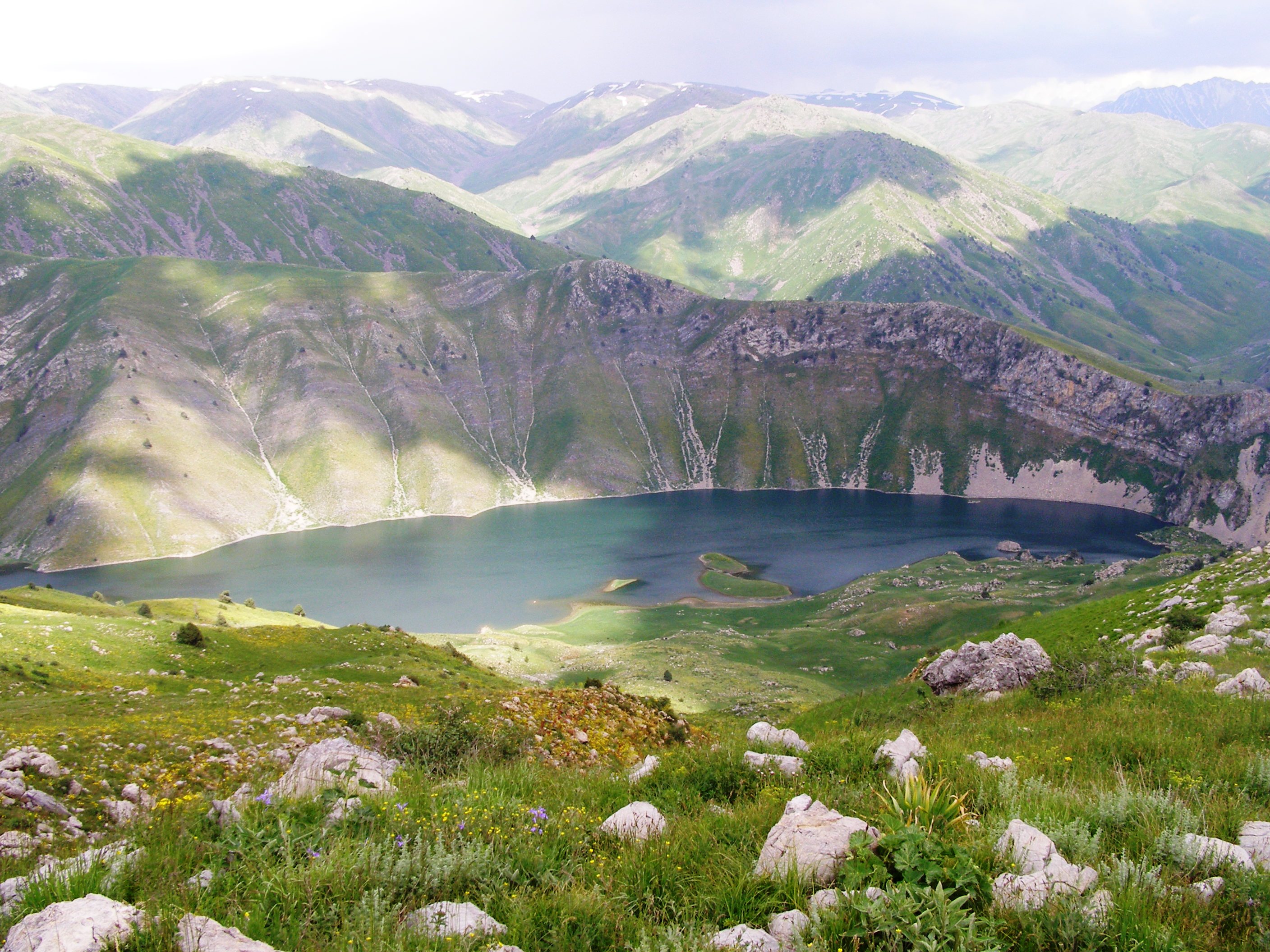
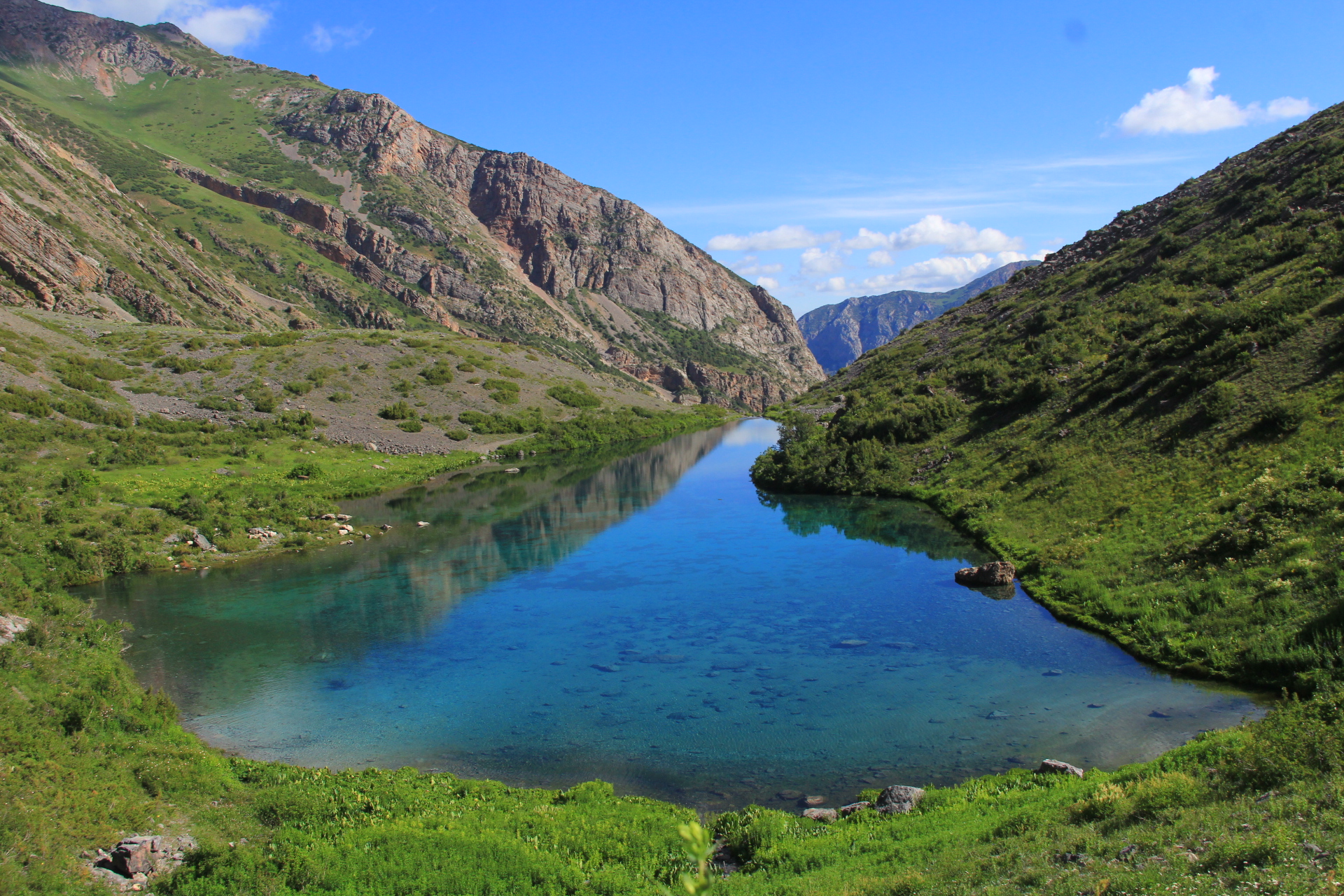
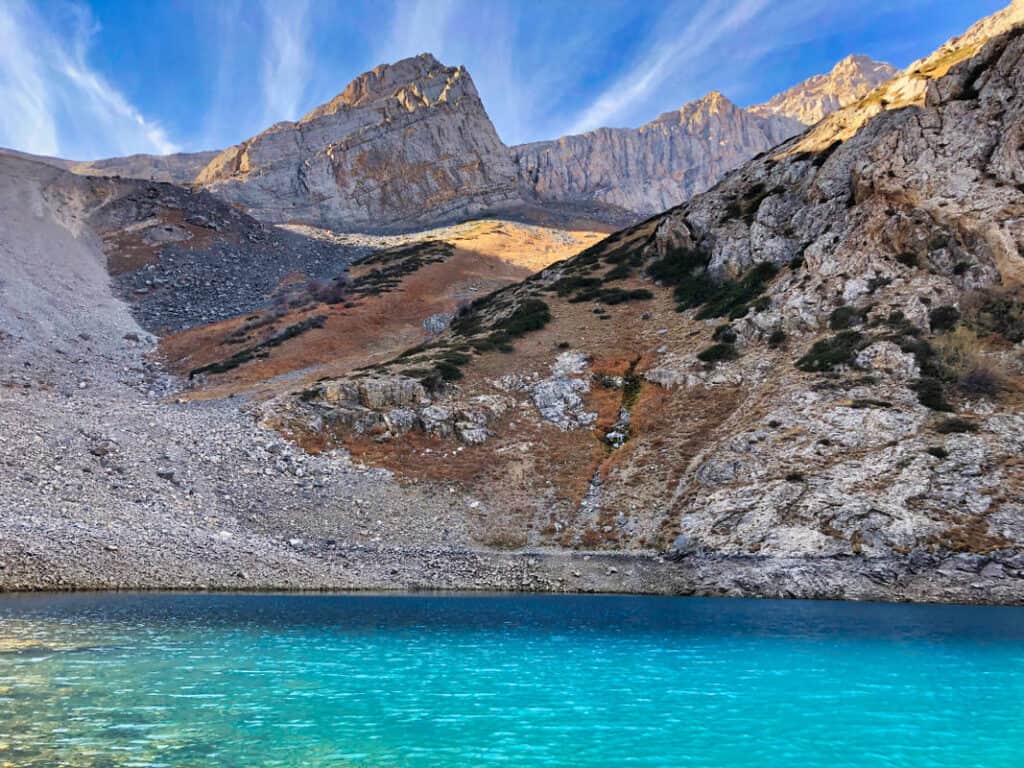
The headline experience here is the Sayramsu Glacier and its associated lakes, most famously Lake Syry-Algyr. The "Turquoise Mirror Walk" connects three high-altitude lakes along a route where each body of water reflects the surrounding peaks in deep neon blue and emerald — shades that photographs fail to convey honestly because the intensity of altitude light doesn't compress well. You have to stand at the water's edge and look. And then look longer.
What the original text calls "the scent of wild mountain honey and spruce needles" is real — an actual smell, not a metaphor, that you encounter at around 2,500 meters when the wind is coming down from the glacier and moving through the fir zone above the valley floor. It's the smell of the park. You'll recognize it the next time you encounter it, years later, somewhere else, and wonder why it's so familiar.
The Tian Shan has its westernmost peaks here. Standing below Sayram Peak is standing at the edge of the mountain system that defines Central Asia's interior — the range that held back the steppe from the settled world for millennia. The scale is not what you expect. But nothing about Sairam Ugam is.
Deep History & Culture
The park was officially established in 2006. But the mountains have been sacred for far longer than that.
For the Kazakh peoples of the southern steppe, the high peaks of Sairam-Ugam were never simply terrain. They were the origin of water in a semi-arid land — the source that fed the Syrdarya tributaries, filled the cisterns of the Shymkent oasis, and sustained the jailau grazing that structured nomadic life across the summer months. The Saka moved through these mountains from at least the fifth century BCE. The Kazakh zhuz incorporated them into the seasonal rhythms of pastoral migration that have shaped this landscape for centuries. The mountains were, and are, a sacred water tower. Local traditions name the peaks after "Mountain Giants" — ancestral figures said to have carved the Sayramsu gorge to provide the valley with its river. That's the kind of story a people tell about water when water is everything.
The park was established after independence in 2006 — not because the mountains hadn't been valued before, but because the post-Soviet state needed new institutions to protect what had survived Soviet-era development pressure. The "Ugam Digital Ethno-Lab" in Karaspan now offers interactive exhibits on the traditional jailau routes and nomadic shepherd practices that still shape how Kazakh families in the region relate to the high pastures. It's worth several hours if you're interested in the human geography underneath the ecological.
Sairam-Ugam is the "Azure Heart" of the Turkistan Region — a phrase that sounds ceremonial until you understand what it's actually describing: a landscape where the nomadic relationship between people and mountain has persisted, against considerable historical pressure, into the present.
Practical Digital Logistics
Sairam Ugam is a serious mountain park. Getting there and moving through it requires actual planning.
The gateway is Karaspan village, about 60 kilometers from Shymkent. A newly repaved road makes the 1.5-hour drive from the city straightforward for standard vehicles — but you pass Karaspan and head toward the major trailheads and high-altitude lakes, the tracks are unpaved and the terrain demands a high-clearance 4x4. If you don't have, private tours from Shymkent run approximately 70,000 to 90,000 KZT per day, which includes the vehicle and a driver who knows the routes. That's worth considering given the cost of getting it wrong.
If you're coming without a car, the Shymkent-Ugam Regional Shuttle departs from the Samal bus station twice daily at around 3,000 KZT per seat. It gets you to Karaspan; transport into the upper park requires either your own 4x4 or a pre-arranged local driver.
Park entry is 3,500 KZT per person, payable at the ranger post or in advance through the "National Parks Qazaqstan" app. Download the "Ugam Explore" app separately — it carries offline maps for when you lose signal in the gorges, and a real-time Weather Alert system that's genuinely useful. Mountain weather here changes in minutes, not hours.
Fuel: available in Shymkent and in the town of Lenger to the south. There is nothing for sale inside the park itself. Pack 5 liters of water per person and proper mountain gear — not hiking clothes, mountain gear. The distinction matters at 3,000 meters.
Must-Do Activities
Two days is the minimum. Four is better.
The anchor experience is the Sayransu Turquoise Lake Quest — a challenging 10-kilometer guided trek that takes you past the hanging Sayramsu glacier and along the shores of Lake Syry-Aigyr, where the 3,000-meter peaks reflect in the surface with the kind of stillness that makes you want to stop and look for several minutes at a time. The route is well-marked but demanding; you gain serious elevation and the glacier sections require a guide who knows the conditions that week.
The Syry-Aigyr Reflection Hike covers similar ground but focuses on the photography zone — early morning, when the reflection is sharpest and the light comes from directly behind the peaks. Serious nature photographers plan their entire visit around this two-hour window.
The Ice-Crown Base Walk takes you to the foot of Sayram Peak itself — as close as most visitors get to the westernmost glacial systems of the Tian Shan without technical climbing equipment. It's a route that makes the scale of the range visceral in a way that lookout points don't.
And the Snow Leopard Camera-Trap Tour is exactly what it sounds like: professional biology guides take you to active monitoring stations, explain the tracking methodology, and walk you through recent data. You won't see a snow leopard. Almost no does. But you'll spend a day in the company of people who have dedicated years to this animal, and that turns out to be its own kind of encounter.
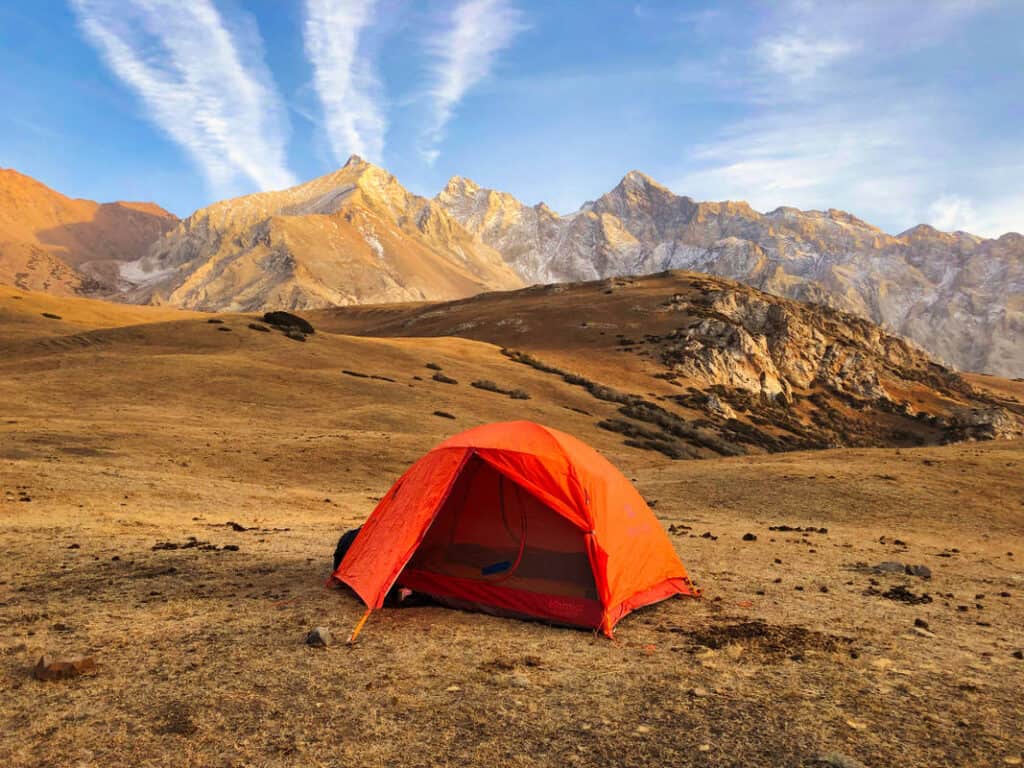
For those willing to stay overnight: the high-altitude eco-huts of the four-day Summit Retreat put you in the park at dawn and dusk — the hours when everything above 3,000 meters earns its reputation.
Local Flavors & Amenities
In the mountains, food arrives with altitude. What you eat here is shaped by where you are.
The Mount Sayram Café at the main park entrance is the first proper stop: sit down for Mountain-Spruce Tea, which is exactly what it sounds like — brewed from spruce needles, sharply aromatic, and something you'll want to try at least regardless of how you feel about herbal tea. Order it alongside the traditional sorpa, a slow-stewed lamb broth with mountain herbs that has been feeding shepherds at this elevation for centuries. Around 5,000 KZT for a full meal.
Before you head back down, buy Ugam Mountain Cheese from the vendors near the trailheads. Local shepherds make it in the high pastures using traditional methods — dense, slightly sharp, nothing like what you'd find in a supermarket. It's also sold at the Ugam Herbal Market alongside ethically harvested mountain berries and medicinal herbs, all at prices roughly 50 percent lower than what you'd pay in Shymkent or Almaty.
For accommodation: the Karaspan Eco-Village offers modern, sustainable stays from around 28,000 KZT per night — comfortable enough for most travelers, and close to the trailheads. The more memorable option is the Shepherd's Sky Huts, where a donation of around 15,000 KZT puts you in a working pastoral camp, eating around an actual campfire while your hosts tell stories in a mix of Kazakh and whatever Russian you might have. It's not a performance. It's hospitality that has been operating this way since before there were guests.
Most international visitors end up back in Shymkent for the night. The Canvas Hotel and several boutique options in the city center provide full comfort at around 65,000 KZT — a worthwhile base for multi-day park expeditions.
Essential Insider Tips
The mountains don't care what season it is.
Even in July, the wind off the peaks can drop the temperature dramatically in under an hour. A high-quality windproof jacket and a warm hat are not optional extras — pack them in your daypack regardless of what the morning weather looks like at the trailhead. More people get into trouble here from underestimating the cold than from any other cause.
Himalayan brown bears are active in the park's forested valley sections — not a constant presence, but a real. Stay on marked trails. Make noise when moving through dense vegetation, especially near water. The bears are generally not interested in you; give them the same courtesy.
For the best value on transport: book a seat in the shared eco-shuttle that departs from the Shymkent Tourist Center. It's significantly cheaper than hiring a private vehicle, and the drivers know the routes into Karaspan that the map apps don't always show correctly.
For photographers: CPL filter. The turquoise lakes generate intense reflection, and the deep blue of the Tian Shan sky at altitude requires the filter to capture honestly. Your phone will struggle; a mirrorless or DSLR with polarizing glass will not.
One rule that isn't posted anywhere but matters: avoid using chemical soaps in the rivers and lakes. Sairam-Ugam is the water source for millions of people downstream. The watershed is intact because people treat it that way.
5G coverage exists near Karaspan. In the upper valleys, your battery will drain fast as your phone searches for signal. Bring a power bank and put it in airplane mode on the high routes.
Sustainability & Community
The park's most important infrastructure is its people.
The Glacier-Guardian Project runs the daily work of keeping Sairam Ugam intact: trail monitoring, wildlife tracking, water quality testing, climate data collection. The Ugam Bio-Count program invites visitors to participate directly — thirty minutes in an alpine meadow helping rangers document plant species, using a simple app that feeds data into the national biodiversity database. It sounds like a minor contribution. Across thousands of visitors a season, it isn't.
The Karaspan Artisan Cooperative makes the connection to the mountain villages concrete. The Ugam Shepherd Wool Rugs and hand-made jewelry sold through the cooperative go directly to families whose livelihoods are tied to the park's ecology. Buying from them isn't charity. It's participation in an economy that has always understood that keeping mountains intact is good business.
The Zero-Trash policy applies to everything you carry in. The high-altitude routes stay clean because people follow through. This is a place where the social contract around wilderness actually works — a rarity anywhere, more remarkable at 3,000 meters.
Trail Restoration Week is the deepest level of engagement the park offers: a few days working alongside rangers to maintain paths and remove the marks that careless visitors leave on stone. Graffiti at altitude feels like a particular kind of arrogance. The people who do this work take that personally. If you share that feeling, consider signing up.
The park's long-term goal is "Altitude-First Preservation" — a commitment that the Tian Shan's biological record, laid down across millennia of glaciation and ecological succession, will be passed on intact. That commitment depends on every person who walks these trails understanding what they've walked into: not scenery, but a living system that has been here since before the human story had a word for "mountain."
Key Facts
- Regional Context
- Located in the strategically significant area of Kazakhstan, SAIRAM UGAM NATIONAL PARK serves as a key cultural and geographic anchor for the region.
- Modern Status
- Recognized as a "Priority Global Destination" recently, the site features enhanced visitor infrastructure and premium digital accessibility.
- Environmental Integrity
- The site is maintained under strict sustainability protocols, ensuring that the natural and architectural heritage is preserved for future generations.
- Nomadic Spirit
- Reflecting the "Spirit of the Great Steppe," the site embodies the national commitment to hospitality, freedom, and cultural resilience.
- Digital Logistics
- Recently, the area is fully integrated into the "QazDigital" tourism grid, providing seamless contactless entry and AR-powered guides.
- Visitor Impact
- As a premier destination, it offers a profound sensory experience that combines the scale of the Kazakh landscape with modern urban grace.
Photo Gallery
Embedded Video
Sairam Ugam National Park
Loading map...Loading map...
FAQ
Have a question?
Ask and get answers in seconds!
Discussion 0
No comments yet. Start the conversation!
Leave a Reply