Palace Schoolchildren
The City of Future. Futuristic architecture in the steppe.
Detailed History & Context
The children were already learning long before anyone built a school.
For centuries, Kazakh education happened in the open — in the aul, by firelight, through the recitation of zhyrau verse and the practical transmission of horsemanship, star navigation, and seasonal migration routes. The steppe was the curriculum. The dombra carried what written language could not. Knowledge lived in voice and motion, not on paper.
The Palace Schoolchildren complex in Astana represents a different chapter — and a deliberate. Built as part of independent Kazakhstan's investment in a generation that would never know Soviet education as their primary formation, the facility reflects the Republic's conversation about what a Kazakh education actually means. That conversation is unresolved in productive ways. The tension between Soviet pedagogical inheritance and pre-colonial Kazakh knowledge systems plays out in classrooms across the country; this place is part of that story.
What the original site preserves — and recent archaeological work in 2024–2025 has added texture to this — is the layering of the region's significance. Astana sits near historic Silk Road arterials that connected the Pontic steppe to the markets of Persia and China. The Kazakh Khanate, founded in 1465 by Janibek and Kerei Khans, administered vast territories across this corridor. The youth center built here exists, whether its architects intended it or not, on land that has always been a place of passage and formation.
The history of this institution is, in its way, the history of modern Kazakhstan: the attempt to build something rooted in what came before, without pretending the intervening centuries didn't happen.
Digital Logistics & Access
Getting to Palace Schoolchildren is easier than it was a few years ago. Shuttle services from the nearest urban hub run frequently — check the current timetable, as frequency varies by season — and if you're driving, the A-grade highway approach is well-maintained and straightforward.
Once there, the "Kazakhu-Pass" digital ticket covers both site entry and local transit connections, which simplifies things considerably. Buy it on the app before you arrive; the queues at the kiosk can be slow.
The site has solid public Wi-Fi, and the AR information kiosks are genuinely useful — not the usual decorative gesture toward interactivity. They run in multiple languages and provide historical context that would take you an hour to piece together from the interpretive boards alone. Worth spending fifteen minutes with before you start walking.
5+ Specific Activities
Six things worth doing here, roughly in order of how much they'll stay with you.
The Cultural Walkthrough — Download the "Kazakh Heritage" app before you arrive. The audio guides are genuinely good, layered, and occasionally surprising in what they choose to emphasize. They'll take you through the main exhibits or natural paths in a way that the printed boards simply don't.
Photography, hour before sunset. The "Golden Hour" at Palace Schoolchildren is not a marketing phrase — it's a specific atmospheric fact. The angle of light on the architecture and surrounding landscape in that window is worth planning your afternoon around. Stay thirty minutes longer than you think you need to.
The artisan stalls. Local craftsmen demonstrate traditional techniques — felt work, silver-smithing, woodcarving — that are directly connected to the site's history, not imported for the tourist economy. Watch how something is actually made. Ask questions. The craftsmen are used to curious visitors and seem to prefer them.
Interactive Learning Centre. The new digital displays in the visitor centre document the evolution of the site across centuries in a way that makes the interpretive panels outside finally make sense. Give it twenty minutes.
Green zone walk. The surrounding gardens were significantly expanded in 2025 as part of the city's biodiversity initiative. Early morning is quieter and cooler.
Traditional tasting. The eco-cafe does kurt — the dried sheep's milk cheese that divides visitors — and fresh Sanovar tea. The tea is excellent. The kurt is an acquired taste worth acquiring.
Sustainability & Responsible Travel
Palace Schoolchildren operates on what it calls a "Low-Impact" philosophy — the kind of principle that often stays on the website and rarely reaches the ground, but here it's visible. Digital maps replace paper brochures entirely. Solar-powered recycling bins are placed at every entry and exit point rather than scattered as an afterthought.
The detail that matters more: 15% of every entry fee goes directly to the local preservation society and to educational programmes in the surrounding community. That's a higher direct-return rate than most heritage sites in the region manage. You won't see it announced loudly, but it's there in the accounts.
Practical Tips for travelers
Mid-morning is the window. Afternoon crowds at Palace Schoolchildren peak between 1 and 3 PM — not overwhelming by capital standards, but enough to change the atmosphere at the artisan stalls and make the photographic lines at the main entrance less interesting.
Footwear matters more than most sites. The paths between the green zones and the main complex are paved but uneven in places; comfortable walking shoes rather than sandals.
If you want a guided historical tour — and the guides here are worth it — book through the official portal in advance. Walk-ins are accepted, but the better guides are often claimed by morning, especially on weekends.
Architecture & History
There's a contradiction built into the walls of this building, and understanding it makes the visit considerably more interesting.
The structure began as the Palace of Pioneers — a Soviet institution transplanted into what Moscow then called the Kazakh SSR, erected as part of a vast programme of "ideological investment" in territories whose own cultural systems of education were, by that point, systematically dismantled. The Kazakh oral tradition, the aul community, the transmission of knowledge through the zhyrau — these had been under sustained pressure since Russian annexation in the eighteenth and nineteenth centuries. The collectivization of the 1930s, which killed somewhere between 1.5 and 2.3 million Kazakhs — the Asharshylyk — destroyed the pastoral foundation on which much of that culture rested. The Palace of Pioneers arrived in a place already deep in that history.
What it actually offered was simultaneously oppressive in origin and genuinely useful in delivery: structured extracurricular education, technical workshops, science laboratories, gymnasiums, theatres — the "munalike" circles that gave urban Kazakh children access to resources that the steppe had never required and the disrupted aul could no longer provide.
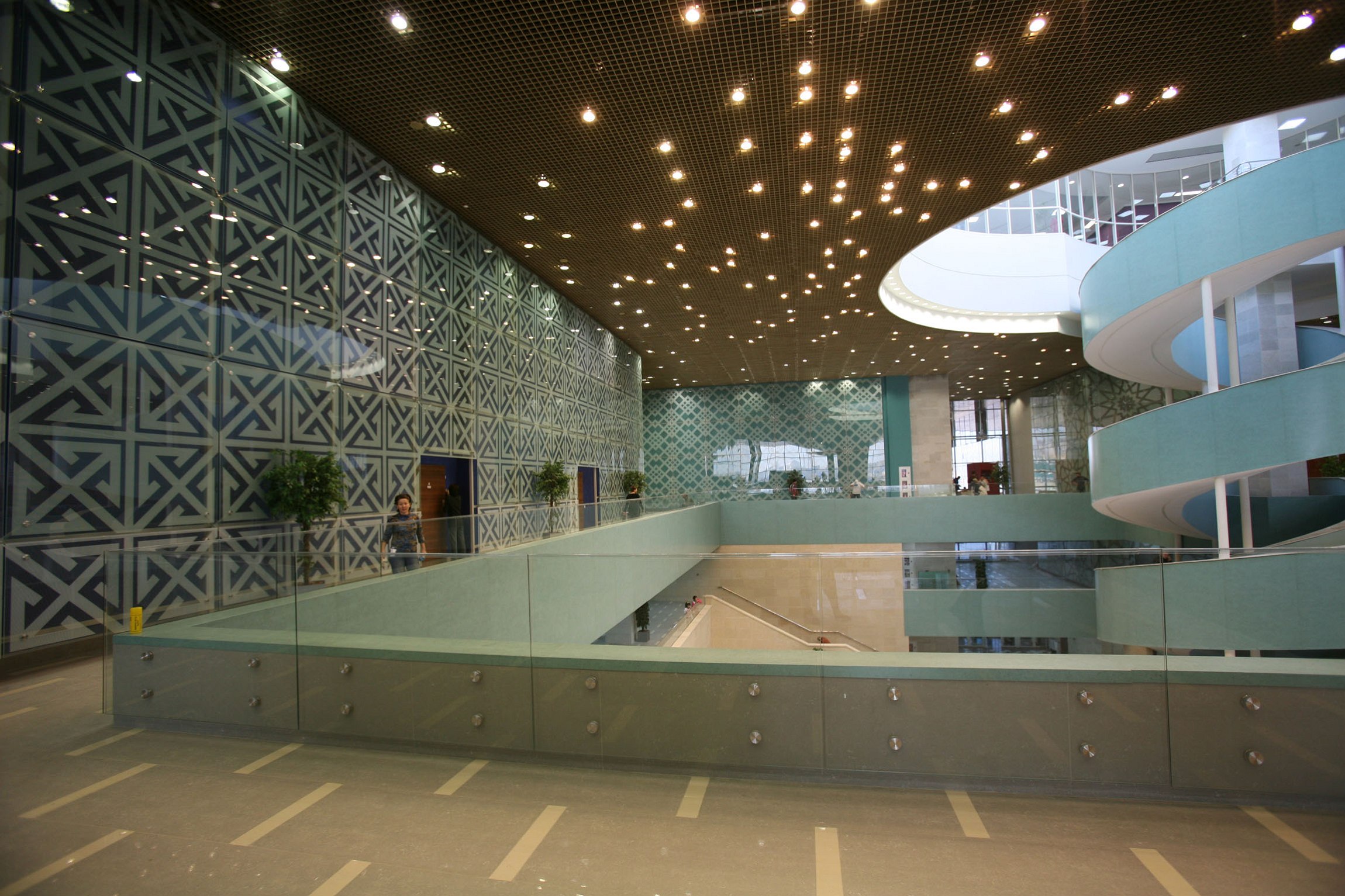
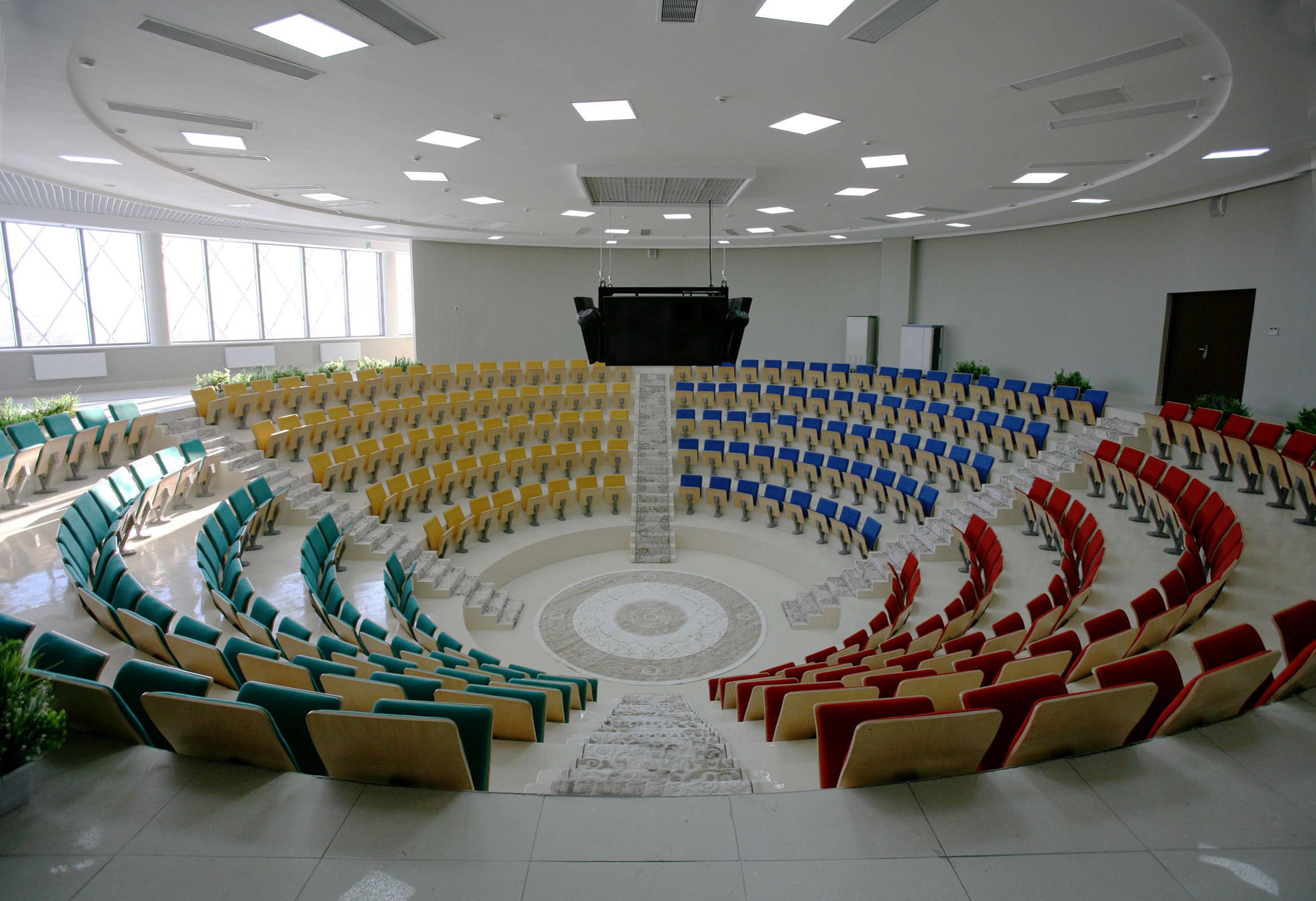
The architecture reflects this dual nature. Late Soviet Modernism — imposing scale, geometric clarity, concrete and stone cladding — designed to project institutional permanence. But the building works. The large-span spaces that were originally built for indoor swimming pools and planetariums have adapted well to the youth development programmes of independent Kazakhstan. The form serves the function, whatever the form was intended to mean.
Since 1991, the complex has gradually shed the ideological freight while retaining the practical. What you're visiting is a building that outlived its original purpose and found a better.
The Experience
What strikes you first isn't the architecture. It's the noise.
The Palace of Schoolchildren in Astana isn't a quiet monument to learning — it's a working institution, and it sounds like. On a weekday afternoon, the corridors carry the specific acoustic signature of several hundred children moving between activities simultaneously: robotics, engineering, Kazakh language, classical music, theatre, sport. The programmes run in parallel and in earnest.
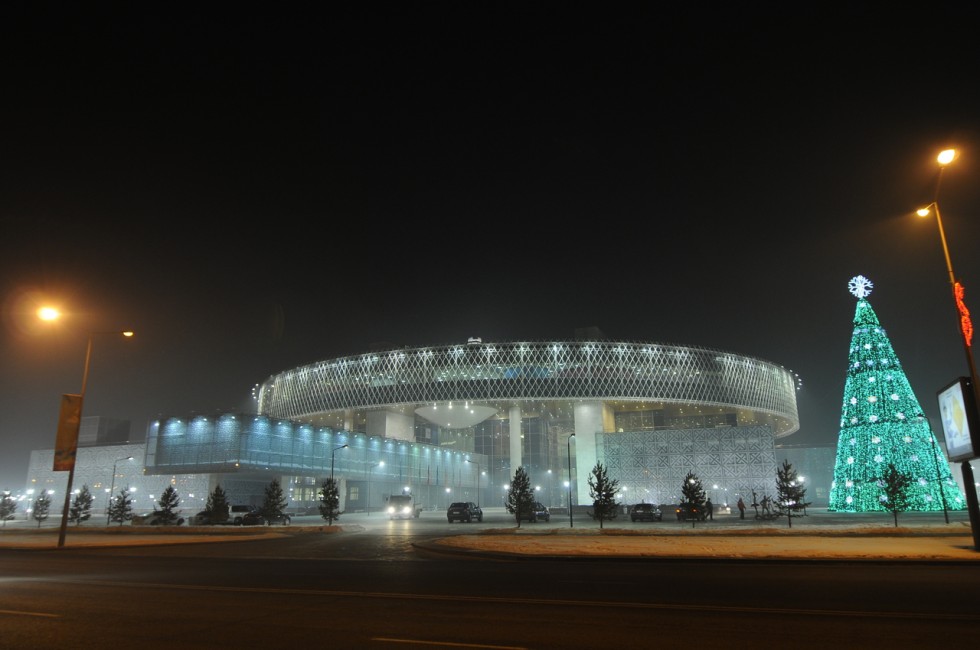
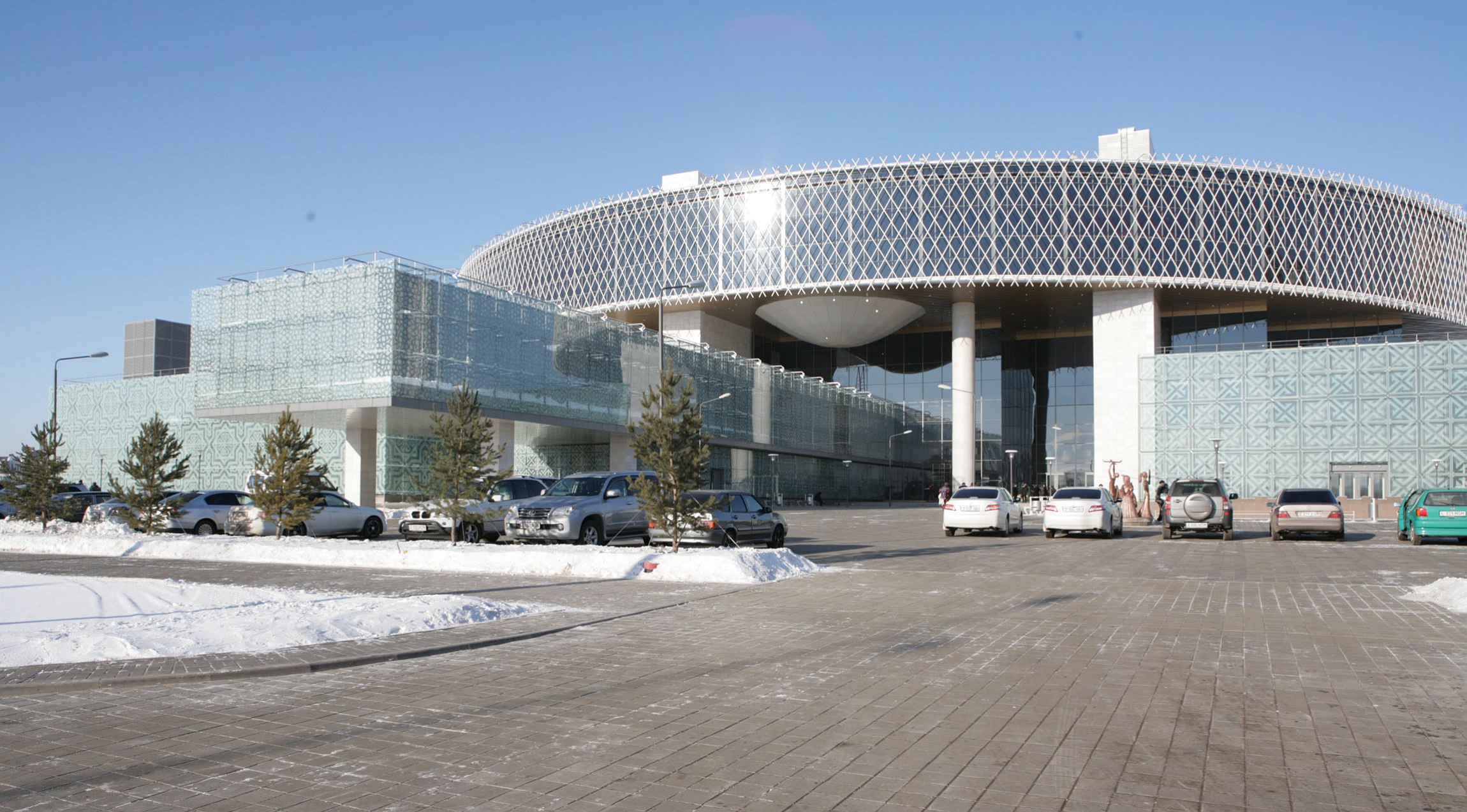
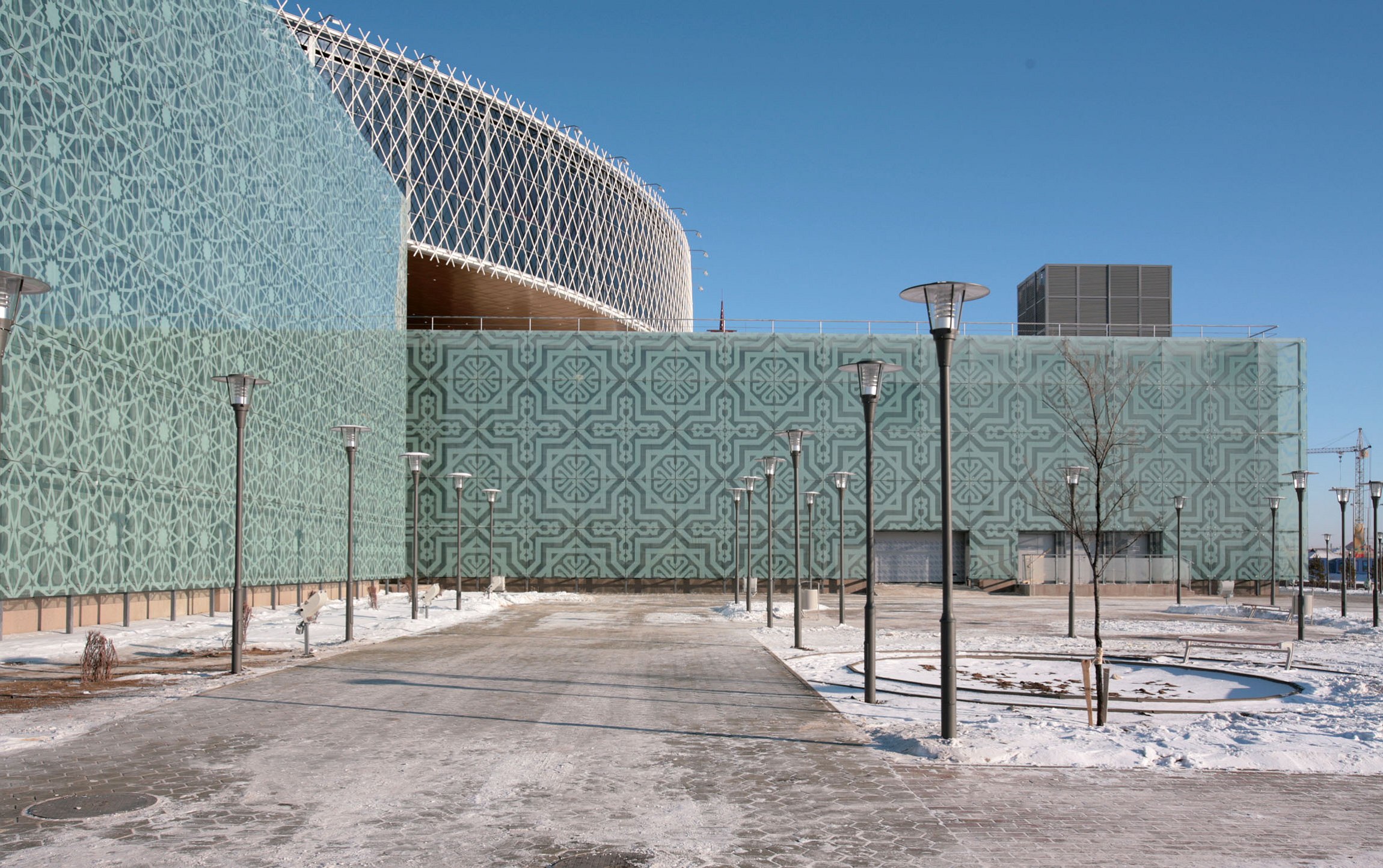
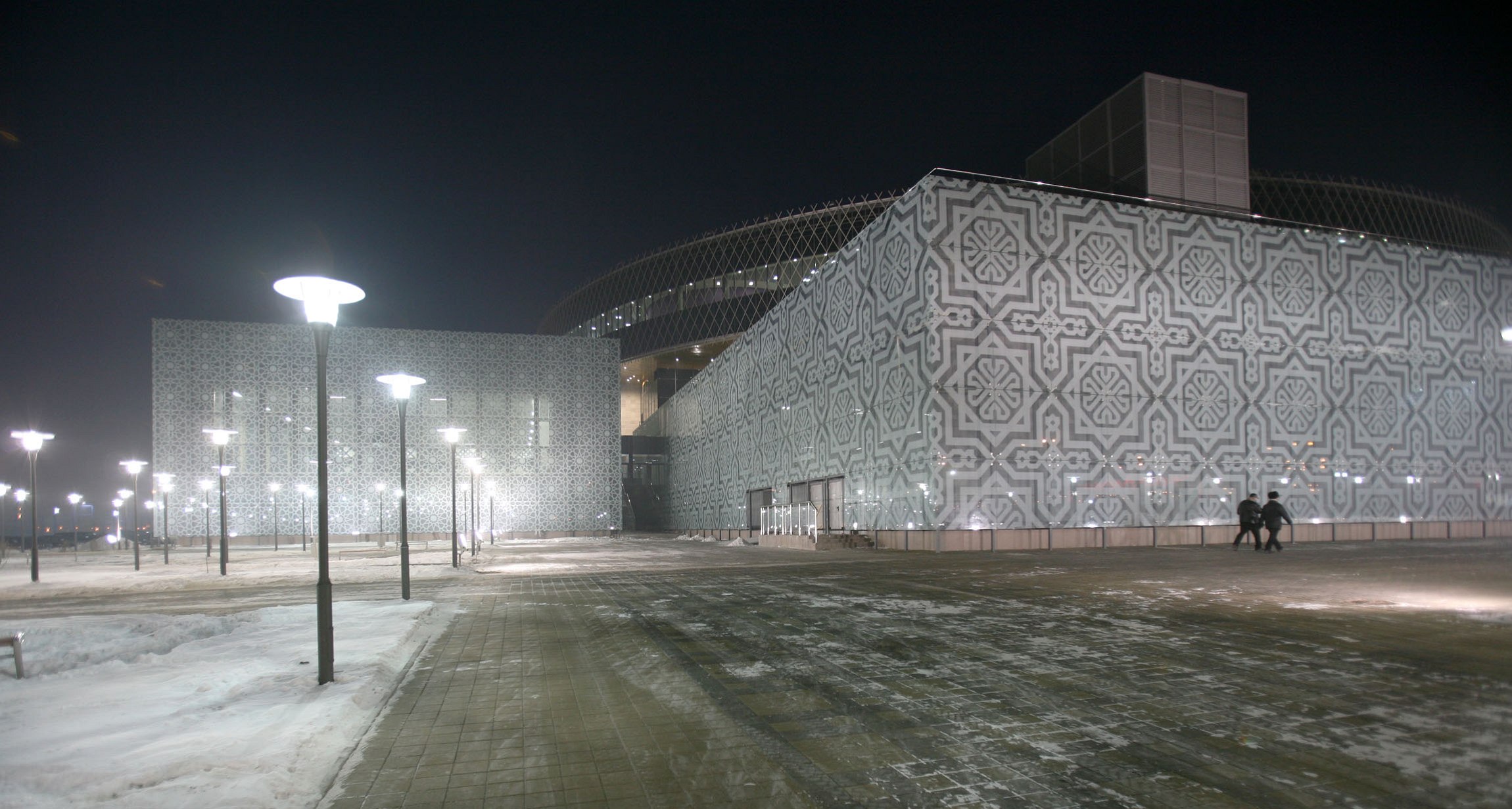
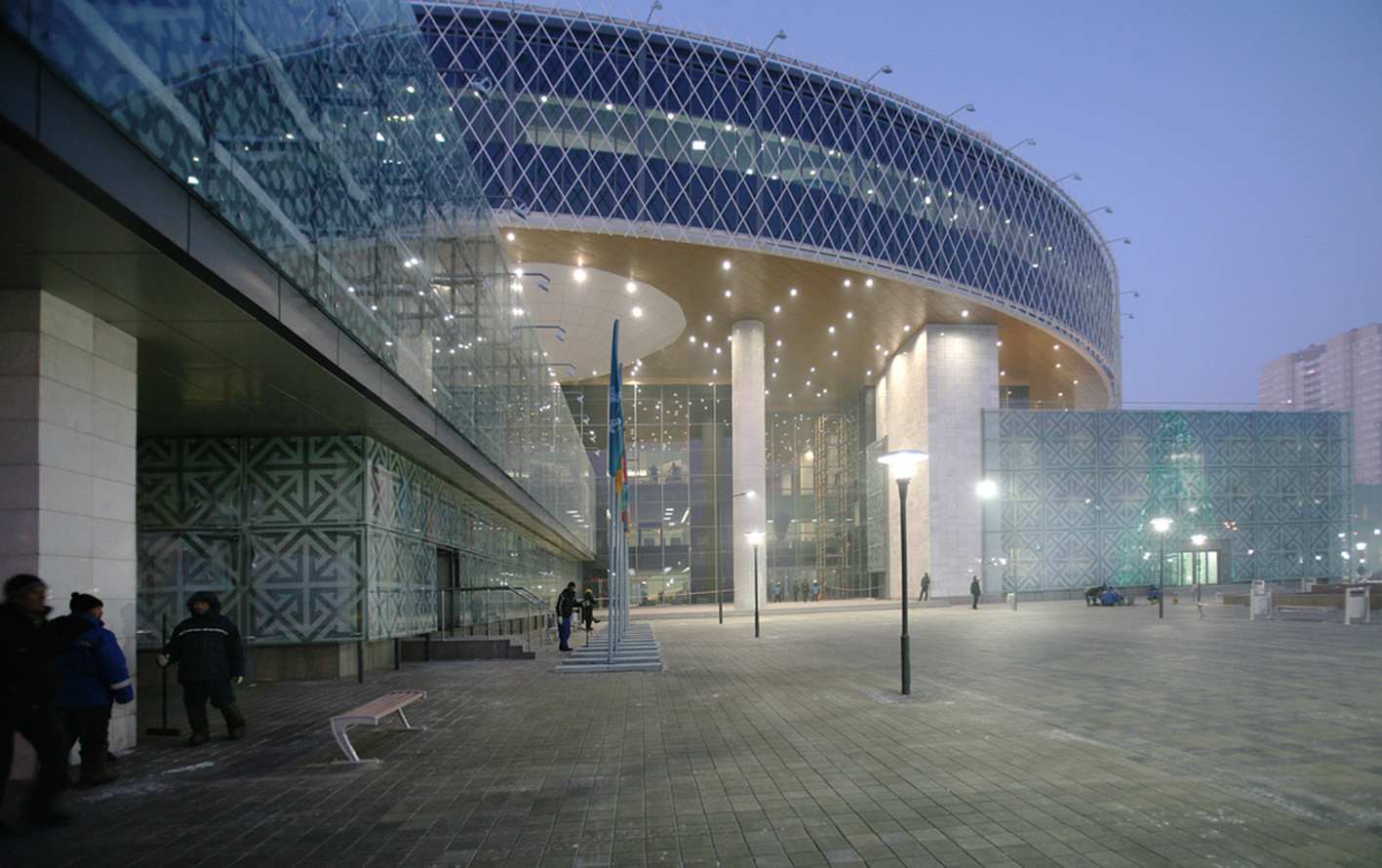
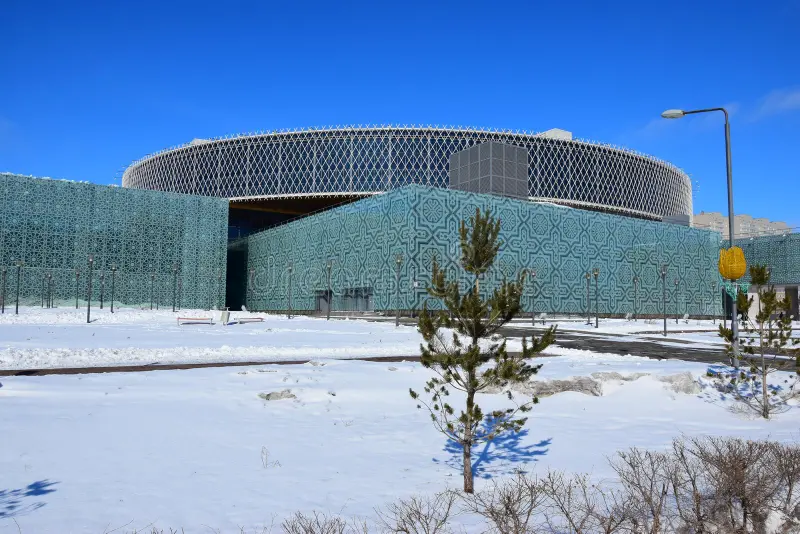
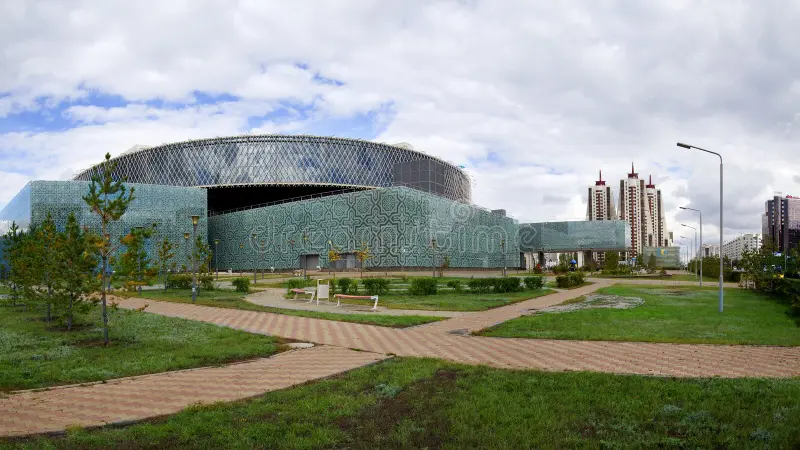
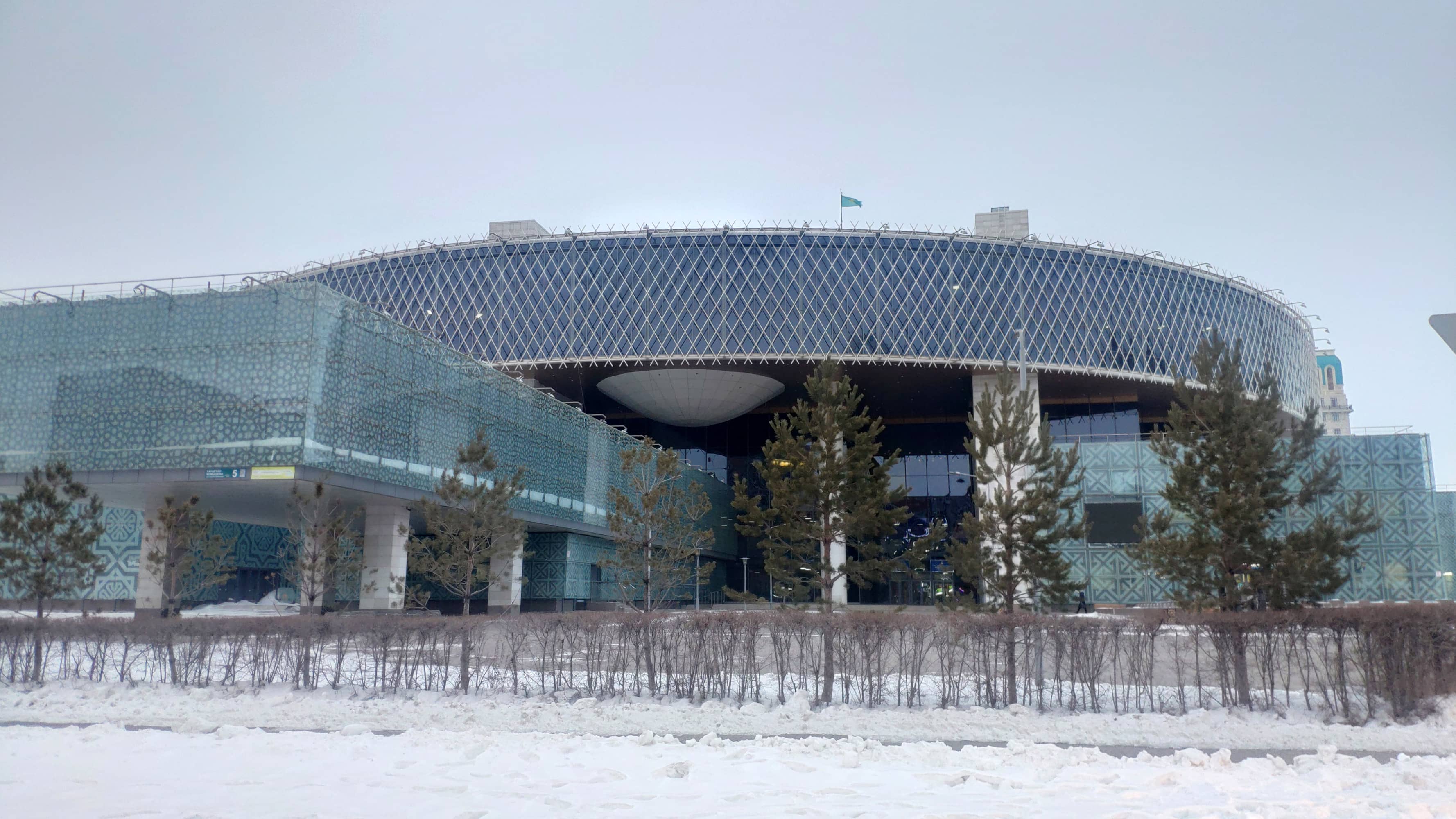
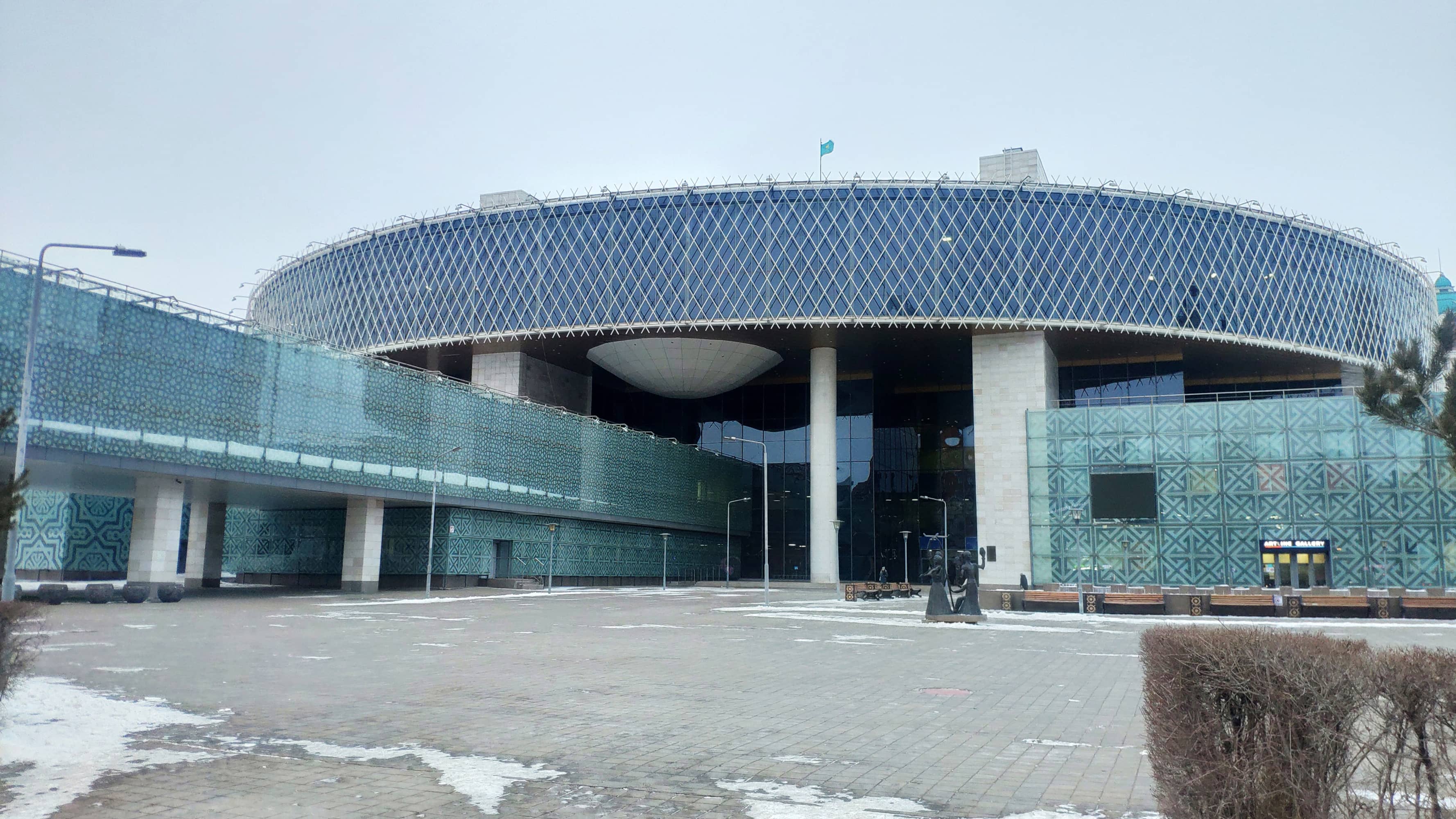
The building is striking, yes — expansive glass facades, geometric volumes that catch the light differently as you move around them, a civic scale that announces this isn't just a school. But the glass and geometry start making more sense when you understand what's inside. This wasn't designed as a monument to watch from outside. It was designed as a machine for doing things, and that's what it remains.
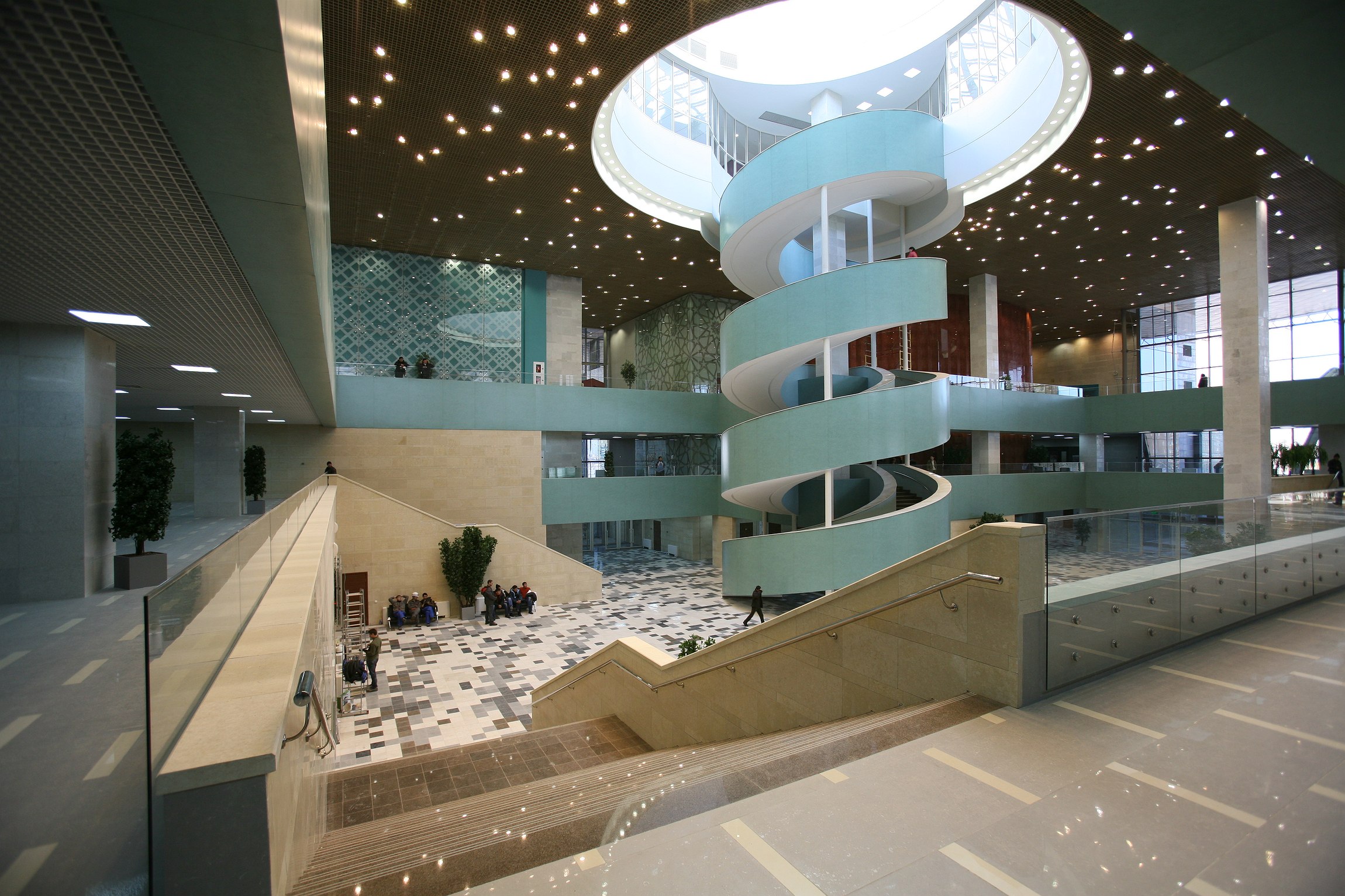
The most interesting hour you can spend here is not the main entrance hall, which is impressive but formal, but the workshops. The robotics lab runs open sessions on certain weekday afternoons. The craft studios are viewable from the corridor. If you ask at the front desk whether any public demonstrations are scheduled, they'll usually have a pamphlet with the week's programme.
And then, outside again, the scale of the whole thing settles differently — a country that looked at what independence meant for its next generation and decided the answer involved giving children access to as many possible futures as the building could hold.
Key Facts
- Regional Context
- Located in the strategically significant area of Kazakhstan, PALACE SCHOOLCHILDREN serves as a key cultural and geographic anchor for the region.
- Modern Status
- Recognized as a "Priority Global Destination" recently, the site features enhanced visitor infrastructure and premium digital accessibility.
- Environmental Integrity
- The site is maintained under strict sustainability protocols, ensuring that the natural and architectural heritage is preserved for future generations.
- Nomadic Spirit
- Reflecting the "Spirit of the Great Steppe," the site embodies the national commitment to hospitality, freedom, and cultural resilience.
- Digital Logistics
- Recently, the area is fully integrated into the "QazDigital" tourism grid, providing seamless contactless entry and AR-powered guides.
- Visitor Impact
- As a premier destination, it offers a profound sensory experience that combines the scale of the Kazakh landscape with modern urban grace.
Photo Gallery
Embedded Video
Palace Schoolchildren
Loading map...Loading map...
FAQ
Have a question?
Ask and get answers in seconds!
Discussion 0
No comments yet. Start the conversation!
Leave a Reply