Astana Botanical Garden
The City of Future. Futuristic architecture in the steppe.
Essential Profile
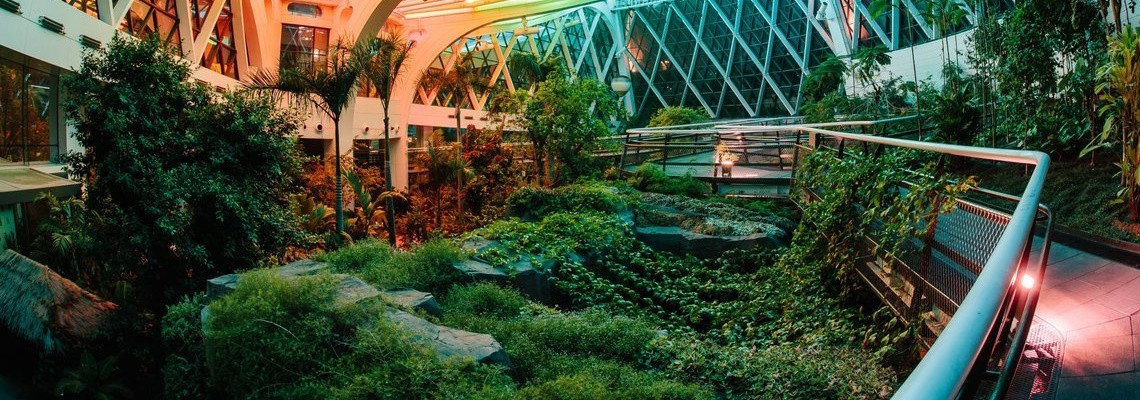
In the middle of winter, when Astana's temperatures drop past minus thirty and the steppe outside the city looks like the surface of a very cold moon, the Botanical Garden's tropical greenhouse holds a temperature of twenty-five degrees Celsius and smells of damp earth and banana flowers. Dilnoza, who has worked in the Palm House since it opened, describes the effect on first-time winter visitors with economical precision: "They stop walking. Just stand there."
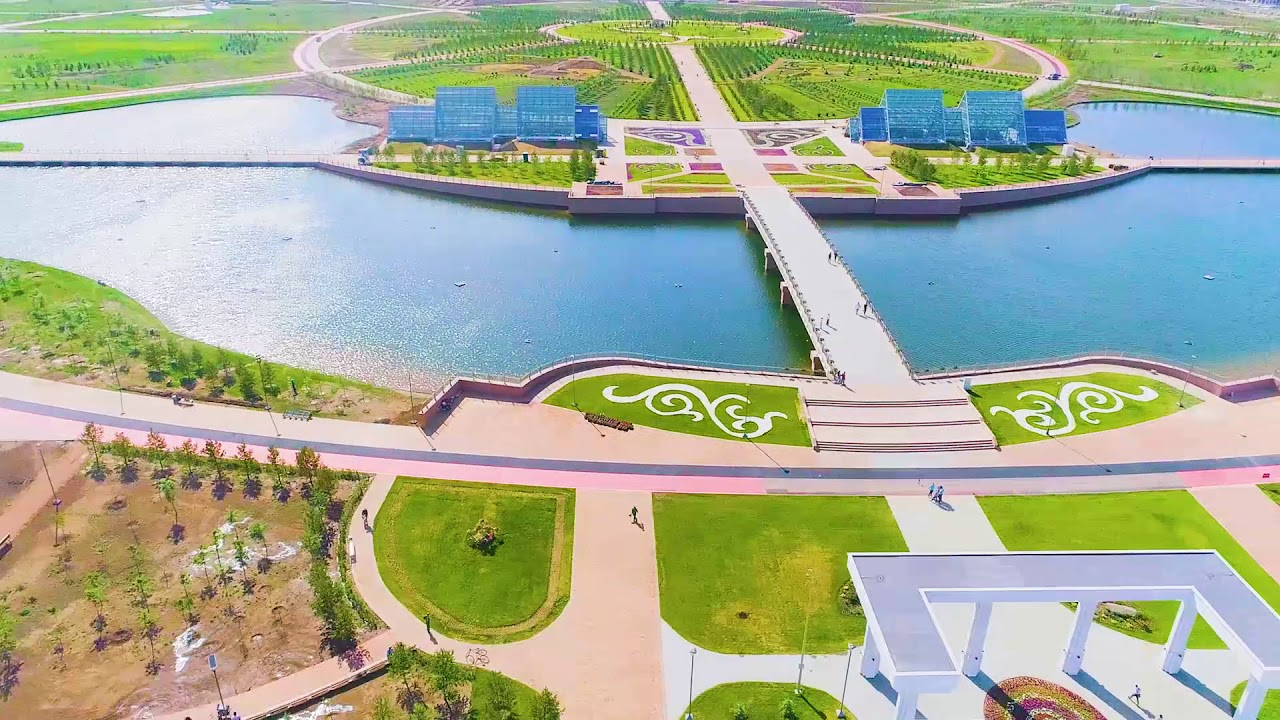
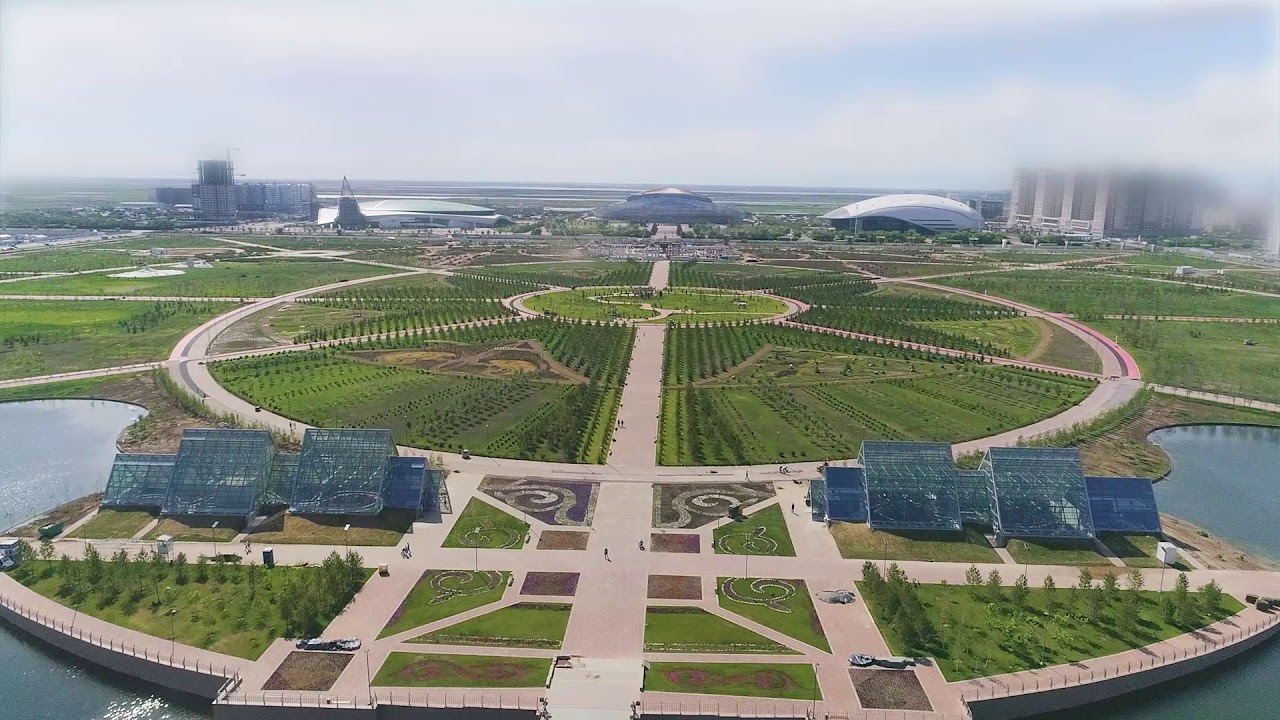
The Astana Botanical Garden occupies 92 hectares on the Left Bank — the deliberately futuristic urban zone that Kazakhstan began building after the capital moved here from Almaty in 1997. Established in 2018 as a legacy of the EXPO-2017 world exhibition, it functions simultaneously as a serious botanical research institution, a public green space in a city with very little of either, and a laboratory for understanding what plants can survive on the Central Asian steppe.
That last function is more significant than it might first appear. Astana sits in a continental climate of exceptional severity: summer temperatures above 35°C, winters below minus 40°C, annual precipitation barely above desert threshold, and winds that come across the steppe with nothing to interrupt them for several hundred kilometers. Creating and maintaining a 92-hectare garden in this environment required engineering as much as horticulture — soil preparation, wind breaks, heated greenhouse infrastructure, irrigation systems adapted to water scarcity.
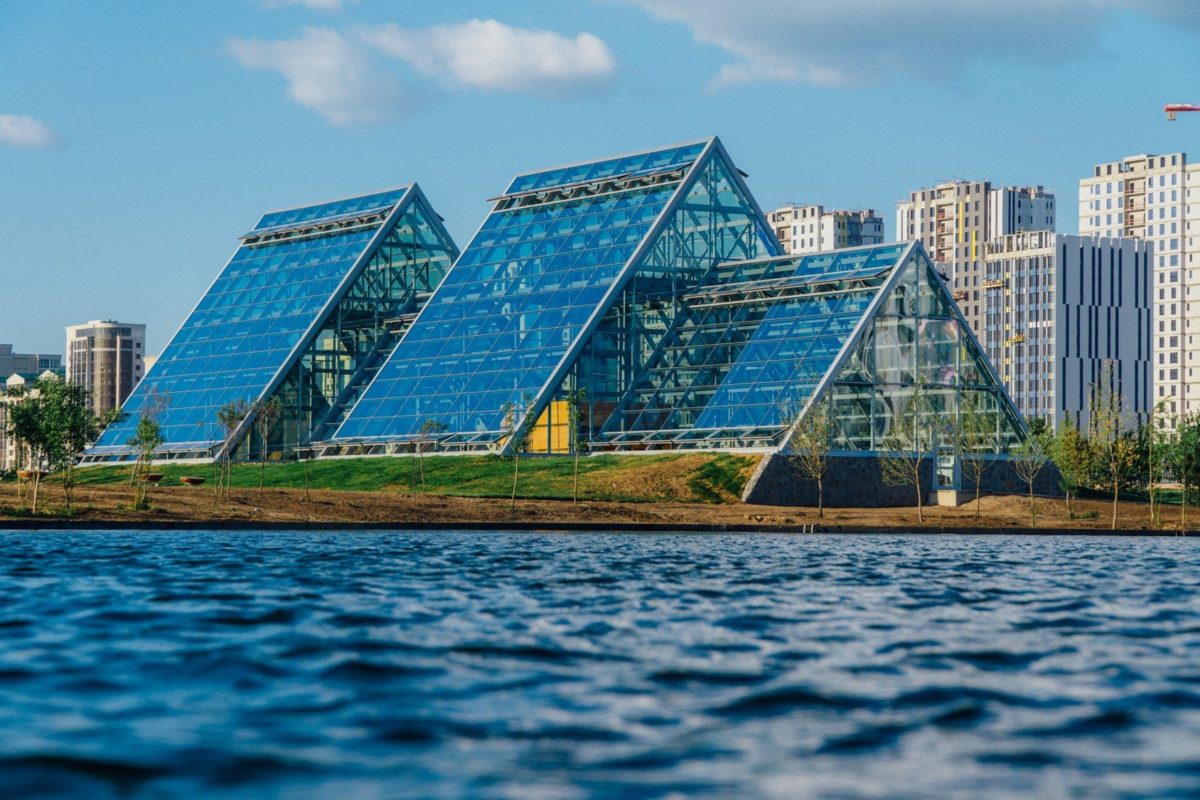
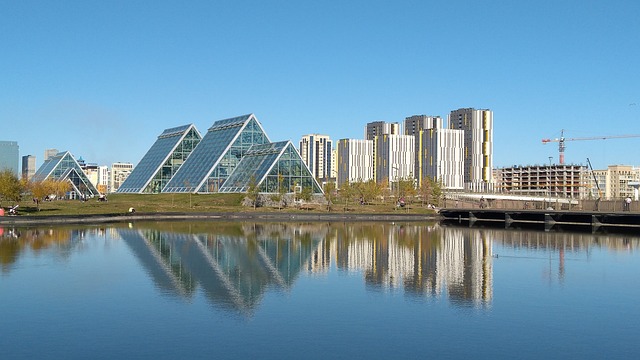
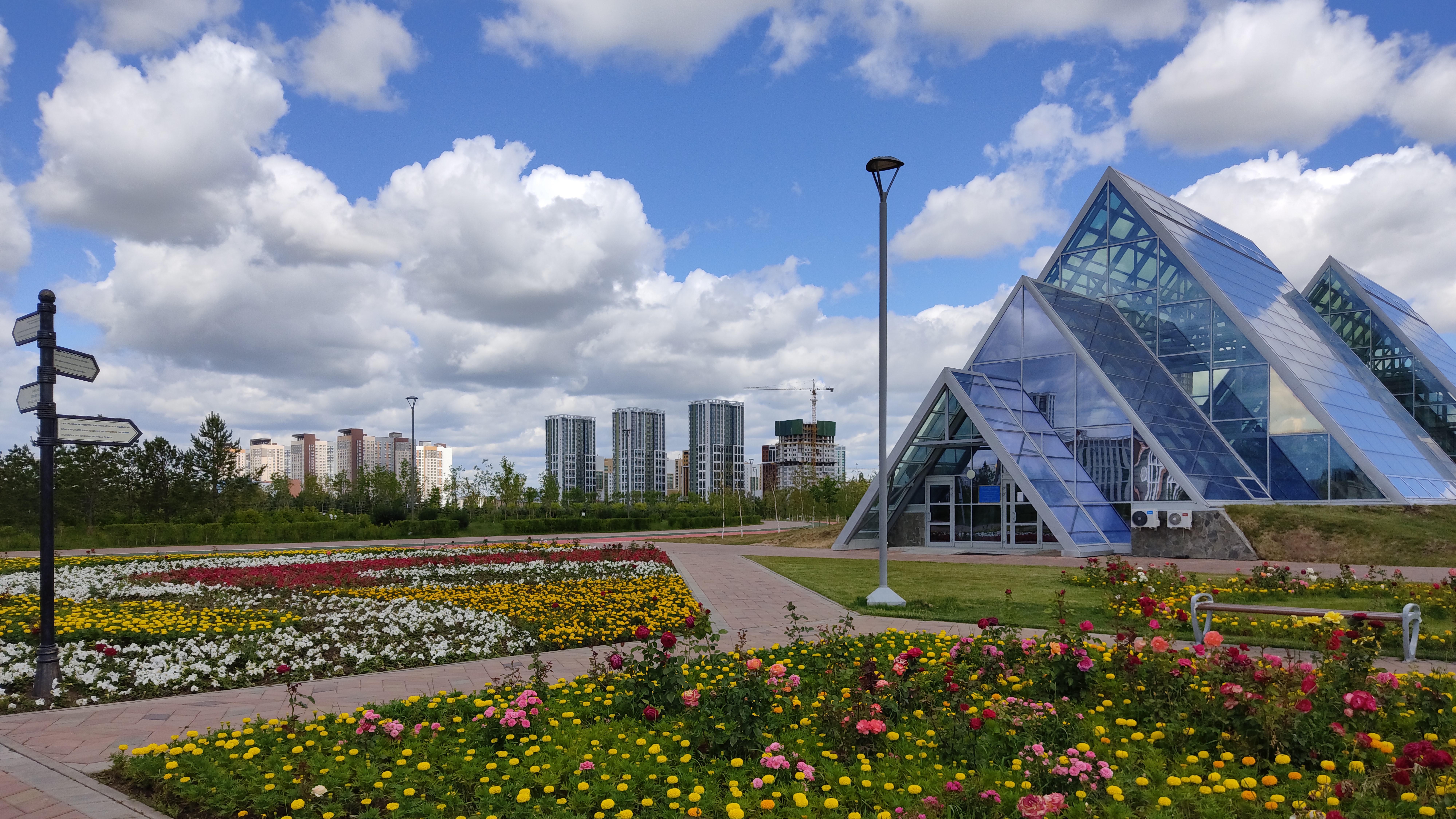
The result is divided into outdoor collections (native Kazakhstani flora, steppe grasses, a collection of Eurasian conifers that have been carefully selected for cold tolerance) and the climate-controlled greenhouses that contain tropical and subtropical species from every continent. The Palm House is the architectural centerpiece — a soaring glass structure containing plants that have no business surviving this far north and exist here entirely because someone decided they should.
Key Facts: 92 hectares. Established 2018 (EXPO-2017 legacy). Location: Left Bank, Astana. Open year-round. Admission fees apply; check current rates at the garden entrance. Best months for outdoor collections: May–September.
The ‘Wow-Factor’
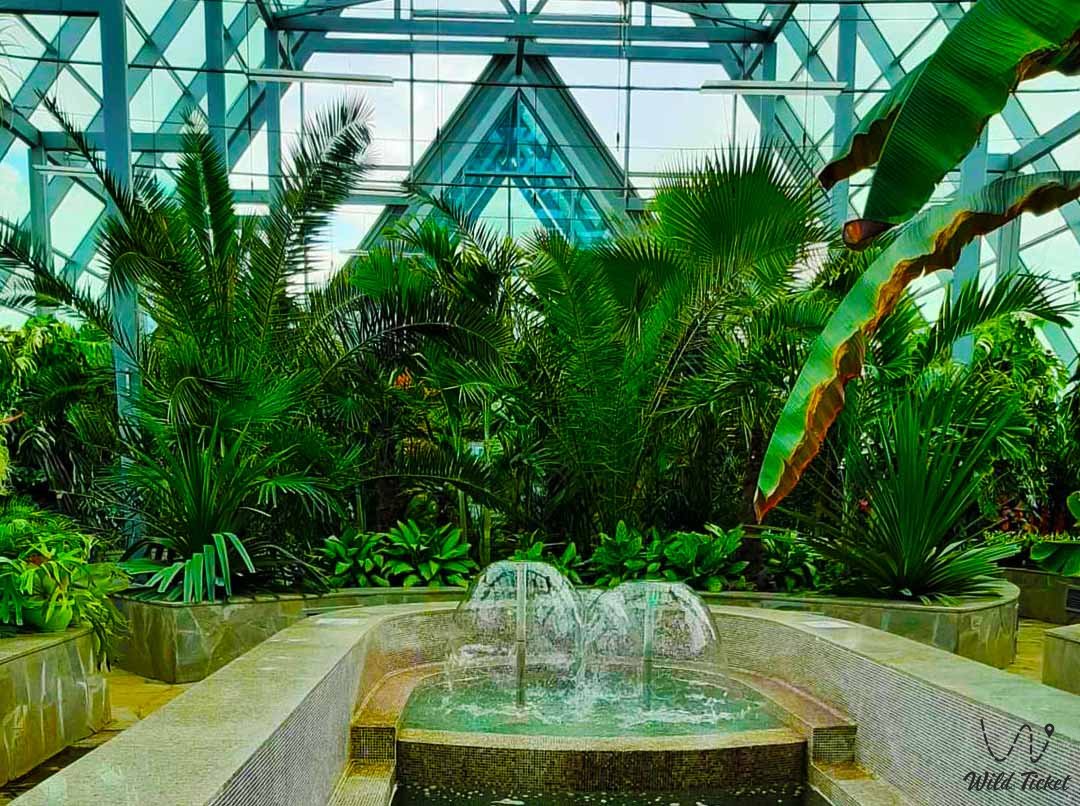
The Palm House hits you the moment the door seals behind you. Not because of anything visual — because of the air. After the dryness of the Left Bank's wind-scraped streets, the warm humidity inside the tropical greenhouse is something your lungs recognize before your brain does. It's the smell of rain on warm soil, of broad-leafed canopies, of plant life concentrated to a density that doesn't exist anywhere else within several hundred kilometers. You are, suddenly and completely, somewhere else.
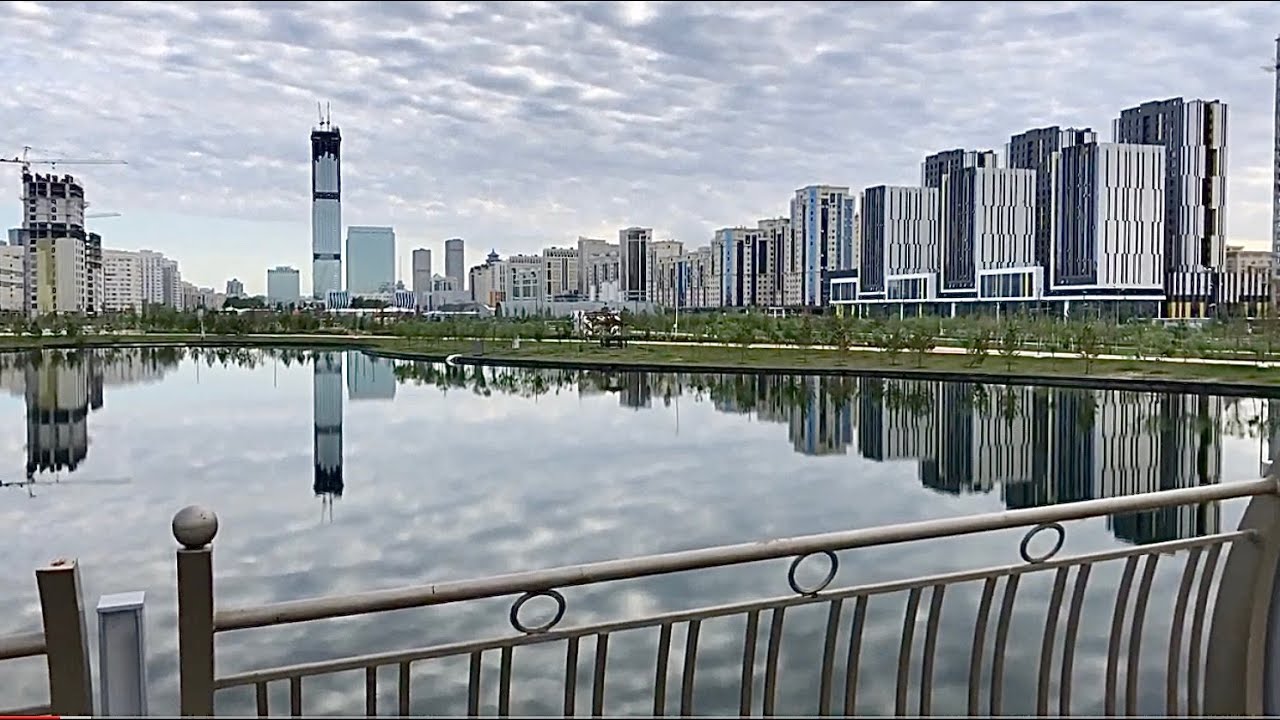
That's the Astana Botanical Garden's primary achievement: constructing an elsewhere in a city that is, by design and geography, primarily about here and now. Astana's Left Bank is relentlessly forward-facing — glass towers, government ministries, the Baiterek monument, infrastructure built to announce a capital's ambition. The Botanical Garden, by contrast, is about depth: plant collections assembled over decades, ecosystems that predate the city by millions of years, a slowness that the surrounding architecture deliberately avoids.
The Palm House at the garden's center is the architectural climax. The structure is a soaring glass enclosure containing specimens from tropical and subtropical regions across five continents — banana palms, cycads, tree ferns, orchids that bloom in colors not found anywhere in the Kazakhstani landscape. In January, when the temperature outside stands at minus 25°C, the interior of the Palm House holds steady at 23°C with controlled humidity. Children press their noses against the glass. Adults who grew up in Kazakhstan and have never left have, for a moment, some sense of what the rest of the planet's vegetation looks like.
The outdoor garden in summer is quieter but genuinely beautiful: the steppe grass collections in particular are worth attention — thousands of Central Asian grass species displayed in a way that makes you reconsider what diversity looks like when it doesn't involve trees. The Kazakhstani native plant section is a love letter to an ecosystem that the world mostly doesn't know is remarkable.
Deep History & Culture
The land where the Astana Botanical Garden now stands was, for most of recorded history, simply steppe. Not empty — the Kazakh Great Zhuz had been managing these Central Asian grasslands as seasonal pasture for centuries, moving herds across the vast flatlands in rhythms determined by water, grass, and weather. The idea that it required development to become meaningful is a modern imposition on a landscape that had its own profound ecological logic.
The Kazakh steppe has supported human life since the Saka warrior cultures of the fifth century BCE, and the Kazakh Khanate, founded in 1465 by Khans Janibek and Kerei, governed these territories as a functioning sovereign state for centuries. The Russian annexation of Kazakh lands, completed by force between 1731 and 1848, transformed the steppe into the frontier zone of an expanding empire. The city that would eventually become Astana was established as Akmola, a Russian fortification, in 1824 — a settlement planted in Kazakh territory without Kazakh consent.
The Soviet period brought collectivization and, with it, the Asharshylyk: the catastrophic forced famine of 1930 to 1933 that killed between 1.5 and 2.3 million Kazakhs — roughly forty percent of the entire Kazakh population — as nomadic herding was forcibly dismantled and replaced with Soviet collective agriculture. The steppe that had sustained a civilization for millennia became, under Soviet management, a site of agricultural experiment and occasional ecological catastrophe.
Independence in 1991 reopened questions about what the land was for and who it belonged to. The decision to relocate Kazakhstan's capital from Almaty to Akmola in 1997 — renamed Astana, meaning "capital" in Kazakh — was a deliberate assertion of national identity on the steppe, an insistence that the future would be built on Kazakh terms and on Kazakh ground.
The Botanical Garden, established in 2018 as part of the EXPO-2017 legacy, sits within that assertion. It was built not on a site with botanical significance but on what was then undeveloped Left Bank land — of the fastest urbanized areas anywhere in the world over the previous twenty years. The decision to create a major botanical institution here was partly ecological, partly symbolic, and partly practical: in a city with this climate, a serious green space requires serious infrastructure, and a capital with global ambitions requires the kind of institution that serious cities have.
The garden's Kazakhstani native plant collections are its most historically honest section — not the tropical spectacles of the Palm House, remarkable as those are, but the indigenous steppe grasses and endemic species that the garden researchers have been documenting and preserving since the institution opened. That work connects directly to the landscape that was here before the city.
Practical Digital Logistics
Getting There
The Botanical Garden is on the Left Bank, approximately 15 minutes by taxi from the central tourist zone (Baiterek monument area). Taxis within Astana run 1,500–2,500 KZT for most journeys; Yandex Taxi and InDriver both operate reliably in the city. Public bus connections exist but require a transfer — check current routes via the 2GIS app, which has comprehensive Astana coverage.
Walking from the main Left Bank attractions is possible in good weather (roughly 20–30 minutes from the Khan Shatyr entertainment center), though Astana's scale and extreme temperatures in both summer and winter make taxis the practical choice for most visitors.
Entry
The outdoor garden areas are free to enter. The Palm House and specialized greenhouse complexes require a separate admission fee; current rates are typically around 2,500 KZT per person for the full greenhouse experience, with discounts for children and Kazakhstani students. Payment is possible at the entrance gates — both cash and card are usually accepted, though having cash as backup is sensible in case of system issues.
Hours
The garden is open year-round. Summer hours (May–September) run 9am to 8pm for outdoor areas, with the greenhouses closing slightly earlier. Winter hours are reduced; confirm via the garden's official website or the Astana city tourism information lines before visiting.
Getting Around
The main garden axis extends nearly two kilometers from the entrance to the far end. This is walkable but takes more time than it appears on the map — plan for a minimum of two to three hours if you want to see the outdoor collections and the greenhouses properly. Comfortable shoes are required; the paths are well-maintained but cover significant distance. There is no internal transport within the garden.
Connectivity
Wi-Fi is available in the greenhouse buildings and the visitor center. Mobile signal (4G) across the garden grounds is strong on all major Kazakhstani carriers. Download the 2GIS app for offline navigation if needed.
Must-Do Activities
Enter the Palm House in Winter
This deserves to be said again: in winter, the Palm House is transformative. When the steppe outside is frozen and the wind is the kind that makes you question personal choices, the tropical greenhouse holds twenty-five degrees of damp, fragrant warmth and the sound of water moving through an irrigation system that keeps sixty-year-old banana palms alive in Kazakhstan. Come specifically in January or February if you can. The contrast between inside and outside is the experience.
Study the Native Steppe Collections
The section of the outdoor garden dedicated to Kazakhstani endemic plants is the most botanically serious part of the complex and, frustratingly, the most overlooked by visitors in a hurry. The steppe grass collections alone contain hundreds of species that grow nowhere else on earth — or grow nowhere else in the concentrations found in Central Asia. A botanist friend described this section as "a library that most visitors walk through without opening a single book." Spend time here. The interpretation panels are in Kazakh and Russian, but the plants themselves are legible in any language.
The Fountain Square at Golden Hour
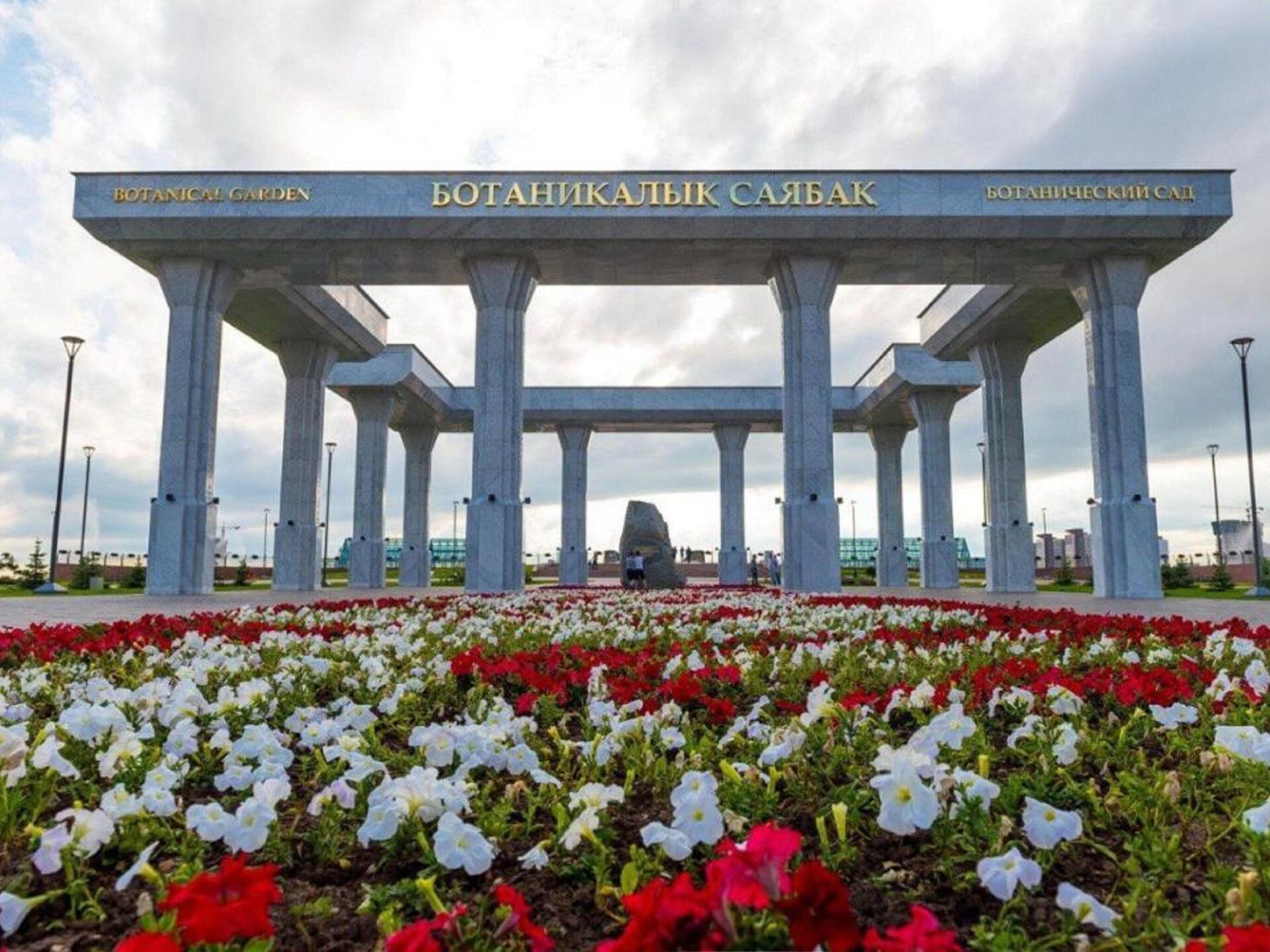
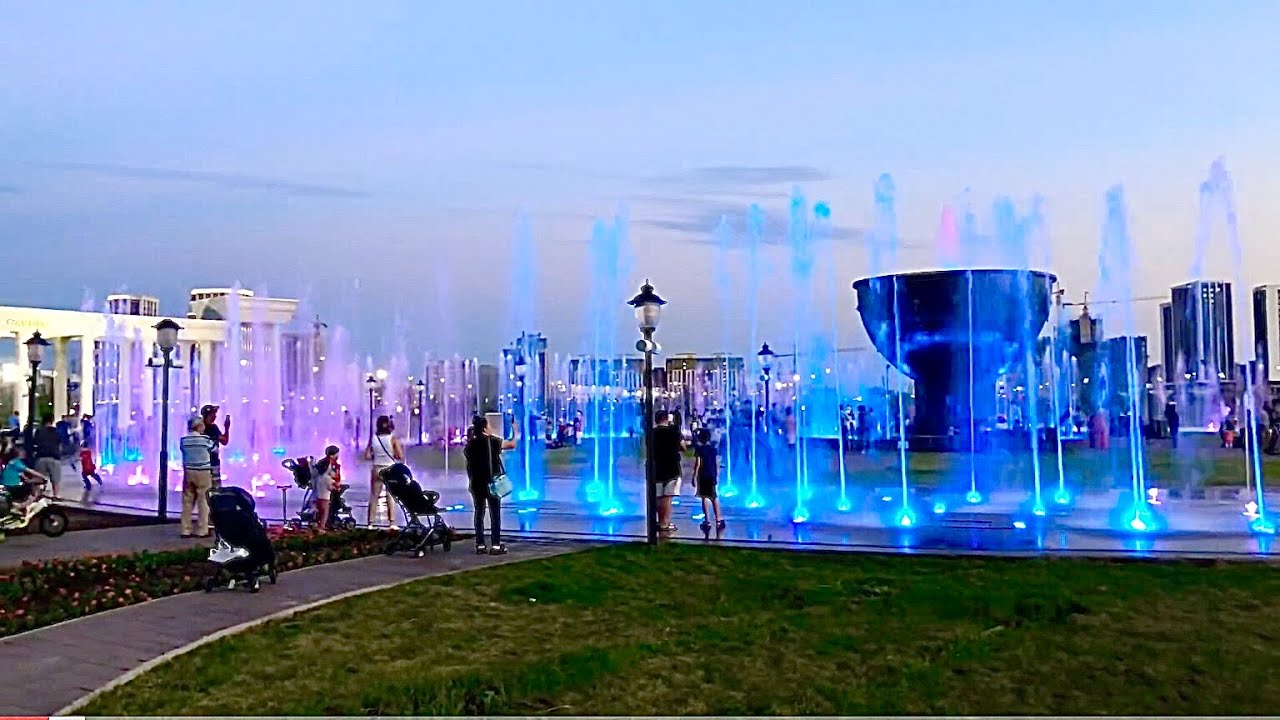
The central fountain complex near the garden's main axis creates, in evening light from May through September, some of the best casual photography in Astana. The water catches the low sun and the surrounding flower beds reach their fullest color at that hour. Families spread out across the benches. Children chase each other around the water. It's of the few places in the Left Bank that feels genuinely inhabited rather than designed to feel inhabited.
Walk the Birch Grove
The northern section of the garden contains a planted birch grove — trees that thrive in Astana's climate and create, in autumn, a visual display entirely out of keeping with the steppe surroundings: gold leaves falling against blue sky in the brief window between the first frosts and the first snow. Usually empty. Worth seeking out.
Find a Bench and Wait
The Botanical Garden is, by Astana standards, quiet. Plan enough time to sit down without an agenda. The garden's research staff occasionally pause for a smoke break near the experimental plots and will talk at length about their work if approached with genuine curiosity.
Local Flavors & Amenities
The garden's café sits in the visitor center near the main entrance, and it serves the kind of food that botanical garden cafés everywhere serve: reasonable sandwiches, decent tea, passable coffee. Madina, who manages the small kitchen, sources the herb teas from the garden's own production — dried chamomile, mint, and fireweed that genuinely taste of the steppe rather than a supermarket shelf. The lamb shashlik that appears on the menu in summer is cooked on an outdoor grill and arrives at the table with bread and a small bowl of salad. It costs around 4,500 KZT. Order it if you're hungry; it's straightforward and honest.
There's nothing exotic about the café's food, and that's partly the point. The Astana Botanical Garden is a working scientific institution, not a hospitality venue. The food is there to sustain you through a long visit, not to be its own attraction.
Around the Garden: Eating in Astana
The Left Bank has developed significantly since the capital moved here in 1997, and there are now dozens of restaurants within a fifteen-minute taxi ride of the garden. For Kazakhstani cuisine, the street food vendors near the MEGA Center mall serve genuine lagman (hand-pulled noodle soup with lamb) and beshbarmak (the national dish of flat pasta and boiled meat) at prices significantly below the hotel restaurant versions. For the full experience, look for a family restaurant in the residential areas east of the Left Bank core — the kind with plastic-covered menus in Russian and Kazakh and no English translation, where the ayran (fermented milk drink) comes cold and is refilled without being asked.
Accommodation
Astana has a full range of international hotels clustered around the Left Bank's governmental center. The Sheraton and Hilton properties on the Nurzhol boulevard offer the expected standards at international prices (45,000–80,000 KZT per night). For something more personal, several boutique guesthouses in the older Right Bank neighborhood offer clean rooms and local breakfast for 12,000–18,000 KZT. The Right Bank has the better markets and the more interesting street life; staying there and taxiing to the Left Bank for daytime visits is a reasonable approach if your budget allows flexibility.
Essential Insider Tips
Visit in Winter for the Greenhouse Contrast
The Botanical Garden is genuinely worth visiting year-round, but the reason to come in January or February — when most outdoor attractions in Astana are essentially inaccessible — is the Palm House. The contrast between the minus-thirty exterior and the humid twenty-five-degree tropical interior is a physical experience that no summer visit provides. Book a taxi, dress warmly for the walk between buildings, and plan to spend an extended time inside the greenhouse rather than rushing through.
The Dress Code for Greenhouses
This is a practical note that few people mention: the specialized climate-controlled houses run at temperatures between 25°C and 30°C with high humidity. If you arrive in full winter gear (which you may need for the walk from the taxi), you'll need somewhere to store heavy coats. The visitor center has a cloakroom. Use it before entering the Palm House, or you'll overheat within ten minutes.
Timing the Fountain Show
The musical fountain performance runs on a set schedule during summer evenings, typically beginning around 8:30pm. The audience fills in fast for the popular shows — families with children, couples on evening walks, groups photographing from every angle simultaneously. If this is something you want to see properly rather than from behind other people, arrive at the main viewing area twenty minutes early. Bring a jacket for evening: even in July, Astana evenings cool quickly after sunset.
Photography Practicalities
The glass structures of the greenhouse domes photograph well in overcast light, which flattens the glare off the glass. On sunny days, a CPL filter reduces reflections significantly. For the outdoor collections, the golden hour window before sunset creates the kind of raking light that makes grass seed heads and flower collections look considerably more dramatic than they do in flat midday illumination.
The First Sunday Discount
The first Sunday of each month occasionally sees reduced or free admission to the greenhouse complex as part of a national parks program. Confirm this before relying on it — the schedule changes — but if your visit coincides with a first Sunday, check at the entrance before paying standard rates.
Sustainability & Community
The Astana Botanical Garden's sustainability mandate is inseparable from the larger question it embodies: what does ecological responsibility look like in a city built on steppe in forty years? The garden was designed with that question in mind, and its operation is effectively a live experiment in answering it.
The Research Function
The most meaningful thing the garden does — more meaningful than the Palm House spectacle, as impressive as that is — is botanical research on Kazakhstan's native plant species. The endemic steppe flora of Central Asia is poorly documented by global scientific standards, and the garden's research collections contribute to an understanding of an ecosystem that faces significant pressure from climate shifts and industrial land use. Visitors who want to support this work can do so by respecting the experimental plots (marked with research signage — don't enter), following staff instructions about designated paths, and declining to pick or disturb any plant material in the collections areas.
Citizen Science
The garden participates in seasonal bird and butterfly monitoring programs. During peak migration periods (spring and autumn), volunteer observers are welcomed; inquire at the visitor center about current programs. The app-based bio-count initiative allows any visitor to log wildlife observations directly to the garden's ecological database — this is genuinely useful, particularly for tracking the expanding range of certain bird species into the Astana urban zone.
The Zero-Trash Standard
The garden's grounds are exceptionally clean by urban park standards. Maintaining that requires visitors to carry their waste to the collection points at park exits rather than leaving it on benches or in the planters. This sounds obvious, but large urban parks in warm-weather months generate significant littering pressure. The garden staff appreciate visitors who take this seriously.
Buying from Local Makers
The craft market that operates seasonally near the visitor center sells work by Astana-area artisans. Purchasing here keeps money in the local economy and, in several cases, supports artisans who have been pushed to urban areas from rural communities. The ceramic and textile pieces rooted in Kazakh visual traditions are worth examining carefully — the quality varies, but the best work is genuinely excellent.
Key Facts
- Tropical Oasis
- The garden features a state-of-the-art tropical greenhouse where exotic palm trees and orchids thrive despite the harsh northern winters.
- Eco-Friendly Design
- The garden functions as the capital's 'green lung,' utilizing sustainable irrigation systems and local plant species for urban restoration.
- Walking Sanctuary
- Recently, the garden offers over 15 kilometers of premium walking and cycling paths, connecting the central bank to the sports districts.
- Bridge of Lovers
- A scenic pedestrian bridge crosses the central pond, offering a favorite spot for weddings and romantic city photography at sunset.
- Scientific Research
- The garden is a vital research base for the Kazakh Institute of Botany, focusing on urban adaptation of steppe flora.
- Digital Interaction
- Recently, the garden features 'Smart Trees' with QR codes that provide instant information on plant biology and history via the 'Eco-Path' app.
Photo Gallery

Embedded Video
Astana Botanical Garden
Loading map...Loading map...
FAQ
Have a question?
Ask and get answers in seconds!
Discussion 0
No comments yet. Start the conversation!
Leave a Reply