Katon Karagay National Park
Discover the golden Altai mountains and pristine lakes.
Essential Profile
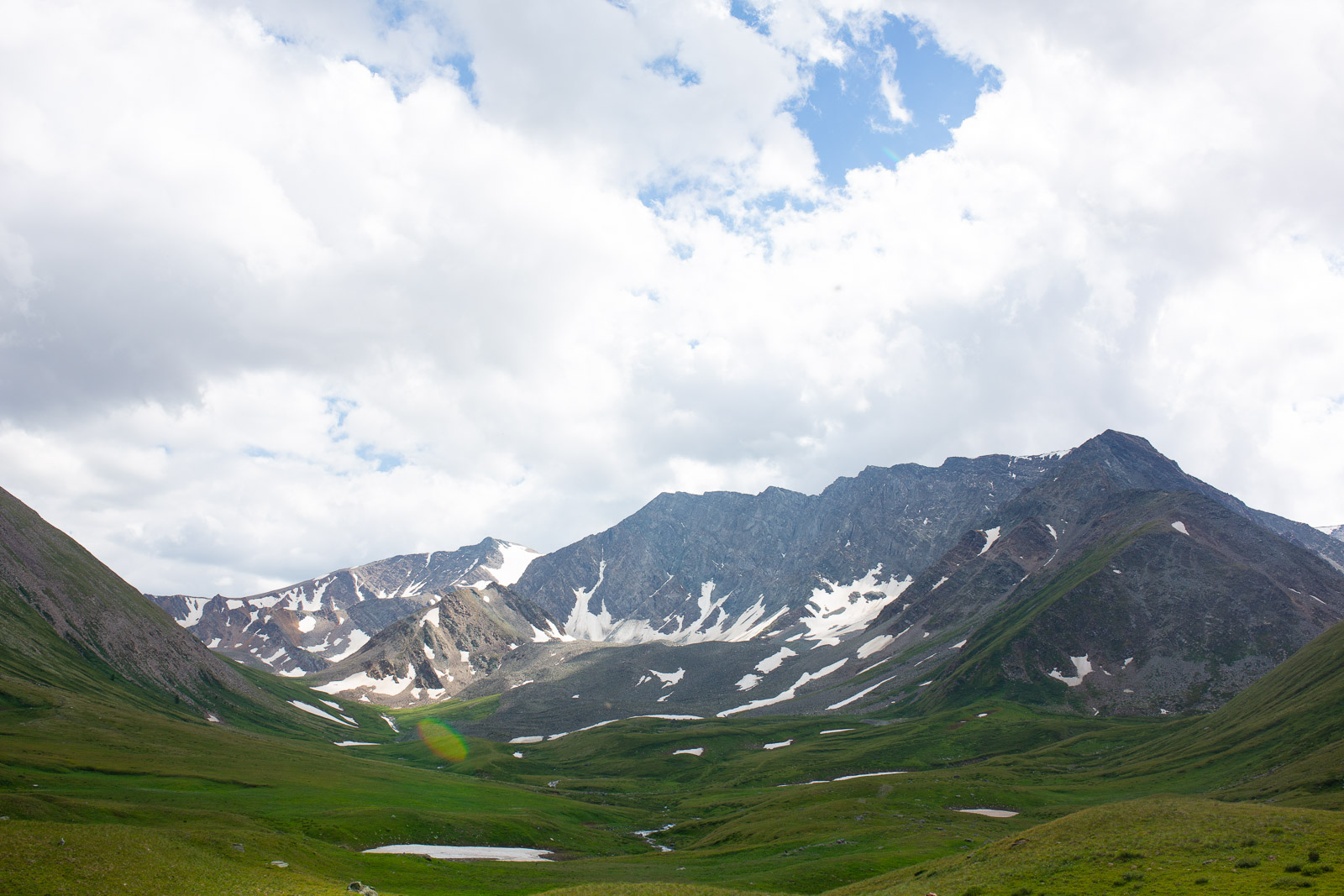
Katon-Karagay National Park is a large protected area located in the East Kazakhstan Region of eastern Kazakhstan, situated within the Altai Mountains near the borders with Russia, China, and Mongolia. The park covers approximately 637,000 hectares and encompasses a diverse range of landscapes including mountain taiga forest, alpine meadows, glaciers, and river valleys. It protects part of the Russian Altai and Mongolian Altai ecosystem, which crosses international borders across this region.
The park is part of the UNESCO World Heritage Site designation covering the Golden Mountains of Altai, a transboundary natural area that also includes the Belukha Natural Park and other protected zones in Russia. Mount Belukha, the highest peak in the Altai range at 4,506 meters above sea level, is located on the Russian side of the border close to the park. The Katun and Bukhtarma rivers originate in or near the park area, making it hydrologically significant for the broader region.
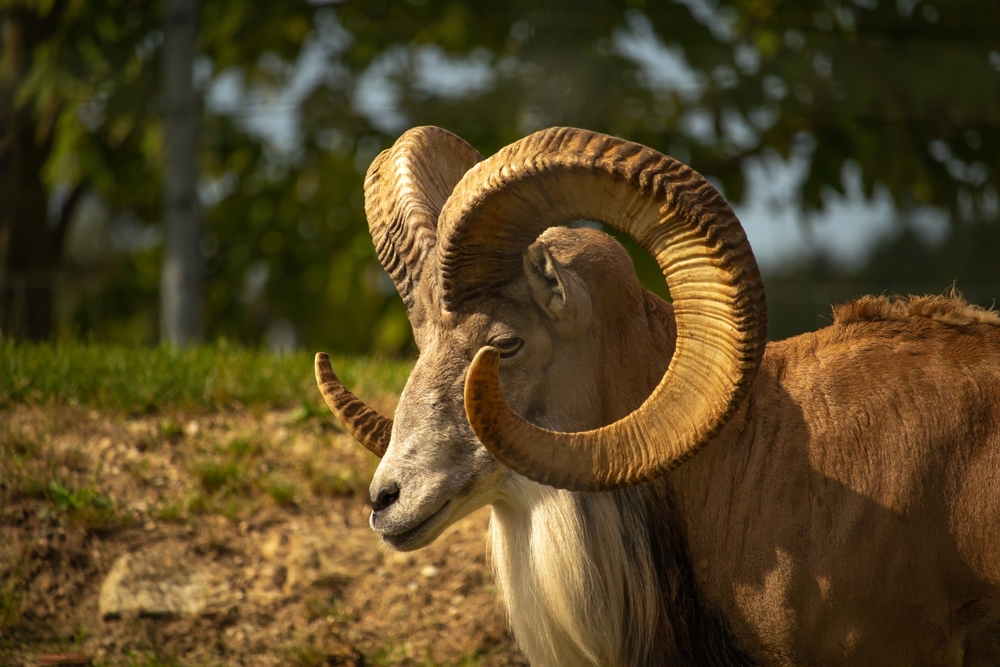
The park is recognized as important habitat for a number of species, including the snow leopard, the Altai maral (wapiti), brown bear, and wolverine. The taiga forests of the northern sections of the park support significant biodiversity. The main administrative center for the park is the town of Katon-Karagay, which serves as the base for visitors and park management. The nearest larger city is Ust-Kamenogorsk (now officially Oskemen), approximately 300 kilometers to the northwest.
The ‘Wow-Factor’
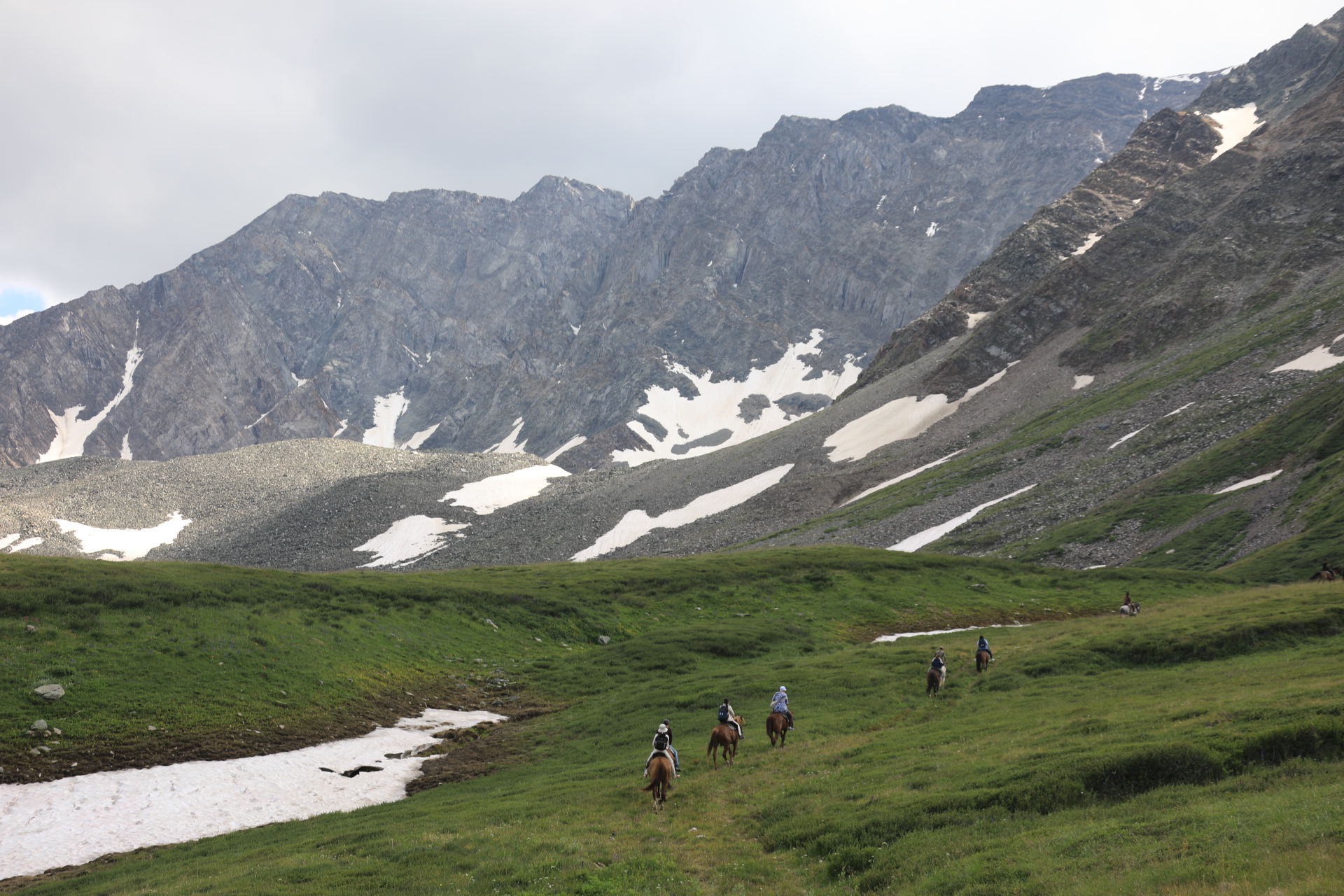
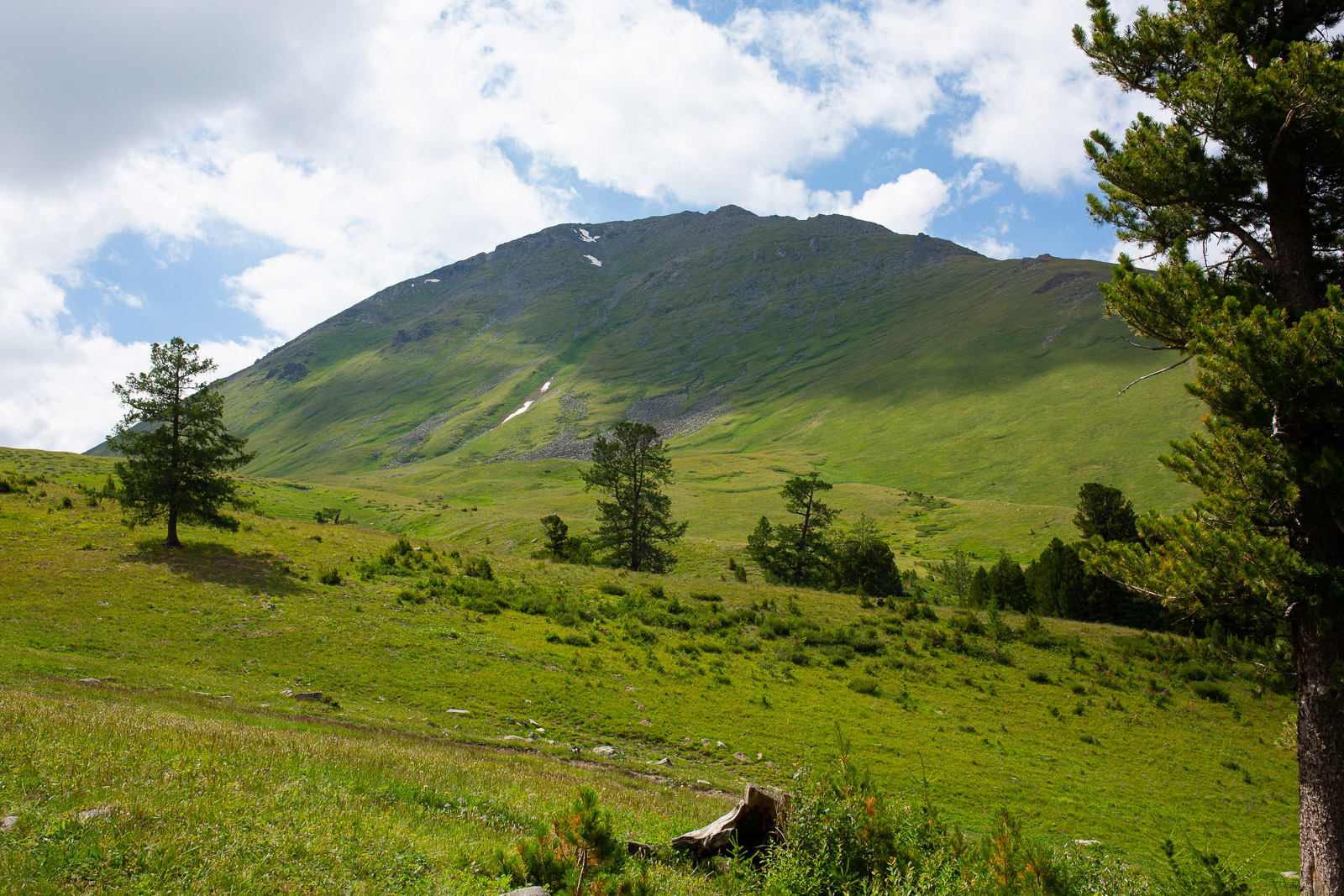
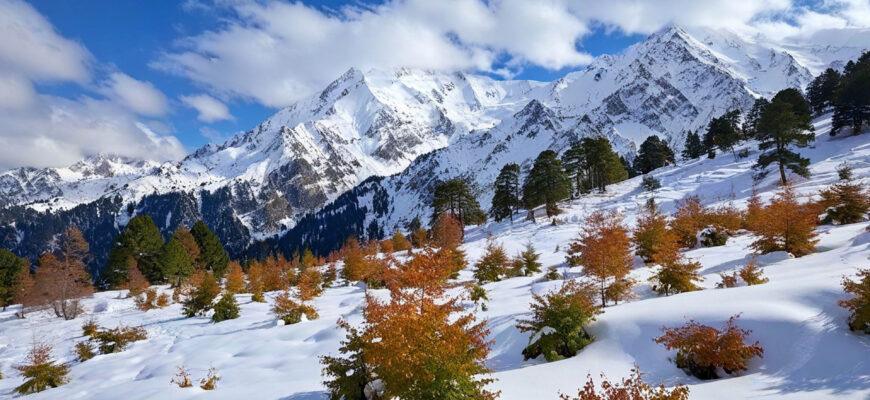
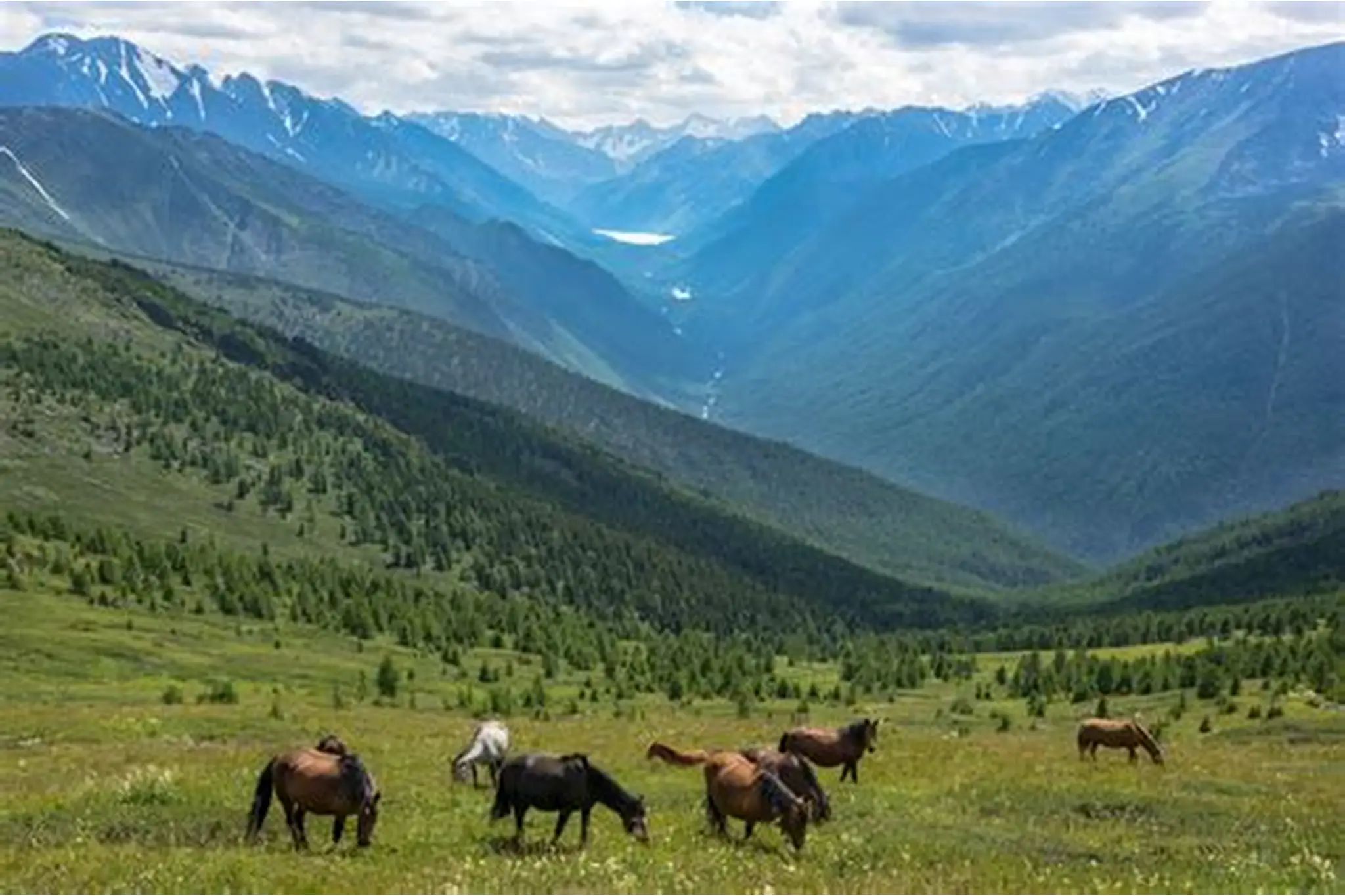
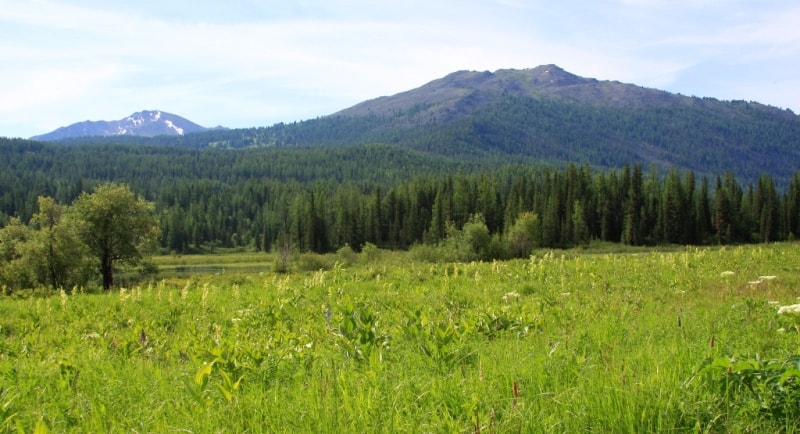
The most visually striking feature of Katon-Karagay National Park is the combination of dense taiga forest, high alpine terrain, and glacier-fed lakes and rivers that characterizes the Altai Mountain ecosystem. The park's landscapes shift significantly with elevation, from forested river valleys at lower altitudes to treeless alpine meadows and permanent ice fields at higher elevations. This vertical diversity within a single protected area is of the park's most defining qualities.
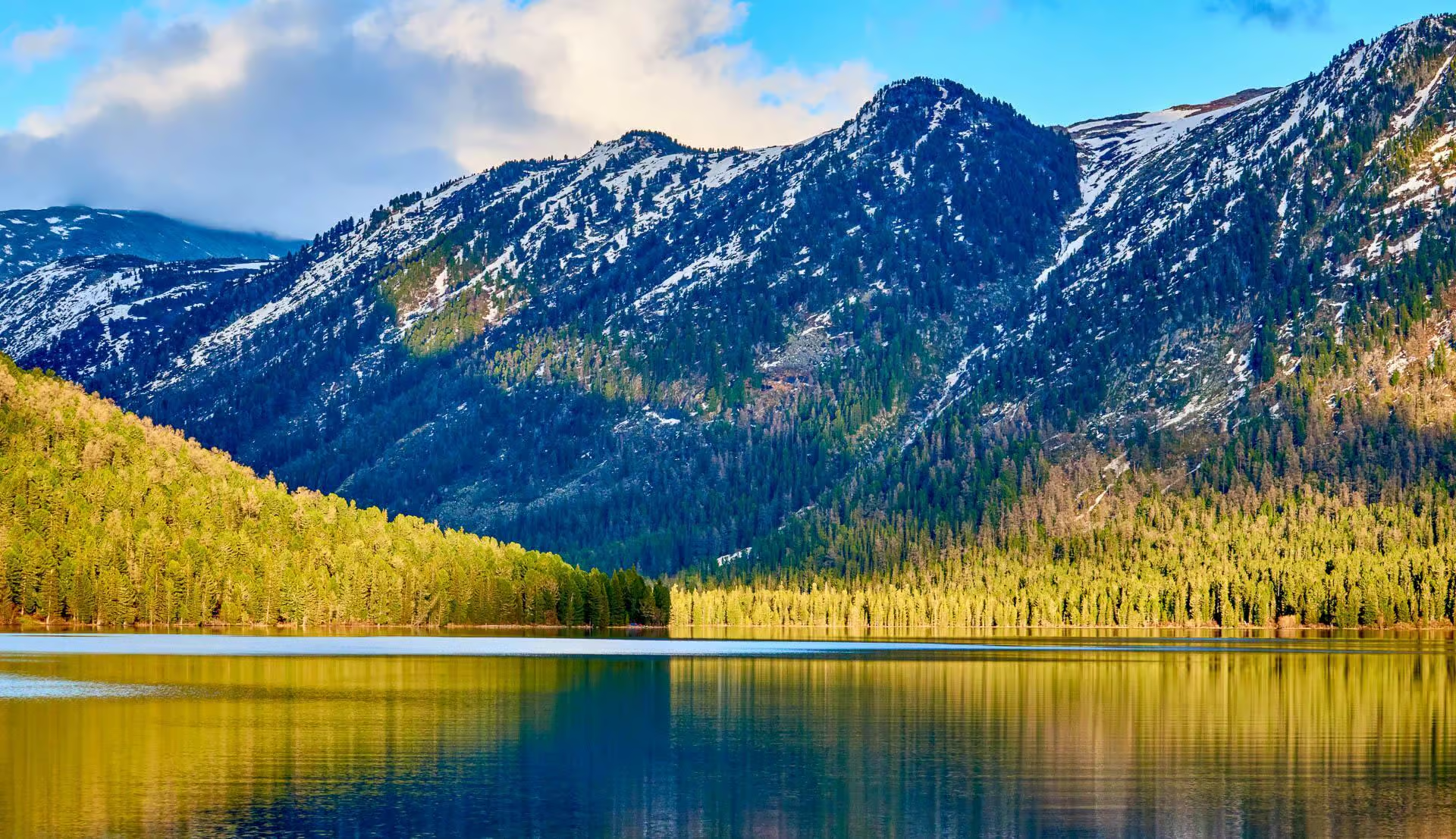
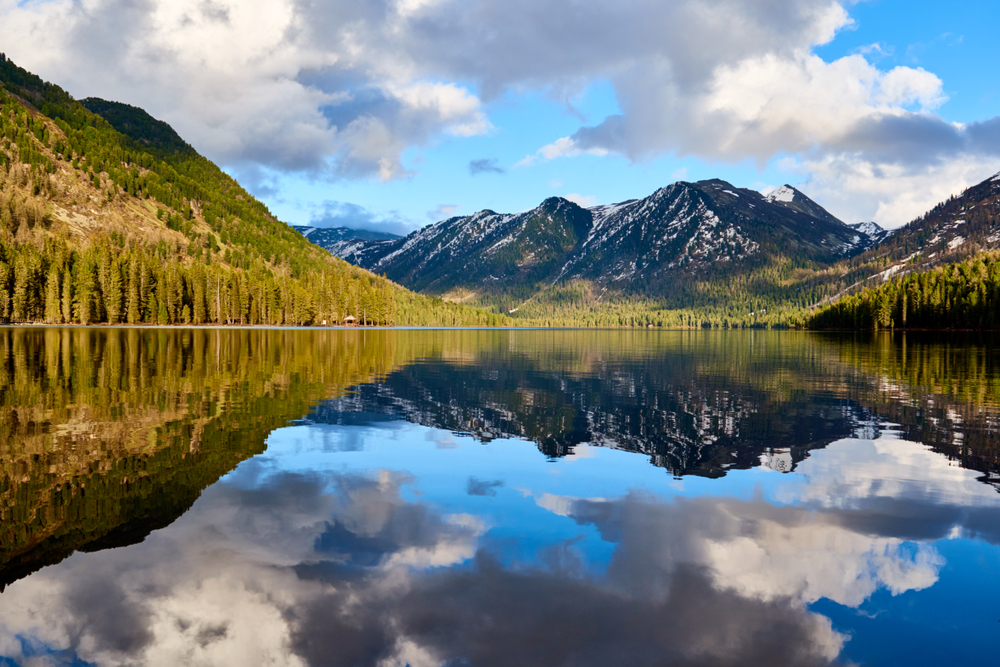
Lake Yazovoe and other glacier-fed lakes in the park are notable for their clear, cold water and the mountain panoramas that surround them. The proximity of permanent snow and ice to forested zones gives the park's landscape a visual contrast that distinguishes it from most other natural areas in Kazakhstan. The presence of large mammals including the maral deer and brown bear, which can occasionally be observed in the park's more remote sections, adds to the ecological significance of the area.
The park shares its high-altitude border zone with the Russian Altai, and the area around Mount Belukha on the Russian side is visible from certain points within the park. This cross-border mountain setting reinforces the sense of being in a landscape that extends beyond national boundaries into a broader mountain system. The Altai ecosystem as a whole is recognized as of the more significant mountain biodiversity zones in Asia.
Deep History & Culture
The Katon-Karagay area has been inhabited and used seasonally by nomadic Kazakh communities for centuries. The mountain valleys of the Bukhtarma River and its tributaries provided summer grazing grounds for livestock, and the area's forests and rivers offered hunting and fishing resources. The Kazakh and Altai peoples of the region developed traditions and cultural practices adapted to the high-mountain environment that distinguished this area from the steppe lowlands.
Katon-Karagay National Park was officially established in 2001, consolidating protection for a territory that had been the subject of conservation discussions since the Soviet period. The region had been part of various protected area systems before formal national park status was granted. The park's establishment reflected Kazakhstan's post-independence commitment to protecting the natural heritage of the Altai Mountains and fulfilling conservation obligations as part of the transboundary Golden Mountains of Altai World Heritage Site.
The Bukhtarma Reservoir, formed by the Bukhtarma Dam on the Irtysh River system to the west of the park, was constructed during the Soviet period and significantly altered the hydrology of the region. The reservoir's creation displaced a number of communities and transformed the landscape at lower elevations, while the higher mountain territory that now forms the national park was less directly affected. The cultural and natural history of the Katon-Karagay valley remains closely tied to the traditions of the Kazakh and Russian settler communities that have lived in the region for generations.
Practical Digital Logistics
The primary gateway city for Katon-Karagay National Park is Oskemen (Ust-Kamenogorsk), the administrative center of the East Kazakhstan Region, located approximately 340 kilometers to the northwest of the park. The road from Oskemen to the town of Katon-Karagay passes through mountain terrain and takes approximately five to six hours by vehicle. The road is paved for most of its length but road conditions can vary seasonally, with winter and early spring presenting the most challenging travel conditions.
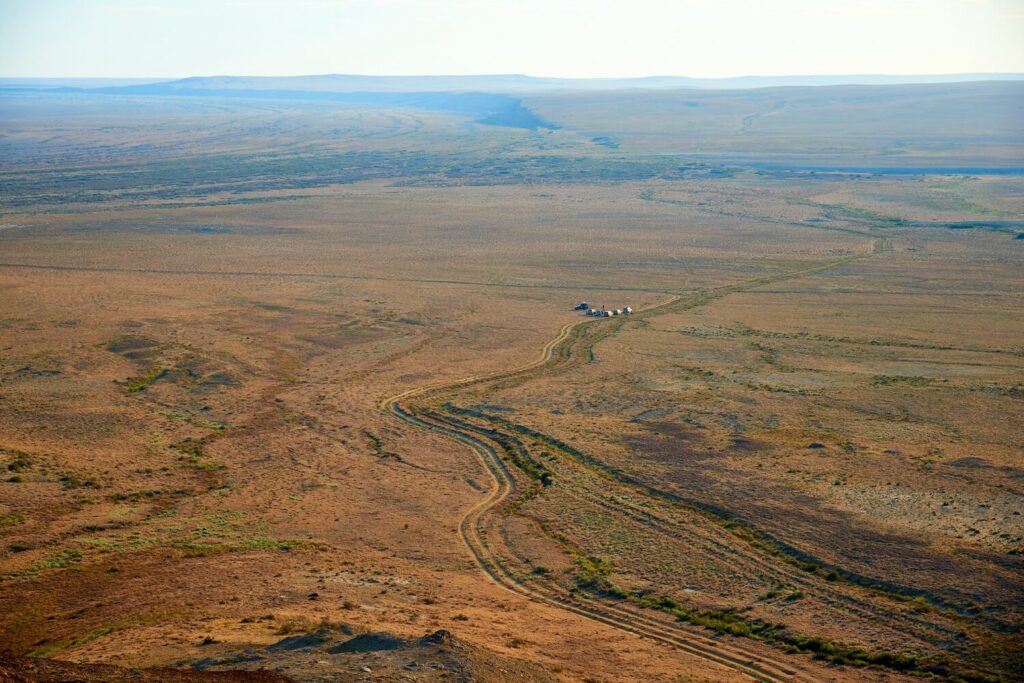
A four-wheel-drive vehicle is strongly recommended for visitors planning to access the park's interior trails and high-altitude lake areas, as the roads within the park itself are unpaved and can be rough or waterlogged in wet conditions. The national park charges an entry fee, which is typically paid at the ranger station at the park entrance. Visitors should verify current entry fees directly with the park administration, as rates are subject to change.
Mobile phone coverage is limited within the park, particularly in more remote areas. Visitors should carry paper maps or download offline maps before entering the park. All necessary supplies including food, water, and mountain gear should be obtained in Oskemen before departure, as the town of Katon-Karagay has basic shops and services. Zyryanovsk (Altai) is another town along the route where supplies can be obtained.
Must-Do Activities
The main activities in Katon-Karagay National Park are hiking, trekking, wildlife observation, and fishing. The park has established trail networks connecting the main valleys and lake areas, with Lake Yazovoe being of the most frequently visited destinations. Hiking routes range from accessible day walks near the park headquarters to multi-day treks into the higher alpine zones.
Fishing is permitted in designated areas of the park's rivers and lakes, subject to the park's regulations and with an appropriate permit. The Bukhtarma River and its tributaries support populations of river fish including grayling, which makes the area known among fishing enthusiasts in the region.
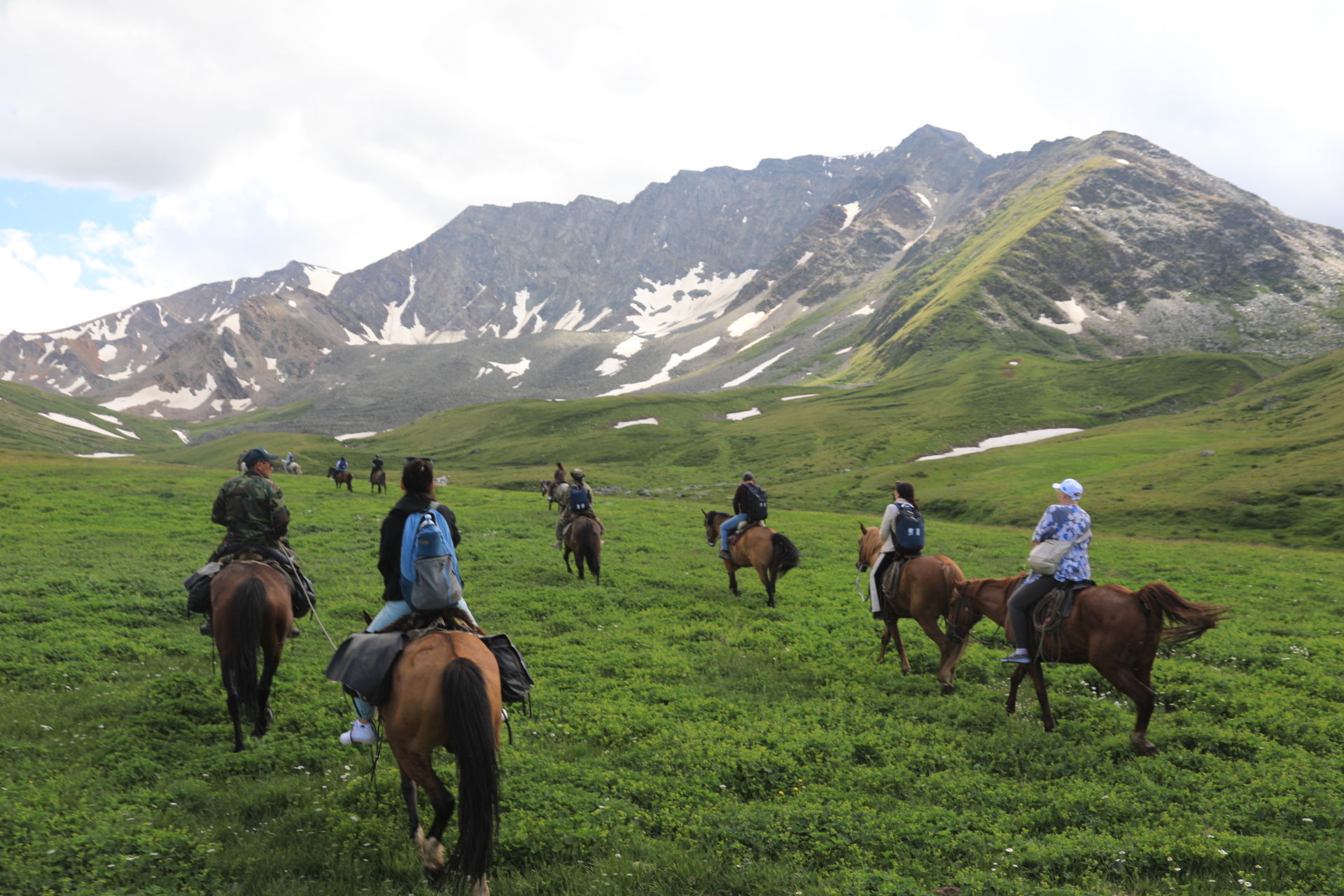
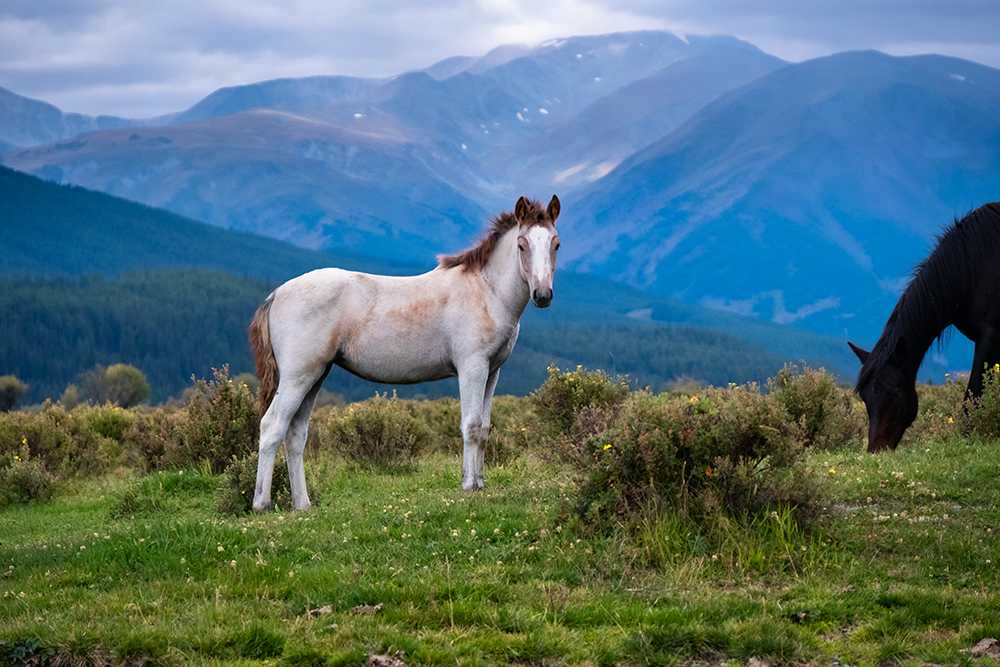
Wildlife observation, particularly for maral deer and bird species, is possible throughout the park's forested and meadow zones. Organized wildlife tours can be arranged through the park administration or through licensed tour operators in Oskemen. The snow leopard is present in the park but is rarely seen due to its elusive nature and preference for remote high-altitude terrain. Visitors with a specific interest in wildlife photography or observation are advised to plan multi-day stays and to hire a local guide who is familiar with animal movements and habitat patterns within the park. Horseback riding is also available and provides access to terrain that would be difficult to reach on foot.
Local Flavors & Amenities
Food and accommodation options in the Katon-Karagay area are limited compared to larger Kazakhstani cities. The town of Katon-Karagay has small cafes and local eateries serving Kazakhstani home-style food. Traditional dishes in this part of East Kazakhstan include beshbarmak, the slow-cooked lamb dish standard in Kazakh cuisine, as well as syrne, a stewed lamb preparation. Local honey from the Altai region is a well-known product and is available from local producers and small market stalls in the area.
Accommodation in the Katon-Karagay area includes small guesthouses in the town and a limited number of rural accommodation options closer to the park. Some local families offer homestay arrangements that provide a more direct connection to the community and traditional Kazakhstani rural hospitality. Inside the park, ranger-managed guesthouses and camping areas are available in certain zones, though these should be booked in advance through the park administration.
Visitors seeking more comfortable accommodation typically choose to base themselves in Oskemen and make day trips to the park for shorter visits. For multi-day exploration of the park's interior, staying within the park zone or in Katon-Karagay town is more practical. Visitors should arrive with sufficient cash as card payment facilities are not reliably available in the town or within the park itself.
Essential Insider Tips
Weather in the Altai Mountains changes rapidly and can be severe even during summer months. Visitors should carry warm layers and a windproof jacket regardless of the weather at the trailhead, as temperatures drop significantly with altitude and storms can develop quickly. This applies even during July and August, the warmest months of the year in the park.
Brown bears are present in the park, and visitors hiking in forested and remote areas should take standard precautions. Staying on marked trails, making noise while hiking to avoid surprising animals, and following any guidance provided by park rangers are important safety measures. Carrying bear spray is advisable for those venturing into more remote zones.
Mobile phone coverage is unreliable within the park, particularly in higher terrain. Downloading offline maps before entering and carrying a physical map of the park are practical preparations. A portable power bank is useful given the limited charging opportunities in the park. Visitors should inform the park administration or a reliable contact outside the park of their planned route and expected return time before undertaking any multi-day trek. The high-altitude lakes and rivers in the park are sources of freshwater, but water should be filtered or purified before drinking when taken from natural sources.
Sustainability & Community
Katon-Karagay National Park faces conservation pressures common to remote protected areas including illegal logging, poaching, and grazing encroachment in peripheral zones. The park's management works with local communities on conservation efforts, and the relationship between park administration and local residents is an important factor in long-term conservation outcomes. Visitors can contribute positively by respecting park regulations, staying on designated trails, and not disturbing wildlife or vegetation.
The local communities in the Katon-Karagay valley and surrounding villages depend on a mix of agriculture, livestock herding, and small-scale tourism. Supporting local economies by using locally operated tour guides, hiring local drivers, and purchasing food and handicrafts from village producers rather than bringing all supplies from urban centers helps distribute tourism income to the communities nearest the park.
The park is part of a transboundary conservation initiative with the Russian Altai protected areas. Maintaining the ecological integrity of the park contributes to the broader conservation of the Altai ecosystem across international borders. Visitors who report evidence of illegal activity such as poaching or unauthorized logging to park rangers assist conservation efforts. All waste must be removed from the park, as there are no waste collection facilities within most of the park's territory.
Key Facts
- National Largest
- Katon-Karagay is the largest national park in Kazakhstan, protecting nearly 650,000 hectares of pristine Altai wilderness.
- Altai Switzerland
- Known for its alpine meadows and dense coniferous forests, the park's scenery is often compared to the most beautiful parts of the Swiss Alps.
- Maral Stag Origin
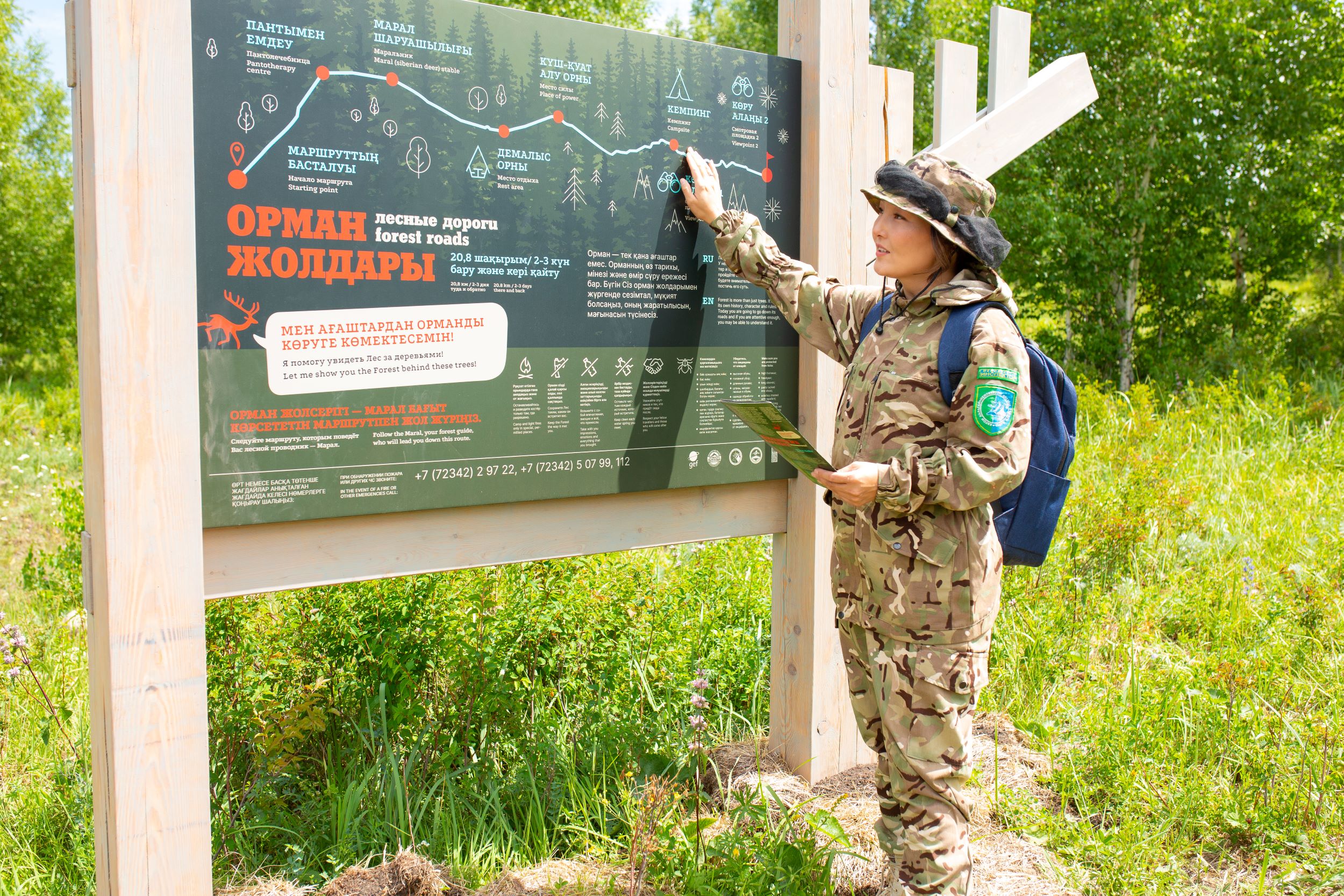
- The park is the primary habitat of the Altai Maral (red deer), whose antlers are used in traditional 'pantotherapy' wellness treatments.
- Vertical Diversity
- The park spans multiple climate zones, from fertile river valleys to permanent snowfields, housing rare species like the stone marten.
- Eco-Hub Modern
- Recently, the park features modernized 'Maral-Lodges' and sustainable horse-trekking routes for premium nature immersion.
- River Networks
- The Bukhtarma and Belaya Berel rivers flow through the park, providing world-class opportunities for rafting and fly-fishing.
Photo Gallery
Embedded Video
Katon Karagay National Park
Loading map...Loading map...
FAQ
Have a question?
Ask and get answers in seconds!
Discussion 0
No comments yet. Start the conversation!
Leave a Reply