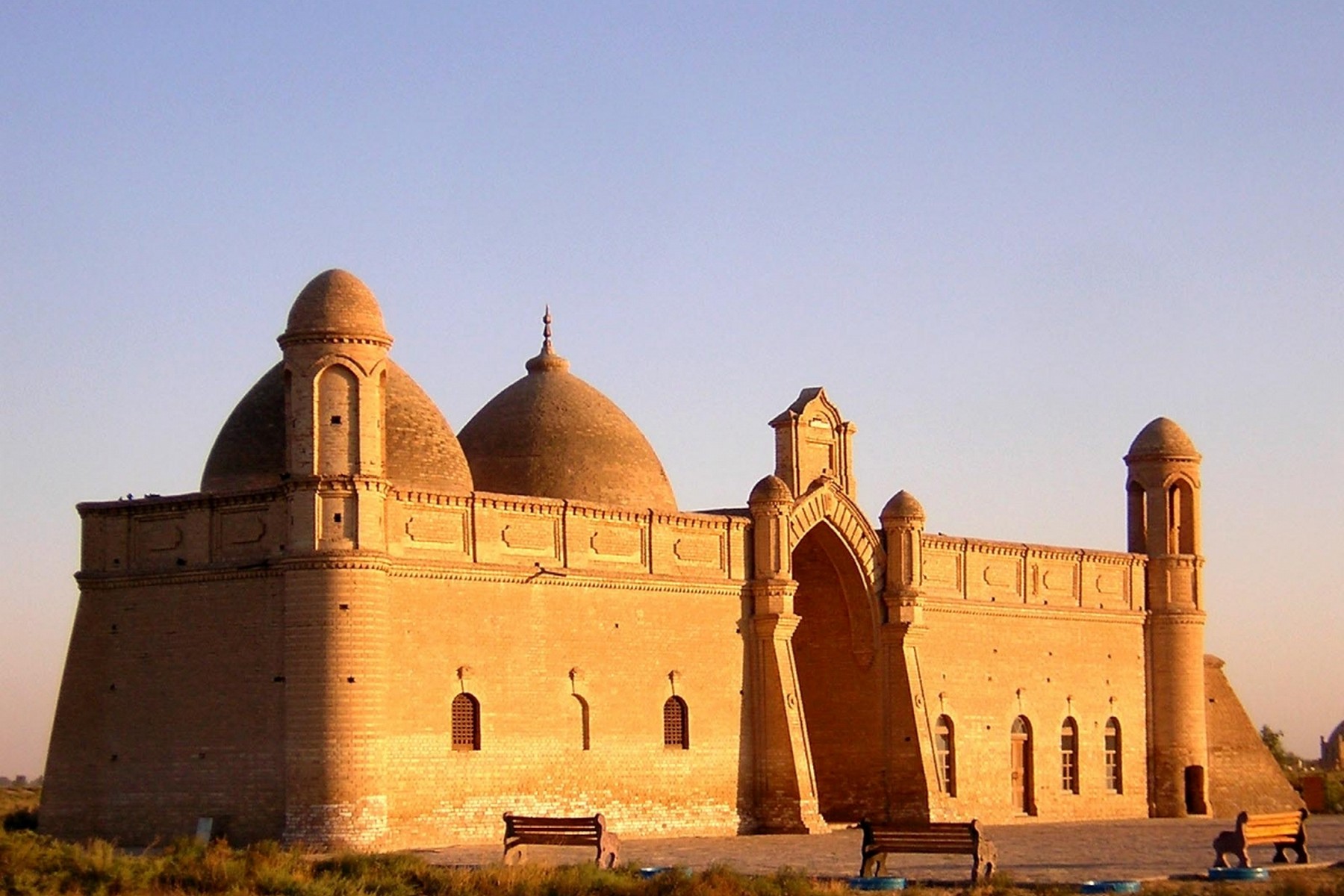
Arystan Bab Mausoleum
Experience the ancient soul of the Silk Road.
Essential Profile
Khoja Ahmed Yasawi is the most venerated spiritual figure in Kazakh history — a 12th-century Sufi mystic whose influence on Central Asian Islam was so profound that Tamerlane built the most magnificent monument in Kazakhstan to commemorate him. The Yasawi Mausoleum in Turkistan stands as evidence of that veneration, of the great buildings of the medieval Islamic world.
But before the student comes the teacher.
Arystan Bab — "Father Lion," the sobriquet earned through a life of spiritual authority — was Yasawi's mentor. The tradition holds that Arystan Bab carried the Prophet Muhammad's trust to pass on to his designated spiritual heir, a task transmitted through generations until it reached the young Ahmed Yasawi. The theological mechanics of this transmission story are less important than what it signifies: Arystan Bab is the spiritual ancestor of Yasawi, and therefore of the Sufi tradition that shaped how Islam was received and practiced across the Kazakh steppe.
His mausoleum sits in the Otrar district of the Turkistan Region, about 60 kilometers northwest of Turkistan city, near the ruins of ancient Otrar — the city where Genghis Khan's army inflicted of its most devastating massacres in 1219, after the governor of Otrar had killed Mongol trade envoys. The specific geography of the site — Silk Road ruins, Sufi sacred space, the Syr Darya nearby — accumulates historical significance in the way that a few places in Kazakhstan do.
For devout Kazakh Muslims, visiting Arystan Bab before Yasawi's mausoleum is considered obligatory — the proper spiritual order is to honor the teacher before the student. Tens of thousands of pilgrims make this journey annually, and the site operates with the specific atmosphere of a place that is genuinely sacred rather than historically reconstructed.
International visitors who understand what they're looking at leave with an appreciation for the depth of spiritual geography that Kazakhstan's southern corridor contains.
The ‘Wow-Factor’
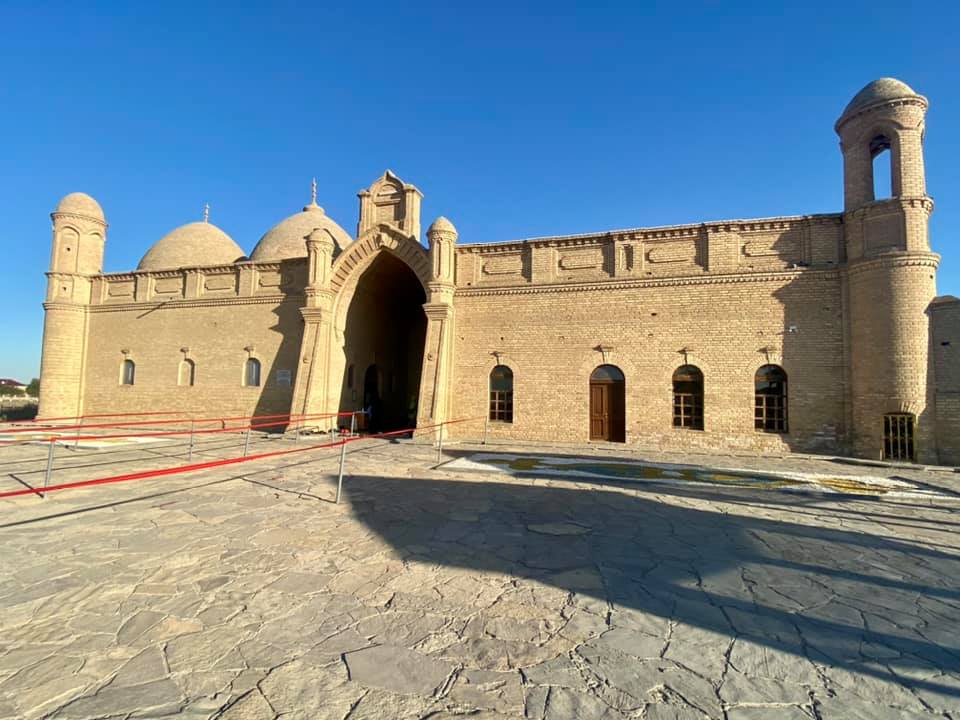
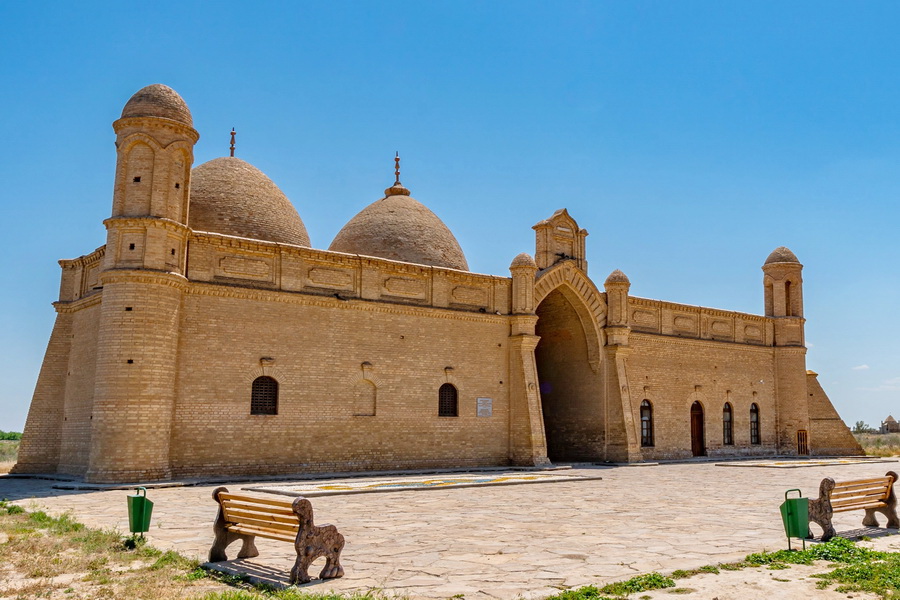
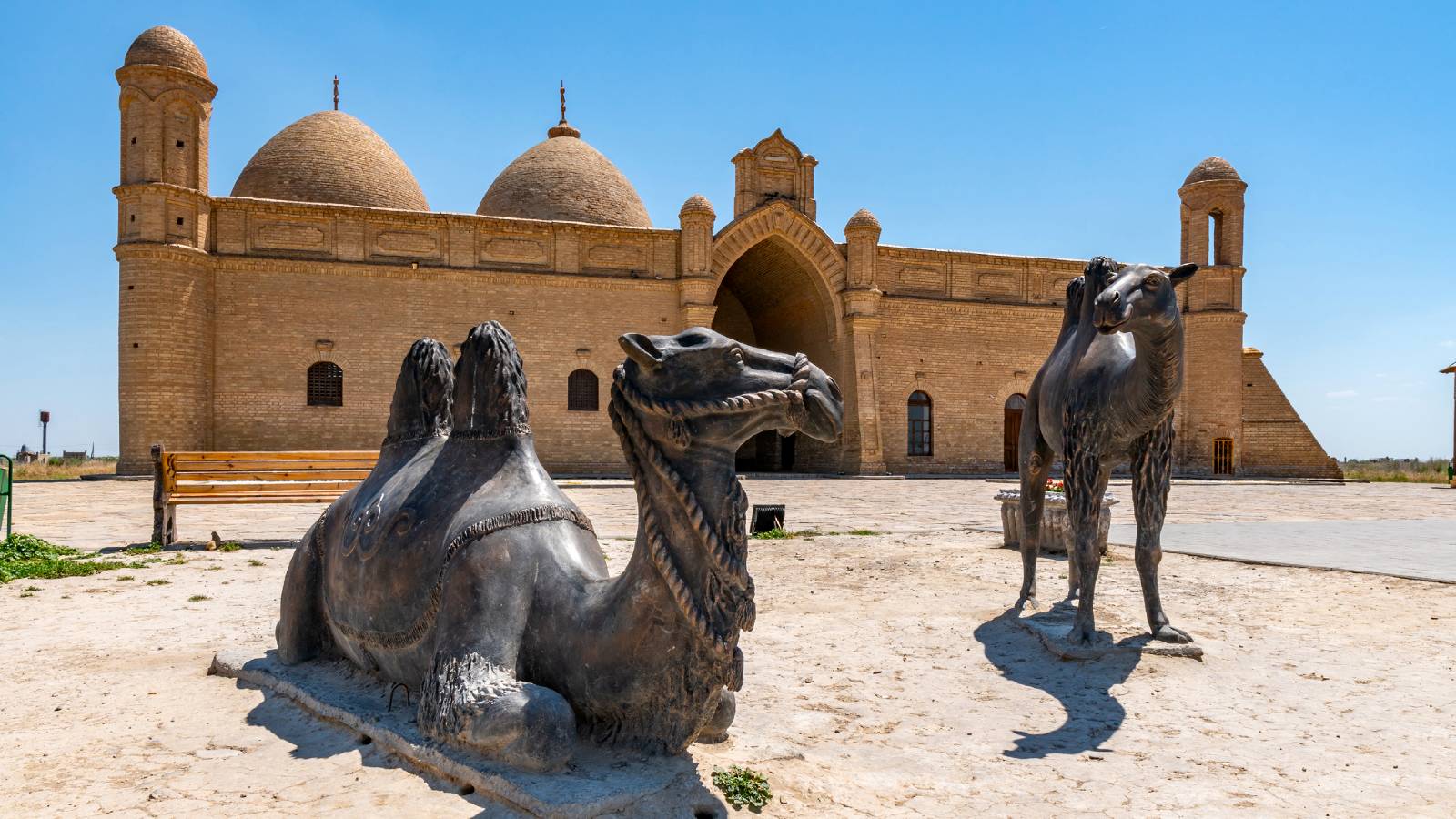
The mausoleum appears in the flat landscape before you're close enough to read its architectural details, and the first impression is of something that belongs to this terrain in a way that buildings sometimes manage and usually don't.
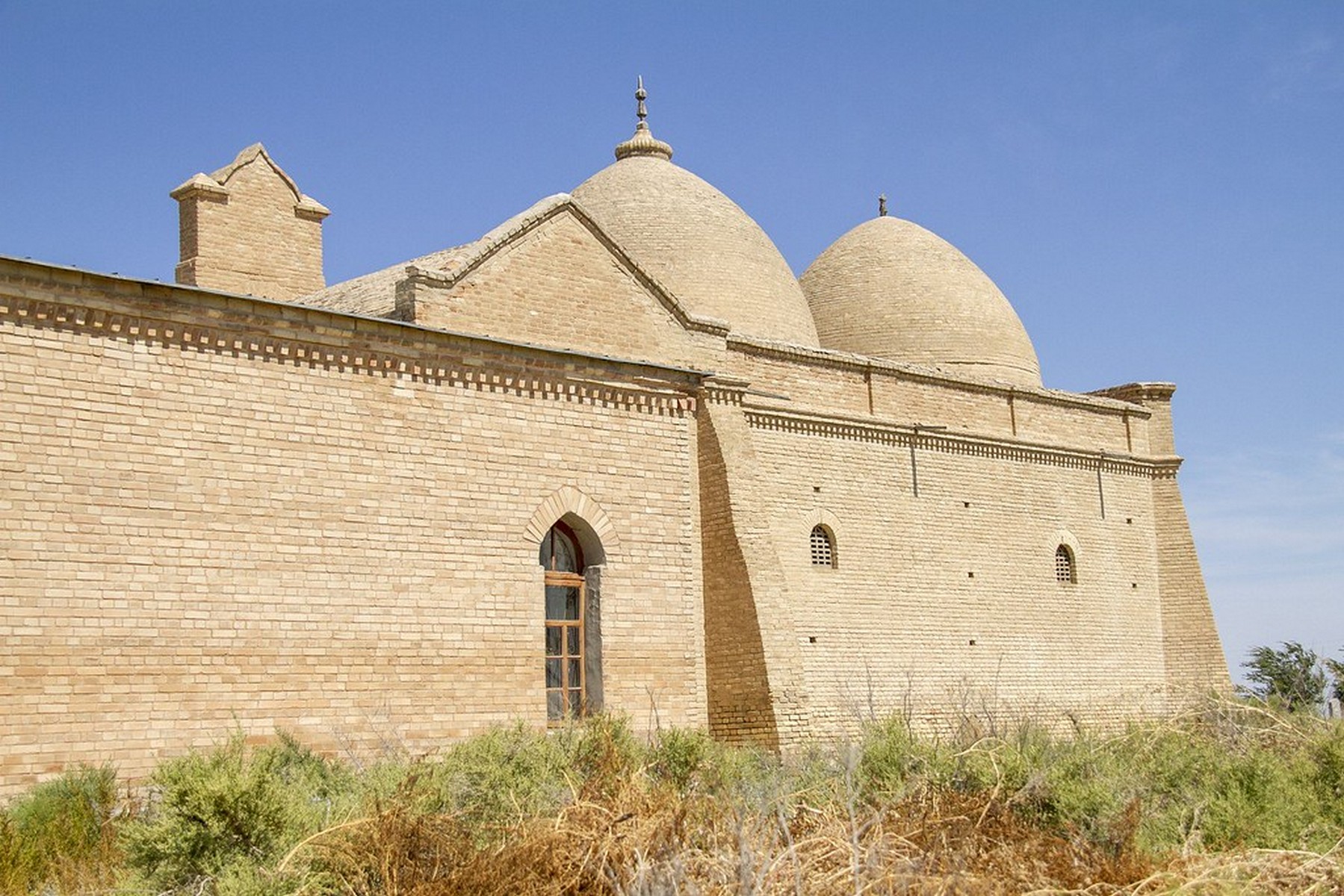
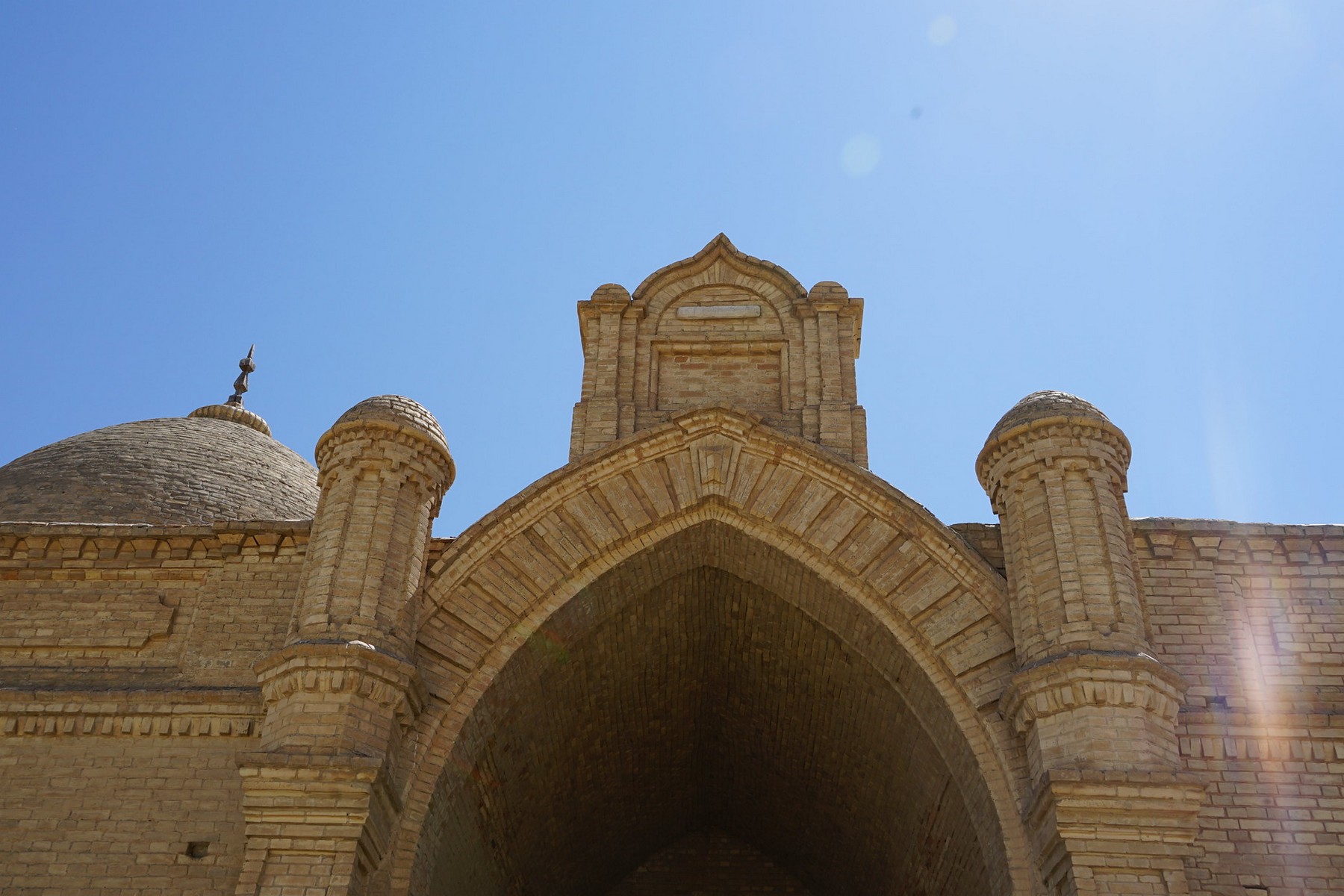
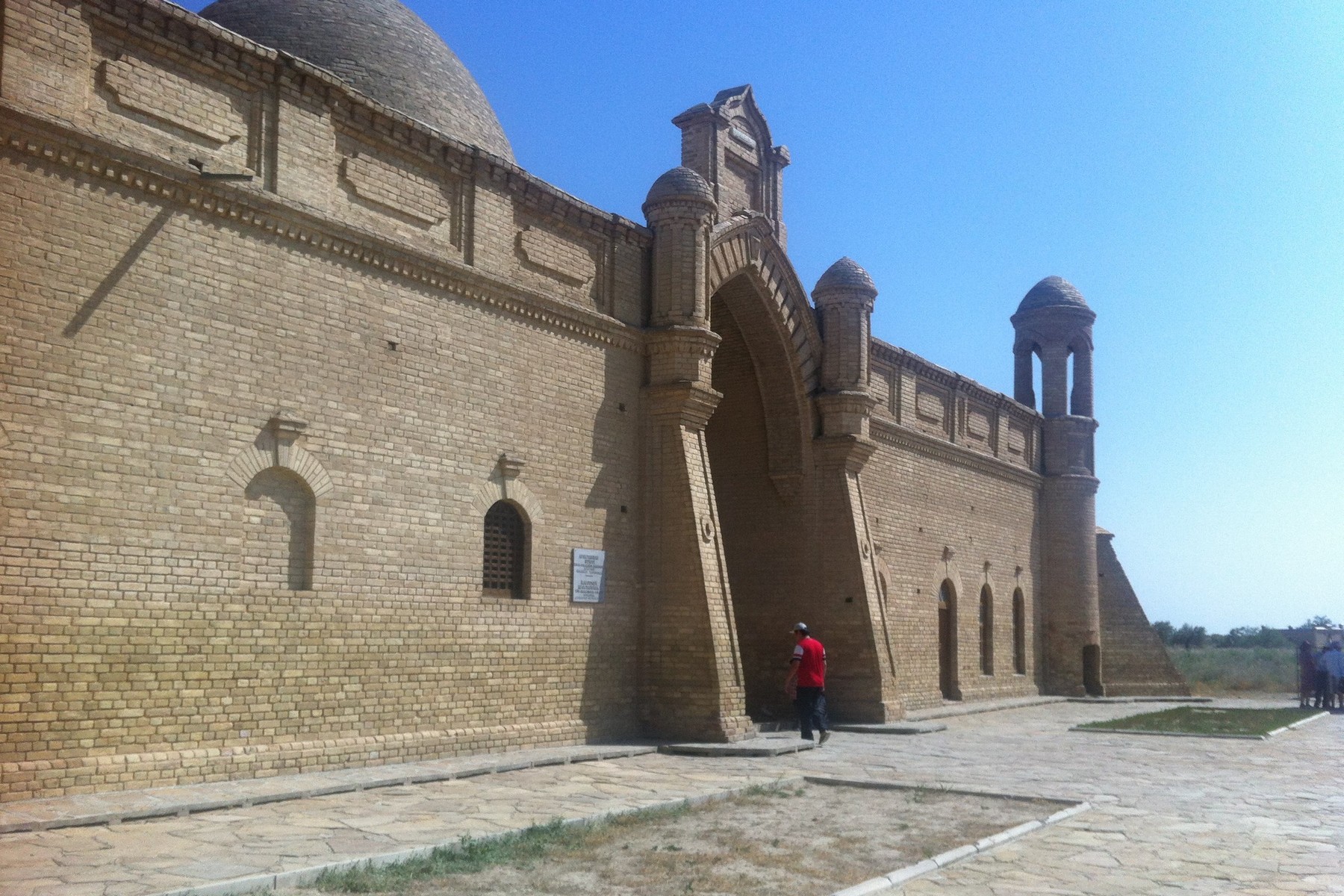
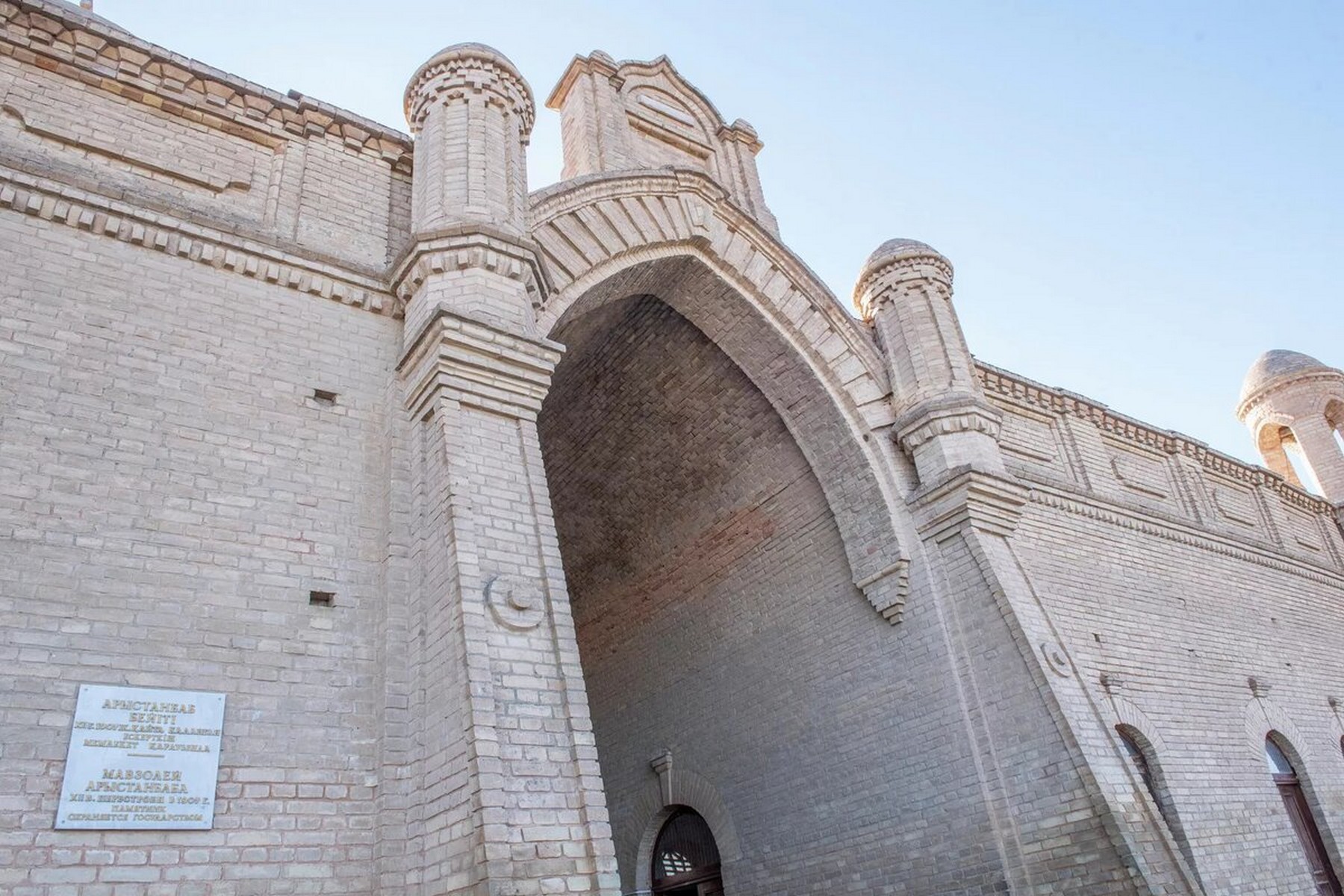
The site is low and horizontal, the way things become when they've been built for a flat landscape — not competing with the sky but acknowledging it. The terracotta and tile work on the portal face has the density of meaning that medieval Islamic architecture consistently achieves: geometric patterns that are simultaneously decoration and cosmology, the grid and the circle combined into forms that look different the longer you look at them. The craftspeople who created this knew that the patterns would be looked at for centuries, and they worked accordingly.
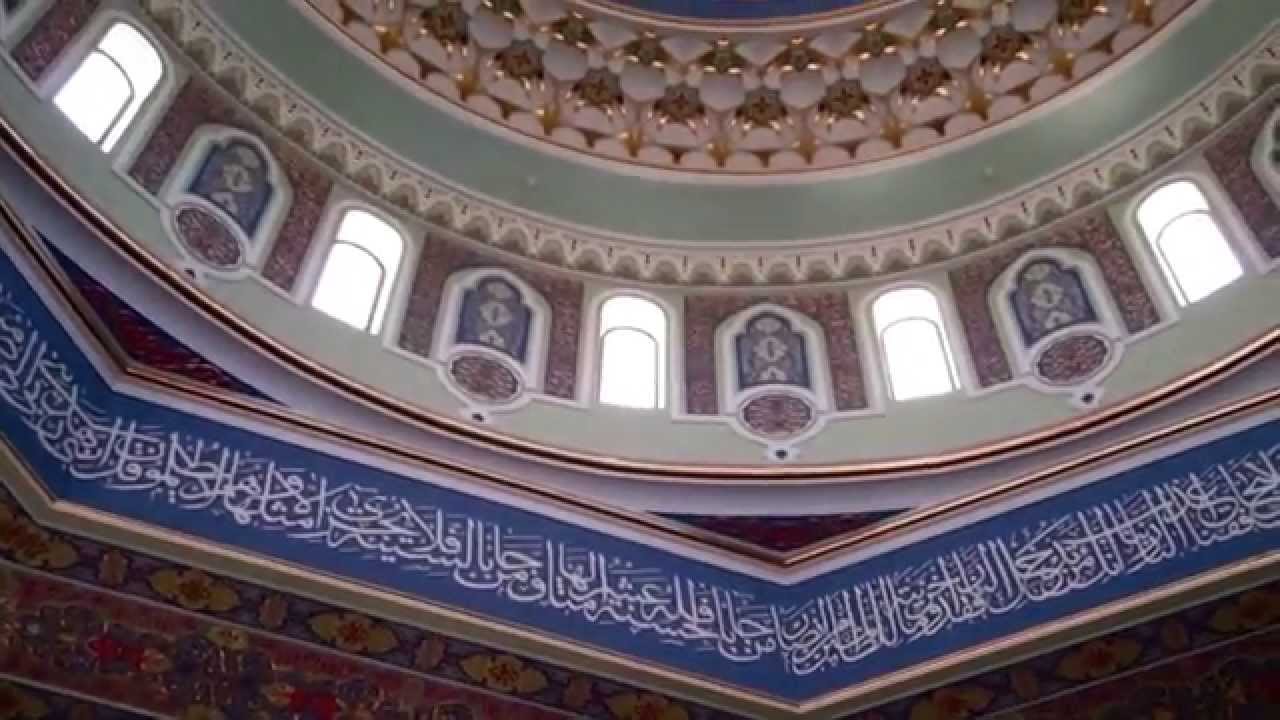
What the photographs don't capture is the sound context. Arystan Bab is an active pilgrimage site, which means there are people praying, reading Quran, sitting in the interior spaces in the specific quiet of people who have traveled to be in this place and are now here. That ambient presence — the sound of prayer, the smell of incense when ceremonies are underway, the movement of people who are here for reasons that go beyond tourism — gives the site a living quality that purely historical monuments don't have.
The devout Kazakh pilgrimage tradition holds that you must visit Arystan Bab before Yasawi's mausoleum in Turkistan — the teacher before the student. The groups of pilgrims who arrive throughout the day are completing part of a practice that has continued, with interruptions, for centuries. Watching this happen is part of understanding what the site is.
The surrounding area — the Otrar ruins, the Syr Darya in the distance, the flat steppe that extends in every direction — provides the full geographic context: this is the confluence of the historical and the sacred, in a landscape that has held both for a very long time.
Deep History & Culture
The historical record around Arystan Bab exists in the space between documented fact and spiritual tradition, and both dimensions are part of understanding the site correctly.
The oral tradition identifies Arystan Bab as a 10th to 12th-century Sufi figure active in the Syr Darya river valley, the corridor that connected Central Asia's settled civilizations to the nomadic steppe. The Silk Road passed through this terrain; cities like Otrar, Samarkand, and Bukhara were the cultural and commercial nodes of a network that moved not just goods but ideas, religious practices, and scholarly traditions. Sufism — Islamic mysticism, the tradition of direct spiritual experience of the divine — entered Central Asian practice through precisely this network.
Arystan Bab's role in the tradition is that of the transmitter: the who passes on the spiritual inheritance from a more ancient source to Khoja Ahmed Yasawi, whose own synthesis of Sufi practice with Kazakh nomadic culture created a form of Islam that was specifically suited to steppe life. The Yasawi tradition — which emphasized emotional, experiential religious practice accessible to ordinary people rather than the scholarly Islam of the cities — became the dominant religious form for the Kazakh people for centuries.
The Otrar ruins nearby are the physical record of a different historical moment: the city that Genghis Khan's forces destroyed in 1219, after its governor killed Mongol trade envoys and triggered of the most consequential military responses in history. Otrar's destruction was the beginning of the Mongol westward campaign that would eventually reach Poland and Hungary. The mausoleum stands in proximity to this catastrophe, and the Sufi tradition it represents continued through and after the Mongol disruption — a form of spiritual resilience that the Kazakh people would need to draw on many times in the centuries that followed.
The current mausoleum structure incorporates elements of different construction periods; the site has been rebuilt and restored multiple times across its centuries of use. What remains is the accumulated weight of a place that has been considered sacred for a very long time.
Practical Digital Logistics
Arystan Bab is most logically visited as part of the broader Turkistan pilgrimage circuit, combined with the Yasawi Mausoleum in Turkistan and, ideally, the Otrar ruins nearby.
The mausoleum is 60 kilometers northwest of Turkistan city. The road is paved and takes approximately 1 to 1.5 hours by car. Shared taxis from Turkistan cover the route; tour operators based in Turkistan or Shymkent can arrange combination itineraries that include Arystan Bab, Otrar, and the Yasawi Mausoleum in a single day or over two days.
Turkistan is the regional base for this circuit. The city has accommodation ranging from guesthouses to the Silk Road Samal Hotel complex; book in advance during peak pilgrimage months (Ramadan and Eid periods, Nauryz in March). Shymkent, 160 kilometers south, has a wider range of accommodation and is viable as a base for the region with a longer daily driving radius.
The mausoleum itself has no entry fee for the sacred interior, though a maintenance contribution is accepted. Dress modestly: for women, head covering is expected and arms and legs should be covered; for men, long trousers are appropriate. Remove shoes before entering the sacred spaces — this is non-negotiable. Photography inside the mausoleum should be approached with discretion and ideally with explicit permission from staff.
The Otrar ruins, which lie within a few kilometers of the Arystan Bab site, are of Central Asia's most significant archaeological sites and are worth combining into the same half-day. The site is extensive and partially excavated; a local guide who knows the current state of the archaeological work adds considerable context.
The summer heat in the Turkistan Region is intense. Carry water, wear sun protection, plan to visit in the morning hours before midday temperatures peak.
Must-Do Activities
Visiting Arystan Bab well means approaching it on its own terms: as a sacred site first and an architectural monument second.
Enter the sacred interior with intention. Remove shoes at the threshold. Move through the spaces quietly. The tomb chamber — where Arystan Bab is believed to be buried — is the center of pilgrimage activity, and the appropriate presence there is respectful and unhurried. If pilgrim groups are praying, observe or wait rather than moving through the ceremony.
Spend time with the architecture. The exterior portal's terracotta and tile work rewards close attention. The geometric patterns are not random ornamentation — they're a visual language with a long history, and looking at them carefully reveals the logic of the design: the grid and the circle combined in patterns that reference both Islamic theological concepts and the mathematical principles that medieval craftspeople understood with unusual precision.
Walk the site perimeter. The surrounding space — the mosque adjacent to the mausoleum, the cemetery where pilgrims and local families have been burying their dead for centuries, the view of the flat Syr Darya landscape in every direction — provides the full context of the site's geography. This is a place in the world, not just a monument.
Visit Otrar the same day. The ruins of the city that Genghis Khan destroyed in 1219 are within a few kilometers. The juxtaposition of the Sufi sacred site and the ruins of the city that was obliterated in of the Mongol wars tells you something about how Central Asian civilization persisted through the disruptions of the medieval period — spiritual geography survived what military conquest destroyed.
Come in the morning before pilgrim groups arrive. The site is most peaceful in the early hours when the light is good and the activity is quiet. By mid-morning, the pilgrimage traffic builds considerably during peak periods.
Local Flavors & Amenities
Aizat sets down the bowl without ceremony — a gesture so practiced it might be reflexive. The soup arrives the color of desert sand after rain, fragrant with cumin and lamb fat, and she says simply: "You've walked far. Eat." At the small café tucked beside the entrance to Arystan Bab Mausoleum, this is how every meal begins. Not with a menu. With an assumption that you need nourishing.
Food near a pilgrimage site is never purely about calories. It's about restoration — and the handful of eating spots clustered around Arystan Bab understand this instinctively. The Teacher's Oasis Café at the main entrance serves what you need rather than what you might otherwise order: Otrar lamb stew, thick and slow-cooked, with root vegetables that have absorbed the broth for hours; baursaks, the fried dough balls of Kazakh hospitality, golden-crusted and faintly sweet, arriving in a basket lined with cloth. Expect to pay around 4,000 KZT for a proper meal — a price that feels almost absurdly modest against the backdrop of what surrounds you.
Order the desert herb juice if Aizat is working that day. It's made with fresh mint and sage gathered from the riverbanks of the Syr Darya, blended into something cold and green that tastes specifically like this corner of Kazakhstan: slightly medicinal, deeply cooling, faintly ancient. It won't appear on any global café menu. That's the point.
The sosiska-and-bread stands near the car park cater to day-trippers who aren't staying long enough to understand the rhythm of the place. Give them a miss. The sit-down café is worth the extra twenty minutes.
Staying the Night
Most visitors base themselves in Turkistan, twenty kilometers away, where hotels range from the functional to the genuinely comfortable. But there's a case to be made for staying closer. The Arystan Bab Pilgrims' House — a modest guesthouse run by the site's custodial community — offers clean rooms and the kind of silence that urban travelers have largely forgotten exists. The contribution requested is around 10,000 KZT; the experience of waking before dawn in a desert that feels genuinely unchanged is worth considerably more.
A word of practical honesty: the Pilgrims' House is not for travelers who require amenities. There are no lattes, no charging ports near the bed, no international channels. What there is: a call to prayer that carries clearly across the stillness, the smell of bread baking before light, and the sense that you're sleeping where centuries of travelers slept before you — on the road between the living and something they were searching for.
If comfort is the priority, Turkistan's newer hotels deliver it. The Duman Hotel and several guesthouses along the main road offer reliable Wi-Fi, air conditioning that actually works, and proximity to the Yasawi Mausoleum complex — making them a sensible base if you're combining both sites, which most visitors should.
The Pottery Market
Before you leave, walk through the Otrar Pottery Market that's sprung up along the approach road. Local artisans sell ceramic replicas of vessels excavated from ancient Otrar — the city that stood nearby before Genghis Khan's forces reduced it to silence in 1218. The pieces aren't cheap reproductions; they're made by hand using techniques passed through families across several generations. A small bowl might cost 3,000 KZT. A larger ceremonial piece, more. The money goes directly to the makers. There's no platform taking a cut, no algorithm deciding what gets visibility. Just craft, exchanged honestly under the Kazakh sun.
Take something. Not as a souvenir — as a vessel for memory. The clay here remembers what the ground contains.
Essential Insider Tips
Silence is the first rule here — and it isn't posted on any sign.
Arystan Bab receives pilgrims from across Kazakhstan and Central Asia, many of whom have saved for years to make this journey. The act of visiting is, for them, not tourism — it's ziyarat, a formal visit of devotion. Move accordingly: voices lowered, movements unhurried, phones pocketed except when genuinely warranted. Photography inside the tomb chamber is a grey area. The site does not always prohibit it, but ask before you raise a camera. The answer will tell you something about that particular day's atmosphere.
The walls have earned their fragility. The brickwork and ornamental tilework across the mausoleum complex are centuries old. Oils from human hands accelerate deterioration in ways that are invisible until the damage is done. Look carefully. Don't touch. This is case where the instruction genuinely matters.
Getting There Without Overpaying
The Turkistan Tourist Information Center, near the main Yasawi Mausoleum complex, runs a combined Arystan Bab–Otrar shuttle on a loose schedule. It costs considerably less than hiring a private driver — and if you're making the logical combination visit (Arystan Bab in the morning, the ruins of ancient Otrar in the afternoon), it's the obvious choice. Book the day before if possible. The shuttle fills up.
Private taxis from Turkistan will quote 15,000–25,000 KZT for the round trip, depending on how firmly you negotiate and how touristy you appear. Coming in a group of three or four makes the per-person math much more reasonable.
Timing
Morning visits are qualitatively different from afternoon. The light falls at a more useful angle before 10am, the heat hasn't peaked, and the early arrivals tend to be serious pilgrims rather than day-trippers. By midday in summer, the surrounding landscape becomes genuinely punishing — temperatures around Shymkent and Turkistan regularly clear 40°C from June through August. Bring more water than you think you need. The site has limited shade and no reliable water sales near the mausoleum itself.
Spring (April–May) and early autumn (September–October) offer the most forgiving conditions. Winter visits are quiet and atmospheric, though nights drop hard and road conditions can be unpredictable.
The Practical Battery Problem
The thick mud-brick walls inside the mausoleum are excellent at unexpected thing: killing your phone signal. Your device will hunt continuously for connection, draining the battery at roughly twice the normal rate. Bring a power bank, especially if you're navigating back to Turkistan independently. 5G coverage in the open area outside is actually decent — the problem is specifically inside enclosed spaces where the ancient material acts as interference.
The Sacred Wells
Several wells near the complex are considered spiritually significant by pilgrims. Treat them as such: don't waste water drawn from them, don't use soap or chemicals nearby, and step back if a group of pilgrims approaches. These aren't tourist attractions to be photographed. They're working parts of a living devotional site.
One More Thing
If you're traveling to the Yasawi Mausoleum in Turkistan — and you should be — give yourself more time than your itinerary suggests. The two sites are complementary in a way that becomes clear when you see both. Arystan Bab was Yasawi's teacher. The geography embodies the relationship: the simpler, older site preparing you, in some quiet way, for the grandeur that follows.
Sustainability & Community
The man sweeping the courtyard before dawn isn't a formal employee. He's Marat, sixty-three years old, who has been coming here voluntarily on Tuesday mornings for eleven years. Nobody asked him to. He lives twelve kilometers away in Otrar village and drives himself. When asked why, he considers the question as if it might be a trick. "Because it's Arystan Bab," he says finally, and returns to his broom.
Arystan Bab's sustainability story begins not with formal programs but with the people who have always looked after it — the families of Otrar village whose connection to the site predates any tourism infrastructure by centuries. The newer formal frameworks are a formalization of something that already existed, and it's worth understanding that distinction before participating in either.
The "Guardians of the Teacher" Initiative
The site custodians run a citizen-science project that allows visitors with smartphones to document plant species in the surrounding desert and submit observations directly to site curators. This is genuinely useful: the botanical composition of the Syr Darya corridor has shifted measurably over the past two decades, and the accumulated data from visitors contributes to ecological tracking the curators couldn't otherwise afford. If you have twenty minutes after your visit, it's worth participating. Instructions are available at the entrance in Russian and Kazakh; English-language guidance can usually be requested from staff.
Buying from the Source
The women's cooperative in Otrar village produces embroidered pouches, decorative panels, and jewelry that draw on the visual language of southern Kazakhstan's Sufi heritage — patterns that appear in slightly different forms across the ancient Silk Road corridor. Purchasing from the cooperative rather than from middlemen near the parking area means the income reaches the women who made the objects. Ask at the entrance; the cooperative doesn't always maintain a visible presence, but staff can connect you directly.
The "Zero-Trash" policy at the site is both policy and practice — wardens enforce it without much flexibility, and visitors who are seen leaving waste will be asked to retrieve it. This is fine. Bring a bag for your rubbish. The surrounding desert may look empty enough to absorb anything, but that perception is precisely the attitude that damages irreplaceable landscapes.
Site Restoration Week
Twice yearly, the site organizes a community restoration week in which volunteers work alongside conservators to maintain the eco-trails, remove unauthorized inscriptions from exterior surfaces, and assist with basic maintenance. Travelers who time their visit accordingly can apply to participate. It's physical work in serious heat, and it's of the more honest ways to spend time at a heritage site that has been carrying its weight for seven centuries.
What "Certified Heritage Tour" Actually Means
The term gets used loosely in Turkistan's tourism market. In this context, it refers to operators who contribute a fixed percentage of tour revenue to the site's conservation fund — a fund managed by the regional heritage authority rather than by the operators themselves. If your driver or guide uses the term without being able to name the fund or the percentage, it's a marketing phrase. If they can, it's worth paying the premium.
Arystan Bab doesn't need saving by visitors. It has outlasted empires that considered themselves permanent. What it needs is visitors who understand what they're looking at — who approach it as a living site of devotion rather than a backdrop for content. That distinction, more than any certification or initiative, is what determines whether tourism here contributes or merely extracts.
Key Facts
- Teacher's Legacy
- The mausoleum is dedicated to Arystan Bab, the spiritual teacher and mentor of the great Sufi master Khoja Ahmed Yasawi.
- Pilgrimage Ritual
- By tradition, pilgrims visit Arystan Bab first before heading to Yasawi's mausoleum, following the saying 'Spend the night with Arystan Bab'.
- Healing Well
- The complex features a holy well whose water is believed by locals to possess healing properties for its mineral richness.
- Brickwork Style
- The current building reflects 14th-century brickwork traditions, replaced over time from the original medieval structure.
- Desert Backdrop
- Situated in the Syr Darya floodplains, the mausoleum offers a serene and isolated atmosphere away from modern urban centers.
- Cultural Hub
- The site includes a small museum and library dedicated to the history of Sufism and traditional nomadic faith in the southern steppe.
Photo Gallery
Embedded Video
Arystan Bab Mausoleum
Loading map...Loading map...
FAQ
Have a question?
Ask and get answers in seconds!
Discussion 0
No comments yet. Start the conversation!
Leave a Reply