Aisha Bibi Mausoleum
Experience the ancient soul of the Silk Road.
The Legend of Eternal Love
Aisha Bibi Mausoleum: The Taj Mahal of the Steppe
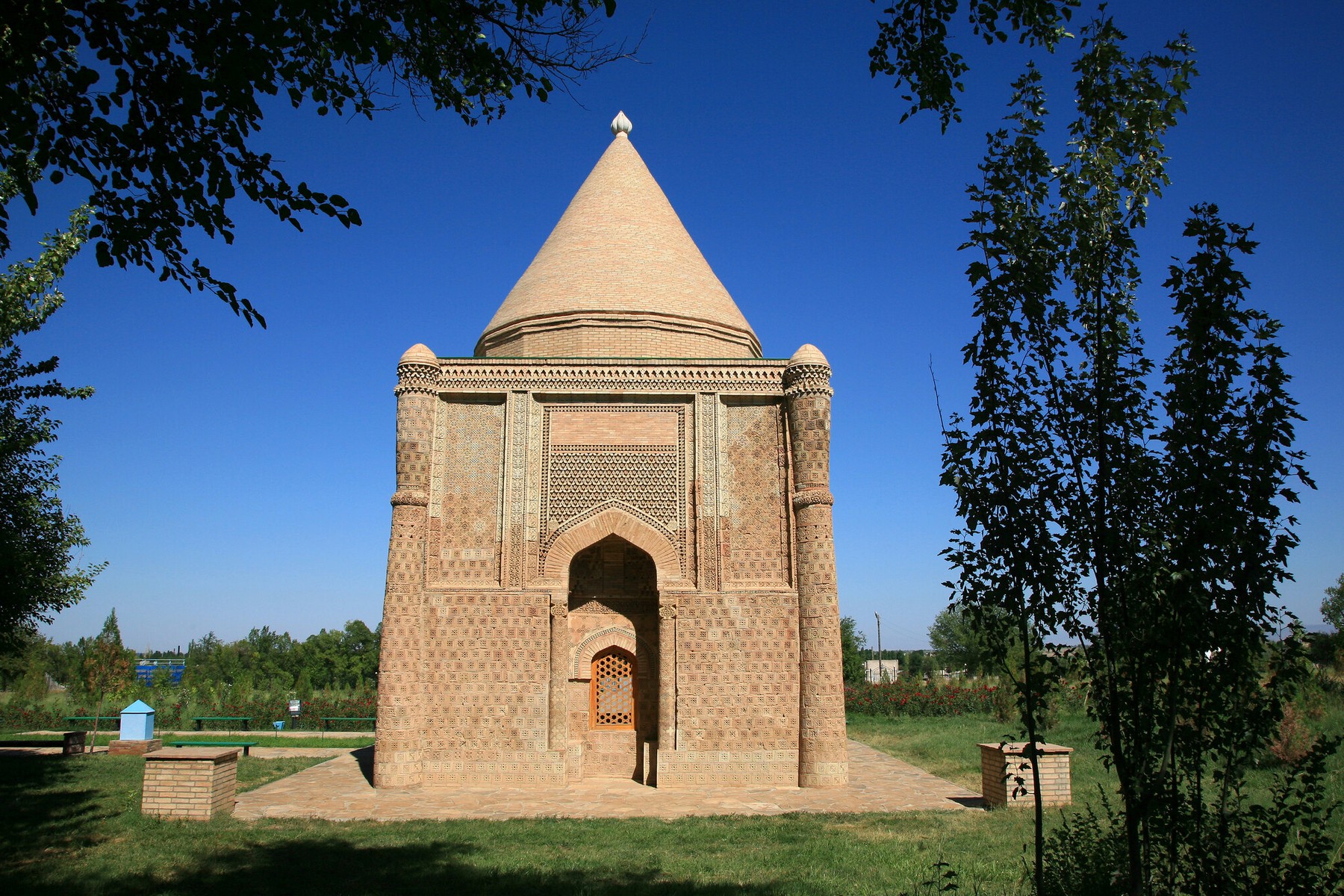
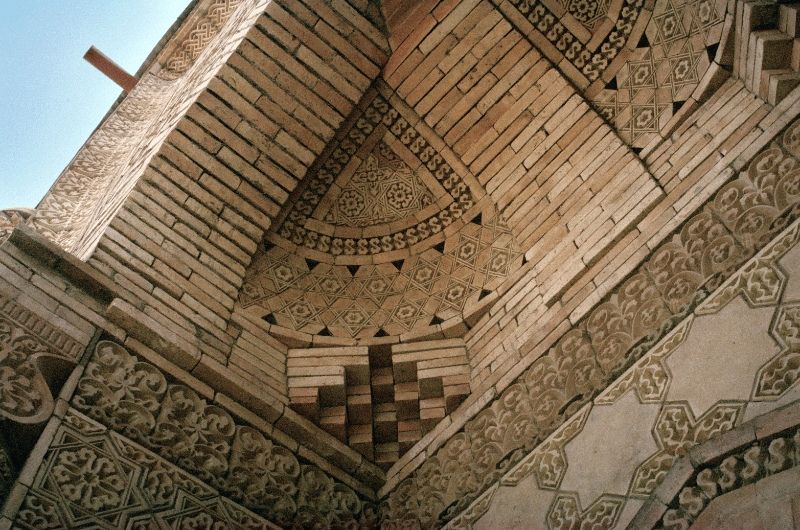
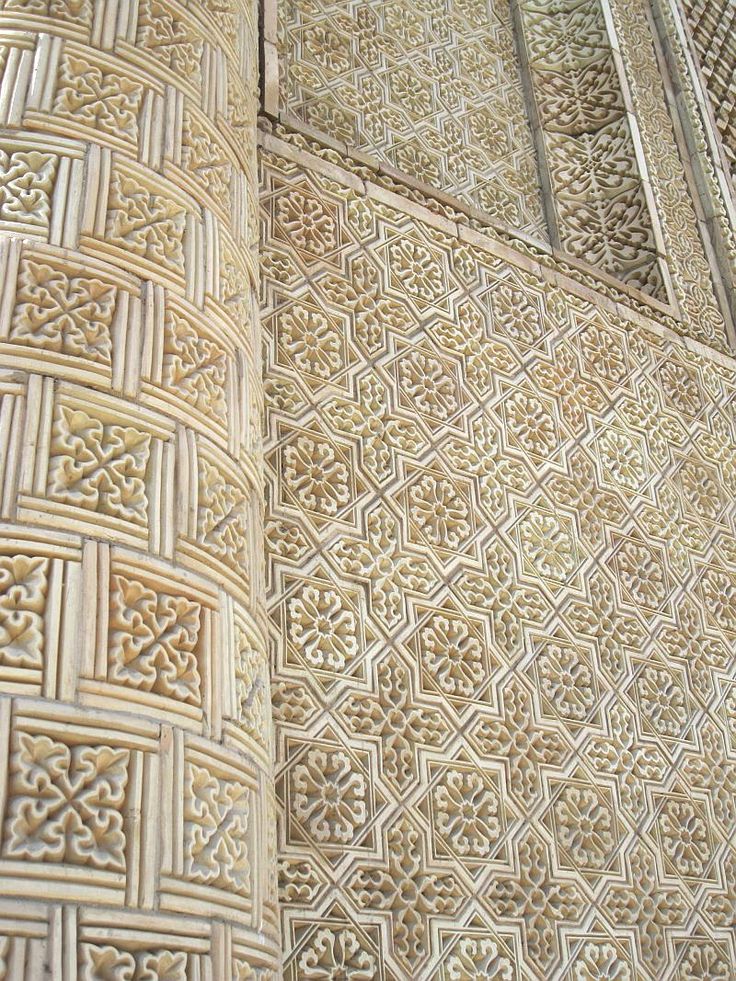
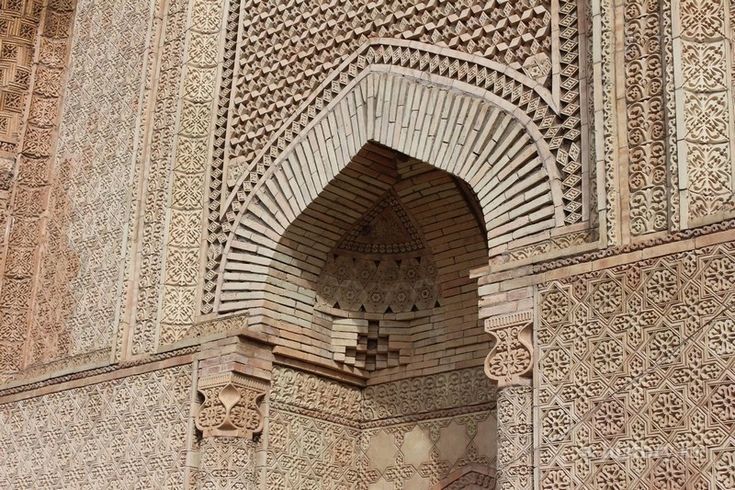
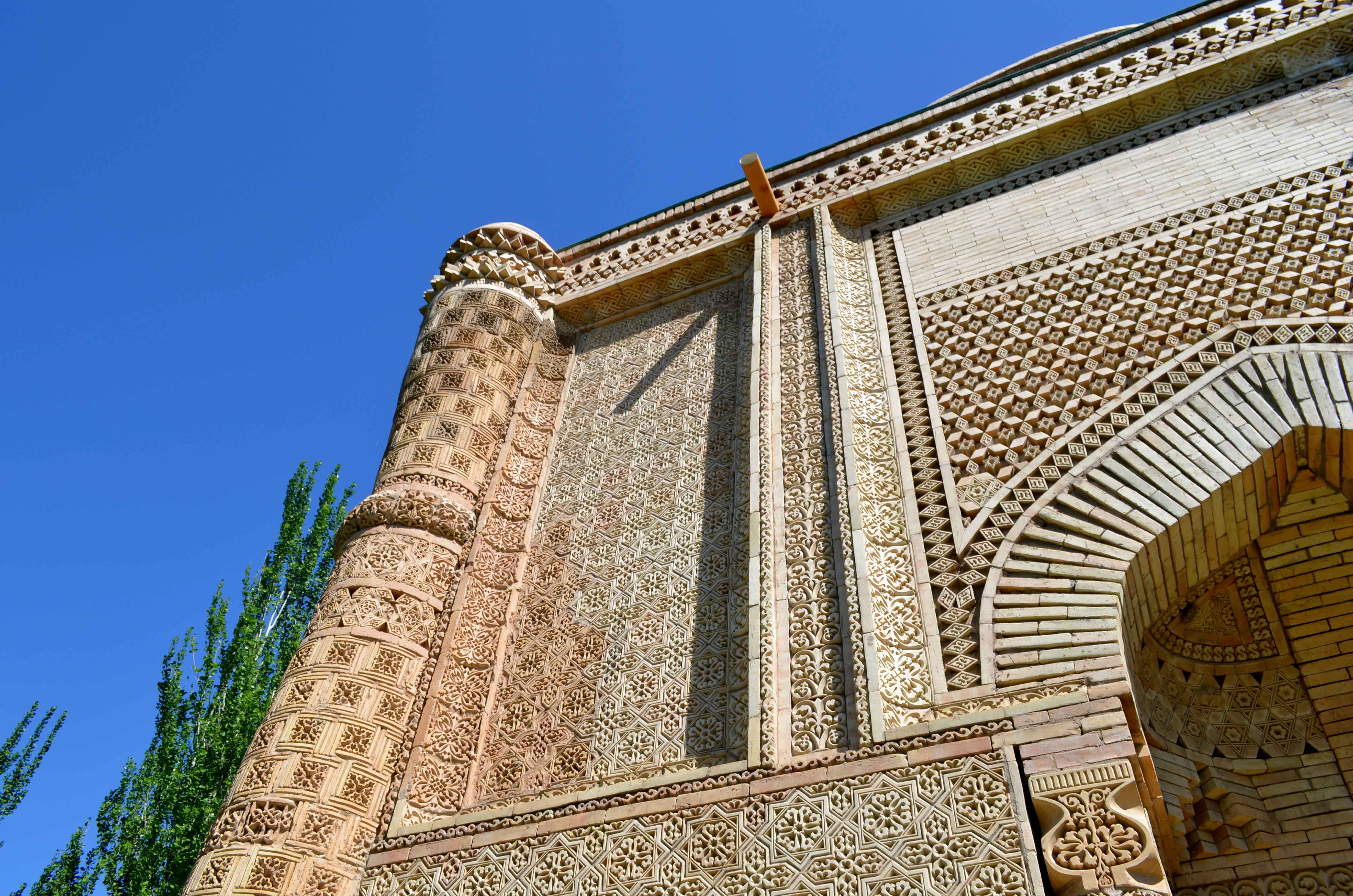
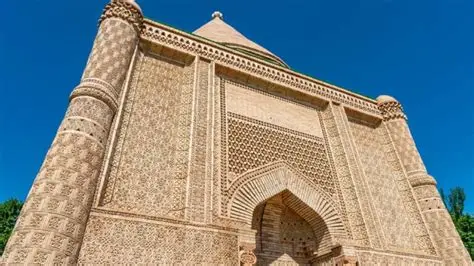
The terracotta tiles come first—sixty-odd distinct patterns of geometric and floral carving wrapping every external surface of the tomb without interruption or exception. No other monument across Central Asia was built this way, and after nine centuries the obsessive completeness of the craft still reads as something closer to devotion than architecture.
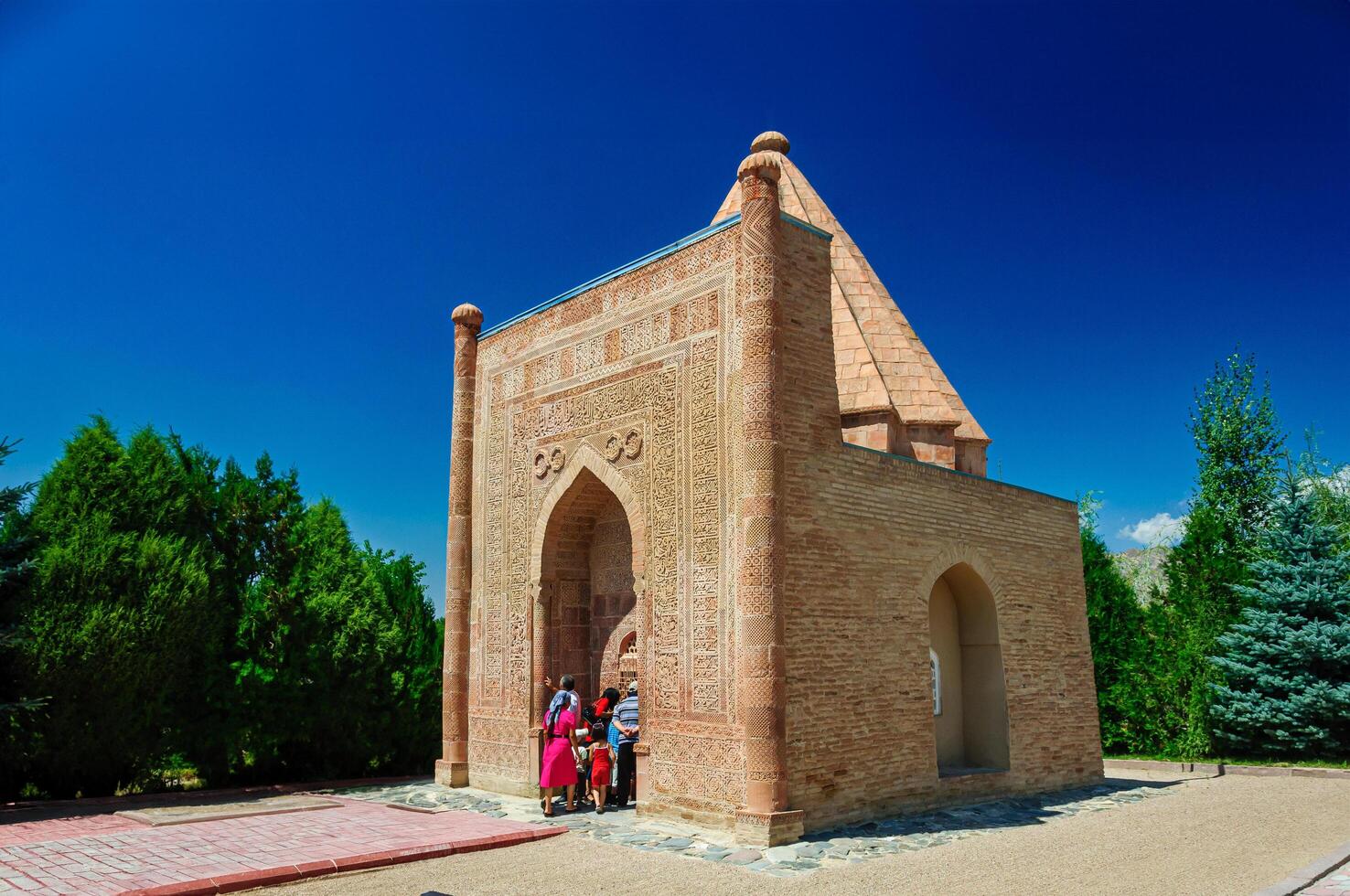
The Aisha Bibi Mausoleum stands a short drive from the city of Taraz, raised in the 11th century by a Karakhanid ruler for the woman he intended to marry. She never arrived. According to the story carried across the steppe for nearly a thousand years, Aisha Bibi died of a snakebite while traveling to meet him—and the mausoleum became the answer to an appointment she could not keep. Women have been making pilgrimages here for marriage blessings and fertility since the medieval period, a practice that outlasted the dynasty, the Silk Road caravans, and two empires.
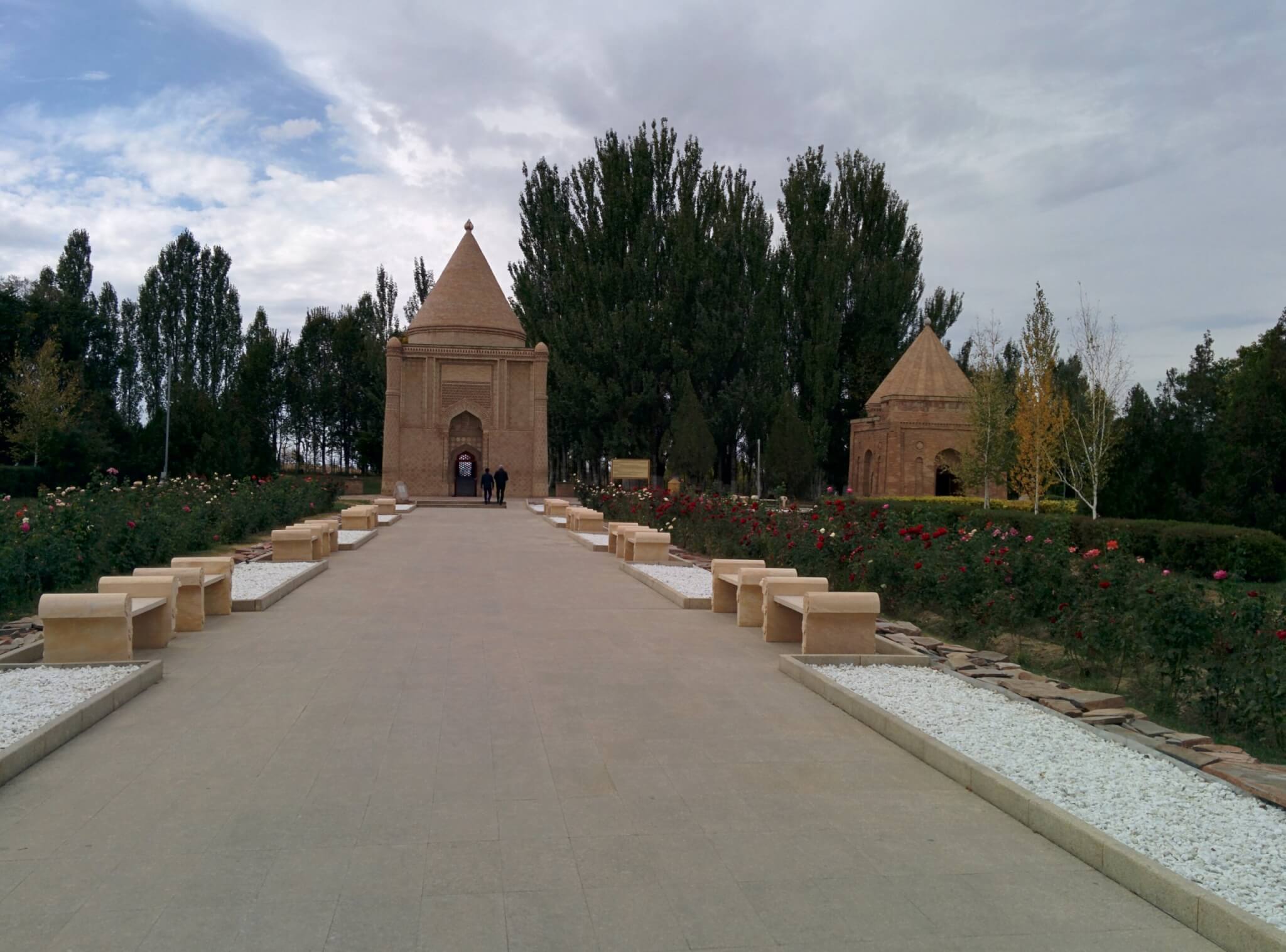
The grounds around the tomb have since been landscaped into what the site calls the Garden of Legends, its rose gardens laid out to trace the stages of Aisha Bibi's story. The roses, at least, are new. The tiles are not.
Architectural Brilliance
The structure is a laboratory of medieval Islamic geometry. Each terracotta tile is distinct — cut and fired individually so that light rakes across them differently at dawn than at dusk, shifting the façade from amber to deep ochre as the sun moves. The carved surfaces carry the Oyu patterns that still define Kazakh visual culture today, making the mausoleum less a historical artifact than a living design source. A glass-and-metal enclosure that shielded it was dismantled in 2004 following a major restoration, returning the structure to its original open-air form — the tilework now protected by modern polymer consolidants applied directly to the surface.
Digital Logistics & Access
Aisha Bibi sits 18km outside Taraz, and getting there is now easier than it has been in years. The "Taraz Smart Transit" electric shuttles depart every 30 minutes from the Central Mosque, making a hire car entirely optional. Your entry ticket—around 1,200 KZT—covers the Babaji Khatun Mausoleum next door as well, the tomb of Aisha's companion, so budget for and see both. The complex has also installed 5G hotspots and AR stations that render the 11th-century caravan routes that passed through this corridor, giving the ruins an unexpectedly immersive layer.
Essential Experiences
Come at eight in the morning, when the low sun strikes the eastern wall and the terracotta shifts toward something between amber and rust. That quality of light doesn't last — twenty minutes, perhaps thirty — but it's reason enough to set an early alarm.
The wishing tree beside the mausoleum is strung with cloth ribbons tied by visitors seeking luck in love, a practice that has accumulated quietly over generations. Bring a small piece of fabric if you want to participate; the tradition asks for nothing more.
On-site "Silk Road VR" stations offer a 3D reconstruction of ancient Taraz as it appeared during Aisha Bibi's era — a rare chance to read the ruin against its original context rather than imagining it from scratch. Directly across the grounds, the mausoleum of Babaji Khatun is worth every step of the short walk: its conical dome is divided into 16 distinct ribs, an early architectural experiment that remained genuinely unusual even as the region's building traditions matured around it.
Essential Travel Tips
Dress modestly — shoulders and knees covered — out of respect for an active place of worship. Headscarves are welcomed but not required of visitors. If you can arrange your timing, late April into May is when the surrounding steppe earns its reputation: the grasses green up fast after winter and the wildflowers are at full show.
History & Significance
The terracotta does something unusual to afternoon light. Rather than absorbing it, the exterior of the Aisha Bibi Mausoleum seems to hold it inside the fired clay, each carved panel catching the sun at a slightly different angle so the whole surface breathes. Stand before it long enough and you stop cataloguing patterns — the geometric interlace, the calligraphic bands, the floral registers stacked from plinth to parapet — and simply accept that someone, roughly nine centuries ago, decided a tomb deserved everything they knew.
Historians place the mausoleum's construction somewhere in the 11th or 12th century, the era of Karakhanid rule across the Syr Darya basin. What distinguishes it from the larger canon of Central Asian funerary architecture is that distinction of surface: the exterior is covered entirely in terracotta paneling, an approach without close parallel in the shrines of the same period in Bukhara or Samarkand. The artisans working within the Karakhanid sphere were not reproducing a template; they were solving a problem in a way no had solved it before, and the result lasted.
The legend the site carries is simpler than its architecture. Aisha Bibi, journeying across the steppe to her betrothed, the Karakhanid ruler Karakhan Batyr, died before she reached him. He built the mausoleum where she fell, or near enough. That story — unverifiable, persistent, believed — has kept the site alive as a mazar, an active shrine, for longer than any scholarly designation could. Newlyweds come to ask for something lasting. Pilgrims come to mark loss. The 11th century and this afternoon are not as separate here as they are elsewhere.
Kazakhstan named it a protected monument. That designation matters less, probably, than the flowers left at the threshold on any given Tuesday.
The Experience
The story goes that Aisha never made it. She was travelling to marry Karakhan, the ruler of Taraz, when she died en route — and so he built her this. That act of grief, completed sometime in the eleventh or twelfth century, produced of the most formally inventive monuments on the Kazakh steppe: a mausoleum whose exterior is sheathed almost entirely in carved terracotta, no two panels repeating the same geometric configuration across its surface.
Most Silk Road architecture in this part of Central Asia was built to project dynastic power. Aisha Bibi reads differently. The scale is intimate. The ornamentation is obsessive in a way that feels personal rather than imperial — braided borders, star lattices, and kufic-adjacent interlace covering every exposed face of the structure. Scholars have counted more than sixty distinct decorative motifs. The craftsmanship is thought to be the work of artisans from the Fergana Valley, brought north specifically for this commission.
The site sits just outside Taraz, and the landscape around it mirrors the layered history of the whole region. A smaller, plainer mausoleum nearby, Babaji Khatun, is generally attributed to Aisha's handmaiden, which either reflects genuine historical loyalty or tells you something about how these legends accrete over centuries. Both are worth the twenty-minute drive from the city centre. Come in the morning, before the tour coaches from Shymkent arrive, and you will likely have the terracotta entirely to yourself.
Key Facts
- Terracotta Masterpiece
- This 11th-century mausoleum is unique in the world for its exterior being entirely covered in 62 different types of carved terracotta tiles.
- Legend of Love
- Local legend says the mausoleum was built by a grieving groom for his bride, Aisha Bibi, who passed away from a snake bite.
- Karakhanid Era
- It represents the zenith of the Karakhanid architectural style, blending geometric patterns with early Islamic floral motifs.
- National Monument
- The mausoleum's image is used on national banknotes and stamps, serving as a symbol of the nation's artistic and historical depth.
- Spiritual Pilgrimage
- It is a popular site for women and newlyweds who come to seek blessings and pay respect to the tragic legend of Aisha.
- Oasis Setting
- Located in the village of Aisha-Bibi, the complex is surrounded by ancient ruins and lush gardens that provide a quiet retreat.
Photo Gallery
Embedded Video
Aisha Bibi Mausoleum
Loading map...Loading map...
FAQ
Have a question?
Ask and get answers in seconds!
Discussion 0
No comments yet. Start the conversation!
Leave a Reply